Donald Trump, in eyeing a new term as President, sought to make the global impact that he felt long denied–or robbed–in his first term. His frustration, if in part theatrical and hyperbolic, of the “Russia Hoax” was a deep discontent of being denied legitimacy, and a fear of being condemned to a Presidency with an asterisk beside it, either for having not gained the majority of votes for President, after all, or not winning the “landslide” that he felt a winner deserved. And as the first year of his second Presidency seemed to be gunning for an elusive Nobel Prize by bringing peace to Gaza and Ukraine as if to win legitimacy on a global stage, the image of global dominance–and hemispheric expansion of American power–had deep ties to his interest in the political lineage that was embodied by his one-time backer, and promoter, Elon Musk–who at a critical time was the needed P.T. Barnum to stage the comeback of Trump’s ungainly ride on a Republican Elephant. If Trump helped design the new logo of the GOP as a new circus animal–
–even personalizing it, by 2020, beneath a toupee echoing Donald Trump’s signature hairstyle, as an expression of fealty, the party of politics has become unprecedentedly politicized, all but obviating the need for a convention, as modifications that hairspray imbue the weave with vitality, despite its truly unearthly hue that even hairspray cannot create.
Trump has a dexterity with marketing and branding honed in the real estate business he made his name, and the remaking of the party is in his image is acknowledged in the button. But as much as a rebranding that nods to a fascist legacy in identifying the part with a personal brand, subsuming politics in a lexicon marketing in Trump’s America, the logic of rebranding did not emerge from Trump’s head, like Minerva from the head of Zeus, so much it was a product of the onslaught of rebranding and marketing across America, deeply shaped and inflected by the internet, and online communication, and deeply influenced to synergy with other brands–and possibilities of branding offered by such truly political constructions as a border wall. But the border wall became a subject of the political brand of Trump, the branding of Trump 2 is far more tied to Silicon Valley and Musk if it continues to expand the practice of national politics in ways not rooted in political traditions or the Constitution, and removed form civil law.
Without following legal precedent or legal formulations, the victory of branding the nation has a logic that is almost–and perhaps intentionally–removed from legal remedies or redress. For the logic of the building of a border wall that proceeded only by declaring a ‘border emergency’ and a national emergency became a ‘brand’ far outside of the legal framework of civil rights, and, indeed, flies in the face of civil rights. The brand of the wall by which Trump defined his first term and his candidacy may have had less power by the end of his first term, but the second term must be seen as a terrifying rebranding, and rebranding of America, by the logic of America First, rather than by laws or constitutionality, insisting on values of transparency and economy and an end to abuse–even if the reduction of government costs may mean that seventeen million Americans lose health insurance from Medicaid and the ACA, and reducing the $100 billion the government spent on food stamps and SNAP over ten years will affect the 5.5 million who depend on their food from federal funding in California alone, and leave two million without food. The simulacra of civility that the reductions of federal expenditures are a forced slimming not only of government, but of Americans.
The new branding of America is no longer limited to its borders, or territoriality, but depend on a remapping of an expansive mapping of American authority to use its military in what might be called the vaguest penumbra of actual legitimacy. For the first year of a Presidency has seen apparent expansion of the territorial waters of the nation as borders of military jurisdiction, and a definition not only of the ability to refuse visas to all deemed a potential threat to “Americans,” but to using the military–now understood as a Department of War, and not “of Defense,” in what is hardly only a semantic change or shift. Simultaneous to the unilateral rewriting of the global tariff system, as if arm-wrestling the global encamp, the lifting of protections for offshore drilling, and not only continental water but the nation’s Exclusive Economic Zone, the rebranding of the nation in maps have become unprecedentedly expansive in hopes to maximize the nation’s global impact, that not only flaunt the law, but expand the global footprint, as it were, of America on a global map.
The unprecedented expansion of the War on Drugs to an actual targeting of ships in international waters is not only a metaphor. The new “war,” this time, really is a declaration of military conditions that justify the discarding of international law in the basis of affirming national safety–as made evident in the recent reactivation of a slew of military bases across the Caribbean, to allow expanded bombing of shipping craft deemed a threat to the nation and a national emergency. The notion of a wartime powers that the Presidency has in the past assumed have become a way, at the same time, and with no coincidence, the Department of Defense is renamed the Department of War, to announce a war has been begun that will suspend civil rights and legal accords with nations, or any international body, to affirm the expansive legal domain of the United States over anything it deems a threat to the nation, whether or not such a threat exists. While the expansion of the “War on Drugs” as a metaphor of governance marked a decisive expansion of law-enforcement tactics, prosecution, and incarceration, evoking an “enemy” to be targeted among drug users and sellers, whose only alternative was decriminalization, the metaphor of a strategy of criminal justice has morphed to military policing of the nation’s vulnerable boundaries as if it was a real war understood by national boundaries. What has been treated as a shift of the metaphor to reality as if it were a confusion of categories, however, is in fact a redrawn theater of actual war.
Having renamed the Gulf of Mexico as the Gulf of America with little global pushback, if plenty of raised eyebrows, the recent expansion of targeted bombings on craft accused of ferrying drugs destined for markets of American customers–and cast as the pending incursions by foreign gangs of the nation–have occurred with the reactivation of American bases in the hemisphere, far outside of territorial waters, to a new level of alertness not seen since the Cold War–an amassing of 10,000 troops and expansion of military staging grounds that are intended only to facilitate extrajudicial executions far beyond the line of the border wall on pause since being built in Trump’s first term.
Reactivated American Military Bases in Puerto Rico, Panama, and US Virgin Islands/2025
It is as maddening as it is beguiling to map objectively Donald Trump’s relation to the world, so deeply is it performative. It does not objectively exist in ways that could be mapped, trafficking as he does so facilely with fears, existential threats and danger, that conceal a barely credible sense of purchase on reality. Trump’s inflated claims seized willfully and impulsively on maps in his political career, to validate his relatively unclear claims to a sovereign role, eager to try on ideas of sovereignty able to reoccupy the image of his early adoption of the military uniform he wore at the young age, leading a march with pomp and circumstance down Fifth Avenue, fresh from what passed as military training at the New York Military Academy,–anxious to inhabit newfound authority in the Fifth Avenue canyon of New York City–“prime property”–he had never set foot before, as he was trying on a uniform for size in ways that we cannot but associate with the imperial presidency he would later help to design.
Donald J. Trump Leads Military Academy on Columbus Day Parade at Fifth Avenue and 44th October 12, 1963
Fred Trump, no doubt drawing on his own fascist sympathies, had sent the unfortunate future president at age thirteen to learn the needed lessons of domination to reach a level of proficiency to be a capable future head of a real estate firm. But the lesson also gave him a keen sense of entitlement–not having to actually serve in the U.S. Army, increasingly the fear of the men subject to military draft from which Donald sought up to five deferments–and a sense of empowerment not previously encountered in life. The sense that the removed world of wealth was suddenly in reach, and not distant, led him to develop a sense of the synonymity of the Trump name with wealth inequality that helped Donald Trump get in bed with a variety of political forces, gravitating to a dark side of American politics of small government, low taxes, and paleo-conservatism to normalize and perpetuate wealth inequalities in America, at the cost of replacing or eroding government, or what we have come to know as government–and accept as government–without considering the withering away or puncturing of anything that is left of the welfare state or Great Society.
But before he headed to Fordham, and as he tried uneasily to imagine the status a uniform might bring to a child of wealth, the enhancement of his personal authority was but a glimmer to his young eye.
Donald J. Trump in full regalia in New York Military Academy Yearbook (1963)
If the frontiers of America have are a consistent theme of Trump’s Presidency–from the bombing of ships in international waters off of Venezuela’s or Colombia’s coasts, ascribed to “narcoterrorists” or “narcotics traffickers” in a “Trump Doctrine” of targeting what “came out of Venezuela” as if it was subject to attack as criminal. The new envelope of legality that Trump has advanced, insisting it not be covered by the War Powers Act and rebuffing international objections from the United Nations, occur under the pretenses that a nation is not being attacked, but criminal organization run by a “designated narcoterrorist organization,” as if this sanctions bombing ships and killing passengers in waters waters lying far outside of American territorial claims. If Rankin and others have suggested that the cartographic artifact of International Waters or an Exclusive Economic Zone can be seen in terms of an optic of globalization, the rejection of globalization or global orders of legal authority are likewise artifacts of globalization–but of the Trumping of globalization that is an assertion of the rejection of legal oversight on attacks of international criminal organizations. The blurring of the nation’s southern border drew condemnation of Caribbean states, claiming wartime powers in a far more open violation of international law than the US-Mexico border wall.
The border wall indeed receded into the baground, fast forgotten in comparison to the extent to which bombing offshore ships blurred the boundaries of territoriality in a misguided attempt to staunch the flow of drugs–a flow Trump and his henchmen too often argued is accomplished by smuggling routes able to be stopped by immigrants, as if this prevented the flow of cocaine, fentanyl and methamphetamines across the border–the blurring of territoriality now goes far beyond the “big stick” of the Monroe Doctrine that the nomenclature of the “Trump Doctrine” echoes, and sets a new standard for a “gunboat diplomacy” now waged from the skies, and from seven warships and aircraft carriers stationed in Caribbean waters by September 1–carrying over 4,500 sailors and marines beyond the nation’s frontiers, in a quite sudden and unexpected military buildup designed to “combat and dismantle drug trafficking organizations, criminal cartels and these foreign terrorist organizations in our hemisphere.” Is the sending warships a new expanse of borders to patrol international waters an act of aggression, or a war against non-state actors?
The nation seems to be expanding its frontiers, even as our government shrinks. The wanton summary firing of government employees during the shutdown over which he would preside in 2025, letting go of over 4,100 employees from “Democrat agencies” of government as Housing and Urban Development, Center for Contagious Diseases (shutting its entire Washington office), Education, Treasury (1,400), Interior (1,100), Environmental Protection Agency, and Commerce, and elections security and cyber in an unprecedented unilateral”Reductions in Force” as the shutdown was in its tenth day was a supreme act of plenipotentiary powers, as his Budget Director released “RIFs” in place of pink-slips, purging the note of government by massive layoffs (firings) in classic Trump style for big corporations and budget hawks. What might reduce our emergency preparedness on multiple fronts was conducted in the name of emergency cost-cutting. “March on, Dombrowski, lead the way! Our Poland has not yet perished, nor shall she ever die!” The expanding frontiers of the nation, as government sent guided-missile cruiser, an amphibious assault group, nuclear-powered fast-attack nuclear submarines with 5,000 sailors and Marines to the region–as ten Stealth Fighter F35’s have been shipped to Puerto Rico, supersonic jets of a lethality that has no clear tie to a narcotics war, save as a massive show of force, with eight destroyers.
September 2, 2025
Trump seems determined to send a new sign of his triumphal presence in the region, as if to declare a new relation to the Caribbean as an imperial space he is willing to defend by military roles and military engagement of nations. The metropolitan splendor of the broad streets of the modernist urban grid may have overwhelmed Donald as he stared downthe chasm of an urban canyon whose buildings’ art nouveau facades must have impressed him as a new social geography of which he had not been so keenly aware and a New World. It may have so impressed him as tying the historical figure of Columbus to a conquest of Fifth Avenue,–as a modern Christian soldier–stepping in his patent leather shoes into the future he would argue to have equipped him with “more training militarily than a lot of the guys that go into the military”–a distortion of magical proportions, perhaps born out of guilt for the five deferments obtained to defer service in the Vietnam War, determined to boast of a disciplined leadership without showing much true actual discipline military men are instilled. The determination with which Trump led his New York Military Academy class forward amidst along the glittering concrete neoclassical towers lining Fifth Avenue, as if they constituted a new world he had never personally seen, was a conquest of sorts, a conquest that was Columban in scale and grandeur, as if the commemoration was of his own new role in life.
Is this early image not at the heart of his deep ties to the defense of Columbus Day as a national holiday and collective celebration, in the face of reality and claims to the contrary? It is as if predating any sense of global politics, he naturalized the heightened socioeconomic divides of the impressive city. Indeed, the opening up of the landscape would long fascinated him as a developer that he set his sights on conquering this new land of wealth. Those looming towers would be a beacon of sorts for the real estate company he inherited, and provide a soundstage on which his public persona as a realtor could be orchestrated as if existed apart from his father or the rest of his family, and indeed a migration story of sorts from the outer boroughs across the bridge that spans from Brooklyn and Queens to the glittering tower of Manhattan that he traced compulsively on paper napkins as new maps to his identity and brand, even before he took to affixing his name indelibly with their glittering facades.
The new branding of the United States on the global stage is akin to a throwback mapping of a nation’s expansive authority, eerily evident in a favored map that Elon Musk may well have taken out of deep storage in his family memory as he developed plans to help resuscitate Trump’s candidacy in 2024, at a critical time, selling a new vision of the powers of the presidency that seems to have loomed large in Trump’s own struggle for power. Long before applying gold-painted polyurethane appliqué from Home Depot to the Oval Office for a mere $58 to create what he called, a real estate developer at heart, “some of the highest quality 24 Karat Gold ever used in the Oval Office or Cabinet Room of the White House” for “the best Oval Office ever, in terms of success and look” (his string of capitals), perpetuating the image of wealth inequality whose quality would impress “Foreign Leaders” who would “freak out” at its quality.
For Trump ran for President the second time almost under the promise to naturalizewealth divides in a landscape that dazzled him with its display of opulence, as a New World he seemed to have first confronted and remains, for the moment, to be vertiginously in complete command. The deep ties of Trump to a naturalization of wealth divides would lead not only to the demonization of migrants, blacks, and other undesirables, expressing a sense of grievance against them as a real estate developer preoccupied with fears of declining values of their properties,–but to find an eery kinship, at great costs to the nation, with the naturalized wealth divides of apartheid that were a formative part of the worldview of Elon Musk–similarly attracted to the promotion of fool’s gold.
Musk was an icon of the entrepreneurial abilities that seemed to be tied to genius, but was hardly American, and tapped, as has been shown, an eery brand of libertarian politics, not foreign to America, but a dark current that was accessible to the young man who grew up in a white enclave of Pretoria amidst a sense of the deep dangers of those without wealth, amidst the jacarandas and elite schooling, and his heroic grandfather, the dashing adventurer Joshua Haldeman, a refugee of sorts from Canada, who had played an uncelebrated but rather profound part in the social movement Technocracy, whose political imaginary is preserved in the map that is at the header to this post, and received attention as a political imaginary that has informed the apparent contradictions of the expansive isolationism of Trump’s second presidency. The expansion Trump has directed of Homeland Security to apprehend “illegal” migrants is not only an attack on the legal status of refugees–promised safe harbor in the United States and other countries by international accord since 1951 providing that no refugee be expelled or returned to the frontiers of a territory their life or freedom was compromised or in danger. As fears of political persecution have multiplied and the flow of refugees grown globally, the United Nations Convention has been not only questioned–but the safeguarding acquired rights were called into question by declaring the border a ‘state of emergency’ not demanding the following of agreed laws. Indeed, the digital dragnets that are targeting alleged “illegal” migrants compels many to present themselves before court without any right to a lawyer or legal defense, as they have no ability or right to hire one.
Donald Trump had been sent to military academy to dissuade him from a passion for films. Donald was wowed by leading a spectacle that of which he was the center–leading a Columbus Day march!–whose theatrics led him to remember the event. He boasted of being instilled with obedience and rules at the New York Military Academy, endorsing the creation of an online “American Academy” as he ran for U.S. President in 2024 to undermine the place of “radical left accreditors” in American educational institutions and the “left-wing indoctrination” so endemic to schools he argued were “turning our students into communists and terrorists and sympathizers of many, many different dimensions.” Trump was vexed by the protests at universities after his first election, channeling attacks of alt right online journalism as Breitbart News against the universities they argued had become opponents to free speech. Trump adopted a Manichaean grievance of disconcerting alliterative bounce, vowing to “fire the radical left accreditors that have allowed our colleges to become dominated by Marxist maniacs and raving lunatics” as if they had perpetrated a crime against the nation only he, the graduate of a Military Academy, was properly able to solve.
Trump Leading New York Academy on 1963 Columbus Day Parade, to immediate right of Flag Bearer
Trump as he marched down Fifth Avenue must had no sense of a defined a relation to the world–he was seeing New York luxury properties for the first time, but was opening his eyes to the scale of what seemed a global stage as he led the march with utter pride in his uniform and bearing. But President Trump’s conviction he is leading a white nation to an age of plenty, as he led the Columbus Day parade months after I was born, is tragically curtailed in its vision.
In glorying in a nation of closed borders, Trump has clung to a. geographic fantasy and a myth. The scale of global leadership may have long been a problem for Trump to comprehend. But the eagerness with which he entertained and promoted the mythic geographies Trump long trafficked in real estate have sought to promote the nation in a new global context, whose toxic spin is reflected in insistently casting Columbus as a basis for the Christian white foundation of America, embodied in his deep commitment to restoring prominence to a holiday named after the Italian Christopher Columbus. Even as we have documented and uncovered the scale violence Columbus and his sailors perpetrated in taking possession of Santo Domingo, the whitewashed elevation of Columbus as a, a founder of the nation if not of Christian Empire, with deep roots in the nineteenth century at great cost tot a nation. Even as Trump vouches opposing the “woke” change of critiquing Columbus as a figure of veneration, one who “all of the Italians love him so much,” Trump courted white supremacy by Columbus; he embraced a vision of imperial supremacy that animated a proposed monument to Columbus for New York Harbor of bronze kitsch designed by Georgian monumental sculptor Zurab Tsereteli,–in an effort to promote and re-imagine Columbus as a father to the Country, akin to Peter the Great in 1997, whose statuary Tsereteli had previously designed on the banks of the Moskva River to celebrate three hundredth anniversary of the Russian Navy in the very same year.
Tsereteli specialized in designing monuments, and the patriotic monument of grandiose statuary was underwritten by Russian funds as a free “gift” in 1997, in a stunning three hundred feet of kitsch to rival the Statue of Liberty in a foray into American politics. The monstrous kitsch statue of an apparently impassive navigator may have been in the back of his head as he appropriated government funds to reconstruct Columbus statues as his final act as President in 2020, seeking to leave his imprint on a society that had refused to commemorate Columbus as a savior to the nation.
Trump has perpetuated the grotesque myth of living in a prosperous nation within closed borders, as if the arrival of Columbus was triumphant and peaceful–not acknowledging indigenous peoples, slavery, or even non-white history, even in the face of historical evidence of the enslavement and violence that followed the disembarking of European settlers to the contrary. The massive whitewashing of the historical record pandering to visions of white supremacy redefined America in a globalized world as provincial and out of his league as that young costumed military school brat, marching in pants too short and outsized cap shortly before the American troops would be sent in escalating numbers to Vietnam. To be sure, Trump feigned his “military experience” as a doge for five successive draft deferments from military service. Elevating the Christian heritage of America Columbus has come to incarnate romanticized America in a global map of the powerful that Donald Trump could get behind. Yet the uneven distributions of global wealth–far greater than were defined by New York in the 1980s–offered by 2024 a vision Trump’s candidacy seemed ready to naturalize–offering Trump a means to orient his sense of politics to the world. claiming as President to bring “back from the ashes” the celebration of the Genoese navigator’s voyage, and end celebration of Indigenous People’s Day, by renaming the Federal Holiday. The new vision of global prominence for the nation that Trump promised was not dependent on or tied to Columbus, but to a vision of global economic dominance not only rooted but trafficked in myth.
Trump did so, this post imagines, side by side the other spokesperson of wealth inequality who offered a critical endorsement of the candidate in 2024–the South-African born Elon Musk–with world-changing consequences. Musk, like Trump, while super wealthy, also saw himself as an outsider, but claimed a persuasive way to orient Trump 2024 to the world, if not to orient the second Trump Presidency to a map that preserved the wealth inequality incarnated in the buildings and skyscrapers of Fifth Avenue within an increasingly globalized world, perpetuating the illusion of the wealth of the United States by whatever legal fiction possible to provide a vision of American pre-eminence that has some surprisingly scary echoes to the cartographic fiction Elon treasured from his father-in-law, and perhaps the largest paternal figure of his childhood, Joshua Haldeman, a chiropractor from Saskatchewan who accumulated wealth from ruby mines in Tanzania during Apartheid but ended his life piloting airplanes convinced of the hidden riches of the sandy savannah of the Kalahari Desert–not its actual resources of diamonds or uranium, even if it possesses one of the largest diamond mines in the world, but the ancient wonders of the Zambezi Basin of the Lost City of the Kalahari–an obsession of late nineteenth century geography that has survived in board games–of a lost pre-Ice Age civilization only officially given up on in 1964, but incarnated a vision of wealth inequality the likes of which rarely existed before globalization.
Lost City of Kalahari (Late Nineteenth Century and Modern Reconstructions)
The visions of wealth inequality by which both Trump and Musk were so attracted and obsessed made them a far less likely pair to endorse the divides of income inequality that have increasingly defined the United States and the world by the twenty-first century, but which we have been almost unable to glimpse. The manner in which Trump has shifted attention from income inequality to spectacles of state, indeed, is a critical means by which we have allowed our attention to be distracted by the policing of a southern border, but to turn the other eye to urban poverty and the social fissures exposed temporarily in the pandemic, but that exist in both health care, educational attainment, and life expectancies across America, in ways we have hardly seemed able to process.
Conquests often lead to a renaming of place, a denial of the rights to land or water by former inhabitants, that is only confirmed by a map. As if sensing the need to administer a national shot of dopamine without much to accomplish for ending war in Ukraine–despite assurances of its imminent ending–or the transformation of Gaza’s rubble to beachfront properties, realizing our short attention spans, President Trump declared victory on the television screens and Google Maps feeds in the relative safety of the Brady Press Room, and declared victory over the maps to be provided Americans in the future of the offshore waters of the southern coast of the United States for the foreseeable future. While the font is shrunken over the deepsea area, the expansive claim to expand far beyond the nation’s Exclusive Economic Zone or the continental shelf is an act of what might seem bravura, but is also of a false patriotism, a patriotic rallying cry that conceals craven catering to the interests of the petrochemical companies to whom Trump’s campaign was indebted, and disguised the hopes to open bids on offshore lots to extract oil and gas in claims of hemispheric dominance. The aim to secure the popularity of his Presidency by lowering gas and oil prices was the rather simplistic hope of jump-starting the American economy, disguised in jingoistic claims that map servers like Google Maps and many news agencies were all too ready to accommodate.
Google Maps
This rather brazen declaration of victory included a cartographic bill of goods and a dictation of the new policies of mapping servers and news agencies not only for the cameras. It was for smart phones and online maps, a stage-managed as a campaign event–which it sort of was. The celebratory display of a banner of victory above twin maps that illustrated a renaming of a body of water asserted its reclaiming for national destiny as a needed shot of endorphins to project victory in the global race. The Gulf of America was no mere outlier, but a gauntlet, expanding the earlier extension of offshore waters beyond the current continental shelf, as Trump moved its line, with great bravado, to erase the name of ‘Mexico’ as if the waters were contested, as the result of a war, if this was a war that never occurred, but was being staged for national news agencies he clearly expected to parrot his alternation of the hemispheric map, and the right to stage a name change.
‘Gulf of America’ seems, in retrospect, the terrain of the series of victory marches Donald Trump had mapped out in anticipation of his return to the Oval Office with an entirely new administration. His full-throated adoption of the terminology in news industries that went off so smoothly–indeed, without a hitch!–left him exultant at quick adoption of the new designation among news media, transformed to a spokesperson and portavoce of his truly dark geopolitical designs. With a new grim perseverance in the face of international blowback, Trump glided obliviously over the question of how international waters were being renamed by a nation on unilateral grounds, concealing most of the grounds he sought to be able to claim–and extract oil and gas–lay in the deepwater reserves that previous American administrations have taken off the lots auctioned to the petrochemical industries, that Trump openly wanted to put back on the table without regulatory oversight.
While we didn’t yet imagine that the Gulf of America would be a brand tod be taken on the road to the beaches of Florida–promoted as if it were a “another Trump Development” in its dedicated red, billed cap–the renaming led a rewriting of human rights in international waters, and a new chapter in American unfreedoms rolled out in the Trump regime. But the renaming was a way to push the project to Make American Great Again into international waters, a military patrolling of the expanded waters of America that might be patrolled by drones and bombed at will, if the U.S. military saw something untoward or criminal like a boat that was advancing in international waters suspected of possibly carrying drugs–a criminal but non-capital offense–toward American shores. For the predesignation of a Gulf of America as a part of the map needed to be made Great Again had expanded, as a side-benefit, the area of the nation or ‘national waters’ we needed to defend, because they were suspected of an intent to smuggle drugs across the border–“Every boat that we knock out we save 25,000 American lives”–so that killing three or five or fifteen people wouldn’t be that bad in the calculus where “you lose three people and save 25,000 people,” as Trump clarified, explaining how the elimination of the ships was ‘actually an act of kindness.’
While “Make America Great Again” was mostly understood as a metaphor for the interior, embracing economic issues and global stature, the Gulf of America skirts the boundaries of hemispheric dominance. For the new designation of the largest body of water in the hemisphere literalized the remade greatness of America as a question of magnitudes, embracing a new map of the Expanded Continental Shelf, to be sure planed and mapped by his first administration, from 2017 at the behest of the American Petroleum Institute. The expanded continent served as a way to promote the development of offshore resources of energy extraction, as a cartographic boondoggle that would coincide with the Trump Presidency–and conveniently erase the cartographic history of the negotiation of borders with Mexico, trumping them all by declaring the largest body of water in North America to be a natural extension of American sovereign space. And the new designation of the body of water got rid of a term that, it had to be admitted, predated the birth of the United States, as if this might allow its consignment to the dustbin of history, a relic of the world of a past era that fails to reflect how the United States has remade the world in its image.
While the earliest authoritative treatise on the New World, compiled by the erudite Johannes de Laet based on the clearing house of the Dutch West Indies Company, described the separation of north from South America, or dividing the Terra Nuova to the north from Brasil to the south, by a gulf shaped like a half moon and filled with islands, like the Mediterranean, as the “Gulf of New Spain or of Mexico,” four hundred years of time seem to be compressed and elided by the renaming of the body of water as a Gulf of America. While the question of sovereignty was a bit up for grabs in De Laet’s day–there was the issue of Spanish sovereignty over the islands and ports, as well as the gold and sugarcane–the Gulf of America is in truth far less as a body of water for maritime travel: the blatant ploy focuses attention on underwater mineral reserves as the new mercantilistic logic of Donald Trump’s MAGA policy. If Spain claimed the gulf in the old mercantilism as a shipping route for precious metals mined in the New World, the new mineral wealth lies off the shore of petrochemical America, in the deep sea, rather than on the shipping routes of the past. If Spain wanted to ensure that the crown profited from mining mineral resource in the colonies, and the extracting of silver by mercury amalgamation and benefitting from the labor of large enslaved populations, allowing the metal of a new coin to be minted from New World silver, the extracting of gas and oil from underseas will demand an even more intensive extraction of oil reserves, by which the United States is increasingly ready to believe might keep its own economy afloat in increasingly unpredictable global energy markets of signifiant cash flow, the environment or biodiversity of the waters of the Gulf be damned–
–not to mention the precarious nature of its long settled shores and benthic coastal habitat.
The Trump Presidency dispenses with legal norms or precedent, seeing what it identifies as “worth it,” and trying to grab it in a desperate race to Make America Great Again by a new mercantilism of expanding the borders of maps, making obsolete the indexical frames as a way to read marine routes that the maps transcribe and organize oceanic space by itineraries in favor of the geolocation of deep sea wells that can be mapped to increase the national wealth by a region whose “bountiful geology” contains “one of the most prodigious oil and gas regions in the world,” already providing a sixty of America’s crude-oil production and whose seafloor contains abundant natural gas, whose opening to unregulated business would drive “new and innovative technologies able “to tap into some of the deepest and richest oil reservoirs in the world.” Renaming of the region was claimed to be merely restoring a body of water to its rightful place in the national map, but the very idea of “restoring” the name to “honor American greatness” was rooted in expanding the underwater reserves beneath it to a reserve of national wealth. And Trump was pleasantly surrrised that the gambit worked, in the sense that even if that name never existed on a map, it was adopted by collective assent on map servers in the first month of 2024. This was mercantilism by putting the cart before the horse, or expanding the map of minimal regulation before the economic business even had begun, outside of any adherence to the complex evolution of ocean regulations, flying into the face of international governance of the oceans by removing the old name from maps as if it were an obsolete inheritance of an old geography–fit for the history of cartography–
Jacques Nicolas Bellin, Carte Du Golphe Du Mexique et des Isles de L’Amerique (Paris, 1754)
to recognize a new economic reality. To be sure, Louisiana, Florida, Mississippi and Texas were states now, not just areas of land, entitled to sovereign wealth funds in the Gulf that America whose oil deposits United States companies had mined more than any other nation, the states bordering the Gulf, as much as the oil companies that have released the buried wealth.
To be sure if one went a bit father back through the centuries, the neo-imperial act of renaming was consonant and of a piece with how the same body of water had been a bit different seen in 1640, when it was mapped as a part of New Spain–when Florida was far more sketchily mapped, indeed, if the rivers that fed what was then simply the “Gulf of New Spain” fed a body of water whose naming reflected the global dynamics of colonization, removed from any sense of local nationhood, as if the mapping of a new body of water were indeed only fit for the projection of national dominion.
Johannes de Laet, Histoire du Nouveau Monde ou Description des Indes Occidentales (1640)
The rationale for renaming was of course then to define the control over routes for the silver trade, and ensure a monopoly on traffic through this bay that became a focus of economic traffic to the New World. Centuries later, the historical nature of this shift of names laid a claim American oil companies had staked to extract the region’s submerged wealth. The Gulf of America was a Sovereign Wealth Fund waiting to be extracted, there for the taking by multinationals with the Trump White House’s happy imprimatur. To be sure, the idea of a Sovereign Wealth Fund was never part of American government, but it fit the lines of Donald Trump and Don, Jr.’s friends in Saudi Arabia and Abu Dhabi–some states, as Texas, already had one, and the other bayshore states from Louisiana (then under French sovereignty) and Florida (then under Spanish dominion) had long changed to states in the union. Yet it is hard to cast the Executive Order simply as an updating of claims to sovereign in an area long known as the Gulf of Mexico–as if the name change reflected a pressing need to be bought into line with the Adams-Otis Treaty that freed Florida from Spanish sovereignty or Louisiana Purchase–rather than rely on antiquated mid-eighteenth century maps that identified “America” only with the surrounding islands, long out of date-and not a land grab of underseas wealth of hidden treasure that the United States felt itself empowered to annex.
Although promoting offshore development had roots in the commission to remap the Outer Continental Shelf (OCS) to oil and natural gas exploration to redress the status quo in which 94 percent of federal offshore waters remained inaccessible to plans for expanded energy extraction, a huge multiplier of state revenue streams of potentially untold dimensions, free from regulatory oversight. Indeed, the renaming of the “Gulf of America” is an annexation of mineral wealth, in case you hadn’t noticed, in what is far more than a media stunt.
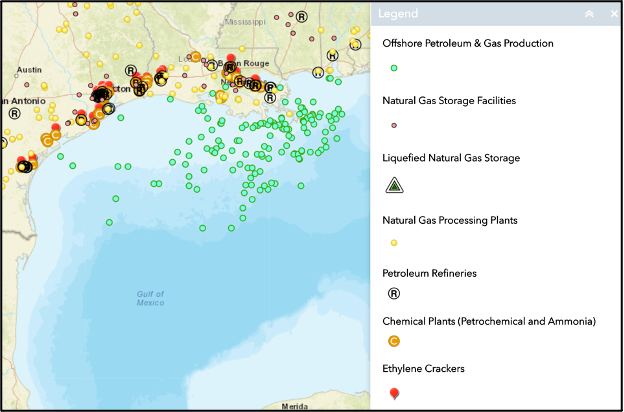
The problem of mapping the inlet of ocean water known for centuries as the “Gulf of Mexico” is illustrated by the MapBox imagery that locates the new name preciselyat its deepest waters, the contested areas body of water Mexican and American petroleum and gas seek to claim possession, adding a substantial amount of wealth to corporate ledgers, and boosting one national economy or another in ways that maps have suddenly put on the front burner of the Trump Presidency.
The problem of remapping is located in deep waters in either alternative name for the region, as the deepest areas of its waters–the “deepwater” sites of drilling and extraction–that were long held off the table during administrations with more concerns about environmental consequences, has long been targeted as a goal that the oil industry put on the front burner of the Presidential election, and Trump was, this time, more ready than ever to coopt as a platform as if it would Make America Great Again–or be an issue of domestic policy for the Secretary of the Interior to plan.
As much as the renaming of the Gulf of Mexico undercuts history and cartographic custom with a vengeance, the neo-imperial renaming seem to herald victory in an intense fight for underseas minerals waged by oil companies for leasing more offshore lands around the nation. For the un-naming the Gulf of Mexico is not only Newspeak of a dangerous sort, a spin on the rebordering of America that is a core MAGA principle, but is a craven advancement of oil companies’ interests. The renaming was presented free from any fingerprints, as if it was a right of the nation that would be at last rectified by the Trump Presidency, more than a priority of energy industries and petroleum extraction: the declaration on Inauguration Day that “[t]he area formerly known as the Gulf of Mexico has long been an integral asset to our once burgeoning Nation and has remained an indelible part of America” conjured the cartographic indelibility of a map of clear borders. The new name of this “integral asset” was a claim of ownership and property, as if the real estate agent in chief was able to annex what was already “indelible” just to remind us of what one has long known. The new name was a way of restoring to America what was hers, lest we be ripped off, as much as asserting the demand for expanding offshore oil production.
The un-naming of the Gulf of Mexico may mirror the un-naming Confederate monuments to Civil War Confederate generals, of slave-owners, or indeed of Columbus. For as an act of restoration and memory, renaming of the largest body of water in North America was a restoration of “American pride in the history of American greatness,” a rectified history more than asserting hemispheric eminent domain. (The name was to be reinforced as indelible by commemorating the February 9 edict as Gulf of America Day.) And as much as the parsing of other phrases suggested a snipping concepts was a Newspeak undermined cognitive abilities and mental tools, the severing of “Gulf” from “Gulf of Mexico” was an annexing of watery expanse in hopes to stake claims to energy reserves deep beneath the ocean floor, a search for wealth that, in the minds of the government and new Secretary of Interior, might be integrated into the nation’s economy and indeed be a promoted as a new foundation for national wealth, gained by cartographic fiat. As much as we abandoned terms as the results of the zealousness of complaint MAGA mixions wielding scissors gleefully to cut red tape and bureaucracy allegedly to keep down costs, sheering the language of governance by severing of “Gulf” from its less patriotic modifier to shift the hemispheric balance of wealth. The renaming planted a flag in an expanded underseas mineral and seabed–severing it from Mexico, in a voluntary act of Dada it was hoped public memory might mindlessly comply.
G. B Trudeau, Doonesbury 2025
This was nothing less than the perpetuation of a new religion of American grandiosity, an expansion of the boundaries of America to claim those areas of the Expanded Continental Shelf as if they were included in the Book of Mormon, and a recognition of American grandiosity recent maps had omitted and elided that placed the nation at a disadvantage, if one needed reminding, in a global marketplace. Yet this patriotic rhetoric of promoting a new religion, a truly revolutionary rhetoric worthy of the Festival of the Supreme Being, was a manufacturing of a new nation out of whole cloth, urging the nation to rally to “take all appropriate actions to rename as the ‘Gulf of America’ the U.S. Continental Shelf area bounded on the northeast, north, and northwest by the State of Texas, Louisiana, Mississippi, Alabama and Florida and extending to the seaward boundary with Mexico and Cuba” that would kill the spectral monster of “the area formerly named as the Gulf of Mexico,” an entity forthwith recognized as against the interests of state, and as thwarting American greatness. If global resistance mounted against the unilateral name change, that provoked perplexity and seemed an appropriation of a global map for national ends, the undoing of the maps recognized by the United Nations seemed as chrome-headed and obstinate as America itself, a vision of going it alone that seemed both bull-headed and deeply provincial, but was perhaps best understood as a crass claiming of power and hemispheric domination, aimed at ending global consensus.
How, Trump seemed to be asking the nation, did we ever allow this body of water in which so much offshore oil lay underseas, to be called the Gulf of Mexico, if much of our national wealth lay there? Trump seemed to relish calling for the collective brainwashing of the nation by beseeching “public officials and all the people of the United States to observe this day with appropriate programs, ceremonies, and activities,” as if the presence of the word “Mexico” in America’ offshore waters might be finally expunged, and we no longer need to ask why its presence was so long tolerated.
The rewriting of revenue streams from the Gulf Stream states by drilling outside the Western and Central Gulf of Mexico lead to the renaming of the region as a Gulf of America, as Trump seemed ready to see it–and remap it–as the new basis for a Sovereign Wealth Fund, What better place for staging such a performative statement than on the twin monitors of the Brady Press Briefing Room, demonstrating the usage newspaper reporters and the real guys on television would be compelled to adopt in order to be able to attend? This new expansion of American sovereignty that was being proclaimed in the Briefing Room was in a sense evidence of the generative nature of maps of the offshore regions in the erstwhile Gulf of Mexico, and Exclusive Economic Zone, as the Gulf of America was only the prime and currently privileged seat of extraction that was located in the expanded continental shelf to which the United State was ready to claim full jurisdiction. As much as being a reflection of Make America Great Again, the Gulf’s surprise renaming can be traced to the decision of oilman George W.Bush to end to the decades-long ban on offshore drilling in the summer of 2008, opening 500 million additional acres for new energy production that contain an estimated 14 billion barrels of oil and 55 trillion cubic feet of natural gas.
The map of “energy opportunity” dated back ages ago, rather than being a creation of the Trump Era, or even Trump 2.0. But the Bureau of Ocean and Energy Management had been eager to assess “undiscovered oil and gas reserves of the nation’s Outer Continental Shelf” as a new bonanza of a new Wild West, having claimed the discovery of a new reserve of a “technically recoverable” 90.2 billion barrels of oil and 404.6 trillion cubic feet of gas waiting to be unlocked, in ways that would make the debates about fracking in Pennsylvania that played such a prominent role in the 2024 election as mere window dressing and just a fig leaf of the emissions risks and costs of offshore pollution of the new map of energy resources that were central to the underseas research of the Bush administration, and an inheritance of the Reagan years.
Bush envisioned a Wild West of the OCS–Offshore Continental Shelf–long floating around in maps, but which then-Senator Barack Obama vowed he would, if elected, stand firmly against. Yet the only “open” area seemed the Gulf of America, and it might as well be called what it was, and embraced into our national waters and territorial jurisdiction, even if submerged. To understand this map, despite the dominance of the flat, two-dimensional visualizations of the API and the Trump Presidency, only by looking at the maps of geolocation of offshore energy reserves that led to the mapping of the “OCS” as a geographic concept can the remapping of the region of the Gulf of Mexico as the Gulf of America be fully fathomed.
Bureau of Ocean Energy Management, 2011
While a nominal victory over reporters who bucked the Executive Order to retain usage of that quite storied nomenclature,”Gulf of Mexico,” in the face of guidances from the Trump White House.
Donald Trump 2.0 seems particularly eager to retire the qualification of Mexican territoriality as a geographic reference points of the twenty-first century. To be sure, the hopes for expunging “Gulf of Mexico” from all maps is less easily accomplished than by issuing guidances on geographic names. But the guidances demand to be understood not only a shift of names, but a demand for compliance, and a needed boost to map a new relation of the United States to the world order, akin to a wall on the southwestern border. If building is what Donald Trump has long described himself as qualified for the United States Presidency, the basis for a promise to Make America Great Again, the new mapping staked out the hydrocarbon reserves in the expansive basin once known by the nation of Mexico as a totem of the growth of American gas and oil, offshore areas that were opened by President Bush on an “Outer Continental Shelf” but taken off the table in 2010 by a former President who Trump has long antagonized to a degree that demands to be acknowledged as the prompt for his entrance to the American political scene–Barack Obama–whose every political act has been seen as a basis for Trump’s triangulation of his own political positions, in ways that go far beyond partisan divides–from the American Cares Act, DEI initiatives, immigration, climate change, coastal preservation, and the very celebration of America’s diversity–so much that he acknowledged bitterly the existence of a “through line for all of the challenges we face right now.”
The deep anxieties that Trump’s 2016 victory and nomination of Exxon CEO Rex Tillerson as Secretary of State in 2017 led Obama to ban all future offshore oil and gas drilling from nearly 120 million acres of land in the Atlantic and Arctic oceans, from underwater canyons along the Atlantic stretching from Massachusetts to Virginia, virtually all of the U.S. Arctic, the entire Chukchi Sea and all but a slice of the U.S. Beaufort Sea, trusting that the permanent withdrawal of leases of underwater lands would sent a precedent that Trump would be an unlikely violation of decorum to revisit, would be difficult to rescind and violate all according of decorum to predecessors. But after her had opened some areas of the Gulf of Mexico to exploration, and even asked Congress to lift a ban on drilling in the oil-rich waters of the Gulf of Mexico, the areas withdrawn from drilling until 2022 were open for being revisited by the Trump White House–
–creating the perfect storm to retake the offshore areas once “open for drilling” that were withdrawn by 2010 to be open for energy extraction. For all the banning of offshore drilling in Trump 1.0 back in 2020, that withdrew areas of the Outer Continental Shelf from drilling, after being poised to open the offshore areas to oil and gas drilling–retricting OCS development in the face of open resistance from East and West Coast states–even as it also halted the development of coastal wind farms he has long opposed.
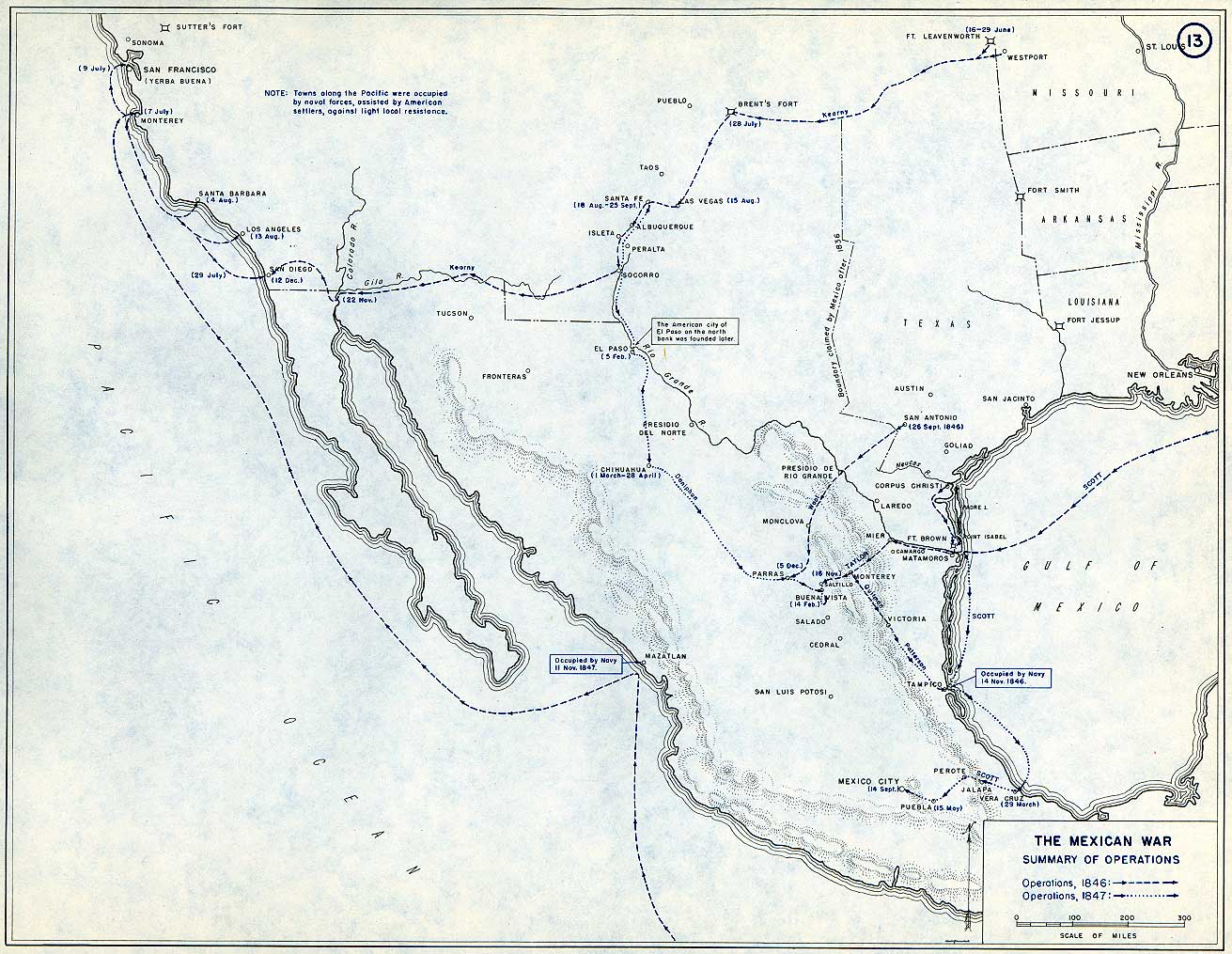
The new Gulf of America was a slap against the notion of international development of what was once the Gulf of Mexico, as if building a virtual wall across the Outer Continental Shelf in a hazy patriotic bluster. While President Trump did not suggest he was undermining precedent, by actively excising a long cartographic history that placed the Gulf of Mexico in American maps–from teaching aids to atlases to cartographic reference points–works of reference were beside the point to a focus on offshore oil and gas. One might cite, to little effect, the accord of the Disturnell Map that was appended to the Treaty of Guadulpe Hidalgo in 1847, and marked the first survey of the 2,000 mile US-Mexico border, the boundary survey that led to the placement of a line of obelisks set in the arid plains “with due precision, upon authoritative maps, . . . to establish upon the ground landmarks which shall show the limits of both republics” from an age when few had actual paper maps who lived in the region–and would rely for property lines, farming, and territorial policing by marking the border with obelisks twenty feet in height visible from a “great distance” completed in 1857, to render the map visible on the ground by fifty-two monuments of mortar and dressed stone situated in barren and uncultivated lands.
That map of a “true line” to “end uncertainty” of the “Estados Unidos de Méjico” took at a reference point the “G. de México” and the rump to which Trump would reduce the Gulf of Mexico, by Executive Order, of “Bahia de Veracruz.” By opening all United States waters for offshore drilling, the President was boosting an illusory image of “wealth” of America–promoting rights of renaming that smelled of the nineteenth century more than the twenty-first–by declaring a windfall national economic reserve and wealth as if none of his predecessors were ever assured to stake. By magnifying the seigneurial right over the Gulf–renaming the largest basin in North America by its deserved name–the right of the nation to the underseas reserves of energy that were possessed by Norway, Canada, Argentina, New Zealand, Australia, and Mexico–in ways that would suddenly amplify, as if by a needed magic trick, the offshore reserves of the United States by discovering the newly named Gulf of America.
Early mapping of the “offshore” region of the OCS suggested an area of planer that Trump didn’t have his eyes on, but had a rather spectacular way of unveiling for open leasing on national television, performing as the pitch-man for the offshore drilling companies that had so generously bankrolled and funded his campaign, and which the opening of leases was the final quid pro quo, in the transactional presidency that so deeply relies on an essentially premodern notion of “patrimonialism,” in which the President empowers oil companies to exploit the hidden resources that lie underseas off the continental shelf, and augments its own power by declaring the ability to symbolically open the area to drilling by renaming it–and indeed revealing in how the offshore Outer Continental Shelf Areas of the United States are open to federal control–and the sites for some of the greatest public-private cooperations of all time. What more profitable way to reveal a President’s personal control than dispensing of rights to lease expanded areas for offshore Petroleum and Gas Production that augment areas currently operating in the Gulf of Mexico?
While the initial decision to rename the Gulf date from the raft of executive orders that include withdrawing form the Paris Climate Accords signed a decade ago to reign in global climate emissions, as part of the “Restoring Names that Honor American Greatness” to rename waters of the “US Continental Shelf area bounded on the northeast, north, and northwest by the States of Texas, Louisiana, Mississippi, Alabama, and Florida and extending to the seaward boundary with Mexico and Cuba.” White House guidances discourage federal agencies form publicly referencing clean energy, Gulf of Mexico, Paris Accords or environmental quality on public-facing websites–
–that run the gamut to shift the relation of governance to cognitive equipment that seem designed to compel renaming the Gulf of Mexico to remap Americas’s relation to the globe. For as much as the attention to the region as a repository of offshore wealth removed from sovereign jurisdiction and taxation, the real riches seem to have been mapped in the BOEM’s assessment based on a “comprehensive appraisal that considered relevant data and information available as of January 1, 2009”–or just before Barack Obama took office as U.S. President–of the new “potentially large quantities of hydrocarbon resources that could be recovered from known and future fields by enhanced recovery techniques” which were never on the map–or visible–to energy multi-nationals of the past, but which Trump is now ready to claim as the seedbed for a Sovereign Wealth Fund.
So long, that is, as it is not being restricted in any way by the Environmental Protection Agency, and areas of drilling for gas and oil are taken off of the map for the seemingly petty reasons of preserving our coastlines and national shores. The triumph of a governance over these reserves, technically recoverable but taken off the table by the priorities a few Democratic Presidents set, meant that energy industries were ready to fund Donald Trump’s campaign, to have a person in the White House who as First Among Equals, Primus inter pares, was able to understand the priorities of the energy multinationals to evade regulations and restrictions, and indeed, as a poster boy of the type of evasion of regulation that had hindered energy exploration in the past, would be just what the doctor ordered after the restrictions on offshore drilling boded by the Biden and Obama years. For the areas “withdrawn” from drilling that Trump put back on the table as soon as he returned to office suggested a virtual orgy of offshore drilling with full abandon, of which the Gulf of America could be the poster child for recovering underseas reserves for a new Sovereign Wealth Fund.
If the areas that President Biden removed from future leasing for oil and gas are now indeed unavailable online, having been purged from the newly unveiled Department of Interior website, as if the Gulf Waters were internal to the nation. Amidst discussion of the attempts of the government to preserve coastal economies, protect marine ecosystems, and protect local economies from the environmental impact of drilling for gas and oil were taken off the table by the Trump administration, to end the “war on offshore drilling” that Democratic presidents had long been waging at huge economic costs to the nation.
The suggesting of eliminating the Climate Crisis, Gulf of Mexico, and climate science at one blow from the national lexicon of governance suggests an inauspicious triad. The shuttering of office of environmental justice by the Environmental Protection Agency to assess environmental damages is a nation-wide blitzkrieg of unprecedented scale, transforming the environmental monitoring of the hundred and fifty factories packed into an eighty-five mile stretch of the Mississippi River recently mapped as a Cancer Corridor–suggest the new mandate of the agency as preserving business more than a healthy environment. Indeed, the map of the Gulf of America watershed below shifts focus from that river’s watershed to a coast that “is ready to protect” to “power our Great American Comeback”–placing a premium on a vision of government as a business-model of enabling metro-chemical industries by tapping the rich reserves of hydrocarbons that are so abundant on its floor.
If the “Gulf of America” is seen as an extension of the United States even beyond Central America in the public-facing map of the region the Environmental Protection Agency sports as its splash page-
–the map is odd in its erasure of the United States-Mexico national border that was so foregrounded in Trump’s first Presidential campaign, and suggests the new view of autocratic government from Washington Big Oil wants to promote, of a blue watershed from rivers that flow to a bay rich in reserves of hydrocarbons in its depths, where 97% of offshore energy gas and oil are extracted, without environmental oversight.
The largest body of water in North America is now firmly part of American territoriality–and the area producing a fifth of crude production in the United States was gonna get bigger, boosting the onshore oil refineries already refining 45% of the nation’s oil and processing 51% of its natural gas. The boondoggle gift to energy companies would be quite the bonanza for the petrochemical hub. Indeed, if the United States ranks relatively low on the list of nations with proven reserves of oil, the sudden amplification of offshore oil production would not only reverse the ban Jospeh R. Biden issued on his way out of office–
–but boosted the low-ranking of the United States, one of the largest consumers of oil, among global nations with proven reserves of crude of their own.
The map illustrates the seriousness of seeing government as a business, not a duty of governance. The five million acres of the watershed suggest the of which only 2.4–less than half–are currently used for offshore oil and gas development, of which 1.7 million acres were but recently auctioned off by the Bureau of Ocean Energy Management (BOEM) the previous year, but more deepwater sights are to come. And even if the Supreme Court has deferred the recent demand of Gulf States to obstruct environmental lawsuits from being brought, a further curtailing of EPA authority, the prospect of an “EPA [that] is ready to protect” a region that combined the drainage basins of the Mississippi River and the Drainage of Basin of the Gulf from other waters, is a virtual land grab, not by any war but as a fait accompli. But the new nomenclature seems a bit like herding sheep; Google is sort of ready to play along with the name purge, and the sovereignty claimed over the deepwater regions of the Gulf in the newly mapped “territorial waters” of an Expanded Continental Shelf (ECS), surveyed over the past twenty years as if in preparation for a Trump Presidency, augmenting grounds to extract hydrocarbons and mineral wealth–expanding the national offshore perimeter to the continent’s “submerged edges” expanded, for ten million, the nation with the “right” to remap waters proximate to its national territory–and considerably expanded its wealth. (And these are the folks who call Social Security a Ponzi scheme! They know from where they speak.)
Google Maps
Google Maps rather lightly adopted the new terminology in a modestly sized low-visibility font, perhaps as if hoping that the name of aqua font seep into the waters that it colors baby blue that almost masked the real territory on the deepsea floor over which Trump sought to assume leverage by disassociating it from Mexico entirely, and promoting the deepsea regions believed rich with gas and oil alike of the Extended Continental Shelf as American territory.
Compliance was shockingly swift in the weeks before the map was rolled out–on Trump’s flight to the Gulf States to attend the Super Bowl in New Orleans, where he must have shared high fives with Louisiana big wigs. The Coast Guard proudly adopted the change form January 21 to describe the maritime border between Mexico and the United States, as weather alerts across the Gulf States, but the remapping of the Gulf faced some pushback as a new way to envision the nation won. Despite the resistance of the AP, the apparent victory of a legal decision that the White House could ban news offices who failed to adopt the name from the White House and AirForce One if they retained Gulf of Mexico seemed a victory of sorts. Trump’s Press Secretary claimed befuddlement and a false outrage that befit the Trump administration, while deflecting where the decision to adopt the new name originated in government. News outlets who disseminated “lies” as they “don’t want to call it that” disguised “it is a fact that the body of water off the coast of Louisiana is called the Gulf of American” Apple and Google do, she noted. (The New York Times and Washington Post considerately don’t to not confuse global news markets; FOX embraced the new nomenclature.)
The new map was presented on twin monitors at a news conference after the judge supported the new policy of disinviting the Associated Press to the Briefing Room, Oval Office, and Air Force One, as if it to spoke for itself, revealing an objective reality following the guidances for “Gulf of Mexico” among the growing list of name to disappear from public facing website, federal communications, and instruction–the list from “clean energy crisis” to embraced “Native American,” “hispanic American,” and even “orientation,” that might make one think the purge was cartographic, as well
For in excluding words from governmental language, we are impoverishing our own relation to the world. And the apparent victory came that the White House was not being punitive to restrict access to the President to those adopting the change in name of the largest body of the water in North America surely recast that body’s relation to sovereign space in ways that curtailed our understanding of global warming, and global relations, as well as concluding all transnational projects that were hoped to attract investment in the prospecting of energy from the Gulf.
The renaming is the latest foray of a decisive turn to running government like a business, rather than a government. The purging of the Gulf of Mexico from the Geographic Names Information Systems served “to reflect the renaming of the Gulf and remove all references to the Gulf of Mexico” was mapped on the two monitors placed on either side of the podium, emblazoned with VICTORY in telltale all caps, feeding news agencies with their basic talking points as a way of remapping America’s orientation toward the world. By visualizing a body of water on which American oil companies have long had their eyes, the Trump administration seeks to leverage as a vital resource for sovereign wealth–and the seedbed of a Sovereign Wealth Fund for the United States.
The maps foregrounded the gulf states’ new ties to the body of water had premiered on Air Force One, quite eerily as it flew above the waters, as if a mobile White House, as the President, flanked by the Interior Secretary Doug Burgum and his telegenic wife, symbolically claimed the region as a part of the interior. This was a declaration of enforcing compliance with the new mapping of the United States in the world in an era committed to make America Great Again.
The Executive Order to “honor American Greatness” was already a lot to unpack–partly because it assumed, MAGA style, that American Greatness exists and was able to be restored. The rebranding of a body of water uncannily transposed the language of conservation and coastal restoration to monetize the region as a hidden and untapped reserve. “Names that Honor American Greatness” mapped the basin’s “bountiful geology” not as a site of migrating wildlife or coastal habitat, but as “one of the most prodigious oil and gas regions in the world,” offering untapped reserves of crude and “an abundance of natural gas,” for big oil industries to “tap into some of the deepest and richest oil reservoirs in the world.” Beside being “home to vibrant American fisheries, teeming with snapper, shrimp, grouper, stone crab, and other species,” the environmental map dismissed risks to its delicate habitat before “the multi-billion dollar U.S. maritime industry.”
The excuse of adopting patriotic language sought to access untold bounty and plenty. The renaming mapped the waters to hint at the potential benefit of extractions–not yet mapped for public audiences–optimistically estimated by Trumpian exaggeration of “truthful hyperbole” at a hundred trillion dollars in “assets” of untapped oils and minerals. The hyperbole set the stage to create an expansive Sovereign Wealth Fund for United States overnight by clever mapping tools, of the largest sovereign wealth fund in the world. Despite recent hopes to combine a “US GoM” and “Mexican GoM” into a single commercial unit in an international investment community, renaming part of the Gulf so bluntly diminished any potential hopes for regional synergy, expanding access to the West Florida shelf and Louisiana slope, as well as the Mississippi fan, for Big Oil: extant offshore maps had constrained the expansion of offshore drilling in a basin where proliferating technologies of extraction were poised to exploit its resources far beyond the million oil wells already drilled in offshore shelves. The hope of expanding the number of deepwater rigs, without attracting any investment in the fifty-five deepwater rigs in Mexico’s national waters, was designed to promote America’s wealth, rather than to maximize resources of extraction.
The removal of the deepwater reserves ‘from’ the Gulf of Mexico seek to move the deepwater regions into the Expanded Continental Shelf of the United States, making it a source for sovereign wealth for future generations, in ways that move deepwater reserves into sovereign territory–
Of the Fifty Thousand Wells Drilled in the Gulf of Mexico, only Fifty-Five Existed in Mexican Waters
–as if moving the boundaries of marine territorial to include licenses to lease deepwater lands after the congestion of existing drilled wells, the name change conceals the hope to sell rights for drilling new wells into a region that was quite recently named the Gulf of Mexico. The body of water was defined mostly by American wells–but fifty-five were drilled in Mexican waters when Trump was elected–expanding offshore abilities to drill shelf and fans would end a moratorium on offshore drilling suggested a huge cash windfall to boost Trump’s ideas of a Sovereign Wealth Fund.
The forced monotone of Donald Trump’s public address to the nation on March 12 was a striking contrast from his most recent State of the Union address. He sought to calm the nation as it faced the pandemic of the novel coronavirus COVID-19 in what was perhaps his most important public address. On the verge of breaking beneath the gravity of circumstances that spun far out of his control, however, rather than show his customary confidence, Trump seemed a President scrambling and in panic mode trying to rehearse stale tropes, but immobilized by events.
President Trump tried to look as presidential as possible, re-inhabiting a role of authority that he had long disdained, as he was forced to address a nation whose well-being he was not in control. The national narrative, as it was begun by WHO’s declaration of a pandemic, was perhaps seen as a narrative which seemed to spin out of his control, below his eyes, as he tried to calm markets by addressing the nation in what he must have imagined to have been as reassuring tones as he could summon. With his hands grasped but thumbs flickering, as if they were a fire under which he sat, as if he were wriggling like a kid strapped in the back seat of a car where he was a passenger to God-knows-where, wrestling with the increasing urgency that his aides demanded he address the outbreak of the virus in the United States that he had long tried to deny. Serial flag-waving continued to fuel President Trump’s attacks on China and the World Health Organization, as if trying to toe the line of adherence to America First policies of nationalism before a global catastrophe, that did not compute. If America First as a doctrine allows little room for empathy, affirming national greatness and the importance of a logic of border closures was all he could offer, and would be predictably lacking reassurance or empathy as he attempted to create a connection at a defining moment of his Presidency, but looked particularly pained.
March 11, 2020
If Trump rarely trusted himself to make hand gestures as he plighted through the speech, thumbs flickering, hands clasped, he every so often seemed distinctly out of synch with his austere surroundings, gold curtains drawn to reveal two flags, barely aware, perhaps, that the eyes of the world were very much on his performance in this new sound studio to which he was not fully accustomed, trying to explain that he had undertaken measures that had made us safe, even if he must have been worrying that the lack of worry he had been projecting and urging in previous weeks had risen across the nation, and his performance was not calming them at all. He was tasked with describing the vulnerability of the nation to the novel coronavirus whose effects he had downplayed repeatedly, but was no longer able to dismiss, and no longer able to concede posed a far greater threat to the American economy than the danger of “illegal” migrants he had so often pointed to as a cause of national decline: the virus that had already crossed our borders repeatedly, since the first cases of COVID-19 were diagnosed in San Jose and Seattle, would potentially bring down his presidency, and he lacked any ability to explain the scale of the effects of the virus that he had effectively helped release by ignoring warning signs.
Oval Office address of Wednesday, March, 11, 2020. Doug Mills / The New York Times)
The link of America to the world defined in his America First candidacy–even made the very identification of a pandemic difficult to process. And he did so in the starkest national backdrop possible, vaunting his closing of borders, suspension of “flights” from China, and ties to Europe–even as he encouraged Americans to return from abroad, and had allowed unmonitored entrance of Europeans and world travelers into New York that would make it the site of the entrance of the disease to the majority of American cities where the viral load arrived, with over 900 people entering America through New York daily for months after China suspended travel from Wuhan on January 23–after China called the outbreak “controllable” on New Year’s Eve. The declaration that echoed the concerns of the World Health Organization may have been buried in global celebrations, even as Trump blamed it for starting a sense of false complacence before undeniably “real” news that he feared would come to define his Presidency.
Trump was unable to accept declarations of the World Health Organization had just called the coronavirus outbreak–an outbreak which, we now know, he had in fact been hearing alerts from American intelligence as early as November 17, about the outbreak of cases of the novel coronavirus in Hubei province, rather than January, when initial infections in the United States were reported. As much as Trump found it difficult to admit the vulnerability of the United States to a global pandemic–or to the recommendations issued by WHO–who set the caduceus that symbolized medical ethics authority over the North American continent–at which he bristled at the notion of a global scope of edicts across boundaries, as if a map where national divides were erased as if it compromised national authority for a disease the President has been uncannily persistent in localizing in China, even before an increasing preponderance of evidence of its global circulation and transmission over a series of months.
Fabric Coffrini, AFP
As cascading fears grew in markets across the world, Trump was perhaps forced to realize his new relation to the world, even as the German stock exchanges plummeted as the measures he announced seem either difficult to process, or failing to address the importance of maintaining trade ties–or of taking adequately prudent steps of public health.
Slumping in his seat at the Resolute Desk, perhaps contemplating how no predecessor had ever delivered on air unprepared remarks from the desk, and visibly discomfited in doing so. He must have hoped to make up for his televised performance by sending surrogates scrambling to social media, issuing clarifications for misstatements–as the exemption offered U.S. citizens to return from China, or the exemption of Ireland, as well as England, and an assurance that trade would “in no way be affected” by the ban, as markets had reacted poorly to his performance. While it seemed that Trump was cognitively unable to process the possibility of a crumbling American economy–and a decline of America’s place in a global economy–under his watch, a prospect faced since he had met with airline executives with whom he discussed the effects of stopping flights of foreign nationals from China in a March 4 meeting, offering them a bailout that limited the impact economic effects of heightened travel advisories, is it possible he had no sense of the massive fallout on the national economy?
March 11 Address/Ralph Orlowski/Reuters
As Trump spoke, global markets not only failed to register confidence–but plummeted, as he revealed no clear plans to to call for social distancing to contain the spread of the virus, and revealed that lack of national preparation for confronting an infectious disease that had no vaccine. He may have remembered that he had outright fired a former cabinet member, barely remembered in the rogue’s gallery of administration, Tom Bossert, who had demanded preparedness “against pandemics” and a “comprehensive biodefence strategy” of the sort the previous administration of Pres. Barack Obama had tried to institute, or that a simulation of a pandemic that could devastate the American economy and kill up to half a million revealed in October 2019 “just how underfunded, underprepared and uncoordinated the federal government would be for a life-or-death battle with a virus for which no treatment existed.”
It seems likely he was rather trying to conceal the massive scale of lying to the nation about the effects of an economic downturn unprecedented in scale, but which the increased lines at Wuhan’s Tianyou Hospital the previous November had already indicated had a problem of infectious diseases on their hands that would have a potentially global consequence. Trump tried to spin the consequences as purely local, in an unprecedented wishful thinking whose scale of deception far exceeded the pathological deceits he had long taken to perpetrate on investors, business partners, and even on family members–from hiding his older brother’s treasured trucks that were a Christmas gift and then admonishing him not to cry, or he would destroy them before his eyes. Even as satellite imagery showed a clear rush to hospital emergency rooms in Wuhan in November, as clusters of cars marked in red crowded the emergency rooms that revealed “a steep increase in volume starting in August 2019 and culminating in a peak in December 2019,” when China began epidemiological investigations that led to identifying and sequence of the novel coronavirus by January 12, ten days before the city went on lockdown to contain its spread.
Annotated Satellite Photographs of Wuhan’s Tianyou Hospital in September 2019
While Trump registered no alarm at the arrival of the very pandemic whose global impact American simulations feared would cripple the national economy, he tried to offer spin on having closed borders to the virus, as if it were not already diffused within the country, in a mind over matter sort of exercise that suggested limits purchase on reality, as if he was able to recognize the risk earlier administrations had identified as a national priority.
Almost unnoticed in the current crisis of who is the real sovereign of Venezuela is that national maps fail to show the remove of sovereign power from territorial bounds. Even as blockades obstruct borders, closing points of entry and ports from entering Venezuela, the pressure that push the Venezuelan people into dire economic straits underlie the map of its population, lying deep, deep within the ground beneath their feet. The ties of this underground offshore sovereignty, lying deep in oil deposits located in sandy regions or in sandstone basins, suggest the scale of redrawing sovereignty in an age of globalization–when the nature of what lies offshore can becomes a rational for the brewing of global conflict around its offshore lands. While the oilfields and gas fields of the Venezuelan Gas industry are treated as a central gift that keeps on giving for the nation, as the nation is dependent on its export ports to enter the global energy market–after traveling form the deep reserves of the Orinoco and other inland reserves to the refineries on the coast of the deep ocean–
–the possibilities of augmenting the flow of the slick oils of Venezuelan waters to national markets lie in the leased offshore areas, deep below the sea. The lots that are leased primarily to Exxon and Shell provide a stable cash influx for the nation, and a means of supplying oil to the national market that Venezuela may be stressed to completely refine. And the contestation of these offshore sites has forced a new notion of petrosovereignty to be examined and placed in the spotlight, that has effectively provided an opening to challenge Venezuela’s sovereignty, long before President Trump came to office for a second time, promising that the United States would for now “run the country” for an undefined period of time, without even looking the nation directly in the eye.
The offshore reserves provided both a temptation to foreign nations to define their proximity to Venezuelan reserves, and to link the companies to the continued future of the state, so that both leaders as Madras and companies like Exxon saw themselves as jointed at the hip, and critical to one another’s future, and indeed a possible source of expanding the flow of oils to international waters and other nations.
The precarious claims of petrosovereignty are hard to map, but as the reserves in the Orinoco Basin and offshore on the continental shelf are leveraged against a global energy market, the real sovereignty of Venezuela–and the tensions manifested on Venezuela’s national boundaries–have become a touchstone and trigger point of global attention as the nation’s huge oil reserves held by Petroleos de Venezuela SA (PdVSA) have made the legitimacy of the nation’s Presidential election a topic of global divides. The emergence of the wealth of offshore oil that had been not long it the past been divided by American and American-tied companies Exxon, Shell, Amoco, and Total were an odd compromise and challenge to the sovereign status of the state.
The offshore waters of Venezuela were sectored–reflecting the colonial inheritance of the division of the South American rim by France, Holland, England, and, more recently, also the United States–beyond Venezuelan sovereignty. The legacy of access to oil in the western hemisphere was a target for American desire in the Age of Trump, who tried to force the hand of Nicolás Maduro, no friend of American governments and a thorn in the side of foreign policy, in a series of telephone calls in mid-December, hoping to force his hand and perhaps leading to some frustration at the pieces of a puzzle that members of the Trump administration including Marco Rubio were trying to fit together. At a time when the national economy was tethered to oil and low prices of energy use, as much as liberty, the demand Nicolás Maduro step down as leader seemed bolstered by the huge ramping up of U.S> presence across the Caribbean in ways unseen in recent history, redefining the offshore waters of Venezuela as a part of hemispheric dominance orchestrated by the military presence in which Trump hoped to alter the geopolitical map by sending an estimated 10,000 troops and 6,000 sailors to the arena that seemed to position it as a theater of combat of the sort Trump romanced as a kid, straight out of the Military Academy strategic maps he might well have studied, or an infographic of forces arrayed in a theater of combat.
While the sovereign boundaries of Venezuela were nominally recognized in the map below, the show of force and display of strength seemed a show of power worthy of an arm-wrestler who wanted to convince the leader of his geopolitical advantage, that America ‘held all the cards,’ and he might be compelled to move aside–
U.S. Military Build-Up in Caribbean as of December 1, 2025
–and that the future maps of raids that progressed incredibly smoothly to extract the foreign leader from his compound in Caracas would effectively erase, but we must surely know and remember they were enabled by. The arrival of USS Gerald R. Ford, USS Bainbridge, USS Mahon, USS Winston S. Churchill, and USS San Antonio created a platform of launching air strikes across the region to force Maduro to realize the vulnerability of his nation on a military stage, to be coordinated with permanent bases in Puerto Rico and Haiti. The American military raid on Caracas, evading Russian-made radar and defenses, not only suggested this was a proxy war of its own variety in the western hemisphere, but a far smoother one than existed in Ukraine, and a show of disproportionate force that lent American hemispheric dominance an inevitability that was truly terrifying when it unfolded suddenly isolating the puzzle-piece of Venezuela in a global energy map from twenty different American bases in the region, as over eighty American commandos piled out of helicopters in Caracas to extract Maduro from his compound, and within two hour return with him in handcuffs to New York, hoping or probably just presuming that the future extraction of oil in offshore fields–the corporate infrastructure that had not been planned in nearly as clear detail–would proceed as smoothly in the slippery sovereignty of offshore waters. The Delta Force had arrived in 150 planes and helicopters, who swarmed the capital in a show of overwhelming airpower that imagined itself as a future illustration of historic campaigns in military textbooks of the future.
The astounding open bald-faced presumption with which Donald Trump, the very many who used the American Presidency to launch the renaming of the Gulf of Mexico as Gulf of America, in a blurring of sovereignty, protectionism, and silencing of international law of the seas, engineered the staging of a military invasion to illustrate the disproportionate power of the United States over its neighbors, watched by the pale white President from the safety of a remove within his personal property at Mar a Lago in Florida, with the leader of his Department of War and Secretary of State, Marco Rubio–
–gloating about the ‘professional’ nature and ‘amazing job’ of the military forces that entered Venezuelan airspace without announcement in the utter stealth of night, to abduct its head of state, ostensibly acting on the need to arrest the socialist leader for seeking to ‘enrich themselves through drug trafficking and the protection of drug traffickers’ who encouraged the flow of ‘thousands of tons of cocaine’ to American consumers, and not offering, presumably, oil at prices that were sufficiently low. Trump was of course seeking to burnish his own image of governing his own country, where energy costs were climbing through the roof and destined to rise far more, by declaring he was ‘going to run the country’ of Venezuela for an indefinite period until offshore oil reserves could be sold at discounted rates to American markets–thick crude from the Orinoco and offshore regions that might be refined in the United States, to revitalize the lagging refining industries on what he had renamed the Gulf of America, as if its territorial waters extended as far south in the hemisphere as he wanted. One might even consider the ‘successes’ mapped in the 1960s textbooks of ‘historic’ campaigns of Zachary Taylor in the Mexican War, in which port cities were easily occupied in those military maps of the ‘summary of operations’ in the war as if operations of strategic genius, based on the simple entry into operational ports by American forces of a dominant military campaign, now enabled by amphibious troops that would evade disabled radar by flying low into the Venezuelan air space.
–that affirmed continental dominance of the Untied States in brilliantly orchestrated moves of the 1845-46, capturing without resistance the territory that the Mexicans had claimed to expand American boundaries by smoothly orchestrated attacks that exploited points of operational vulnerability on smooth lines, undermining territorial claims at a single strike of American force.
The maps that were developed for the Department of History at the United States Military Academy and New York Military Academy were for a textbooks were developed as instructional aides from 1938, designed for students and printed by the United States Defense Printing Agency, offer a template to undermine national sovereignty by land on the dawn of the globalized world. But the question of local sovereignty that the maps seem to frame in terms of military might were framed in an American-centric point of view, that perhaps undergirds the global remapping of Making America Great Again–a new rehabilitation of the tired narratives of Manifest Destiny that do not require any appreciation of global geopolitics, as they date from the period when the United States was safely looking at the world from behind its own boundaries, and entrenched in its own national perspective–offering a tragic case in which maps provide something akin to blinders to fail to understand the global complexities of events, and retrospectively to root oneself in a national narrative of war and conquest, rather than the upsetting of geopolitical precedent, or the multiple actors in a globalized world.
The ‘overview’ of The Mexican War was a foray into the southern frontier of the United States, an expansion of the nation that was accomplished by hasty and dextrous strikes from New Orleans in the Gulf of Mexico, redrawing the frontier between Mexico and the United States in a massive military operation of coordinated attack to fill out the current frontiers of the nation–an act of sovereign claims over space that was unilateral in its strategic design. The quick and perhaps unfounded promotion of the strategic success of the planes that flew past disabled radar and anti-airplane defenses into Caracas to apprehend Nicolás Maduro from a guarded compound was an exercise in violating sovereign space that as a cross-boundary foray, not a kidnapping. The raid and incursion was an act of policing, and cast as one of policing the frontier, that claimed the authority of right in utter disregard of international law or even of American law of declarations of war and violations of sovereign space. This precedent for the violation of sovereign space was one Trump would have studied at the New York Military Academy, sanctioning the taking of territory and violation of sovereign space, but the violation is more pronounced today, where the target of Trump’s attack is clearly not the territorial region of Venezuela, but its underground mineral reserves–both offshore and in the Orinoco.
Venezuela lay, after all, America’s hemisphere, and America had by virtue of its dominance first dibs on petroleum buried in its untapped deepsea reserves–this was an infrastructure, Trump claimed, American corporations had in fact built. The link of the drug trade to Venezuela was openly mocked in Caracas, where a new map of the actual state of play of the transit of drugs was revealed with a tired recitation of the falsity of Trump’s much ballyhooed claims, as the Venezuelan leader played elementary school teacher, trying to educate the globe and the Americans on the actual origins of the massive imports of how cocaine flowed, lest the American president be a bee to convince his nation the Venezuelan government the primary profiteer.
This new understanding of ‘America First’ to ignore the sovereign independence of other nations, no matter why, progressed from not only military power, but from the geopolitical stranglehold that Trump was convinced he might count, in a world where Maduro was effectively isolated in the continent–save in Nicaragua and Bolivia–and Cuba together with his own neighboring states of the Guyanas–and he might count on the silence of the world. Whether this will be the case has yet to be seen, but the bald-faced act of aggression masquerading as a search for a stability of international markets was a power grab of proportions unseen in modern geopolitical military history, as the President sent in armed forces to capture its sitting President and his Chavista wife. As Maduro had become more isolated than ever, hopes to seize offshore oilfields exclusively for American petrocorporations–Chevron and others–seemed low-hanging fruit for a President in whose second term has aggressively styled himself as a wartime president, bit lacked a war. In a tempting move, Trump having tired of backdoor diplomacy and ready to hand the whole matter to the private sphere, in a terrifying twist on neoliberalism. The figleaf of the curtailing of the drug trade–not a bad thing, to be sure, if the flows of drugs into American markets is notoriously difficult to staunch from a single source–
–if Columbian drug trade surely sent much cocaine through Venezuelan territory in ways the government would love to stop. But identifying the state as a foreign terrorist organization that invited drug traffickers and criminal organizations to thrive and allowed a ghost fleet of stateless vessels to sell oil to global markets, the American military had begun to seize oil tankers off Venezuela, to control a flow of over 300 billion barrels buried in oilfields off Venezuelan shores.
The decision to amputate sovereign leaders of the state derived not only from frustration,. It cast American dominance in theatrical terms as the least possible loss of life, hoping that the costs of energy would suddenly plummet for Americans to make affordability a new slogan for the wartime President who had finally claimed a military operation to call his own, and to pretend to lead, and a platform for being Commander-In-Chief in possession of full military power, just in time for Trump 2028. But the relation of the possibility of a further term may be more of a red herring–even though the expanded Presidential powers Trump’s latest violation of constitutional limits and precedent make the specter of a third term a plausible reality.
The multiple fields subject to national jurisdiction of Venezuela had provided a tempting target. The invasion of Venezuelan was less about oilfields and gas fields in the country’s habitable land, as it turns out, than the possible desire to start extracting oil from offshore gas fields and oilfields that Maduro had started to concede rights to non-American tankers who sold the oil to markets America did not want oil to reach–and to redirect those tankers to the American economy, making the nation a banana republic whose energy industry would have the appearance of the United Fruit Company, and not a modernized nation, hoping that the ability to return fields for future speculation to Guyana, Suriname, and indeed other multinational tankers would become a bargaining chip to buy the silence of the global community and keep energy prices down at home, sending more energy to the United States to keep the economy afloat in an age of declining prosperity. An end-run to open up access to waters in Guyana’s and Venezuela’s territorial waters seems to have provoked an attempt to pry the reserves from nationality, loosening them from recognized sovereign control, as if to grant them to Chevron–the company of longest standing in the nation and region–as a corporate proxy for America.
The infographic that has gained such wide circulation in differing forms transposes the red/blue divide of the election of Venezuela’s President, as I noted in an earlier post, on a global map, in ways that barely skim the surface in suggesting the truly global consequences in which the election is understood as less by geopolitics–the ostensible reason for America’s increasing attention to its results, according to John Bolton, in a policy that extends back to the Monroe Doctrine, of preserving democracy’s expanse across our own hemisphere, but global energy markets.
The Venezuelan tragedy is local, but crises of immigration, economy, and public health seems undergirded by the corollaries of globalization–and how globalization both erases boundaries, and puts pressures on defining them, and invests huge significance on defining the “boundary” even if it has become something of an empty fetish in maps. If oil and gas were made central to Venezuelan sovereignty by Simon Bolivar, it is increasingly linked to global webs of oil exports and ties of international commerce–visible in the petroleum tankers marked by red dots in a visualization of global shipping routes–that have refracted and become a basis to interpret the question of Venezuela’s sovereignty, and in which the future of its economy and the future of its sovereignty are unavoidably entangled and enmeshed.
Red dots are oil rigs in interactive map, courtesy UCL Energy Institute/Map: KILN
For the crisis that is unfolding against the economic backdrop of a precipitous drop of wages, goods, and basic human and health services suggests one tied to ripples in a global energy market. For as much as Venezuelan sovereignty was long based in the “bituminous belt” of the Orinoco Basin, whose expanse exceeds the oil in all of Saudi Arabia–
–located in the Eastern Venezuela Basin in the Orinoco Belt, surveyed as recently as 2010 by USGS as the Venezuelan government of Maduro’s predecessor Hugo Chávez took bids from Chevron and others to help finance exploration projects in the Orinoco Belt, seat of the world’s largest reserves, in a basin extending quite far offshore, in quite dense jungle.
USGS, 2010
Venezuela has long seen its petroleum sovereignty as the source of its regional independence, and of needed cash influx from multi-national corporations with whom its nationalized Petroleos de Venezuela SA–PdVSA–undertakes strategic partnerships, including Exxon and Gazprom (Russia), Sincor (China), and Belarusneft, as American multinationals were pushed out of the heavy oil-rich Orinoco Valley during the Chávez regime. The evolution of multiple “strategic alliances” in mining and oil and gas speculation with over a hundred and fifty companies from thirty-five nations led to an expansion of foreign involvement in oil extraction and gold and mineral mining that has created a lamination over the region–
–that provides a complex lens to examine the refraction of its sovereign status, and the global geostrategic importance of the region to the globalized world.
Venezuela’s sovereignty is viewed as so closely tied to global energy markets that invocation of hemispheric dominance and the American “Monroe doctrine” truly seem only so much lip service–if it weren’t for the huge access to oil reserves that the sovereignty of Venezuela will determine who has access to these reserves. And much as the earliest mapping of the same region of South America combined the rich natural hydrogeography of the curving river basin that snaked through the territory with missions who had colonized the land, to convert its inhabitants, in the region of Granada–note the jesuit presence above the equatorial line–
Libarary of Congress, Map of the Province and Missions of the Company of Jesus in the New Kingdom of Granada
–the new presence on the Orinoco Basin are transnational oil companies, and repossession of their extractive wealth has provided a basis for not only nationalism, but Although their stewardship of the delicate ecosystem of the Orinoco may be doubted, as charges of a crude oil spill in the region that would be so disastrous to its ecosystem has created a specter of ecological disaster for several years that PdVSA has steadfastly denied, despite the threats of accelerated deforestation, pollution, and extinction that mining and oil accidents portend in the Guyana highlands: Maduro has claimed mining and oil extraction are now “environmentally friendly,” but satellite images have shown the extent of deforestation into once-protected areas. Little of the protected regions are actually protected as the economy has fallen into free-fall and pressure to extract gold from the region brought increasing use of mercury in mineral mills, despite a Presidential ban, and the erosion of legal enforcement on workers in the region. Although PdVSA has asserted that leaking of over 100,000 barrels of oil from local pipelines did not enter the Orinoco, but was contained in the Anzoategui province in 2016, the extent of environmental devastation may only be understood in future years across the “Strategic Mining Belt” south of the Orinoco, where the Orinoco’s major watersheds lie, where gold, iron, copper, and bauxite feed the cash reserves of the government as well as oil.
In an age when we increasingly form interactive maps in terms of the information we desire at the moment–and the needs that this information can provide–perhaps Trump is the sort of executive we deserve, framing information by infographics he can grasp on demand, rather than motivated by universal ideals. After the Venezuelan “economic miracle” grew by oil from 2004-2008, Maduro had declared his own state of emergency in Venezuela, back in 2016, when American intelligence predicted his time in office was only a matter of time, as inflation neared 180% and GDP fell to levels before 2004. But increasing exports to China and Russia sent a lifeline, despite shrinking foreign exchange reserves, of which Trump and Bolton are no doubt extremely attentive observers–even before PdVSA moved its European offices to Moscow in early March.
While cast to reach 100,000%, the peaking of vertiginous levels of hyperinflation near 41,838% led economic data to be closed to the public, as all revenue sources dwindle or vanish, and all foreign aid is refused by the Maduro government, as all question of a coup increasingly uncertain as most of the country is living in poverty, and a fifth of PdVSA is laid off–raising questions about the fate of extractive industries and the continued safety of existing oil reserves that are inseparable from state sovereignty.
Venezuela’s sovereign wealth extends globally, if it is located deep underground. But the long-cultivated dependence of the United States, where heavy crude flows to three refineries, which supply over 5,000 retail stations in twenty seven states, has created a question of linked economies which our ADD-afflicted President is now doubt attentive: CITGO plants along the Gulf Coast and eastern seaboard run against according independence to sovereign state in a globalized economy–a tie that President Trump would want to keep alive, and indeed that the impact of a sudden shock an absence of oil flowing in its nine pipelines would create.
The flows of oil have blurred Venezuelan sovereignty, and allegedly led Donald Trump to ask advisors repeatedly why American couldn’t invade the nation in August, 2017, stunning former Secretary of State Rex Tillerson and former National Security Advisor Clapper, as American sanctions against the nation were discussed, and then again to float the question with Latin American leaders, including the President of Colombia, after addressing the U.N.’s General Assembly, to make sure none wanted to oust Maduro as President. Global energy supplies have created a lens by which the “legitimacy” of Venezuela’s government and Presidency is questioned that has overriden constitutional practices sanctioned by Venezuelan law.
The crisis of immigration on our southern border notwithstanding, the fear of a crisis in oil important have encouraged the United States to invoke the arrival of a “crisis situation” in Venezuelan internal politics, that allows action outside the rule of established Venezuelan law of due process Trump’s eagerness to recognize Guaidó as “interim President of Venezuela” on January 23, shortly after Maduro assume the and declaration, before any other nation, of readiness to use “the full weight of United States economic and diplomatic power to press for the restoration of Venezuelan democracy,” as he encouraged other governments to follow suit. As Bolton works to distill Presidential Daily Briefings on global intelligence into a form that is more amenable to his chief executive–“big points and, wherever possible, graphics,” as James Clapper put it–energy markets are the basic map on which he seems to be informing himself about global politics. Mike Pompeo noted that President Trump is said to “dig deeper” into his President’s Daily Briefing about Venezuela to assess the “real layout” of “what was really taking place” there–who had the money? where was the debt?who stood to loose and gain?–led to open questioning of the legitimacy of Nicolás Maduro.
At a time when 8.36 million barrels of heavy crude managed by PdVSA–the state-owned oil and gas conglomerate, Petroleos de Venezuela SA–which is worth half a billion American dollars lay off in tankers nation’s shoreline, in national waters, ready to ship to refineries to be processed by Chevron, Valero Energy Corp. and Rosneft, but with no place to ship the heavy oil, the local and global seem to intersect in globalized energy markets.
Tankers Holding Venezuelan Oil off Venezuela’s shoreline
As Clapper remembered Trump’s preference in Daily Briefings for charts and data visualizations quite early on, the distilling of the Presidential Daily Briefings by John Bolton into America’s bottom-line interests may compel re-examination of the place of the nation in a global energy market, and his sense of the value of the region’s geography to American national interests. Mike Pompeo, current secretary of state, has similarly described the need to reduce global conflict to the bottom-line of America’s economic interests for Trump, given his dislike for distilling the PDB to American interests, the Venezuelan crisis may more easily be understood by infographics or “mapped” as a global calculus of oil exports, rather than a defense of democratic principles. Trump has increasingly asked, Pompeo remembered, with interest for “more clarity” on financial issues–“Who had the money, where was the debt, what was the timing of that?”–aware, as the self-proclaimed “King of Debt,” of how debt, too, structures sovereignty, and deeply aware of the US$60 billion in foreign debt the nation carried–a massive amount that has grown almost six-fold in recent years, as oil exports from the nation increasingly grow, and Russia and China invested increasing sums in its oil exports as the debt grew.
Of public sector debt above $184.5 billion, $60 billion is foreign debt, though smaller numbers are claimed by the Venezuelan Central Bank
–no doubt fascinated that the submerged collateral of such huge oil and gas deposits allowed the debt to grow to unprecedented height, as the exodus of refugees leaving Venezuela’s borders grew. Indeed, we focus on the fate of refugees, and cross-border flows, as a humanitarian crisis, but on which we focus more than the flow of extracted minerals, oil, and gas that have spread out to the world, and the arrival of capital from global sources as energy exports grow.
The sovereignty of the state was long tied to the concentration of oil and gas fields in sedimentary basins of northern Venezuela and South America–and which are the understory of the global attention to results of the election. As much as they are rooted in ideological debates of socialism and free market advocates, one needs to made sense of what “what was really taking place” in much of the Eastern Venezuela Basin and Columbus Basin to parse the deep interest in Venezuela’s sovereignty–and indeed to drill down, literally, into what Venezuelan sovereignty meant for the United States.
For the protection of those reserves led U.S. Secretary of State Pompeo-former director of the CIA–to try to entice Venezuela’s own armed forces to remove Maduro as President on January 28, 2019, as Trump helped assemble hemispheric powers to deny Maduro’s legitimacy. And it has led Donald Trump to advocate gunboat diplomacy by asking aides about benefits of a “military option” they openly called analogous to the 1989 Invasion of Panama when 9,000 troops toppled dictator Manuel Noriega, with 12,000 military already stationed in the nation, after Noriega had annulled a popular election, denying foreign sovereignty in the Panama Canal Zone with little military resistance of Panamanian Defense Forces. If America seeks to achieve a similar shift of sovereignty, hoping to echo the use of military force to topple Noriega–years after he was installed as leader of Panama to stop a feared spread of Communism in 1970—due to charges of Cuban collaboration, rather than money laundering and long involvement in the drug trade, such arrogant denial of sovereignty of other states in the hemisphere would not be so lopsided an engagement of force, or so smooth.
“Soberana” or “sovereign” is somewhat ironically the now-obsolete brand-name for a beer popular in Panama, now updated, which hung from the store-front of a Panama street American forces occupied back in 1989–
–the questions of the legitimacy of Venezuelan sovereignty are deeply intertwined with the offshore drilling rights that American oil companies are eager to acquire–or repossess–and underlie the denials of the legitimate sovereignty of elected leader Nicolás Maduro. The powerful evocation of the map
The American demonization of Mauro as military dictator erases the basis of Venezuelan sovereignty and a patrimony of petroleum, from Bolivarian models of sovereign economic independence; if oil is the source of 95% of the currency provided to the government, and was long seen as a gift from God to the Venezuelan independence at the heart of Socialist prosperity–
–the ties between the oil company and oil extraction and the nation grew hen Maduro declared personal leadership of PDVSA before the National Assembly in January, 2019, on the eve of his country’s assumption of OPEC presidency, as General Manuel Quevedo–a man without oil industry experience but a close Maduro military ally from the National Guard–assumes presidency of the global cartel OPEC, with ambitions of using OPEC to affirm Maduro’s swearing in as President, and his status as a defender of retro-sovereignty as counter-weight to the United States on a global stage–as the leader of sustaining the global prices of oil, offsetting the fall in prices with the increased production of shale-derived oil in the United States from 2014 that had caused a problem for Venezuela’s national wealth, and removing oil from the hegemony of dollar prices by cryptocurrencies as Venezuela’s own oil and mineral-backed Petro,
as well as by tying them to Chinese Yuan, in the face of growing US sanctions that Trump announced as Maduro heralded the digital currency as a way to affirm his nation’s “monetary sovereignty, to make [global] financial transactions, and overcome the financial blockade” imposed by the United States on investors, which led Trump to impose further sanctions on electronic transfers from by Americans in 2018, after the Petro netted $5 billion from American investors. The hope of decoupling from the US dollar was allowed by the transfer of the 30,000 million barrels of oil in the Orinoco Belt to the Venezuelan Central Bank as collateral for the hoped-for cryptocurrency–itself a proclamation of the national ownership of oil reserves that the current struggle for Presidential legitimacy would contest.
The map of national sovereignty onto the petroleum reserves was engraved in the public’s mind on oil and gas tanks that dot the coast and interior–
–even if may of the drilling projects are in fact joint ventures of PdVSA with other nations, from multinational based in Russia (Gazprom) to China (Sincor) to Belarus to Brazil (Petrobras) to Argentina (Repsol-YPF) to Uruguay (ANCAP & ENSARA)–and image of the deep-seated globalism of the Venezuelan oil economy, whose extraction of heavy underground oil is to be piped from the Orinoco Basin to ships waiting off the coast to be refined.
As Maduro tries to reaffirm the notion of petroleum sovereignty–the slogan of Bolivarian socialism is soberania petrolera–rooted in fashioning Venezuela as a global energy power, is there a logic of the staking of war for the offshore? The alleged fear Noriega collaborated with Cuba was voiced from 1986, and offered a rational for the “Christmas-time” invasion of December 20-24, 1989, as much as Noriega’s indictment for drug trafficking, although this was the reason for his eventual arrest by the DEA. The spectacularly lopsided and unrisky military deployment of 26,000 U.S. troops in “Operation Just Cause” against the Panamanian police force is a scenario, of course, quite unlike the threat of American invasion of Venezuela, a larger sovereign nation, not without its own armed forces–an invasion of which would provide far more expansive hemispheric consequences, as the scale of targeting Chávez’ appropriation of economic property. Yet Trump thirty years later in mid-February 2019 invoked the need to end Venezuela’s “humanitarian disaster” in Florida, beside Venezuelan refugees beside an American and Venezuelan flag, to inveigh against “Dictator Maduro” as being–hear the echo–a “Cuban puppet” for blocking the arrival of aid, and describing “our neighbor” Venezuela in ways that recall Panama.
In Florida, Trump threateningly observed that “we have troops all over the world in places that are very, very far away [and] Venezuela is not that far away,” while privately asking advisors if invasion wouldn’t resolve threat of Venezuela’s economic collapse. As FOXTV states that the refugee crisis in Venezuela–a political, humanitarian, and economic crisis, to be sure–could “match the scale of Syria’s catastrophe,” and as sanctions imposed on Venezuela have helped precipitate an exodus that unfolded over the previous years, he was quite eager to suggest military options, in ways that give his declarations of geographical proximity particularly disquieting.
The impromptu geography lesson had huge implications: “The people of Venezuela are standing for freedom and democracy and America is right by their side,” announced the American President in Miami, before flags of Venezuela and the United States and nationalist chants of “USA! USA!”
Maduro rightly feared coup, as Trump invited Venezuelan citizens in the “Maduro regime” to “end this nightmare of poverty, hunger and death” by a peaceful transition of power as Senator Marco Rubio tweeted images of Noriega on social media–as a specter of the bombast of Quadaffi and the criminality of Noriega, that “thug of a different era,” brought down by American troops.
Rubio’s tweet of head-shots of two thugs helped recall his creation of a niche of helping to design American foreign policy toward Venezuela: the echoes of the offshore in both Venezuela and Panama were perhaps the only element that might link them, for all the similarity of a Cuban connection Trump–who seems to have little familiarity with the region–supplied. The fear that “war for the offshore” may underlie Trump’s eagerness to entertain military options. Gen. Manuel Noriega had not only been on CIA rolls, but preserved access to a notion of the offshore-banking system about which we have learned in the Panama papers; the preservation of the offshore oil derricks that Exxon and Conoco had left in Venezuela in 2007, as well as in the Orinoco Belt, which PdVSA has presumably used new international partners to maintain since to pump viscous heavy oil for international use. Trump’s familiarity with Panama and its President may mostly be through hotels–the Trump International Panama was planned from 2005 opened in 2011, and is the tallest building in Latin America–but the invasion must have provided a point of entry for inaugurating the “fantastic building in a fantastic location” on beachfront property with then-president Ricardo Martinelli, who later fled to Miami, Florida to escape charges of embezzling public funds, and has only recently returned.
The local political dynamics are vastly different, despite some similarity in American eagerness to secure offshore sites: Maduro had won his Presidential election, whereas Noriega had annulled one, but the suggestion of toppling his regime undercut all sense of sovereign boundaries, was a clear parallel assertion of hemispheric dominance, to protect offshore assets. For all the lip service to Democracy and the Will of th People–Guadió was not really elected, although as head of the “Voluntad Popular” (Popular Will) party, and has declared himself as leader of opposition to Maduro in the National Assembly, with American blessings: after trying to direct the arrival of humanitarian aid into Venezuela, he met with Mike Pence in Bogota and President Lenin Moreno in Ecuador, but his success would open the offshore waters to American interests, and has been anointed President in one theater of public opinion–but in ways that break the world in ways that reflect continued accessibility to Venezuelan oil.
\
But the offshore benefits of a Guaidó Presidency to the United States may be as great as any benefits that he might be able to bring, at this point, to the Venezuelan people: they transcend surely ideology, economic prosperity–save in US aid–btu would be a viable way to reopen offshore Venezuelan oil reserves, and secure assets of ExxonMobil and ConocoPhilips that had been nationalized in the Chávez Socialist regime. With the Orinoco Belt resources, which transformed a marginal area of oil extraction into a particularly lucrative one in a short time, complemented the drive of Houston-based Conoco to retrieve $2B of assets of lost Venezuelan oil projects, only partly reimbursed as Conoco seized some offshore PdVSA rigs in the Dutch island of Curacoa, in May 2018; ExxonMobil and Hess were poised in 2017 to start drilling projects offshore of Guyana–including several regions Maduro has claimed as Venezuela’s sovereignty, if ones identified, in public maps show, to ExxonMobil’s and Shell’s ambitions for offshore drilling and exploration.
Oil Rig Reclaimed by Conoco in Curacao 6.6 Million Acres offshore Guyana being Explored by ExxonMobil/Hess Guyana/CNOOC in 2017/ ExxonMobil
Claims of Shell, Canadian Oil Company CGX and ExxonMobil Claims off Venezuelan Coast (April, 2017)CGX Energy INterative Map
If there is a connection between Panama and Venezuela, is it in the prospect of invasion to protect role of the offshore assets so dominant in an age of globalization? If the comparison of invading Panama was widely entertained by military, U.S. bases not only lay in Panama, unlike Venezuela, but Venezuelan troops are loyal to the Maduro government, and any asymmetrical invasion with support from neighbors is unlikely. The attempts to delegitimize the election of Maduro, and his sovereign claims to offshore oil, with such finality have been an increasing goal of ensuring global claims to its petroleum sovereignty. Yet in an American administration that encouraged the expansion of offshore drilling, the arrogance of regarding sovereignty over offshore and inland black dots denoting oil and gas wells in the below map reveals the slipperiness of Venezuelan sovereignty, no doubt tied to the readiness of regarding them as an extension of our own energy security.
Based on A. Escalona and P Mann, Marine and Sedimentary Geology, v 28, 1 (2011)
And despite the heralding of waters offshore of Guyana as “the next big beast of global oil”–medium-light crude that is closer to major Middle East grades than United States shale-based oils, hoped to be rich in diesel when refined, the championing of Guyana as a next new site for oil extraction in late 2018, lies in a region that Venezuela has proclaimed as it sown, in a proclamation of uncertain enforcement, from 2015: ExxonMobil announced Stabroek blocks in 2015 and 2016 as a “world-class discovery” of up to a billion barrels of oil, as the Venezuelan government asserted it sovereignty over some of the exploration block, and has demanded that all exploration and development work be ceased until the international resolution of territorial boundaries.
ExxonMobil Oil Platform offshore of Guayana/Reuters
The continued dispute of the “offshore” and the state of Venezuelan sovereignty only increase the importance and significance of dismissing the legitimacy of the Maduro government in Trump’s America. The confusion of sovereign claims over the reserves sadly may underly full-throated blaming of other nations for “protecting” Maduro, as much as concerns for the Venezuelan people. Maduro in November, 2017, appointed his own National Guard major general—Manuel Quevedo, who lacked expertise in the oil industry—to run the national Oil Ministry and PdVSA, gathered with oil ministers in the Caracas headquarters to pray “for the recovery of the production of the industry,” the beleaguered company come under American attention, as the petroleum-technologies that remain in the region. Quevedo’s almost surreal level of inexperience in the oil industry has decreased oil production; and the decline of an established oil industry became seen as a question of American National Security, as army officials without familiarity with oil production meant that military managers have purged the industry of former executives, arresting former leaders, and appointed former military aides to supervisory positions.
National oil production plummeted by over half a million barrels from 2016-18, as maritime units entered critical mismanagement, more practiced executives and engineers left, many fleeing the country among three million displaced refugees, and oil production fell daily, as the National Guard assumed leadership positions–and foreigners invited to fill needed roles as infrastructure went unprepared, creating a time bomb dramatically reducing oil production by a million barrels per day from previous years–
BODI
–and reducing exports even far more severely, as far as an be gleaned from available PDVSA and OPEC records–
–but has created steepening anxiety about the futures of its oil exports.
How to map their decline against the increasingly slipperiness of sovereignty in Venezuela–undermined by economic catastrophe and lack of goods, as well as mismanagement–and on a global stage?
Deep confusion of sovereign claims over the reserves may underly full-throated blaming other nations for “protecting” Maduro–as much as concerns for the Venezuelan people. Although such calls for the legitimacy of Juan Guaidó’s self-declared Presidency present themselves as rooted in international consensus, Guaidó’s “Presidency” would pave the road for an increased access of American multinational companies to refine and extract oil from Venezuelan. The nationalization of oil has marginalized joint ventures with American companies and stands to diminish investment and servicing of rigs. Exxon has been barred from extraction by Maduro and its assets nationalized, and its exploratory ships confronted by Venezuela’s navy off Guyana’s coast; Shell has been trying to unload its stake in joint ventures on oil and gas with PdVSA; CITGO will cease to ship oil to America as American sanctions have struck the Venezuelan economy–the massive decline of venezuelan oil production stands to impact American gas prices.
The result is a scarily liquid sense of Venezuelan sovereignty. America entertained possibilities of a military coup openly from early 2018, and since the summer of 2017, seems to have led him to assemble pressure from Brazil, Peru, Guatemala and Honduras–leaders themselves not elected democratically–to endorse and call for regime change in Venezuela. The pressures created on Maduro’s claims to presidential sovereignty, and a national vision rooting sovereignty in mineral deposits and wealth have grown, as the nationalized oil and gas company has seemed close to collapsing.
Such a dated geopolitical spatial imaginary runs, however, directly against the longstanding centrality of Petróleos de Venezuela, S.A. (PDVSA) to national sovereignty of the state in exporting, manufacturing, and transporting crude oil and other hydrocarbons, and its central place in the sustainable and indeed “organic” development of Venezuela’s economy–and the longstanding celebration of the three hundred billion barrels of confirmed oil reserves verified in 2015 by Petroleum Intelligence Weekly, whose location is currently trumpeted on all holding tanks in maps of a natural resource fundamental to plans for the nation’s economic growth–and indeed a proclamation of their national ownership.
Map of Orinoco Belt Owned by PdVSA and Venezuelan Central Bank
Although the laminations of sovereignty reveal the problems of Venezuelan sovereignty or its legitimacy that are so evident in maps of border conflicts, cross-border migrations, or humanitarian crises across borders, the problems of sovereignty in a globalized oil market, whose prices are upset by Venezuela’s shrinking exports, but which have long focussed global attention on Venezuela’s sovereignty on a global scale, at the risk of eliding and omitting the crises of regional displacement, economic disruption, and human suffering that “humanitarian aid” can’t resolve.
A crisis of global proportions rooted in the circulation of underground and offshore goods of oil and gas offshore has created a crisis that has spilled over the nation’s borders, and undermined Venezuelan sovereignty and borders–and even created a state of exception that threatens to undermine the legitimacy of its political government. The sustained undermining of Maduro’s claims to authority as illegitimate, and as allowing the very “state of exception” that would allow the leader of the elected National Assembly to oversee the transition to a new government, and constitutional order, by calling for new elections, the need for a new sovereign power to control the rich oil deposits offshore and underground with speed and expedience by the hemispheric global energy conglomerates that have contracts with PdVSA–Shell; ExxonMobil; CITGO–to resolves cascading economic troubles in Venezuela by ending Maduro’s presidency as expediently as possible. The stakes of doing so would, as Tony Wood argued, run against Venezuelan law and overturn long-established procedures of political process.
As one is struggling by attempts to imagine the crises faced on the ground by refugees and displaced on Venezuela’s boundaries–many of who provide a quite different image of refugees than we have seen from the ravages of globalization–crossing bridges and fleeing frontier with down jackets and backpacks and water bottles, if without jobs, livelihoods, or residence–
Indeed, it may be that problems of the gears of global capital, less clearly visualized, despite a mastery of multiple scales of global mapping, has pushed the nation of Venezuela to such international prominence. Despite ever-increasing facility with switching between local, regional, and global scales of mapping, we however are less able to register the increased impact of shifts of global economic changes that manifest in the fetishization of the border, and its closure. It is as if despite the omniscient promises of Google Earth to take us to any site in a globalized world, we lack an ability to map global shifts that provoke displacement onto local crises. And as much as globalization creates renewed tensions around borders that are defended and redefined against global pressures, in which the question of Venezuelan sovereignty over offshore areas where many derricks are located, and where Venezuelan oil fields are located with easier access for global markets–
Continental Shelf of Venezuela (in blue-green cyan hue)
–the sovereignty of Venezuela stands to be upset for emergency reasons–in a “state of exception” or of emergency that is able to invest legitimacy in the very young leader of a very small minority political party, Juan Guaidó, who was trained in the United States in Washington, D.C., after opposition parties have subtracted themselves from the democratic process and boycotted recent elections, and the oil reserves in Venezuelan waters and the pipelines able to move heavy crude reserves lying under the Orinoco River into global energy markets or to refineries in the United States. Even as Venezuela has failed to create functioning cross-border pipelines to Colombia, or to Aruba, or even to meet its citizens’ needs in gas, the national oil and gas company, PdVSA, to place hopes on exporting gas for needed capital to an imagined market for exports from that same offshore region that sadly reflects the flow of displaced persons from its borders.
Gas Exports Planned by PdVSA, 2018
–that would link Venezuela through both gas pipelines (shown in red) and oil pipelines to Trinidad and Tobago, Brazil or to port towns, but are now inactive. Guaidó was quick to congratulate Bolsonaro on his victory in Brazil,
The failure to use petroleum products to provide needed agrofertilizers that the nation once provided and exported with plastics and other mineral fuels that made up a substantial share of its GDP and national wealth, and the problems of integrating such offshore or inland projects of extraction to the “resto del mondo” in an efficient manner have created a deep cyclical crisis of economic hardships that we register now on its borders,–tied to the increased migration from Venezuela’s frontiers. But might these pressure be more accurately mapped as lying in the deep attachments of the nation’s sovereignty to reserves both offshore and underground? Even if support accorded either Maduro or Guaidó are described in most news markets and by the American President Donald J. Trump in ideological terms of socialism and populism, the underlying pressures of controlling Venezuela’s large oil reserves–and returning its productivity of oil and exports–created huge permeability of its borders, as oil output suddenly drastically declined.
The recent attempt to view the crisis as at the border where refugees and displaced have fled Venezuela at such a staggering rate–over three million Venezuelans have left its borders for other Latin American nations, leaving a million Venezuelans now residing in Colombia, among that nation’s eight displaced, as 5,000 left the nation daily during 2018—a boggling scale seen only as the result of war or huge natural disasters. The cascading numbers of displaced Venezuelans mirror the collapse of oil prices and oil industry–both of which have transformed the state’s boundaries, and transformed national borders into regions overcrowded with displaced refugees–
April 2018
–in ways that recent discussions of the “sovereignty” of Venezula have difficulty including in any discussion of the nation’s economic crisis or current future political uncertainty.
In response to these crises of migration, displacement, and economic decline, many frontiers have been closed to Venezuelans, and anger at Venezuelans has grown in many host countries, creating a humanitarian crisis far beyond Venezuela’s own frontiers. The promise of energy nationalization to provide a vision of “La Gran Venezuela” since 2007 rooted in an image of national autonomy has paradoxically led its national bounds to become more porous than ever, and threatened the national economy in ways that have destabilized its national borders, opening them to humanitarian crises and economic collapse, creating odd out-migrations, quite distinctive from most images of other global refugees or displaced.
Despite invocations of the sovereign desires of the Venezuelan people, symbolized by banner-like display of territorial maps, the struggles for sovereignty in Venezuela are more removed from ideology than one might believe, following most news media. For rather than the crisis being about cross-border flows, or the barriers to needed humanitarian aid poised to cross the border into Venezuela, the global attention to the crisis of sovereignty responds less to any on the ground situation, but rather about what is mapped offshore, under the ocean, and underneath the Orinoco Petroleum Belt and Basin. For in sites of potential extraction where most of Venezuela’s nearly three hundred billion barrels of heavy oil reserves lie sequestered deep underground in sandstone, in the largest in the world, and levels of petroleum extraction–long the basis for Venezuelan national wealth–which have currently fallen to levels not heard of since the 1940s, with disastrous results of paralyzing the national economy and affecting the global oil market.
Even as Venezuela finds itself increasingly subject to global pressures even as it assumes the presidency of OPEC, the Organization of Petroleum Exporting Countries. As current President Nicolás Maduro threatens to defend his nation’s place on a globalized international energy market, threatening to “substitute the United States with other countries,” to undermine the American economy and the stability of Donald Trump’s presidency, and American energy markets, the sovereignty of Venezuela is again threatened by an increasingly protectionist American government, eager to take action to keep energy prices down–keeping Venezuelan oil, long shipped to and refined in the United States by its North American subsidiary CITGO, providing tens of billions of gallons of crude oil flowing into American national energy pipelines and refineries.
As the infrastructure of oil production have either collapsed or vailed to be invested in and maintained in the nation, they have become an object of eager attention in the petroleum industry as reserves once easily able to be shipped to a global energy market have been remapped for nations that offering to provide new extractive technologies: since oil prices collapsed in 2014, the state-run oil company PdVSA without a plan or ability to invest in necessary infrastructure,–tragically echoing, perhaps, how Chavista policies hurt agrarian and agrochemical industries by short-sighted collectivization and appropriation without an effective working plan. As the rural regions often returned to something similar to subsistence farming, and uncertain future, the lack of maintaining many PdVSA rigs and derricks have created a crisis of sovereignty and capital in the nation, that demands to be better visualized and mapped.
The coils of razor-wire lain by a rag-tag group of workforce workers atop the thirteen-and-a-half meter high fences seek to define Hungary’s southern border by mapping a visible barrier against refugees fleeing Syria’s civil war. It is low tech. As much as blocking attempted passage across the border, the project has been a crusade of Hungary’s Prime Minister, Viktor Orbán, in an attempt to inject vigor into the Hungarian strongman’s flagging political career, as much as to create fear among border-crossers. Since Orbán’s public promise in mid-June to construct a fence that defined Hungary as Europe’s frontier to mid-September, made mostly by state-paid workers, created a sufficiently imposing fence to close the country’s border with Serbia. This is border building as performance–introducing the sort of fencing that reveals his own strength to his nation, and to the European Union, staged by thousands of uniformed soldiers and with military vehicles and designed to illustrate the integrity of Hungarian border policy before the world media, as much as to demarcate Hungarian territory. The spectacle of the border has made a lasting impression on Europeans and the global media, creating a visual representation of a border for entry into Europe, even if it has not helped process refugees.
The fence has come to symbolize the tragic plight and obstruction faced by refugees who took a humanitarian corridor across the Balkans on foot or by car to enter Schengen countries, and present them face-to-face with an unexpected obstruction that would define Hungary’s integrity. The fence topped with razor wire and manned by improvised forces of military policing has become a notorious national symbol reveals the blatant disregard for human rights in a time of increased humanitarian crisis. It rests on a deeply misguided mapping of the bounds of the Europe Union, an entity under increasing pressure, now understood more as an employment zone than a geographic entity. The state police who ask refugees to apply for asylum at the newly prominent border as they wait in “transit zone” create a spectacle for Hungarians as much as for the global news. The liberal use of concertina wire along one hundred and ten miles (one hundred and seventy-five km), topped by security cameras and surrounded by border guards, created a newly militarized space–whose relation to an earlier iron curtain, by no means lost on bloggers, clearly evoked an earlier sense of a work-camp.
The eagerness with which Orbán promoted and adopted the project of border boundary building may originate in the somewhat liminal geographic situation of Hungary in Europe, but the viciousness of the enterprise reflects Orbán’s increasing desperation–and that of his nationalist anti-immigrant FIDESZ party–makes due on his promise to Hungarian voters to act as defenders against the imagined enemy of “migrants” entering the country, to inflate its power by bolstering its own borders in increasingly militaristic terms. For while the construction of the wall is indeed part of an increasing construction of fences, border barriers and border controls that have emerged across central Europe to repel an increasingly desperate attempt of refugees to enter Europe, and find employment and safety in the Schengen region, the decision to construct such a brutal wall complete with “transit zones” to process refugees may be understood as having its origins in the grotesque theater of Hungarian politics: although the decision to erect the wall along Serbia’s frontier may precipitate a crisis in refugee flows, it has origins in the willingness of the current Hungarian government to act as the defender of an imagined “European” identity–as evidenced in its blame of the European Union itself for not clearly formulating a plan or policy to deal with refugees, and to assign soldiers along European borders to process human rights migrants. And as winter descends along a well trodden “West Balkan route” of travel, migrants face new dangers that demand a humanitarian response. For the dramatic expansion of an even larger two-hundred-and-sixteen-mile long fence topped with razor wire along Hungary’s border with Croatian frontier in mid-October promises to interrupt refugees’ movement on an established West Balkan route, but create a backup that would constitute and even more shameless affront to global human rights and an affront to their actual plight. Orbán has portrayed the entrance of migrants as an offense against Hungary’s frontiers in manipulative ways–but also wanted to strengthen border boundary to illustrateHungary’s ability to guard the border of “Europe,” after an unprecedented number of 20,000 refugees illegally crossed the border to enter the European Union by crossing the Hungarian border in the Balkans during 2013, a number which had doubled during 2014, increasing alarm of poor border management and giving rise to an unprecedented wave of xenophobic violence.
In ways which will have quite steep consequences for the actual fates of many refugees in Europe, constructing so prominent a wall is a bizarre exercise both in Hungarian historical memory, and a posturing of a a local strongman who seeks to represent a global crisis through the distorted lens of purely local terms to Hungarians, in what he paints on a global stage as a crisis in European identity. Orbán has quite outrageously called for “defending the common borders of the European Union with European forces,” but blocking the transit of refugees–or quarantining the newly arrived in euphemistically dubbed “transit zones”–will not intimidate them or prevent their arrival in Europe, but only reroute them, and delay or divert any successful humanitarian strategy from being effectively framed.
This makes the pretense of acting as a defender of Europe all the more outrageous.
1. Although the wall was ostensibly built to protect Hungarians from the arrival of refugees, the symbolically powerful wall across the Hungarian border has become an attempt to preserve the strength of Hungary’s government against a largely imaginary enemy. While few refugees hope to settle in the country permanently, the border-fence is a particularly tragic rewriting for the start of the twenty-first century of Marx’s bold statement at the start of The Eighteenth Brumaire that figures and personages of history not only often repeat, as Hegel believed, but do so first as tragedy and then as farce–if the farce is poised to precipitate an international human rights tragedy of its own. For the walls evokes historical memories for Hungarians and for Europeans as an assertion of the right of state, even as it seems staged a spectacle to illustrate the strength of the Hungarian state to ward off an entirely imagined enemy, and aggressively grandstand on an international stage in myopic ways.
For if the actual iron curtain was dauntingly divisive, the rather hastily erected fence nominally sought to prevent the arrival of refugees, far less impermeable for desperate refugees than an illustration of the Hungarian government’s resistance to allow progress across a Balkan passage, than notice of the government’s open disregard for their rights. Refugees are penned like animals along the fences congruent with national borders, rather being than extended asylum or offered any needed humanitarian assistance or refuge. The building of the border barrier by conscripted labor–as much a police–the border boundary is more of a declaration, and a site for exhuming memories–both of the electric wire fences taken down along the Hungarian-Czech border in 1989-90, pictured below, retained when the fall of an “iron curtain” was celebrated–with far more violence than that longstanding boundary barrier. Indeed, the sole surviving fragment of that border is far less threatening than the new barbed wire barrier that was ostensibly built to block entry of the destitute into Hungarian lands.
Along Bulgarian-Turkish Border, July 17, 2015 (REUTERS/Stoyan Nenov)
The fence on the Hungarian-Serbian border was allegedly constructed only after Orbán declared himself open to consider all options which could stop the flow of refugees into Hungary short of physical closure of the border, after discussions with Serbia. Hungary’s Minister of Foreign Affairs Péter Szijjártó mustered the declaration that he believed that its planned construction would not violate international accords or laws–yet it is truly hard to even imagine how he thought it did not, and was quickly recognized in Budapest to be a somewhat ghastly public unthinkable refashioning of the Hungarian state.
Beyond obstructing or refusing entrance of those who have travelled from former homes through crowded refugee camps in Turkey and Greece, recast refugees fleeing destruction in Syria and Iran as criminals. For as well as a means of preventing passage across borders, the notorious construction of the border fence is particularly opportunistic move of Prime Minister Orbán: constructing such imposing border fences cynically re-regulates the very legal procedures to which asylum-seekers are forced to submit. Is the recent rehabilitation of this oldest and most authoritarian of fictions of national identity not the most reactionary of performances of national exclusion?
The geographical location and situation of the imposing border fence have been mapped multiple times in the news as an obstacle to the northward progress of “thousands of migrants and refugees”, and portrayed as a crisis in European unity as Germany and other countries ordered temporary border restrictions. But the fences that run across Hungary’s borders are less often examined as a dangerous psychological projection of the Orbán government’s loose understanding of legality and manipulation of national identity. For the increasingly militarized boundary fence not only traces the border barrier around Hungary. It translates the mapped boundary line into an impassible frontier, surrounded by resettlement camps, which effectively places refugees outside both the status quo and apart from the state.
Has the marginalization of refugees along Hungary’s borders also become an occasion for recovering memories of the marginalization of populations in Hungarian politics, most recently the Roma people and other immigrants? The patrolled barrier on Hungary’s southern border ostensibly responds to fears of an “endless flow” of illegal immigration which Prime Minister Orbán warns would threaten to “overrun” Europe. By militarizing the border barrier on its southern border, the Hungarian government ostensibly seeks to defend its protection of its citizens, but also allows itself to charge refugees with violating local laws and protocols in ways that disrespect international law. Since the fence was completed on September 15, Prime Minister Orbán’s priority recasts him a strongman able to protect the country and defend the state. The barrier offers Hungary’s government the excuse to punish attempted crossings with three years of imprisonment and automatic deportation.
This haunting but perverse image of the reception of migrants–at a time when Hungarians view emigration as a more dangerous threat to the nation than immigration or the arrival of new and potentially skilled workers–offers an illustration of the strength of the nation and the extent to which the nation will go in taking strong mesures against an imaged enemy. For in refusing entry to refugees as they seek to enter the European Union, confining them in “transit zones” sealed off from Hungarian territory, but open to Serbia, Orbán’s government turns the other face to many without medical, legal, or financial assistance.
2. By declaring “a state of emergency due to mass migration,” that expands police rights to stop suspected “illegal” refugees, the Orbán government has rewritten the rules refugees follow while authorities decide asylum applications and decide who can be admitted to Hungarian territory: hence the need for the fence. (The decisions are unilaterally made without possibility of appeal.)
The barrier quarantines those pleading from asylum on the margins of the country through which they desire passage. Does the fence, patrolled by police and the state army, not provide an image of the defense of the nation where one lacked before, blocking transit across a route where some 170,000 refugees have already entered the EU this year? The militaristic maneuver seems a show of force disproportionate to, as does the recent dispatching of armored vehicles and hundreds of troops to its Croatian border. In undermining the most central values of granting asylum that most all European Union countries affirm, dehumanizing refugees as the new target of xenophobic accusations recasts their plight as a disturbance to the state. And in using national workers to create this boundary barrier, as an artificial boundary of the state, the Orban government could be accused of reallocating funds that the EU had in fact provided his country.
Hungarian Border near the village of Horgos, Serbia; September 15, 2015 (The Independent)
Even if it is not the impermeable boundary it has been touted–
Near Röske, Csaba Segesvari (AFP/Getty Images)
What role does the fence serve in blocking refugees entrance to the Schengen countries where they have travelled in search of work? Designating those who attempt to cross its borders as “illegal” dramatically reinforces regional ethnic prejudices, blaming those undocumented for their circumstances and alternately recasting their identities as muslims, opportunists and actual terrorists, the construction of border barriers crudely exploits the mapping of the national unity as a way to divide space and the flag as a threatening sign of national belonging.
3. Hungary may lack prison space to accommodate refugees, but seeks to portray itself as able to manage the “crisis” of refugees’ arrival, choosing deportment while ignoring their presence or dilemma. It is almost paradoxical that the insistence on protocols of boundary-crossing and legal procedure should be so strongly espoused by Prime Minister Orbán–who has regularly flouted and rewritten laws and the constitution, and attacks an independent judiciary. For the Hungarian border barriers continue Orbán’s openly anti-democratic defense of the Hungarian “homeland” even as he flouted the many EU reprimands his government has already received. Building the border wall offers a way to ignore global actualities even as refugees cannot continue to comprehend the interruption of their attempt to flee civil war.
Refugees from Turkey and Syria who have crossed the Balkans have been met by similar barriers along the borders of Bulgaria, Slovenia, Austria,Germany, and Macedonia, to be sure. While Hungary insists, in double-speak fashion, it hasn’t betrayed the Schengen Accords allowing free transit, whereas border controls were thought dissolved by the European Union, they have returned with a vengeance, stranding many families and individuals in the non-places of airports, parking lots, and improvised camps guarded by attack dogs. Current plans to expand similar fences and border barriers have spread to Serbia, Ukraine and Estonia, who see themselves as victims of Germany’s vice-chancellor promise to accept one million refugees and half a million yearly. The fence has served to direct media attention at the problem of a refugees trying to enter western Europe, illustrating the reflexive response of a government providing similar fences of barbed wire on its borders with Romania and Croatia–lest Europe indeed be “over-run,” whatever being over-run by those on foot might mean. Perhaps we have a failure to map their arrival less in terms of lines of sovereignty–and border fences–and governmentally than charting their painful itineraries.
BBC
The erection of such border fences on Europe’s edges echo a concept of state sovereignty that seems outdated at a time when the national protection of governments in Syria, Iraq, and elsewhere no longer exists. Their creation on a map offer a truly paradoxical means and symbol to cynically assert his own authority, openly rebuking human rights traditions even as he shrouds himself with legitimacy, but has sanctioned the spread of similar frontiers that obstruct the local overland routes on which most refugees have travelled.
ˆNew York Times
By 2016, they had grown, and seemed to reflect not only growing xenophobic suspicions but a deep distrust that actual borders provided meaningful national frontiers, with the number of countries that had completed boundaries or planned to do so providing cordons against future travel that eerily illustrated the removal of the Iron Curtain:
The long-planned fence championed by the Orbán government as a response to the “mass-migration” of refugees seems to have sanctioned the “return of the long repressed.” For it has given a green light to the proliferation of other border controls that constrain refugees’ movement as they search for safety and homes. The effective obstruction refugees now face has redefined their movement as “illegal”–in ways, that, as Bill Frelick warned, create a categorical confusion that questions the value and rights of humans and transforms their movement across boarders into a punishable event. If this seems to respond to the 85% jump in requests for asylum since 2014, mostly Syrians followed by Afghani, Albanians, and Iraqi, the abdication of actions of processing or accepting individuals in civil society intentionally marginalize refugees. Even if Hungary is only a transit zone for these families of refugees, the construction of a fence responds to their arrival in ways that have only unleashed as a response latent xenophobic tendencies.
4. As increasingly desperate and uneasy refugees walk on foot to reach the perpetually receeding illusion of the “rich EU”–many hoping to join their families–by foot, taxis, rented minibuses, trains, or through human traffickers, their searches for asylum are complicated by the relative nature of European prosperity in the poorer countries through which they travel. After refugees and immigrants were granted asylum at rising rates in western Europe since 2010, Hungary has erected a militarized border against those forcibly displaced entering central Europe as if to distance the plight of those crossing the Balkans through Turkey and Greece from the mental space of Hungarians and portray their entrance into the country as a national danger–inordinately magnifying the role of Hungarian law on the already unduly onerous lives of refugees beyond what they ever expected. The difficulty in mapping the numbers of those seeking asylum, and the difficulty of determining where increasingly desperate refugees might settle, complicate the inhuman exaggeration and magnification of the difficulties they pose to governments who may grant them asylum, as do the multiplication of dehumanizing metaphors of swarms of insects, tidal waves, a tsunami, herds of animals, or indeed as an army convert the almost two million who have fled from Syria and live in refugee camps in Turkey. Such metaphors certainly seem to sit well with the Hungarian government, who demolished neighborhoods where Roma live only to pay the cost of their reconstruction; other party members call for a ““final solution” for Roma in Hungary–even as the EU has both funneled money to Hungary to aid Roma and prioritized their integration in Hungarian society.
Are our very maps complicit in concretizing and perpetuating such dishonest and profoundly unuseful metaphors as they show the routes refugees take across the Balkans, and the exclusion from countries they confront?
New York Times
Since the now rightly notorious wall was completed on September 15, the Orbán government announced that any attempted crossing the border barrier by families and children will be punished by Hungarian law. The continued “mass-migration” has led the Orbán government to declare a state of crisis in which it needs to defend its borders in ways that trump international law–and the rights of persecuted refugees arriving from Syria, Afghanistan, Iraq and Pakistan, detaining them in “transit zones” controlled by military police. If the fence responds to a crisis in governmentally–alleging that the river of refugees who have crossed the Balkans from Afghanistan, Syria, and Iraq were not displaced–the newly militarized borders of nations facing arriving refugees have cast themselves as victims of “mass-migration” by desperate people fleeing on foot; hastily erected fences are monitored by officers in riot gear, bearing ammunition, and water-guns, installing security cameras at a barrier they are investing a paranoid tenor with quite terrifying concreteness.
The chain-link fence topped by barbed wire and security cameras suggests a knee-jerk response to mass-migration with eery echoes of the past. Hungary’s government has only proposed its rights to build analogous fences on the country’s borders with Croatia and Romania–even as UN officials and the UNHCR voiced dismay at the militarization of its southern borderline. For while those seeking asylum view Hungary as a site of transit to Europe, and to a new home, this affirmation of local boundaries and exercise in territoriality places those following the hundreds of thousands who have already fled civil wars in countries like Syria, Afghanistan, and Iraq, in a sort of legal limbo of displacement unforeseen by countries who became members in the Schengen Agreement promising unity to asylum requests. Rather than grant asylum, the labelling of refugees as terrorists, criminals or violent, collectively not deserving entry, rehabilitated flimsy conceit of the border as impassible barrier.
AGENCE FRANCE-PRESSE
The Guardian UK
Such widespread projects of constructing militarized border fences mark unprecedented local distortion of the thirty-first article of the Geneva Conventions. The consensus of preventing punishment for refugees illegally entering any territory of a contracting State responded to an era of violence Europe sought to banish. But the barrier distorts Hungary’s place in the world, by treating those who seek passage through Hungarian lands as criminals who are to be kept at a gate. While the Geneva Conventions affirmed rights for those with refugee status, without medical care or financial means. the criminalization of border-crossing lies not within any nation’s right to police its boundaries, as has many sustain in the United States, is an affront against humanity and international law.
So much is already apparent ent in locally-produced videos seeking to persuade refugees–here identified “illegal Immigrants”–to adopt alternate pathways for eventual asylum in Germany, across mine-filled Croatia:
The desire to shunt refugees through Croatia, rather than Hungarian lands, conceals the ugliest of inheritances in the Balkans–and its distinctive topography of active land mines blocking most paths and roads to Austria or to Zagreb.
The obstruction of the progress of landless refugees lacks any sense of the global dilemma we increasingly face. For the notorious fence strikingly reveals how this oldest of designators of territoriality has been rehabilitated and so openly championed when the pathways of refugees across borders is both common and challenging to visualize–and distorts their plight as if it were a purely local affair of following procedures, but whose Kafkaesque character conceals a hatred fueled by xenophobia.
“Global Trends in Displacement”/New York Times (based on UNHCR data from 2014)
Such authoritarian boundary-building is all too easily justified by ignorant questions of who deserves refugee status or which government is rightly tasked with processing petitions of asylum–even if Schengen accords clearly place that responsibility in the country of entrance, the massive movement of nationals across the Balkans was never imagined. Rather than appreciate human displacement, the Hungarian decrees unilaterally police entrance into a region of passport-free travel by local law; those seeking asylum are “othered” as illegal, and deserving punishment, without recognition of their dire trajectories or desperate search for new homes: labelled “migrants,” rather than refugees, those fleeing civil wars and destroyed states are portrayed as opportunistically seeking benefits and jobs–rather than the economic air political security that is their legal right.
As much as the arrival of refugees challenges a notion of governmentality, refugees are unfairly recast as offenders decorum who stand in violation of legal codes. The argument for building boundaries on our borders to prevent human border-crossing is not without other precedents, as Americans well know–and are knee jerk responses to questions of governmentally, as much as they offer responses to human needs. Is it a coincidence that the assertion of this imaginary borderline by an actual wall–similar to the fortified border barrier between the US and Mexico, lambasted by Vincente Fox as “disgraceful and shameful”? President George W. Bush had prioritized the fence to prevent “illegal entrance” and immigration in 2001. It has not prevented migrants from crossing–and, as Michael Dear noted, whatever deterrence of migration is created by the barrier, it can hardly justify the “enormous expense of maintaining the fortifications — estimated to be $6.5 billion over the next 20 years.” But the game was always primarily political, and when it was resurrected in the first platform paper Donald Trump released for his presidential run, he cast the plan to expand the border barrier in particularly xenophobic terms–and may have led the hapless Scott Walker to continue the folly of drawing borders by casting wall-building on the US-Canada boundary as a “legitimate issue”.
The border barrier Orbán erected along Hungary’s southern frontier echoed that on the US-Mexico border, but averts eyes from the refugee crisis: “Don’t come,” an aid to Orbán quipped, “because this route doesn’t lead where you want to go.” “Don’t come here anymore,” chimed in Serbia’s Interior Minister, pressing his government’s control over passage; “This is not the road to Europe.” Inhumane response almost taunt refugees–as liberal use of pepper spray, water canon and teargas against those who have tried to breach the barrier materialize these only slightly veiled threats. The fence not only keeps out refugees, but imagines their distance from the Hungarian state, and indeed costs Hungary as a frontier of Europe–and a country of Christian Europeans. Much as patrol agents prevent passage at the US-Mexican border, the border barrier distorts questions human rights by way of recasting them in terms of national defense, in ways far less constructive or considered response to human needs or occasion needing international cooperation.
The fence that several presidential candidates propose to further expand the fence that runs along a third of the boundary ignores that the fence’s ineffective role in stopping migrants than has the US Border Patrol–the border barrier has been ineffective in discouraging migration, although it has actually prevented migrants from returning to Mexico–expanding 83 miles of fenced border to militarized expanse of 700 miles at a cost of $2 billion. The embrace in Hungary of fortifications that recalls the triple curling of concertina wire atop the US-Mexico fence at Tijuana “to make the border safe and secure” claimed to have reduced illegal border-crossings by 50% in 2008, forgoing the “aesthetically pleasing” federal design standards used in other regions of the US-Mexico fence, the fence is a similarly foreboding remapping of the boundary line for visual effect in a new rallying cry.
Razor Wire Fence Patrolled along the US-Mexico Border
AP (2006)
Donald Trump’s logic that “A nation without borders is not a nation” seems adopted by the Orbán government’s actual plan.
The improvised barricade constructed iduring the summer of 2015 runs along Hungaryy’s southern border with Serbia seeks to create the absolute division one might read in a regional map. But protection of the actual border may have somewhat less relevance to FIDESZ Prime Minister Orbán than the desire to appear strong in the face of the anti-migrant and anti-gypsy rhetoric he has profited from and continues to incite. Orbán declared with mock magnanimity that “the tolerance period is over” for granting refugees asylum as it was erected, intentionally creating, seeking to “stir up popular sentiment against immigrants and refugees” by any means possible, observed Marta Pardavi. Despite being a signatory to the Geneva Convention that makes it incumbent to accept refugees from war-torn lands, even to a country which sees itself as poor, the wall prevents recognition of refugees–each of whom the far-right-wing Jobbik party, which has portrayed the arrival of refugees as a failure in local governance, argues will cost Hungarians 4300 HUF daily, in a country where daily unemployment benefits for its citizens come to 2362 HUF.
In this politicized context, the plans for enforcing the construction of the fence along Serbia’s border primarily constituted a strong public statement. The enforcement of the boundary barrier illustrates Orbán’s commitment to a distorted image of the Hungarian nation’s integrity, and suggesting his willingness to defend Europe from refugees who most saw as fleeing from their lands, but he portrayed as alien migrants. After protesting delays in its construction, the deployment of troops to this newly militarized zone to stop those seeking transit to Europe creates fixed portals for processing people without according them human dignity, for the rationale that “They don’t look like people who could become useful members [of society].” There is all too clear a danger that the refusal of Hungary’s Prime Minister and government to process refugees who seek asylum and have traveled across the Balkans on foot from Syria, Afghanistan, and also Iraq is an attempt to pander to the right-wing Jobbik party, who have consistently claimed and asserted that the current government will not be able to solve the refugee crisis as it has staged public anti-refugee rallies in Budapest that distort the dangers that the “migrant crisis” will cause the nation–and that Hungary’s current government fails to fully address.
The imagined dangers posed by such refugees, wrongly cast as opportunistic threats, or immigrants in search of work, uses the border from a map as a way to disengage from refugees’ actual plights. (Indeed the unstinting support Hungary’s Foreign Minister voiced for Germany’s decision to start border controls on rail travel from Austria seems a poorly disguised attempt to unite Europe against the arrival of refugees.) Meanwhile, alternative routes refugees might take to have been proliferating on social media. Will the creation of such controls, now enacted by both the Netherlands and Slovakia and apparently being considered in Denmark, impel more human smuggling of refugees who are often both educated and able-bodied and even with cash reserves, and expand the humanitarian crisis of refugees?
Border Barrier Under Construction in Bulgaria
Has the Hungarian government’s sanctioning of the building of this fence from June 2015 given rise to a knee-jerk defense of territoriality? Or has the fence also inspired a return of memories of strongmen from Hungary’s past?
The completed border fence on Hungary’s border with Serbia is more suitable for animal chattel to halt the progress men, families and children, and constitutes a new low point in local respect for human rights–oddly resonating with how members of Orbán’s party liken Roma people in Hungary to “animals” who are “not fit to live among people.” As much as it reveals a panicked response to the global rise in refugees, the chain fence reveals the reluctance of Hungary’s government to confront the problem of refugees, and refuse, ostrich-like, to believe that problems might enter their own national space–a space from which Orbán’s circles have already expelled Roma. The rhetoric of the wall closely mirrors the project of wall-building US Presidential candidate Donald Trump openly xenophobic proposal to extend a fence across the US-Mexican border to ward off the arrival of “criminal” Mexicans, as much as migrants in search of work who the wall originally targeted. Indeed, the Orbán government’s “defense” of the boundaries to Schengen countries of the European Union both recalls the creation of an impermeable US-Mexican wall, 700 miles of which already exist–and uses the outdated nature of the national border despite the limited value of border patrols beyond public political posturing.
Is it only a coincidence that the strengthening of such walls parallel the vanishing of the frontiers and borders that once defined the imaginary integrity of the nation-state? Both “walls” ignore the growing irrelevance of the borders in a global situation. Both take refuge behind the most antiquated of artifacts: indeed, the construction of such barriers only affirms the declining significance of the border as an actual divide, in the face of anxiety about the diminished meaning of national borderlines, and offers opportunities for photo-shots to affirm a national imaginary. Is it only a coincidence that Trump trumpeted an expanded border barrier against the “extreme danger” of Mexican arrivals at the campaign stop he made at the border city of Loredo, TX, for the first time sporting a now-famous trucker hat bearing his campaign promise to restore America’s national greatness?
Donald Trump First Sports His Campaign Hat at the Border City of Loredo, TX
When the unlikely presidential candidate looked at the camera declaring that the future of the United States rested in extending border barriers along the entire US-Mexico boundary against “illegal” migrants, Trump unwittingly offered a defense that has been adopted by countries who take it upon themselves to militarize and police Europe’s borders. As Trump espoused the expansion of border barriers that illustrate national sovereignty in an age that demands increasing international cooperation, the devotion of attention to the policing of boundaries comes at huge cost for addressing refugees’ actual needs.
5. The Hungarian government has similarly linked the militarized border-zone built along its southern border to the preservation of its national identity. The fence intentionally creates a no-man’s land and quasi-police state suspending human rights, filled with refugee camps which fail to help prioritize or meet individual needs, and dehumanize refugees, in the ugliest of illustrations of inhumane treatment at “migrant centers.” For the razor-wire fence that traces Hungary’s southern border with Serbia seems both to be an abdication of legal responsibility and ethical obligation to those seeking asylum from war-torn nations–and a misguided local response to a global problem whose actual proportions it sadly seems to seek only to obscure. As much as the wall on Hungary’s border has complicated questions of European unity and identity, it puts into crisis a coordinated response to the global problem of refugees.
As Hungarians seem to refuse to grant asylum as the first country in the Schengen area, where passport-free travel is allowed, it has offered a case where the global crisis of refugees in need of protection have been met by a hostility that treats their movement from shattered pasts as a threat to the civil society–and intentionally obscures the role of Hungary as a transit country.
Hungarian Soldiers Building a Fence near Asotthalom, southern Hungary, on Aug. 30, 2015 (Xinhua/Attila Volgyi)
How did this come to be? The border-fence built by Hungarian soldiers seems created to prevent any passage of refugees seeking asylum, but suggests a cynical exploitation of a global crisis. Building an improvised wall of some one hundred and eight miles, complete with a public announcement that any damage to the temporary fence along Hungary’s Serbian border will be punished by imprisonment, is a theatrical attempt to refuse housing or accommodating the refugees who have travelled across the border since the Spring by foot. For the highly staged building of a such a highly symbolically charged, breachable, and deeply inhumane metal-link fence–whose breaching will be punished, according to the books, by three years imprisonment.
For those seeking refuge from persecution are indeed regularly beaten by police as if they were criminals and left “in legal limbo” in Serbia and Macedonia, wbhie seeking asylum as they try to enter the European Union. Refugees have been forced to face increasing barriers created to their entrance to Europe even as they are subject to routinized bad treatment and forced to negotiate police brutality on Europe’s borderlands. “We are human too,” plead refugees, fearing state police. Orbán’s fear that Hungary may receive some 800,000 asylum requests, and by “next year we will be talking about millions and this has no end,” has fomented xenophobia against refugees at significant human cost, and perversely magnified the problem of those seeking refugee status as a purely national problem at significant cost.
But the true disgrace, as the invocation of a line on a map–the line of the European Union–but is the last in a series of protective insular walls of small-minded construction. It symbolizes a quite desperate and panicked attempt to keep reality at bay, in the perversely misguided belief that a truly global disaster could be either held at bay or flat-out locally denied. But the arrogant assertion of the fence is far more emblematic of the hysteria that the Hungarian government seeks to stoke rather than it contains any legal justification.
At the same time as refugees seeking asylum have abandoned perilous transit across the Mediterranean, and were rebuffed by Iran, Hungary has become a default to enter the EU and area Schengen accords that permit travel without a passport. Passage by the Balkans is now the recommended by smugglers as a route of transit–such smugglers seem to have a more clear map of the geography of displacement and challenges of asylum than even the UNHCR. Although Hungary has received a significantly larger number of applications for asylum for refugee status by June, 2015, when Orbán announced the wall’s construction, the requests are merely a way to enter a new life in Europe–as all refugees are obligated to declare their status at a point of entry. Rather than process those seeking asylum, the wire fence barrier is both a blatant and a cynical rebuff to human rights and legal rights, and an exercise of turning the other shoulder to those attempting passage.
The dedication of public funds to such a barrier seems a further violation of refugees’ legal rights, and constitutes a glaring slight to if not an actual crisis of international law. The position adopted by Hungary’s FIDESZ government deeply distorts its position in relation to Europe and the world by casting the “crisis” in purely local terms–far beyond the practical difficulties of processing and registering refugees who cross its southern border with Serbia. The distortion of a ‘local’ crisis created by “migrants” has led the government to use state radio and immigration police to use the border barrier to remove desperate global refugees from their own mental space. The dangers distort precedents of anti-semitism and xenophobia that the government has long pandered: indeed, the strongly anti-gypsy rhetoric Orbán’s party has recently exploited and normalized has been rapidly refashioned as Islamophobia, in ways that echoes the antisemitic rhetoric of one of Hungary’s pasts.
As much as the fence reflects an actual rise of immigrants with Hungary as their destination, the figures of those seeing asylum in Hungary the wall is part of a highly choreographed if misguided moment to rebuff refugees that will allow his xenophobic FIDESZ government to prevent refugees from entering the attention of the government–and claim to represent not only the Hungarian people, but by arrogant and increasingly evidently self-important assumption, all Europe. As the Balkan route of refugees grows, even as the rights of refugees fail to be adequately defended, a renewed on-foot march of refugees to Austria and beyond has resumed. Even as a refugee policy is not clearly in place. Illustrating belonging and its boundaries is what the Hungarian government’s spectacle seems chiefly to address and to do in particularly terrifying terms. The severely imposing barricade (or fence) constructed from June is the latest attempt to prevent refugees who have travelled from Syria and elsewhere from crossing the frontier–although their suggestion of a fence more worthy of animal pens than humans reveals the disdain and hatred that the Orbán government has concertedly sought to direct to the refugees, to obscure their own dire situation, as much as the threat that they purportedly pose to Hungarian social services–and to treat refugees as human chattel that Roma people have been so regularly cast.
Sergey Ponomarev/New York Times
The fence is most inopportunely placed. The fence is an assault on human dignity which however has clear origins in the theater of Hungarian politics. For it was in part built as a response to the threat refugees pose to the mental space of the Orbán’s government and his FIDESZ supporters, as much as Hungary–as is the recent confinement of desperate refugees who have arrived, homeless, at Budapest’s nineteenth-century eastern Keleti railway station, in search of final passage to Germany and the European Union. (The buses that had carried thousands of refugees to Austria–where they have been more generously received–are no longer being provided, according to Hungary’s police chief, but some 1,200 also attempted to walk the same distance, on the highway, to seek to try to reach their destination by foot in the stifling midday heat, after westward buses and trains to Austria and Germany were suspended.)
There a sense that the current and ongoing crisis of processing refugees creates a conceptual crisis in the nation-state, but the reaction to an influx of refugees from Syria, Afghanistan, or Iraq. But it has been highly staged as a way to deny the humanity of those fleeing, rather than to need to address their misfortunes, and the response of other countries, as Austria, reveals a clear possibility of a different reception for refugees in Europe, less dictated by fear.
The cyclone chain link fence that along ten miles in length was planned on a political map, in hopes to prevent a global disaster from entering the mental space of the Prime Minister and of sustainers of the right-wing FIDESZ party, as well as Hungarian territory–it stands for a reactionary impulse to affirm the impermeability of the country’s national frontier is an unacceptable reaction to the arrival of refugees in increasing numbers and with increasing desperation. By exploiting the status of Hungary as the first Schengen nation able to grant asylum, tasked with the job of fingerprinting and processing refugees, the Hungarian government has opportunistically and inhumanely decided to exploit its situation to prevent those seeking asylum from entering the European Union, in ways that have tended to elevate its status as a frontier for its own ends.
While the problem of processing refugees is surely not only a European one, the position that the Hungarian government has taken is more than opportunistic. The overtly protectionist barricade is an attempt to force those desperately seeking asylum, and may also encourage them to search for other, riskier, overseas routes. It seems, moreover, inseparable from terrifying images of the mute rebuff met by the anguished face of terrified refugees. But it is also a deadly political game. Prime Minister Orbán’s Foreign Minister, Peter Szijjarto, stoically vowed in mid-June of 2015, unilaterally and with the apparent intent of stoking alarmism, that his country “cannot afford to wait any longer” having processed 54,000 immigrants and with the count of refugees poised to rise 120,000 by the year’s end–even though Hungary was actually way-station to asylum elsewhere, rather than a final destination, for most, and was obligated as the first nation in the Schengen area to grant asylum to refugees who had crossed the Balkans.
But the sense of desperation that he voiced reflected a deep confusion about the place that Hungary seemed to have inherited on the border of Europe. The fence slated for completion in August, 2015 was not alone; it was only one in a series of fences that Europeans are engaged in building as they wrestle with new global patterns of refugee traffic in Calais, Greece, Bulgaria, Estonia, and the Ukraine, misguidedly construe local perceptions of a truly global crisis–much as Orbán has recast the plight of refugees as a conflict between opposed faiths. The reaction to refugees has been particularly poignant in Hungary, and has prompted news maps to characterize the dreams of the ruling party to create a gate to Europe, as much as provide a possible response to hopes many refugees will continue to nurture.
Yahoo News
Sealing the border with a militarized chain-link barricade provides a particularly stony rebuff, truly terrifying, evident in images of recent encounters with the anguished faces of desperate and panicked refugees who sought asylum.
For the attempt to block the flow of refugees what one seems to erecting is not only an inhumane gesture, but a desperately local distortion of a global problem. The fence has recently impelled French Foreign Minister Laurent Fabius to express credulous wonder at the scandal that this act disrespects European respect for human rights–as United Nations refugee agencies stepped just short of condemning the construction of a fence as a fit response to those searching for safety and protection–and asylum; the Swiss would ban Orbán’s travel to their country, and freeze Hungarian assets in response to indignation at the “human rights situation and the refugee scandal” in the country.” The fence may well encourage those fleeing their own perilous conditions from adopting still more dangerous itineraries and routes of illegal migration. “This wall–we will not accept it,” Syrian refugee Mohamed Hussein bitterly observed, pausing on travels through Turkey and Serbia, as he attempted to walk from Iran to Turkey.
How can one, however, insist on responding locally to a truly global dilemma of desperate flight?
Even though the actual routes of illegal immigration of refugees are so complexly negotiated and improvised to defy a clean cartographical synthesis, the actual routes of refugees were rarely imaged as running through Hungary on earlier news maps.
But if the routes of refugees are difficult to map, the propaganda map issued by the Hungarian government’s Office of Immigration and Citizenship pictured the routes of refugees in ways that seem particularly distorting : the map almost openly validates fears of invasion in a crudely (and no doubt intentionally) propagandistic map designed to stir up fears that shows the Hungarian nation as imperiled from an onslaught of “illegal immigrants” needing to be stopped:
Hungarian Office of Immigration and Citizenship
The bold and forceful red arrows that lead directly through Hungary conjure the flows that the proposed barricade proposed to stop or “staunch” along the boundary lines between Hungary and Serbia.
The propaganda map issued by the Office of Immigration and Citizenship seems designed to intentionally stoke xenophobic fears, emphasizing the nation as a unit of continued meaning in an emergency of truly global proportions, as well as to magnify the role that such a fence on Hungary’s border would have. There is something grotesquely inhumane to chart the itineraries of refugees who have travelled on foot from Iraq, Afghanistan, or Syria as if they were a phalanx of approaching Panzers, adopting the rhetoric of a map of military advances–although the refugees who often took these paths often travelled not only without arms, but barefoot. But the map conjures a threat as if it were in danger of being immediately posed to the national frontiers.
The actual routes of refugees take are considerably more complicated and improvised, of course, but when schematically mapped reveal routes less exclusively focussed on a Balkan itinerary–although this is one of the sites of greatest police push-back according to Amnesty International–until they find detention centers to welcome them across the Sebian border.
Yet the image echoes the deeply xenophobic fears that the Orbán government has intentionally sought to stoke. Faced with growing unemployment rates and nourished by openly racist xenophobia, the 23,000 people who applied in the past year for asylum in Hungary alone from Syria, Afghanistan and Iraq no doubt created a basis for panic in the Orbán government and ruling Fidesz party, whose prominent display of public billboards cautioning asylum-seekers “IF YOU COME TO HUNGARY, YOU CANNOT TAKE HUNGARIANS’ JOBS” in Hungarian were not only the revers of a red carpet, but widely cast their xenophobic rhetoric–long adopted by Orbán’s FIDESZ ruling party–in the disquieting garb of national protectionism. Despite the posters, however, Oban has continued to state that the arrival of Muslim immigrants poses not only a challenge to jobs, however, but a challenge to Europe’s faith in particularly incendiary rhetoric, describing the “madness” of the current EU immigration policy as a departure from common sense.
As the United Nations’ Office of the High Commissioner of Refugees has noted, such response hardly befit refugees seeking asylum who are in need of international protection. And in an attempt to gain the upper hand, UNHCR displayed its own counter-billboards in Budapest–
–providing images of integration of immigrants that the FIDESZ seeks to banish from Hungarians’ minds.
AGENCE FRANCE-PRESSE
The rhetoric of preventing the arrival in European territories of refugees who have travelled through the Balkans appeals to the nationalist imagination of some Hungarians. The fence was build, allegedly, in a move of protectionism of European identity, “to stop the flood,” as Zoltán Kovács, government spokesperson, coldly put it, indulging a particularly dehumanizing rhetoric that has led not only to the construction of the fence. In going so far as to claim that Hungary is “the most affected EU country in absolute terms,” the government has perversely distorted a crisis of painfully global proportions by representing it in local terms. The defense Prime Minister Orbán openly made advocating the use of internment camps as suitable responses to immigrants reflect this perception that Hungary lies the “forefront” of the immigration crisis–although this crisis is clearly global–in order to justify the building of a fence along the Hungarian-Serbian border of over 100 miles in length.
For Orbán has gone to great pains to defend the impassibility of a border rather than devote public funds to possible resettlement of immigrants, or to their processing as refugees. While the construction of an improvised fence of coiled razor-wire and chain link, to be monitored by armed officers who will guard the border with the aim to prevent the fence from destruction with wire-cutters, builds on a conviction that Hungary is the gateway of illegal immigrants to Europe’s borders, and filled his self-assumed charge “to keep Europe Christian,” as Orbán told the German Frankfurt Allgemeine Zeitung in a particularly ill-considered attempt to win sympathy, does not conceal disregard for human rights in proclaiming the risk of Europe being “overrun“–adopting a explicitly anti-islamic xenophobic tenor that unabashedly invokes a politics of global opposition, if not a conflict between faiths, that echoes Samuel P. Huntington’s clash of civilizations. The very deployment of this inappropriately oppositional rhetoric all too conveniently overlooks the desperation behind refugees’ flights. (FIDESZ is an acronym, but evokes the Latin deity of trust and reliability–much as Agenzia Fides remains the news agency of the Vatican, adopting the term for faithfulness or faith to link its pronouncements to those of the Catholic church–even as Pope Francis has ordered all churches and clergymen in Hungary and Europe to open their doors to those claiming status as refugees.)
Attila Kisbenedek / AFP / Getty Images
Overrun, we might well ask, with whom, or with what?
It is true, the strident rhetoric of Orbán’s government may build on a series of similarly xenophobic precedents by which flustered bureaucrats have, maybe imitating the United States, built walls–perhaps more for their own populations than as actual preventive measures. In seeking to terrify immigrants and refugees, Orbán has all too openly conflated the dangerous criminal and the immigrant with particular zest. For the image of a fortressed Europe is a scarily common reaction to fears of immigration that many Europeans can barely suppress, and may press unique pressures on the European Union.
If English newspapers like the Daily Mail seized up on the image of the Hungarian fence as a response to illegal immigration–
–no doubt in part due to the proximity of London to the 3,000 refugees crowded into substandard camps in Calais, where refugees are waiting to cross the channel, even as British PM David Cameron has publicly ruled out the granting of safe havens, as Englishmen have volunteered to provide them with some relief in migrant camps, and hundreds from Ethiopia, Sudan and Somalia daily risk travel to England by train and ferries.
6. The demands to contain the global flow of refugees has often been perceived in a very distorting local optic that seem less interested in care–or of conceptualizing care–than of creating clearer boundaries than refugees might perceive.
The widespread trending across much of Europe toward “fencing” borders to turn back immigrants echo a broad misconception that the best defense is to built fences that blithely believe they can push the “problem” elsewhere in areas on the edges of Europe, as public projects that resemble the extensive ditches dug in the Middle Ages, if they are far less effective:
Such public works projects suggests unique pains of the human rights crisis of refugees seeking asylum, albeit that these attempts have so far been largely located on the margins of the EU (Bulgaria; Greece; Estonia; and Ukraine)–and uncomfortably imitate the same sort of strong-man statist rhetoric with which Orbán confronted his own government’s crisis.
But the truly terrifying materialization of the border line with razor wire in the lengthy fence along Hungary’s border with Serbia conjures a distinct flavor of xenophobia, no doubt, of dubious legality, oddly analogous to the Catch-22 type of situation at Budapest’s Keleti station, where refugees are clustered, confined by guards, in ways that have increasingly come to reflect the markedly increased brutality that the creation of fences so often inspires among border guards and police officers. Did the existance of the fence not increase the markedly inhumane violence of border guards and police at Keleti station?
Such rhetoric is tied to the improvised creation of a counter-city that has emerged at Budapest’s Keleti railway station, as migrants are denied transit on trains that would provide passage to other EU countries where they would more readily be granted asylum.
Lazar Simeonov/Al Jazeera
Is detention, and the prospect of the completion of the iron fence–so analogous to the fences that Donald Trump has promised to build along the United States’ border with Mexico, and based on the distorted logic of viewing non-nationals as akin to terrorists that has been diffused by the US Office of Homeland Security–either an adequate or humane response? Fears of the brutality of guards brought into face-to-face confrontation with immigrants who border guards feel are both illegal and guilty of having entered across a state-built barrier seem more likely to occur.
Lazar Simeonov/Al Jazeera
There is something deeply troubling–and deeply pathetic–that the Eastern Railway station of the capital, a triumphalist beaux arts symbol of the Hungarian nation’s new image of industrial progress, has become a site of confinement–and of refusing to asylum or refugee status to those seeking passage to Europe. The marginalization of these refugees to a stateless limbo hopes that their problem will go away, rather than develop a consensus that their fate remains a pressing problem needing collective attention. So much seems a symptom of the priorities that the Orbán government has established, as if to deny any possibility of refugees’ entry and to deny their actual itineraries and travails.
We read more maps than ever before, and rely on maps to process and embody information that seems increasingly intangible by nature. But we define coherence in maps all too readily, without the skepticism that might be offered by an ethics of reading maps that we all to readily consult and devour. Paradoxically, the map, which long established a centering means to understand geographical information, has become regarded uncritically. As we rely on maps to organize our changing relation to space, do we need to be more conscious of how they preset information? While it is meant to be entertaining, this blog examines the construction of map as an argument, and proposition, to explore what the ethics of mapping might be. It's a labor of love; any support readers can offer is appreciated!
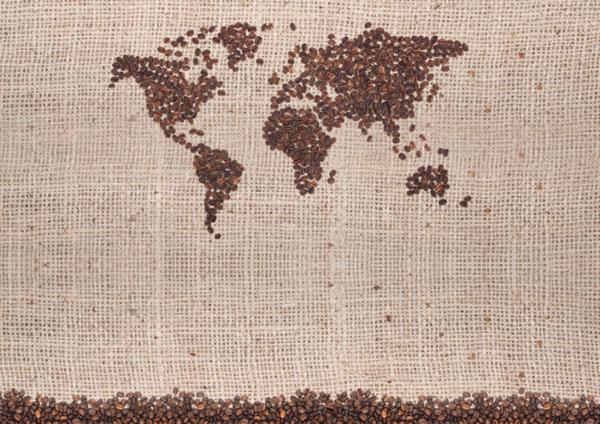



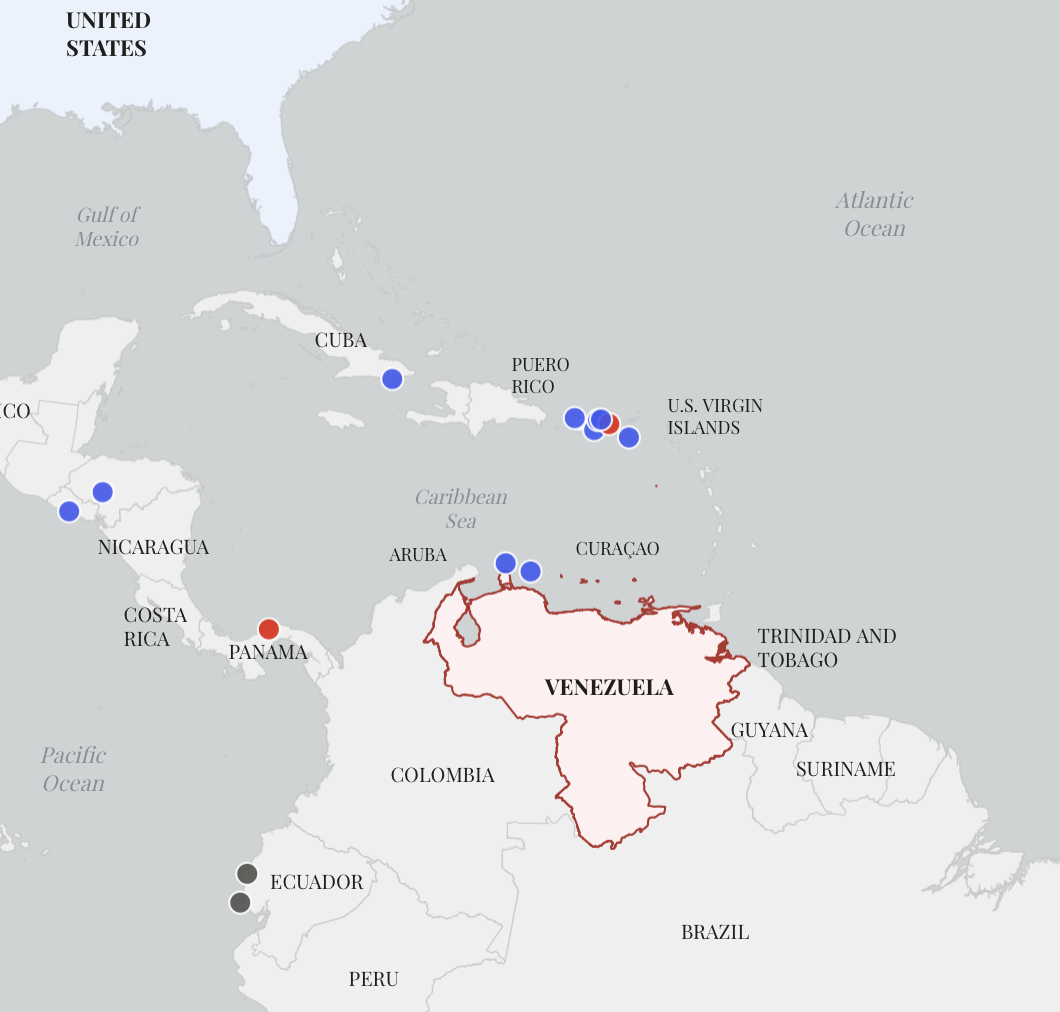


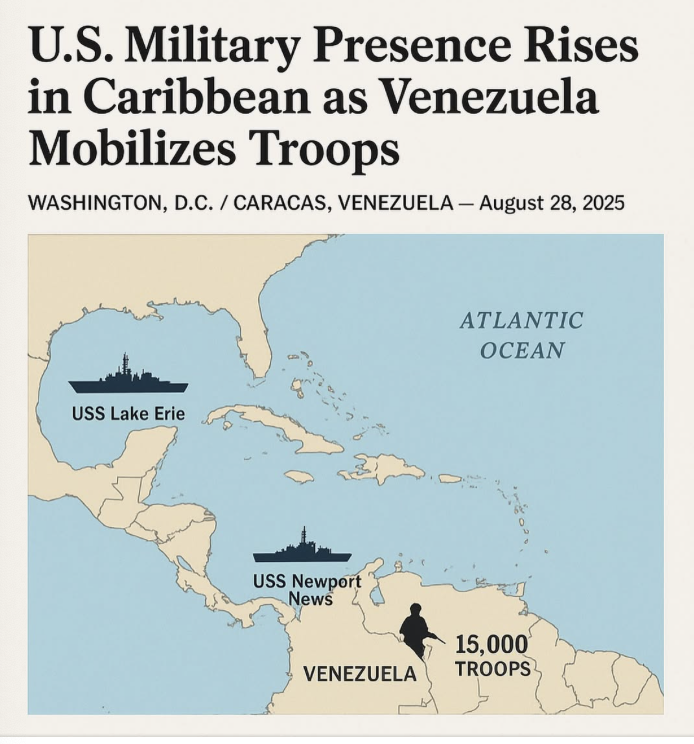

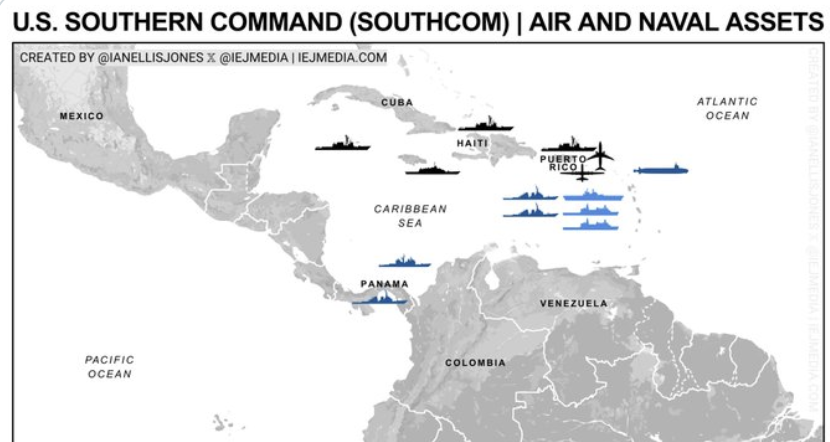


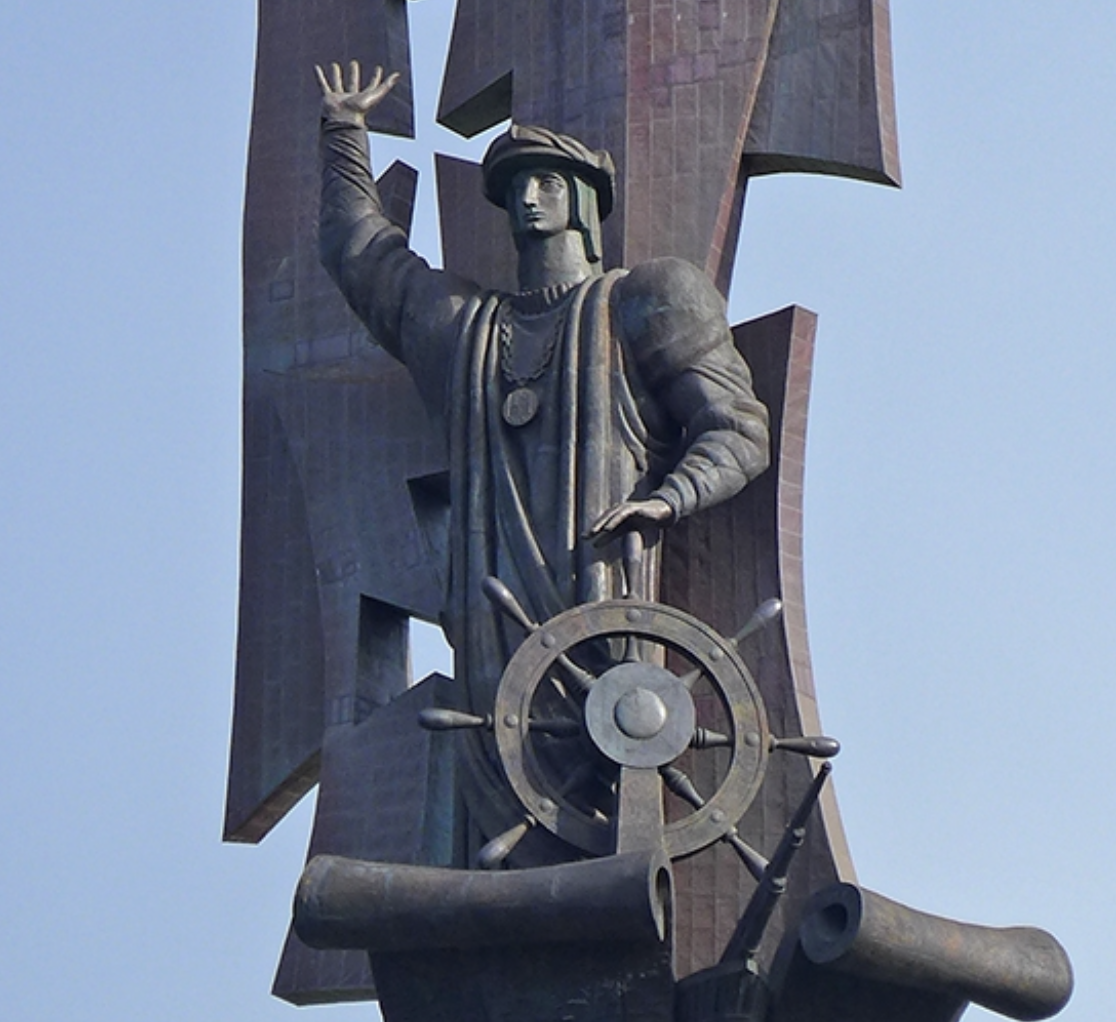


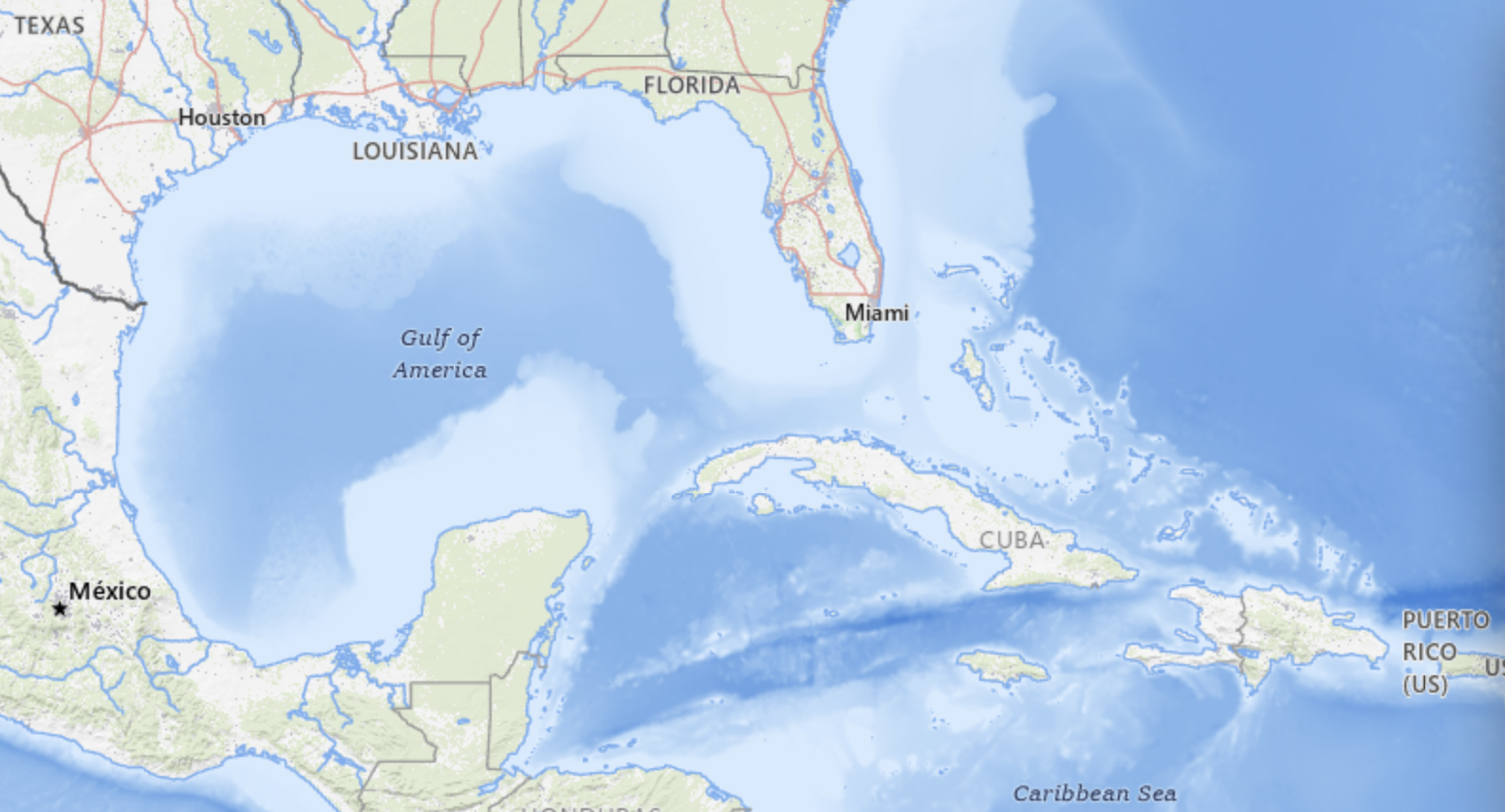


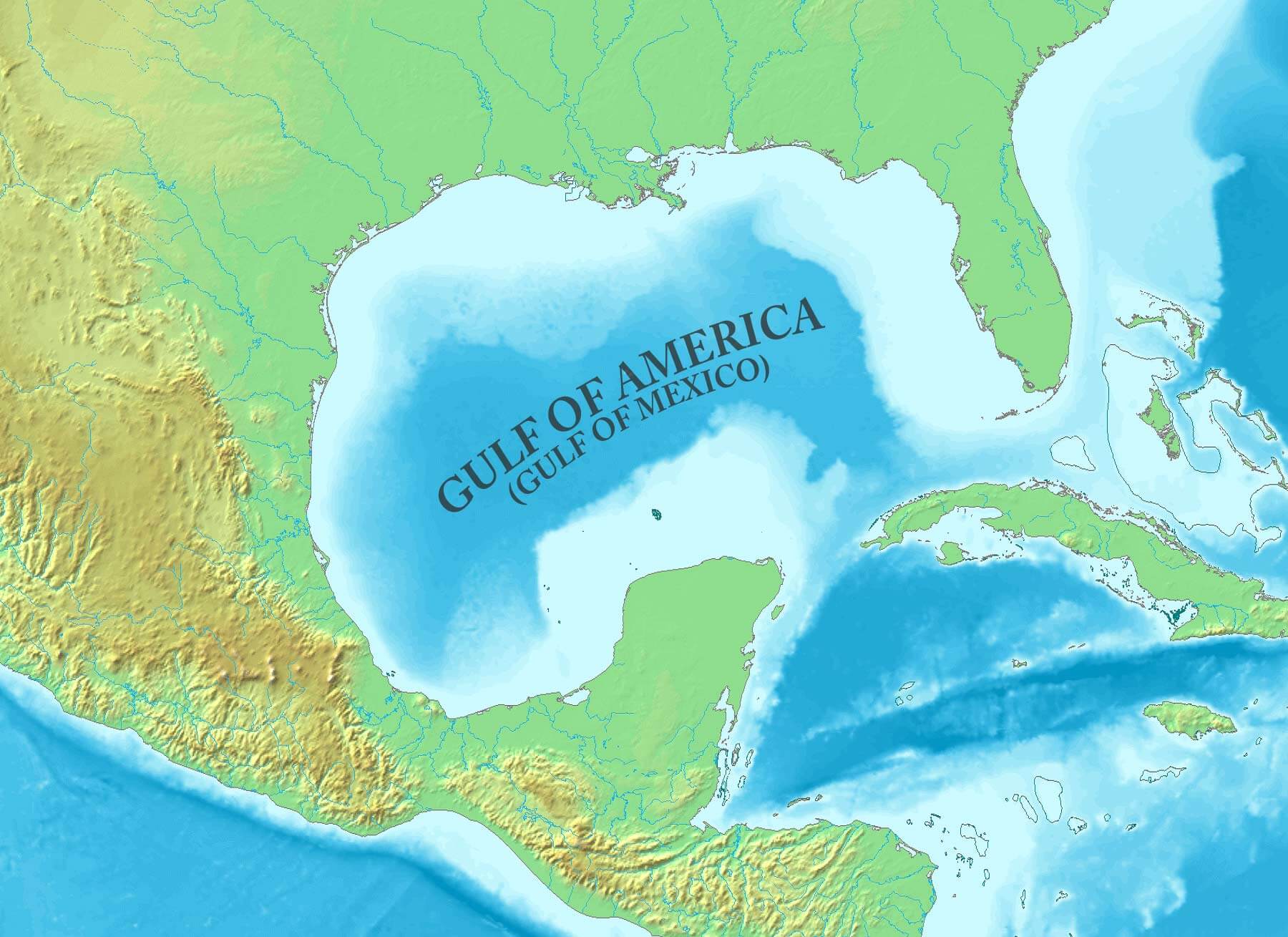
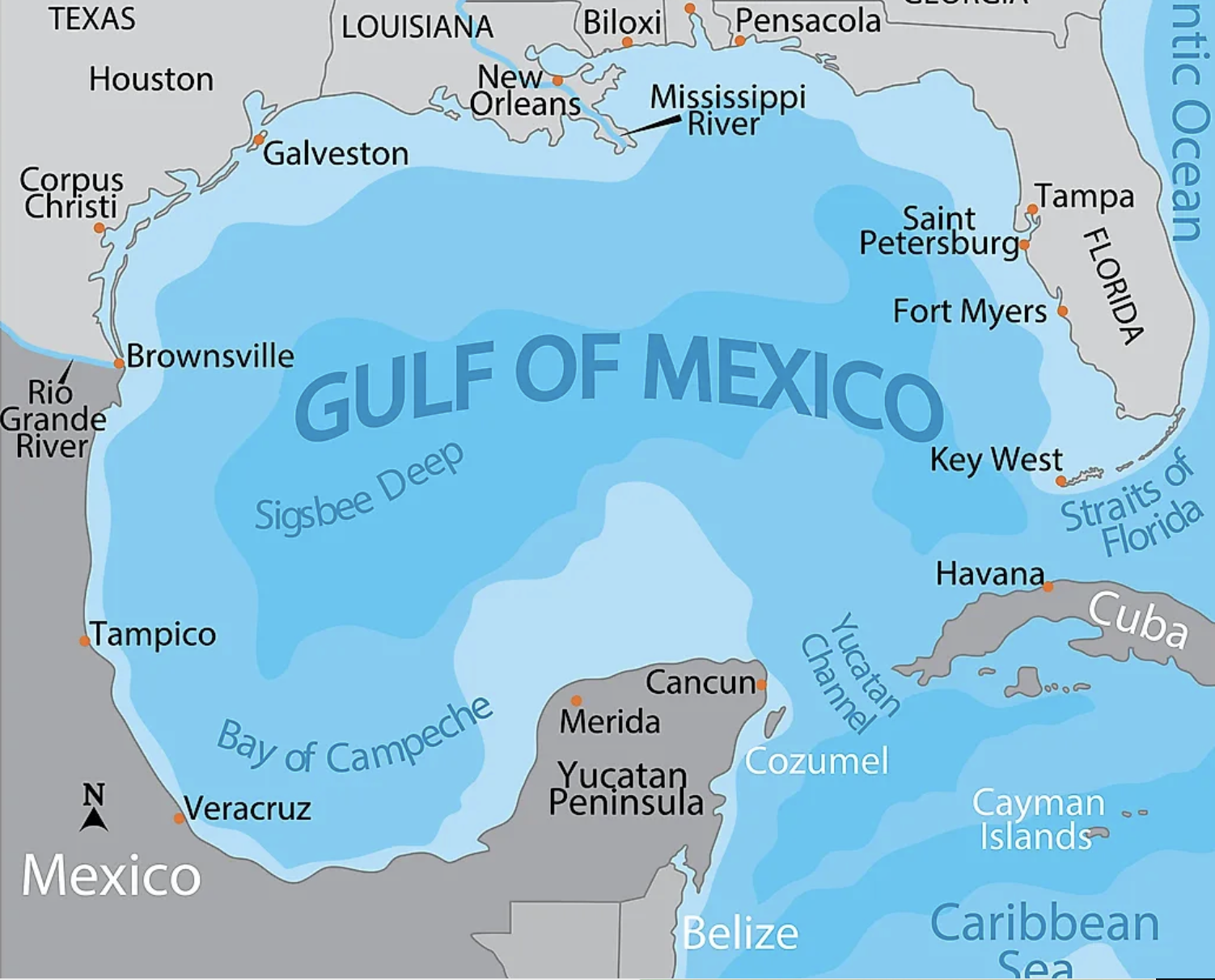
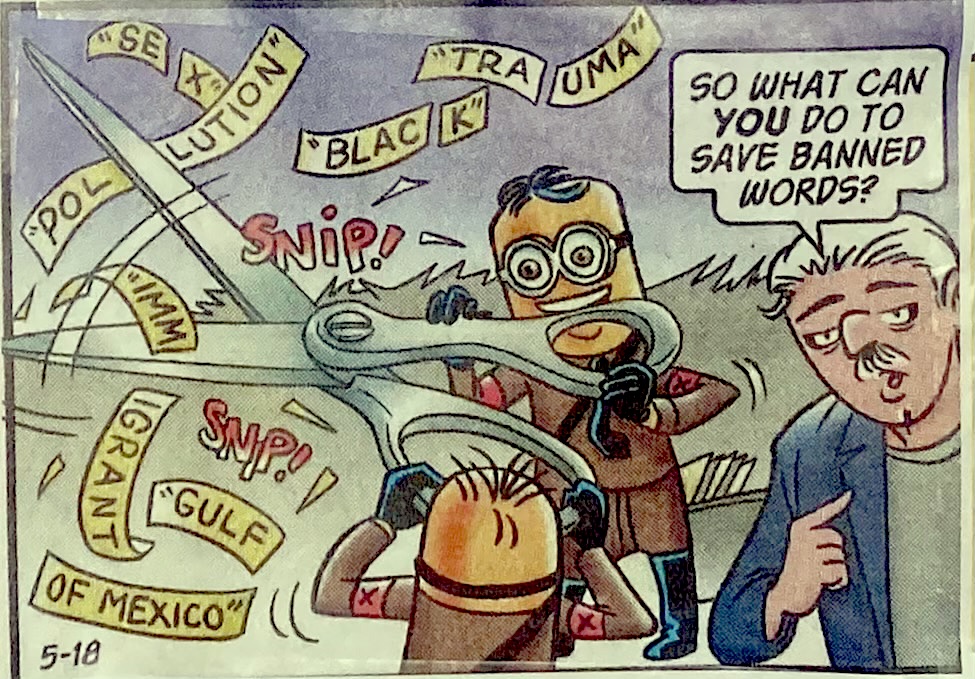
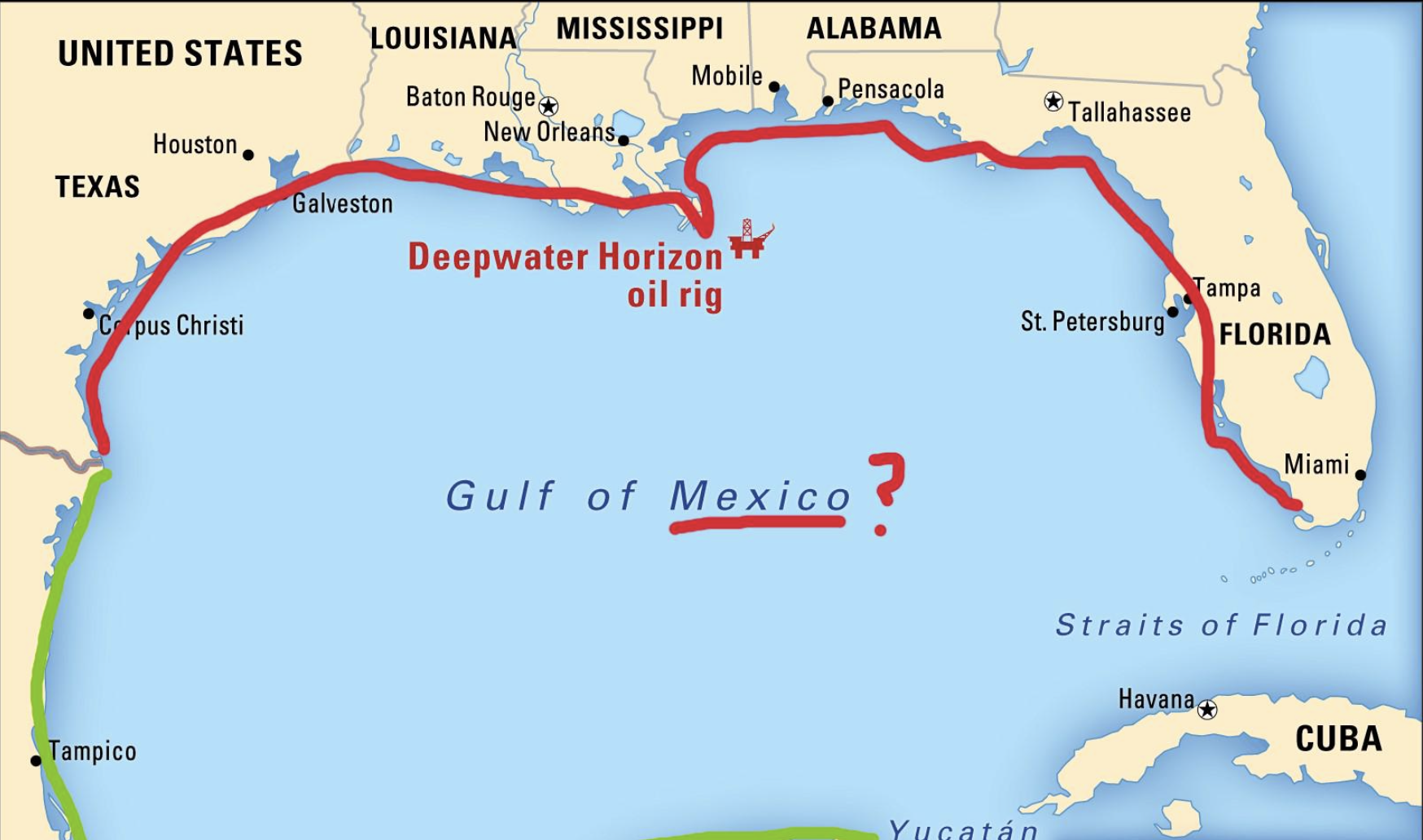


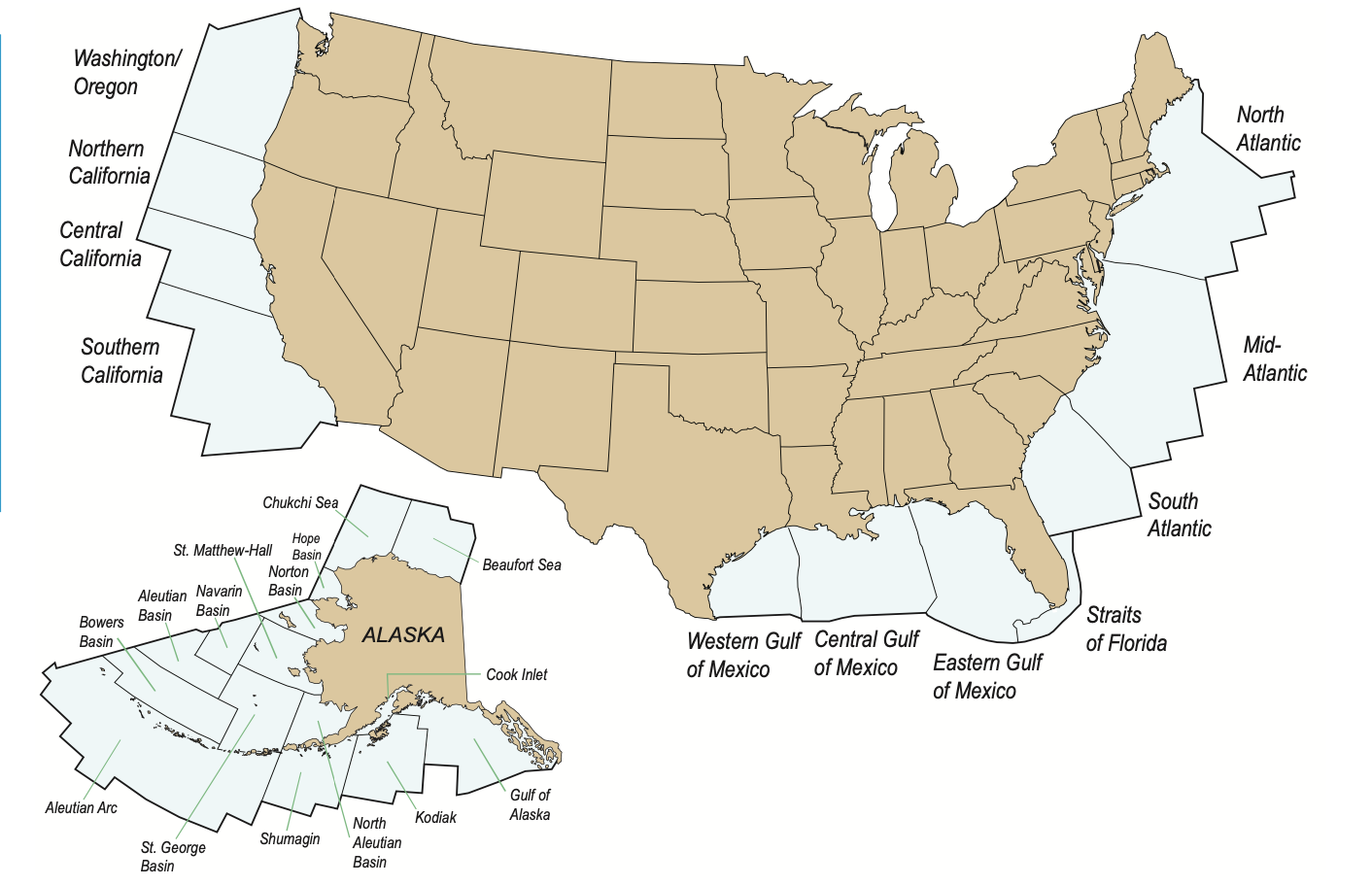
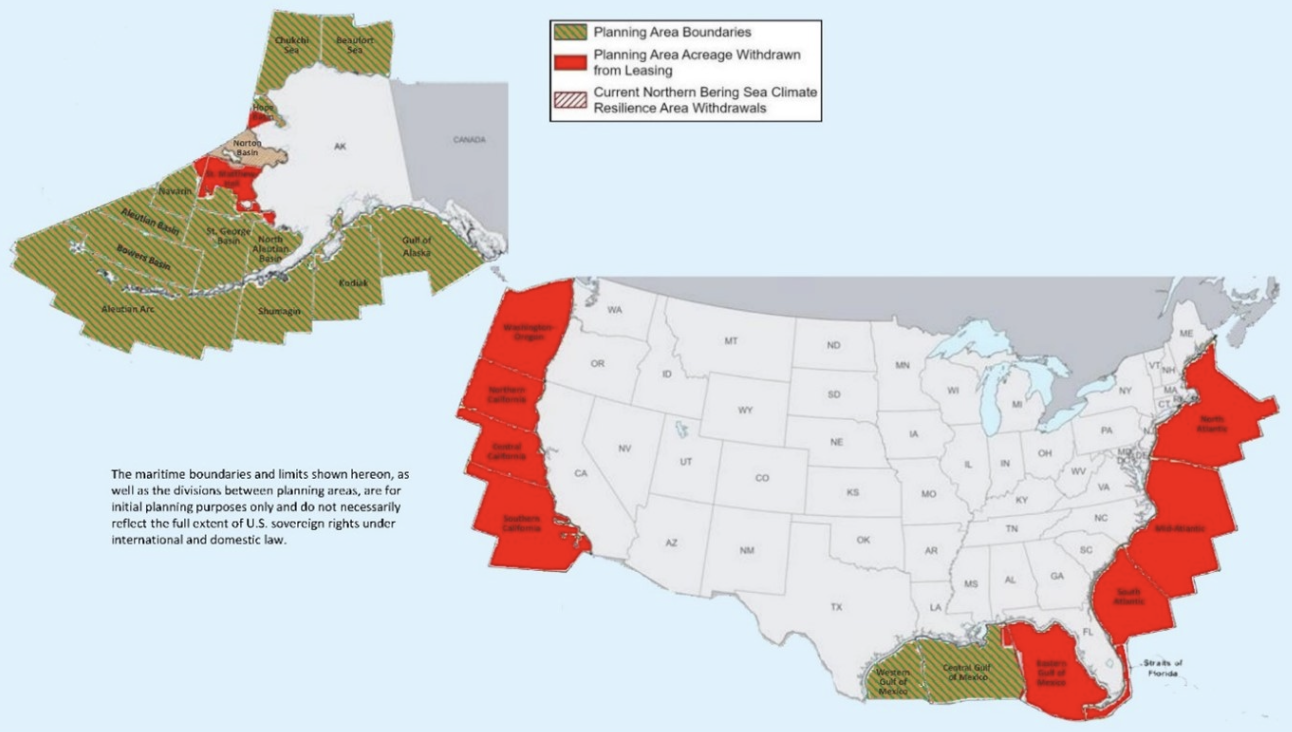


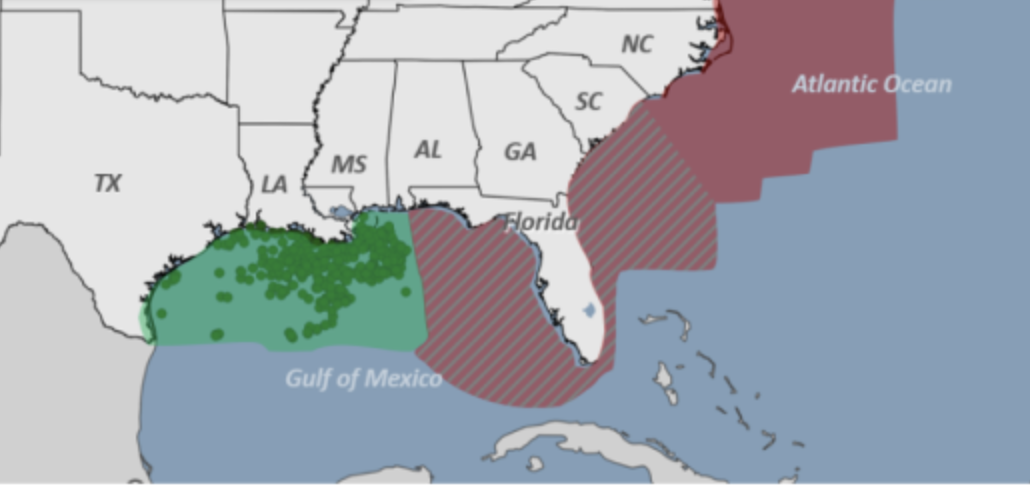


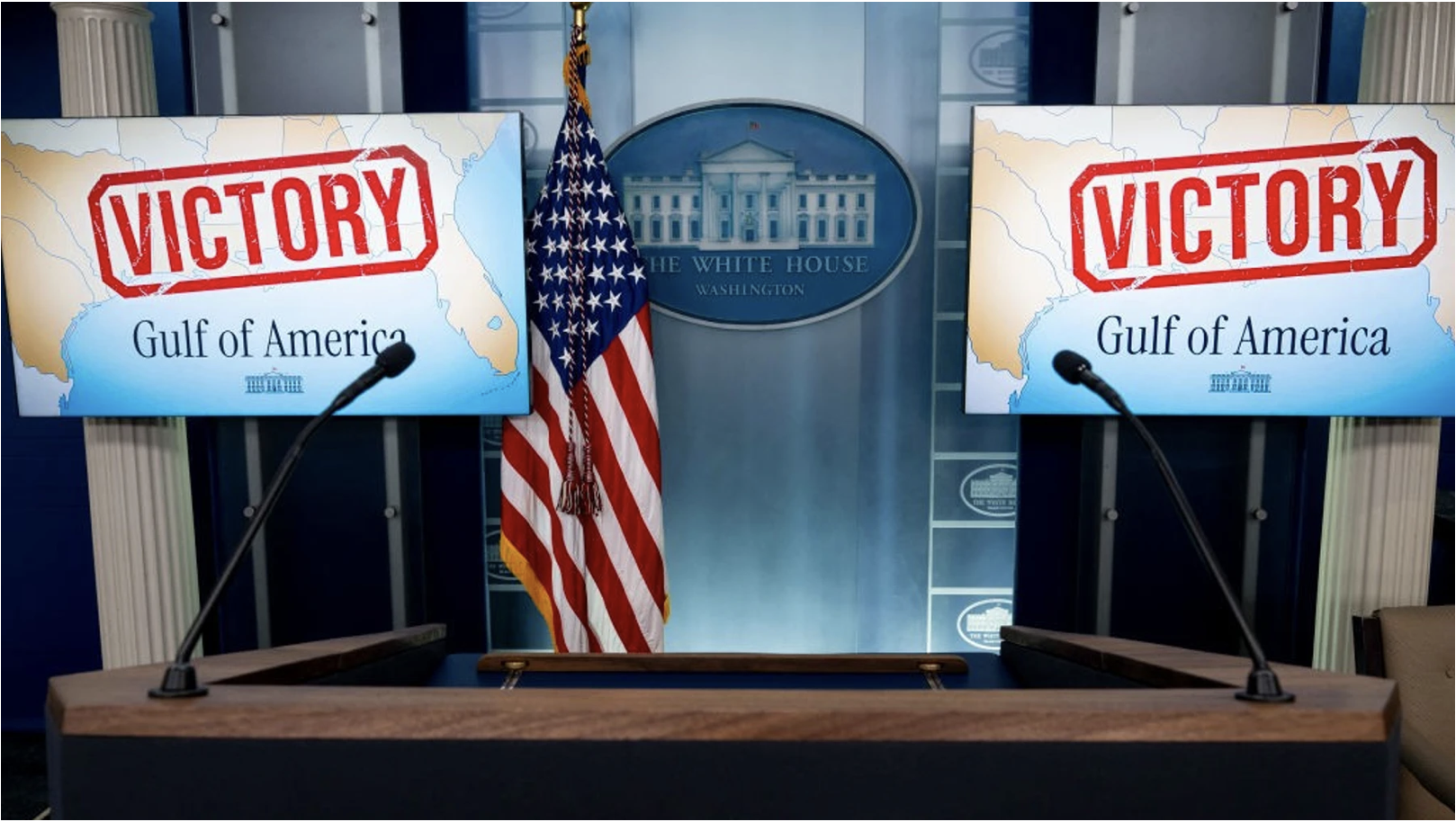
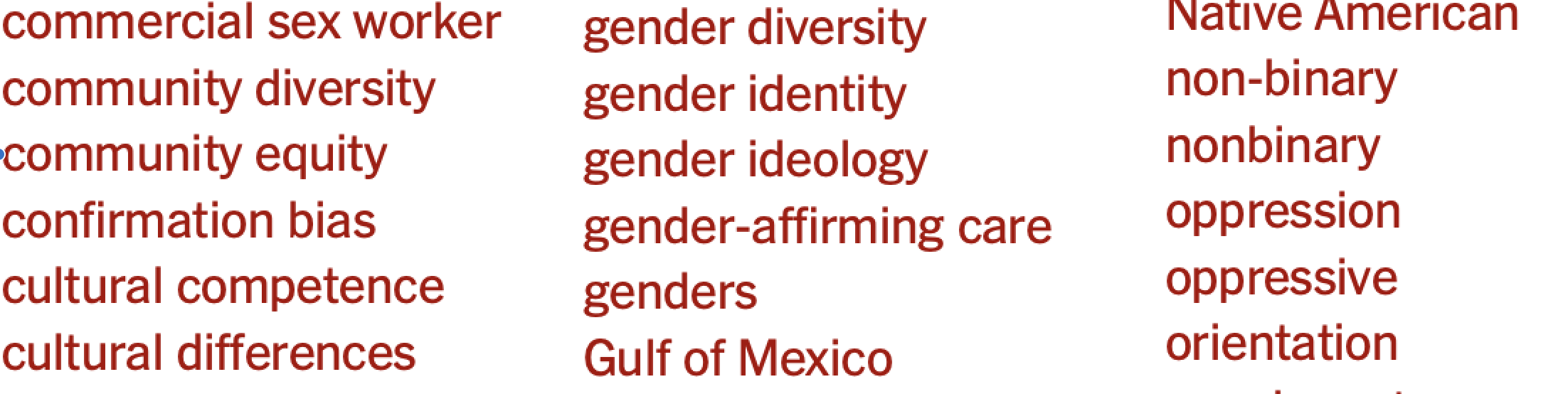
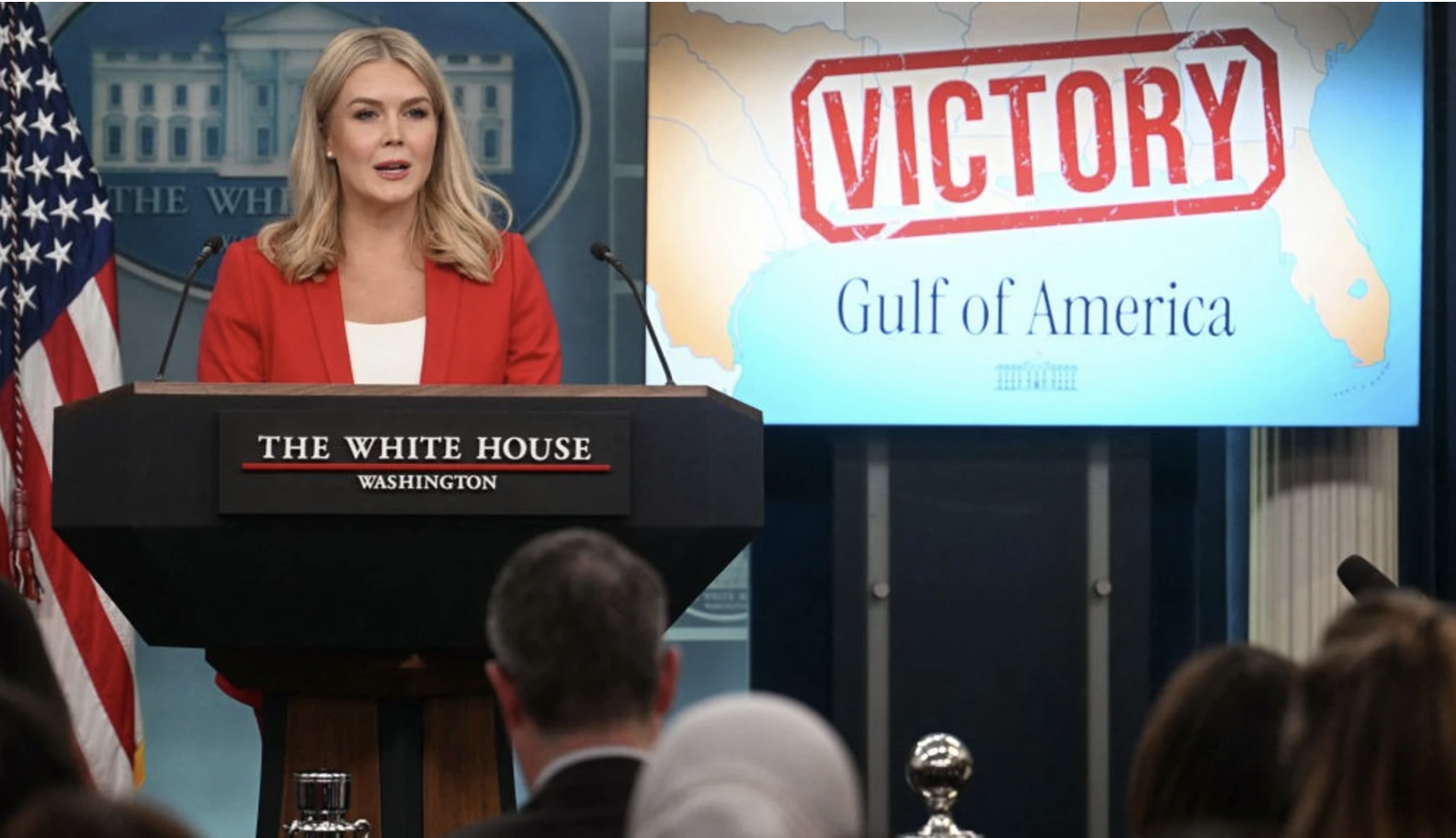

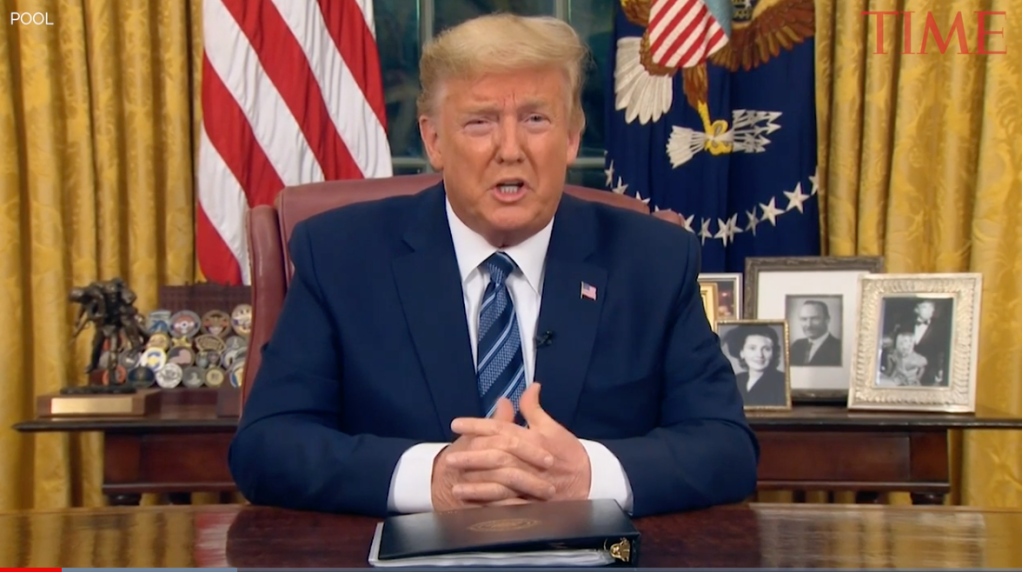
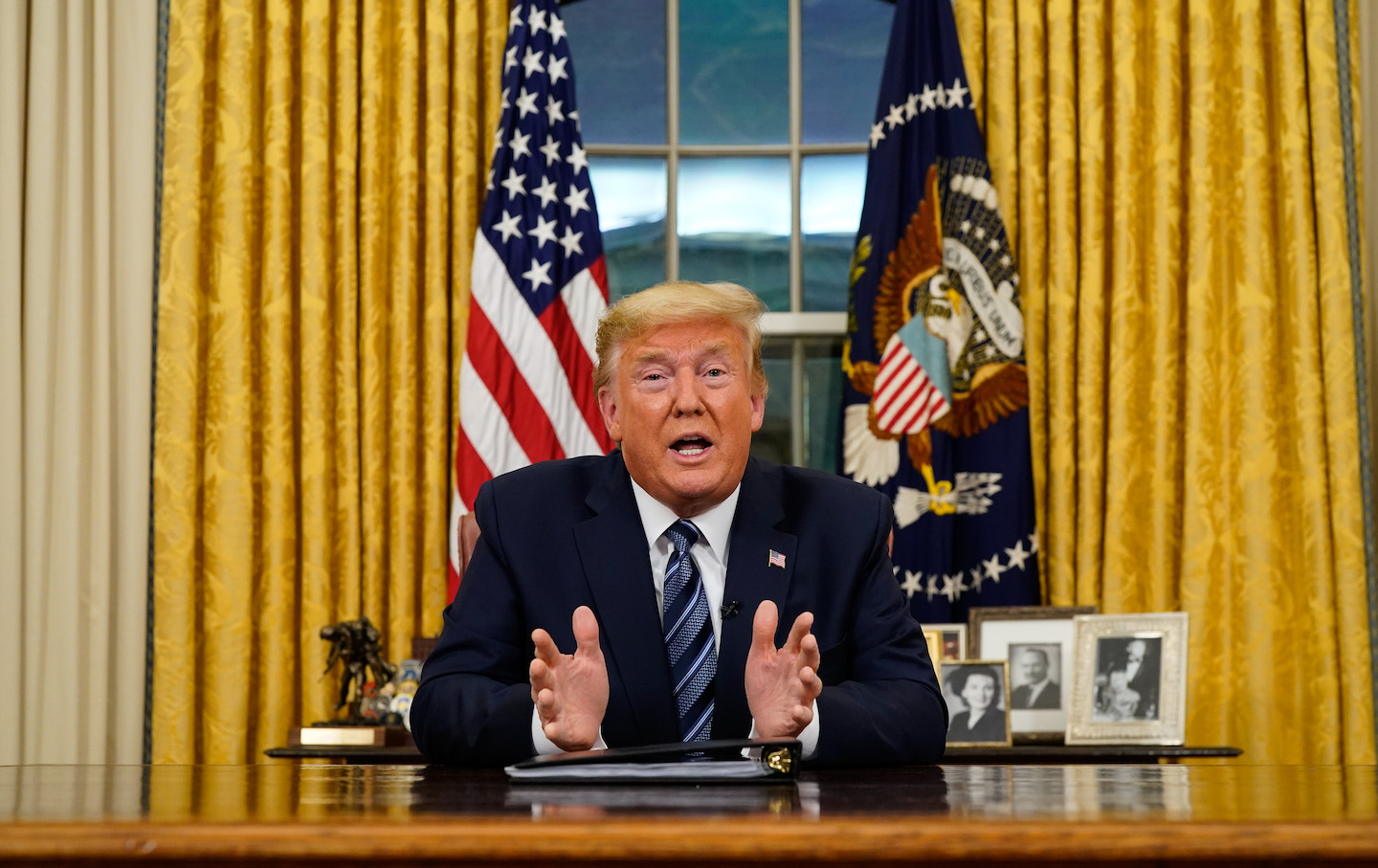
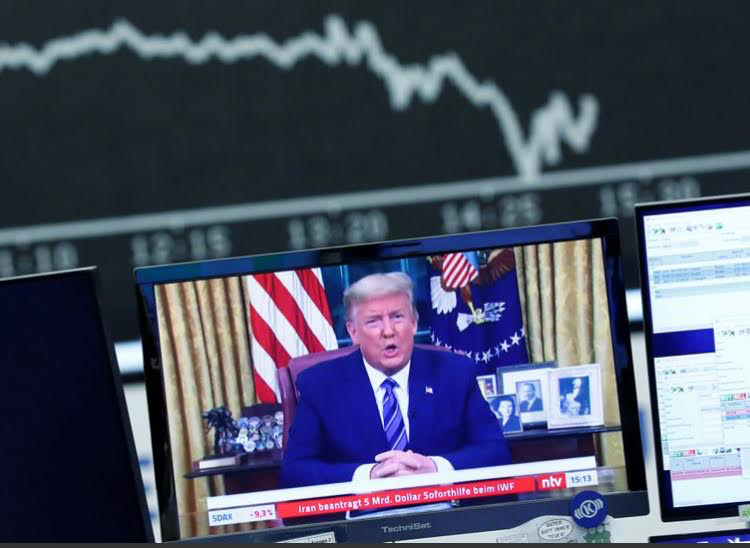
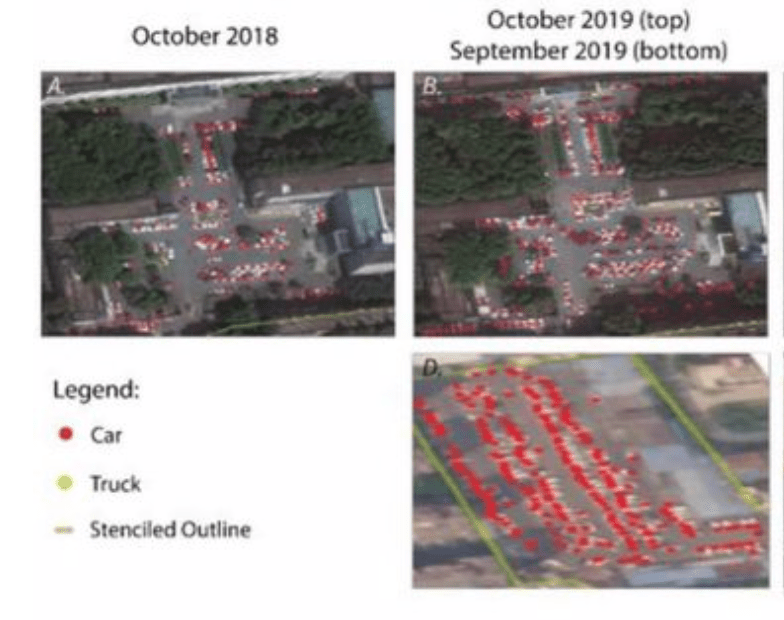
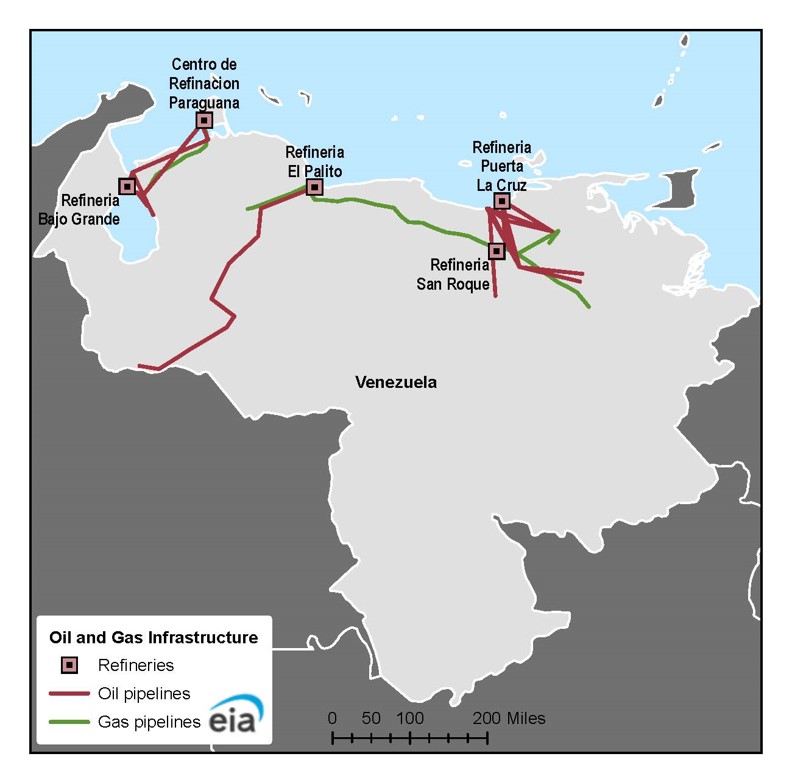
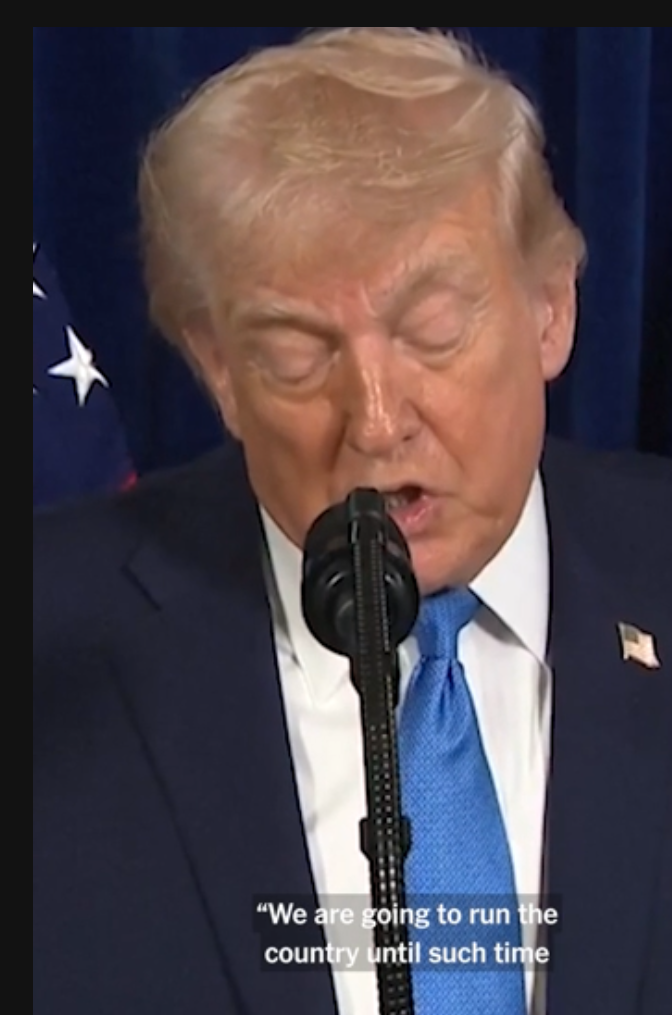

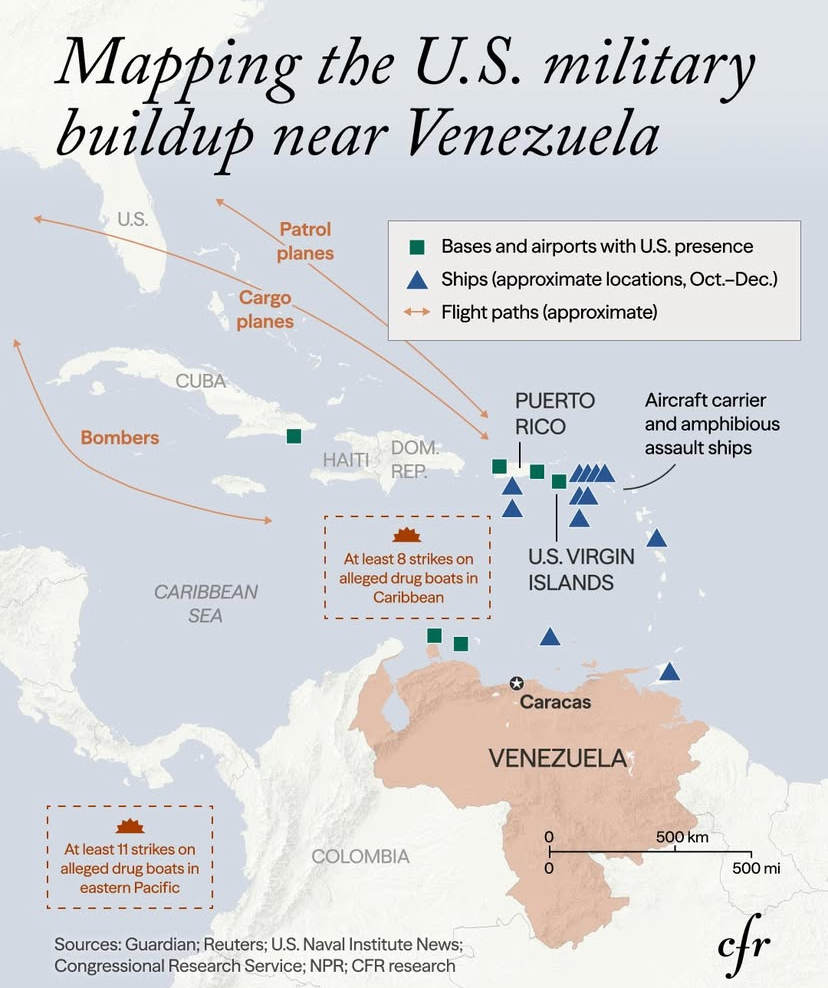
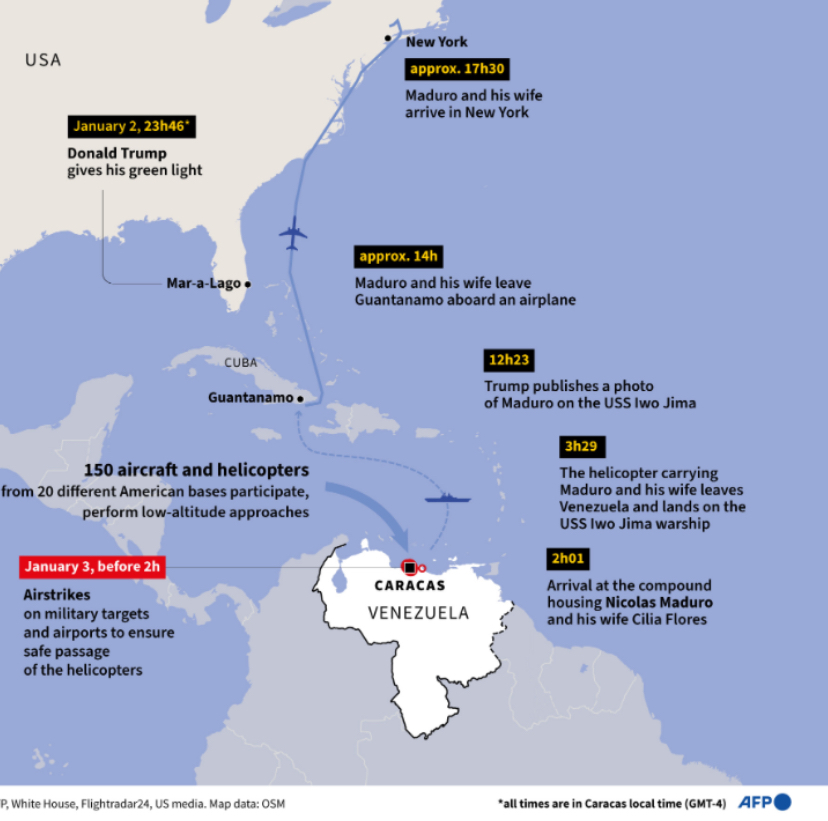
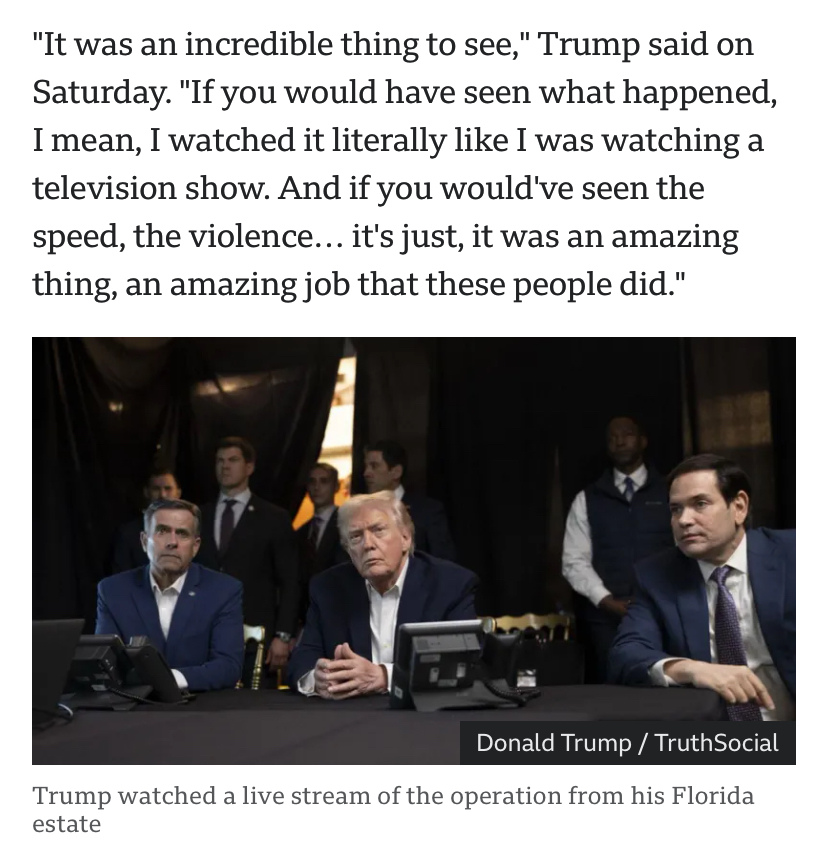


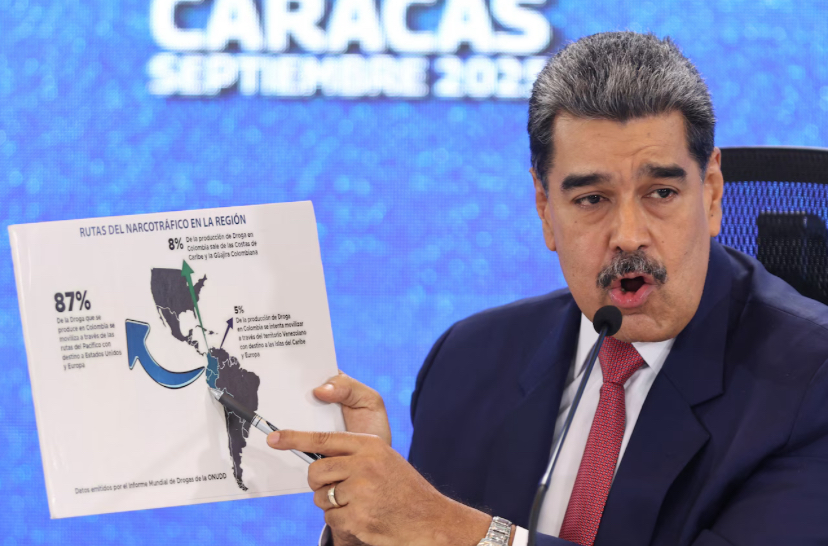
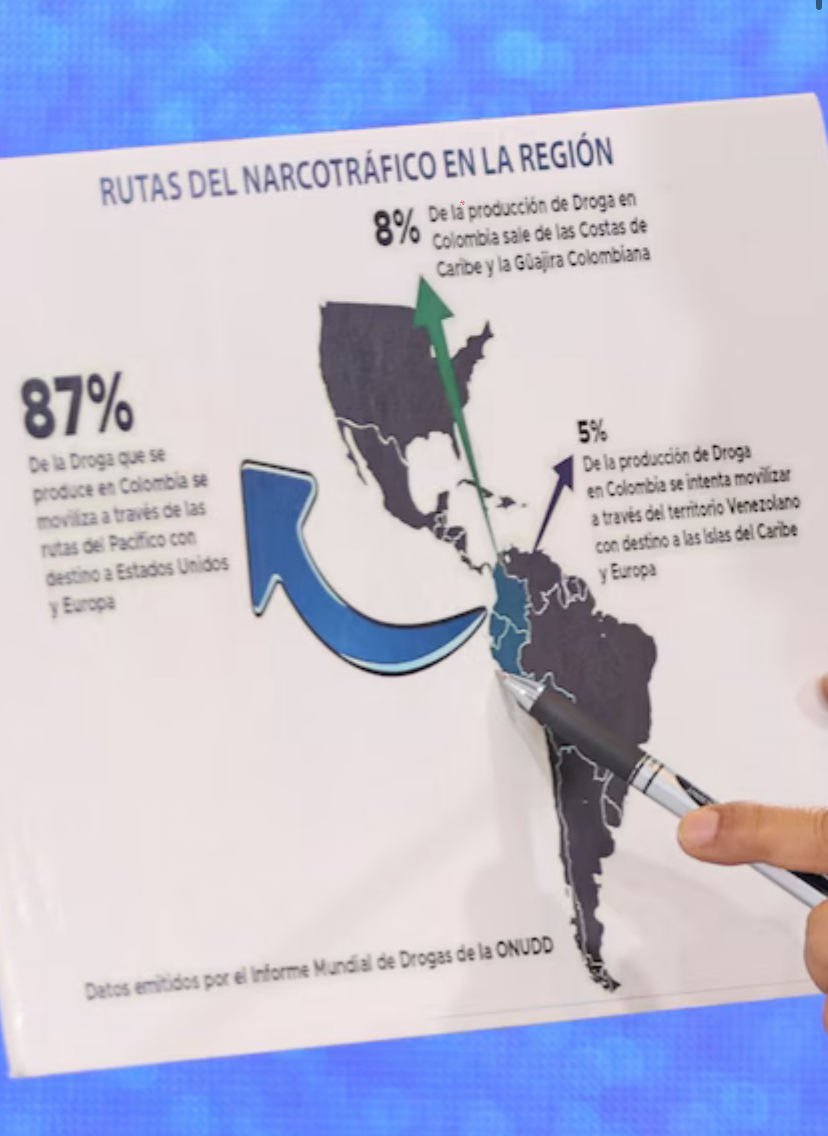
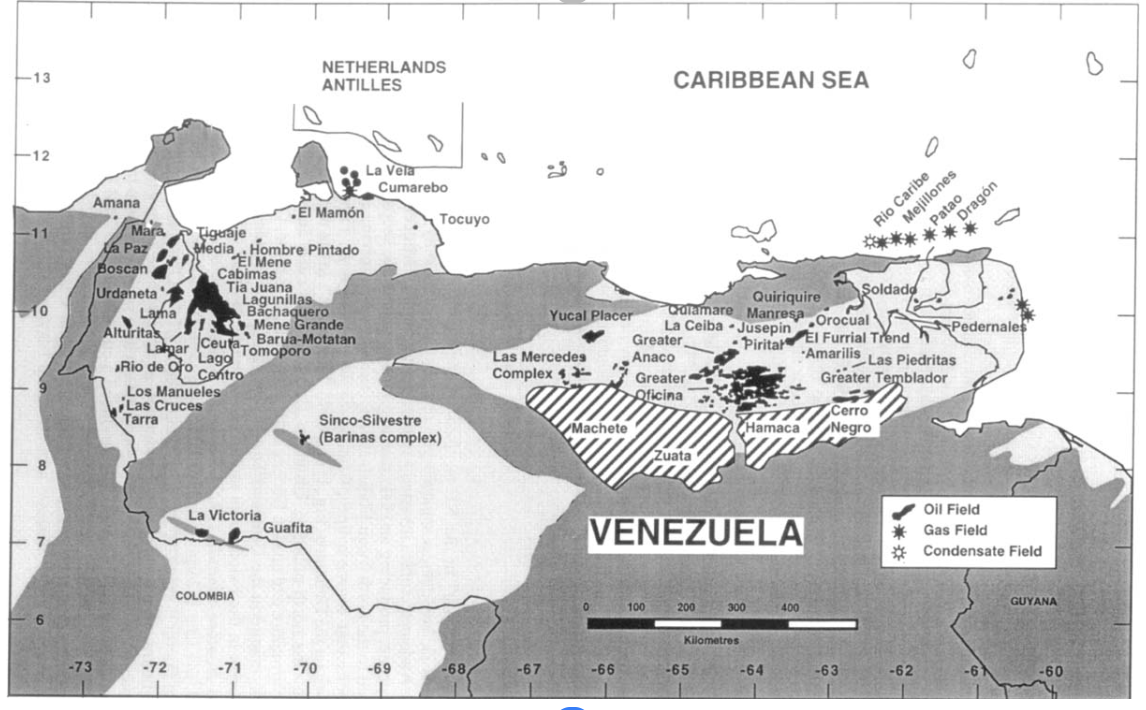
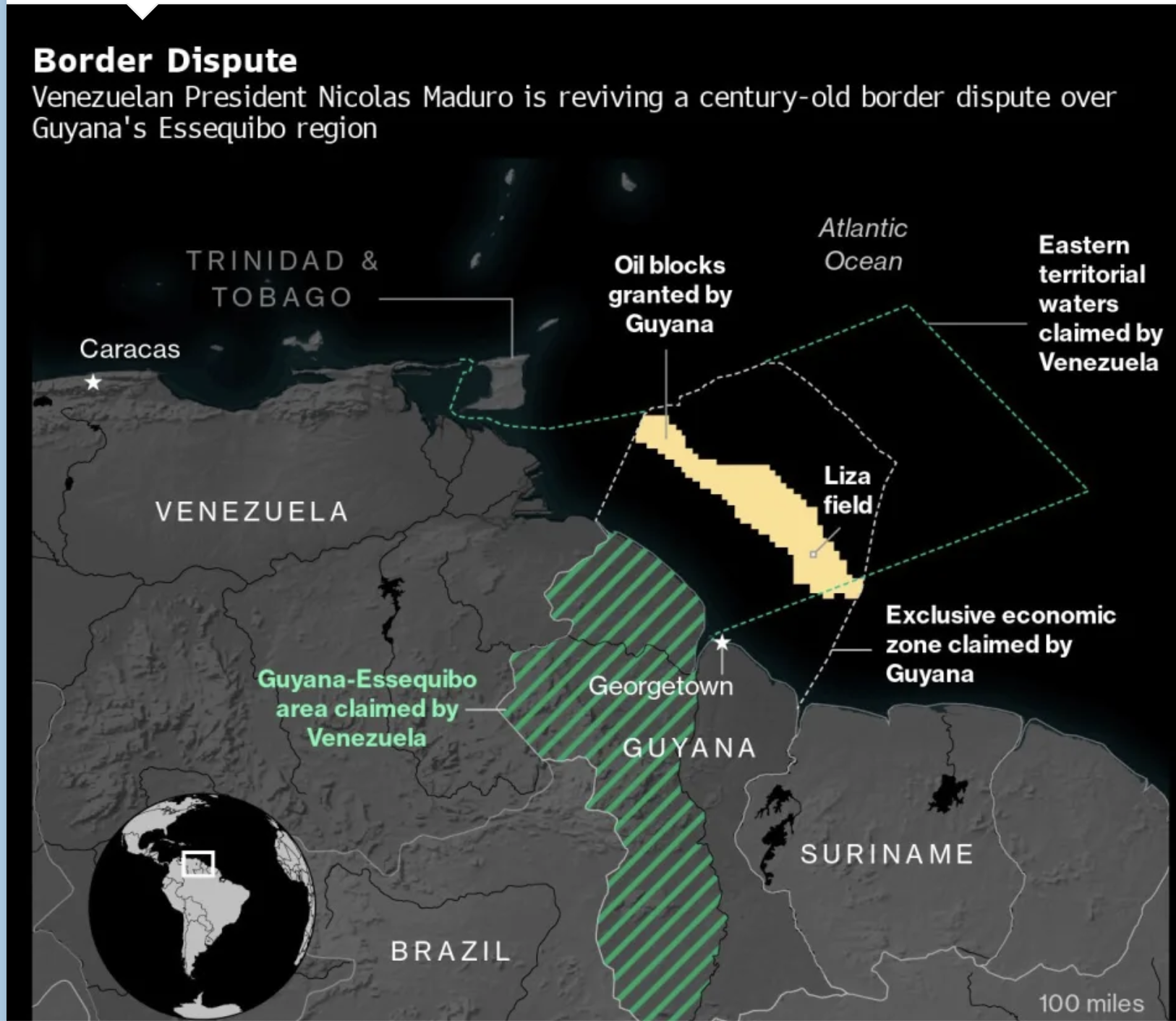
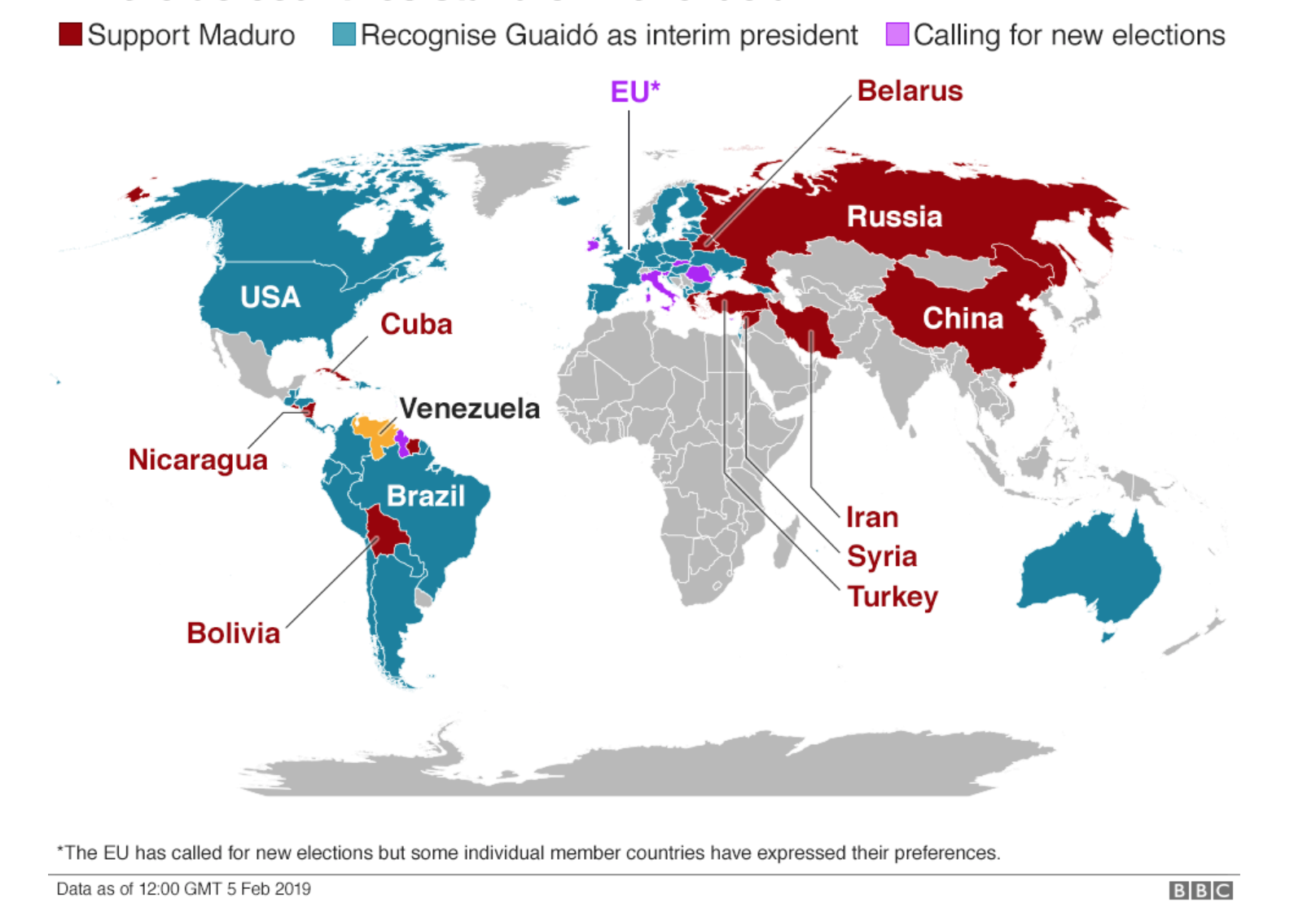
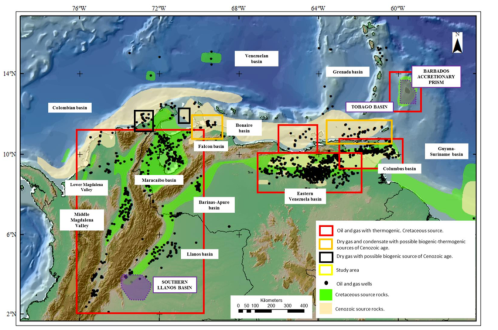
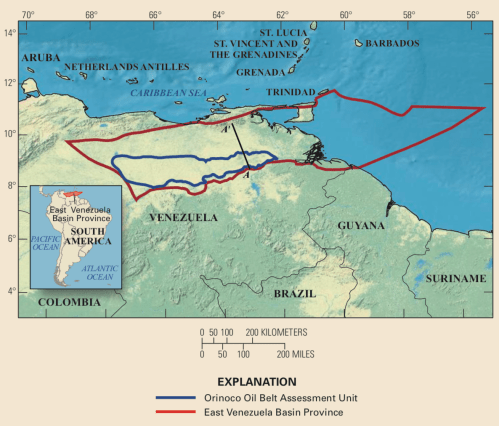
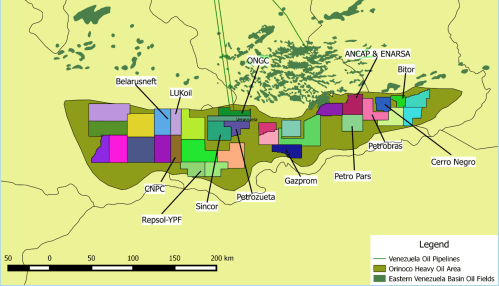
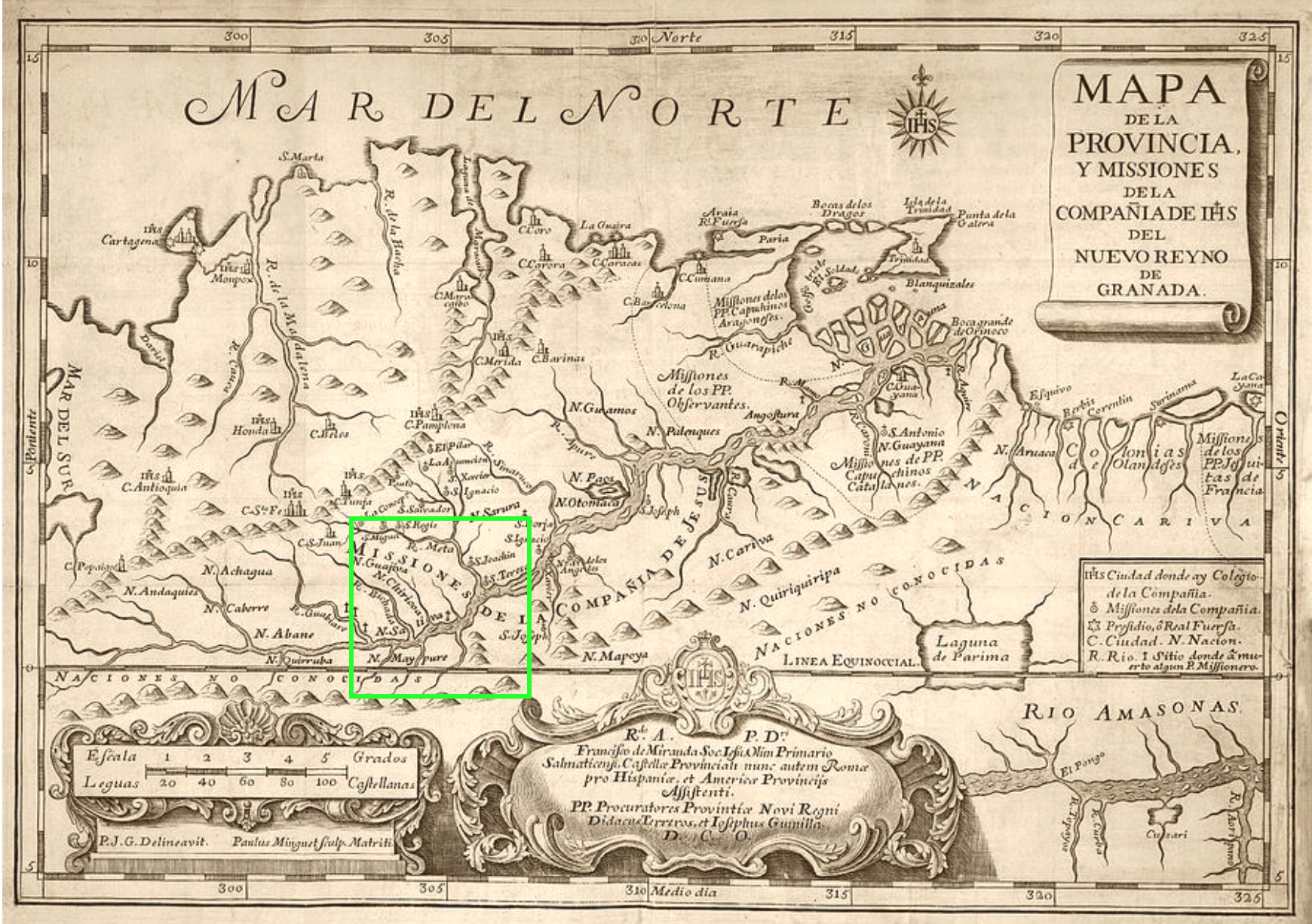
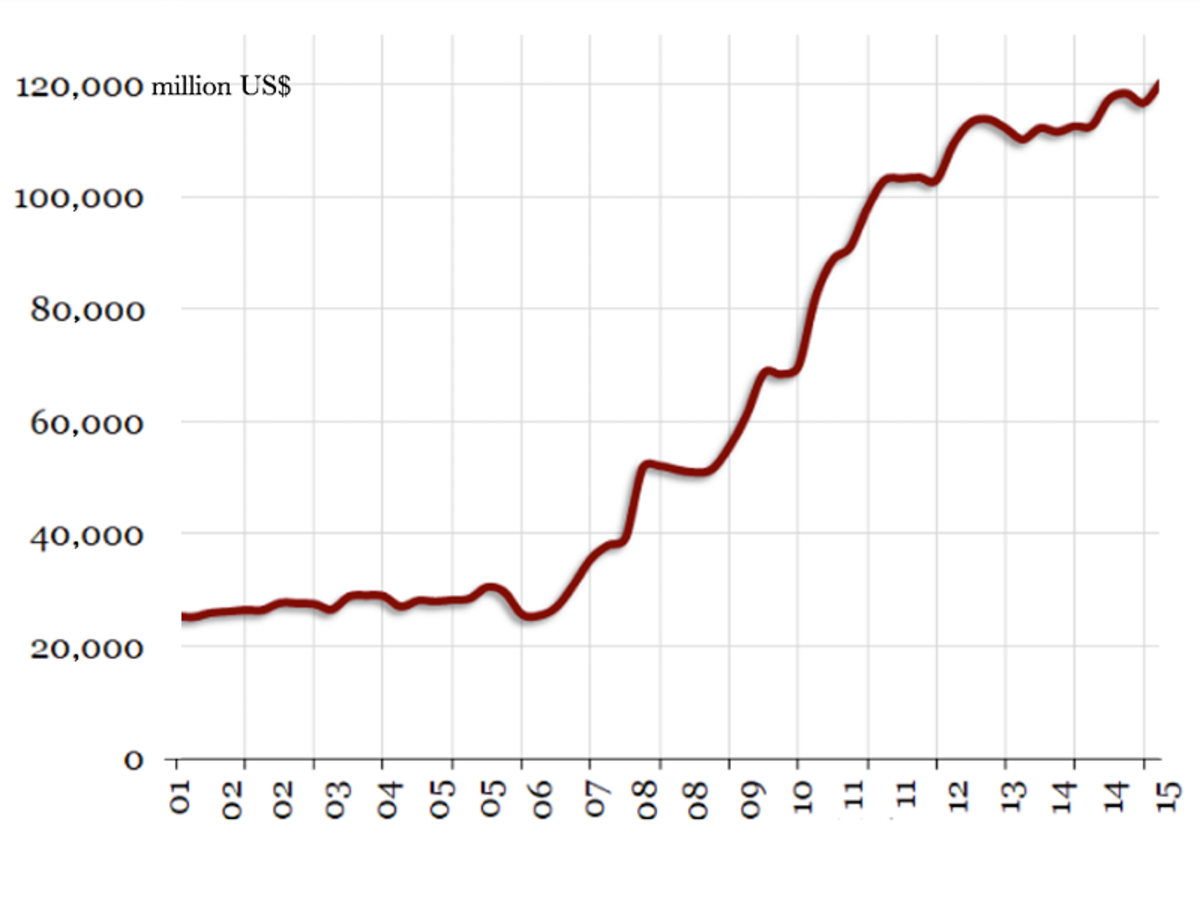
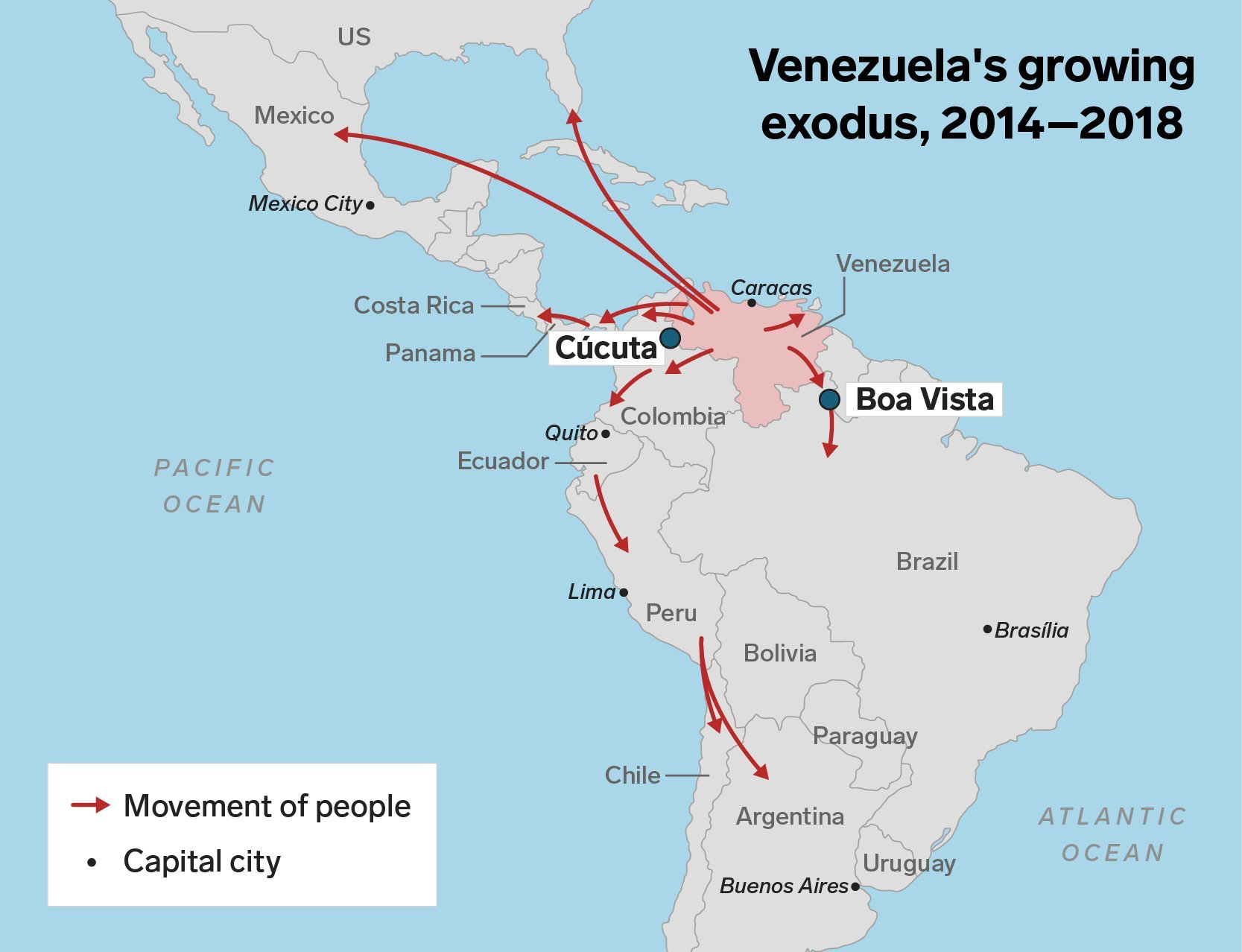
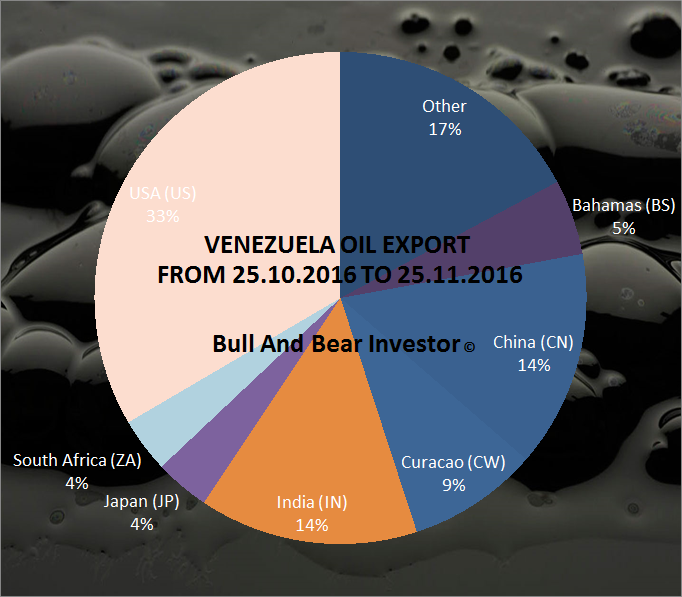


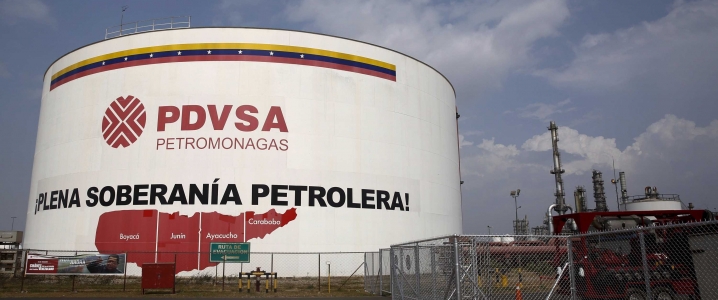
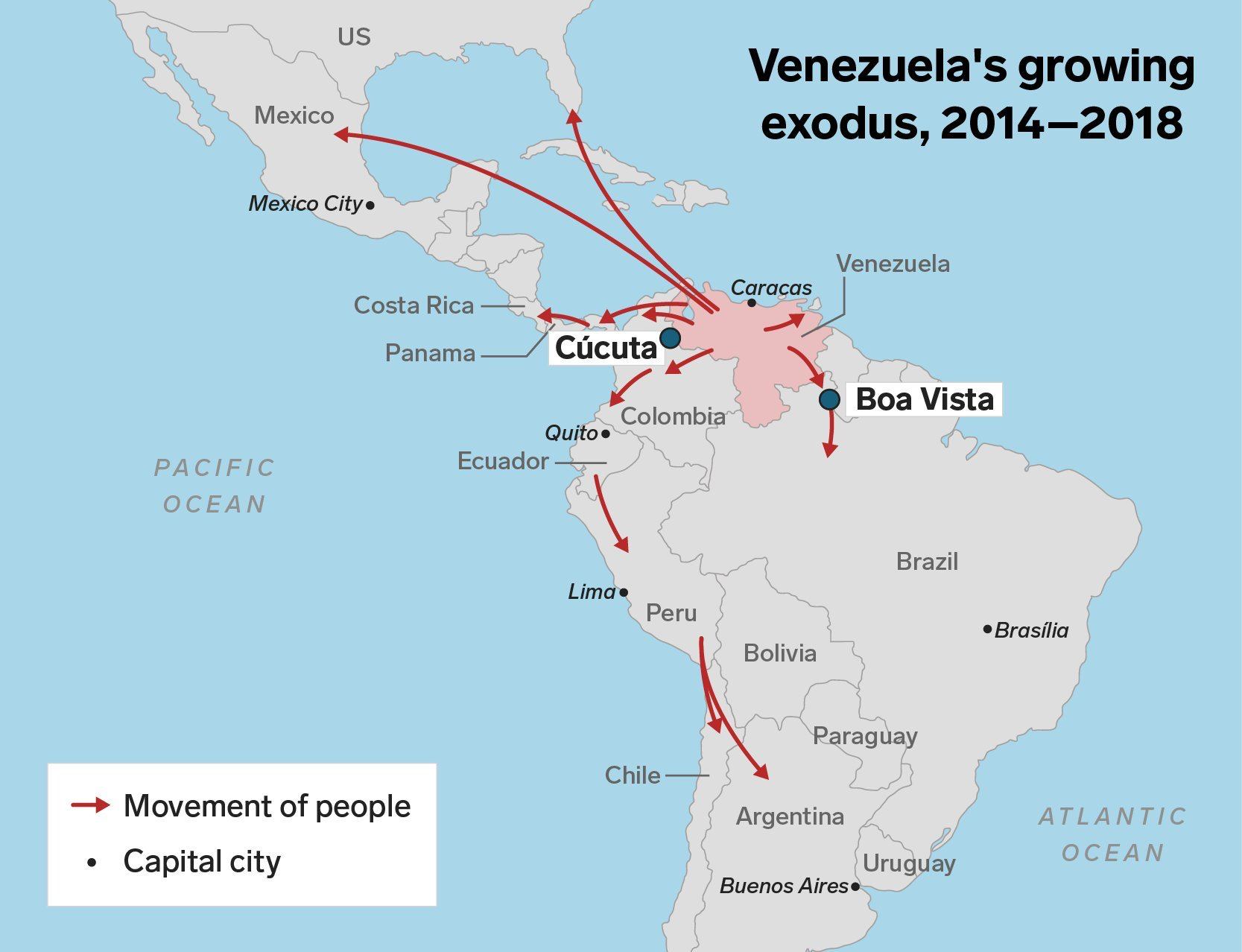
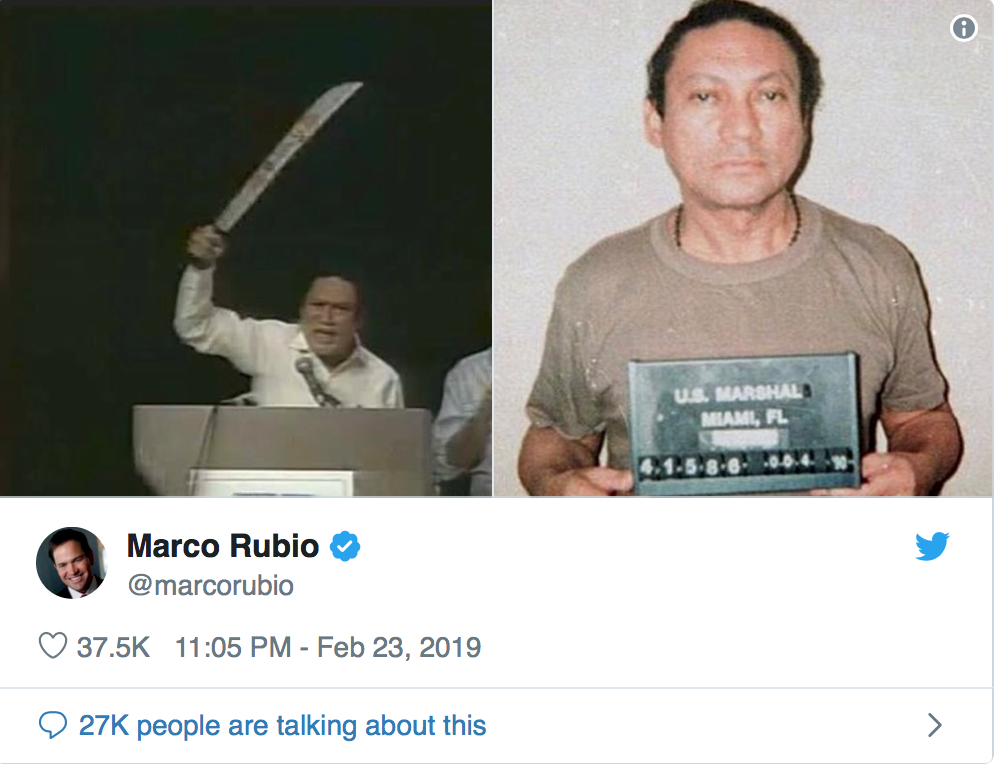
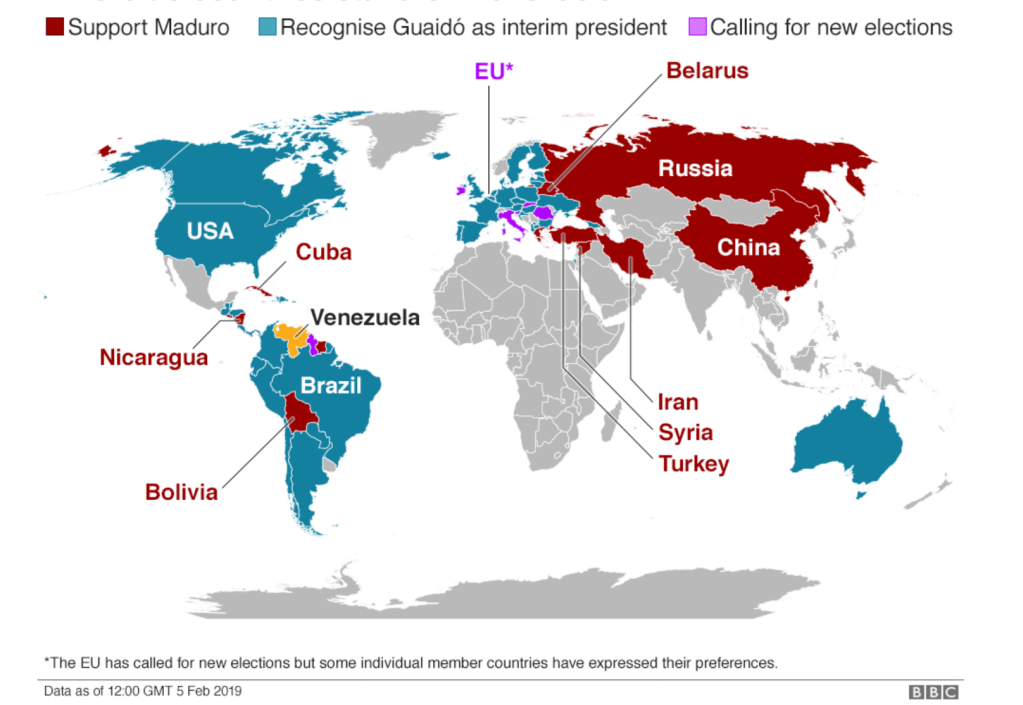
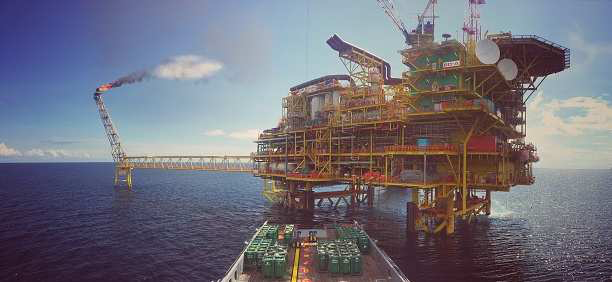
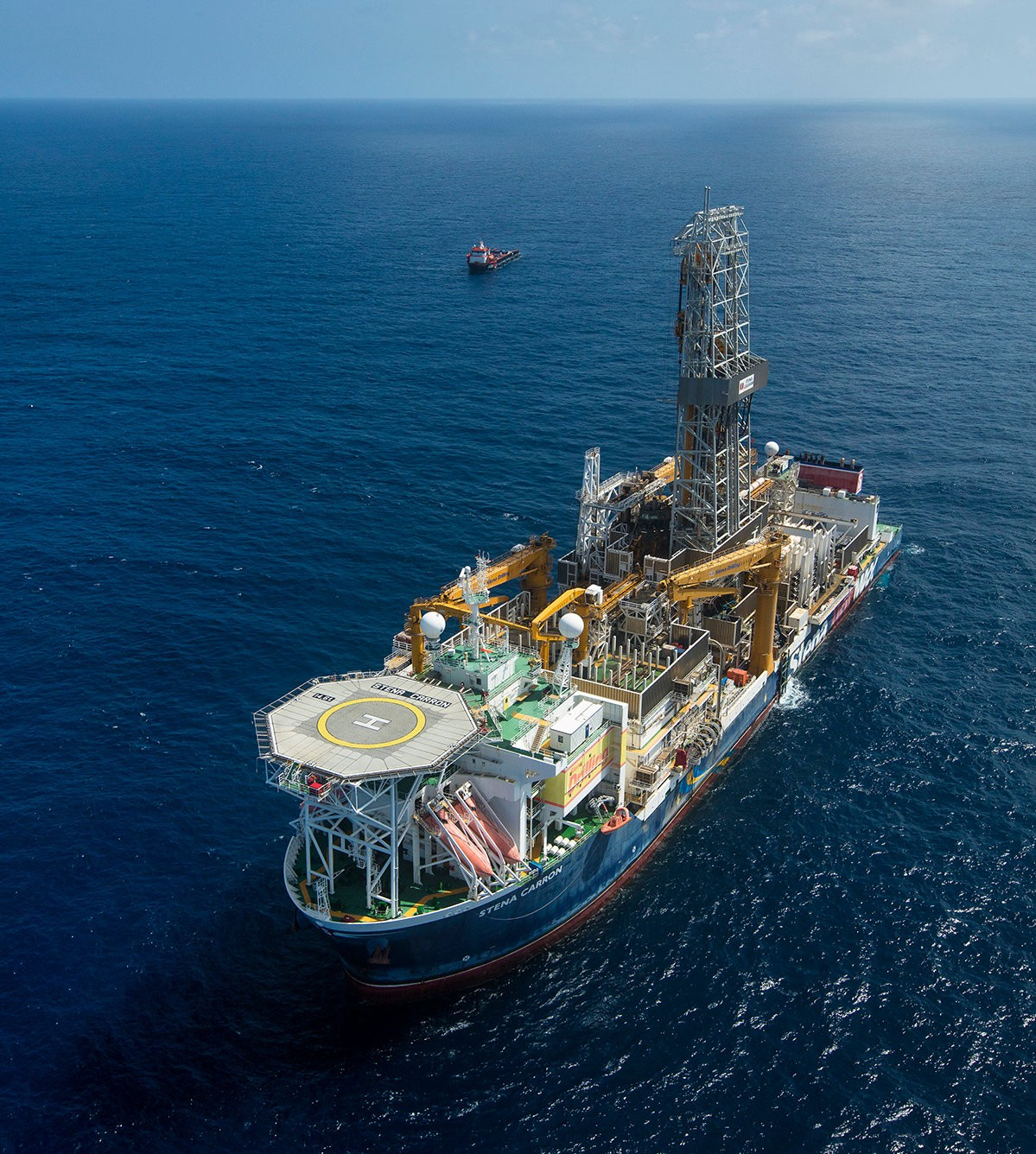
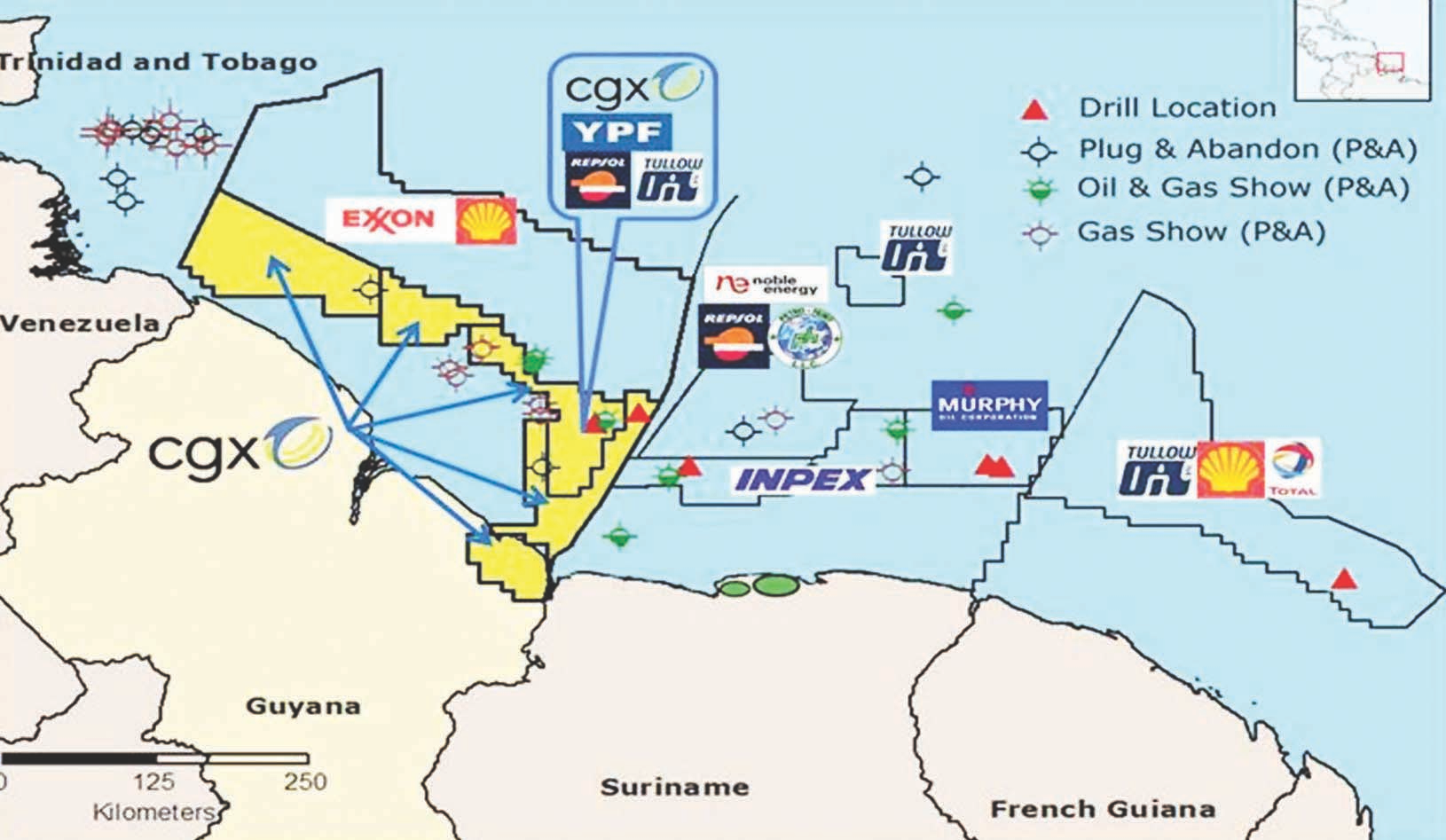
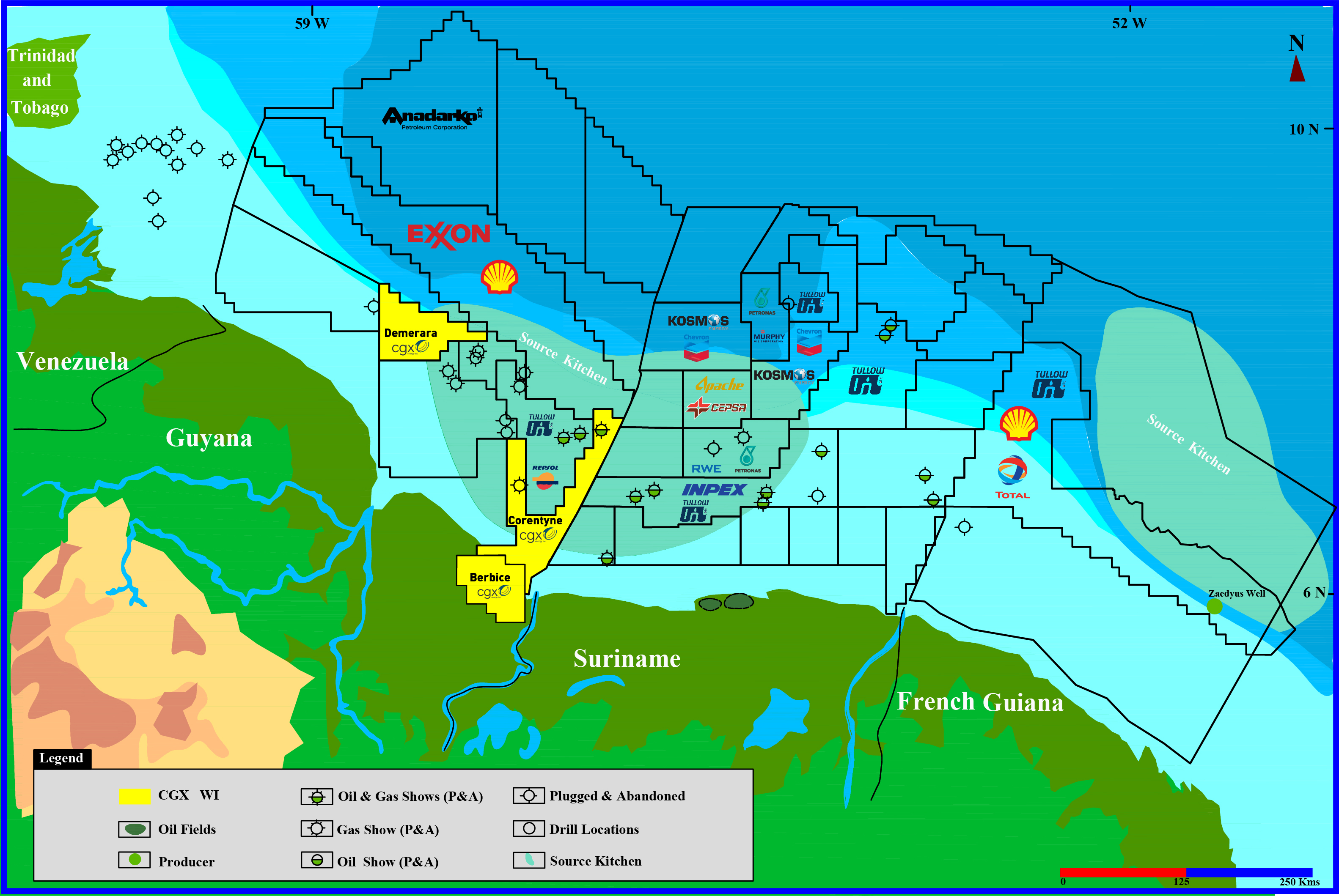
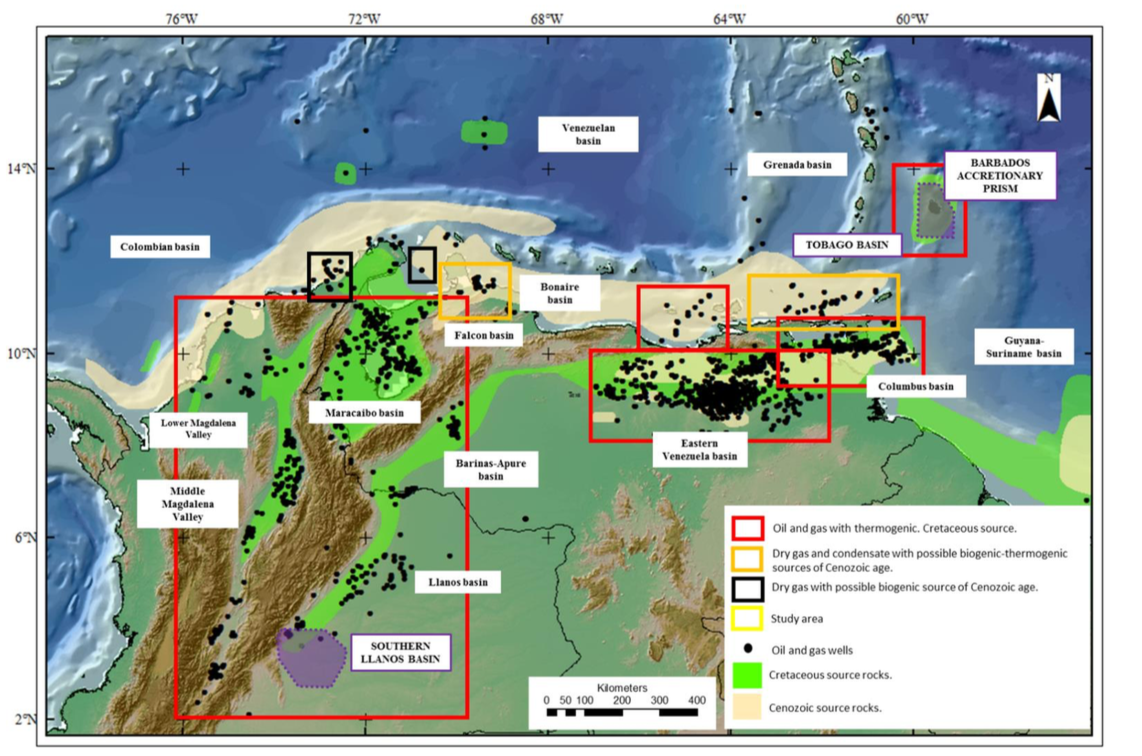
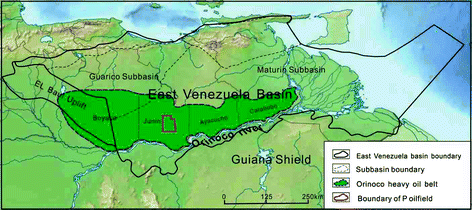
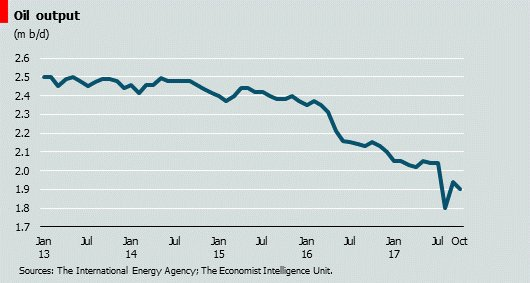

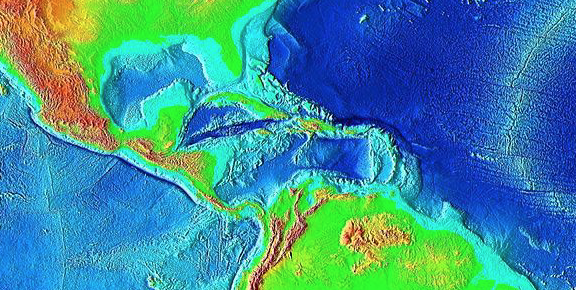
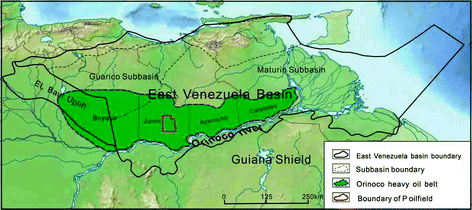
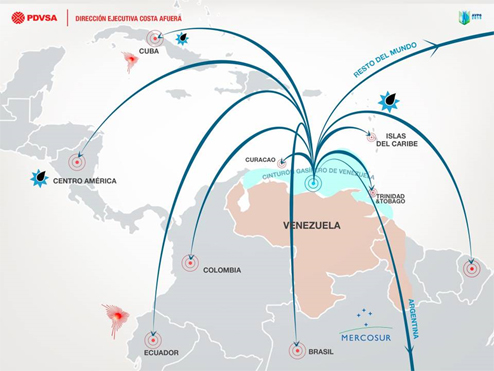
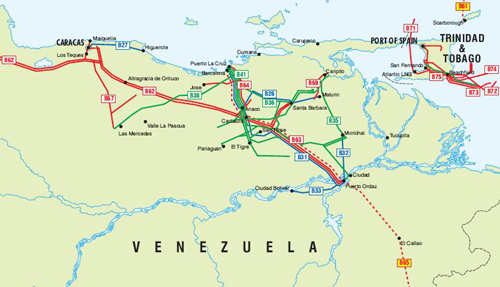
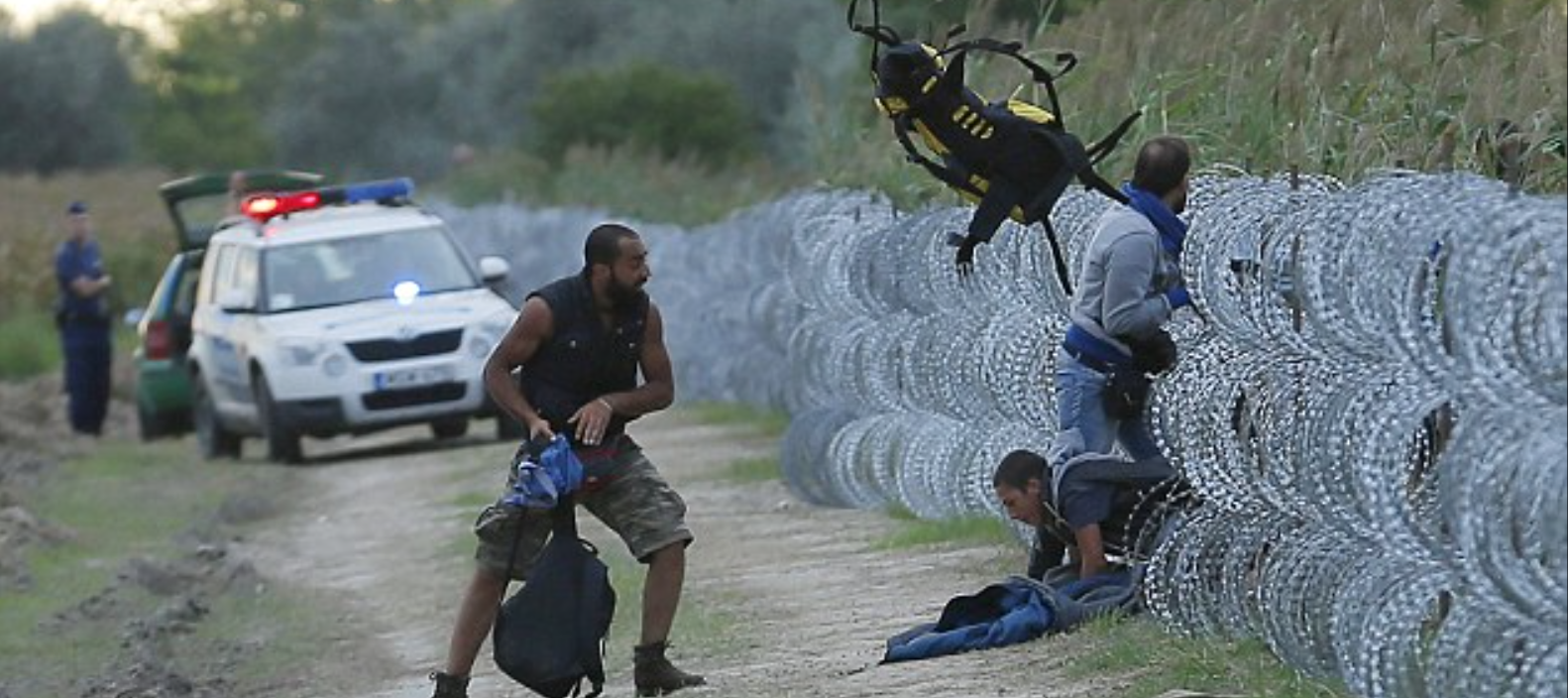
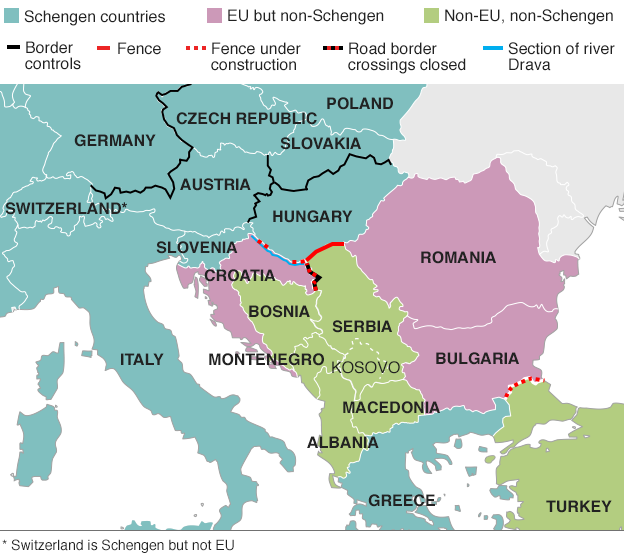
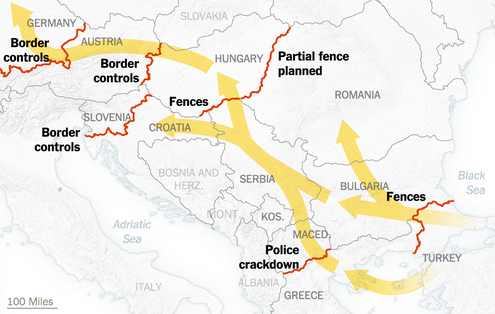
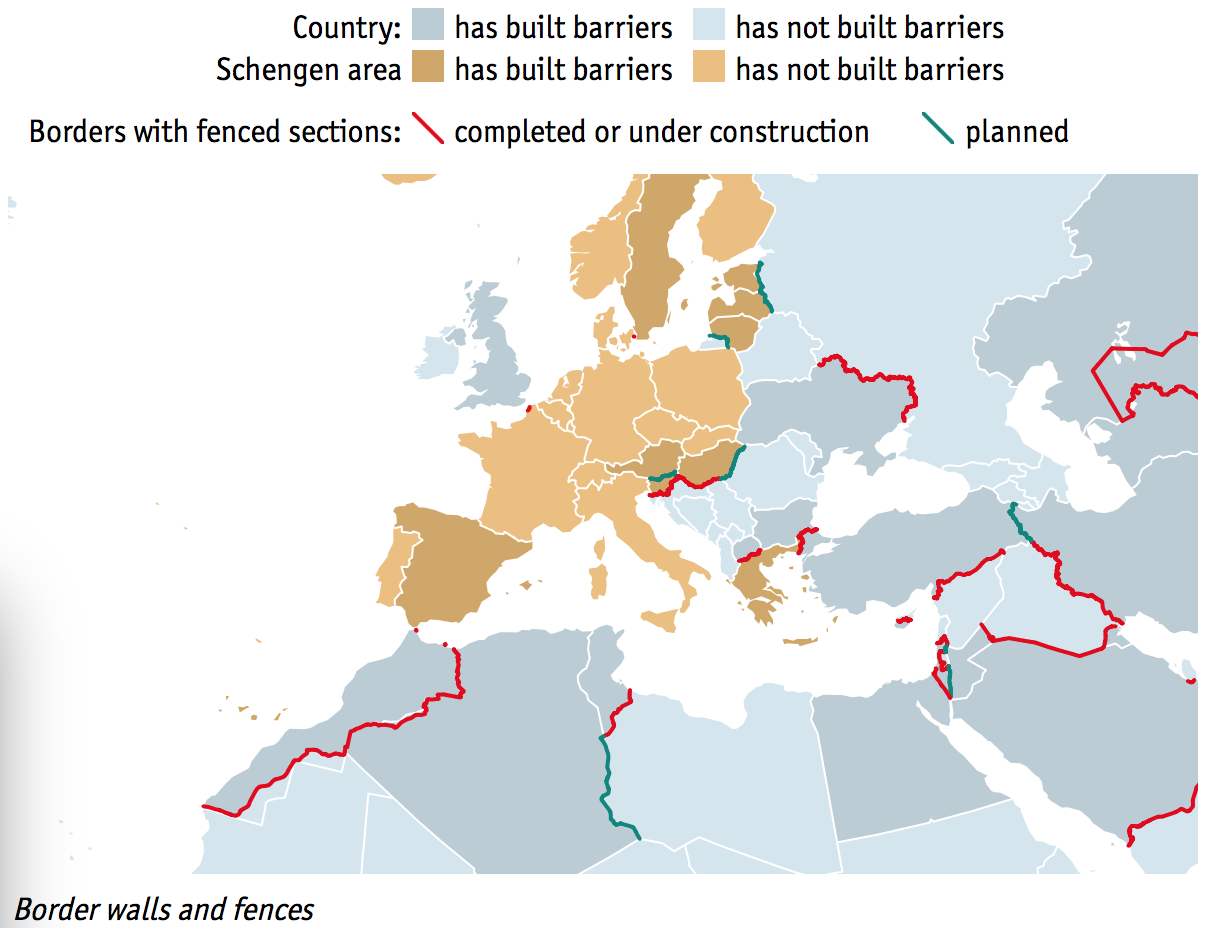

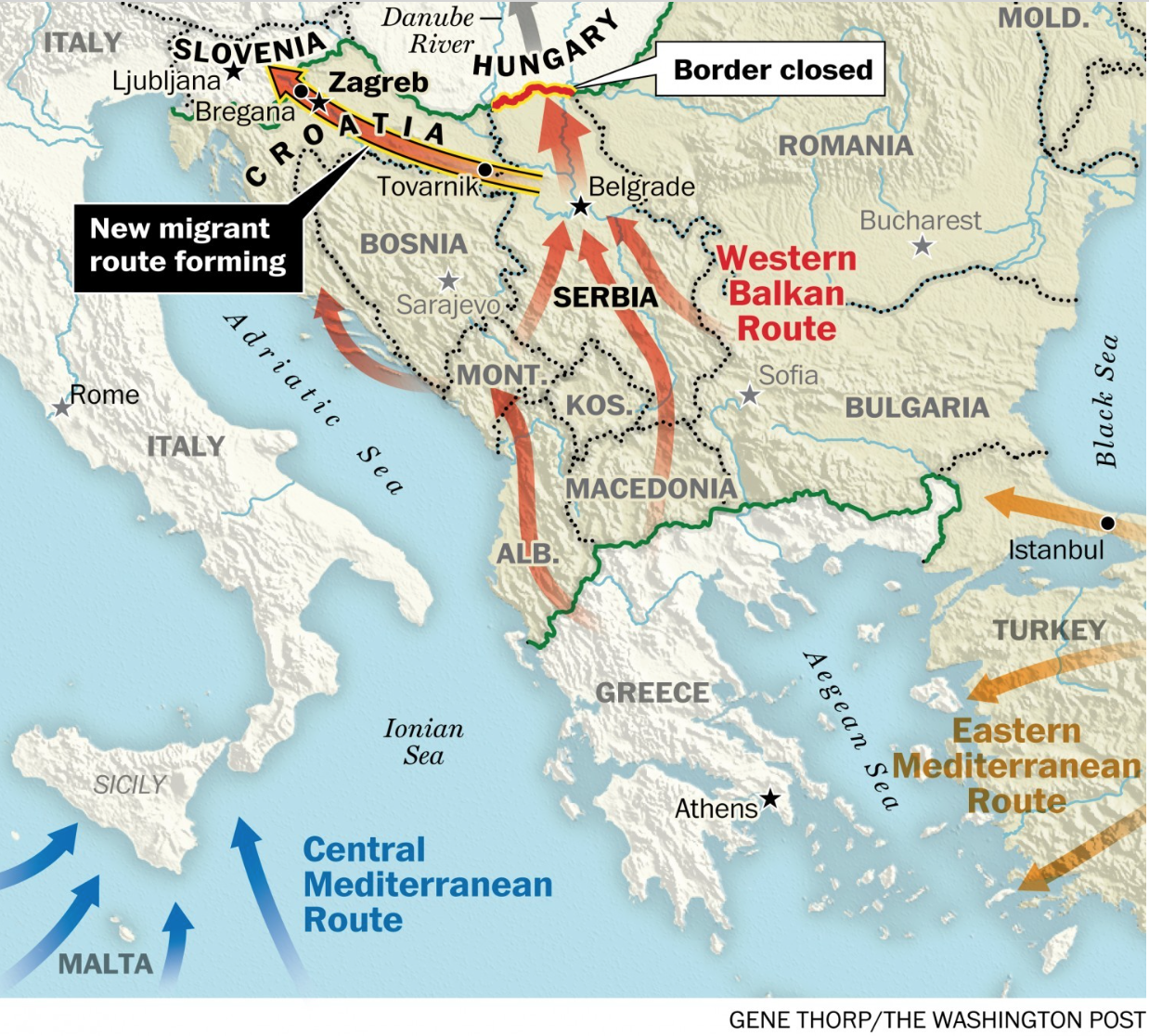
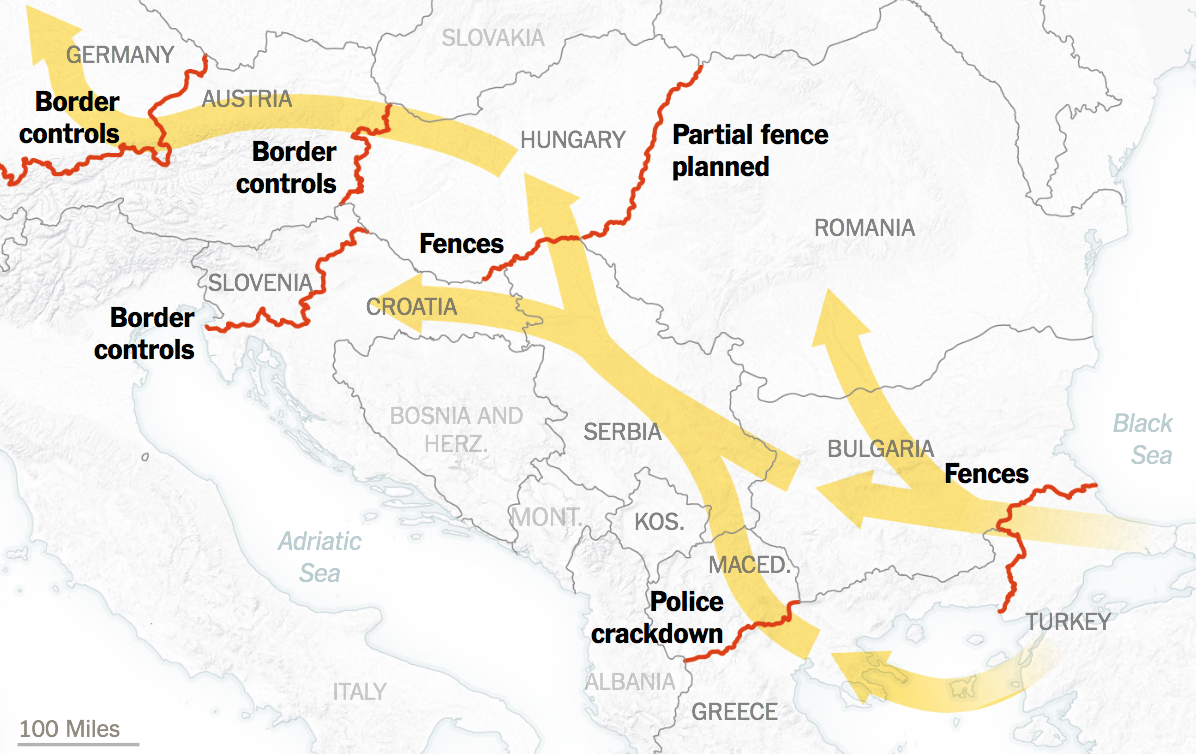
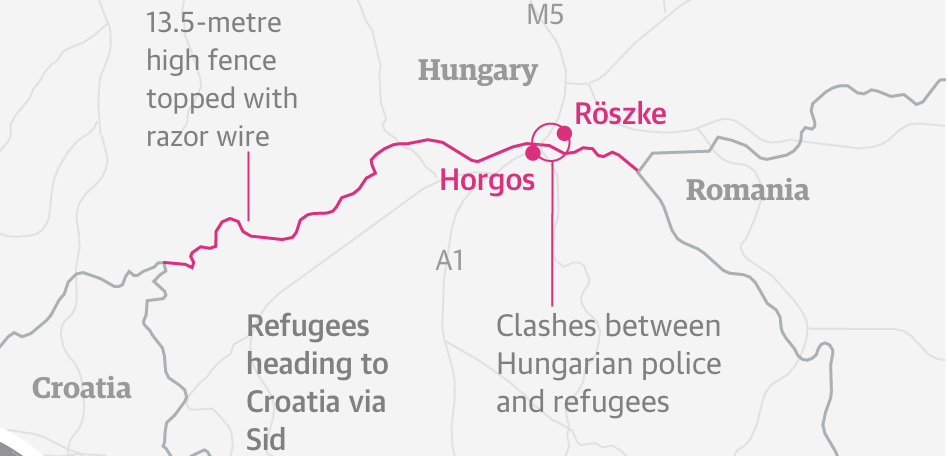

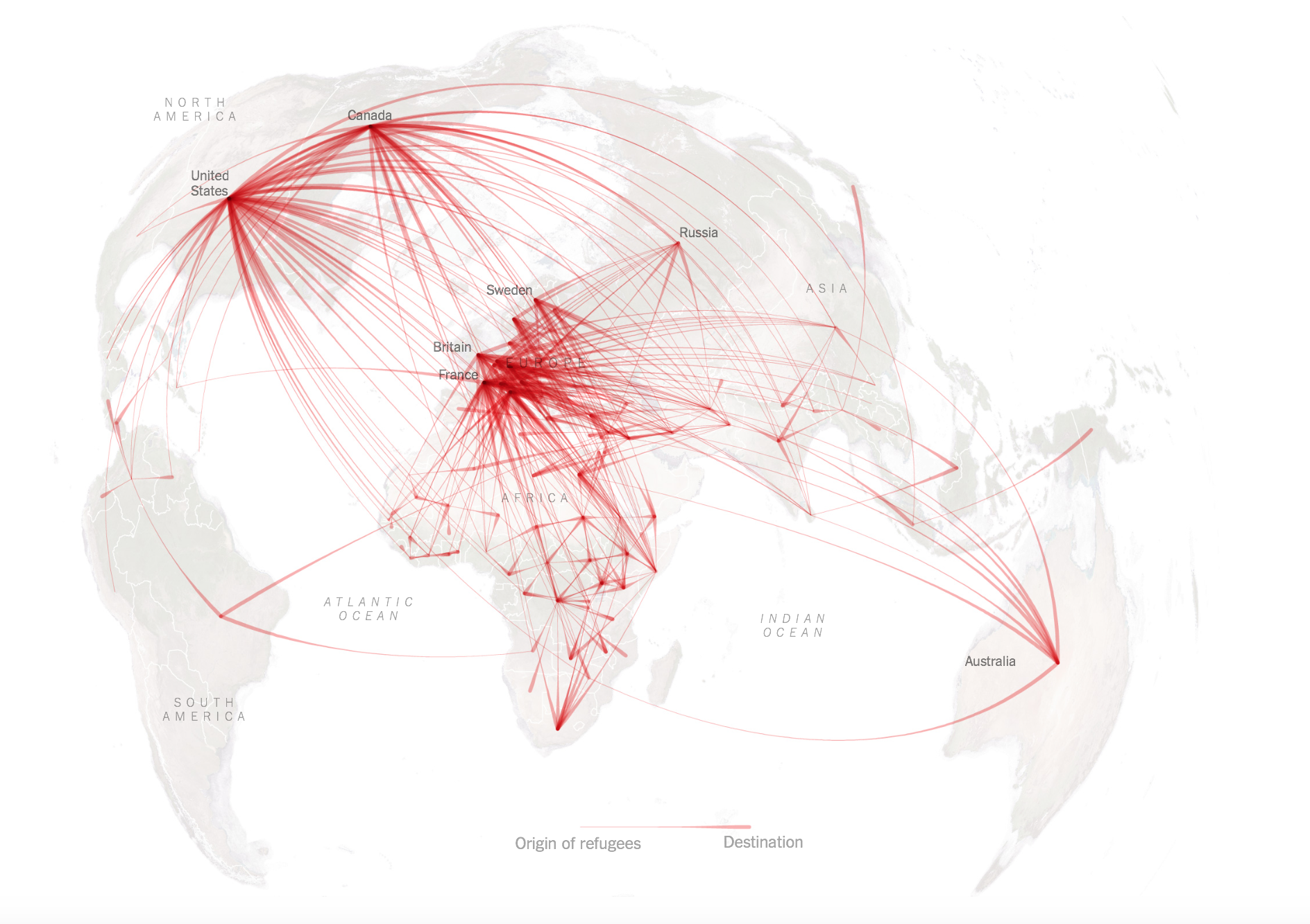
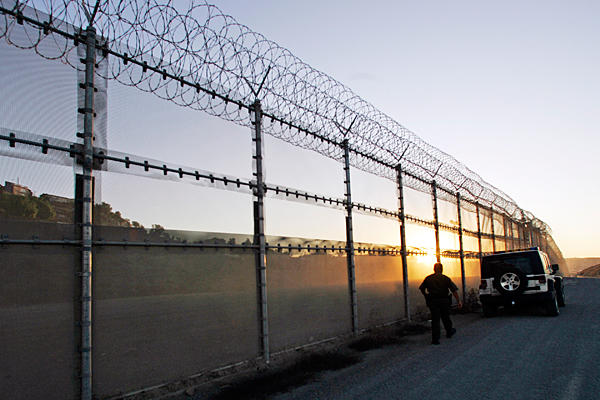
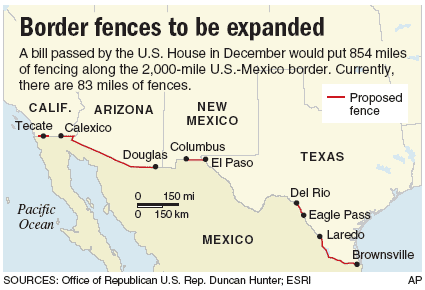
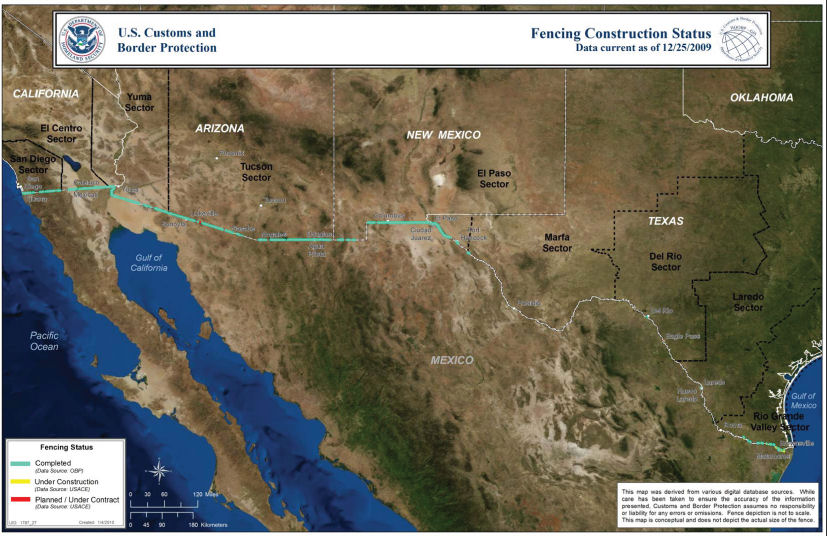
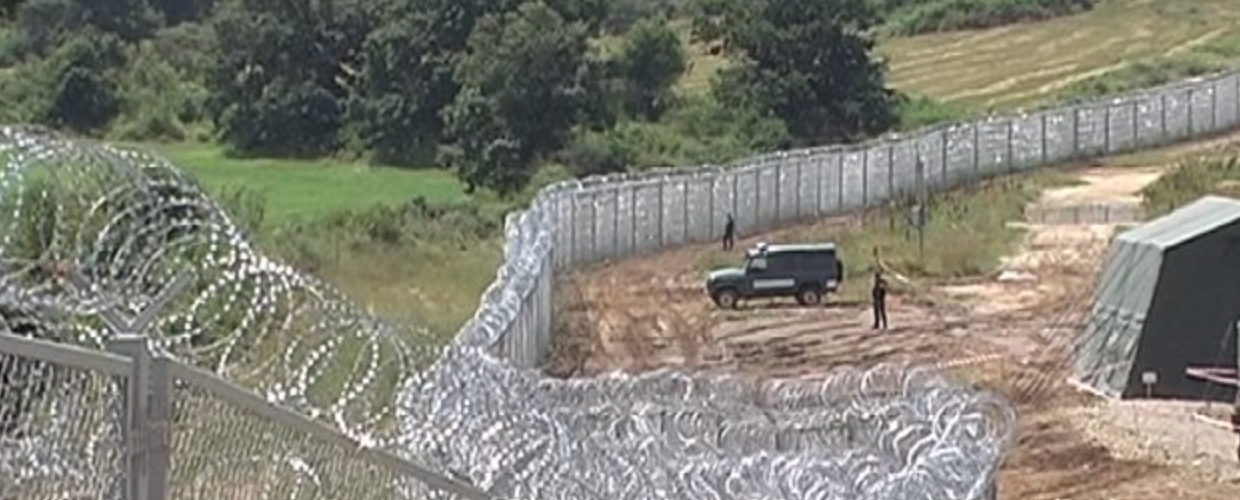
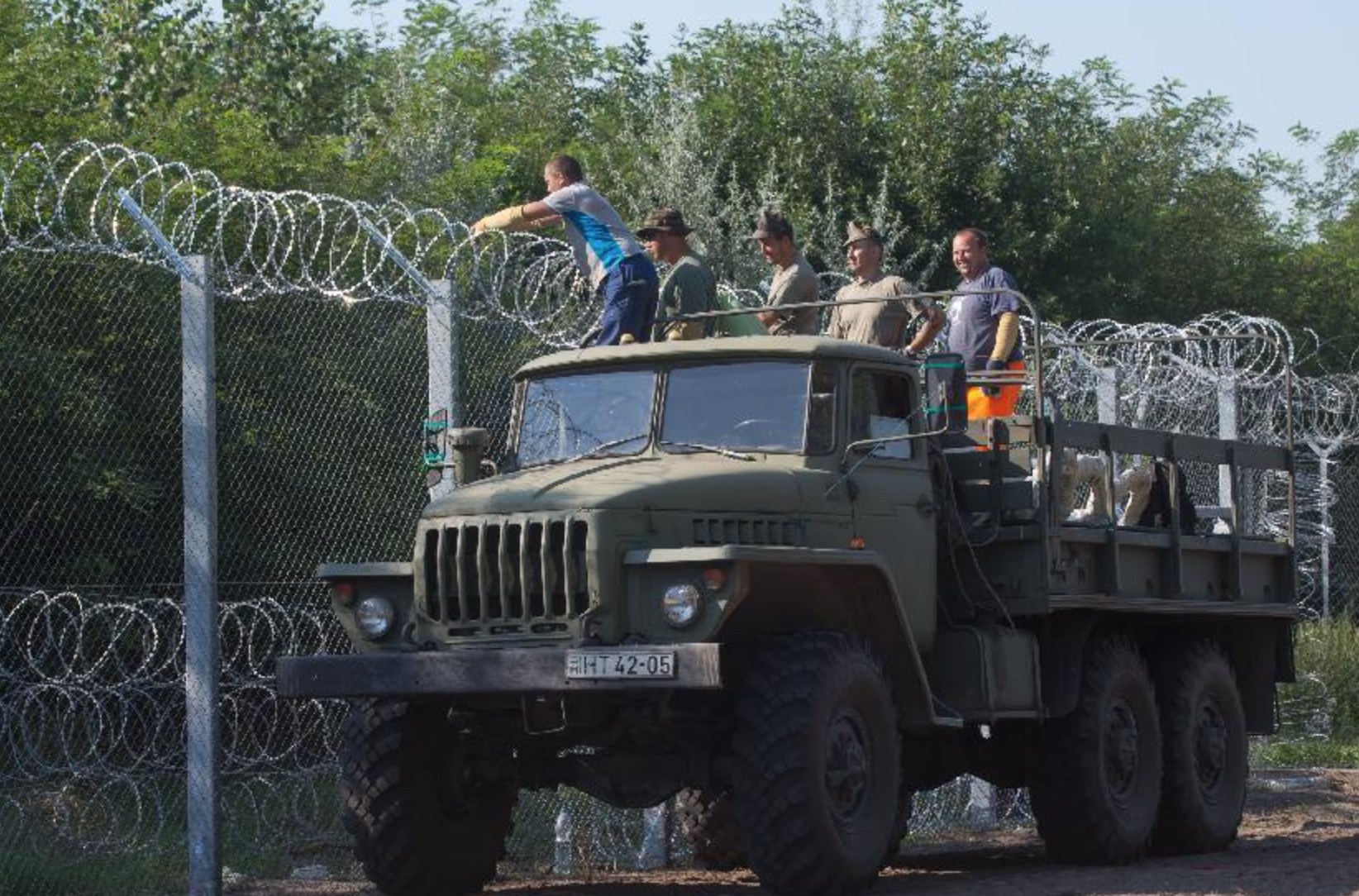
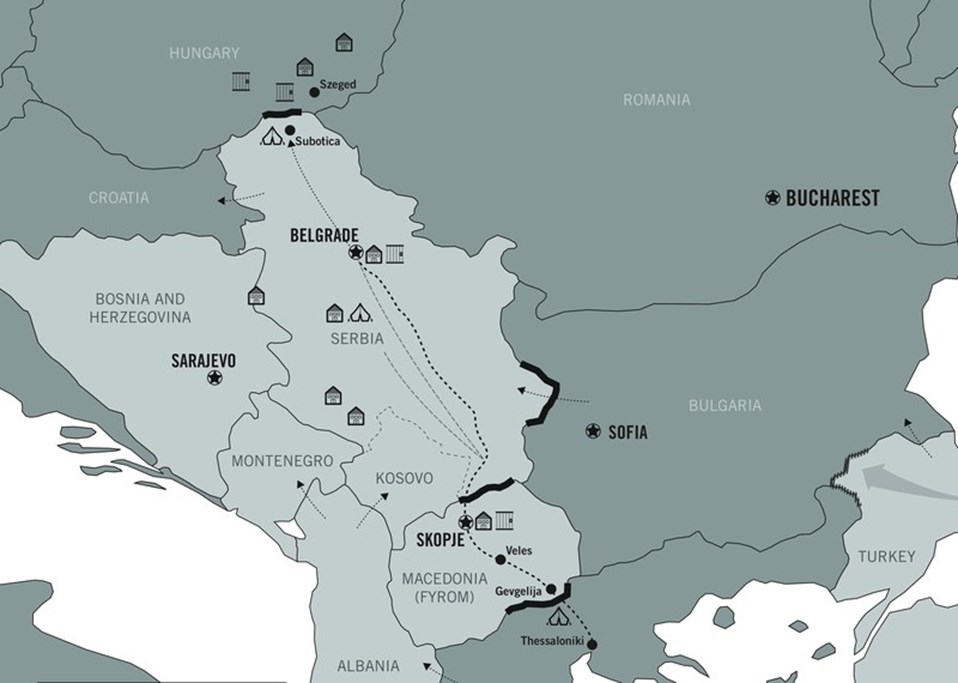
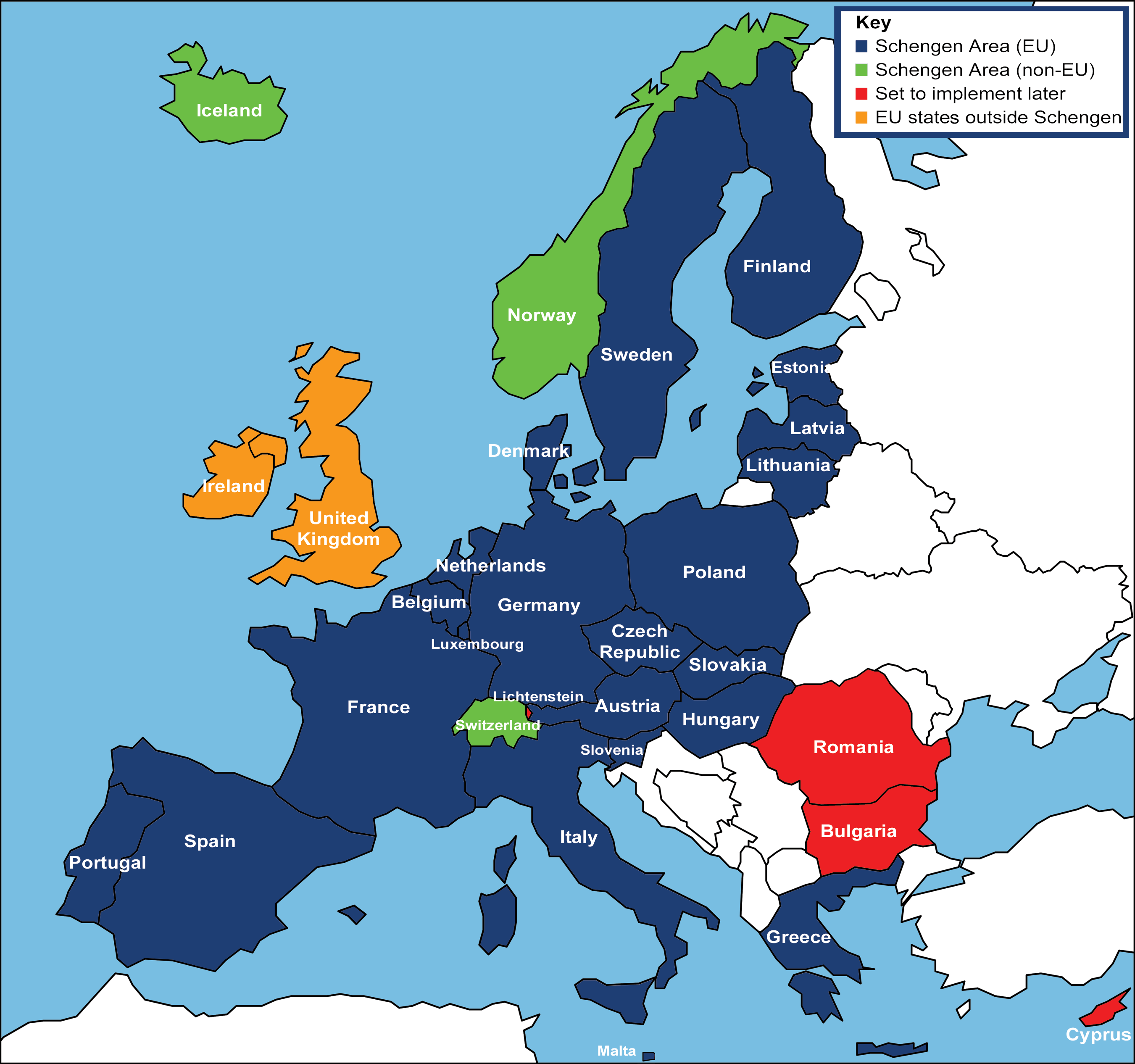
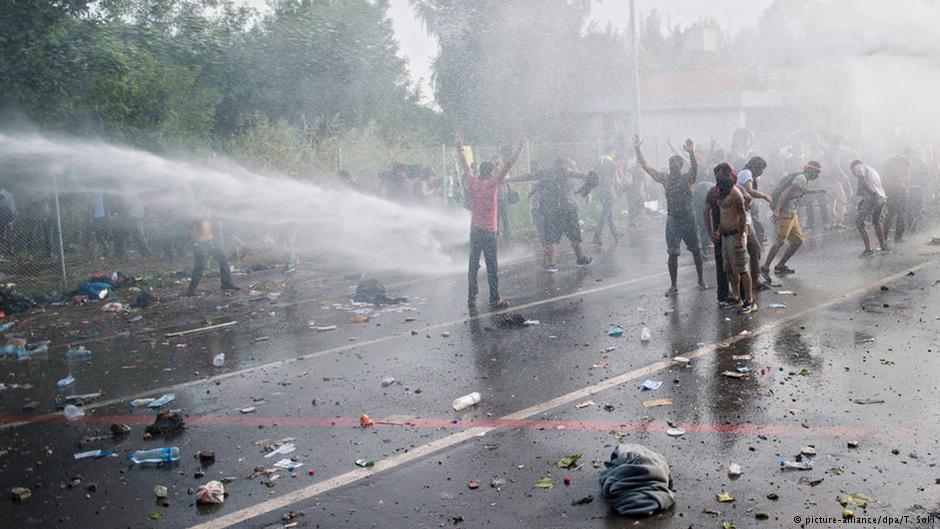
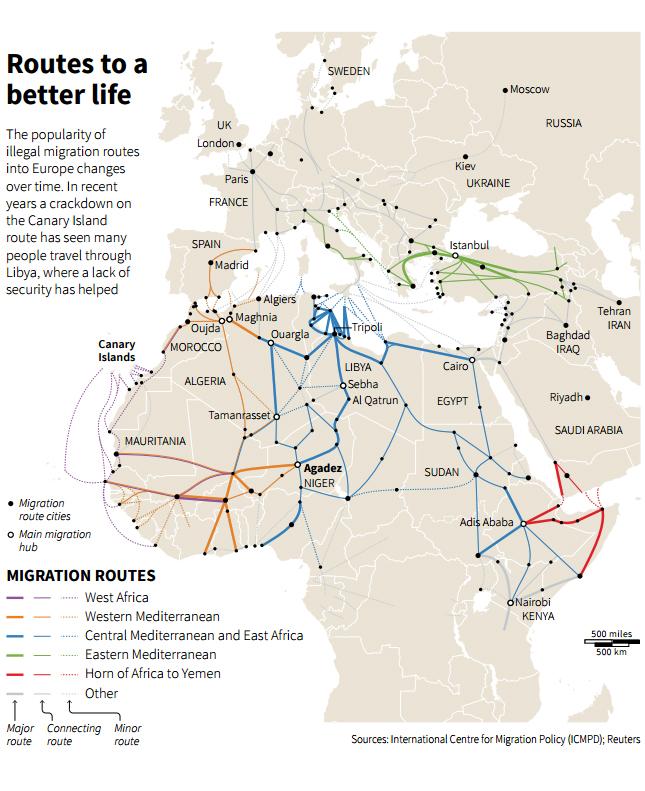
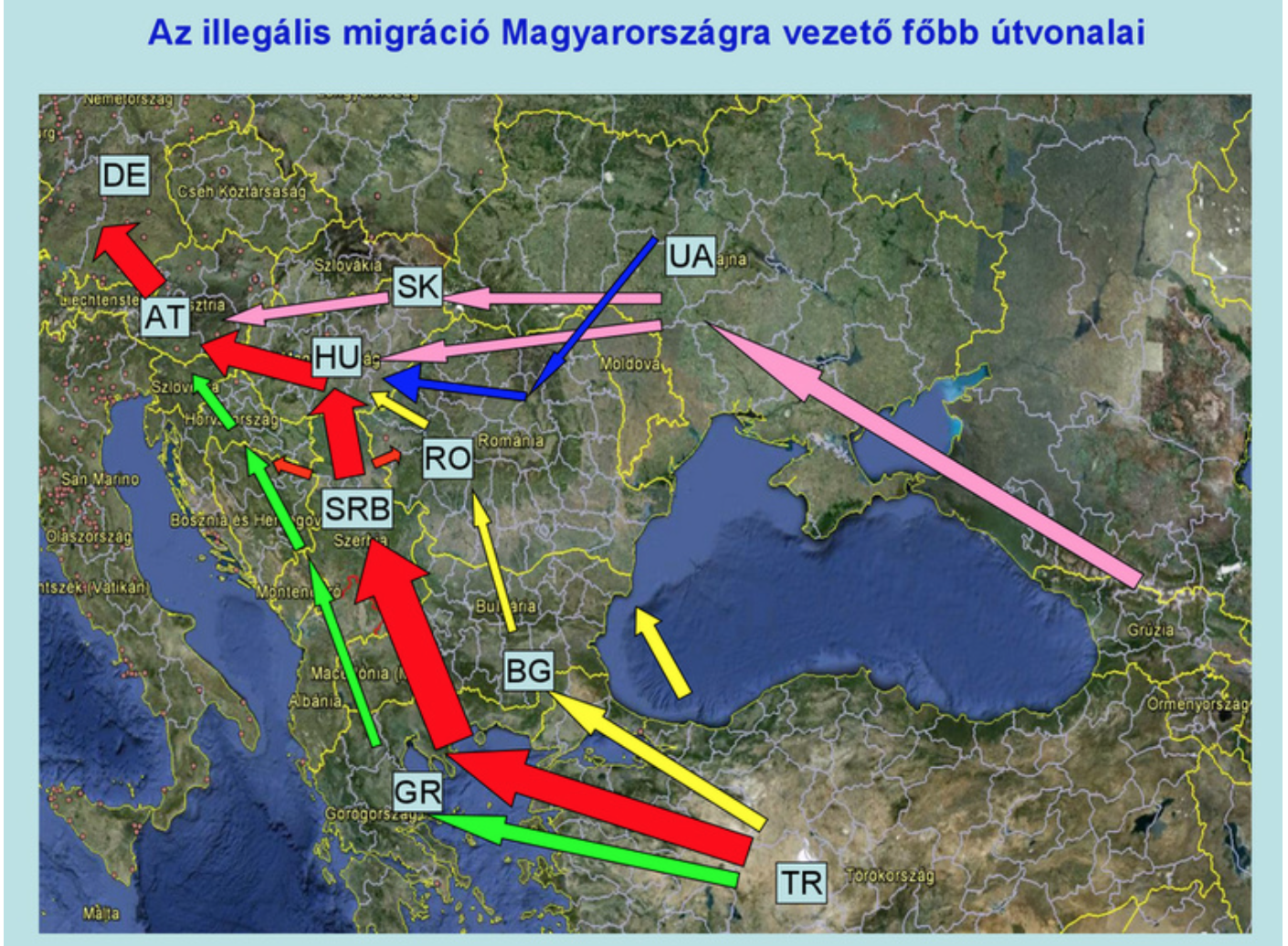
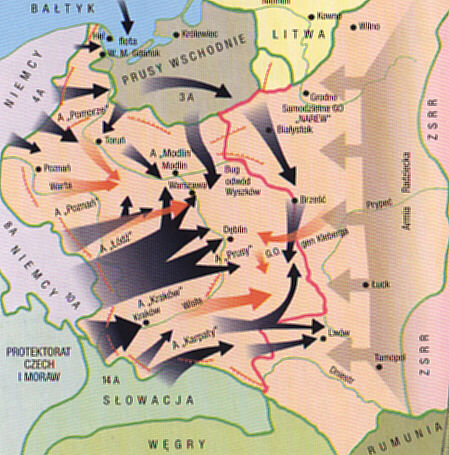
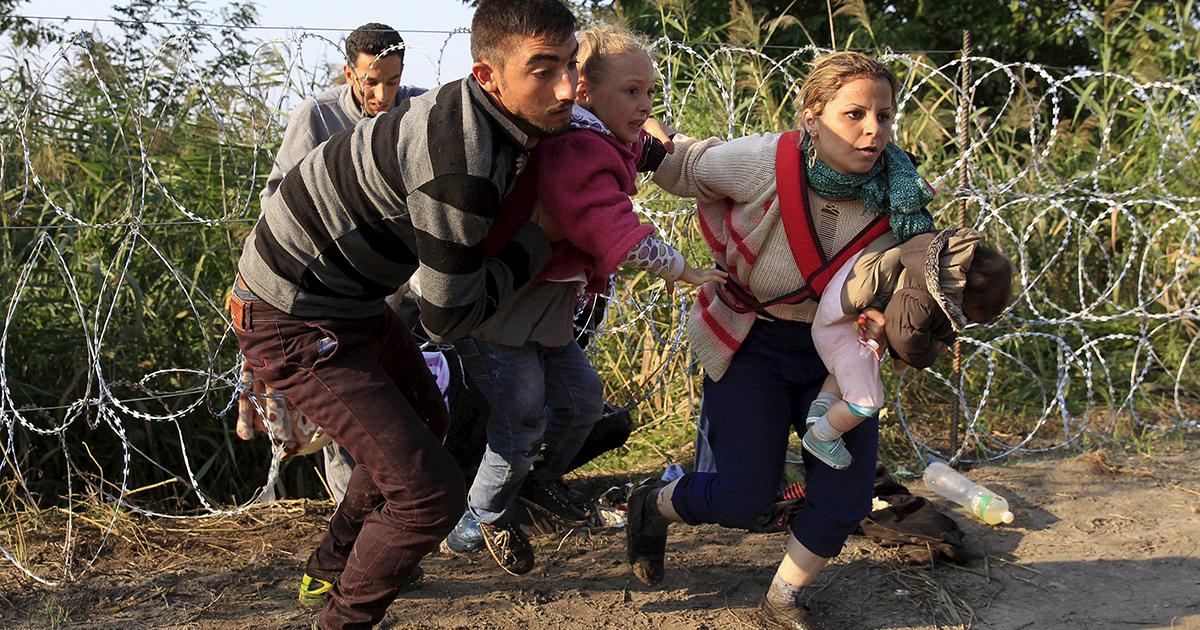
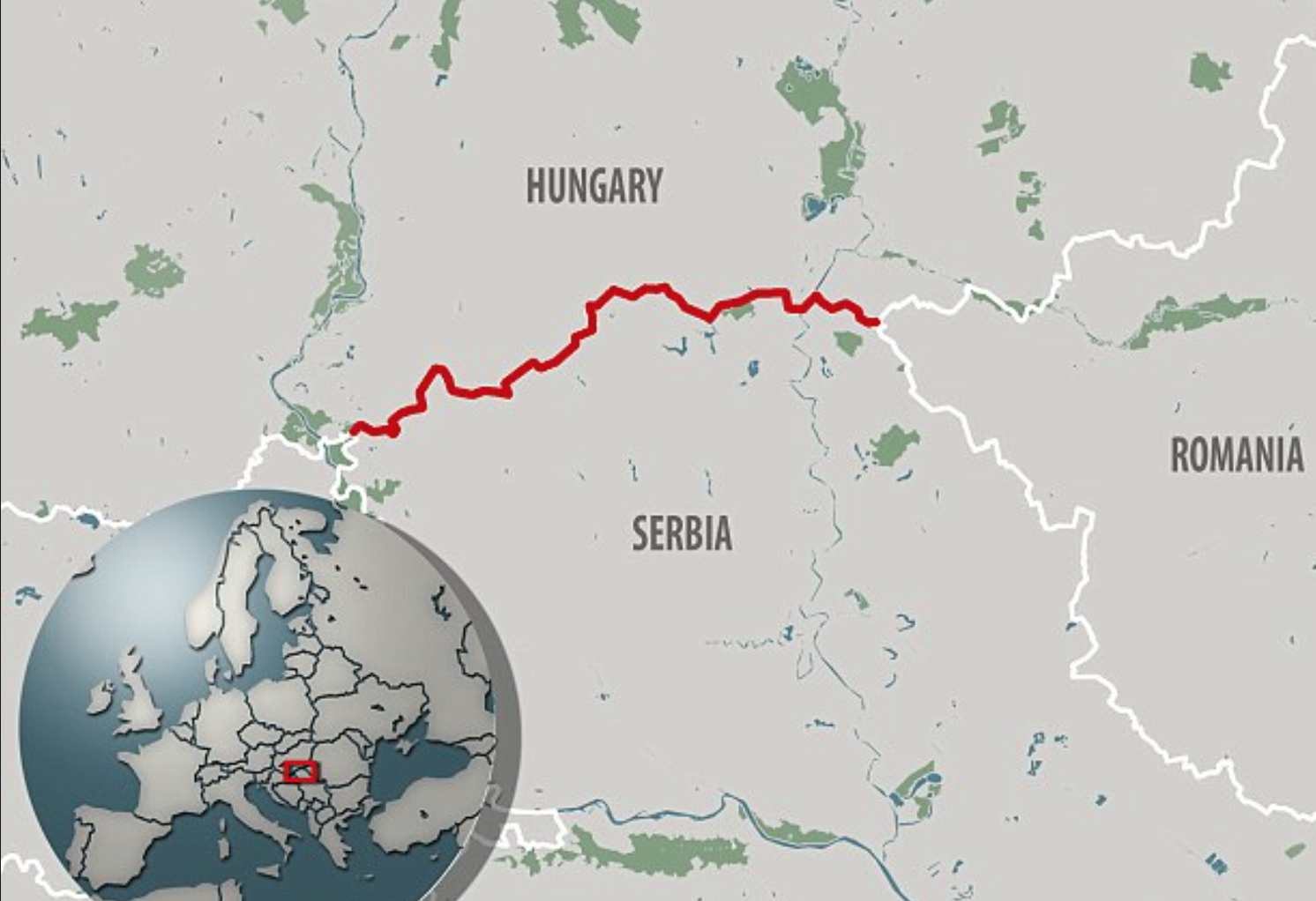
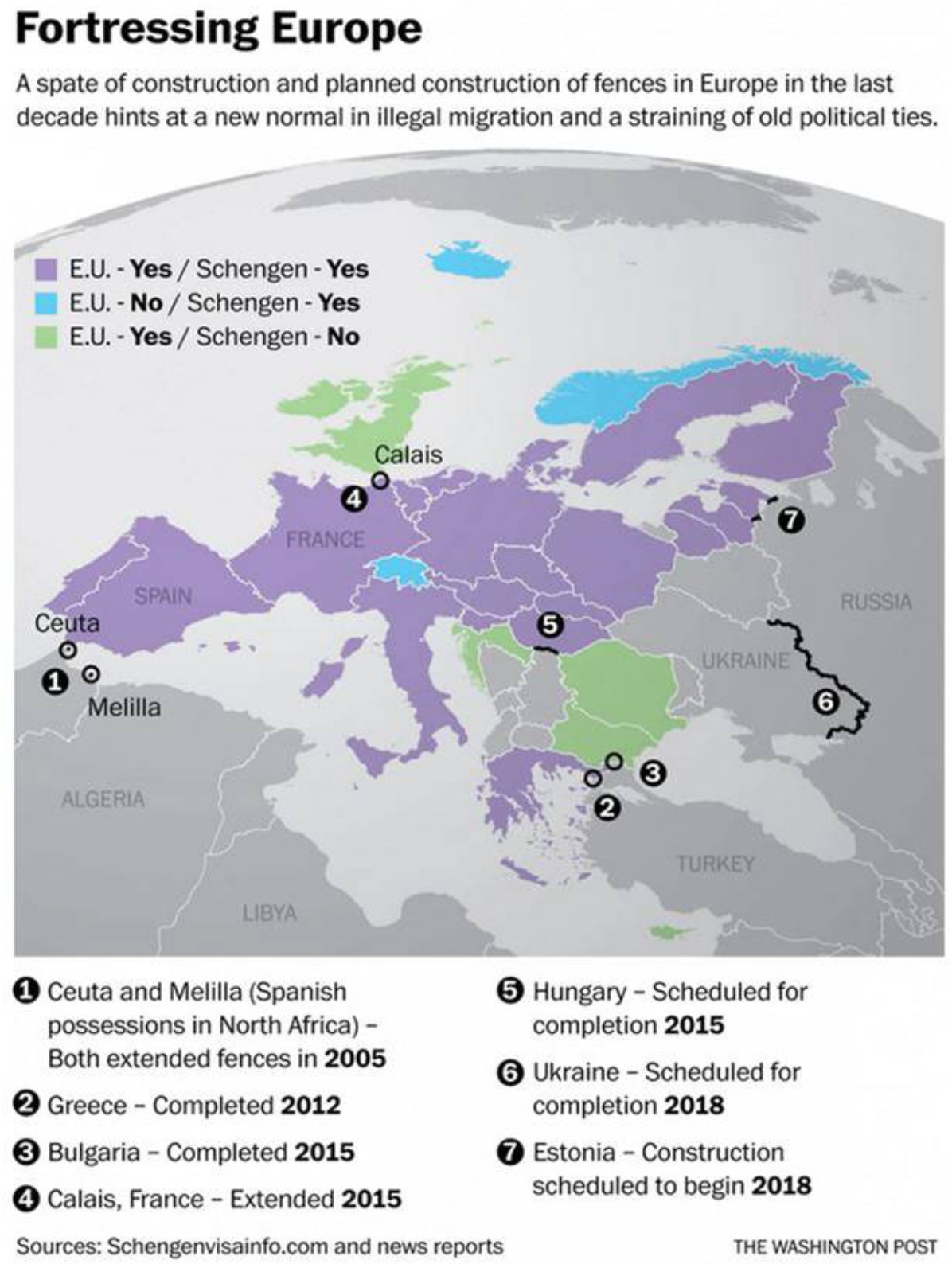




 Musings on Maps