The mosaic of ethnicities in the United States today appears so inclusive and diverse that echoes of the state’s sanctioning of the forcible spatial segregation of one ethnic group –Japanese Americans–would seem impossibly remote in time and culture until quite recently. But the tragic and yet state-sponsored episode of Japanese internment by the US military reveals the existence of historical rifts in the historical landscape of the American West, which not only resonate with a history of exclusionary practices, but suggest a striking geography along which practices of exclusion were effected and organized by means of existing maps. And the recent invocation of executive order 9066 by Donald Trump, seventy-four years later, when over 110,000 Americans of Japanese descent were forcibly removed from their own houses and relocated to camps of internment as a precedent for the relocation of resident aliens–which Trump has called a “tough thing,” but refused to condemn in any way–“I would have had to be there at the time to tell you, to give you a proper answer”–not only to cave to his instincts of fueling prejudice if not racial violence among Americans, but to celebrate a precedent for treating illegal immigrants as alien enemies with no understanding of history or the law. As the grossly illegal and shameful episode of internment was cited as a basis for racial profiling during the state of exception of War on Terror by Michelle Malkin, the horrific readiness to accept the episode of internment of those with Japanese ancestry as a part of the American legal tradition is not only an instance of unlearning but an act of amnesia that is utterly irresponsible.
And yet, the continued reference of the non-state spaces of American internment in much of the current American West suggests the survival of the landscape that internment produced. The partitioning of space in maps enabled the exclusionary strategies, moreover, which have a striking overlay with earlier landscapes of exclusion. Despite a stated mission to keep the country “safe” in the face of the shock of war, detainment of Japanese Americans was not at all something of a historical unicum, but rather fit within landscape of ethnic opposition with possible roots in the nineteenth century, whose secret geography informed the use of sites of sequestering those stripped of citizenship at the start of the twenty-first century. The space of Native American reserves, or reservations, had been mapped by F. E. Leupp of the Bureau of Indian Affairs in 1905 as if it were a hidden nation within a nation–land set off from the four-color map of the United States, if largely concentrated in the lands west of the hundredth meridian–
–an image of spatial separateness that continued by 1941.
The memory of the experience of internment was far more suddenly and deeply inscribed in the national landscape at a single moment, however, if one not without historical precedents. T
he permission Executive Order 9066 gave the Secretary of War to “prescribe military areas . . . from which any or all persons may be excluded” from 1942 that enabled an internal “enemy” population to be stripped of citizenship. The establishment of an archipelago of confinement across Arizona, inland California, and Nevada echoed the confinement of native populations–and resonates with recent attempts to define areas of detainment as “off the map” and consequently removed from legal oversight in ways that we might be all too apt to associate with the Cold War–as much as it was improvised. The geography of the confinement of Japanese Americans provides an instance of something not like race warfare, but the opposition of the state to its enemies perhaps as telling as the geography of ghostly munitions of the Cold War from missile silos, remains of nuclear testing, facilities for storing and developing plutonium, and anti-missile radar that dot the landscapes of Arizona, Nevada, New Mexico, and South Dakota.
In mapping the inclusiveness of national diversity, we are increasingly reminded of the ethnic classification of the nation’s population by the carving out of predictions of the behavior of the electorate at the polls–partly because the distribution is so relatively easy to map, partly because how such divisions map onto political parties is a growing riddle, not only since it is less clear that their increasing political voice maps onto a single agenda, but also because of the scare of predictions of white-minority status by 2045. For the apparent cultural remove of the arrogance of an administration that formally instituted the forced geographic relocation of Japanese Americans to camps away from the west coast seems an odd artifact stoked by the proto-fascist flames ignited by the fear of war.
Might it rather be comprehended as a part of California history? If the episode of Japanese American relocation seems removed from the state’s current mosaic of diversity, it has eery ties to the hidden history of the West–and the political landscape of recent years. Although when trains transported individuals to hidden locations inland,their forced displacement for the general safety of “all” was promoted as coalescing home front–based on their predesignation as “enemies of the state” in ways that have recurred in recent years. It pays to return to them to excavate the map of displacement that defined the west coast, and situate its occurrence within a landscape of longue durée.
The interned painter Chiura Obata was a devoted student of the western landscape of the United States, particularly in Yosemite Park, and created an image that inescapably suggests the portents of a shifting political landscape while interned in Topaz, in his quite contemplative painting of the deeply and heavily smeared reddened sky over the stark landscape of the Relocation Camp where he was interned, after having taught art at the University of California, at a War Relocation Camp that opened its doors in September 11, 1942.
Chiura Obata, “Sunset, Water-Tower, Topaz, March 20 1943” painted in the Topaz Relocation Camp
The smears of rust-colored cirrus clouds that Obata drew as reflected on Utah’s barren desert landscape at the Topaz War Relocation Center overwhelms the barbed wire fences barely discernible beneath telephone wires, lending the landscape a monumentality that dwarfs a makeshift guard tower, and creates red lines like scars across the land. Rather than treat the landscape relocation and internment camps as a panicked response to fears of impending military attack, the rapidity of relocation along fault lines in a political landscape that we may have too readily repressed, when the landscape has been forcibly divided along ethnic or cultural lines in terms of belonging–a division that seems to have been rehabilitated in recent years.
1. The recent mapping of the notion of “diversity” based on data culled into one of the appealing visualizations displayed on the website of Trulia–the realtor which seems primarily in the business of making us feel good about the prospective places where we might live, if we really and truly had our druthers–expanded the maps of demographic density designed by Randal Olson in more interactively searchable ways that offer an opportune starting point for this post. The dynamic visualization is based on self-reported Census data promised to capture the current “racial/ethnic” composition of regions across the country where smallest difference existed between a dominant ethnic subset and secondary ethnic group, ranking the relative levels of “diversity” by that metric across the country’s largest metropolitan areas–from Oakland to San Francisco to New York to Houston to San Jose–so that we might better envision the ethnic compositions of the neighborhoods where we live in an era where ethnic diversity seems the closest metric we’ll ever get to what’s cosmopolitan. It is, however, a map of strong ethnic integration that contrasts with the clearcut demarcation of otherness in the map of several generations past that is the header to this post..
The data visualization is impressive despite its clear limitations–especially evident in the broad equivalences that it draws implicitly between the uniformity of “diversity” as a transparent derivative of data of variety. Building on data encoded in Dustin Cable’s “Racial Dot Map,” Trulia provides a metric for “diversity” that ignores exact ethnicities, providing a new way of reading a single argument in the 2012 data of ethnic differences that Cable encoded by five different colors–which can be read as a follow-up map of the image of ethnic segregation in the map with which the musing of this post began.
The Trulia map of America’s Racial Kaleidoscope nonetheless offers an interesting and somewhat jarring image for all of its superficiality, even with apparent bearing on the sociology of the red state/blue state divide. For all the very slipperiness of “ethnic/racial” categories as meaningful demographic tools of parsing populations–when were these two terms ever equivalent seen as surrogates for one another, and how do the categories of the 2010 Census, which use such undifferentiated envelopes as “Asian” or “Black” or “Hispanic, Latino, or Spanish origin” as authoritative diverse to parse populations?–to image diversity, there may be some meaning able to be extracted in the visualizations that show their difference and distance from a historical past, when ethnic differences seemed far more starkly inscribed in a pre-globalized world.
For the folks at Trulia created a visualization to map “diversity” that erases whatever degrees of actual racial or ethnic integration exist within counties. While this may hardly offer a metric of actual “diversity,” the visualization reveals California as the largest continuous body of “diverse” ethnic groups in the country and of its sharpest non-“majority white” areas:
Even without introducing the potentially complexifying newly trending category of the “transracial,” or those individuals who, to use another term diffused in online media thanks to Rachel Dolezal, realized or felt that they were “miscarried”–a term that has touched a clear nerve, given the unclear meaning “race” retains in contemporary America, and the uncomfortable nature of the term. Where Trulia finds diversity to be concentrated in coastal regions and objectively present in a range of areas that seems to correlate with sites where the home-buying market is tight, the visualization seems most useful to force us to ask what diversity means–as well as to mask the sort of rhetoric of ethnic opposition that so often scarred the landscape of the west.
2. “Diversity” is a new world, but may once have led to the one of the clearest instances in US history of the forced marginalization of a population of citizens during the early years of American engagement in World War II. Despite the frustrating failure of imposing categories to classify the composition of our national population at the start of the twenty-first century, the cultural remove at which Japanese ethnicity became a basis for the forced migration of citizens must be balanced with the proximity of the recent circumscription of individual rights. If panic and fear unjustifiably provoked the systematically organized deportation of Americans of Japanese ancestry–in which a strong dose of economic resentment may have played a large role–the act of remapping civil rights in the United States, if seriously compromised, also sanctioned the remapping of rights in ways that both built on and provided some rather scary precedents.
Did the confinement of a considerable section of the population–and indeed the confinement of a somewhat arbitrarily reclassified class of citizens–created something of a crucial precedent to redefine the rights of citizens by unilateral executive fiat? The decision to reclassify a segment of the American population recalls the legal justification for a “state of emergency” which the “crown jurist of the Third Reich” Carl Schmitt notoriously advanced as an adequate rationale to suspend rights in the hopes to re-establish order, responsibility for which, Schmitt argued, ultimately lay with the sovereign alone, but whose actions created shared bonds preceded the very notion of the state–and rested in a political nature of the opposition between friend and enemy. In a cold-hearted logic ways recently revived in George W. Bush’s administration, such an occurrence “extreme emergency” could justify the suspension of the constitution and law, with striking similarity to the political state of emergency by which internment was justified and understood–and was associated with a state of war, both by Schmitt and in the War on Terror of the early twenty-first century. Nowhere is this more evident than in the remapping of California during the Japanese Evacuation Program, where Japanese Americans were segregated from all “exclusion areas” in the name of a political imperative that transcended political practice.
The institutional order that was created between zones of confinement and zones of exclusion in the “Evacuation Map” created “in satisfaction of the impelling military necessity created by total war with Japan” defined some 108 individual “exclusion areas,” in each of which approximately 1,000 persons were evacuated–allegedly totaling the 100,000 persons evacuated during the two weeks between March 24 and June 6. Many were concentrated in the Pacific Northwest. But the repartitioning of the West in terms of Military Area 1 and Military Area 2–a sort of Newspeak of Orwellian resonance–was premised on the presiding rationality of political belonging against the otherness of Japanese Americans that is so foundational in Schmitt’s thought. The exceptionality of “wartime” provided the basis for suspending their right, and insisting on the primacy of the political for redividing national space, and suspending legal or constitutional precedent by a political mandate that, for Schmitt, would indeed historically and existentially precede any legal or constitutional order.
What sort of networks would have allowed the forced migration of a large section of the Japanese American population to internment camps? The imposition of such a nation-wide policy of legislated relocation remains conceptually remote, both as a practice and conceptual possibility, let alone as one accepted by the region’s residents. Its logic lies in the legend to the map, which echoes a truly Schmittian rhetoric of a “state of emergency” in which constitutional rights are suspended; the necessity of “the political” reveals the deep opposition based on “otherness” whose rationality is revealed in its legend. This state of “otherness” was clearly inscribed in the landscape of the two areas of Military Areas, rather than states and superimposed upon states, is linked to “wartime,” but which echoes of the earlier political orders of the American West: its legend offers the underlying logic of the state of emergency during which local division was inscribed.
The partitioning of the same region that seems particularly noted for its diversity–the western region of California–as in the framing of an “Exclusion Zone” that was deemed so sensitive in its concentration of state secrets to be off-limits to members identified with Japanese immigrants that they could be stripped of constitutional rights–and forced to board trains from the cities to anodynely-named “Relocation Centers” that were located in the state’s interior–suggests a civilian partitioning of the country not only in the name of war-time exigency, but in fact a paranoia that was fueled not by actual military dangers or actual risks of espionage, in retrospect, but something that was more fed by a combination of opportunism and on-the-ground animosity and ethnic dislike. If the notion of such dislike might have lain in economic competition, the ethnic opposition was reified in the boundaries of otherness exposed on the map.
The network of relocation camps are often seen as a unicum–and as something like a quite particular circumstantial combination of jealousy for a group of successful immigrants who had often lived in distinct settlements, and whose difference was now cast into political relief, both by the war, and the culture of imperial allegiance that Japanese were seen as increasingly ready to adopt. But the very network of the camps of resettlement recapitulated narratives of the European occupation of Native America by completely effacing an imaginary frontier between Native Lands and European-American pioneers, placed in evidence by the confining of native peoples in discrete sites that were later known as “reservations,” the bounded areas of the absence of any existence of a Native/American divide across the very western states from which Japanese Americans were banned–and indeed denied narratives of racial or ethnic differentiation, where the destruction of the frontier was replaced by the contained presence of the Native populations in reservations, at the same time as many other reservations were reclaimed as military sites for engineers or the army, in the demand for a wartime effort, even as Native American languages were adopted, as they had been in World War One, to encode military communications and Native Americans participated in huge numbers in the US Army.
The rapid constitution of new networks to displace Japanese Americans from their former homes to the periphery of what became defined as Military Area One in the United States was enabled by the infrastructure of railroads that linked cities to removed “War Relocation Centers” in areas where their inhabitants would not be easily noticed or indeed seen. The forcible relocation of Japanese Americans was largely enacted and by non-military authorities, but led to the removal of the large number of immigrants to the country to remote areas, cordoned off from sight, in the four months from March, 1942, by which time some ten centers of “war[-time] relocation” were established that removed Japanese Americans from the coast region that they had increasingly migrated in the past thirty years, to areas where they were less likely to be noticed, and the stripping of their civil rights–and allegedly inalienable liberties–were not even seen.
The deep suspicion of ethnic difference created a proclivity to separate Japanese American citizens as a military threat. Yet as early as 1930, the Office of Naval Intelligence began surveillance on Japanese communities in Hawaii, wary of the military power of Japan. And from 1936, the same Office in fact compiled lists of those Japanese to be “the first to be placed in a concentration camp in the event of trouble” between the countries–long before the idea of confinement camps were broached as a possibility on American soil.
That list would become the Custodial Detention Index, compiled in 1939-41 with help from the Federal Bureau of Investigation as a tabulation one of explicitly “Alien Enemy Control” as enumerating those ostensibly “engaged in subversive activities” or actions deemed “detrimental to the internal security of the United States.” The list was drawn up a decade after further Japanese immigration to the United States had been banned in 1924, and significantly before Executive Order 9066, issued on February 19, 1942, allowed regional military commanders to designate “military areas” from which “any or all persons may be excluded.” The establishment by the civilian-run War Relocation Agency of what were very euphemistically termed “relocation centers,” together with the six internment camps run by the US Department of Justice, were officially built to house all Japanese-Americans who had been removed from the “exclusion zone” that stretched across the entire western coast of the United States, after March, 1942.
Although the scope of detention was not widely known, or discussed in contemporary maps, a relatively recent map of the Assembly Centers and Internment camps emphasized their existence and geographic distribution in areas that were removed from population centers, lending greater prominence to their considerable geographical remove from areas Japanese Americans had settled and the inhospitable places to which these forced relocations in internment camps occurred–in the desert, in relatively abandoned villages of the High Sierra, in areas often excluded from common maps.
Ben Pease
The reparative remapping of such sites as Poston and Gila River to our common memory offers a wonderful way to start to come to terms with the network of civilian-administered internment camps that place into relief a less well-documented or perhaps fully apprehended scale of the effective apparatus of state surveillance and that was in place of over 125,000 Japanese Americans into the desert-liike interior of the country for ostensible reasons of suspicions of a Fifth Column in the country of fully US naturalized citizens, who were stripped of all civil liberties.
The stark existence of such an “Exclusion Zone” or ten euphemistically named ‘relocation centers’ to which Japanese-Americans were without distinction detained from 1942 were inhumanely mapped in purely logistical terms to evacuate the western coast of ethnic Japanese with amazingly well-coordinated efficiency over six months with the sort of reflexive unreflectiveness so often characteristic during the unfolding of events occurring during a war: but the sites were also intentionally created as sites absent from federal law–or international conventions–and in a sense existed as black spots on the national map.
Such practices of forced relocation to sites far removed from cities near the shoreline–and ostensibly near sensitive military sites–depended on a very systematic division and re-assignment of Japanese Americans suddenly dispossessed of their ownership of houses, land, and real estate, which was imagined in a quite cartographical manner–as the movement of Japanese Americans from coastal cities and communities on trains removed them to remote places, as if to expunge their memories, and in locating Japanese Americans in remote areas allowed to be forgotten and go unseen. The subsequent destruction of any buildings, gardens, or evidence of confinement after the war, when the spaces of confinement were promptly shuttered after January 2, 1945–again by executive order–erased any evidence of the space that were bulldozed and razed, effacing memories of the internment, no doubt more problematic after the discovery of Nazi Concentration Camps. Despite the total lack of support for accusations of security threats, suspicion seems to have reigned. If the construction of Internment Camps were officially mandated to be situated in places deemed “climates suitable for people,” from the newly created Military Area #1–western Washington and Oregon; western California; Southern Nevada–to the Mississippi, in ways that created a new geography of the United States during wartime, ostensibly for reasons of state. Yet living in quasi-military improvised unheated barracks ringed by barbed wire that enclosed the thirty to forty blocks of barracks separated by empty spaces, patrolled by soldiers from watchtowers, lacking any privacy or cooking equipment or kitchens, and without any medicine or medical institutions, with only improvised medical care and with nothing but cots in collective rooms, such containment centers were undeniably more than austere–they were dehumanizing by intent. And while not dedicated to a project of ethnic cleansing, they were motivated by a sense of deep suspicion based on ethnicity alone, and reflect a similar fantasia of spatial containment and confinement that was enabled by a new attitude to space that the wartime maps of the Civil Control Administration reveal. The landscape coded in pale pastels masks and obscures the violence of collectively reclassifying Japanese-Americans as if “internal enemies”–and as threats to the national state–within national political discourse in truly Schmittian terms.
Within the intentionally dispersive extended archipelago of camps, removed from centers of habitation, inmates were largely supervised or overseen by the Wartime Civil Control Administration–a civilian unit–because of falsified reports of a proclivity to espionage. Such reports were diffused largely through the military and future Department of Defense (then Department of War) and were also fostered by intense lobbying efforts of white or Anglo farmers (who saw the Japanese American farmers as a threat) encouraged the perpetuation of a race-based paranoia. Even though J. Edgar Hoover at the FBI doubted that any real threat was posed by Japanese Americans, the decision to confine seems to have been preemptively made to quiet a home front: President Roosevelt’s issuance of Executive Order 9066 led to over 112,000 Japanese Americans to be moved to effective prison camps located in nine states–California, Arizona, Utah, Wyoming, Colorado, Texas, Arkansas, and the porto-state of Alaska. Although two-thirds had already gained citizenship, they were asked to submit to loyalty oaths and swear not to interfere with the ongoing war effort that had consumed the country. And were excluded from much of the country. The internment sites were removed in the interior–and located in “Military Area 2”–whose definition somewhat bizzarely, and, quite Orwellianly, departed from the boundary lines of individual states.
They created a new logic of displacement and of the suspension of individual rights. 3. We associate the transport of prisoners as human chattel destined for ethnic cleansing on trains with Hitler’s Final Solution, perhaps the paradigmatic instance of the forced migration of populations becoming a national project and mission. But the national network of trains similarly provided the basis for the relatively fast geographic removal of US citizens of Japanese descent across the state from Exclusion Areas, effecting the legal reclassification of citizenship in was that oddly reflected the claims of spatial purification that the abstract order of maps almost inspires. The spectrum of pastel colors of the map issued by the Western Defense Command of the Exclusion Areas where men, women, and children of Japanese ancestry were forbidden to set foot conceals its violent measures.
The process of internal evacuation conducted “in satisfaction of the impelling military necessity created by total war with Japan” created an “evacuee population” in the United States whose movement was to be controlled and supervised by military forces, ostensibly to remove them from areas where there was any military presence that might be observed. When immigrants from Japan had been banned from becoming naturalized citizens of the United States–from either owning any property of their own or the ability to vote–Japanese Americans formed independent communities of their own in the western United States, often with separate schools. The forced transport of Japanese Americans to sites where they were stripped of citizenship and pursuant rights created something of a new standard for the imposition of classification on naturalized citizens for unstated reasons of possible danger to “state secrets”–although the actual likelihood of any attempted infiltration or espionage on existing military installations was not particularly credible. Forced transportation from communities in San Francisco, Los Angeles, and Seattle created an archipelago of the confined not only in California–and prevented from entering “exclusion zones” that came to include almost one-third of the country, eliminating the presence of Japanese Americans in anywhere save the less densely populated lands of the interior. While ostensibly directed against possible espionage of those sensitive military areas “from which any or all persons may be [rightfully[ excluded,” the expansion of exclusion zones to constitute a large share of the country became something of a pretense to redirect populations to areas where they were not seen. Not only was a third of the Territory of Hawai’i Japanese–between 140,00 and 150,000–in ways that make it ethnically complex, almost 127,000 Japanese Americans were listed in the 1940 Census as living in the country, mostly in California, Oregon and Washington, of which 40,869 resident aliens, born in Japan.
The rapidly expanding rate at which camps opened across the country over five months testify to the paranoia and unjustified fears that fed the relatively quick establishment of similar internment camps where local rights were suspended or stripped, and the role of the rail in moving a sizable sector of the population nationwide:
This quite carefully planned and strikingly extensive network to move populations from Assembly Centers to Relocation Centers–all since anodynely named–allowed the significant expansion of the areas of exclusion from which Japanese were not allowed to set foot. They were codified quite rapidly in the months after the December 1941 attack on Pearl Harbor led to all of “Japanese ancestry” to be reclassified as potential security threats, despite little evidence of their disloyalty, as attempts to argue against imprisonment that fell on deaf ears: six weeks after Pearl Harbor was attacked, after some ethnic Japanese living in Hawaii helped a downed airman, leading to a questioning of their ability to not be imperial subjects and “unassailable” as such, set the basis for a new geography of confinement and exclusion of Japanese from public areas that Earl Warren spearheaded, creating the basis to prevent ethnic Japanese from entering exclusion zones” of almost a third of the country–and encouraging by May 1942 all Japanese to be moved to network of assembly centers and readied for transport to permanent relocation centers across the country.
The declarative bluntness of the administrative languages in the authoritative public notices placed in the street corners of cities such as San Francisco that trumpeted the specter of foreign racial “ancestry” of Japanese Americans–
or the expanse of almost a third of the country from which Japanese Americans had been displaced–
cannot speak to the surprised faces of the deported who arrived by train in Arcadia, California, fresh from San Pedro, and the machinery that brought them there, and the helmeted soldiers who are staring down those recently stripped of citizenship, who don’t seem to have fully fathomed the reasons for their fate, or what perhaps the suspension of all legal rights would mean.
The role of the trains in moving populations in California would have paralleled the travels that the young Steve Reich made with his governess across the country from Los Angeles to New York in 1939 and 1940, and the “music documentary” he composed that retrospectively juxtapose those trips with the contemporaneous forced transport of European Jewry for ethnic cleansing. Reich’s travels occurred almost immediately before Japanese-Americans were moved en masse from Los Angeles to Relocation Centers as Poston or Gila River. Rendered in the propulsive straining tempo of violins that alternately suggest accelerating pistons and air raid sirens, and accompanied by parallel intonations of porters calling railway stops and voices of survivors, Reich’s braiding of memories intentionally evoked parallel lived geographic relocations as fantasia of forced displacement that mechanized electric rail travel allowed.
4. Was there a precedent for such forced movement under military oversight, in the confinement of native Americans in much of the American West to “reservations”, in a manner that Adolf Hitler himself has been noted to have particularly admired for the effective reorganization of the population of the West? (Hitler was a large fan of Karl May as well as Fenimore Cooper; Navajo reservations provided not only an architectural model for early concentration camps, according to John Toland, which he took as a promise of the extermination of those unable to be “civilized,” in a bizarre bit of cross-cultural reading.) The precedent of the forced 1864 “Long March” of over 300 miles–some fifty of which in fact occurred between designed to create forced migrations of American Indians from more potentially valuable mineralogical resources to reservations of contracting size.
For between 1864-6 of up to eighteen days attempted an ethnic cleansing of Navajo, from the ancestral homelands of hunters and gatherers located in current northeastern Arizona and northwestern New Mexico to the Bosque Redondo internment camp on the Pecos River nearby Fort Sumner–an internment camp that was itself an attempt at ethnic cleansing, where some 3,500 Navajo men, women, and children died and that stood as an inspiration of the possibilities of ethnic cleansing to the Nazi party, as did the camp for Boer prisoners in South Africa, and perhaps a model for the first plans to deport Jews to the area of Lubin to die of disease. (The image of the confined Native American was potent: Karl May remained among Hitler’s preferred authors, and Hitler continued to read May’s stories of the grizzled white cowboy Old Shatterhand as Führer and personally recommended to his officers, David Meier notes, during the Russian campaign–perhaps providing a model for the forced marches of prisoners of war to death camps.)
The forced migration of a hunting and gathering migratory tribe to an arid 40-square-mile reservation with contaminated water, to face failing crops, disease and raids from neighbouring tribes is a not-so-hidden part of the landscape of the “wild” west that must have been present in the minds of those who administered the transportation of Japanese Americans to sequestered sites of minimal economic or strategic value.
While such equivalences in atrocity can hardly be drawn, and should not be encouraged, it remains striking on a conceptual and genealogical level that so many of the camps of internment for Japanese Americans were geographically located not only on state land, but at times on the very reservations on which Native Americans were actually confined–and restricted–in ways that provided a powerful precedent for such practices of territorial confinement and surveillance.
The Poston Relocation Center, for example, built on the Colorado River Indian Tribes Reservation in Arizona, working to provide the Reservation with electricity; the Leupp Isolation Center on the Navajo Reservation in Arizona, northwest of Winslow; the Gila River Camp, approved in March 18, 1942, for 10,00, over pointed objections of the Gila River Indian Tribe; Tule Lake in an area that was the ancestral home of the Modoc, surviving members of whom were exiled to Oklahoma in 1873; Manzanar, located in the Owens Valley, in an area whose farmlands were worked by Shoshone and Paiutes for some time. In these circumscribed and well-defined areas, the Constitution was deemed not to apply. Despite no clear reaction between the Relocation Authorities and future Bureau of Indian Affairs, the director of the War Relocation Authority, Dillon S. Meyer, from 1950 to 1953 worked as the Commissioner of the Bureau of Indian Affairs.
5. Few of these sites of isolation were known to the public, moreover, or showcased in the media, with the exception the “show-camp” of Gila River, Arizona. But the existence of a “hidden geography” necessitated the show-camp among the numerous centers of sequestration Japanese-Americans might have faced. Lying quite literally “off the map,”and not appearing on maps of the west save in those redacted by the government, the internment camps provide more than a solely symbolic predecessors of what Trevor Paglen has so accurately characterized as the “blank spots on the map Trevor Paglen described, run by the National Security Administration, in the wake of the newfound popularity of the juridical writings of Carl Schmitt.
For the that became centers for the rendition of foreign nationals deemed security threats, like dry lakebed of Groom Lake, the area of the testing of the U2 missiles and other military aircraft in Area 51, run by the Air Force, or the National Data Center, sites run by the government but which lie outside the legal administration of the state, perversely, and in which the suspension of constitutional rights that Schmitt had claimed was argued to similarly apply.
The suspension of constitutional rights for the American-Japanese who were sequestered has an analogously long set of precedents of its own: the forced displacement of Native Americans had been an established government policy and project for over sixty years in the nineteenth century, based on denying precedence to claims of residence in lands they had traditionally occupied.
The result created some unique patterns and combinations of interior settlement. The Japanese Americans in one region came to outnumber the Mohave and Chemahuevi in the area of the desert where they had confined: the Office of Indian Affairs, indeed, ran many camps together with the War Relocation Authority, based on the hope was to use Japanese labor to construct larger spaces of confinement for Native tribes–either using the confined to confine tribes already stripped of land, or using the dispossessed to create spaces of confinement for the nation-state that had stripped them of their own property–by the canalization of the desert or the construction of newly electrified living quarters. Native Americans as the Cherokee had earlier been confined to “internment camps” before these were termed “reservations–internment camps whose plans may have served as models for the confinement of Jews in what became Death Camps–in World War II, the US also displaced Aleut people from the Pribilof Islands to internment camps located in Southeast Alaska.
Do such sites of isolation provide an alternate genealogy for the foundation of rendition sites–“blank spots on the map“–that the NSA much more recently operated at a similar remove from the coasts, public memory, or legal oversight? Do they provide one genealogy of the “black areas” of the law that allow the invocation of state secrets by the government and especially by the Air Force and CIA, but also the Department of Justice of Alberto Gonzalez, where the torturous logic of Schmitt’s emphasis on the state’s right to name its enemies regained respect, partly through the validity that the conservative icon Leo Strauss had given his “political theology” as one way for a strong state to unite men against “evil”: it is tempting to see what role Schmitt had in providing a precedent to invoke state secrets privilege to shore up the “black worlds” of the NSA, where extraordinary rendition of foreigners like Khaled El-Masri or the Canadian Maher Arar occur, and Groom Lake stays black–and effectively off the map–removing the construction of Air Force bases in Area 51 from criminal persecution, and effectively sanction violations of both federal law and the international Convention Against Torture in some locations. Indeed, the establishment of Relocation Camps mirror and echo the temporal creation of military sites in Southern Nevada that sprung up in the 1950s, nearby Area 51, which has been imagined both as a site of alien abductions and an alleged site for the US military to dedicated efforts to converting alien aircraft, have long remained hidden, and most probably not only to conceal contact with extra-terrestrial life for reasons of state. The recently expanding government centers tied to extradition offer an an odd gloss on the myths of alien crafts’ conversion to the US military. In a perverse fantasy of military omnipotence and natural providence, where for some the US Government is believed by many to have inherited the manifest destiny of the nation into the otherworldly relations to alien life. Just past Death Valley National Park, the Nevada Test Site and Yucca Mountain almost constitute the areas that the nation has removed from most maps–
–even if the secretive area around Region 51 and Groom Lake, just above the Nellis Air Force Range near Las Vegas, became best-known as sites of an secretive space of rendition and imagined extraterritoriality.
Is the ideal mapping of these areas as removed from oversight, and not subject to prosecution, not only a relic of the Cold War, but a region rich with precedence as offering a theater of opposing the enemy, to maintain enmity, in Schmitt’s curious words, and to maintain such enmities to cultivate the primacy of action, and sustain a not-so-hidden sort of political theology? If nothing else, it is an odd through-the-looking-glass sort of authenticity that seems located in these areas hidden from oversight. The imagined extraterritoriality which the government entertains is after all a sort of fictive escape from recognizing rights agreed to be accorded individuals, by the escapist alternative of removing them from the actual map: it is as if, by leaving the map blank where they lie, the conventional rights accorded to all who inhabit the actual world are somehow exempted by their placement off of the recognized map, and outside the nominally universal rights that are accorded citizens by US law and by international legal conventions. The map, in this sense, seems to have more power for removing people from international treaties and standards that the law could otherwise allow.
Is this a landscape of paranoia, whose contours were poisonously sculpted by a nuclear arms race of the Cold War–or a map of a secret history of sequestration, whereby an expanding nation state subtracted places from judicial review and removed them from public scrutiny?
The long-fears impending destruction of Palmyra, not “just another town on the map,” says the NBC Nightly News, but a site for “erasing history” has been identified as an epicenter of the feared project of cultural genocide of opulent archeological remains–as well as of actual human deaths. After the Islamic State published photographs of the destruction of the World Heritage Site, the recent damage assessment of the city recovered by Syrian forces suggests the preservation of some 80% of ruins, and despite the reduction of several 2,000 year old temples to rubble, after Syrian Army jets helped retake the ancient city. Yet the episode suggested the horror of the loss of ancient fragments that ISIS seems to have decided, with good judgement, to preserve, including its Roman amphitheater, despite the apparent destruction of its elegant Triumphal Arch.
The concentration of destruction of sites that were deemed to be of cultic value–as the Temple of Baalshamin or semitic Temple of Baal, or statues of Athena–seen as heretical, while benefitting from media attention to the survival of ruins to treat them as hostages. But the city offered a stage for conductive provocative assaults,
Maher Al Mounes/Agence France-Presse/Getty Images, March 27, 2016
Many objects were, of course, sold on the black market to raise needed funds.
The longstanding difficulties of securing artifacts from smugglers from ceramics to bronze lamps to mosaics illustrating Homer’s Odyssey to medieval illuminations of the Quran, to the destruction of actual minarets, souks, and entire sites of archeological excavation. David Brook’s claim that ISIS has created a wormhole of history that has transported us to a “different moral epoch” as much as a different political landscape, utterly removed from the moral codes he has recently celebrated, affords a prime spot to the destruction of archeological treasures. As much as introduce a “wormhole”–a space-time passageway, theorized by Einstein and Rosen as a theoretical “bridge” that jumped huge distances that connect distances of billions of light years, the topography of Palmyra’s ruins offer something of a historical echo chamber as the fears of the disturbance of its awesome ruins were relayed across the world wide web, as well as an act of unpardonable criminal destruction.
The fears of losing such cultural monuments may reflect deep uncertainties in the possibilities of devoting military forces to protect physical objects from looting and destruction–and to continue to guard them in the face of military–but also reflect the scorched earth policy that the Assad regime has adopted in relation to its own lands. And months after Syrian forces assured the world of the security of Palmyra’s ruins and of the city’s surrounding hills in mid-May 2015, the late-August announcement that explosives have demolished the Baalshamin Temple, a site to worship the Phoenician god of fertilizing rains which once stood some five hundred meters from the city’s amphitheater, has realized deep fears of cultural destruction and become emblematic of the extreme fragility of one’s relation to a historical past. The site, long emblematic of a material presence of the ancient world in the wilds of the Syrian sands, became a theater for the destruction of antiquities, and even of the beheading of an eighty-two year old scholar of antiquities, Khaled al-Assad, whose executed body was strung up and suspended as an object-lesson. The report that the Islamic State purposefully planted explosives in the city’s monumental ruins–“western” ruins in addition to the Assyrian monuments in Nimrud–and the recent images of explosives at the Temple of Baalshamin–offers grounds for the realization of fears to the pledge of an unidentified militant that “whenever we seize a piece of land, we will remove signs of idolatry and spread monotheism.”
Although the capture of the city may have been more closely tied in the mental geography of ISIL figures to Tadmur prison‘s destruction, a site of arbitrary and inhumane detention from the 1970s–“High walls of cold cement/ Control towers/ Mine fields/ Check points/ Barricades and special military forces/Finally… A space of pure patriotic fear,” wrote the poet Faraj Bayrakdar, who had been imprisoned there for some six years, “If the whole of Syria falls/ This prison will never ever fall.” But the French-buiilt prison, fashioned as a panopticon in true Benthamite style, was the in the 1930s in the desert, site of a massive slaughter of members of the Muslim Brotherhood by Hafaz al-Assad’s henchmen and of sanctioned beatings and whippings, whose interiors were first broadcast by the ISIL as they recaptured the site and before they had destroyed it, were almost emblematic of the crimes against humanity of the current regime’s predecessor.
The attention to this site of fear and horror were quickly shifted, however, to the fears of the destruction of the city’s ancient amphitheater, which quickly became an arena of institutionalized violence for ISIL occupiers.
Such growing fears of expectations of destroying a Unesco World Heritage Site that would surely lead to a swift world-wide condemnation–as well as an offense against Syrian culture–were stoked by worldwide media, and must have partly led ISIS to release multimedia images that affirmed the preservation of cultural heritage that lies on the site of the Syrian-Iraq border to calm such accusations. Even as the Director of Antiquities in Damascus has asserted that many treasures have been preemptively removed from the city, a counter-offensive by ISIS was adroitly waged on the world-wide web, as they posted images of intact ruins in the Syrian city–even as the humanitarian crisis in the area grew with air-strikes from the forces of Syrian strongman Bashar al-Assad.
But the very images themselves conceal a bit of a debate about what a cultural heritage actually is: as much as ISIS commander Abu Laith al-Saoudi somewhat convincingly assured Syrian audiences that his forces could commit to no violence against a cultural patrimony. “Concerning the historical city, we will preserve it and it will not be damaged,” al-Saoudi clarified that his targets were idols, rather than architecture, as if to lend the veneer of a theological disputatio to their actions: “what we will do is to pulverize statues that the miscreants used to pray for,” he clarified, but “as for the historical monuments, we will not touch them with our bulldozers as some tend to believe.”
Whether the Palmyran monuments would be considered part of Syria’s cultural patrimony or antique architecture is not clear, although the manner that the winged Assyrian bulls or horses constituted part of an Iraqi cultural patrimony–much as the ruins of Palmyra for Syrian–may be very tragically overlooked.
In asking what constitutes a historical monument and what a religious icon, al-Saoudi raises a cultural quagmire and a debate on iconoclasm all too familiar from the sixteenth-century Reformation if itself also inherited from the ancient world–even as he seeks to invest the destruction of a classical heritage with an aura of doctrinal debate.
But the possible preservation of many statues, if indeed taken to safekeeping before the invasion, has not led to any hesitation of using the backdrop of its second-century ancient Roman amphitheater to round up and execute at least twenty supporters of the Syrian state, according to the Syrian Observatory of Human Rights, and kill two hundred more. What constitute the Palmyrene divinities–reliefs on funerary monuments? lions and eagles with open widespread wings? images on tombs?–is open to interpretation and will probably not be that closely overseen. The monuments that have remained less vulnerable to air bombardment, weather damage, acid rains, suggest a vulnerability to the widespread but only recently recognized looting of antiquities that have slowly resurfaced on the black market, providing a source of income that has recently rivaled Syrian oil fields as a needed source of cash as other sources are drying up for ISIS–if we trust the record of financial transactions recently found on one of the flash drives of an ISIS commander, which detailed the sales of some $36 million of stolen ancient artifacts that were sold on the black market.
The recent specter of the destruction of tombs outside the city of Palmyra by explosives offered a taste, however, of the destruction that might be waiting to be unleashed.
Joseph Eid/AFP/Getty Images
Is it really true that, as the New York Times reports, the cultural vandalism of tombs and statutes–a destruction whose propagandistic value Amr Al-Azm of Shawnee State University compares to the choreographed beheadings of captives as designed to appeal to some ISIL supporters–occurred as a cautionary warning to nearby Syrian troops? or a sign of their withdrawal from a region, and the acceleration of demolition in the face of military defeats? The value of the Palmyran antiquities to ISIL, whose sales of antiquities from an Abyssinian monastery in Syria’s Nabek district totalled $36 million, must reveal canny knowledge of the calculus of their value as intact objects. So many antiquities now stand guarded by Syria’s government that a list of Emergency Red List of Syrian Cultural Objects at Riskhas been distributed to border guards, as many looters in ISIS have become amateur archeologists, and, until ISIS troops took the city, a guard was stationed at the amphitheater itself, as if to declare its worth to the state.
The release of some ten photos by the Islamic State showing the preservation of architectural ruins contrast to the familiar photos posted online in February of the destruction of antiquities in Mosul, but seems to be an attempt to repristine their image, despite the brutality of the executions, as Syria’s official news agency, SANA, released file photos of the city’s antiquities that were threatened with destruction, no doubt in an attempt to gain world attention as well as stoke nationalist sentiment as well as horror. The place of antiquities is a delicate one within the propaganda forces that have mobilized behind the war, with ISIS using the destruction of antiquities as a bit of a rallying cry to supplement Jihad, long after it had actually destroyed substantial numbers of churches.
But if the value perceived in the destruction of antiquities may have been feared to make Palmyra something of a poster-child, the videos that successfully cast the ISIS trips as philistines for folks like Boris Johnson, the former mayor of London who confessed to be moved to future mobilization by the hopes to defend Assyrian Gods who sport “those curious ringleted beards in the shape of typewriters” and profiled horses, as if they were ready to suddenly sign up for fighting on the frront lines to defend the heritage, or at least give thanks for the oft-criticized custodial role London’s British Museum–which seems to have been Johnson’s real (and openly knee-jerk nationalist) point.
Telegraph
Although Barack Obama and the United States has not openly entered the conflict, the ongoing promises of continued military, economic, and diplomatic assistance has been poised behind the notion of joint Sunni-Shi’ite counteroffensives yet to materialize, but seemed to place us on the brink of war. But Palmyra stands at more than the symbolic epicenter of the war, or as a strategic gain of the extent of “territory” that ISIS (or ISIL) can be said to “hold” as a cohort of alliances: it is a benchwater of how rapidly the Islamic State has spread, and the rapidity with which the Syrian Free Army, without any credible external assistance, has been able to hold agains the two-fronted assault it faces from government and foreign troops, and its effective marginalization to the West.
The expansion of the congeries of ISIS/ISIL-held lands have effectively isolated a front in the northeast from the western fronts against which limited resistance remains, and Assad’s forces have proved to be little effective military resistance.
In a sense, the ruins of Palmyra are enshrined as sources of material contact with the past in the landscape in the engravings from Robert Wood’s Ruins of Palmyra, otherwise Tadmor, in the Desart [sic] (London, 1753), based on the surveys taken by the architect and artist Giovanni Battista Borra, informed by Borra’s own close study of Vignola, which are again echoed in the visual composition of many of the images of the local ruins now feared to be facing destruction or destroyed in the global media. Borra’s expertise in such neoclassical views had been honed, interestingly, in his own set of views of Turin, Vedute principali di Torino disegnate in prospettiva, as well as his views of Rome and Tivoli, which his dramatic elevated views of awesome intact colonnade and surrounding ruins echoed.
But Borra’s Palmyran views of Wood’s archeological sites gained an international appeal that provided immediately accessible memories of the elegance of the city’s ancient past and a repertory for neoclassicism. And rather than a prison, their grandeur suggest the odd emptiness of Ozymandian ruins of past grandeur that his own architectural expertise allowed him to recognize.
Special Collections, University of Washington Libraries
Borra’s majestic engravings are romantic, if oddly analytic in their silent statuesque melancholy. They also evoke the tragic prospect of the loss of such sites, whether due to ISIS militia or possible future aerial bombardment of the region from Assad’s Syrian air force if not American troops. While standing at quite considerable chronological remove, their silent beauty serves to underscore an enormous potential tragedy of looting a desert landscape of ancient architecture.
Jonathan Klein/AFP/Getty Images
All too often, however, we are apt to focus on the awe of monuments that have so long occupied the Western imagination–with a legacy this post has rather cursorily tried to map–rather than the humanitarian injustices of the continued displacement of human refugees in the ongoing Civil War, according to images released by Human Rights Watch this April, for which there seems no clear end in sight–especially along the so-called “demilitarized” border between Syria and Jordan.
Will the hashtag #droughtshaming change the public water consumption levels in California? or is it only a manifestation of an all too long-submerged consciousness of evident property differences across most of Southern California–a space where ever-conspicuous consumption has long been made manifest in keeping yard lawns perpetually green? and what of the Wet Prince of Bel Air, who has used an incredible 11.8 million gallons yearly during the drought to maintain the green yards on their southern California estate?
Almost as powerful a portmanteau as “Mansplaining,” the compound currently trending on Twitter presents both a righteous form of indignation, improvising map via social media that suggests our changing sense of our environment may open new arenas of public speech. The creation of a set of zoomable interactive maps from the New York Times of projected water-cuts and current water-usage across the state’s water districts have been recently mapped an uneven balance between water districts statewide, in ways that not only call clear attention to sharp discrepancies of water-usage across the state, not only between how urban and agricultural regions might be affected by mandated reductions in public water usage–
but what might be called the selective yard-drenching in specific regions of the south-lands, according to the same interactive data visualization–
and the notable persistent over-use of water in wealthier areas of LA’s per diem consumption of water this past winter–
The map above offers an approximate reflection of a topography of disposable income, described b UCLA’s California Center for Sustainable Communities. The Center quite recently found not only that “wealthy used more than three times the rate of non-wealthy people,” but wealth was the most conspicuous correlation and predictor of water use–and watering lawns, as we have long known, an increasing sign of conspicuous consumption even in an age of drought.
Is this a decision to spend more on water, or is it, as seems more likely, the conspicuous expenditure of water on yards, perhaps fueled by the cost of letting all that greenspace go dry, or the actual dangers of fire hazards that letting lawns go dry might create? The oft-cited datum that Beverly Hills residents daily “used” some 286 gallons of water during September 2014, at the same time northern and coastal San Diego County consumed some 584 gallons in the Santa Fe Irrigation District, contrast sharply to Compton residents served by the LA Department of Water and Power who restricted themselves to 93 gallons a day and Angelinos in East LA some 48 gallons.
But it bears repeating at a time when Governor Brown wants to mandate across the board 20% reductions in water use as a means of increasing efficiency, if only to ask what some of the best manners of mandating reductions are. By dividing water-usage by census tract, clear patterns in LA County emerge, that make it something of an epicenter, to mix geographic metaphors, with the recent rash of tweets about excessively selfish individual water use at Beverly Hills mansions that include, in some cases, spas and vineyards as well as expansive still-green lawns:
But rather than only call attention to the sociological correlation between water-waste and wealth, this post wants to ask questions about the ethics of the spontaneous sorts of mapping of water-waste that have proliferated in Angelino social media, as if to sharpen critiques of the lack of social responsibility of the wealthy in a city of sharp social divides, in ways that remote sensing is promising new results in a far more detailed manner for select Los Angeles neighborhoods in order to drill more deeply into the extent of watering of lawns, flowers, and trees that underlies such datasets. But human-scale photographs posted on social media via Twitter has been an initial means to assemble immediately available instances of water over-use.
The spontaneous mapping of such inequalities on social-media is a sort of crowd-sourced shaming to redress unspoken social inequities, with offending addresses lain out on twitterfeeds for the public to see, lest anyone be confused about who has the public interest at heart, and who is most concerned with keeping the brown grass at bay, even without looking at the bigger picture, in something approximating collective rage against the overwatered large yard as an exercise of collective shaming, which has gained a real edge given that the state is poised to levy hefty fines on identified water wasters since mid-2014. It’s triggered a geographical awareness of the steep inequities of water use and comes close to socially sanctioned class-consciousness–
–and its effects on the lived landscape ofBeverly Hills lawns:
Such selective outing of levels of outrageously cartoonish disproportionate use of water utilities may run the ethical risk of crowd-sourced surveillance, where aerial photography approaches NSA-style snooping via overhead drones–the regional sustainability manager for Sacramento’s Utilities Department was said to be “pleasantly surprised” at such snitching last summer, when #drougthshaming took off on the Twittersphere. But the current spate of tweeted outrage expressed on social media has also become a venue for expressing suppressed sentiments of a class struggle, very slightly veiling disgust at profligate over-watering lawns indulged by those running automatic sprinklers as if they were draining regional aquifers single-handedly, with little heed for state-wide water shortages, brought to the front in signs posted in public parks that remind users that “Brown is the New Green.”
Tweets are most famous for unleashing wrath against the privileged who are out of touch with the reality of water-needs–
–at the fact that rhythms of daily consumption patterns are so drastically different across a single city by degrees of multipliers. And is it even a surprise that the mansions of three and a half acres we’ve become used to viewing and vicariously living on Reality TV have been most notoriously cautioned by local Municipal Water Districts to cut the their water use drastically? (Both Barbara Streisand and Kim Kardashian have publicly agreed to curtail their water use–“Kim takes this drought seriously;” said a representative; “she has no problem letting her grass go brown.”)
The targeted social criticism is by no means limited to the super-wealthy:
The steep social discrepancies in water-use have thrown into relief the divided economic structures of the city that we’ve long known about from the American Community Survey–Orange County and Palos Verde residents use respectively thee and two times the state-wide per capita daily consumption rates in February 2015–but now suggest that water wastage among the wealthy is actually undermining the public good in a clearly mappable manner. We have long seen larger yards in specific neighborhoods, but watering practices seem to have grown out-of-hand in expropriating the public resource with obliviousness, even while we blame “nature” for a drought that is increasingly evident is indeed largely man-made, and even may as due to human nature as climate change.
During the summer, such deep discrepancies of daily water consumption are of course placed into even further relief in data visualizations of local levels of consumption, reflecting an apparent rationalization of increased water usage as well as the readiness of covering rising water costs, as lower income families responded more rationally to higher water costs.
To be sure, Northern California has done fairly well to reduce consumption from the Spring 2013–
But it is also true that the aerial photographs of the ambient effects of income inequality that sent Google Earth images viral after being posted on persquaremile reveal the grey v. green dichotomy to be by no means limited to the southland–
Such a democratic appropriation of Google Earth may have paved the way for the tweeting of extravagant consumption of water that has become all too evident in some of the larger Beverly Hill yards, that can be linked to specific addresses.
The calls for greater restraint in water usage since March 2013 is far from clear in much of the greater Los Angeles area, as posters on social media have not only realized, but realized that they were able to publicly point out.
Both a more equitable distribution of water access and a rethinking of such deeply-lying assumptions of personal prerogative to wasting water deserve attention as Californians try to curb continued water use in a responsible manner. We will have to tilt swords with some of the deeper espousers of a free market of deregulated water consumption, but at this point, for better or worse, deregulation has its back snugly against the wall.
And despite the reluctance of water utilities to identify wasters of boggling amounts of public water–as the Los Angeles homeowner known only as Wet Prince of Bel Air, a name won for pumping an incredible annual 11.8 million gallons during the recent drought to his estate. The recent news that 100 residents of such wealthy Los Angeles neighborhoods as Westside have been pumping millions of gallons of water apiece has called for more effective means of recourse than twitter revenge, as such outing bears little fruit; in the light of recently passed laws against over-use of water, remote sensing technologies have been used by journalists at Reveal who are eager to even up the score: taking advantage of new fines assessed against excessive water use, the mapping through Digital Globe and others provides a deeper survey of water use than would be released by Los Angeles’ compliant Department of Water & Power. Indeed, the Center for Investigate Reporting has begun to “out” high water-users by remote sensing–and publishing the maps!
Given the limits of Twitter photographs to document public instances of water overuse, the expansive indulgence of overwatering in such somewhat reclusive sites as Bel Air, perhaps inspired by droughtshaming, have used remote sensing provides a means to assess an accurate record of water-use to map the high use of water to estates to out individual culprits of over-watering, tracking the greening of their gardens by Google Earth and Digital Globe and an assessment of exactly how healthy those yards are.
Using remote sensing of the health of plants–by means of a form of remote sensing developed to detect plant health common in agricultural assessment– the Normalized Vegetation Index (NDVI) helps to pinpoint individual culprits of water over-use might be identified whose identity would be otherwise kept hidden by the county, by measuring the living vegetation that has continued its ability to absorb visible light wavelengths of light, the very ones used in photosynthesis, to create a unique dataset of those with the largest living yards in the municipality.
For the primary culprits are be identified by remote sensing of living green vegetation that remain on such sites as the heavily wooded estate that is maintained by move producer Peter Guber, part-owner of the Golden State Warriors, who indulges his wooded estate with over 2.8 million gallons of water each year, while pushing the Warriors to take up a home in San Francisco to boost their revenues. The owner of the 42-room French-style chateau from TV’s “The Beverly Hillbillies,” former Univision CEO Jerrold Perenchio, who uses up to 6.1 million gallons each year to water his plants and gardens. The owner of the 28,000-square-foot “Bellagio House” whose floral gardens suck up over 4.6 million gallons per year. The technology used of combining infrared and near-infrared light by the Normalized Vegetation Index (NDVI). The NDVI has become sufficiently refined from satellite or drone remote observation to parse and better describe water use and its impact in plants with a great precision, as is evident in the MODIS satellite maps of groundwater in the United States, and to present a highly sensitive reading of vegetation health at precise moments in time, and indeed within given parameters of health, by mapping the presence of water in plants–as one would map the presence of water in the ground.
By means of a similar remote sensing with NDVI, one can effectively map lots’ local water saturation at a scale to detect individually owned gardens such as those that Guber indulges on Lausanne Road in Bel Air–outlined below , with relative vegetative health shown in red colors, showing the highest range of the NDVI–as an accurate way to assess the extent of living vegetation, using infrared and near-infrared light to measure the local health of vegetation with amazing sensitivity, much as is familiar from global maps–but is only recently possible at such low scale thanks to Digital Globe–in ways that can not only identify individual culprits of water over-use, but presumably take them to task.
–or the Casa Encantada owned by Garry Winnick–
For unlike the yellowed out areas of most of even the region of Bel Air, the bright red expanses suggest an odd over-nourishment of gardens even in a time of drought that indeed seems quite newsworthy, and is perhaps able to be viewed by Digital Globe alone.
–and can also be mapped, if with less clear-cut results, by soil moisture:
While such remote sensing from satellites had been confined to national regions at specific times of year,
–or used to map global differences in plant health–
–the local assessment of those who over-indulge in caring for their lawns and flowers is both something close to surveillance and perhaps a form of surveillance that recent laws about water use have sanctioned in California during our current drought.
The odd triangles and spots of green that remain in a drying out landscape in which most of the rest of us live (spot the non-arboreal light green track in the tan landscape shown below?) reveal the levels of water waste which demand to be curtailed, and are emblematic of the golf courses and overwatered farms that we’ve just begun to take stock.
In place of topographic local detail, a pastel-hued tiles of psychopharmaceutical pills reveal the extent to which antidepressants have swamped the inhabitants of the United States. The psychopharmaceutical Pharmakon has provided a new figure of reliance of particular resilience: Stanford Kay’s graphic registers a flattening of psychic territory, as much as the dramatic increase in the widespread availability of antidepressants across the country. In this post, I want to drill down into the local topography of dependency, and the reasons for such a broad availability of addictive anti-anxiety medications, in order to create a more detailed–and perhaps just as arresting–image of the circulation of psychopharmaceuticals, and of why we should care.
The distribution of opioids across the United States had a startling concentration in specific areas identified with underemployment, focussed as their spread was in states like West Virginia. The decisive concentration of opioid use in rural areas–seemingly surprisingly–was a decisive strategy to gain currency for the bottom-line drugs of coping, as the multiplication of prescription drugs to deal with pain, from oxocodone to hydrocodone, and by 2006 there had been a pronounced rise in the deaths from opioids in rural communities–Kentucky, West Virginia, and Virginia–that switched the geography of overdoses from urban centers to the bleeding periphery–death rates, reveal newly released government documents, led to an entirely unbalanced share of the 76 billion hydrocodone and oxycodone pills in rural communities.
We can map the disproportionate flooding of these regions that boosted the death rate in these regions by eightfold the national average of 4.6 per thousand, even if those regions were relatively far less inhabited–
–and created a terrifying concentration of deaths by 2006 focussed in rural areas, where companies like SpecGx, a subsidiary of Mallinckrodt, Actavis Pharma, and Par Pharmaceutical, a subsidiary of Endo Pharmaceuticals, created drugs that were so terrifyingly concentrated. By 2006, deaths by overdose were focussed in rural areas, where companies disproportionately concentrated distribution. From 2006-12, the cumulative deaths as a result from Opioids had created a rural epidemic, creating an epidemic like distribution of high rates of death in disadvantaged areas of underemployment, at the same time as the high volume of pills traded on the prescription drug market led to an increase of companies value of 51%, from 8.4 billion in 2006 to 12.6 billion in 2012.
The stealth distribution of opioids with willing knowledge of pharmaceutical corporations was a stealth attack on the nation, from which we may not recover–exploiting the highly addictive and available availability of drugs in an actual belt across the nation from West Virginia to Oklahoma to Utah to Nevada to Northern California, across ninety counties where the death rate from opioids continued to be 4.5 times the national average, often corresponding to areas that were poorly served by doctors, and including some counties where the death rate for opioid overdoses grew to eighteen times the national rate–and opioids were actively shipped to provide over three hundred and sixty pills per person in just a single year.
The “overdose belt” that pharmaceutical corporations created had by 2012 led to an epidemic of 76 billion pills being shipped across the nation’s rural regions–places like Kentucky, South Carolina, Tennessee, West Virginia and northern California–where they found large audiences of consumers, who contributed to the consequent rise of uses of heroin and synthetic opioids as fentanyl, as prescription painkillers became less available–hitting areas that had few resources or abilities to contain or act against an unexpected rise of drug overdose deaths that had radically changed the landscape of drug use in America: the flood of addictive drugs had created a new landscape of rural America, increasingly dependent on drugs to assuage difficulties of underemployment that were unable to be otherwise resolved, and all too easy to medicalize in a regime of pain-killers and anti-depressants, without any attention to their increasingly addictive natures: the country became the region of drug addiction, and felt increasingly removed and disconnected to any sense of economic or other benefits, and all too ready to recognize deep difficulties in the status quo, even if they didn’t totally understand or grasp what across the American interior found six companies dominating the distribution of drugs–large starts like McKesson Corp., Walgreens, Cardinal Health, AmerisourceBergen, CVS and Walmart–according to a federal database of all pain pills sold in the United States–who provided legal paths to “pain pills” that fed the opioid epidemic. The concentration of pills/person in a national map from 2006-12 cannot be considered an actual response to therapeutic need–but an orchestrated attack on certain areas of the nation–
–tat ratcfhed up in intensity, as in a controlled experiment conducted on the nation, by 2012–
–and resulted in something like a flash-flood of pain killers that circulated in the bloodstreams of many unsuspecting who died of opioid deaths, which unsurprisingly reflect an eerily identical digtribution.
In rendering a land whose bounds and contours have become increasingly difficult to navigate, awash with psychic stimulants designed to depress the Central Nervous System, Kay uses the prettiness of pills to paint a sad picture of the spread of increased drug dependency. For more than anything else, the massive deregulation of drugs and psychopharmaceuticals from the 1990s has led market forces to shape the availability and dosages of medical regimens to regulate nervous chemistry. Indeed, the shift to market-based models of caring for oneself reflect a triumph of free market forces not only over individual well-being, but the medical pharmakon.
The expansive prescription of psychopharmaceutical drugs maps onto shifting notions of leisure time. Before his death, the Australian sinologist Simon Leys found it an “ironical paradox of our age” that most classes devote little time to leisure who, as most economic elites, have willingly accepted the “slavery of endless working hours,” and the category has been consigned to the “enforced leisure of demoralizing and permanent unemployment.” With the conversion of the professional classes into “senseless” money-making machines, Leys worried, leisure has become the destiny of a lumpenproletariat; if Leys bemoaned the tragic loss of a historically cultivated ideal without reference to America, he described decisively shifted in attitudes to work and time he described parallel the deregulation of markets that go under the expansion of free markets in globalization, and the increasingly forced ties between choice and consumption: we do not choose leisure activities, but consume them; leisure, separated from work, is primarily oriented toward consumption.
Pierre Ryckmans, who wrote under the name Simon Leys, might well have linked globalization to how leisure had become increasingly relegated to the out of work–an unstructured “leisure” time haunted by being unemployed against one’s will, rather than linked to questions of individual choice. The expansion of time without work has led leisure to fill time in new ways. Although Ryckmans made no specific reference to America, but offered an abbreviated genealogy lamented the decline in the reconsideration of ‘leisure’ as removed from either gainful activity or worthy pursuit. To recover a nobler lineage of leisure, Leys rehearsed the long survival of the concept from Chinese literati he studied–“The leisure from learning should be devoted to politics and the leisure from politics should be devoted to learning,” Confucius counseled–through ancient Greeks’ value of scholê as time dedicated to thought, to Nietzsche’s dismay at the “erosion of leisure” he feared an American cultural infection which had communicated the same relentless compulsion to work to Europe.
Much as Nietzsche worried about the infection of a compulsion to work from America that threatened to stigmatize the vita contemplativa, that bedrock refuge of philosophy, by casting it as an altogether shameful fact, Simon Leys sensed the enforced leisure of the underemployed as a deep change, melancholically regarding Don Quixote as the embodiment of leisure past, albeit beset by the combination of too much leisure and few funds that lead him to squander all economic possessions. The taxing and rather toxic task of filling time removed from reading or reflection seems to define the enforced leisure of underemployment as a terminal condition rather than a choice, in ways that signal either a deep failure of the collective imagination in the valuing of work as a productive activity or conflating choice and consumption–for leisure is essentially defined as a choice in habits of consumption, rather than dedicated to as a pursuit or lifestyle.
This emphasis on work as the sole activity of productivity places such undue stress this places on the individual who, out of work, faces the existential quagmire of the value of leisure time. The flattening of the topography of America, pictured in the header of this post, as flooded by a free market of prescribed drugs reveals not only a change in the sense of the individual, but the emphasis on the consumption of prescriptions as a form of life. The recent medicalization of individual psychic and physical experience of pain, itself a correlative of the free-market of pharmaceutical cures, has increased the power of prescription drugs far beyond their earlier clientele. Embodied in the promise of Big Pharma to provide drugs to reduce “moderate” pain through prescribing opioids, the expansion of prescription drugs has more than anything else encourage the four-fold expansion of opioid drug overdoses across the United States in the past two decades.
Suffering from pain was long tied to work, and accidents of work–for which opioids as Oxycontin were first prescribed, as well as being designed for cancer relief. The redefinition of “pain” less as an experience but as a topic and subject for medical attention introduced opioids from Percocet to Oxycontin to roadside retail pharmacies as a condition that is able to be treated in the growth of overdoses of prescribed opioids since 1999, and the tragically decisive distribution of drug poisonings by opioid analgesics in 2006.
CDC
In an odd corollary of the transformation of work, the medicalization of the depression and desperation of the out of work, as a members of a market for the latest innovations of Big Pharma creates a new topography of drug dependence that unsurprisingly partly mirrors that of the out of work. For as unemployment intersects with the pain of depression to be best alleviated by a virtual pharmakon of prescription drugs, one can see an uptick in the dependency on opioids. Such a spread does not only follow a tendency of addiction, but the new availability of potent prescriptions of opioid analgesics from the mid-1990s responded to changes in the labor market across the United States–and if the steady in opioid overdoses is statistically but a subset of drug overdoses, it demands greater examination as a geographic distribution than has been the case.
For even though we have amazingly accurate data on addiction and opioid overdoses for the last twenty years, the actual distribution of both the availability and consumption of prescription drugs reveals deep geographical specificities in relation to concepts of work has not been fully appreciated or examined.
The topography of prescription drug overdoses using painkillers is far more uneven than it is uniform, and the four-fold increase in the distribution of deaths from opioid overdose reveals quite deeply weighted spatial concentrations. Even after the relatively recent celebrated crackdown on pill mills and pain clinics in America, the culture of pain treatment based on the dissemination of opioid drugs to retail pharmacies across the nation has left an aftertaste of the medicalization the condition of continued underemployment. The basis for the marketing of painkillers is deeply tied to the growth of dependence on the illegal trade of analgesic opiates, as desensitization masks as a vaguely medical response. The deepest failure seems to have been the foregoing of pain as an individual project, perhaps, and the topographies of an easy cure that intersected in tragic ways with the decline of the economy after the Great Recession. For the intensive promotion and marketing of opioids as a highly prescribed drug with little need of oversight or monitoring from 1996, the year OxyContin entered the landscape of public health, in a roll-out that led to almost $1.1 billion in sales by 2000, proved so intensely popular that by the year 2004, or from the Recession of 2001 to the Great Recession, despite a wide array of illicit recreational drugs, it became the number one form of drug abuse across the United States, reaching new markets for drug abuse that had rarely existed, and in so doing utterly changed the national landscape of public health.
1. It is tempting to try to map what the range of habits of work and nature of leisure time across urban and rural America. Although the construction of such a relational database of leisure–and ideas of it–are compelling to map, the category of enforced leisure resists clear metrics, and is not clearly present in any single relational database. Yet what Simon Leys described as something akin to a collective devaluation of leisure as a pursuit has its underside in the expansion of pain–and the difficulty to manage the pain that comes from work, or from lack thereof. The drive to reduce “pain” precipitated by anxiety, stress, and depression–and the uneasy relation of pain as a category of attention bridging psychic and bodily pain–has helped promote the popularity of prescription painkillers as a tool to change pain perception and relieve both moderate and severe pain alike.
The demand to do so, and to remedy the spectrum of sense-based pain and anguish, or sensory and affective pain, provided a basis for pharmaceutical companies to promote OxyContin and other opioids to all willing to listen to the possibilities for easing suffering from the mid-1990s. The recent maps of a hidden topography of pain that the geographic distribution of the prescriptions of painkillers and the addiction to such synthesized opioids that has come to plague much of the country–manifested in the deadly effects of addiction to painkillers across much of rural America–maps onto a massive shift not only in ways of spending time but of the expansion of those out-of-work and indeed the pain of those underemployed, whose result may be linked to the terribly shocking visualization prepared by the CDC of the topography of drug-poisoning across much of rural America.
What sort of topography both of pain and of drug abuse does this data visualization reveal?
If the rise of drug poisoning in much of America seems clearly tied to the flooding of much of America with easily procurable and widely prescribed painkillers, promoted across America since the mid-1990s, the morass of the effects of the wide availability of analgesic opiates has created a crisis of public health we are only beginning to confront, as well as an economic crisis of how those afflicted with addiction to painkillers have lost control over how to manage their own time. The plague of analgesic opiates in American that Big Pharma, eager to expand the market for painkillers, has broadly disseminated to patients, downplayed the risks of their addictiveness, and drastically underplayed its risks–or the inevitable possibilities for its abuse–in ways that constituted a true public health tragedy by promoting a regimen for diminishing pain as without risk. The promise of reducing–or absenting oneself from pain–has created the promise of a life free from pain, removed from the subject, unlike the sort of indices that Dr. Ronald Melzack used to allow patients to map pain in the body by the pathways along with pain travelled in the Central Nervous System and “body-self neuromatrix” as measured in the McGill Pain Questionnaire, parsing sense-based (one through ten) to affective (eleven to twenty) pain.
Melzack’s McGill Pain Questionnaire
Unlike the “Gate Control Theory of Pain,” opioids were marketed as a means to pre-empt pain’s sensation that blurred the distinction between sense-based pain afflicted in work and the psychic affective pain that was newly burdened on the out-of-work; the prescription of painkillers designed to be prescribed for chronic pain to alleviate individual suffering blurring. Did this quite different remapping of pain shift coincide with a shift in the landscape of public health costs?
Based on a range of new data–from rates of addiction, prescriptions of painkillers, prescription drug poisoning, overdoses of first-time users of opioids, and methadone treatment centers across the country–a topography of addiction and overdose emerges that seems to have paralleled the increased availability of “pain relief” in retail pharmacies across America. The arrival of cheap and widely prescribed opioid drugs–opioids easily available with largely unmonitored prescriptions–have created deep social and medical costs we have yet fully to ken. The mapping of increased drug-poisoning from overdoses matches the increased circulation and abuse of cheaper opiates in rural areas rarely affected by illicit drugs in previous years, and a rash of first-time users have all been tied to painkillers, whose specific causal relations to one another demand further analysis. For the flooding of the market with low-cost opioid analgesics effectively promoted a self-induced regimen of desensitization that has huge costs on people’s lives and well-being, and of which many are still seeking to gain control.
Rather than pursue a model of pain management, the offering of an option of prescription-strength analgesics as a cure for pain provoked a rash of addiction that suggests a huge tragedy of public health–and reveal a geography of painkillers that cannot purely map suffering or pain. From an apparent high in which some one in twenty adults regularly used prescription painkillers for non-medical reasons, in 2010, the epidemic of painkillers is only beginning to be controlled–although the networks or drug addiction it created have grown entrenched, as they have provided both a gateway drug to tar heroin, and increased the geography of a demand for drugs of mental desensitization that seems closely tied to the spread of the terminal out of work: for the “pain portrait” that such a pharmakon of drugs provide is not a detailed or sharply chiseled portrait of palliative care, but marketing a promise of wiping pain out–rather than addressing suffering.
So much is evident in the new topography of drug abuse and addiction across America. While opiates were synthesized for cancer-induced pain and acute injuries, the dramatically sudden dispensation of new levels of analgesics lacked clear overview, but were aggressively marketed for “non-malignant pain” that bridged psychic and physical pain, and its risks for addiction downplayed. Yet an increasing range of areas of the country are currently struggling with the range of narcotics abuse, seeking to contain the costs of over-prescribed opiates from OxyContin to Vicodin, advocated as non-addictive cures for pain, Narcotics Anonymous has grown across the country that reflect an expanded topography of suffering, rivaling twelve-step self-help programs as Alcoholic Anonymous, as if to testify to a need to remedy addictions.
The growth of the program intersects in interesting ways with states with the greatest prescriptions for painkillers, reflecting not only the skewed demands for prescription painkillers in America, but topographies of addiction. High rates of prescription opioids and self-help groups for narcotics appear particularly pronounced where poverty, unemployment and job losses are particularly acute at the start of the new millennium, which is the subject of this post.
2. Can one use data visualizations of opioid abuse to read the costs of an absence of dedicated leisure time? The growing demand to assuage the psychic pains effected by a lack of work almost reflect a declining ability to order time.
Simon Leys clearly voiced concerns that the “enforced leisure” of the early twenty-first century was the other side of the slavery of work–so unlike the concealment of work by leisured early modern nobility or aristocracy–and a decline of the liberal arts. To be sure, the drastically diminished attention to the pursuit of idleness as is linked to the rise of new networks of opioid addiction that painkillers across America, so unlike the pursuit of recreational drugs among the upper or middle classes in earlier eras. The paradoxical expansion of the use of opioid analgesics designed to reduce suffering have created new networks of addiction as pain-relievers and dependence across rural areas, tied to the past dependence on painkillers, that has necessitated new methadone treatment centers as the number of deaths from opioid abuse has decisively risen in the twenty-first century: despite actual suffering from chronic pain, over-prescription of such easily addictive and abusable drugs have diminished well-being with rapidly expanding social costs that are difficult to foresee, as the daily toll of death from overdoses of prescription painkillers has grown to almost forty-five in recent years. Total fatal overdoses in such addictive prescription opioids tripled from 2000 to 2010, as drugs of such elegantly different neologistic marketing trademarks–Opana, OxyContin, Vicodin or methadone–have come to claim lives in ways never foreseen.
For medical interpretations of the range of mental trauma that afflict the underemployed and out-of-work are deeply tied, in the United States, to how diagnoses that cast depression or anxiety as a form of pain to be alleviated by prescribed pills of pain relief–opioid analgesics that are increasingly recognized as having a darkly addictive side, whose costs are difficult to map in objective fashion. While consumed to induce desensitization or produce periods of euphoria, the rash and resale of prescription painkillers that are inhaled, injected, or smoked in different forms has created a public health epidemic of growing proportions of addiction and drug overdose that has spread to many of the nation’s rural areas–even as law enforcement has persistently focussed policing efforts on poorer urban slums. Even if the DEA found in 2010 that ninety of the top one hundred doctors prescribing oxycodone were located in Florida, the far broader geography of overdose and death is increasingly distributed nationwide, if with a clear clustering in areas of deepest addiction in the oldest manufacturing states. Is this a coincidence?
Although the CDC and other government agencies can measure the increase in prescriptions of powerful pain-killers, the drug-induced deaths caused by such addictive narcotics, and the increase of deaths from first-time use of heroin, the dangers of opioids both to individual health and as gateway drugs create complex networks of dependence whose social costs are difficult to measure or objectively view. The spread of such addictive opiates is fueled by increased tolerance of opiates, but also by the effective social acceptance of such self-induced desensitization by the massive marketing of painkillers as forms of relief, despite their evident costs and consequences, costs bound to increase in future years in ways difficult if not impossible to map in their complete range of consequences–and the cascading spiral of addiction and dependence on painkillers, heroin, and other high-grade opiates, which are simultaneously entering the country in increasingly cheap form. Increasing social and health costs are in part reflected in growing archipelagos of addiction clinics promising rehab across the country, but also in the deep difficulties of addicts to regain control over their lives and their health, given the steep costs of addiction and the inroads of illicit drug markets that the ready availability of OxyContin, Percocet, Vicodin, and other opioids create–and the spread of methadone clinics across the country.
The rapid retail marketing of painkillers across America from the 1990s first fostered a dangerous of network of addiction across rural America has much to do with the absence of employment. Recourse to painkillers and anti-anxiety medication have brought a course of self-induced desensitization to the doldrums of demoralization for those enforced to spend life in the leisure of unstructured time. For painkillers come to constitute a poisoned remedy for the depressed, injured, and out-of-work, which encouraged or contributed to a recent epidemic of heroin in much of rural America, where painkillers were neither tightly controlled, closely supervised, or adequately overseen. While the Belgian-Australian translator of Confucius bemoaned the metamorphosis of “leisure” to a condition of the out-of-work, growing costs of depression and anxiety reveals a spread of addiction quite unlike the market for recreational drugs, particularly prominent in those areas of the country marked by the disappearance of manufacturing jobs and repeated waves of recession, and the clearer topography created by expansion of those out-of-work in specific areas of the country, among whom the resale of relatively cheap opiates is particularly pernicious, and deeply tied to the increased dependence on what Olga Khazan has called “a cheaper, more accessible high” that sadly reflects the promotion and provision of painkillers to the same demographic in often unsupervised and unmonitored fashion.
It is tempting to look for echoes of the new economics of addiction by their eery intersection with the spread of the out-of-work during the same decade as the Great Recession:
The growing costs of the increasingly pharmacological response to anxiety, depression and physical pain is evident in the current epidemic of the devastatingly widespread abuse of over-prescribed analgesic opiates in specific, because these drugs have been unleashed in unmonitored and uncontrolled ways as a cheap high whose addictive nature encourages both tolerance and abuse. Many abuse painkillers to seek temporary euphoria, but with the often unintended consequences creating a chemical tolerance of opioids and dependence on them that has meant that networks of addiction and illicit sales, once a phenomenon purely urban in scope, have expanded to rural areas, as have unintended overdoses.
While we cannot clearly map such networks with the requisite objectivity of a map, an archeology of the growing consequences of the dissemination of opioids across America in retail stores provides perspectives on the pathways of addiction and networks of dependence in which we are submerged–networks which data visualizations may claim they objectively represent, but which Americans are increasingly immersed in so many ways, and that a single point of view or gaze isn’t able to dominate or comprehend: from the rise of geographic spread of drug-induced death and overdose to the dramatic geographic expansion of first-time heroin users, and the rise of rehab clinics, the social costs of such addiction can barely be measured.
3. Or do painkillers’ wide over-prescription suggest a deadly pharmakon of cures promoted as bridging both psychic and bodily pain, but whose squelching of pain provides an entrance into quagmires far greater than we are able to map?
Whereas Plato contrasted philosophy to other occupations as providing a pharmakon of greater riches to its practitioners, the absence of work has been tied to a deadly pharmakon of painkillers in the United States. The often largely unreflective promotion of such poisonous remedies as an alternative to the despair of those with few hopes for stable work, promoting a palliative transportation to an alternate state of mind, particularly disquieting given the deep economic disequilibrium in our society. Despite the false dichotomies drug companies persist in duplicitously drawing between legal painkillers/illicit drugs, non-addictive/addictive drugs, prescription sales/narcotics, Oxycontin/heroin, or Big Pharma/cartels, the ballooning of prescription sales has caused each of these binaries to very quickly collapse. Rather than map onto urban centers of reflection, or onto points of drugs’ arrival in the United States, as, say, the opium dens of leisure that quickly emerged from San Francisco to Victoria to Vancouver after the arrival of Chinese immigrants in the 1880s, in ways that created sudden panics mapped as threats to civil society, the epidemic of opiates in America is less widely mapped, or even seen as the threat to civil society that it increasingly constitutes, perhaps because it constitutes such a mirror of the steep inequalities of economic life and work in many regions of the United States. The strong ties between addictive painkillers and new networks of purchasing and selling heroin indicated in a recent New York Timeseditorial, that noted the otherwise inexplicable tripling of heroin overdoses over the past three years. Opioid overdoses have claimed over 8,000 in the US in ways hard to process apart from the rise of a market for opioids larger than in either Canada or Mexico.
The chilling statistics of such offers a sort of mirror of the spread of addictive opiates that entered much of the United States as prescription drugs in retail pharmacies, and that must be clearly separated from the traffic in recreational drugs in the pathways of their diffusion and toxic combinations found in the bloodstreams of those who have died from overdoses. The new geography of addiction is, in fact, a particularly scary mirror to hold up to ourselves or our economy. The geographic distribution of the plague of overdoses and addiction to opiates mirrors a demoralizing and incapacitating “enforced leisure” seems bolstered by the inability of adequate resources to respond to an endemic unease and anxiety among the out-of-work. The spread of opiates to rural areas where they are often dispensed or prescribed as a pain relief is far from akin to a leisure activity or pattern of recreation drug use, but suggests a trap of addiction that sneaks up on its users, and arrives as easily from ready-to-fill prescriptions obtained from “pain clinics” or from referrals, and the ubiquity of brand-name drugs that are heavily marketed to all Americans. The striking demographic roots of the rise of prescription opiates across the country demand to be mapping in ways quite distinct from the pathways for the arrival and transmission of drugs into the country when we chart the increasing illegal transport of heroin to rural and non-urban areas along a network of transportation routes that run along the infrastructure of highways–
Strategic Forecasting Inc.
–the routes of heroin transportation mapped above reflect the increased demand for the narcotic opioid across non-urban America.
We have often examined such a map’s primary routes of transportation by the overland transport routes of criminal cartels across the border, and overseas shipping routes from Colombia, Venezuela, or Brazil. But the rise in demand for drugs of deeper degrees of desensitization must be more carefully compared to the rapid rise of opiates across America–as much as the permeability of our borders.
Strategic Forecasting Inc.
The sources for the relatively recent growing demand for narcotic opioids might be better grasped by the new geography of addiction and overdose that the pathways of cartels, urban gangs, or airports associated with urban clearing houses. It is striking that unlike recreational drug use patterns of past years, addiction to medical opiates that were so widely prescribed across the United States have grown in many regions of America not previously marked by drug use–and not as leisure drugs, but as drugs foster by opiates’ deep addictiveness. But if we all continue to focus on cartels as the source of the heroin that enters America, and especially of the stronger strains that of tar heroin particularly plaguing rural areas because of their relative cheapness and availability, we inadequately measure the demand for the greater degrees of desensitization it provides, or to adequately forecast the new patterns for its future growth. The past decade alone has seen a 60% growth in first-time heroin users in America, that cannot be blamed only on its ease of entrance into America. The unassuming Vermont Governor Pete Shumlin to call attention to the 770% rise of heroin use in his state since 2000 as an “epidemic” in the entire State-of-the-State address entirely dedicated to heroin addiction–and speculating on the weekly expenditure of some $2 million in his state alone on heroin, at huge local cost to state residents. It is profoundly striking that unlike recreational drug use patterns of past years, addiction to medical opiates that were so widely prescribed across the United States have grown in many regions of America not previously marked by drug use–and not as leisure drugs, but as drugs foster by opiates’ deeply nature.
It is striking that the addictive dependency on opioid painkillers indeed expanded in the recessions of the early 2000s in unforeseen ways, coinciding with the large number of jobs shed among less-educated workers in the 1990s, before the Recession of 2001, or the job-losses suffered since–estimated from 2.4 to 2.6 million–in the very areas of the country where workers entered waves of unemployment that sent shocks through the country’s core. The pronounced patterns of job loss seem starkly evident as a new topography of the economy in the grim grey maps that offer data visualizations of job loss from the Economic Populist to the Economic Policy Institute—
–where declines in the daily wages seem especially evident in those counties associated with manufacturing–deriving a quarter of employee earnings from manufacturing as of 2000, according to the 2004 ERS County Typology–based overwhelmingly in Southeastern and Midwestern states, which have suffered marked losses of earnings:
The very areas of sudden shedding of jobs during the economic downturn provide a screen on which the subaltern routes of the transportation of heroin and addiction can be projected. The turn to opioid-based drugs might be grasped in part in the shifting economic structures of much of middle America, that seem to respond the new networks that rise of the use of prescribed opioids created–from oxycodones from OxyContin to Percocet, and Percodan, or of hydrocodone, and hyper-analgesics as Vicodin, Lorco and Nortab. Data on the recent spread of opioid prescriptions and sales, and of the addiction to increasingly available opioids clearly coincides with the new geography of the out-of-work across America, and seems closely tied to a widespread trend to the medicalization of alleviating psychic pain. The mapping of such prescriptions and overdoses from their abuse suggest a topography of social costs that demand to be better mapped.
The enforced leisure of long-term underemployment and ensuing anxiety dovetail eerily with the diagnoses of “moderate to severe pain” as suitable for painkillers and the marketing of opioids at most retail pharmacies–drugs of considerable potency, often earlier associated only with acute pain, and the growth of prescription and non-prescription opioid abuse, are marketed as able to remedy an expanding varieties of ‘pain’ at most retail pharmacies. Mostly marketed under familiar brand-names, and widely available at retail pharmacies, such narcotics often distributed through prescriptions increasingly long-term, in ways that further invite abuse, as is reflected in the expansion of painkiller addiction during the last fifteen years in the United States. The availability of opioids suggest not only an easy fix across the United States, but the increasing tolerance of opioids, and pathways of mental addiction they create, suggest a gateway drug has introduced and created a new topography of addiction that poses substantial health costs, even as the prescription of such psychopharmaceuticals was developed as a way to alleviate psychic pain. That the Great Recession facilitated the expanded illegal and legal circulation of powerful painkillers in an unsupervised fashion cannot be denied. The plague of unnecessary prescriptions issued with increasing abandon since the late 1990s, in ways that have created one of the worst and most serious drug epidemic in US history because of their intensely addictive character, whose topography is particularly striking, as are the rash of fatal overdoses opioid addiction has apparently caused in much of middle America.
Simon Leys’ observation may strike one as overly strident in its elitist tone, and is almost openly dismissive of the lumpenproletariat of the long-term unemployed and the mass-marketed “leisure” to which they seem consigned. But it reflects on the debasement of leisure, rather than the class-system that it describes. The grimness of this “enforced leisure” is reflected in the range of psychic pain being out-of-work has provoked among the long-term unemployed, lying far beyond either a Kierkegaardian angst–an inability to enjoy nature and life–or even a Knausgaardian time-stopping despair, perhaps tied to the inherited tendency to alcohol abuse. If Karl Ove Knausgaard is known for tracing a trajectory from possible promise to an intense experience of the ineluctable passing of time in ways that the author’s mind is almost unable to process fully, lengthy meditation is less the scope of such addiction to opioids than the starving for a stronger sort of fix, sadly tied to a desperation of often undetected repercussions and consequences.
The costs of such desperation and the failure to address the psychic pain it creates are increasingly tragically evident in the spread of painkillers across America. The epidemic of addiction across much of the middle of the country–the southeast and midwest–undeniably dovetail with the effects of the Great Recession, during which access to opioids has become something of a terminal activity across areas of America that one would not characterize as likely sites of an epidemic of drug overdoses, where the promises of relieving pain have created black markets that have fueled new markets for illicit drugs able to provide a stronger high. The dangers of painkillers are particularly pronounced not only in their sheer addictiveness, but the rising rise of overdose that they provoke in combination, known or unknown, with the anti-anxiety medications now so widely prescribed that similarly depress the Central Nervous System (CNS) of individuals and which are further depressed to dangerous levels by opioids: of the 6.8 million Americans who filled prescriptions for opioid painkillers in America between 2009 and 2013, some 60% took them in possibly fatal combination with counter-indicated drugs that further depressed the Central Nervous System to fatal levels, inviting a new geography of drug overdose.
The geography of overdosing in America, once confined to urban areas, has so grown during the first decade of the twenty-first century to numb the mind, as many areas of middle America where such fatal overdoses were almost absent have become part of a new national landscape, in which, according to the authors of a CDC study of age-adjusted death rates related from prescription drug poisoning across America, some 90 percent of which were tied to prescription drugs, of which opioids were tied to 21% of drug poisoning deaths in 1999, but 42% by 2009–or over 15,000 individual deaths:
The crippling county-by-county spread of deaths by overdose that was mapped by Lauren M. Rossen, Diba Khan and Margaret Warner for the CDC in a small-area distribution featured some time ago on City Lab showcase a dangerous national trend. For the deeply addictive nature of painkillers is a potentially crippling in public health costs. If this created a shift in policy of the Office of National Drug Council’s policy on anti-overdose drugs, New Mexico–which led in the number of overdose opioid-caused deaths–was quickest to act on revisiting its own policies. Will the nation need to revisit its policies as a whole?
Although it is rarely linked to the economic downturn, it suggests the new pharmacopoeia of the long-term out-of-work or underemployed. Addiction creates an alteration in brain chemistry, and the addictive nature of opioid painkillers themselves rises both on account of the notorious rise in tolerance of painkillers, and the intensity of the addictive demand for opioids. The spread of this poisonous pharmakon has created, moreover, an increasing demand for heroin across America among those in search for a greater fix, forging both networks of sales and pathways of popularity in regions of the country where drug abuse was rarely known in ways only beginning to be mapped, or examined as new networks of pharmaceutical dependence.
Mapping the meanings of the availability and outcomes of opioids across America is particularly important in tracking the costs of the broad dissemination of easily obtained and over-prescribed palliatives at a time when anti-anxiety drugs (designed to reduce depression) are already widely prescribed to the out-of-work, and the adoption of a regimen of pain relief increasingly undertaken, if quite misguidedly, as a viable long-term treatment. The popularity of prescription painkillers during the last two decades arrived in retail pharmacies just before recurrent threats of recession in the early 2000s and in late 2007, coincided with an expanded pharmacopeia that came to reflect our uneasy economic divides with particularly dangerous consequences: for not only are these heavily addictive opioids often characterized as gateway drugs for further forms of depressing the Central Nervous System, but their combination with anti-anxiety meds creates a potent cocktail of psychopharmaceuticals more apt to lead to fatal drug overdoses than most illicit drugs–and open opportunities for fatal drug overdoses across much of rural America. The combination created a startling postcard in 2010 of drug overdoses in America that maps terrifyingly onto the greatest sites of opioid sales, which made deep inroads into the central midwestern and southeastern states that don’t seem only associated with recreational drug use.
Drug Poisonings involving Opioid Analgesics in America, 2006 2010 Age-Adjusted Death Rates for Drug Poisonings
CDC
4. In ways that oddly parallel the shifting topography of the recent recession, the rising use of opioid analgesics, based on promises of pharmaceutical industries to reduce pain, has created an expectation of its alleviation and network of the reliance on opiate analgesics which poses huge economic and social costs, as the Venn diagram indicating the intersection between those taking prescription painkillers as well as antidepressants or anti-anxiety medications has rapidly and perilously grown with ten-fold increase of pain medications since 1990, when Big Pharma marketed a medical culture able to control pain, and to contain “moderate pain” as if it were a form of anxiety–a promise that seems more linked to marketing than diagnostic skill. Indeed, their combination–as the combination of opiates and alcohol–has led to expanded numbers of fatal overdoses.
The rapidly altered landscape of prescribed anti-anxiety medications from 2009 is famous, if not notorious, as shifting the lay of the medical land. And the intersection between opioids and anti-anxiety CNS depressants a train wreck waiting to occur of tremendous health care and social costs, whose costs rarely mapped. Stanford Kay‘s map of the regional patterns of the dominant psychiatric drugs in the country in 2009 indicate the birth of a nation increasingly dependent on the over-prescription of antidepressants, ready to prescribe pills for anxiety disorders, bipolar conditions, depression, obsessive-compulsive disorders, panic or post-traumatic stress, with one pill indicating a million prescriptions, from the figurative west coast of Xanax to the east coast of Valium encompasses the zones of Prozac, Zoloft, and the plains of Ativan, it only remains to determine at what point the number of psychiatric prescriptions surpassed the number of people in America.
Most-Prescribed Psychiatric Drugs by Generic and Brand Name in America (2009); Stanford Kay/GOOD
OxyContin–a painkiller claiming more lives in the United States than heroin and cocaine combined by 2012/Getty Images
Despite the diffusion of pain diagnoses and prescriptions, the costs of such opiates are not that widely appreciated. Dr. Nora Volkow of the National Institute of Drug Abuse has begun to draw public attention to these social and psychic costs; she has estimated some 2.1 million in the United States suffering from substance abuse disorders in 2012, and many die from the abuse of prescribed opioid analgesics, in ways that demand to be mapped, remapped, analyzed and unpacked. Although but a fraction of the circa 30 million abusing opioids worldwide are in America, there are huge social costs of such poor medical oversight, as opioid analgesics flood a free market in what seems a market-driven flood.
The expansion of opioid prescriptions form the late 1990s may have helped to create the quadrupling of overdose rates seen in the US since 1999, greater health care costs in rehab and recovery clinics, and costs in crimes, and in lives, and created a new culture of the provision of medical care for pain in readily available form that was widely unmonitored and easily abused–many of which were overly-prescribed and widely diverted for “non-medical” uses as extended-release tablets are ground up, snorted, smoked or injected for recreational use. The public health impact of opioids and heroin are seen as joined by the Office of National Drug Control Policy, and not because of differences in data, even as the number of overdose deaths from opioids has jumped over 20% during 2006-2010, when death from opioid overdoses jumped to 16,661 and overdoses from heroin declined to close to 4,000.
The inappropriate use and abuse of prescription drugs has grown dramatically, despite a recent 2012 citizens’ petition urging stricter labelling of opiates, and their designation for “severe pain,” the costs of opioid addiction and overdose have not been as closely tied–and mapped–to the despair and anxiety of rural underemployment as one might expect. Although Physicians for a Responsible Opioid Prescribing has called attention to the failure of the FDA and US Government to monitor their use, and act to curb the epidemic of OxyContin, the economic origins for the recourse to a poisonous pharmakon of addictive painkillers have been glossed over and not been addressed. Opioid painkillers have become the most prescribed drugs, leading to public editorials to beyond recommendations for their curbing; but the relations between high rates of prescription to the increased economic disparities of job loss are less often unexamined, however striking the distribution of prescription drugs in areas of greatest job-losses.
Rates of Painkiller Prescriptions in America, 2012 (USAToday)
The relatively rapid rise of opioid addiction conceals the fact that most rural counties in middle America, so affected by addictive analgesics, stilllack treatment centers for their abuse. Their addictive properties, apparent in Oxycodone, the active ingredient in OxyContin, similar in its chemical structure to heroine, create similar depression of the central nervous system particularly perilous to patients. Such addictive analgesics can commonly potentially create quite fatal cocktails paired with widely prescribed anti-anxiety medications that also act to depress the Central Nervous System, inviting unmonitored psychopharmaceutical experiments self-administered by unknowing patients–whose growing tolerance may encourage them to search for potent ways to diminish their pain. (Abuses of Oxy have also been convincingly argued to create a gateway to the consumption of increasingly cheaper heroin often of far greater strength, after it was found in 2012 that abuse of heroin tar among first-time users had grown nation-wide by 60%, as users searched for a similar overwhelming of neural pathways.)
The danger of the distribution of an addiction to opioids mirrors the rise of psychopharmaceuticals for anxiety and anti depression across much of America. Can the anxiety of economic downturn of 2006 have spurred the spread of prescription abuse, or did the consumption of opiates that are branded for regular sale–Vicodin; Percocet; etc.–and created an environment of availability of prescription medicine in the US to alleviate and reveal suffering at such significant costs?
The deep social costs of such desensitization to pain were felt not only by insurance companies–although pain relievers costs insurers companies some $72.5 billion annually in health-care costs[1], but contribute to deep health costs of the growing illegal trade in addictive opioids–whose tolerance, as their effect on the brain’s own natural opioid system grows less responsive to them over time, increases their abuse and possibilities of their overdose.[2] The flooding of markets with such CNS depressants that flood the system with dopamine has fostered their abuse, and revealed a failure to resolve deeper problems–and has created a culture of abuse, encouraged by the increased tolerance of opioids among patients, necessitating higher dosages, often without clear monitoring or supervision to deal with chronic pain–placing them at risk of addiction and transitioning to heroin or other drugs: the death-certificates issued for the overdose of opiate analgesics have been more common than for either heroin or cocaine.
The broad dissemination of painkillers means that members of any demographic might become an addict, and most anyone might die of a drug overdose–and indeed anyone can be subject to disrupting their own neural networks–especially when combined with antidepressants or anti-anxiety medications like Xanax and Ativan that are so widely prescribed and which slow down the Central Nervous System (CNS)–and for which most who held prescriptions for opioids also had a prescription, greatly increasing their risk of death–during 2013, some 60% of those taking opioids legally were hazardously combining them with other medications, and one third taking anti-anxiety medications, creating a climate of neuropsychopharmaceutical experimentation on patients done without their knowledge, putting them at risk of an unintentional deadly overdose. (Just below a third raised similar risks by combining different opioids in an unsupervised manner.)
The philosopher Søren Kierkegaard, who also wrote under a pseudonym, famously saw the torments of anxiety and depression as a potential stage of transition in life. He described angst not as a medicalized condition–and rather as a possibility for learning to be anxious “in the right way” to gain individual freedom–but his discussion of “anxiety” as an existential condition may have contributed to its adoption as a term of medical diagnosis and identification as a condition medicine could relieve: the expectation for such a cure may have contributed to the currency of anxiety as a state of mind that could be cured. But sales of addictive painkillers at retail pharmacies across America, if by no means confined to being a palliative for anxiety, foreclose much opportunity for individual reflection–and indeed interact with anxiety and depression medications in ways that seem to run experiments with brain chemistry, to create some of the most toxic combinations of greatest risk. The unsupervised spread of opioid prescriptions suggests more of an abandonment to the world. Kierkegaard saw deep danger in the very ease of an ability for “losing one’s self” in the turmoil of the world, even as he prized the potential benefits of such a withdrawal from the world as offering an opportunity to learn true humility.
Rather than offering a cure, all too often the quenching of suffering by painkillers in concert with alcohol or anti-anxiety medications that have also become so widely prescribed suggests far less positive outcomes, and openly courts both accidental overdose and death. Far more bitter than a perception of life’s nauseating air, the growing addiction to painkillers is unlike and lies far beyond the Knaussgardian abandon of confronting and monumentalizing seemingly squalid personal details and emotional impoverishment: if Karl Ove Knaussgard excavated the seeds of deep discomfort approaching alienation to his father’s alcoholism or alcoholic abandon, the addictiveness of opioids presents an invitation to deeper discomfort as well as a possibly fatal gateway drug. The topography of reliance on painkillers paints a picture of a country of sufferers without time for expansive introspection, but paints a picture in which, if Knaussgard described the quotidian detail of a struggle anyone could face, most anyone could die by overdose.
5. We’ve much more concentrated on policing the entry of drugs across national borders–much as the panic that surrounded the historical arrival of opium from China–by mapping the routes of the illegal transport of alien substances as if they run into our lands along smuggling routes and hidden corridors rooted in urban markets and clearing houses. Preoccupied by the sites of entrance of drug traffickers linked to sites lying exclusively outside of our borders, we’ve projected risks outside our borders and less closely scrutinized the mechanics and networks of the illicit dissemination of prescriptions drugs, and the accidental and unmonitored combination of psychotropic substances–and the network of providing opiates not only at pharmacies but pain clinics across America. But the extent of demand for painkillers and opiates is home-grown–as much as they depend on cross-border smuggling, or cartels whose routes permeate borders’ safeguards, the networks that provide a spur to drug consumption are all too often dictated not by leisure drug-use, but by new patterns of job loss.
It is, after all, a bit of a truism that the United States is the largest market for illegal drugs, as one of the most profitable in the world, with heroin and marijuana entering the country since the 1970s across its Southwest border, as heroin spreads from distribution hub in New York City, rerouting heroin from Southeast and Southwest Asia, while Ecstasy (MDMA) entered from European and Israeli drug-trafficking syndicates, border-crossing corridors of trade are only a partial map of the expanding network of market for illicit drugs within our borders. For the rising availability of pharmaceutical opioids in much of middle America has not only grown such border crossing, but fed a growing demand for painkillers in areas where no or few earlier networks for drug sales earlier existed, and created an almost reflexive recourse to pill-popping or tar heroine as overpowering palliatives.
Yet despite the fact that the traffic in drugs does cross borders, smuggled on boats, airlines, cruise ships, and package carriers, a growing demand for opioids fed by the rise of a regimen painkillers, that did much more to attract other opioids into United States markets that never–or rarely–existed before, effectively manufacturing a deep demand for pills and narcotics where none existed before. To map the growing networks of addiction and the dangers of personal and public health that they reveal, we might move beyond the cartels, gangs, or foreign dealers that are often portrayed as purveyors of narcotics to unloosing an unhealthy regimen in much of the country. The acceptance of an addictive regimen of opiates that have become dispensed in drastically different proportions across America, suggest a division of the country only recently examined, but suggests a difficulty of coping with pain of suffering, and something like a readiness of newly emboldened pharmaceutical companies to minister to a broadly diffused geography of suffering, and the desperation that such readiness creates. Although pain-related health issues don’t themselves vary much by region, reliance on and over-prescription of such addictive painkillers creates a geography of social detachment not elected by its victims–but whose increasingly reflexive recourse to prescription drugs creates a growing health risk. Indeed, the networks of providing painkillers to much of rural America–and especially throughout the Deep South–has fueled a shifting topography of addiction that would not be recognizable in earlier decades.
The rash of overdosing from painkillers and illicit drugs that seem provoked by such a now-diffuse diagnosis seem a sign, as Knausgaard may have meant to imply in the title to his book, that anyone can become an addict that has rapidly altered the geography of drug overdoses in the United States–and has the corollary that increasing numbers are dying from drug overdoses or with opiates in the blood. The all-too-nauseating air of such enforced leisure reveals its darkest side in the tragic expanding geography of a newly toxic pharmakon of drugs across the United States, evident in the pronounced pockets of mortality in the new age-adjusted rate of death by drug-poisoning by opioids or heroin across the lower forty-eight, released by the CDC for 2006-10, revealing unexpectedly concentrations of high mortality rates from drug overdoses in states such as Washington, Arizona, Florida, New Mexico, Utah, Oklahoma, Virginia, West Virginia, and Maine–as well as northern California, across demographic groups and rural and urban areas:
Drug Poisoning by Heroin or Opioids in US counties, 2006-2010: #DrugPolicyReform/data from CDC
The broad dissemination of narcotics into discrete pockets in Texas, Louisiana, Florida, and Utah is by no means limited to the urban slums where folks might imagine themselves starving for a midnight fix. Rather than lying in the urban streets where one might be starving for a cheap fix, the dissemination of opiates is fostered by an expanding network from CVS to Walgreens, which facilitate the surprisingly varied topography of their consumption and sale in select areas at ten per 100,000.
6. The growing network providing opiates nourishes an annual market now valued at $60 billion that is rapidly growing each year. For each of the past fifteen years, and pretty much since the last recession of the late 1990s, a startlingly increasing incidence of death from pharmaceutical overdose have mushroomed across the US; at the same time as addictive narcotics are marketed as remedies to depression or psychological isolation–but whose interaction with antidepressants is extremely dangerous, and tantamount to running an uncontrolled experiment on the brain chemistry of many Americans. The all too dramatic diffusion of prescription painkillers in America provoked a parallel increase in recent years in deaths due to overdoses from opioid analgesics, whose numbers had risen 16,000 by 2012, between 1999 and 2010, increased at astronomical rates of 265% among men and 400% among women that demand to be explained. (At their greatest growth, or between 1999 and 2006, perhaps in parallel to a pronounced economic downturn, they expanded expanded by 16% every year.) The landscape of painkillers and pill mills created along highways, in non-urban areas, and even mini-malls–often using regional dealers, more than wholesalers–has not only expanded access to opioids, but a network for encouraging and proselytizing painkillers as a cure-all drug for all with minimal supervision of their addictiveness. The spread of age-adjusted death rates for drug poisoning, including opioids as Oxycontin and heroin, dramatically grew between 1999 to 2009 in ways that reveal a strikingly changing complexion of the country as a whole over only a decade.
The total sales of prescription opioids, if $3 billion was spent on Oxycodone in 2009, grew to $9 billion in 2012. With growing sales of such synthesized drugs including Oxycodone, the highly addictive main active ingredient in Percocet, OxyContin, and Percodan, or hydrocodone in Vicodin, Lorco and Nortab, across America, they have brought increased numbers and waves of overdose deaths. Indeed, the most pronounced rates of growth nation-wide in sales and addiction have brought a huge rise in health-risk, as well in addiction-associated crime in the first decade of the new century, changing the topography of opioid consumption in ways difficult to imagine or comprehend; one can also unpack its consequences one can examine in detail by scrolling across its interactive map:
The starkly shifting geography created by growth in sales of painkillers marketed as legitimate relief suggest the networks of dependence that have grown up around their use. For the wide marketing of such painkillers has concealed their addictive dangers, and the relatively small timeframe in which such different rates of painkillers’ consumption were established–and the patterns of dependence that they have come to create.
Perhaps the acceptance of such enforced leisure is not far removed from the dependence on the desensitization painkillers promise–encouraged by medical advocacy of treating chronic pain by opioid painkiller prescriptions advocated during the mid-1990s. After the return of vets from Iraq and Afghanistan in the new century, the diagnosis was prevalent for veterans, as well as the unemployed, or out-of-work, creating a problematic topography for painkiller prescriptions throughout the United States. Strikingly uneven practices of painkiller prescriptions have been made with an abandon some reckon sufficient to provide every inhabitant of the country with a bottle of pills in the first decade of the new millennia, and by 2012, the contrasting topography of dispensing painkillers created a clearly defined zone in the United States that eerily mirrors what one might call a “rust” belt of a decline of manufacturing, but spread to much of the southern and midwestern states, as well as the western states–and come to outnumber the population.
Some rural areas where painkiller prescriptions are so popular outnumber the state’s population. Indeed, the numbers of prescriptions suggest that addicts may hold several. And these are also often some of the same states without easy access to opioid abuse therapy–which some 53% of the counties in the nation lacked in 2012, despite their overwhelmingly disproportionate affliction by painkiller addiction. Access to needed Opioid Relief Therapies (ORT) are, for example, conspicuously absent for prisoners in many of southern states where they are most sorely needed, from Kentucky and North Carolina to Georgia to Nebraska and to New Jersey:
When Bloomberg News prepared a brittle visualization of a similar time period for sales of opioids, they not inadvertently highlighted the predominantly rural zones of the most intense painkiller sales across the country’s least urban areas. In such regions, easily accessible opioids provided the cheapest pain relief: blue marks the index not of pain, but of the circulation of prescribed painkillers to paying customers–a record not only of “where it hurts,” but of where we are most hurt by the networks of opioid sales across America, where addiction is apt to feed a further demand for harder drugs, particularly as the snorting, injecting, and inhaling of pulverized pills creates a level of tolerance creates a mental demand for greater highs, creating a deeper hurt than the providing of such opioid analgesics may have been intended to respond!
Such data visualizations inescapably map a topographies of deep despair–of desperate searches for painkillers that doctors will not supply, of the resale of prescribed drugs, and of the deception of over-the-counter sales–despite their clear absence of qualitative information.
Multiple stories ran that year, based on similar data, announcing with amazement the emergence of rural West Virginia, Broward County, Tennessee or Missouri, as alternate epicenters of pill-popping, beside Orange County or Staten Island–where Oxycodone sales surged 1200% from 2000-2010–to frustrate law enforcement oversight. Ten of the most opiate-prescribing states were located in the South by 2014. The potential possibilities of empathy are not often evident in data visualizations or maps, whose format often obscures individual cases: the data visualization is difficult to process for its opacity and absence of qualitative details. The distribution of the demand for painkillers as palliatives seems a tragic mirror of the growth of underemployment and unemployment across rural and exurban counties for a random month in 2009–
and broadly echo the decline of manufacturing across the old industrial belt:
Deeply analogous disparities emerged in the disproportionate distribution of prescriptions for painkillers in 2012, a decade after the rise of pill hills, which uncannily reflect drastic losses of jobs exurban areas during the previous five years:
Such data maps of economic divides in America should be compared directly to the mapping of increasingly evident coincidence of opioid sales in 2010 and fatal drug overdoses released by Dr. Ileana Arias, of the CDC:
The juxtaposition of the layers of these datasets again dramatically illuminates a deeply poignant distribution of despair. If it cannot in any way definitively suggest the geographical basis for networks of demand for painkillers across the country, it raises questions about the abuse of painkillers, and the culture of pain relief that grows with increased recourse to retail pharmaceutical stores as outlets for relief. Whereas maps once offered ways to imagine lands on which viewers had never set foot, but the data visualizations of addiction to painkillers offer someone of a truly terrifying mirror in which to contemplate the state of the country. Increased pharmaceutical dependence make the US the largest consumer by far of opiate pain killers in the world, and the painkiller industry particularly conspicuous as a network of health. CDC Director Tom Frieden acknowledges that “opioid overdoses tend to be highest where opioids get the highest use,” lamenting the potential abuse of medications “can be an important tool for doctors to use … but … not the answer every time someone has pain.” The tacit acceptance of opioids across America–concretized in the spread of almost unregulated “pill mills”–has created a virtual free market for narcotics that all but invited abuse.
7. What and where are these new networks of addiction? Whereas cities have been long seen as the hubs for foreign drug cartels, the new networks of prescription drugs from pharmacies or pain centers created a network of drug consumption and a demand for opioids located far outside of urban areas often lying in rural and exurban areas across new networks of consumption. Indeed, the recent migration of outlets for the dissemination of prescription painkillers to such online sales outlets as Pharmacy4Pills, based in the Bahamas, and rogue pharmacies for OxyContin, methadone, and Vicodin have in a sense confirmed the ubiquitous availability cultivated over the past ten years for painkillers that expanded a growing market for deeply addictive substances across the country. Indeed, one such network lies in the increased availability of painkillers at Veteran Affairs hospitals across America.
The curious coincidence reveals a temporary tolerance of opiate-based pain-medication–and encouragement of a network of painkiller provisions–able to be mapped in somewhat terrifying manner by the widespread provisionof painkillers by VA hospitals in the US that have wrought increased addiction among returning vets in an all too bitter resolution for their calls of duty in roughly. The expansion of prescriptions of painkillers across roughly the same timeframe follows an almost identical topography, as if a culture of pain medication–or a culture of mistreatment–existed in regions of the country. The disproportionate demand for pain medications may suggest a distinct market for prescription drugs–rather than disproportionate bodily suffering–as was recently mapped as a prescription epidemic by the Center for Investigative Reporting.
There should be no surprise that this network of painkiller providers feeding Veterans’ addictions maps so clearly onto a network of addiction–and indeed a network of illicit opiate drugs. The network has created ties among painkillers’ illegal resale and the resale of prescriptions that raise complicated questions about the intersections between a poor economy and painkillers’ prescription. For the consumption of painkillers has so grown across the country in the past fifteen to twenty years that areas which saw low rates of drug overdose facilities in the midwest and southwest transform into regions faced with widespread death by overdose–as prescription painkillers from Vicodin, OxyContin, or methadone are prescribed in the millions, often taken in dangerous doses, frequently illegally sold–to meet diagnoses of PTSD, depression, anxiety, brain injuries, or guilt–with the result of often overloading opiates on PTSD victims with a particular intensity. Such an overloading oddly persists despite the actual possibility of increasing their chances of suicide: VA hospitals over-prescribed painkillers to those suffering from PTSD, despite the possibility that their depression and devastation can lead far more easily to overdoses: indeed, twice as many veterans were found dead from prescription drug overdoses in 2010 as the national average. Such conspicuous variations in the rates of prescription for opiates present a painfully grim picture that fails explanation through any variations in health, health care, or the diagnosis of acute pain.
8. Despite fairly uniform levels of pain in individual states, inadequate assessment of dangers of addiction has created a startlingly differentiated topography in the market for painkillers in relief: the spatial differences in the dispensation of opiates reflects an increased reliance on pain medicine that ranges from prescribed to un-prescribed and illicit drugs that derive from opium that are equally addictive, if more powerful, from heroin to codeine.
The recent legalization of medical marijuana–now expanded to twenty-three states–may provide some relief, as medical marijuana sales of $1.7 billion in 2011 are poised to rise above over $8.9 billion by 2016. Despite clear dangers of long-term use that legalization of medical marijuana may provoke, the turn to medical marijuana is, in many ways, a search for the legalization of potential palliatives–an expansion of the pharmakon of remedies for ongoing pain–to ones that may offer less of a poisoned remedy, but a remedy nonetheless with its own distinct set of risks–if ones we hope more diminished from the opioids so widely available during earlier decades.
Yet are the dark spots in the below map, where painkiller prescriptions are so widely sold to be able to provide the nation’s population, symptomatic of the increased introduction of opioids for a range of symptoms, or the over-prescription of drugs whose true danger was not readily ascertained? Even though many of such pain clinics or fairly satanic “pill mills“–which require no medical records, and exchange cash for pain medication–have been shuttered in severe cases of this national drug abuse epidemic, leading deaths from Oxycodone to plummet, there is strong resistance to creating a database to monitor drug prescriptions–or to insist that the problem does not exist.
The varying density across the nation reveals a stark topography of addiction that reflects the increased circulation not only of illegal drugs, but the availability of prescription opiates across the country. The density of addiction levels maps precisely onto those areas where there is documented use of illicit drugs other than marijuana among those over age twelve–and reveals a strikingly surprising network of addiction across much of the south, southwest and northwest.
Such admittedly schematic and somewhat superficial visualizations force us to ask what sort of pharmakon exists in America. Did the availability of painkillers come to constitute a poisoned remedy for the depressed, injured, and out-of-work, which encouraged or contributed to a recent epidemic of heroin in many rural states, as painkillers were more tightly controlled? Whereas the ancient philosopher Plato contrasted philosophy to other occupations as providing a pharmakon of greater riches to its practitioners, have patterns of unemployment unreflectively promoted poisonous remedies as an alternative to the despair of those with few hopes for stable work, and promoted self-administered substances and self-induced withdrawal to promote a palliative transportation to an alternate state of mind?
Despite the false dichotomies drug companies continue to duplicitously draw between legal painkillers/illicit drugs, non-addictive/addictive drugs, prescription sales/narcotics, Oxycontin/heroin, or Big Pharma/cartels, the ballooning of prescription sales has largely itself caused each of these binaries to collapse. The increased slippage and play between such binaries is indeed hard to deny in the booming of Oxycontin sales. The increased degree of play between these binaries seems most pronounced in areas nicely mapped in the indelibly dark data visualization below of the boom in prescription sales 2000-2010–despite the data visualization’s lack of qualitative detail, and focus on sheer growth of Oxycodone sales per capita alone.
Statistics: DEA; AP analysis–Phil Holm and Michelle Markoff
The visualization mirrors a geography of death by overdose from prescription drugs–a stubbornly grizzly distribution indeed. The data visualization begs not only for correlation with the economics of the out of work, as the increasing money spent on drugs begs for correlation with the contracting availability of jobs. A visualization of such sky-high rates of the prescription of painkillers in the decade from 2000-2010 is an indictment of a medical culture of diagnosis and the provision of drugs, the widespread acceptance of painkillers as a strategy of coping suggests a drastically diminished creativity and resourcefulness in public health options that is almost bound to have high future costs. The overly blind promotion of desensitization to pain through often unsupervised self-administered pharmaceutical dosing undeniably encourages recourse to pain killing drugs.
Is it a coincidence that the increased promotion of opiates for pain reduction dovetailed both with the renewed recession of the early 2000s, and the pain-killers prescriptions provided to veterans returning from war and tours of duty. It bears investigation whether combat fatigue led Americans to consume a whopping 80% of opiate painkillers produced globally by 2012, or what was the role of the economy. But the combination no doubt set the stage for the telling expansion of an economy of pain medicine that dispensed some 110 tons of addictive substances from Oxycontin to harsher drugs as codeine, long a preferred drug across the US. With some 92 Oxicodone-based medications on the market and another 218 containing hydrocodone, the possibilities of addiction are not only endless, but generated by an expanding market for opioids of different brands.
The complex choropleth map of the increasing consumption of painkillers in America is rapidly expanding, even as billions are spent on the fight against drugs in foreign countries, and some fifty billion has been spent on patrolling the nation’s borders, or police patrols’ almost exclusive focus on poorer urban slums–as if addiction were still an urban phenomenon alone, without clear understanding of the new topography of addictive prescription drugs. The health care costs and social consequences of addiction to opioids are bound to increase in future years, with sharply escalating mortality rates by opiate overdose in many parts of the country that are rarely on the map–the growing rates of deaths from overdoses of opioid pain relievers has grown sharply among women since 1999 and 2010 at a five-fold rate of increase, versus by a factor of 3.6 among men, in large part because of unmonitored dosages, but also because of the rapid rise in illicit drug sales.
While for many years, the majority of OxyContin consumption was located in Florida, For the expansion of cheap tar heroin sales in the US that have exploded over the past ten years with a rapidity that has created a public health epidemic of increasing proportions–generated in large part by the pharmaceutical industries. Such advocacy of self-induced desensitization, rather than offering an illuminating perspective on life, has created a cheaper fix than anti-anxiety meds, often themselves offered across the midwest and much of America to ease the depression of unemployed–creating a rush on heroin, it has been argued, as access to Oxycontin was restricted. One saw between 2004-8 a 66% increase in heroin-related treatments in Ohio among suburban caucasians, as demand for black tar heroin first led Ohio to become an entrepôt in its illicit trade. The effects are cast into relief in a map comparing overdose fatalities to traffic deaths from 2008–a year when the majority of such drug-induced deaths in the state of Ohio were in fact due not to heroin but to Oxycontin. Although the DEA found that in 2010, ninety of the top one hundred doctors disseminating Oxycodone were based in Florida, a shifting geography of overdose and death was in fact widely distributed nationwide:
It is instructive to compare the distribution of painkiller sales in the United States, shown here in 2010, by which time admission to treatment clinics had quadrupled nationwide, and review it in comparison to the geography of jobs in America pictured above–both to the loss of jobs after the 2007 Recession in rural and exurban areas, and to a reverse map of those cities where the most jobs were advertised in the last quarter of 2014, if only to suggest in broad strokes that the prescription of painkillers is increasingly tied to questions of our economy. The focus on a loss of jobs in rural or non-urban areas, rather than urban or ex-urban areas, reflects both the greater loss of jobs in those areas, and the unique topography of opiate addiction and use that has emerged across much of the country.
The dramatic growth in Age-Adjusted Drug-Related Deaths across the country has created a landscape few would imagine in 2000, even though the increase of drug addiction has grown since the 1970s. For the deaths related to overdoses of such pain relievers as Oxycontin and its pharmaceutical cousins rose fourfold between 1999 and 2010, when they accounted for 16,650 deaths, and deaths from heroin overdoses rose by almost half from 2006 to 2010, as the number of heroin users rapidly rose from 239,000 to 335,000 between 2010-2012 (3)(4)(5).
While the abuse of painkillers were previously contained to areas of rural Appalachia, the spread of Age-Adjusted Death Rates from drug poisoning throughout the United States has, to put not too fine point on it, developed a distinct complexion that parallel an ineluctable economic downturn, as a level of incidence confined to rural Appalachia has become the new national normal–this is not an expansion of “leisure” in the ways Leys described, entirely, but an acceptance of an entrance into self-imposed lethargy of desensitization, brokered by blocking the transmission of pain to the brain by the spinal cord, often both by blocking the sensation of pleasure and often prompting threats to depression of breathing and oxygen inhalation that leads to death by overdose. If Leys contrasts the imposed leisure of unemployment to the leisure of Chinese literati’s time of learning, this is closer to acceptance of haze-inducing opiates that has so expanded that over 5,500 Americans are beginning to mis-use painkillers every day.
At the midst of this shifting geography of painkillers emerged a striking map of heroin use across the country, tied less to the growth of cartels than to the growth of a quite steady demand that seems localized in depressed economies, even if incomplete data is available in several states, but seemed shockingly diffuse throughout the country.
The topography of admission rates for heroin is strikingly similar to that of the prescription of Methadone as a painkiller: General rates of death by drug-poisoning in 2010 had grown along a slightly different distribution, with some similarities, clustered in the Northwest, the poorer southern states, and the midwest. The telling topography of painkillers has received increasing attention, but is difficult to resolve, so closely is it tied to the increasing economic chasms between parts of American society, and the numbness with which those out of work seem to look at them with mute despair.
9. Even if one is not a huge fan of the qualitatively thin nature of most data visualizations, the stark changes in the country’s complexion over a decade suggest both massive misguided management of pain and a desperate search for quick alleviation of depression tied to expanding economic gaps–whose contours are less likely to be legible in the above maps, so widespread is the reliance on drugs to repair the psychic wounds of an extreme distribution of wealth. The distribution reflects a tolerance and expansion of pain medications has forced Dr. Margaret Hamburg of the FDA to defend their continued sale as serving the needs of an important “niche.”
Yet is a profitable “niche” market able to justify the growing levels of drug-poisoning so prevalent in the past five years as a national divide,–increasingly linked to a national economy’s lethargy? Can the rise of dependence on opiates be ignored, given the striking rapidity of the nation-wide trends of numbers of admission to treatment clinics for non-heroin opiates since 1995, when they first emerged in select areas –Michigan, Montana, and Utah, and Mississippi, all afflicted by deep unemployment?
The newly prominent role of painkillers in the levels of drug-related deaths by 2010 presents a staggering picture of a nation increasingly abusing–consciously or unconsciously–prescription drugs:
The above distribution clearly reflects the increasing number of kilos of painkillers legally sold in the same year, a statistic that has undeniable tie to economic depression:
The almost endemic spread of an epidemic of painkillers has occurred at considerable social costs, but stands to create far greater costs in health care. If Oxycontin is not always a stepping stone to heroin, the widespread reliance on pain medication–and widespread marketing of the notion that chronic pain as able to pharmacologically alleviated, that allows “pain medicine” to exist as a separate field–has generated growing abuse over a ten-year period.
10. Police data from Washington state provides a picture of growing drug abuse across that state that suggests a pattern to image addiction to painkillers across the rest of the nation. We have all too readily identified Florida as a prime case study of the capital of pain-killers, moving from Palm Beach and to gain an audience on account of their relatively unregulated spread in pain clinics. But another geographically quite removed micro-history of the expansion of painkillers might be effectively illustrated at closer grain in a choropleth generated at the University of Washington. The study raises pressing questions about the transition from opiates to heroin, as a growing market for the lethargy of leisure led to rising mortality rates due to the abuse of drugs with little quality control–or indication of their potency and strength. The rapid spread throughout Washington of opiates over ten years maps in some cases onto clear communities–as the finer grain of the distribution of a period over which deaths due to opiates more than doubled over the decade, 2000-2010, when pain clinics and treatment centers emerged across this state.
The data visualization raises questions about the transition between drugs, and the growing markets for heroin, as much as its abuse–revealed best in the shocking growth of drug overdose deaths to a point at which over two people died with opiates in their blood each day in the state, raising questions about the safety of prescriptions and the possibilities of abuse. Researchers at Brandeis found a similar link between addiction to pain-killers and subsequent treatment for heroin, and the rise of individual admissions into drug treatment centers nationwide has rapidly ballooned in somewhat surprising regions by 2011:
Although misleading in ways, given the spread of marijuana abuse as something of a constant in many regions, the map is most striking for the prevalence of opiates and heroin as dominant addictions. This chart of what drugs primarily lead to admission in addiction treatment centers reveals a disturbing topography of its own, linked not only to pathways of supply, but suggests the relation between the high number of clients in treatment for heroin and opiates to large numbers of folks in treatment in the Northeast–although the surface of this rather opaque data visualization has yet to be fully scratched, and its content less suggestive of trends than of the damage that opiates and heroin have already wreaked.
Suspending judgment on the reporting of marijuana use in addiction centers in just one month in, one can identify a topography of drug use that is particularly striking– the black spots of the nation are revealed.
The tripling of drug overdoses from painkillers over ten years has created a terrifying topography of addiction, mappable by the growing number of drug overdoses from 2008.
The topography reflects the range of kilograms of prescription painkillers per 10,000 people across the United States.
SOURCE: Automation of Reports and Consolidated Orders System (ARCOS) of the Drug Enforcement Administration (DEA), 2010
In focussing on overdose deaths among the demographic of women alone, the Center for Disease Control found a startling geographic concentration between 2009-10 in middle America which we will never know if it could probably have been prevented or forestalled. The strikingly suggestive spatial clustering in states that one would not associate with urban areas–and might even label rural–demands investigation. The below map of deaths per 100,000 across the union–the vast plurality of which, somewhat shockingly, are opioids and prescription drugs–reveals a landscape of addiction and dependence that is non-urban in nature, and relies on networks of the transportation and marketing of drugs among a large suburban or rural populace, whose centers of consumption may be more easily mapped than the pathways by which it arrives to prescription customers and illicit clients–which would of course require far less readily available data about its transportation.
11. The existence of such open data is most widely available from causes of mortality, as well as numbers on those who seek help with addiction from clinics. Morgues and hospitals are the sources of data that are most striking by far, if the self-selected numbers of those addicts who seek treatment also illuminate a less well-known landscape of desperation preferred not to be discussed, if only because it indicates an epidemic for which no easy answer or solution can be found. In 2010, painkillers alone killedmore individuals than overdoses from heroin and cocaine combined; as of 2012, some 12.5 million people admitted to regular use of painkillers without a prescription. Indeed, as expenditures on cocaine decreased substantially 2000-2010, the weighted average of monthly expenditures on heroin regularly grew by half. The numbers on age-adjusted drug-related deaths per 100,000 people mirrors a somewhat similar distribution for that year:
Prescription painkillers provided a tragically similar topography of death by overdose:
12. We are however all too apt to direct attention to drug smuggling and the currents of illicit narcotics trade that enter the nation’s borders, and the global market for leisure drugs. The demand for painkillers and narcotics has grown in a distinct topography that demands clearer mapping, given the inescapable rises that it will be soon provoking in health costs, as well as the absence of a large share of the nation’s citizens. Global data is hardly encouraging–it reveals the increasing saliency of the US and other wealthy countries with a considerable number of unemployed creating a large market for opiates: the rise of opiates in 2010 suggested the rise of a market considerably larger than in Canada or Mexico, or in much of Europe–save England and the Ukraine, although Russia, Afghanistan and Iraq are off the charts.
The unsurprisingly parallel rise of the consumption of Ecstasy (MDMA) as a preferred drug in the US makes it difficult to ignore as an epicenter of consumption in the western hemisphere.
Even as the consumption of cocaine seems to have stabilized or decreased in the US in recent years, compared to its rise in Europe, and growth in Australia, its use is shockingly widespread.
The number of seizures of stimulants like methamphetamines quite dramatically grew in the previous decades’ final years, skyrocketing from less than 500 to 6,000 and then 12,000 kg. If one is all too apt, at times, to blame the arrival of synthetic methamphetamines on Mexican cartels, the geography of their transport is determined by a basic principle of supply and demand, a principle that expands the roles of suppliers, and is fed by the attraction of demand.
The skewed topography of the preference for methamphetamines in much of the Midwest, designated below by red dots, seems almost stanched less by border guards than the clearcut preference across the east coast for crack cocaine.
NPR recently charted a “drug super-highway” that paralleled the economic decline of our own national infrastructure, as well as globalization. It reflects the rise of seizures of cocaine in what seem its two largest markets by far–Europe and the United States by 2010, rather than numbers of deaths or self-reported statistics.
The growing national epidemic concentrating in particularly increased regions of addiction–no doubt prompted by “forced leisure” and long term low employment–if often described as being fueled by both the drug’s growing potency and its cheaper costs. It is concentrated in the midwest, rural states, rather than urban areas, and reflects both an easier access and increased dependency of relatively well-off groups–who consume heroine that is often derived from poppies growing in Mexico, but are nurtured by a reliance on the prescription (or non-prescription) pain-relief pills, and according to Sam Quinones, the growth of pain clinics, rather than a topography of crime.
The global market of illegal opioids, however, is immense. Of the approximately 820 tons of heroin and 994 tons of cocaine the circulate annually in the world, one might detail a global weather pattern of intoxication fed by individual desperation, and a sort of mania for the consumption of painkillers–followed by, if not creating–as has been sustained–a network of narcotic opioids such as heroin in later years.
In ways that feed these circuits, the growing global demand for desensitization seems driven by the United States and Russia, two of the greatest engines for opoid demand. The startling escalation of the consumption of opioids in specific–drugs increasingly prescribed and relied upon for extra pain relief, or numbing bliss, is dangerously high in much of the world–although not in Europe, so far–in ways that constitute a global health risk and a national health risk as well to which we’ve turn a cold shoulder. And the United States seems to currently consume some 80% of painkillers worldwide, largely legal, according to the American Society of Pain Intervention, using drugs like Percocet which are funneled to clients by prescription (or not) by drug companies who make a huge profit on them–without any sense of their future costs.
13. The easy entrance of heroin as it has been tracked so far suggests an established set of channels of transportation. But the growth of these channels are also of course fed by deeply seated demand, crossing a permeable border in ways that border control seem unable to stop–even while consuming an increasing amount of resources, public funds, and dehumanizing many.
In ways that might help to visualize how the arrival of the demand for opiates as distinct from home-grown demand, STRATFOR has mapped the varied routes by which cartels have helped move heroin into the United States, at considerable profit and indicated the global nexus of a narcotics trade that Mexico has effectively become. But the deeply set currents of demand seem something we are more likely to continue to turn a blind eye–as well as to the health risks we are increasingly facing, and even not so unconsciously encouraging by the growth of painkillers and pain killing drugs. Indeed, in looking at the spread of cartels and drug routes in Mexico, are we doing our best to ignore how Big Pharma and a free market for drugs–and drug sales without consultation of medical records–has created a large social science experiment without our borders that have prepared the ground and the network for the diffusion of opioid drugs to exurban areas?
The pathways of the consumption and arrival of drugs–leisure or addictive–are perhaps best understood as relative.A sobering realization is that, from the Canadian point of view, the source of all those drugs is, rather, the routes that they travel across the US and North America, and the cartels that stretch from the Gulf of Mexico to Arizona, or from Sinoloa to Arizona, and across across that all so porous Canadian border:
Would that it were so easy to locate and situate the single source of the problem as lying across a border. Opiates in the form of heroin continues to arrive at consumers five years ago from a variety of routes in a globalized economy, moving from Afghanistan and Myanmar; UNODC charted the global trafficking of heroin from Asia in 2008, revealing a shadow economy still insufficiently measured, to its largest markets in Europe, before reaching global customers.
But the driving demand for opiates that structured much of the market is something very much within our own country and control. The public health risk that have been created by the frequent prescription and provision of painkiller pills has created a network of demand–and a network of addiction–into which truly anyone may be vulnerable.
The sustained military engagement by the United States government with “non-state actors” and trans-national armed groups over the past fifteen years has been a semantic issue, as well as it has raised practical problems of defining targets of engagement. The fight against these unnamed armies less able to be tied to nations hasn’t been easily able to be mapped, or clearly conceived in clear geospatial terms–or limited to a single theater of operations. The very term “unlawful combatants“–too easily confined to those “without uniform”–has effectively blurred the distinction between soldiers and civilians, in order to not recognize prisoners-of-war under the Geneva Convention.
The result of this shift in definition has threatened to erase the rights of persons in armed conflict, the problem of mapping the engagement of forces without nationality, or of engaging with “non-state actors” has tied warfare to tracking metadata, surveillance and remote sensing–sensing that greatly expanded after the complaints of the limited ability to generate and create the sort of “broad-area photographic coverage” of a theater of war that was necessary to comprehend an operational theater of the scope at which the Iraq War demanded.
Indeed, the expansion of stealth satellite surveillance can be charted back to the Reagan administration, although the demand to expand the scope of stealth satellite surveillance had origins from projects of the covert observations of the “blank spots” on maps of the Soviet Union by reconnaissance satellites on the map. The expansion of the project of gathering classified information was far more forcefully articulated from 1996, leading the Defense Mapping Agency to expand both its size and include the National Photographic Interpretation center, in a National Imagery and Mapping Agency (NIMA) located within brick buildings in Bethesda, MD, that would expand in 2003 to a National Geospatial-Intelligence Agency (NGA) that was increasingly oriented to the synthesis of geographically organized data collection in easily accessible ways from satellite observations, and a radical expansion of the multibillion dollar budget allocated to stealth satellite observation from satellites combing radar, optical, and infrared signals–but the rising cost of whose almost $10 billion budget temporarily had faced objections for being “ineffective against modern adversaries such as terrorist networks,” but were designed to escape detection among circulating space debris by enemy radar–often actually by concealing themselves behind a conical reflective balloon.
The new generation of satellites that were developed by the National Reconnaissance Office of the Pentagon There is something fitting that if transnational political actors–Non-State Actors (NSA’s)–are defined as lacking legal ties to any national entity, and are in need of surveilling by the National Security Agency. While the work of drone warfare promises the required precision to eliminate networks of hidden actors–not present on the map of sovereign actors–such warfare is based on a map that raises numerous ethical–as well as legal–problems of surveillance, targeting, and of the readiness to create and orchestrate theaters of war anywhere in the world. It is not only that sometimes, in trying to identify these actors, drones inevitably hit, and kill, the wrong folks, but the execution-style mission of such drones, and the sorts of surveillance by which their courses are mapped.
In seeking to locate such networks without nations, the United States has generated some fascinating military maps that track these operations of surveillance that target non-state actors. At a time when only eleven countries–according to the Institute for Economics and Peace–are not engaged in hostilities, being at war is not only the new normal in the United States–as is the ability to concretize or conjure up the location of the enemy. The expansion of the remote wars that the current and past US administrations have expanded have created new topographies of warfare, nicely explained in Josh Begley’s map of Drone Warfare, an image that depends more on the mechanics of remote observation than on the ground presence or situated observations. The remove at which a global war on terror is conducted from control monitors in New Mexico without frontiers, Begley mapped how the practice of “remote split operations” as a technology of engagement that mirrors increased engagement with “non-national” combatants otherwise difficult to define. Working from John Brennan’s “playbook” of CIA director John Brennan, defender of “enhanced interrogation techniques” at Guantanamo, the focussing on individual operatives has led to a codification of “kill-lists”–enabled by deadly drones–that are based on a broad expansion of what constitutes an “imminent” threat to national security, and an increasing power of the remotely situated pilots of drones who lie at one end of a network of intelligence gathering.
The orientation of such warfare around intercepted data defined “remote split operations” as a way of engaging combatants in surreptitiously observed theaters of war conducted by remotely-operated Predator aircraft. The extent to which drone warfare creates a new geography of war is based on the warped geography of military engagement by the CIA. It is enabled by the exchange of information through video feeds from drones beamed by satellites to US Air Force bases in Rammstein, in Germany, ostensibly without knowledge of the German government, that are then dispatched almost instantaneously via coaxial cable to US Bases in the United States, so that pilots located near Indian Springs, Nevada, can target their newly discovered enemies: the collection of information from the Galaxy 26 satellite creates the unique possibility of extraterritorial warfare without any on-the-ground physical presence in the area for the first time.
If we associate remote-sensing satellites with meteorological predictions or weather forecasting–as of the Pakistan monsoons–the range of intelligence-gathering satellites suggests newly expanding abilities for remote engagement in military theaters that side-step engaging human targets at war, as if to silence the static of daily deaths.
The amazing precision of the drone warfare program that the CIA has steadily conducted seems to take advantage of a new ability for remote mapping, based upon satellite feeds and GSI. Indeed, the considerable definition of climatological remote sensing of the possibility of precipitation in monsoons within Pakistan’s national boundaries reveals the local degree of detail that satellite surveillance of the same region allows–the same region where the first drone strikes were launched in 2004, long before a subsequent strike would kill the first US citizen, Anwar al-Awlaki, Yemen in 2011.
The expanding use of Remotely Piloted Aircraft at Ground Control Stations a continent away transforms the notion of a “battlefield” to a screen of virtual engagement of the enemy, normalizing the notion of “Remote-Split” Operations as a distinct if disembodied theater of combat in itself, often premised on a different notion of what indeed constitutes an “imminent” threat. The change in this category increasingly is sadly dictated and predetermined by the database of “kill-lists” that rests on the sustained illusion that “very precise, precision strikes” of targeted killing constitute legally defensible acts of national self-defense, erasing its inevitable effects. Does the purview of remote mapping allow the counter-terrorism czar, John Brennan, to take the world–rather than any specific theater of combat–as a battlefield?
Such maps are sampled from Jeremy Scahill’s recent intrepid reporting for The Intercept. They define a terrifying remove of mission control from a remotely observed (and mapped) theater of war, and raise compelling questions of the ethics of remotely observed war. Begley’s map displays the central role of the Ramstein Air Base in the piloting of drone aircraft in the Middle East, Somalia, and Pakistan demonstrates the central role of the US Base in conducting thousands of remote air strikes–taking advantage of its unique position as a US base able to reach a satellite whose “footprint” included Afghanistan, and which could serve as a crucial pivot in the expansion of a remotely waged war. (Moving the control of commands of the drones from German soil via undersea cables, so that they would not require the permission of the German or any other government to fire missiles or target enemies by Predators has created “remote split operations” via undersea cables which were able to conduct lightning fast communications from off-site pilots to individual drones. The Galaxy 26 satellite was repositioned over the Indian Ocean to link the drones to the German US Air Force base.
But the notion of remote sensing of targets of air strikes are increasingly the new status quo, to judge by recent reports of Kurdish fighters’ geolocation of targets of the Islamic State on iPads and tablets that can locate precise targets of US bombings in occupied areas bordering on Turkey.
The increasingly warped space of the targeting of suspected terrorists in ongoing war of drones that struck Pakistan, Somalia and Yemen based on flights remotely piloted from New Mexico, with minimal risk of American life, in ways that have bracketed war from the attention of embedded journalists, photographers, or public scrutiny, as the army increasingly monitors the flight of drones by satellite, and sent via undersea cable to US intelligence in undersea fiber optic cables, in ways that enable a remotely conducted war–so that the ethics of execution would be less readily considered, and the question of permission of routing requests for targeted drone warfare less likely to depend on the permission of other governments–and indeed to allow allow a “don’t ask, don’t tell” to continue where the German Federal government is given no information of the routing of satellite transmissions about the drones though a US Air Force base on German land. Whereas Pentagon spokesperson Maj. James Brindle noted that “The Air and Space Operations Center at Ramstein Air Base conducts operational level planning, monitoring and assessment of assigned airpower missions throughout Europe and Africa, but does not directly fly or control any manned or remotely piloted aircraft.”
Yet the centrality of Ramstein as a nexus for conducting an ongoing war that is remotely fought reveals a new topography of warcraft. The strategic centrality of the air force base, even as it is removed from the theater of war or the physical positions of pilots, reveals an increased warping of the map of global warfare–as it reveals the central position of US Intelligence in a world where non-national warfare omits scale, coherence, and continuity as criteria of a military map. The slide mapping the power of Remotely Piloted Aircraft to fight war with non-national entities preserves a mental geography and spatial imaginary that locates the United States–and the pilots physically located in New Mexico at the Creech Air Force Base–in an armed drone program as a result of one of whose strikes alone, according to a recently released report from the Open Society Foundations, some twenty-six civilians (including children and a pregnant woman) were killed.
The absence of available recourse and remove of responsibility Remotely Piloted Aircraft encourage makes one wonder what Integrity and Service they actively sanction, and how they remove the excursive of a deadly level of military engagement from public scrutiny or accountability.
The documentation of such expanding use of Remotely Piloted Aircraft from Ground Control Stations a continent away deeply transforms the notion of a “battlefield” to a screen of virtual engagement of the enemy. The maps reveal a warping not only space–by retaining the centrality of the continental United States, somewhat stubbornly, at its center–but the ethics of international warfare.
Despite the increasing role of non-state actors in our concepts of war, we might ask how the odd new category–is one less an actor when one has no state?–maps onto a world where almost all states (save eleven that are free from conflict) are actually actively engaged in war.
We read more maps than ever before, and rely on maps to process and embody information that seems increasingly intangible by nature. But we define coherence in maps all too readily, without the skepticism that might be offered by an ethics of reading maps that we all to readily consult and devour. Paradoxically, the map, which long established a centering means to understand geographical information, has become regarded uncritically. As we rely on maps to organize our changing relation to space, do we need to be more conscious of how they preset information? While it is meant to be entertaining, this blog examines the construction of map as an argument, and proposition, to explore what the ethics of mapping might be. It's a labor of love; any support readers can offer is appreciated!


 Chiura Obata, “Sunset, Water-Tower, Topaz, March 20 1943” painted in the Topaz Relocation Camp


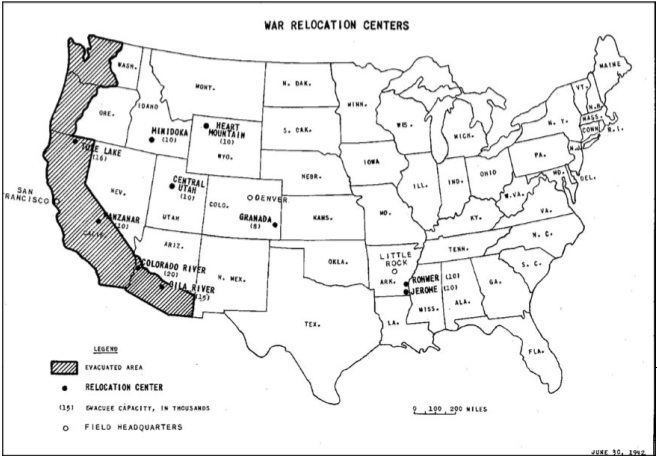


 The rapidly expanding rate at which camps opened across the country over five months testify to the paranoia and unjustified fears that fed the relatively quick establishment of similar internment camps where local rights were suspended or stripped, and the role of the rail in moving a sizable sector of the population nationwide: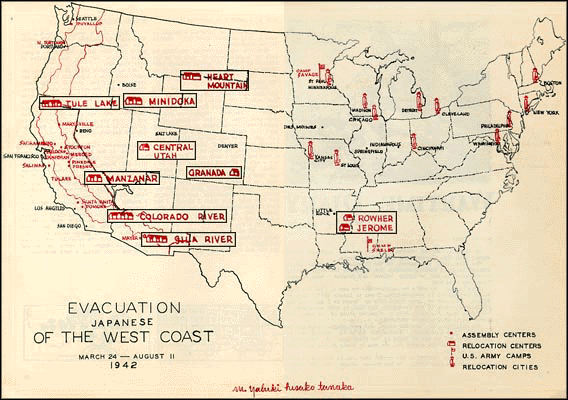
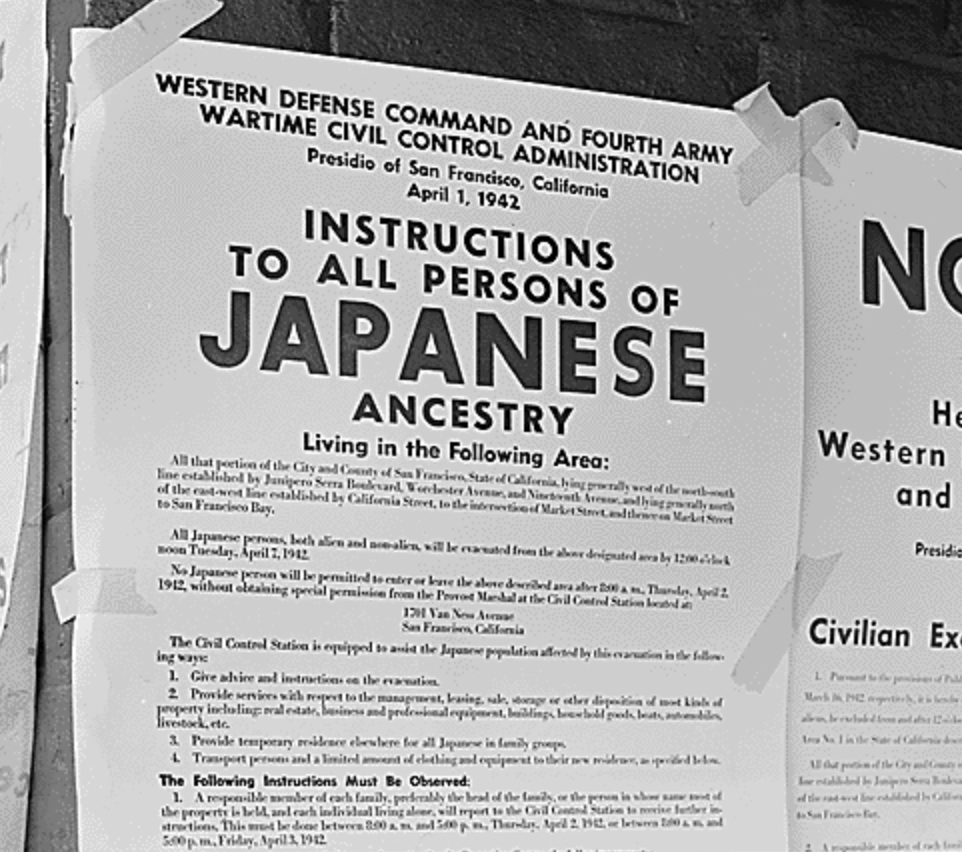
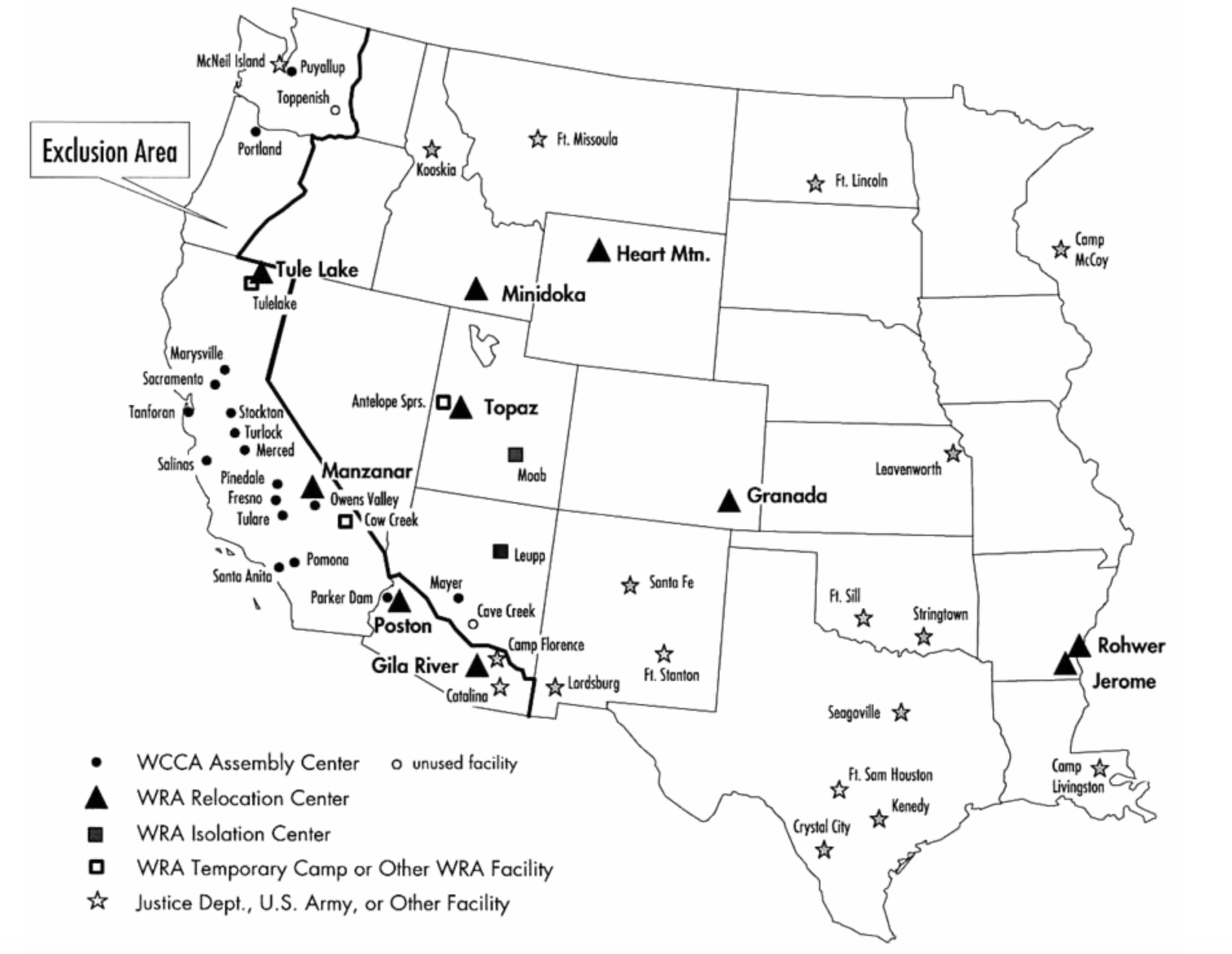
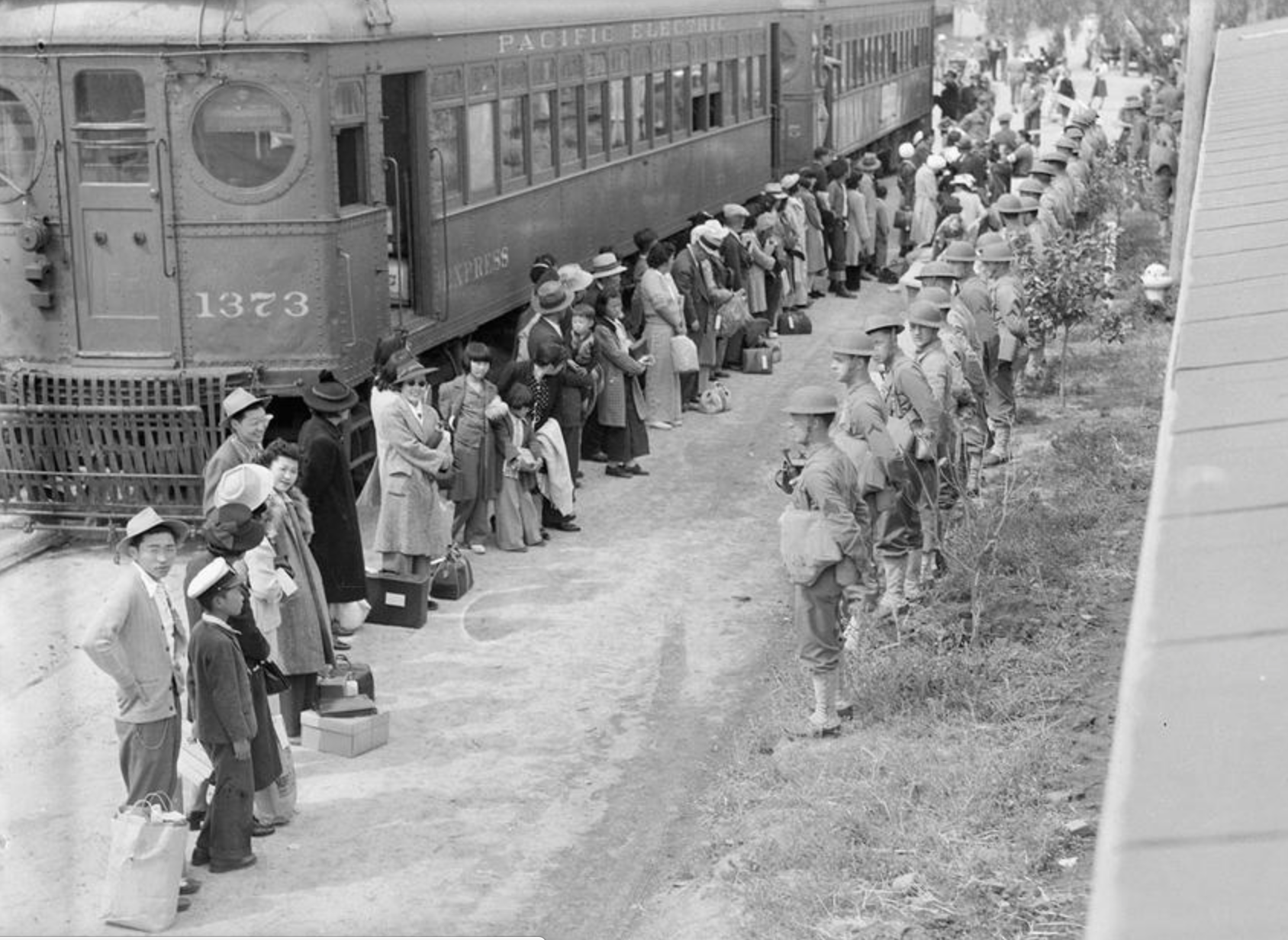
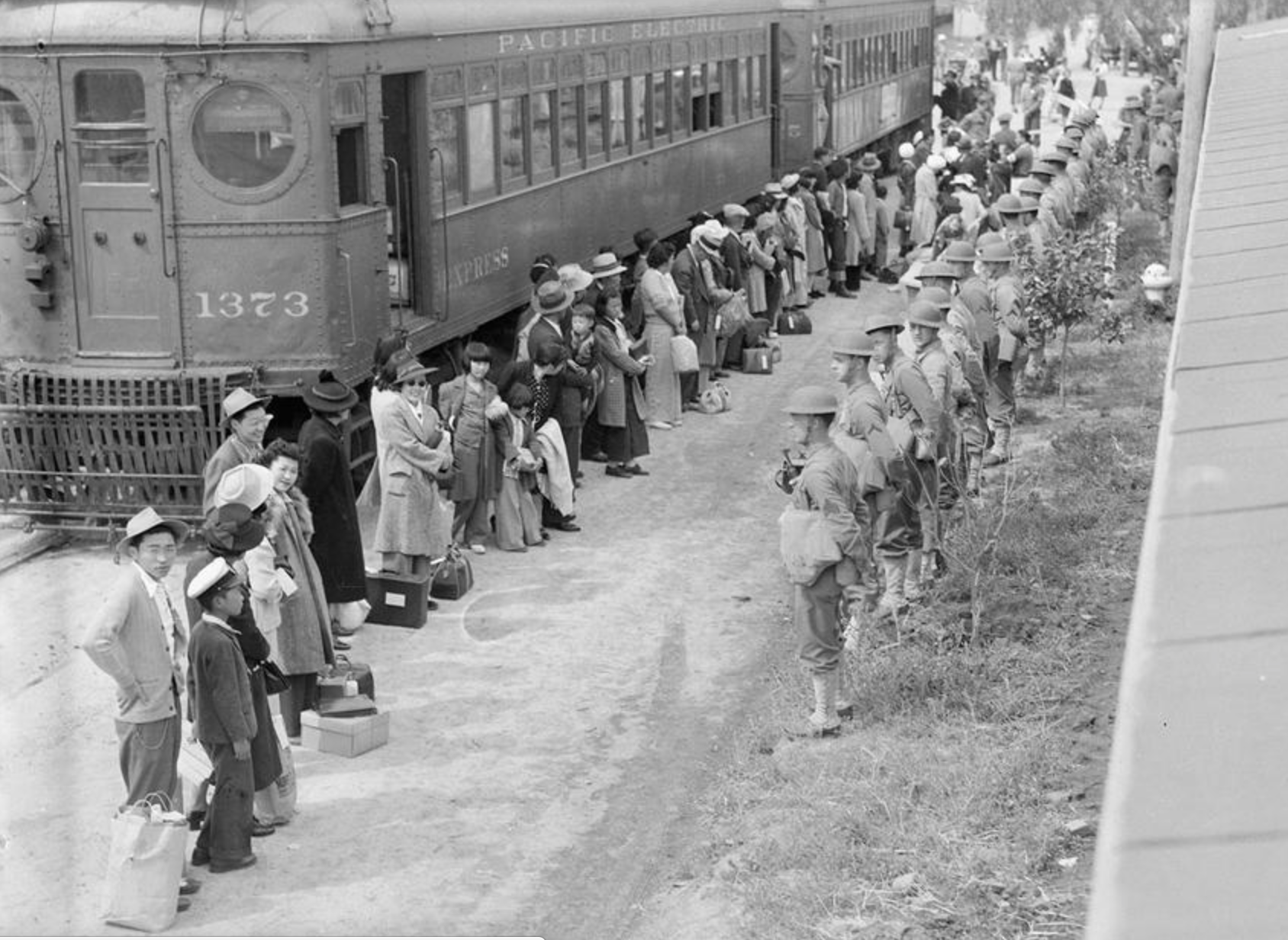
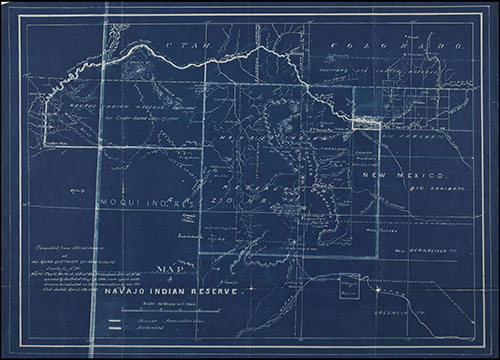
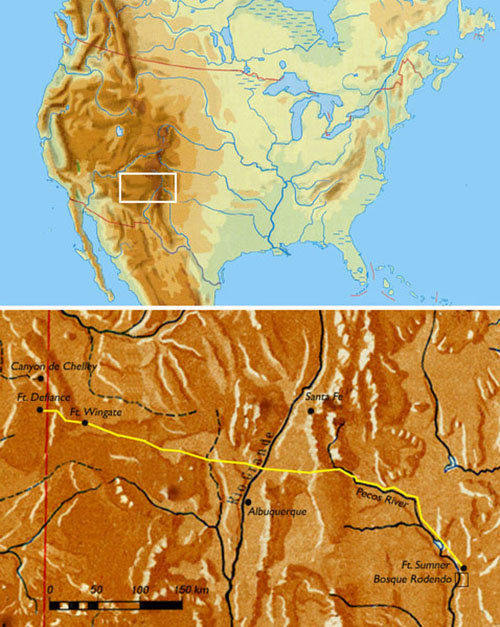
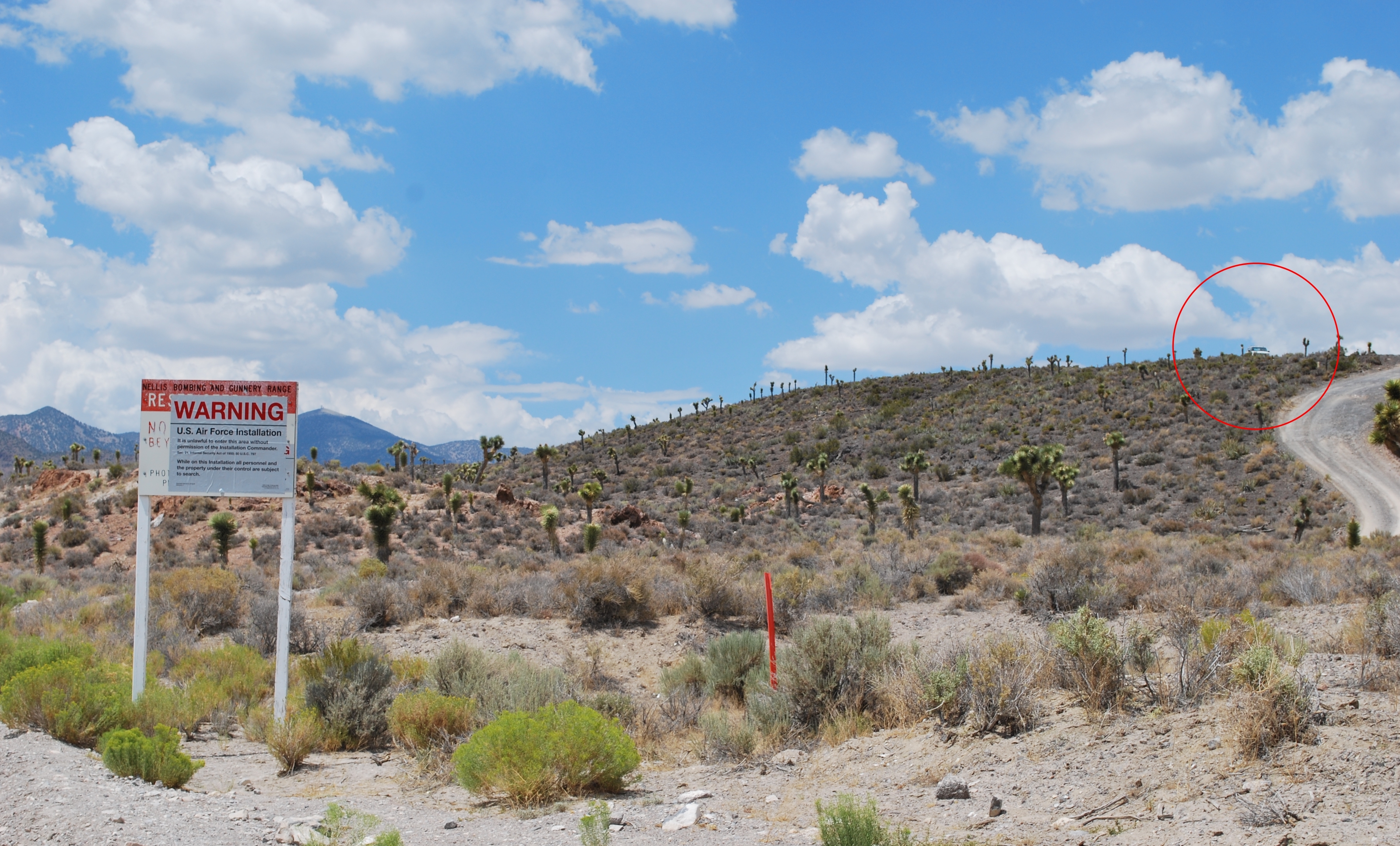
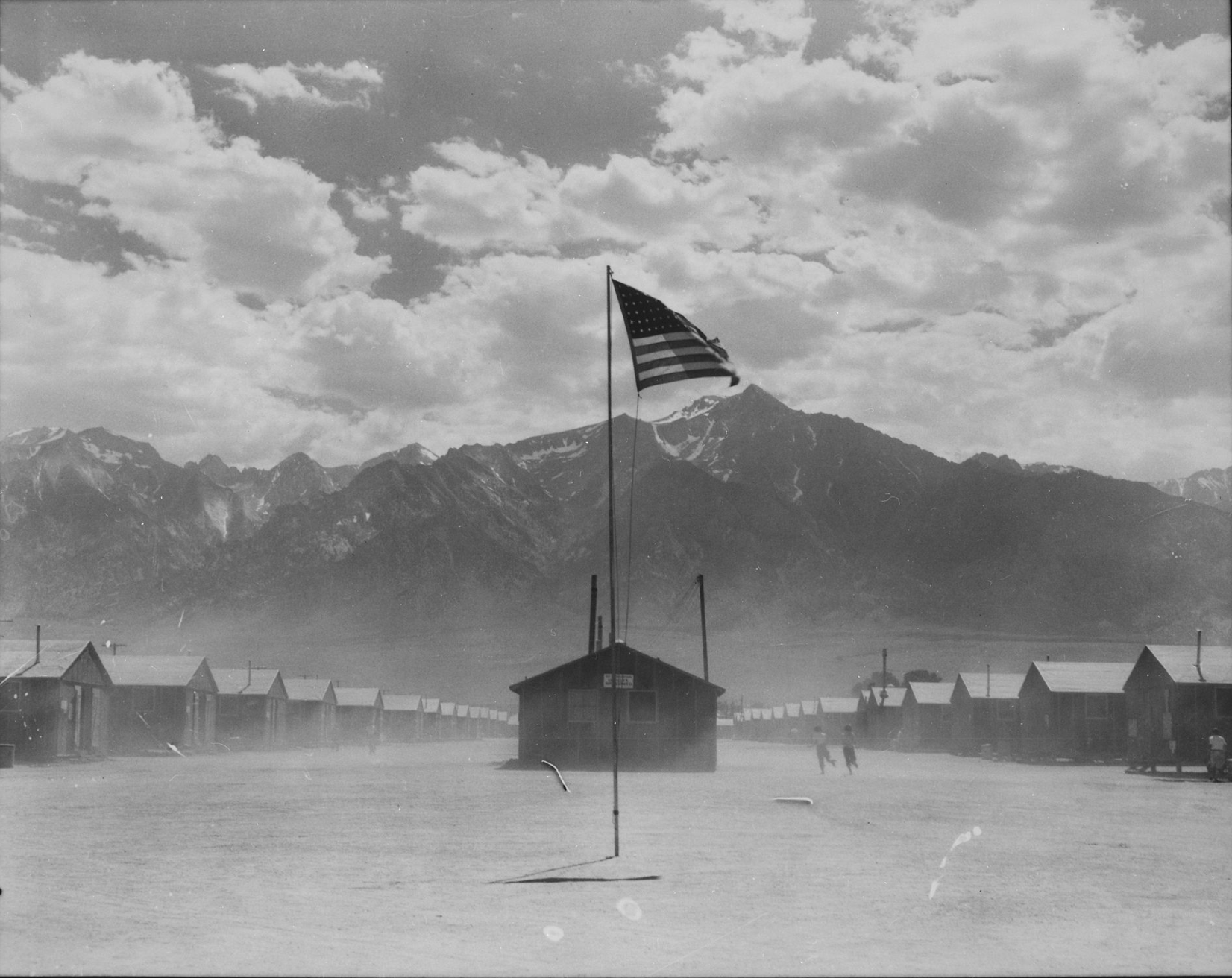
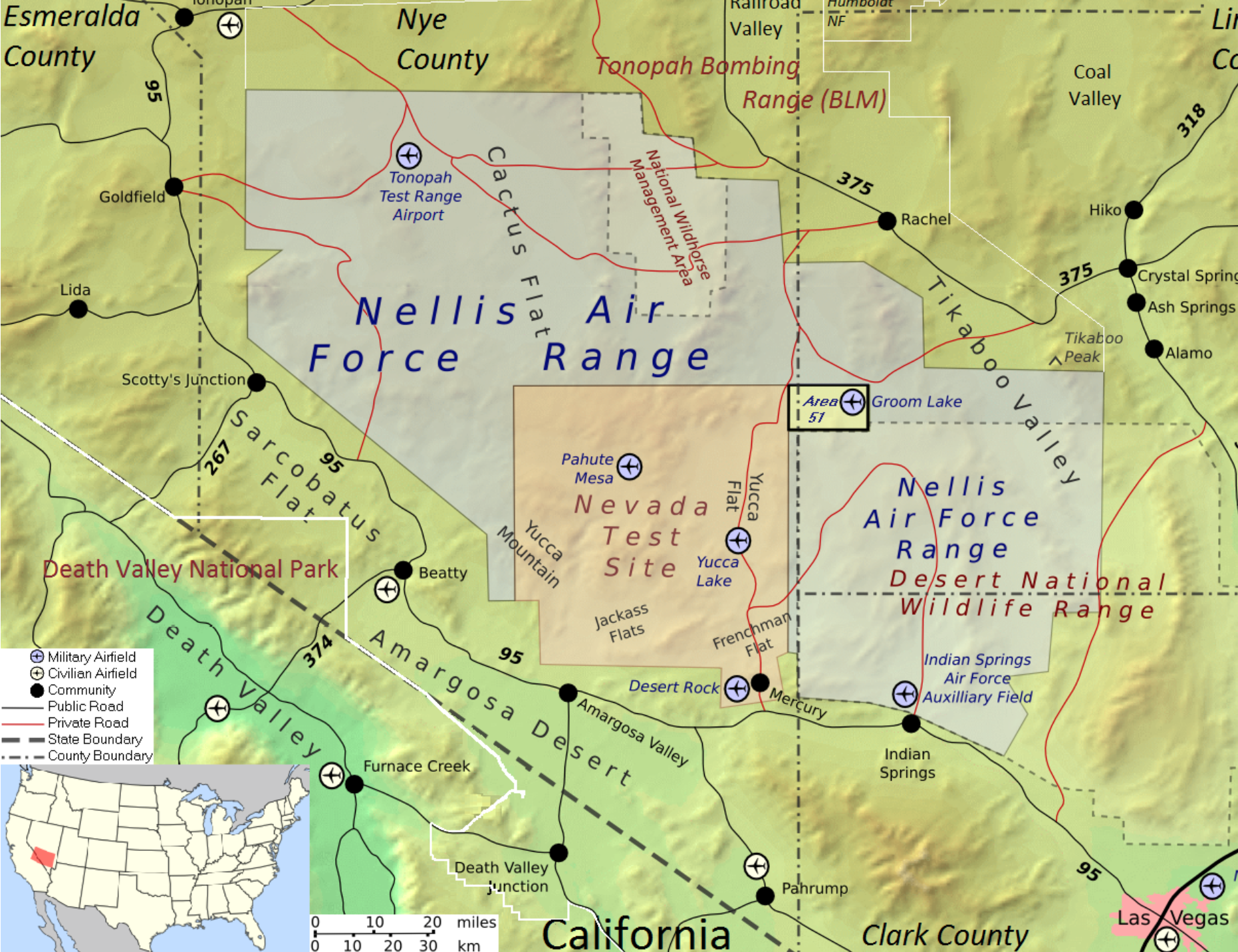
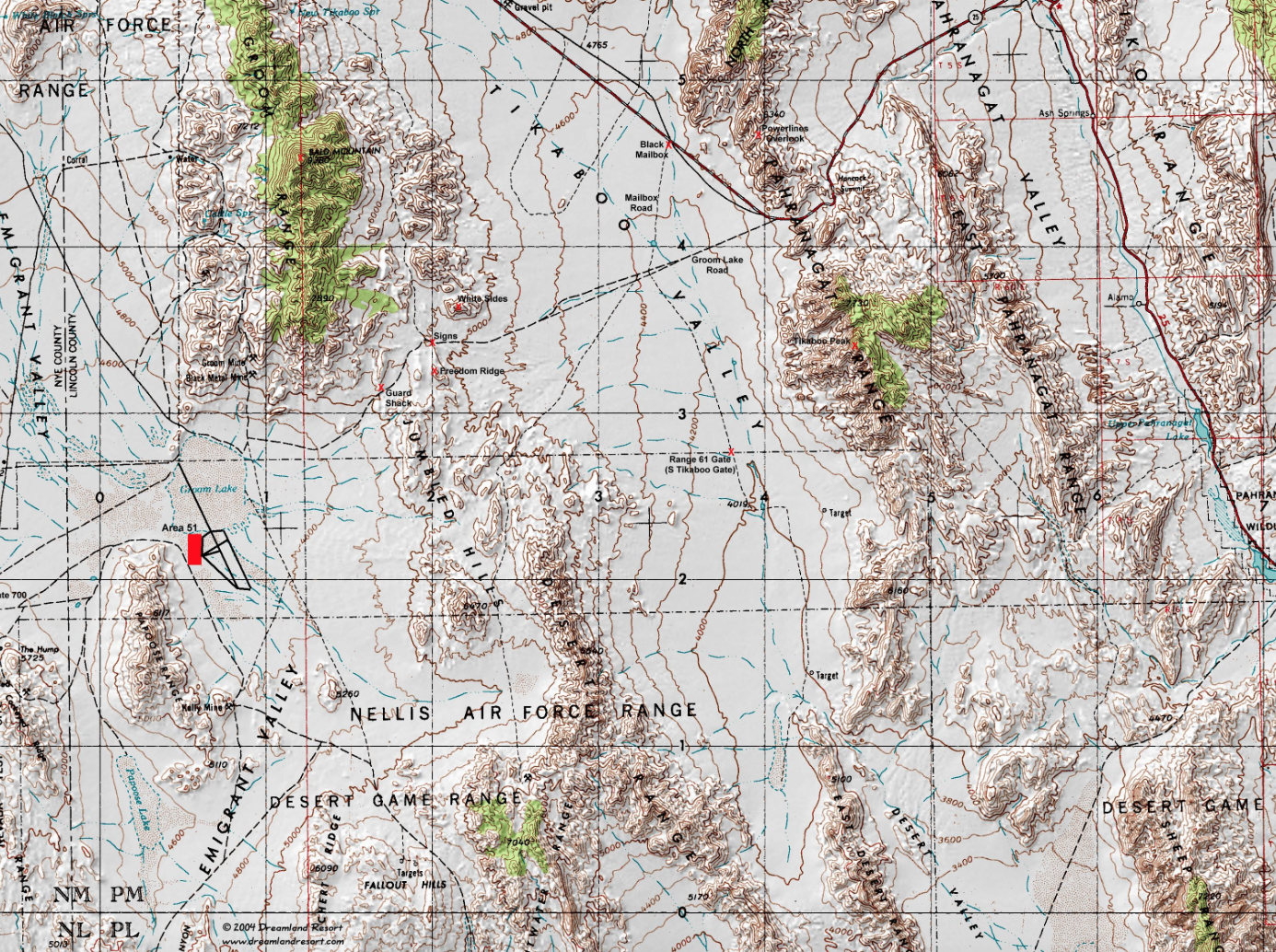


 Maher Al Mounes/Agence France-Presse/Getty Images, March 27, 2016





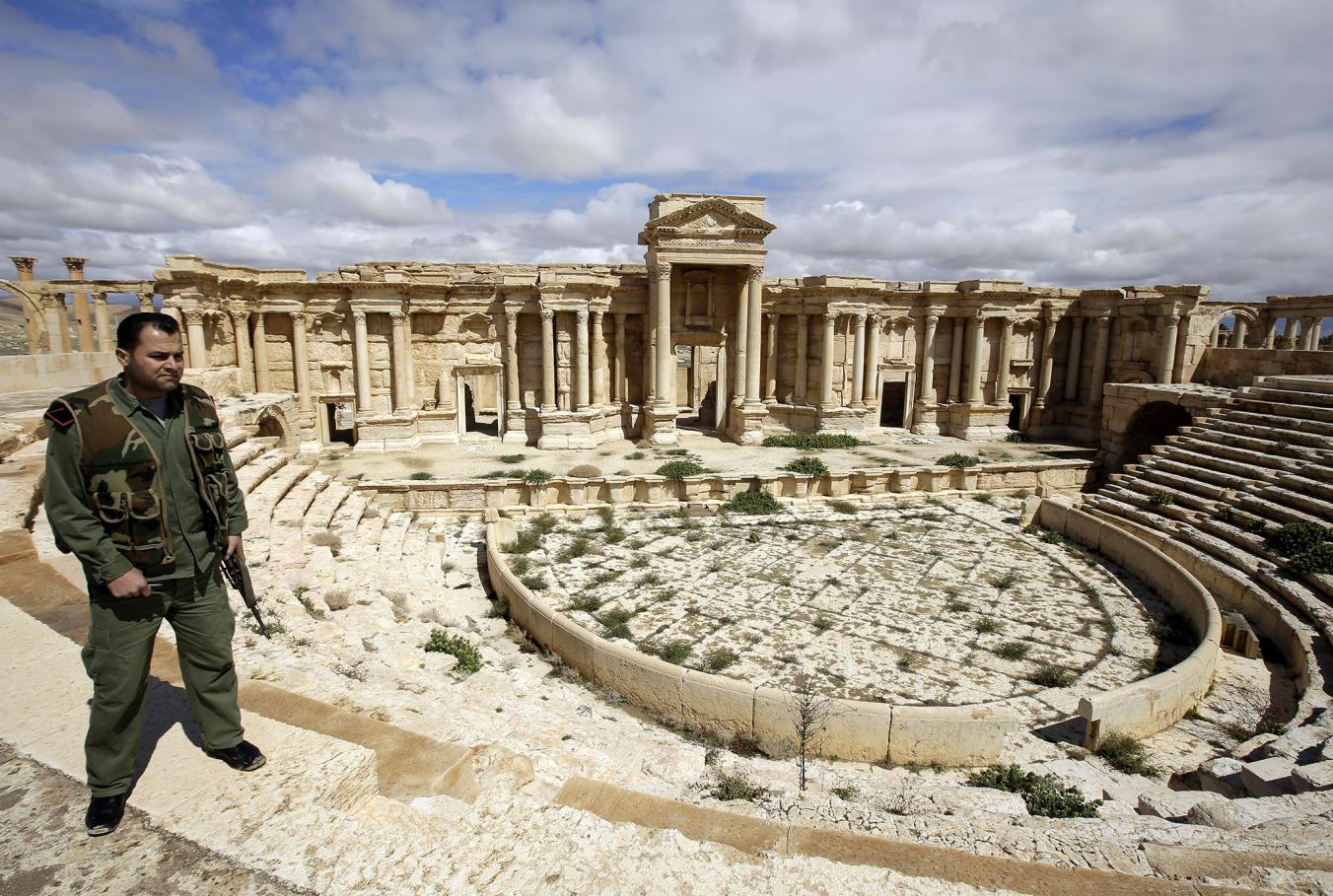


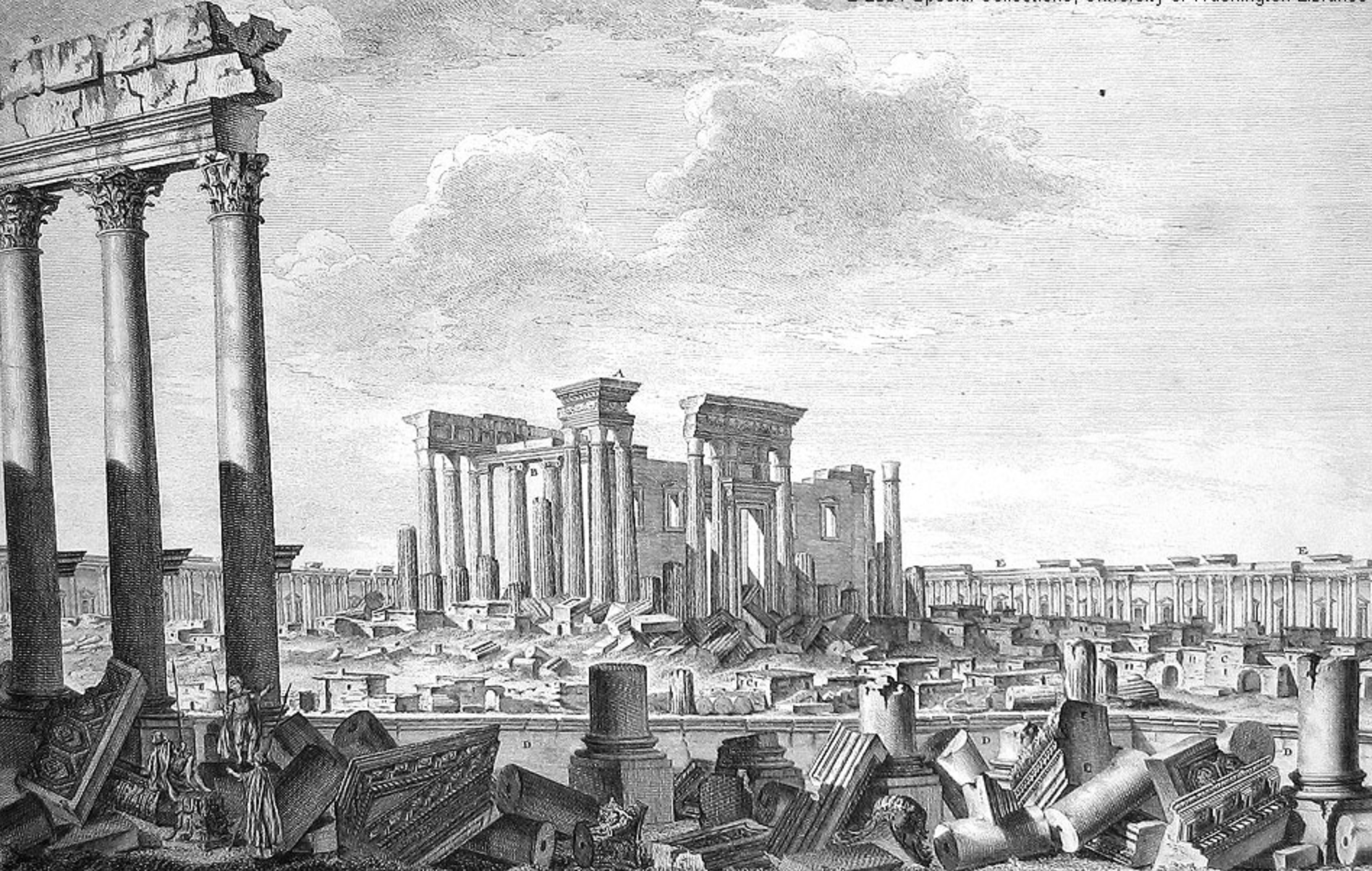

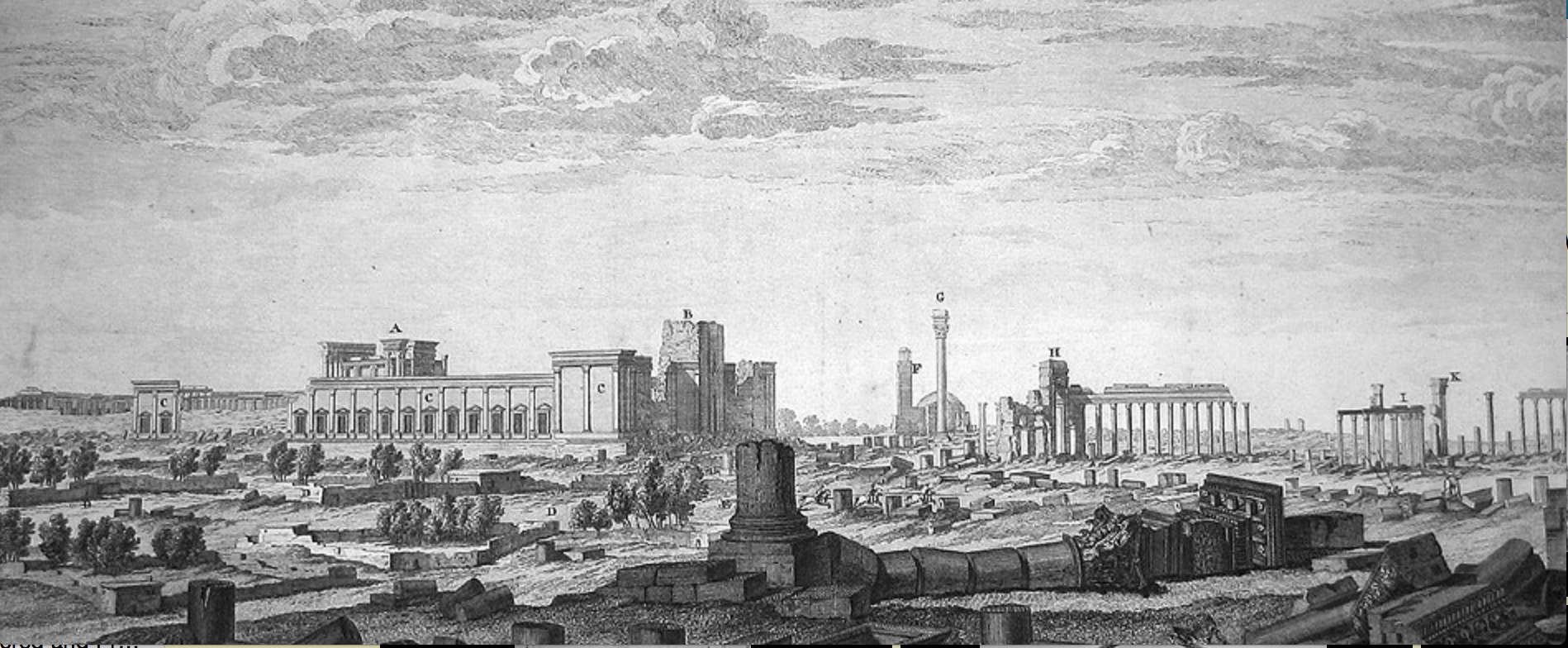


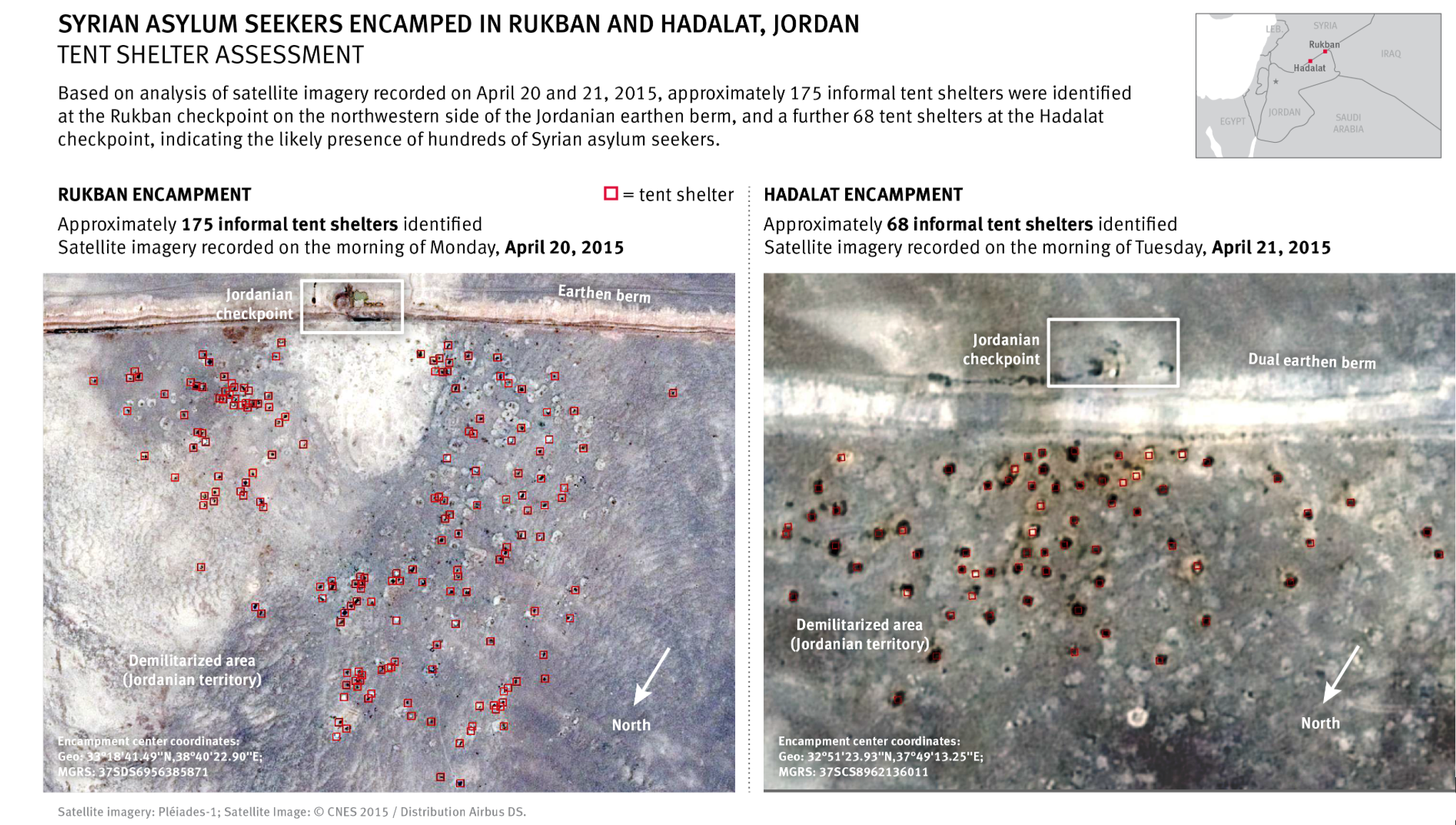
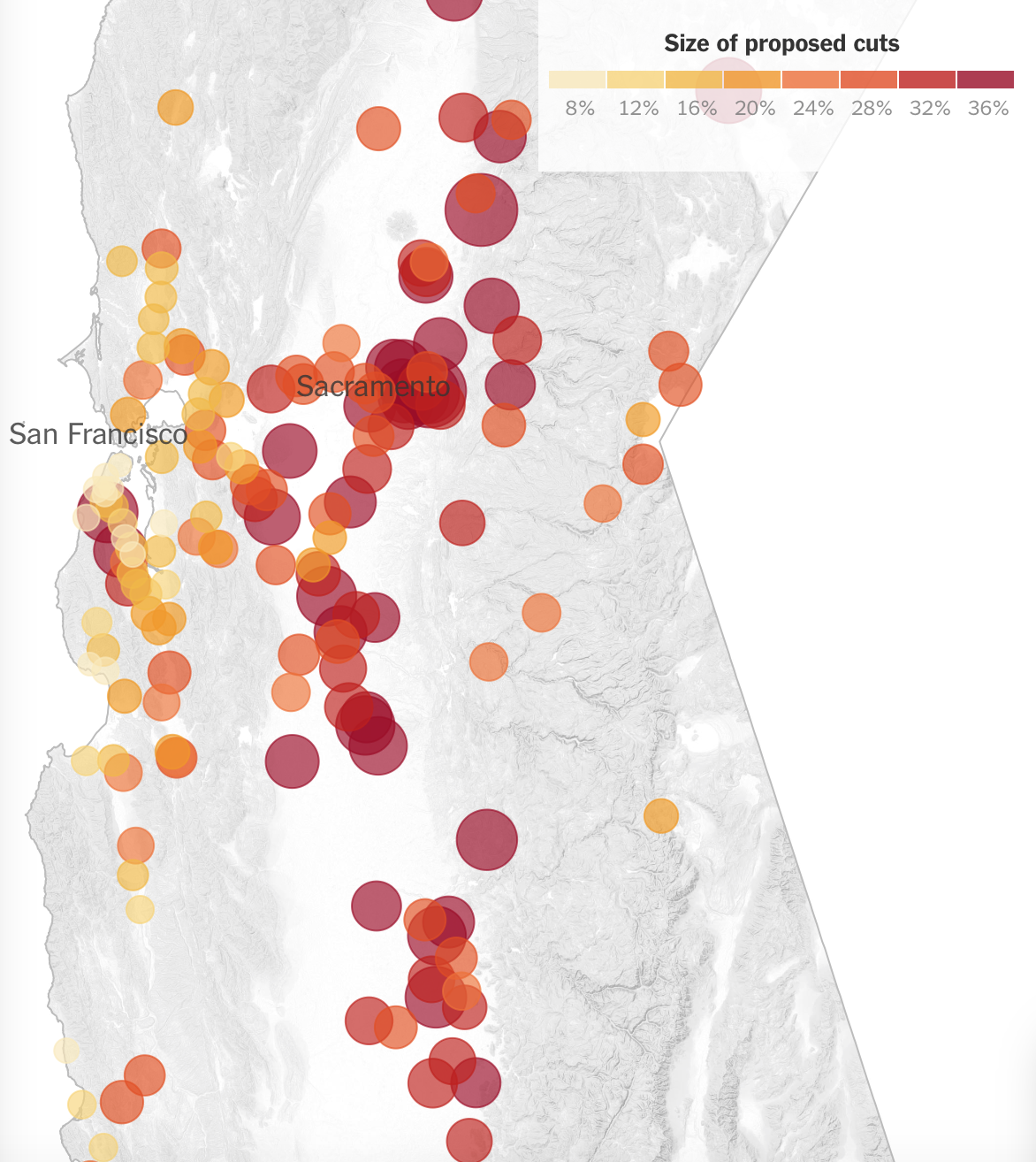


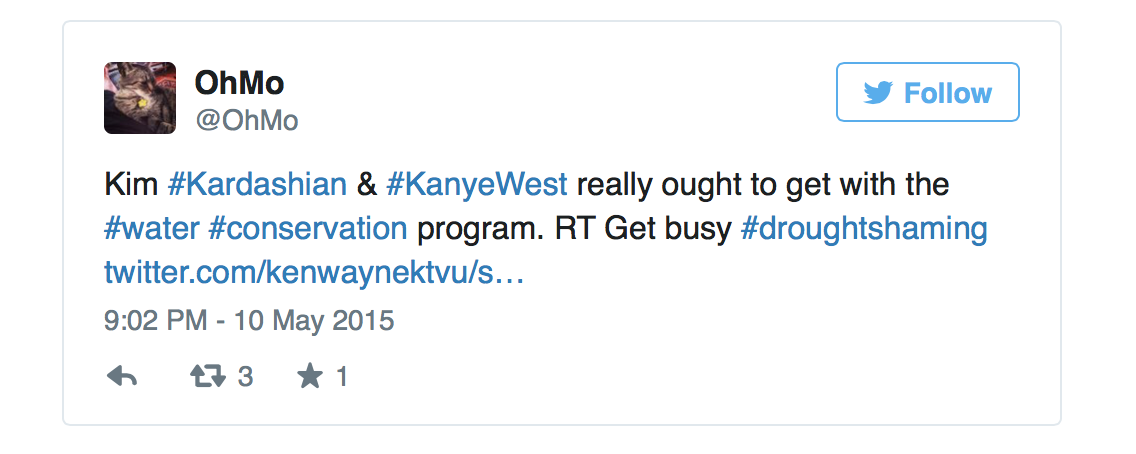



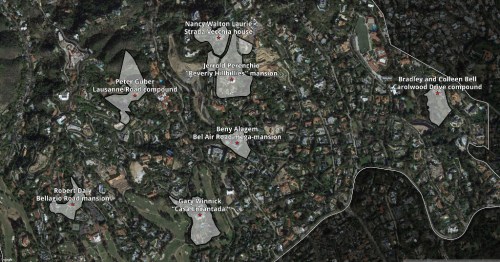
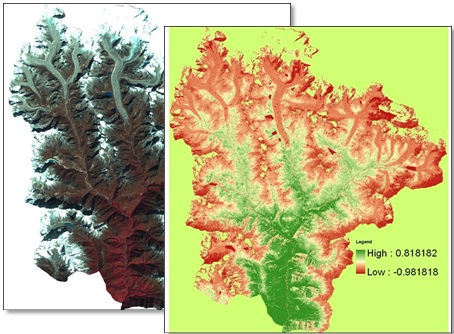
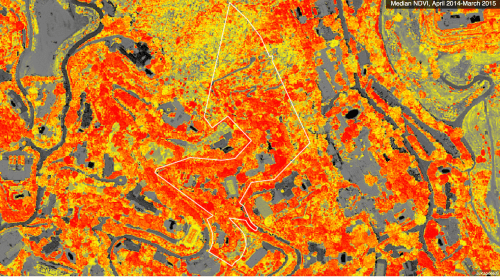
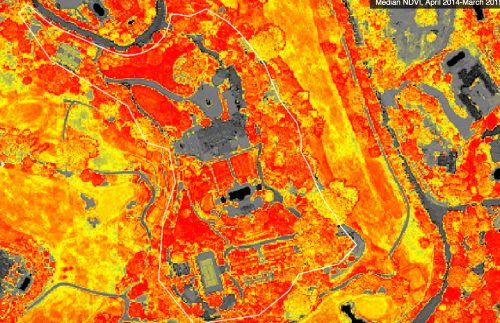
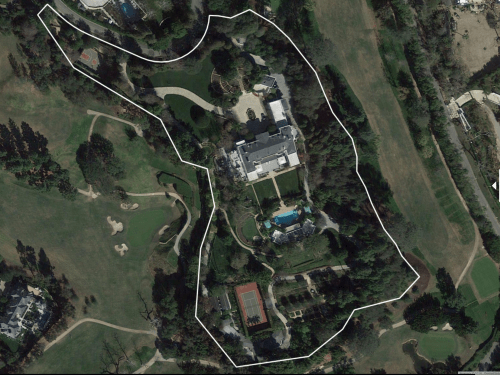
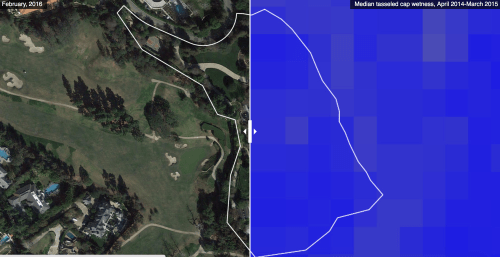
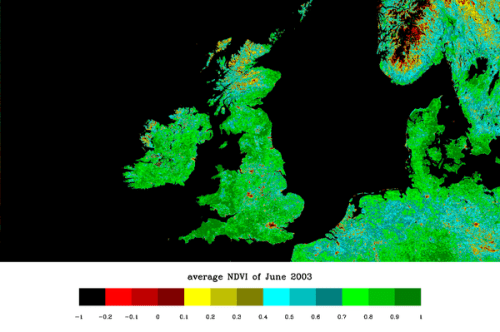
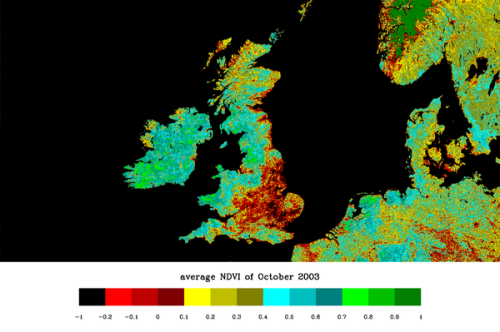
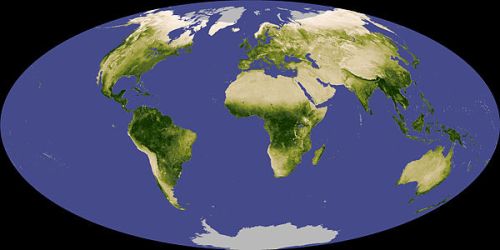

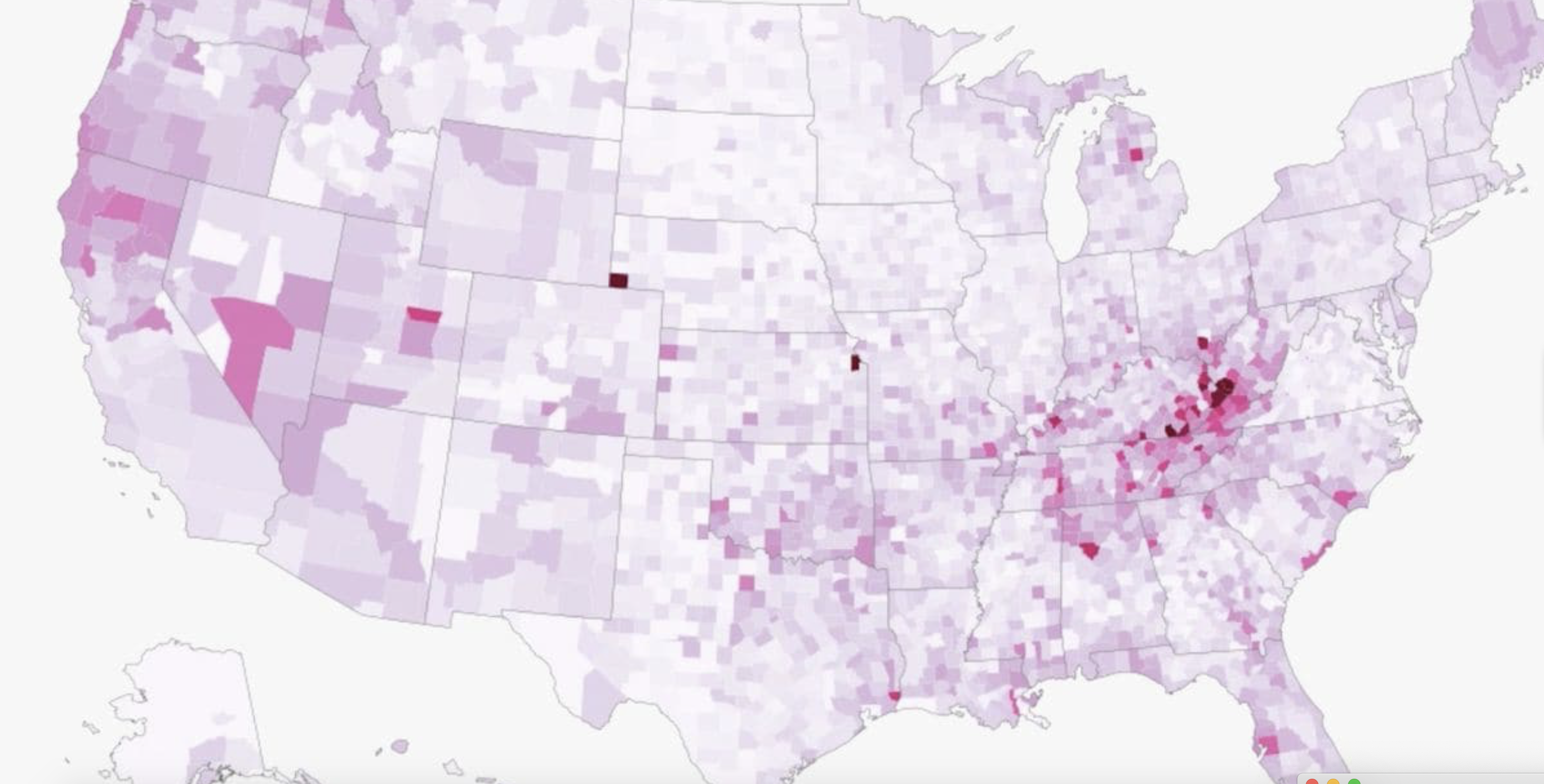


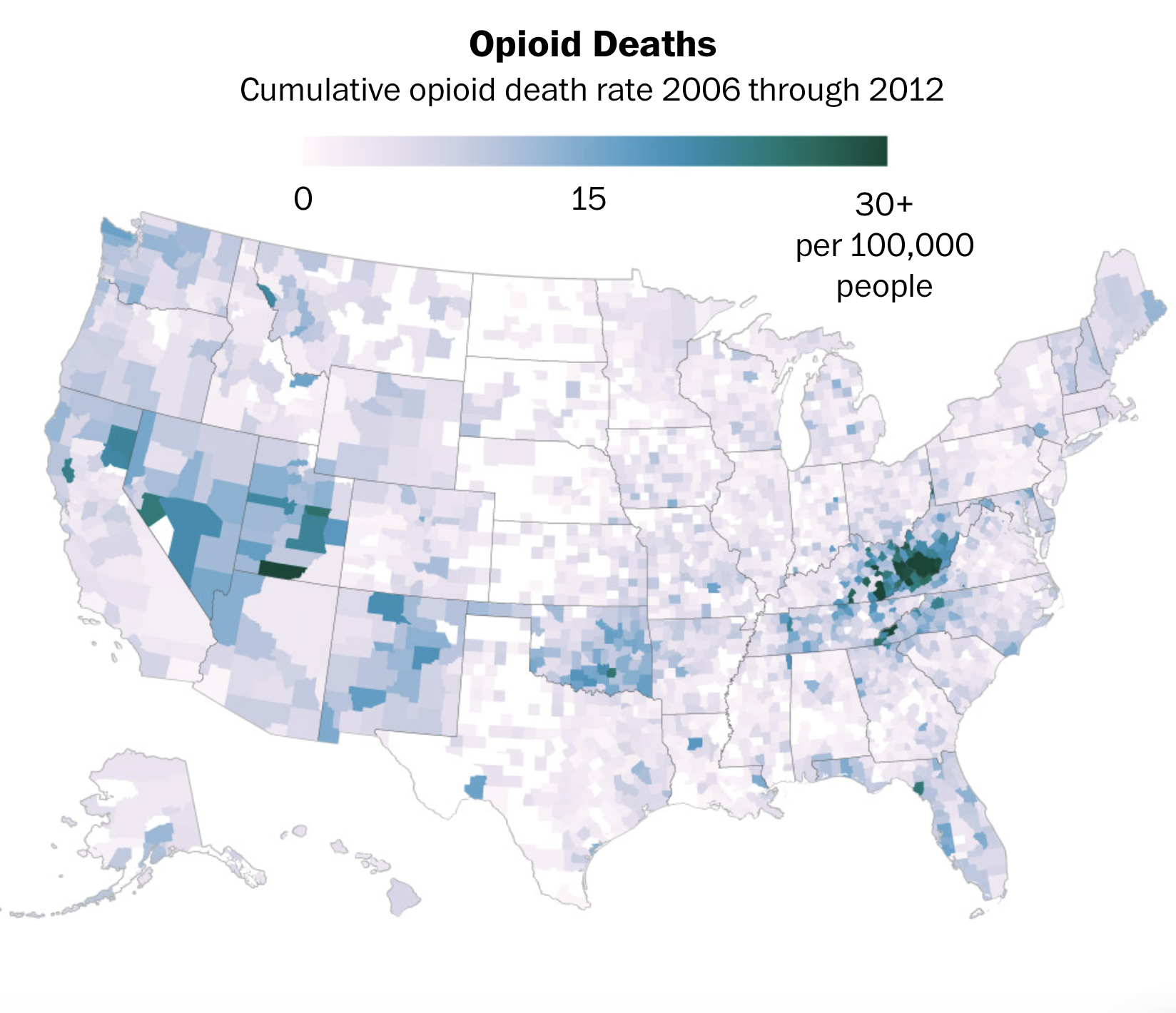


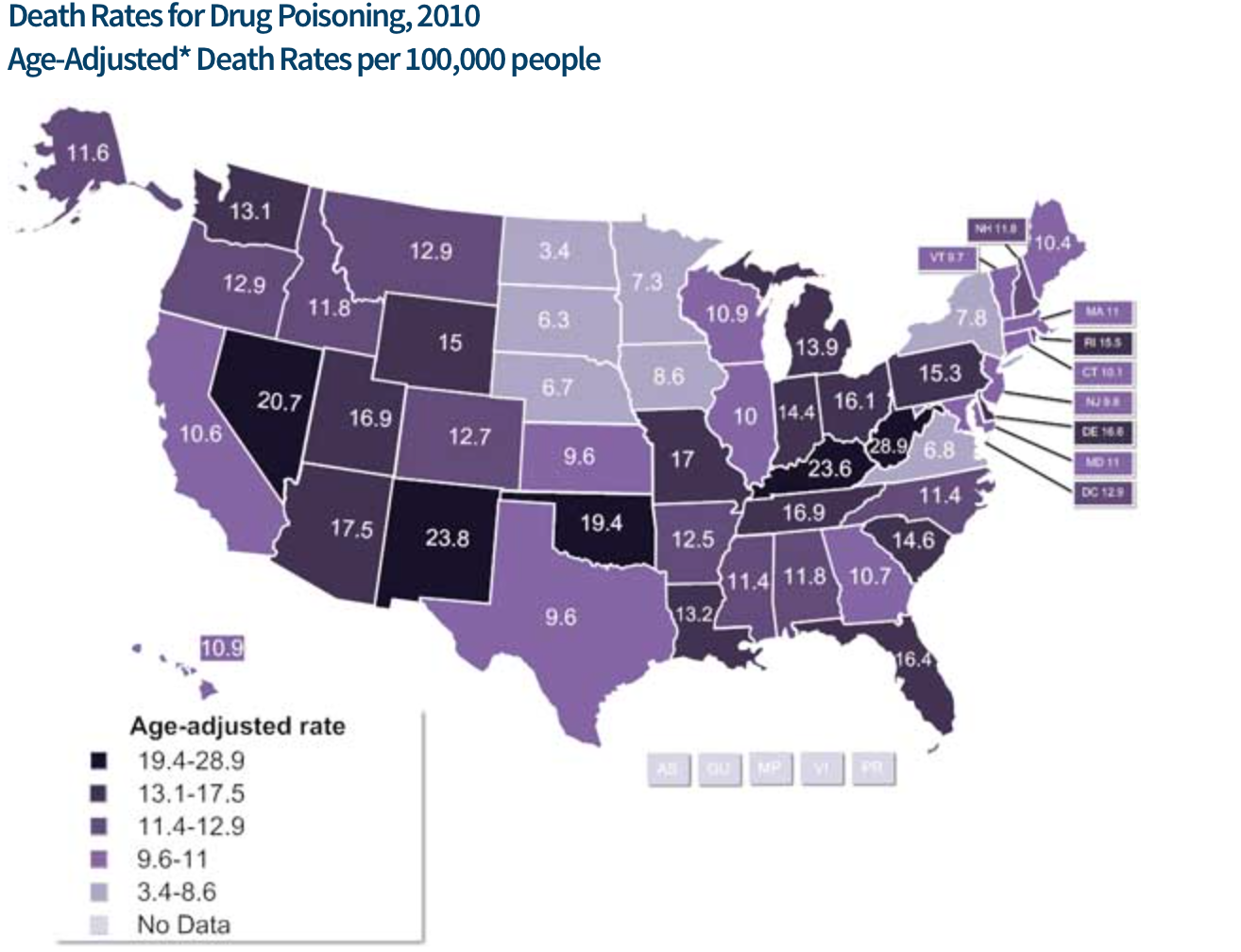
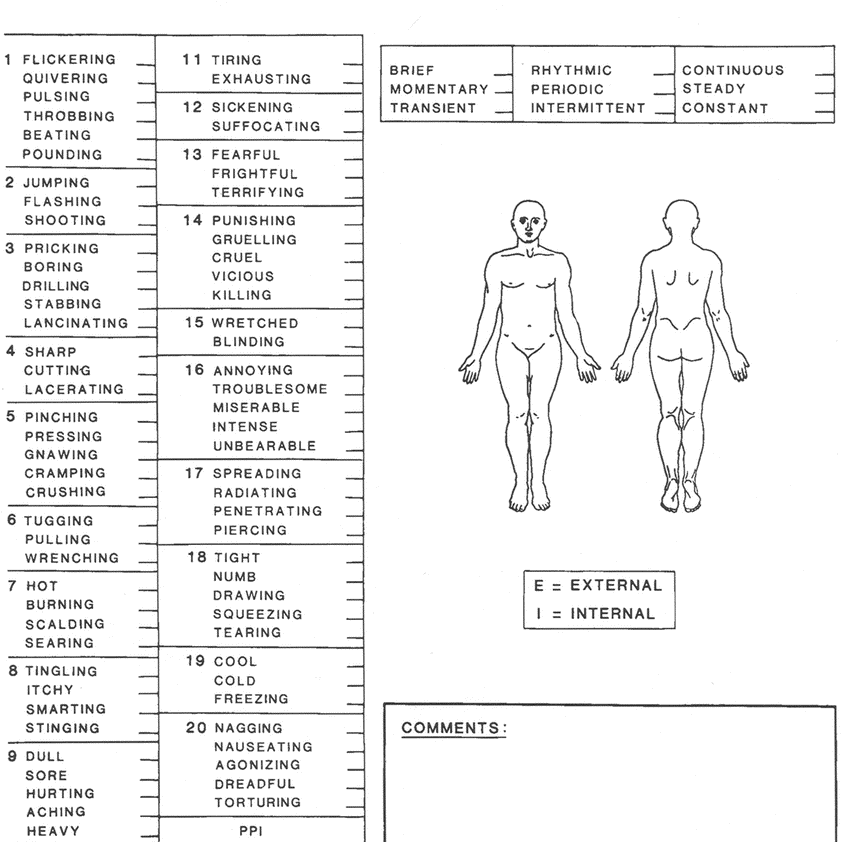
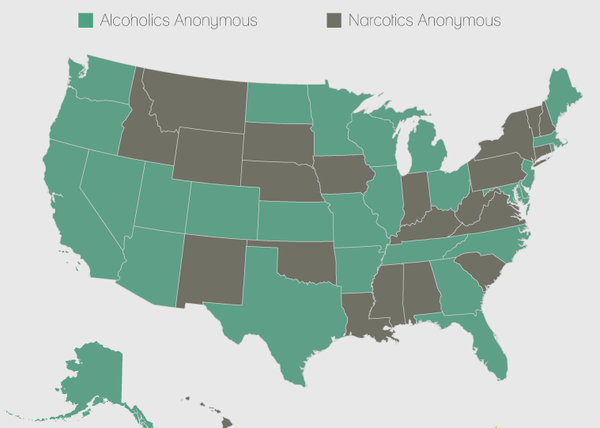


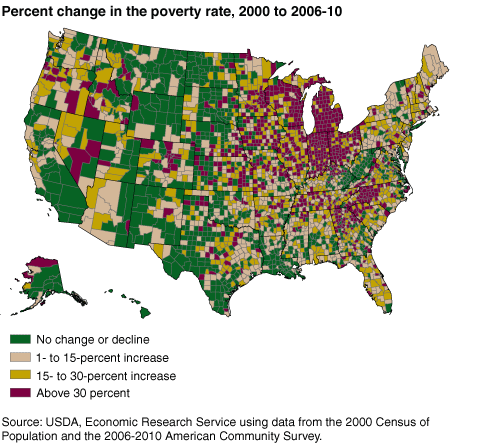
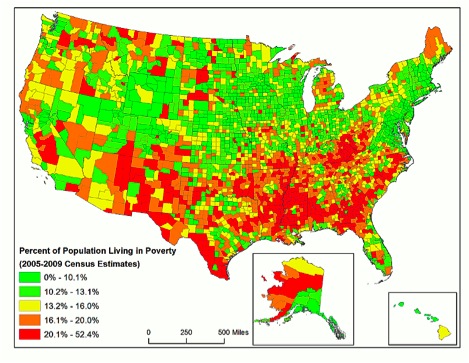
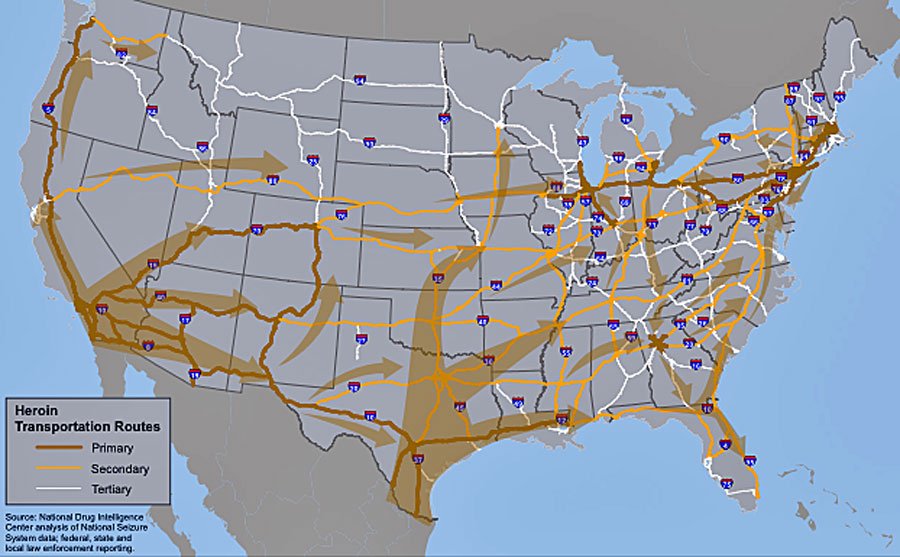


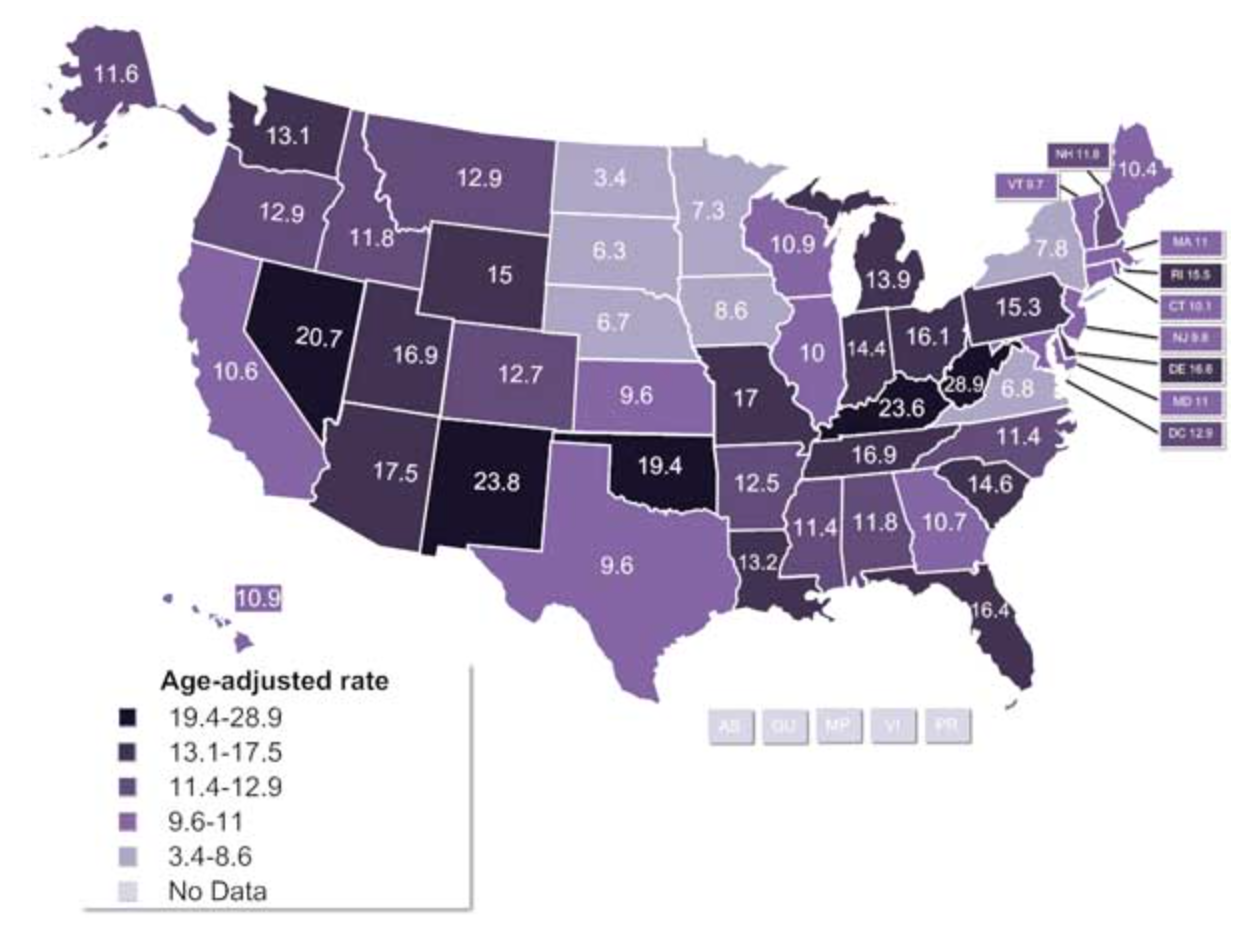
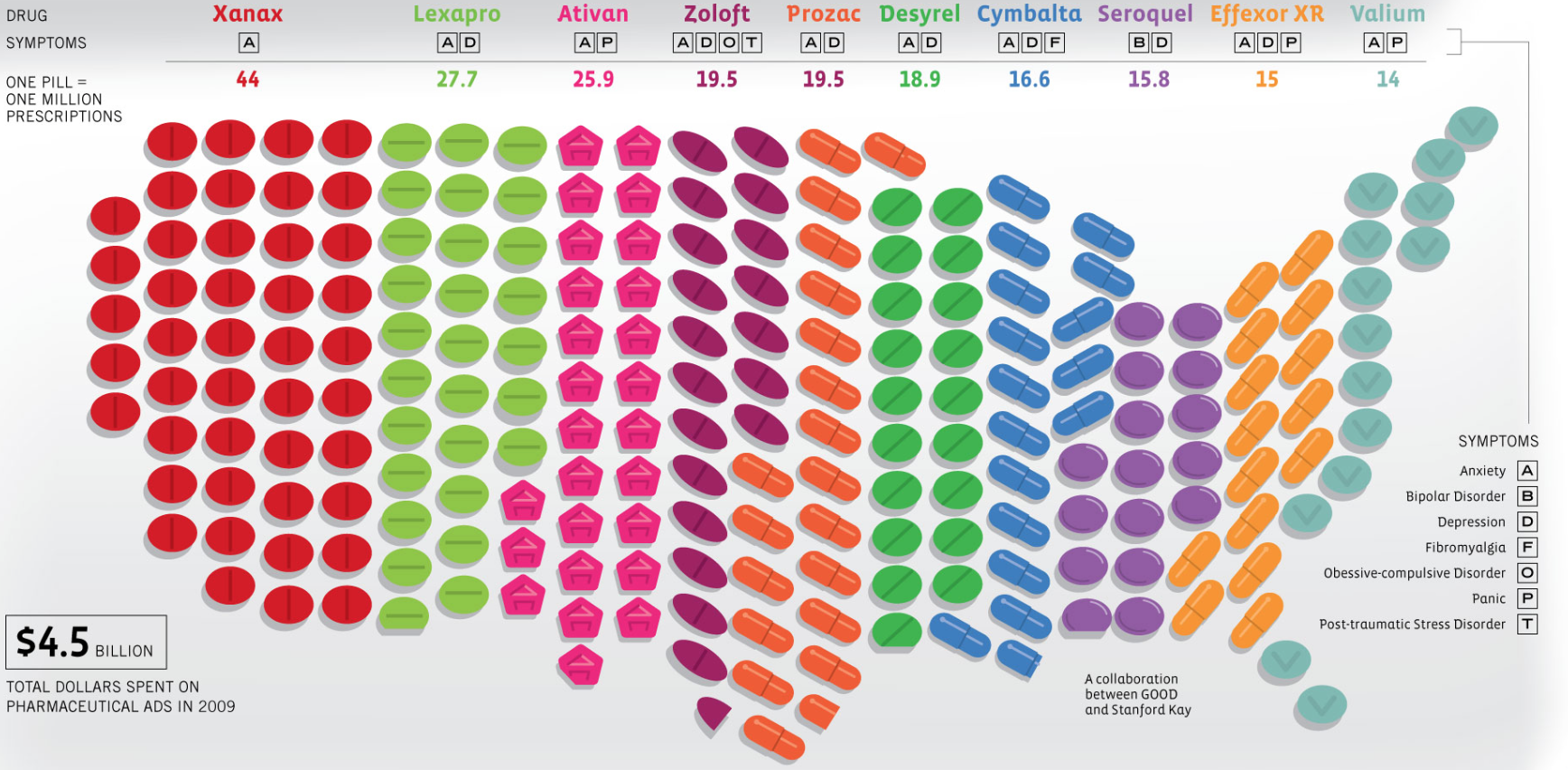


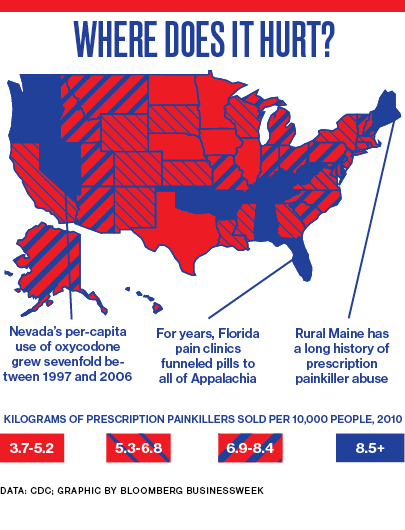
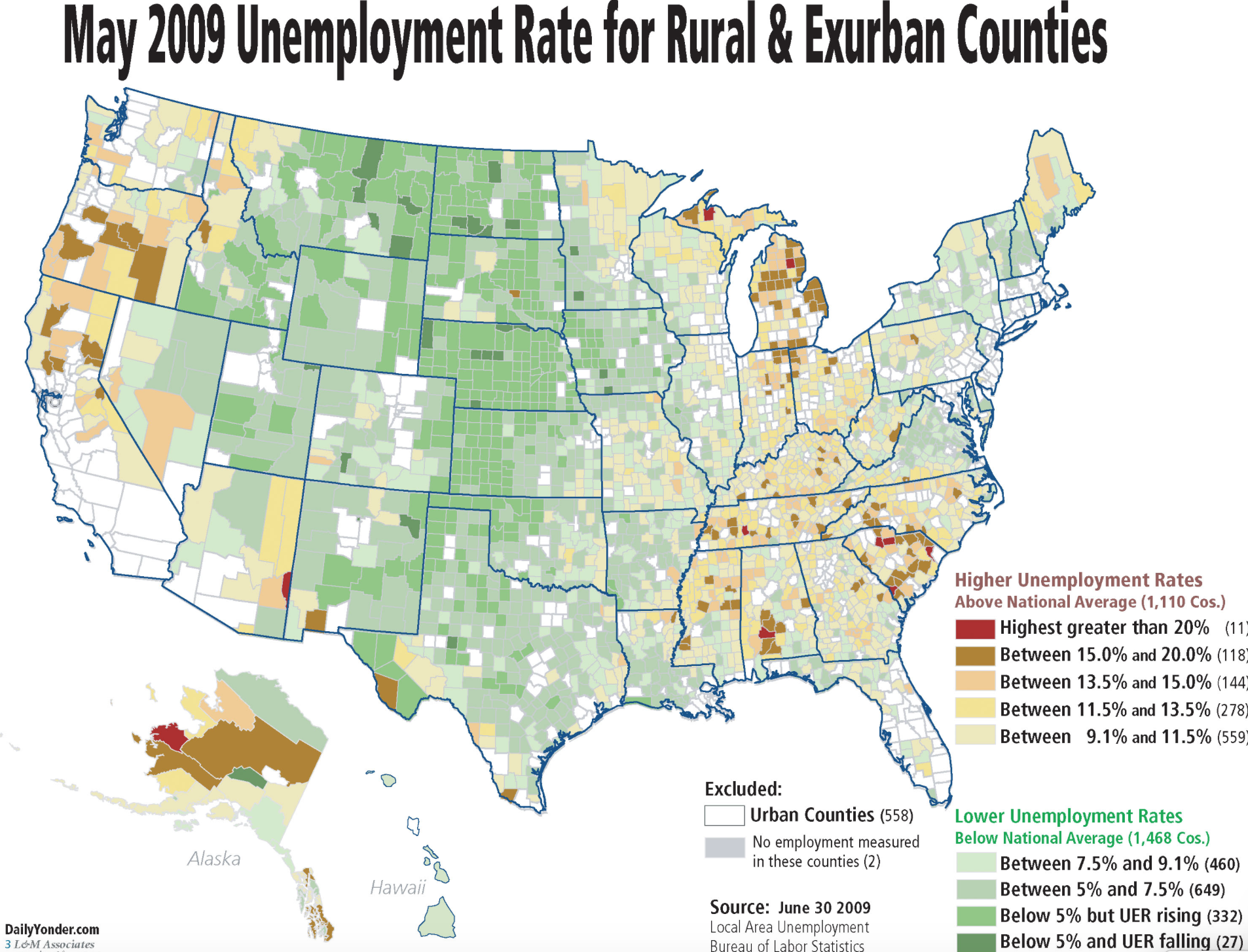







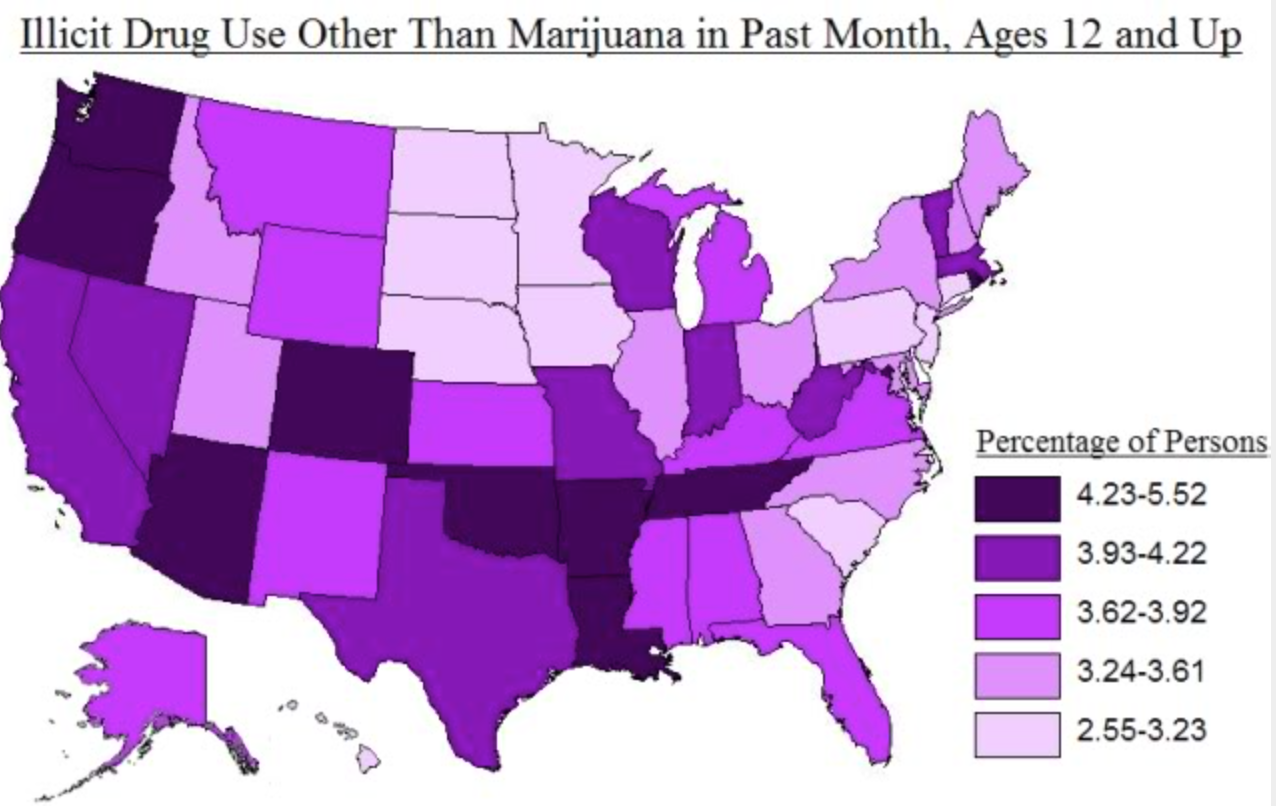


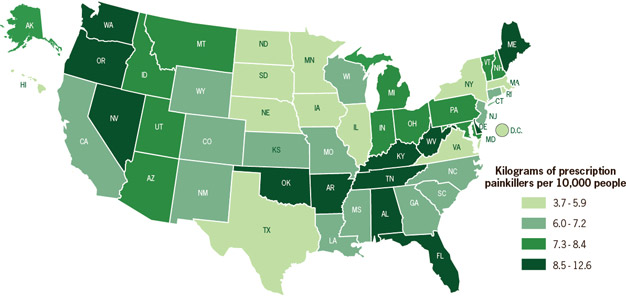


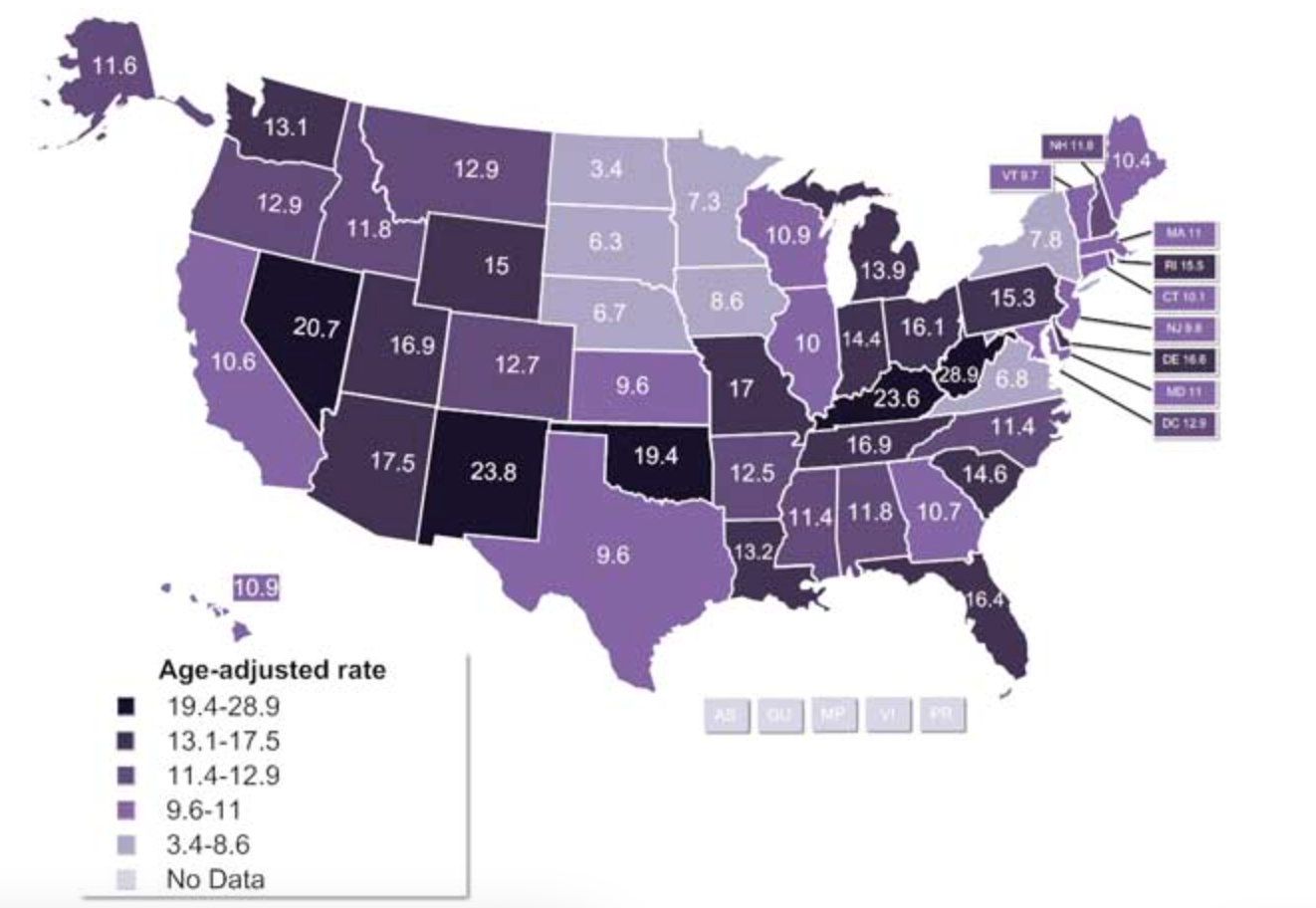


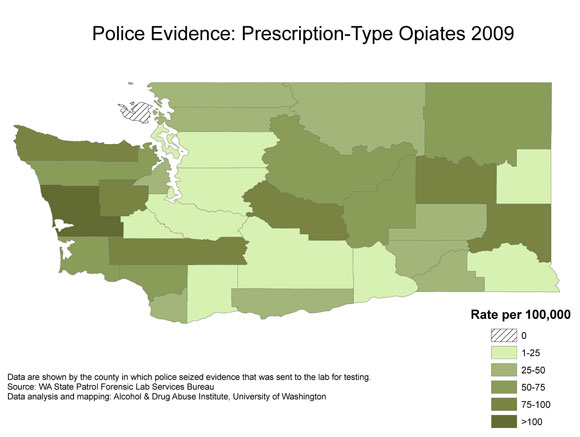
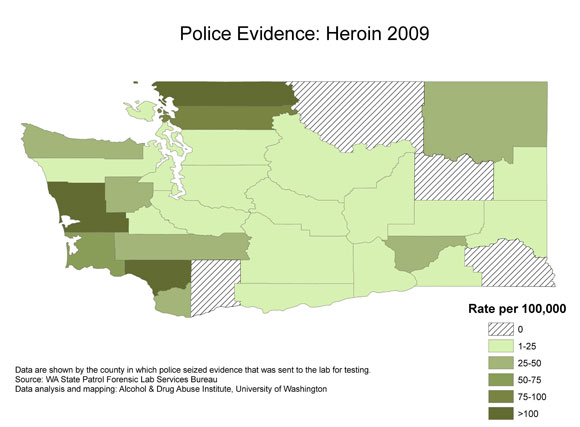

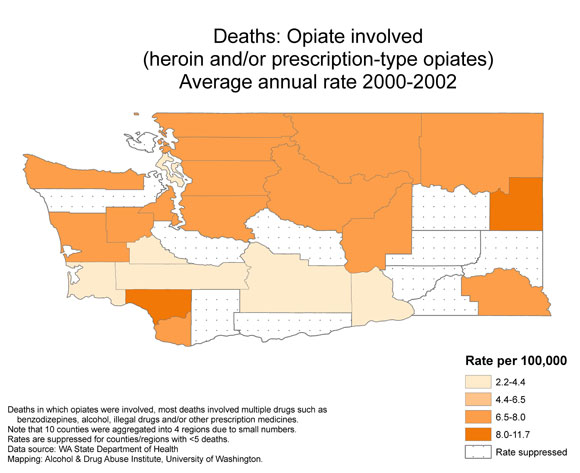
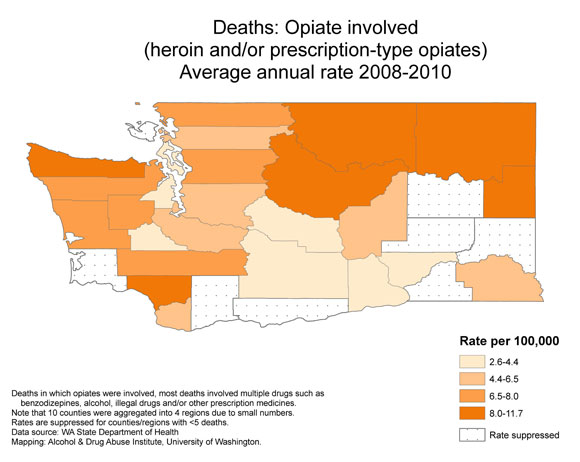


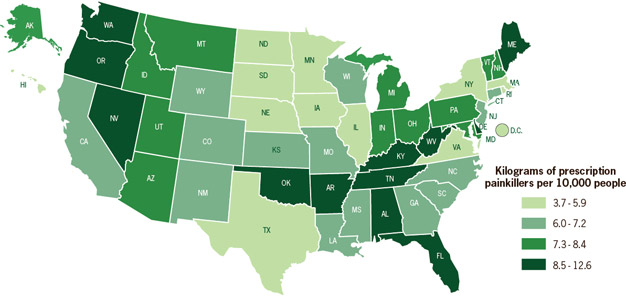


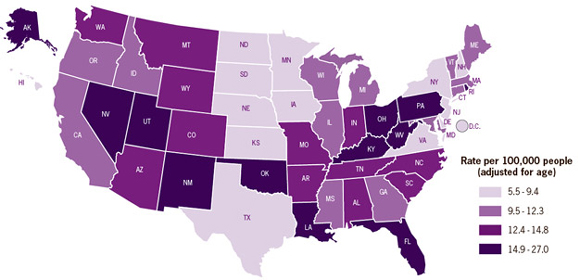


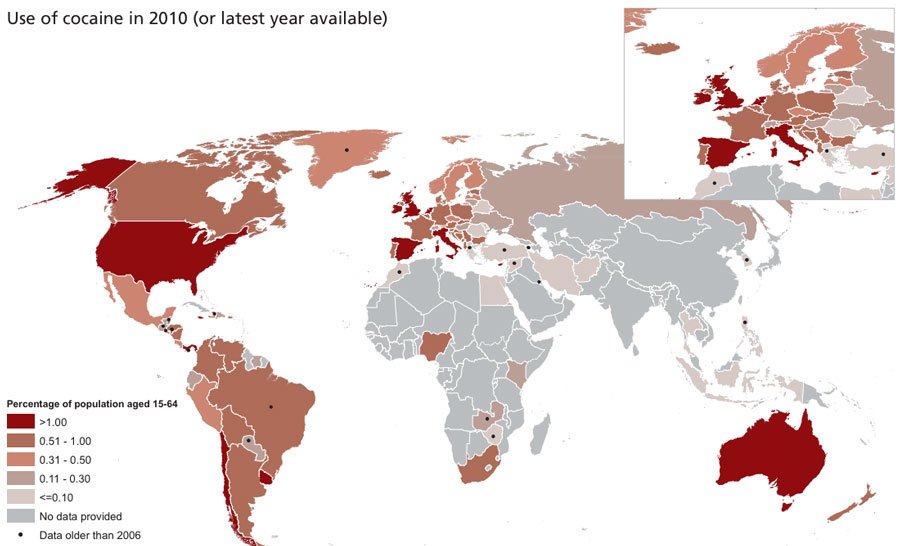


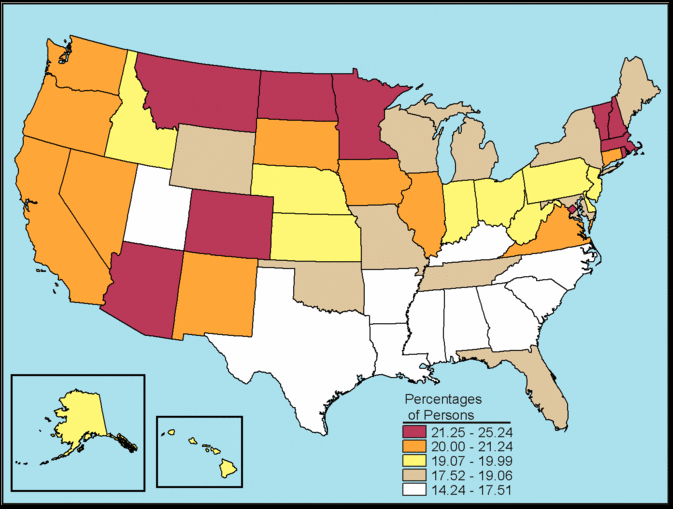
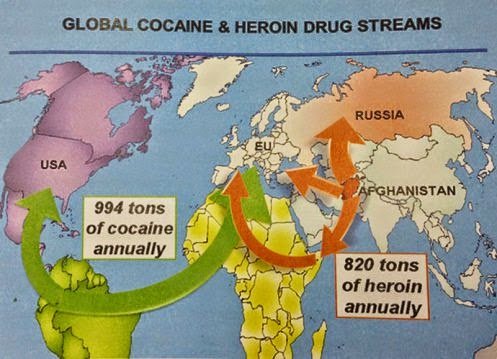
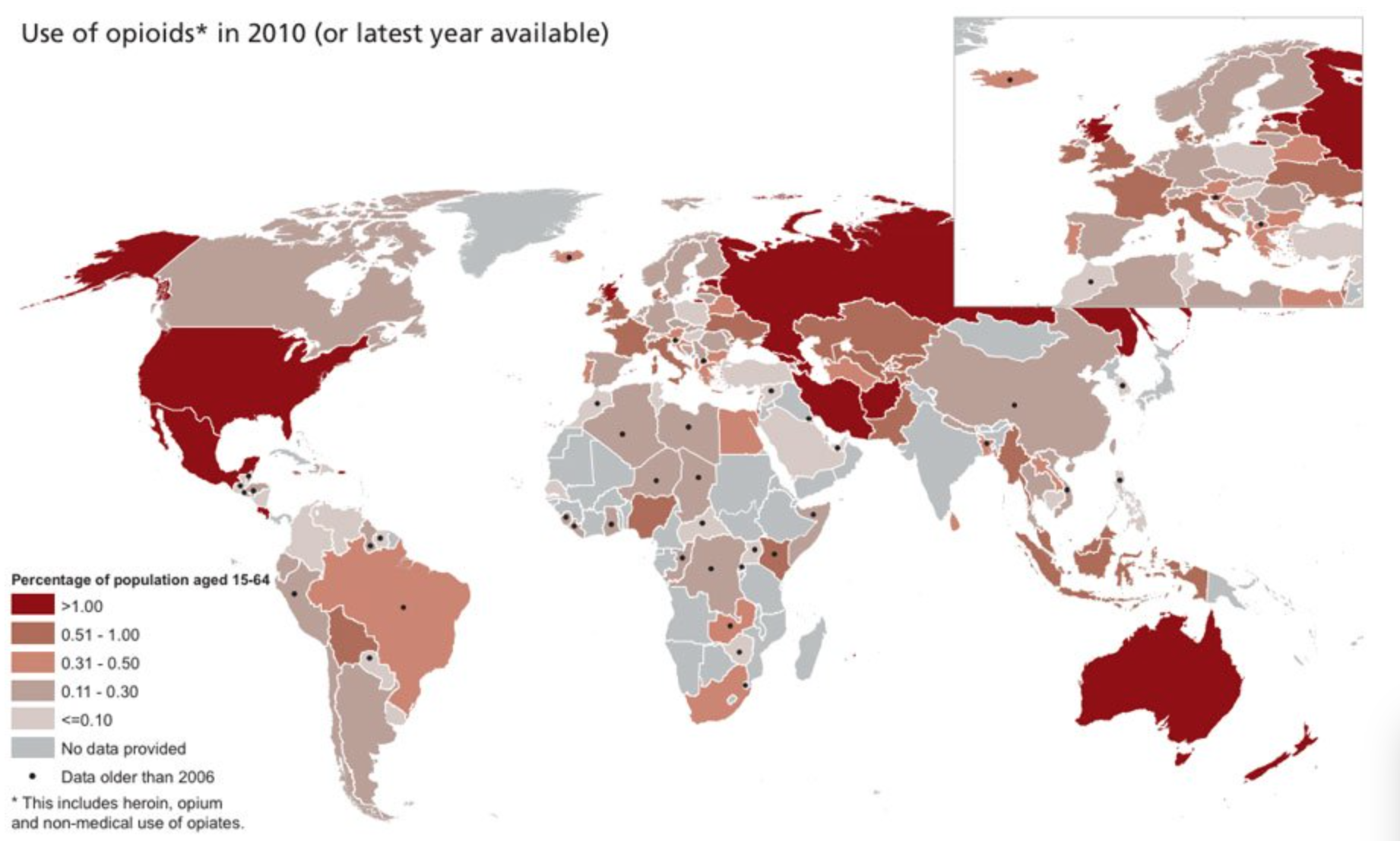
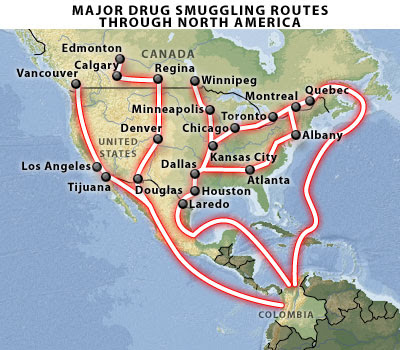


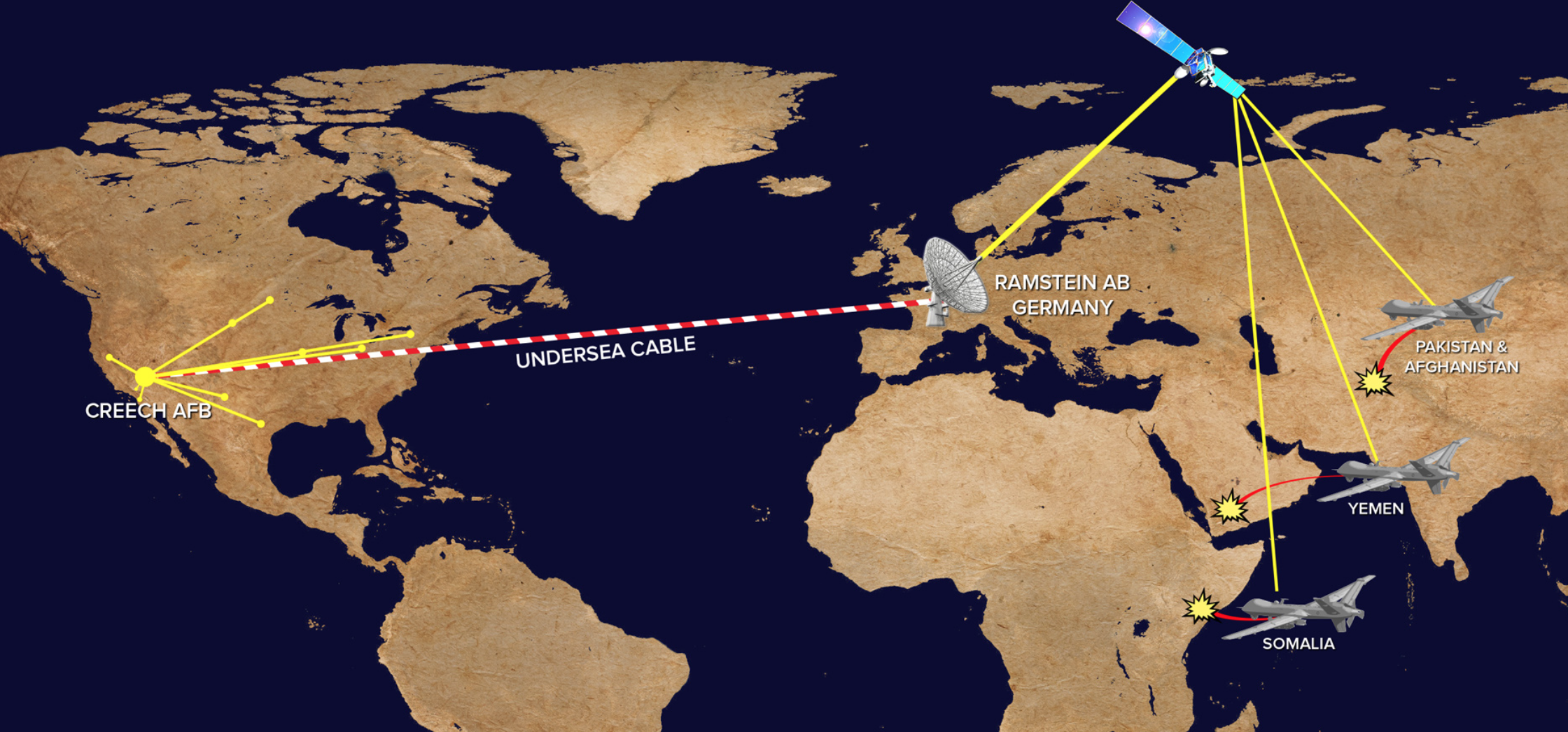







 Musings on Maps
