Donald Trump, in eyeing a new term as President, sought to make the global impact that he felt long denied–or robbed–in his first term. His frustration, if in part theatrical and hyperbolic, of the “Russia Hoax” was a deep discontent of being denied legitimacy, and a fear of being condemned to a Presidency with an asterisk beside it, either for having not gained the majority of votes for President, after all, or not winning the “landslide” that he felt a winner deserved. And as the first year of his second Presidency seemed to be gunning for an elusive Nobel Prize by bringing peace to Gaza and Ukraine as if to win legitimacy on a global stage, the image of global dominance–and hemispheric expansion of American power–had deep ties to his interest in the political lineage that was embodied by his one-time backer, and promoter, Elon Musk–who at a critical time was the needed P.T. Barnum to stage the comeback of Trump’s ungainly ride on a Republican Elephant. If Trump helped design the new logo of the GOP as a new circus animal–
–even personalizing it, by 2020, beneath a toupee echoing Donald Trump’s signature hairstyle, as an expression of fealty, the party of politics has become unprecedentedly politicized, all but obviating the need for a convention, as modifications that hairspray imbue the weave with vitality, despite its truly unearthly hue that even hairspray cannot create.
Trump has a dexterity with marketing and branding honed in the real estate business he made his name, and the remaking of the party is in his image is acknowledged in the button. But as much as a rebranding that nods to a fascist legacy in identifying the part with a personal brand, subsuming politics in a lexicon marketing in Trump’s America, the logic of rebranding did not emerge from Trump’s head, like Minerva from the head of Zeus, so much it was a product of the onslaught of rebranding and marketing across America, deeply shaped and inflected by the internet, and online communication, and deeply influenced to synergy with other brands–and possibilities of branding offered by such truly political constructions as a border wall. But the border wall became a subject of the political brand of Trump, the branding of Trump 2 is far more tied to Silicon Valley and Musk if it continues to expand the practice of national politics in ways not rooted in political traditions or the Constitution, and removed form civil law.
Without following legal precedent or legal formulations, the victory of branding the nation has a logic that is almost–and perhaps intentionally–removed from legal remedies or redress. For the logic of the building of a border wall that proceeded only by declaring a ‘border emergency’ and a national emergency became a ‘brand’ far outside of the legal framework of civil rights, and, indeed, flies in the face of civil rights. The brand of the wall by which Trump defined his first term and his candidacy may have had less power by the end of his first term, but the second term must be seen as a terrifying rebranding, and rebranding of America, by the logic of America First, rather than by laws or constitutionality, insisting on values of transparency and economy and an end to abuse–even if the reduction of government costs may mean that seventeen million Americans lose health insurance from Medicaid and the ACA, and reducing the $100 billion the government spent on food stamps and SNAP over ten years will affect the 5.5 million who depend on their food from federal funding in California alone, and leave two million without food. The simulacra of civility that the reductions of federal expenditures are a forced slimming not only of government, but of Americans.
The new branding of America is no longer limited to its borders, or territoriality, but depend on a remapping of an expansive mapping of American authority to use its military in what might be called the vaguest penumbra of actual legitimacy. For the first year of a Presidency has seen apparent expansion of the territorial waters of the nation as borders of military jurisdiction, and a definition not only of the ability to refuse visas to all deemed a potential threat to “Americans,” but to using the military–now understood as a Department of War, and not “of Defense,” in what is hardly only a semantic change or shift. Simultaneous to the unilateral rewriting of the global tariff system, as if arm-wrestling the global encamp, the lifting of protections for offshore drilling, and not only continental water but the nation’s Exclusive Economic Zone, the rebranding of the nation in maps have become unprecedentedly expansive in hopes to maximize the nation’s global impact, that not only flaunt the law, but expand the global footprint, as it were, of America on a global map.
The unprecedented expansion of the War on Drugs to an actual targeting of ships in international waters is not only a metaphor. The new “war,” this time, really is a declaration of military conditions that justify the discarding of international law in the basis of affirming national safety–as made evident in the recent reactivation of a slew of military bases across the Caribbean, to allow expanded bombing of shipping craft deemed a threat to the nation and a national emergency. The notion of a wartime powers that the Presidency has in the past assumed have become a way, at the same time, and with no coincidence, the Department of Defense is renamed the Department of War, to announce a war has been begun that will suspend civil rights and legal accords with nations, or any international body, to affirm the expansive legal domain of the United States over anything it deems a threat to the nation, whether or not such a threat exists. While the expansion of the “War on Drugs” as a metaphor of governance marked a decisive expansion of law-enforcement tactics, prosecution, and incarceration, evoking an “enemy” to be targeted among drug users and sellers, whose only alternative was decriminalization, the metaphor of a strategy of criminal justice has morphed to military policing of the nation’s vulnerable boundaries as if it was a real war understood by national boundaries. What has been treated as a shift of the metaphor to reality as if it were a confusion of categories, however, is in fact a redrawn theater of actual war.
Having renamed the Gulf of Mexico as the Gulf of America with little global pushback, if plenty of raised eyebrows, the recent expansion of targeted bombings on craft accused of ferrying drugs destined for markets of American customers–and cast as the pending incursions by foreign gangs of the nation–have occurred with the reactivation of American bases in the hemisphere, far outside of territorial waters, to a new level of alertness not seen since the Cold War–an amassing of 10,000 troops and expansion of military staging grounds that are intended only to facilitate extrajudicial executions far beyond the line of the border wall on pause since being built in Trump’s first term.
Reactivated American Military Bases in Puerto Rico, Panama, and US Virgin Islands/2025
It is as maddening as it is beguiling to map objectively Donald Trump’s relation to the world, so deeply is it performative. It does not objectively exist in ways that could be mapped, trafficking as he does so facilely with fears, existential threats and danger, that conceal a barely credible sense of purchase on reality. Trump’s inflated claims seized willfully and impulsively on maps in his political career, to validate his relatively unclear claims to a sovereign role, eager to try on ideas of sovereignty able to reoccupy the image of his early adoption of the military uniform he wore at the young age, leading a march with pomp and circumstance down Fifth Avenue, fresh from what passed as military training at the New York Military Academy,–anxious to inhabit newfound authority in the Fifth Avenue canyon of New York City–“prime property”–he had never set foot before, as he was trying on a uniform for size in ways that we cannot but associate with the imperial presidency he would later help to design.
Donald J. Trump Leads Military Academy on Columbus Day Parade at Fifth Avenue and 44th October 12, 1963
Fred Trump, no doubt drawing on his own fascist sympathies, had sent the unfortunate future president at age thirteen to learn the needed lessons of domination to reach a level of proficiency to be a capable future head of a real estate firm. But the lesson also gave him a keen sense of entitlement–not having to actually serve in the U.S. Army, increasingly the fear of the men subject to military draft from which Donald sought up to five deferments–and a sense of empowerment not previously encountered in life. The sense that the removed world of wealth was suddenly in reach, and not distant, led him to develop a sense of the synonymity of the Trump name with wealth inequality that helped Donald Trump get in bed with a variety of political forces, gravitating to a dark side of American politics of small government, low taxes, and paleo-conservatism to normalize and perpetuate wealth inequalities in America, at the cost of replacing or eroding government, or what we have come to know as government–and accept as government–without considering the withering away or puncturing of anything that is left of the welfare state or Great Society.
But before he headed to Fordham, and as he tried uneasily to imagine the status a uniform might bring to a child of wealth, the enhancement of his personal authority was but a glimmer to his young eye.
Donald J. Trump in full regalia in New York Military Academy Yearbook (1963)
If the frontiers of America have are a consistent theme of Trump’s Presidency–from the bombing of ships in international waters off of Venezuela’s or Colombia’s coasts, ascribed to “narcoterrorists” or “narcotics traffickers” in a “Trump Doctrine” of targeting what “came out of Venezuela” as if it was subject to attack as criminal. The new envelope of legality that Trump has advanced, insisting it not be covered by the War Powers Act and rebuffing international objections from the United Nations, occur under the pretenses that a nation is not being attacked, but criminal organization run by a “designated narcoterrorist organization,” as if this sanctions bombing ships and killing passengers in waters waters lying far outside of American territorial claims. If Rankin and others have suggested that the cartographic artifact of International Waters or an Exclusive Economic Zone can be seen in terms of an optic of globalization, the rejection of globalization or global orders of legal authority are likewise artifacts of globalization–but of the Trumping of globalization that is an assertion of the rejection of legal oversight on attacks of international criminal organizations. The blurring of the nation’s southern border drew condemnation of Caribbean states, claiming wartime powers in a far more open violation of international law than the US-Mexico border wall.
The border wall indeed receded into the baground, fast forgotten in comparison to the extent to which bombing offshore ships blurred the boundaries of territoriality in a misguided attempt to staunch the flow of drugs–a flow Trump and his henchmen too often argued is accomplished by smuggling routes able to be stopped by immigrants, as if this prevented the flow of cocaine, fentanyl and methamphetamines across the border–the blurring of territoriality now goes far beyond the “big stick” of the Monroe Doctrine that the nomenclature of the “Trump Doctrine” echoes, and sets a new standard for a “gunboat diplomacy” now waged from the skies, and from seven warships and aircraft carriers stationed in Caribbean waters by September 1–carrying over 4,500 sailors and marines beyond the nation’s frontiers, in a quite sudden and unexpected military buildup designed to “combat and dismantle drug trafficking organizations, criminal cartels and these foreign terrorist organizations in our hemisphere.” Is the sending warships a new expanse of borders to patrol international waters an act of aggression, or a war against non-state actors?
The nation seems to be expanding its frontiers, even as our government shrinks. The wanton summary firing of government employees during the shutdown over which he would preside in 2025, letting go of over 4,100 employees from “Democrat agencies” of government as Housing and Urban Development, Center for Contagious Diseases (shutting its entire Washington office), Education, Treasury (1,400), Interior (1,100), Environmental Protection Agency, and Commerce, and elections security and cyber in an unprecedented unilateral”Reductions in Force” as the shutdown was in its tenth day was a supreme act of plenipotentiary powers, as his Budget Director released “RIFs” in place of pink-slips, purging the note of government by massive layoffs (firings) in classic Trump style for big corporations and budget hawks. What might reduce our emergency preparedness on multiple fronts was conducted in the name of emergency cost-cutting. “March on, Dombrowski, lead the way! Our Poland has not yet perished, nor shall she ever die!” The expanding frontiers of the nation, as government sent guided-missile cruiser, an amphibious assault group, nuclear-powered fast-attack nuclear submarines with 5,000 sailors and Marines to the region–as ten Stealth Fighter F35’s have been shipped to Puerto Rico, supersonic jets of a lethality that has no clear tie to a narcotics war, save as a massive show of force, with eight destroyers.
September 2, 2025
Trump seems determined to send a new sign of his triumphal presence in the region, as if to declare a new relation to the Caribbean as an imperial space he is willing to defend by military roles and military engagement of nations. The metropolitan splendor of the broad streets of the modernist urban grid may have overwhelmed Donald as he stared downthe chasm of an urban canyon whose buildings’ art nouveau facades must have impressed him as a new social geography of which he had not been so keenly aware and a New World. It may have so impressed him as tying the historical figure of Columbus to a conquest of Fifth Avenue,–as a modern Christian soldier–stepping in his patent leather shoes into the future he would argue to have equipped him with “more training militarily than a lot of the guys that go into the military”–a distortion of magical proportions, perhaps born out of guilt for the five deferments obtained to defer service in the Vietnam War, determined to boast of a disciplined leadership without showing much true actual discipline military men are instilled. The determination with which Trump led his New York Military Academy class forward amidst along the glittering concrete neoclassical towers lining Fifth Avenue, as if they constituted a new world he had never personally seen, was a conquest of sorts, a conquest that was Columban in scale and grandeur, as if the commemoration was of his own new role in life.
Is this early image not at the heart of his deep ties to the defense of Columbus Day as a national holiday and collective celebration, in the face of reality and claims to the contrary? It is as if predating any sense of global politics, he naturalized the heightened socioeconomic divides of the impressive city. Indeed, the opening up of the landscape would long fascinated him as a developer that he set his sights on conquering this new land of wealth. Those looming towers would be a beacon of sorts for the real estate company he inherited, and provide a soundstage on which his public persona as a realtor could be orchestrated as if existed apart from his father or the rest of his family, and indeed a migration story of sorts from the outer boroughs across the bridge that spans from Brooklyn and Queens to the glittering tower of Manhattan that he traced compulsively on paper napkins as new maps to his identity and brand, even before he took to affixing his name indelibly with their glittering facades.
The new branding of the United States on the global stage is akin to a throwback mapping of a nation’s expansive authority, eerily evident in a favored map that Elon Musk may well have taken out of deep storage in his family memory as he developed plans to help resuscitate Trump’s candidacy in 2024, at a critical time, selling a new vision of the powers of the presidency that seems to have loomed large in Trump’s own struggle for power. Long before applying gold-painted polyurethane appliqué from Home Depot to the Oval Office for a mere $58 to create what he called, a real estate developer at heart, “some of the highest quality 24 Karat Gold ever used in the Oval Office or Cabinet Room of the White House” for “the best Oval Office ever, in terms of success and look” (his string of capitals), perpetuating the image of wealth inequality whose quality would impress “Foreign Leaders” who would “freak out” at its quality.
For Trump ran for President the second time almost under the promise to naturalizewealth divides in a landscape that dazzled him with its display of opulence, as a New World he seemed to have first confronted and remains, for the moment, to be vertiginously in complete command. The deep ties of Trump to a naturalization of wealth divides would lead not only to the demonization of migrants, blacks, and other undesirables, expressing a sense of grievance against them as a real estate developer preoccupied with fears of declining values of their properties,–but to find an eery kinship, at great costs to the nation, with the naturalized wealth divides of apartheid that were a formative part of the worldview of Elon Musk–similarly attracted to the promotion of fool’s gold.
Musk was an icon of the entrepreneurial abilities that seemed to be tied to genius, but was hardly American, and tapped, as has been shown, an eery brand of libertarian politics, not foreign to America, but a dark current that was accessible to the young man who grew up in a white enclave of Pretoria amidst a sense of the deep dangers of those without wealth, amidst the jacarandas and elite schooling, and his heroic grandfather, the dashing adventurer Joshua Haldeman, a refugee of sorts from Canada, who had played an uncelebrated but rather profound part in the social movement Technocracy, whose political imaginary is preserved in the map that is at the header to this post, and received attention as a political imaginary that has informed the apparent contradictions of the expansive isolationism of Trump’s second presidency. The expansion Trump has directed of Homeland Security to apprehend “illegal” migrants is not only an attack on the legal status of refugees–promised safe harbor in the United States and other countries by international accord since 1951 providing that no refugee be expelled or returned to the frontiers of a territory their life or freedom was compromised or in danger. As fears of political persecution have multiplied and the flow of refugees grown globally, the United Nations Convention has been not only questioned–but the safeguarding acquired rights were called into question by declaring the border a ‘state of emergency’ not demanding the following of agreed laws. Indeed, the digital dragnets that are targeting alleged “illegal” migrants compels many to present themselves before court without any right to a lawyer or legal defense, as they have no ability or right to hire one.
Donald Trump had been sent to military academy to dissuade him from a passion for films. Donald was wowed by leading a spectacle that of which he was the center–leading a Columbus Day march!–whose theatrics led him to remember the event. He boasted of being instilled with obedience and rules at the New York Military Academy, endorsing the creation of an online “American Academy” as he ran for U.S. President in 2024 to undermine the place of “radical left accreditors” in American educational institutions and the “left-wing indoctrination” so endemic to schools he argued were “turning our students into communists and terrorists and sympathizers of many, many different dimensions.” Trump was vexed by the protests at universities after his first election, channeling attacks of alt right online journalism as Breitbart News against the universities they argued had become opponents to free speech. Trump adopted a Manichaean grievance of disconcerting alliterative bounce, vowing to “fire the radical left accreditors that have allowed our colleges to become dominated by Marxist maniacs and raving lunatics” as if they had perpetrated a crime against the nation only he, the graduate of a Military Academy, was properly able to solve.
Trump Leading New York Academy on 1963 Columbus Day Parade, to immediate right of Flag Bearer
Trump as he marched down Fifth Avenue must had no sense of a defined a relation to the world–he was seeing New York luxury properties for the first time, but was opening his eyes to the scale of what seemed a global stage as he led the march with utter pride in his uniform and bearing. But President Trump’s conviction he is leading a white nation to an age of plenty, as he led the Columbus Day parade months after I was born, is tragically curtailed in its vision.
In glorying in a nation of closed borders, Trump has clung to a. geographic fantasy and a myth. The scale of global leadership may have long been a problem for Trump to comprehend. But the eagerness with which he entertained and promoted the mythic geographies Trump long trafficked in real estate have sought to promote the nation in a new global context, whose toxic spin is reflected in insistently casting Columbus as a basis for the Christian white foundation of America, embodied in his deep commitment to restoring prominence to a holiday named after the Italian Christopher Columbus. Even as we have documented and uncovered the scale violence Columbus and his sailors perpetrated in taking possession of Santo Domingo, the whitewashed elevation of Columbus as a, a founder of the nation if not of Christian Empire, with deep roots in the nineteenth century at great cost tot a nation. Even as Trump vouches opposing the “woke” change of critiquing Columbus as a figure of veneration, one who “all of the Italians love him so much,” Trump courted white supremacy by Columbus; he embraced a vision of imperial supremacy that animated a proposed monument to Columbus for New York Harbor of bronze kitsch designed by Georgian monumental sculptor Zurab Tsereteli,–in an effort to promote and re-imagine Columbus as a father to the Country, akin to Peter the Great in 1997, whose statuary Tsereteli had previously designed on the banks of the Moskva River to celebrate three hundredth anniversary of the Russian Navy in the very same year.
Tsereteli specialized in designing monuments, and the patriotic monument of grandiose statuary was underwritten by Russian funds as a free “gift” in 1997, in a stunning three hundred feet of kitsch to rival the Statue of Liberty in a foray into American politics. The monstrous kitsch statue of an apparently impassive navigator may have been in the back of his head as he appropriated government funds to reconstruct Columbus statues as his final act as President in 2020, seeking to leave his imprint on a society that had refused to commemorate Columbus as a savior to the nation.
Trump has perpetuated the grotesque myth of living in a prosperous nation within closed borders, as if the arrival of Columbus was triumphant and peaceful–not acknowledging indigenous peoples, slavery, or even non-white history, even in the face of historical evidence of the enslavement and violence that followed the disembarking of European settlers to the contrary. The massive whitewashing of the historical record pandering to visions of white supremacy redefined America in a globalized world as provincial and out of his league as that young costumed military school brat, marching in pants too short and outsized cap shortly before the American troops would be sent in escalating numbers to Vietnam. To be sure, Trump feigned his “military experience” as a doge for five successive draft deferments from military service. Elevating the Christian heritage of America Columbus has come to incarnate romanticized America in a global map of the powerful that Donald Trump could get behind. Yet the uneven distributions of global wealth–far greater than were defined by New York in the 1980s–offered by 2024 a vision Trump’s candidacy seemed ready to naturalize–offering Trump a means to orient his sense of politics to the world. claiming as President to bring “back from the ashes” the celebration of the Genoese navigator’s voyage, and end celebration of Indigenous People’s Day, by renaming the Federal Holiday. The new vision of global prominence for the nation that Trump promised was not dependent on or tied to Columbus, but to a vision of global economic dominance not only rooted but trafficked in myth.
Trump did so, this post imagines, side by side the other spokesperson of wealth inequality who offered a critical endorsement of the candidate in 2024–the South-African born Elon Musk–with world-changing consequences. Musk, like Trump, while super wealthy, also saw himself as an outsider, but claimed a persuasive way to orient Trump 2024 to the world, if not to orient the second Trump Presidency to a map that preserved the wealth inequality incarnated in the buildings and skyscrapers of Fifth Avenue within an increasingly globalized world, perpetuating the illusion of the wealth of the United States by whatever legal fiction possible to provide a vision of American pre-eminence that has some surprisingly scary echoes to the cartographic fiction Elon treasured from his father-in-law, and perhaps the largest paternal figure of his childhood, Joshua Haldeman, a chiropractor from Saskatchewan who accumulated wealth from ruby mines in Tanzania during Apartheid but ended his life piloting airplanes convinced of the hidden riches of the sandy savannah of the Kalahari Desert–not its actual resources of diamonds or uranium, even if it possesses one of the largest diamond mines in the world, but the ancient wonders of the Zambezi Basin of the Lost City of the Kalahari–an obsession of late nineteenth century geography that has survived in board games–of a lost pre-Ice Age civilization only officially given up on in 1964, but incarnated a vision of wealth inequality the likes of which rarely existed before globalization.
Lost City of Kalahari (Late Nineteenth Century and Modern Reconstructions)
The visions of wealth inequality by which both Trump and Musk were so attracted and obsessed made them a far less likely pair to endorse the divides of income inequality that have increasingly defined the United States and the world by the twenty-first century, but which we have been almost unable to glimpse. The manner in which Trump has shifted attention from income inequality to spectacles of state, indeed, is a critical means by which we have allowed our attention to be distracted by the policing of a southern border, but to turn the other eye to urban poverty and the social fissures exposed temporarily in the pandemic, but that exist in both health care, educational attainment, and life expectancies across America, in ways we have hardly seemed able to process.
Conquests often lead to a renaming of place, a denial of the rights to land or water by former inhabitants, that is only confirmed by a map. As if sensing the need to administer a national shot of dopamine without much to accomplish for ending war in Ukraine–despite assurances of its imminent ending–or the transformation of Gaza’s rubble to beachfront properties, realizing our short attention spans, President Trump declared victory on the television screens and Google Maps feeds in the relative safety of the Brady Press Room, and declared victory over the maps to be provided Americans in the future of the offshore waters of the southern coast of the United States for the foreseeable future. While the font is shrunken over the deepsea area, the expansive claim to expand far beyond the nation’s Exclusive Economic Zone or the continental shelf is an act of what might seem bravura, but is also of a false patriotism, a patriotic rallying cry that conceals craven catering to the interests of the petrochemical companies to whom Trump’s campaign was indebted, and disguised the hopes to open bids on offshore lots to extract oil and gas in claims of hemispheric dominance. The aim to secure the popularity of his Presidency by lowering gas and oil prices was the rather simplistic hope of jump-starting the American economy, disguised in jingoistic claims that map servers like Google Maps and many news agencies were all too ready to accommodate.
Google Maps
This rather brazen declaration of victory included a cartographic bill of goods and a dictation of the new policies of mapping servers and news agencies not only for the cameras. It was for smart phones and online maps, a stage-managed as a campaign event–which it sort of was. The celebratory display of a banner of victory above twin maps that illustrated a renaming of a body of water asserted its reclaiming for national destiny as a needed shot of endorphins to project victory in the global race. The Gulf of America was no mere outlier, but a gauntlet, expanding the earlier extension of offshore waters beyond the current continental shelf, as Trump moved its line, with great bravado, to erase the name of ‘Mexico’ as if the waters were contested, as the result of a war, if this was a war that never occurred, but was being staged for national news agencies he clearly expected to parrot his alternation of the hemispheric map, and the right to stage a name change.
‘Gulf of America’ seems, in retrospect, the terrain of the series of victory marches Donald Trump had mapped out in anticipation of his return to the Oval Office with an entirely new administration. His full-throated adoption of the terminology in news industries that went off so smoothly–indeed, without a hitch!–left him exultant at quick adoption of the new designation among news media, transformed to a spokesperson and portavoce of his truly dark geopolitical designs. With a new grim perseverance in the face of international blowback, Trump glided obliviously over the question of how international waters were being renamed by a nation on unilateral grounds, concealing most of the grounds he sought to be able to claim–and extract oil and gas–lay in the deepwater reserves that previous American administrations have taken off the lots auctioned to the petrochemical industries, that Trump openly wanted to put back on the table without regulatory oversight.
While we didn’t yet imagine that the Gulf of America would be a brand tod be taken on the road to the beaches of Florida–promoted as if it were a “another Trump Development” in its dedicated red, billed cap–the renaming led a rewriting of human rights in international waters, and a new chapter in American unfreedoms rolled out in the Trump regime. But the renaming was a way to push the project to Make American Great Again into international waters, a military patrolling of the expanded waters of America that might be patrolled by drones and bombed at will, if the U.S. military saw something untoward or criminal like a boat that was advancing in international waters suspected of possibly carrying drugs–a criminal but non-capital offense–toward American shores. For the predesignation of a Gulf of America as a part of the map needed to be made Great Again had expanded, as a side-benefit, the area of the nation or ‘national waters’ we needed to defend, because they were suspected of an intent to smuggle drugs across the border–“Every boat that we knock out we save 25,000 American lives”–so that killing three or five or fifteen people wouldn’t be that bad in the calculus where “you lose three people and save 25,000 people,” as Trump clarified, explaining how the elimination of the ships was ‘actually an act of kindness.’
While “Make America Great Again” was mostly understood as a metaphor for the interior, embracing economic issues and global stature, the Gulf of America skirts the boundaries of hemispheric dominance. For the new designation of the largest body of water in the hemisphere literalized the remade greatness of America as a question of magnitudes, embracing a new map of the Expanded Continental Shelf, to be sure planed and mapped by his first administration, from 2017 at the behest of the American Petroleum Institute. The expanded continent served as a way to promote the development of offshore resources of energy extraction, as a cartographic boondoggle that would coincide with the Trump Presidency–and conveniently erase the cartographic history of the negotiation of borders with Mexico, trumping them all by declaring the largest body of water in North America to be a natural extension of American sovereign space. And the new designation of the body of water got rid of a term that, it had to be admitted, predated the birth of the United States, as if this might allow its consignment to the dustbin of history, a relic of the world of a past era that fails to reflect how the United States has remade the world in its image.
While the earliest authoritative treatise on the New World, compiled by the erudite Johannes de Laet based on the clearing house of the Dutch West Indies Company, described the separation of north from South America, or dividing the Terra Nuova to the north from Brasil to the south, by a gulf shaped like a half moon and filled with islands, like the Mediterranean, as the “Gulf of New Spain or of Mexico,” four hundred years of time seem to be compressed and elided by the renaming of the body of water as a Gulf of America. While the question of sovereignty was a bit up for grabs in De Laet’s day–there was the issue of Spanish sovereignty over the islands and ports, as well as the gold and sugarcane–the Gulf of America is in truth far less as a body of water for maritime travel: the blatant ploy focuses attention on underwater mineral reserves as the new mercantilistic logic of Donald Trump’s MAGA policy. If Spain claimed the gulf in the old mercantilism as a shipping route for precious metals mined in the New World, the new mineral wealth lies off the shore of petrochemical America, in the deep sea, rather than on the shipping routes of the past. If Spain wanted to ensure that the crown profited from mining mineral resource in the colonies, and the extracting of silver by mercury amalgamation and benefitting from the labor of large enslaved populations, allowing the metal of a new coin to be minted from New World silver, the extracting of gas and oil from underseas will demand an even more intensive extraction of oil reserves, by which the United States is increasingly ready to believe might keep its own economy afloat in increasingly unpredictable global energy markets of signifiant cash flow, the environment or biodiversity of the waters of the Gulf be damned–
–not to mention the precarious nature of its long settled shores and benthic coastal habitat.
The Trump Presidency dispenses with legal norms or precedent, seeing what it identifies as “worth it,” and trying to grab it in a desperate race to Make America Great Again by a new mercantilism of expanding the borders of maps, making obsolete the indexical frames as a way to read marine routes that the maps transcribe and organize oceanic space by itineraries in favor of the geolocation of deep sea wells that can be mapped to increase the national wealth by a region whose “bountiful geology” contains “one of the most prodigious oil and gas regions in the world,” already providing a sixty of America’s crude-oil production and whose seafloor contains abundant natural gas, whose opening to unregulated business would drive “new and innovative technologies able “to tap into some of the deepest and richest oil reservoirs in the world.” Renaming of the region was claimed to be merely restoring a body of water to its rightful place in the national map, but the very idea of “restoring” the name to “honor American greatness” was rooted in expanding the underwater reserves beneath it to a reserve of national wealth. And Trump was pleasantly surrrised that the gambit worked, in the sense that even if that name never existed on a map, it was adopted by collective assent on map servers in the first month of 2024. This was mercantilism by putting the cart before the horse, or expanding the map of minimal regulation before the economic business even had begun, outside of any adherence to the complex evolution of ocean regulations, flying into the face of international governance of the oceans by removing the old name from maps as if it were an obsolete inheritance of an old geography–fit for the history of cartography–
Jacques Nicolas Bellin, Carte Du Golphe Du Mexique et des Isles de L’Amerique (Paris, 1754)
to recognize a new economic reality. To be sure, Louisiana, Florida, Mississippi and Texas were states now, not just areas of land, entitled to sovereign wealth funds in the Gulf that America whose oil deposits United States companies had mined more than any other nation, the states bordering the Gulf, as much as the oil companies that have released the buried wealth.
To be sure if one went a bit father back through the centuries, the neo-imperial act of renaming was consonant and of a piece with how the same body of water had been a bit different seen in 1640, when it was mapped as a part of New Spain–when Florida was far more sketchily mapped, indeed, if the rivers that fed what was then simply the “Gulf of New Spain” fed a body of water whose naming reflected the global dynamics of colonization, removed from any sense of local nationhood, as if the mapping of a new body of water were indeed only fit for the projection of national dominion.
Johannes de Laet, Histoire du Nouveau Monde ou Description des Indes Occidentales (1640)
The rationale for renaming was of course then to define the control over routes for the silver trade, and ensure a monopoly on traffic through this bay that became a focus of economic traffic to the New World. Centuries later, the historical nature of this shift of names laid a claim American oil companies had staked to extract the region’s submerged wealth. The Gulf of America was a Sovereign Wealth Fund waiting to be extracted, there for the taking by multinationals with the Trump White House’s happy imprimatur. To be sure, the idea of a Sovereign Wealth Fund was never part of American government, but it fit the lines of Donald Trump and Don, Jr.’s friends in Saudi Arabia and Abu Dhabi–some states, as Texas, already had one, and the other bayshore states from Louisiana (then under French sovereignty) and Florida (then under Spanish dominion) had long changed to states in the union. Yet it is hard to cast the Executive Order simply as an updating of claims to sovereign in an area long known as the Gulf of Mexico–as if the name change reflected a pressing need to be bought into line with the Adams-Otis Treaty that freed Florida from Spanish sovereignty or Louisiana Purchase–rather than rely on antiquated mid-eighteenth century maps that identified “America” only with the surrounding islands, long out of date-and not a land grab of underseas wealth of hidden treasure that the United States felt itself empowered to annex.
Although promoting offshore development had roots in the commission to remap the Outer Continental Shelf (OCS) to oil and natural gas exploration to redress the status quo in which 94 percent of federal offshore waters remained inaccessible to plans for expanded energy extraction, a huge multiplier of state revenue streams of potentially untold dimensions, free from regulatory oversight. Indeed, the renaming of the “Gulf of America” is an annexation of mineral wealth, in case you hadn’t noticed, in what is far more than a media stunt.
The problem of mapping the inlet of ocean water known for centuries as the “Gulf of Mexico” is illustrated by the MapBox imagery that locates the new name preciselyat its deepest waters, the contested areas body of water Mexican and American petroleum and gas seek to claim possession, adding a substantial amount of wealth to corporate ledgers, and boosting one national economy or another in ways that maps have suddenly put on the front burner of the Trump Presidency.
The problem of remapping is located in deep waters in either alternative name for the region, as the deepest areas of its waters–the “deepwater” sites of drilling and extraction–that were long held off the table during administrations with more concerns about environmental consequences, has long been targeted as a goal that the oil industry put on the front burner of the Presidential election, and Trump was, this time, more ready than ever to coopt as a platform as if it would Make America Great Again–or be an issue of domestic policy for the Secretary of the Interior to plan.
As much as the renaming of the Gulf of Mexico undercuts history and cartographic custom with a vengeance, the neo-imperial renaming seem to herald victory in an intense fight for underseas minerals waged by oil companies for leasing more offshore lands around the nation. For the un-naming the Gulf of Mexico is not only Newspeak of a dangerous sort, a spin on the rebordering of America that is a core MAGA principle, but is a craven advancement of oil companies’ interests. The renaming was presented free from any fingerprints, as if it was a right of the nation that would be at last rectified by the Trump Presidency, more than a priority of energy industries and petroleum extraction: the declaration on Inauguration Day that “[t]he area formerly known as the Gulf of Mexico has long been an integral asset to our once burgeoning Nation and has remained an indelible part of America” conjured the cartographic indelibility of a map of clear borders. The new name of this “integral asset” was a claim of ownership and property, as if the real estate agent in chief was able to annex what was already “indelible” just to remind us of what one has long known. The new name was a way of restoring to America what was hers, lest we be ripped off, as much as asserting the demand for expanding offshore oil production.
The un-naming of the Gulf of Mexico may mirror the un-naming Confederate monuments to Civil War Confederate generals, of slave-owners, or indeed of Columbus. For as an act of restoration and memory, renaming of the largest body of water in North America was a restoration of “American pride in the history of American greatness,” a rectified history more than asserting hemispheric eminent domain. (The name was to be reinforced as indelible by commemorating the February 9 edict as Gulf of America Day.) And as much as the parsing of other phrases suggested a snipping concepts was a Newspeak undermined cognitive abilities and mental tools, the severing of “Gulf” from “Gulf of Mexico” was an annexing of watery expanse in hopes to stake claims to energy reserves deep beneath the ocean floor, a search for wealth that, in the minds of the government and new Secretary of Interior, might be integrated into the nation’s economy and indeed be a promoted as a new foundation for national wealth, gained by cartographic fiat. As much as we abandoned terms as the results of the zealousness of complaint MAGA mixions wielding scissors gleefully to cut red tape and bureaucracy allegedly to keep down costs, sheering the language of governance by severing of “Gulf” from its less patriotic modifier to shift the hemispheric balance of wealth. The renaming planted a flag in an expanded underseas mineral and seabed–severing it from Mexico, in a voluntary act of Dada it was hoped public memory might mindlessly comply.
G. B Trudeau, Doonesbury 2025
This was nothing less than the perpetuation of a new religion of American grandiosity, an expansion of the boundaries of America to claim those areas of the Expanded Continental Shelf as if they were included in the Book of Mormon, and a recognition of American grandiosity recent maps had omitted and elided that placed the nation at a disadvantage, if one needed reminding, in a global marketplace. Yet this patriotic rhetoric of promoting a new religion, a truly revolutionary rhetoric worthy of the Festival of the Supreme Being, was a manufacturing of a new nation out of whole cloth, urging the nation to rally to “take all appropriate actions to rename as the ‘Gulf of America’ the U.S. Continental Shelf area bounded on the northeast, north, and northwest by the State of Texas, Louisiana, Mississippi, Alabama and Florida and extending to the seaward boundary with Mexico and Cuba” that would kill the spectral monster of “the area formerly named as the Gulf of Mexico,” an entity forthwith recognized as against the interests of state, and as thwarting American greatness. If global resistance mounted against the unilateral name change, that provoked perplexity and seemed an appropriation of a global map for national ends, the undoing of the maps recognized by the United Nations seemed as chrome-headed and obstinate as America itself, a vision of going it alone that seemed both bull-headed and deeply provincial, but was perhaps best understood as a crass claiming of power and hemispheric domination, aimed at ending global consensus.
How, Trump seemed to be asking the nation, did we ever allow this body of water in which so much offshore oil lay underseas, to be called the Gulf of Mexico, if much of our national wealth lay there? Trump seemed to relish calling for the collective brainwashing of the nation by beseeching “public officials and all the people of the United States to observe this day with appropriate programs, ceremonies, and activities,” as if the presence of the word “Mexico” in America’ offshore waters might be finally expunged, and we no longer need to ask why its presence was so long tolerated.
The rewriting of revenue streams from the Gulf Stream states by drilling outside the Western and Central Gulf of Mexico lead to the renaming of the region as a Gulf of America, as Trump seemed ready to see it–and remap it–as the new basis for a Sovereign Wealth Fund, What better place for staging such a performative statement than on the twin monitors of the Brady Press Briefing Room, demonstrating the usage newspaper reporters and the real guys on television would be compelled to adopt in order to be able to attend? This new expansion of American sovereignty that was being proclaimed in the Briefing Room was in a sense evidence of the generative nature of maps of the offshore regions in the erstwhile Gulf of Mexico, and Exclusive Economic Zone, as the Gulf of America was only the prime and currently privileged seat of extraction that was located in the expanded continental shelf to which the United State was ready to claim full jurisdiction. As much as being a reflection of Make America Great Again, the Gulf’s surprise renaming can be traced to the decision of oilman George W.Bush to end to the decades-long ban on offshore drilling in the summer of 2008, opening 500 million additional acres for new energy production that contain an estimated 14 billion barrels of oil and 55 trillion cubic feet of natural gas.
The map of “energy opportunity” dated back ages ago, rather than being a creation of the Trump Era, or even Trump 2.0. But the Bureau of Ocean and Energy Management had been eager to assess “undiscovered oil and gas reserves of the nation’s Outer Continental Shelf” as a new bonanza of a new Wild West, having claimed the discovery of a new reserve of a “technically recoverable” 90.2 billion barrels of oil and 404.6 trillion cubic feet of gas waiting to be unlocked, in ways that would make the debates about fracking in Pennsylvania that played such a prominent role in the 2024 election as mere window dressing and just a fig leaf of the emissions risks and costs of offshore pollution of the new map of energy resources that were central to the underseas research of the Bush administration, and an inheritance of the Reagan years.
Bush envisioned a Wild West of the OCS–Offshore Continental Shelf–long floating around in maps, but which then-Senator Barack Obama vowed he would, if elected, stand firmly against. Yet the only “open” area seemed the Gulf of America, and it might as well be called what it was, and embraced into our national waters and territorial jurisdiction, even if submerged. To understand this map, despite the dominance of the flat, two-dimensional visualizations of the API and the Trump Presidency, only by looking at the maps of geolocation of offshore energy reserves that led to the mapping of the “OCS” as a geographic concept can the remapping of the region of the Gulf of Mexico as the Gulf of America be fully fathomed.
Bureau of Ocean Energy Management, 2011
While a nominal victory over reporters who bucked the Executive Order to retain usage of that quite storied nomenclature,”Gulf of Mexico,” in the face of guidances from the Trump White House.
Donald Trump 2.0 seems particularly eager to retire the qualification of Mexican territoriality as a geographic reference points of the twenty-first century. To be sure, the hopes for expunging “Gulf of Mexico” from all maps is less easily accomplished than by issuing guidances on geographic names. But the guidances demand to be understood not only a shift of names, but a demand for compliance, and a needed boost to map a new relation of the United States to the world order, akin to a wall on the southwestern border. If building is what Donald Trump has long described himself as qualified for the United States Presidency, the basis for a promise to Make America Great Again, the new mapping staked out the hydrocarbon reserves in the expansive basin once known by the nation of Mexico as a totem of the growth of American gas and oil, offshore areas that were opened by President Bush on an “Outer Continental Shelf” but taken off the table in 2010 by a former President who Trump has long antagonized to a degree that demands to be acknowledged as the prompt for his entrance to the American political scene–Barack Obama–whose every political act has been seen as a basis for Trump’s triangulation of his own political positions, in ways that go far beyond partisan divides–from the American Cares Act, DEI initiatives, immigration, climate change, coastal preservation, and the very celebration of America’s diversity–so much that he acknowledged bitterly the existence of a “through line for all of the challenges we face right now.”
The deep anxieties that Trump’s 2016 victory and nomination of Exxon CEO Rex Tillerson as Secretary of State in 2017 led Obama to ban all future offshore oil and gas drilling from nearly 120 million acres of land in the Atlantic and Arctic oceans, from underwater canyons along the Atlantic stretching from Massachusetts to Virginia, virtually all of the U.S. Arctic, the entire Chukchi Sea and all but a slice of the U.S. Beaufort Sea, trusting that the permanent withdrawal of leases of underwater lands would sent a precedent that Trump would be an unlikely violation of decorum to revisit, would be difficult to rescind and violate all according of decorum to predecessors. But after her had opened some areas of the Gulf of Mexico to exploration, and even asked Congress to lift a ban on drilling in the oil-rich waters of the Gulf of Mexico, the areas withdrawn from drilling until 2022 were open for being revisited by the Trump White House–
–creating the perfect storm to retake the offshore areas once “open for drilling” that were withdrawn by 2010 to be open for energy extraction. For all the banning of offshore drilling in Trump 1.0 back in 2020, that withdrew areas of the Outer Continental Shelf from drilling, after being poised to open the offshore areas to oil and gas drilling–retricting OCS development in the face of open resistance from East and West Coast states–even as it also halted the development of coastal wind farms he has long opposed.
The new Gulf of America was a slap against the notion of international development of what was once the Gulf of Mexico, as if building a virtual wall across the Outer Continental Shelf in a hazy patriotic bluster. While President Trump did not suggest he was undermining precedent, by actively excising a long cartographic history that placed the Gulf of Mexico in American maps–from teaching aids to atlases to cartographic reference points–works of reference were beside the point to a focus on offshore oil and gas. One might cite, to little effect, the accord of the Disturnell Map that was appended to the Treaty of Guadulpe Hidalgo in 1847, and marked the first survey of the 2,000 mile US-Mexico border, the boundary survey that led to the placement of a line of obelisks set in the arid plains “with due precision, upon authoritative maps, . . . to establish upon the ground landmarks which shall show the limits of both republics” from an age when few had actual paper maps who lived in the region–and would rely for property lines, farming, and territorial policing by marking the border with obelisks twenty feet in height visible from a “great distance” completed in 1857, to render the map visible on the ground by fifty-two monuments of mortar and dressed stone situated in barren and uncultivated lands.
That map of a “true line” to “end uncertainty” of the “Estados Unidos de Méjico” took at a reference point the “G. de México” and the rump to which Trump would reduce the Gulf of Mexico, by Executive Order, of “Bahia de Veracruz.” By opening all United States waters for offshore drilling, the President was boosting an illusory image of “wealth” of America–promoting rights of renaming that smelled of the nineteenth century more than the twenty-first–by declaring a windfall national economic reserve and wealth as if none of his predecessors were ever assured to stake. By magnifying the seigneurial right over the Gulf–renaming the largest basin in North America by its deserved name–the right of the nation to the underseas reserves of energy that were possessed by Norway, Canada, Argentina, New Zealand, Australia, and Mexico–in ways that would suddenly amplify, as if by a needed magic trick, the offshore reserves of the United States by discovering the newly named Gulf of America.
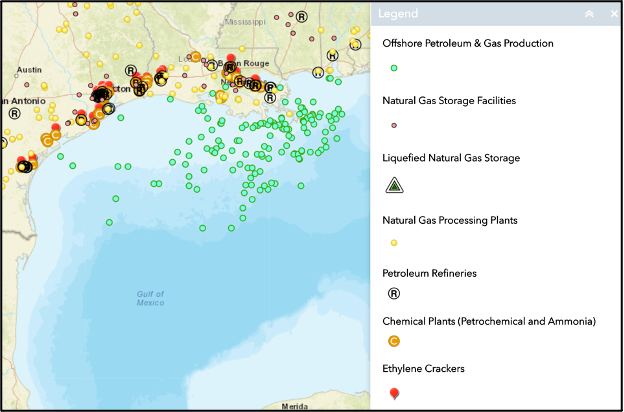
Early mapping of the “offshore” region of the OCS suggested an area of planer that Trump didn’t have his eyes on, but had a rather spectacular way of unveiling for open leasing on national television, performing as the pitch-man for the offshore drilling companies that had so generously bankrolled and funded his campaign, and which the opening of leases was the final quid pro quo, in the transactional presidency that so deeply relies on an essentially premodern notion of “patrimonialism,” in which the President empowers oil companies to exploit the hidden resources that lie underseas off the continental shelf, and augments its own power by declaring the ability to symbolically open the area to drilling by renaming it–and indeed revealing in how the offshore Outer Continental Shelf Areas of the United States are open to federal control–and the sites for some of the greatest public-private cooperations of all time. What more profitable way to reveal a President’s personal control than dispensing of rights to lease expanded areas for offshore Petroleum and Gas Production that augment areas currently operating in the Gulf of Mexico?
While the initial decision to rename the Gulf date from the raft of executive orders that include withdrawing form the Paris Climate Accords signed a decade ago to reign in global climate emissions, as part of the “Restoring Names that Honor American Greatness” to rename waters of the “US Continental Shelf area bounded on the northeast, north, and northwest by the States of Texas, Louisiana, Mississippi, Alabama, and Florida and extending to the seaward boundary with Mexico and Cuba.” White House guidances discourage federal agencies form publicly referencing clean energy, Gulf of Mexico, Paris Accords or environmental quality on public-facing websites–
–that run the gamut to shift the relation of governance to cognitive equipment that seem designed to compel renaming the Gulf of Mexico to remap Americas’s relation to the globe. For as much as the attention to the region as a repository of offshore wealth removed from sovereign jurisdiction and taxation, the real riches seem to have been mapped in the BOEM’s assessment based on a “comprehensive appraisal that considered relevant data and information available as of January 1, 2009”–or just before Barack Obama took office as U.S. President–of the new “potentially large quantities of hydrocarbon resources that could be recovered from known and future fields by enhanced recovery techniques” which were never on the map–or visible–to energy multi-nationals of the past, but which Trump is now ready to claim as the seedbed for a Sovereign Wealth Fund.
So long, that is, as it is not being restricted in any way by the Environmental Protection Agency, and areas of drilling for gas and oil are taken off of the map for the seemingly petty reasons of preserving our coastlines and national shores. The triumph of a governance over these reserves, technically recoverable but taken off the table by the priorities a few Democratic Presidents set, meant that energy industries were ready to fund Donald Trump’s campaign, to have a person in the White House who as First Among Equals, Primus inter pares, was able to understand the priorities of the energy multinationals to evade regulations and restrictions, and indeed, as a poster boy of the type of evasion of regulation that had hindered energy exploration in the past, would be just what the doctor ordered after the restrictions on offshore drilling boded by the Biden and Obama years. For the areas “withdrawn” from drilling that Trump put back on the table as soon as he returned to office suggested a virtual orgy of offshore drilling with full abandon, of which the Gulf of America could be the poster child for recovering underseas reserves for a new Sovereign Wealth Fund.
If the areas that President Biden removed from future leasing for oil and gas are now indeed unavailable online, having been purged from the newly unveiled Department of Interior website, as if the Gulf Waters were internal to the nation. Amidst discussion of the attempts of the government to preserve coastal economies, protect marine ecosystems, and protect local economies from the environmental impact of drilling for gas and oil were taken off the table by the Trump administration, to end the “war on offshore drilling” that Democratic presidents had long been waging at huge economic costs to the nation.
The suggesting of eliminating the Climate Crisis, Gulf of Mexico, and climate science at one blow from the national lexicon of governance suggests an inauspicious triad. The shuttering of office of environmental justice by the Environmental Protection Agency to assess environmental damages is a nation-wide blitzkrieg of unprecedented scale, transforming the environmental monitoring of the hundred and fifty factories packed into an eighty-five mile stretch of the Mississippi River recently mapped as a Cancer Corridor–suggest the new mandate of the agency as preserving business more than a healthy environment. Indeed, the map of the Gulf of America watershed below shifts focus from that river’s watershed to a coast that “is ready to protect” to “power our Great American Comeback”–placing a premium on a vision of government as a business-model of enabling metro-chemical industries by tapping the rich reserves of hydrocarbons that are so abundant on its floor.
If the “Gulf of America” is seen as an extension of the United States even beyond Central America in the public-facing map of the region the Environmental Protection Agency sports as its splash page-
–the map is odd in its erasure of the United States-Mexico national border that was so foregrounded in Trump’s first Presidential campaign, and suggests the new view of autocratic government from Washington Big Oil wants to promote, of a blue watershed from rivers that flow to a bay rich in reserves of hydrocarbons in its depths, where 97% of offshore energy gas and oil are extracted, without environmental oversight.
The largest body of water in North America is now firmly part of American territoriality–and the area producing a fifth of crude production in the United States was gonna get bigger, boosting the onshore oil refineries already refining 45% of the nation’s oil and processing 51% of its natural gas. The boondoggle gift to energy companies would be quite the bonanza for the petrochemical hub. Indeed, if the United States ranks relatively low on the list of nations with proven reserves of oil, the sudden amplification of offshore oil production would not only reverse the ban Jospeh R. Biden issued on his way out of office–
–but boosted the low-ranking of the United States, one of the largest consumers of oil, among global nations with proven reserves of crude of their own.
The map illustrates the seriousness of seeing government as a business, not a duty of governance. The five million acres of the watershed suggest the of which only 2.4–less than half–are currently used for offshore oil and gas development, of which 1.7 million acres were but recently auctioned off by the Bureau of Ocean Energy Management (BOEM) the previous year, but more deepwater sights are to come. And even if the Supreme Court has deferred the recent demand of Gulf States to obstruct environmental lawsuits from being brought, a further curtailing of EPA authority, the prospect of an “EPA [that] is ready to protect” a region that combined the drainage basins of the Mississippi River and the Drainage of Basin of the Gulf from other waters, is a virtual land grab, not by any war but as a fait accompli. But the new nomenclature seems a bit like herding sheep; Google is sort of ready to play along with the name purge, and the sovereignty claimed over the deepwater regions of the Gulf in the newly mapped “territorial waters” of an Expanded Continental Shelf (ECS), surveyed over the past twenty years as if in preparation for a Trump Presidency, augmenting grounds to extract hydrocarbons and mineral wealth–expanding the national offshore perimeter to the continent’s “submerged edges” expanded, for ten million, the nation with the “right” to remap waters proximate to its national territory–and considerably expanded its wealth. (And these are the folks who call Social Security a Ponzi scheme! They know from where they speak.)
Google Maps
Google Maps rather lightly adopted the new terminology in a modestly sized low-visibility font, perhaps as if hoping that the name of aqua font seep into the waters that it colors baby blue that almost masked the real territory on the deepsea floor over which Trump sought to assume leverage by disassociating it from Mexico entirely, and promoting the deepsea regions believed rich with gas and oil alike of the Extended Continental Shelf as American territory.
Compliance was shockingly swift in the weeks before the map was rolled out–on Trump’s flight to the Gulf States to attend the Super Bowl in New Orleans, where he must have shared high fives with Louisiana big wigs. The Coast Guard proudly adopted the change form January 21 to describe the maritime border between Mexico and the United States, as weather alerts across the Gulf States, but the remapping of the Gulf faced some pushback as a new way to envision the nation won. Despite the resistance of the AP, the apparent victory of a legal decision that the White House could ban news offices who failed to adopt the name from the White House and AirForce One if they retained Gulf of Mexico seemed a victory of sorts. Trump’s Press Secretary claimed befuddlement and a false outrage that befit the Trump administration, while deflecting where the decision to adopt the new name originated in government. News outlets who disseminated “lies” as they “don’t want to call it that” disguised “it is a fact that the body of water off the coast of Louisiana is called the Gulf of American” Apple and Google do, she noted. (The New York Times and Washington Post considerately don’t to not confuse global news markets; FOX embraced the new nomenclature.)
The new map was presented on twin monitors at a news conference after the judge supported the new policy of disinviting the Associated Press to the Briefing Room, Oval Office, and Air Force One, as if it to spoke for itself, revealing an objective reality following the guidances for “Gulf of Mexico” among the growing list of name to disappear from public facing website, federal communications, and instruction–the list from “clean energy crisis” to embraced “Native American,” “hispanic American,” and even “orientation,” that might make one think the purge was cartographic, as well
For in excluding words from governmental language, we are impoverishing our own relation to the world. And the apparent victory came that the White House was not being punitive to restrict access to the President to those adopting the change in name of the largest body of the water in North America surely recast that body’s relation to sovereign space in ways that curtailed our understanding of global warming, and global relations, as well as concluding all transnational projects that were hoped to attract investment in the prospecting of energy from the Gulf.
The renaming is the latest foray of a decisive turn to running government like a business, rather than a government. The purging of the Gulf of Mexico from the Geographic Names Information Systems served “to reflect the renaming of the Gulf and remove all references to the Gulf of Mexico” was mapped on the two monitors placed on either side of the podium, emblazoned with VICTORY in telltale all caps, feeding news agencies with their basic talking points as a way of remapping America’s orientation toward the world. By visualizing a body of water on which American oil companies have long had their eyes, the Trump administration seeks to leverage as a vital resource for sovereign wealth–and the seedbed of a Sovereign Wealth Fund for the United States.
The maps foregrounded the gulf states’ new ties to the body of water had premiered on Air Force One, quite eerily as it flew above the waters, as if a mobile White House, as the President, flanked by the Interior Secretary Doug Burgum and his telegenic wife, symbolically claimed the region as a part of the interior. This was a declaration of enforcing compliance with the new mapping of the United States in the world in an era committed to make America Great Again.
The Executive Order to “honor American Greatness” was already a lot to unpack–partly because it assumed, MAGA style, that American Greatness exists and was able to be restored. The rebranding of a body of water uncannily transposed the language of conservation and coastal restoration to monetize the region as a hidden and untapped reserve. “Names that Honor American Greatness” mapped the basin’s “bountiful geology” not as a site of migrating wildlife or coastal habitat, but as “one of the most prodigious oil and gas regions in the world,” offering untapped reserves of crude and “an abundance of natural gas,” for big oil industries to “tap into some of the deepest and richest oil reservoirs in the world.” Beside being “home to vibrant American fisheries, teeming with snapper, shrimp, grouper, stone crab, and other species,” the environmental map dismissed risks to its delicate habitat before “the multi-billion dollar U.S. maritime industry.”
The excuse of adopting patriotic language sought to access untold bounty and plenty. The renaming mapped the waters to hint at the potential benefit of extractions–not yet mapped for public audiences–optimistically estimated by Trumpian exaggeration of “truthful hyperbole” at a hundred trillion dollars in “assets” of untapped oils and minerals. The hyperbole set the stage to create an expansive Sovereign Wealth Fund for United States overnight by clever mapping tools, of the largest sovereign wealth fund in the world. Despite recent hopes to combine a “US GoM” and “Mexican GoM” into a single commercial unit in an international investment community, renaming part of the Gulf so bluntly diminished any potential hopes for regional synergy, expanding access to the West Florida shelf and Louisiana slope, as well as the Mississippi fan, for Big Oil: extant offshore maps had constrained the expansion of offshore drilling in a basin where proliferating technologies of extraction were poised to exploit its resources far beyond the million oil wells already drilled in offshore shelves. The hope of expanding the number of deepwater rigs, without attracting any investment in the fifty-five deepwater rigs in Mexico’s national waters, was designed to promote America’s wealth, rather than to maximize resources of extraction.
The removal of the deepwater reserves ‘from’ the Gulf of Mexico seek to move the deepwater regions into the Expanded Continental Shelf of the United States, making it a source for sovereign wealth for future generations, in ways that move deepwater reserves into sovereign territory–
Of the Fifty Thousand Wells Drilled in the Gulf of Mexico, only Fifty-Five Existed in Mexican Waters
–as if moving the boundaries of marine territorial to include licenses to lease deepwater lands after the congestion of existing drilled wells, the name change conceals the hope to sell rights for drilling new wells into a region that was quite recently named the Gulf of Mexico. The body of water was defined mostly by American wells–but fifty-five were drilled in Mexican waters when Trump was elected–expanding offshore abilities to drill shelf and fans would end a moratorium on offshore drilling suggested a huge cash windfall to boost Trump’s ideas of a Sovereign Wealth Fund.
Although we imagined that the barbarians crossing government barricades would arrive from the edges of empire, the edges from where the acting President had been mapping threats of their arrival for five years, imagining the crossing of caravans from south of the border with near anticipation, these barbarians arrived from all over the nation, from outside of the gridlock of Washington, DC, but to the Capitol building, to reclaim it for the people. While we focussed on the crowd assembled at the Rally to Save America as an event announced as an event that “will be wild,” on December 19, as if to make plans before Christmas to attend a final rally in Washington, DC, a final event to “swing victory to Trump” on the eve of the inauguration of Joseph R. Biden.
Trump approached the crowd of admirers less as a farewell speech than one energized by being surrounded by MAGA gear, affirming losing the 2020 Presidential election was “statistically impossible” to an assembly he had convoked to affirm “Today is not the end. It’s just the beginning. This might seem the last address he would offer to the nation, or perhaps it was the first address to a new nation the would arise, phoenix-like, from the destruction of old election laws and the fire that presaged the end of an earlier regime that would arise, as an old new America, from its ashes–not only a domestic resurgence of a Christian right, but a revisiting of the tortured reinterpretation of the confused message all but evident in the tea leaves of the electoral map.
Trump’s speech intentionally triggered the onrush of a crowd. His words created a set the stage for a reversal of the election’s results–and led so many of the MAGA crowd to bring election garb and flags to the event organized to stave off a peaceful succession. The January 6 Committee found Trump consciously energizing the armed crowd to charge the U.S. Capitol–a script that echoed Hitler’s instrumental use of lies to undermine the workings of government by appealing to a love of country and nation to the Nazi party. But his energizing of the crowd created an energy among them that ran around the justice of the nation’s governing body. Trump recast the election as invalid, and the incoming President as a criminal, enabled by a corrupt system, and demanding the reform of electoral laws as a legal end-run to secure his Presidency, all but intimating saving the country by an overthrow of the government–“calling on Congress and the state legislatures to quickly pass sweeping election reforms, and “you better do it before we have no country left,” he began his speech by saying, in an End of Times rhetoric, even as he assured the crowd that it was “Today is not the end. It’s just the beginning.” If his speech animated a March on the Capitol that would end in a disastrous fiasco as much as Hitler’s 1926 Munich Putsch, it may have allowed a new theater of the creation of national martyrs–as David Gumpert has argued–it mobilized a politics of grievance that was as steeped in fundamentalism and white christian nationalism and forged in a media ecosystem that whose retaking of the nation from news media that were “the enemy of the people,” as if convoking a personal redemption and a redemption of the nation.
The attention was heightened by what was a final chance and opportunity to reverse the incorrect results of the national election, resolving and a moment of a crisis of state by revoking the election and changing election laws to recognize the true nation he had assembled in the Ellipse. Trump electrified the assembled crowd to ready themselves to advance, as a crowd, united if not recognized by the media, to move across police barriers, past the capitol police, into the halls of governance, in a collective body, trying to fill the legislative chambers to retake the nation. Were they not being given permission to enter teh halls of state from which they had been wrongly exlcuded? Trump would recast January 6 not as an armed insurrection but as inevitable: one of those “things that happen when a sacred landslide victory is so unceremoniously & viciously stripped away from great patriots who have been badly & unfairly treated for so long.” The issue was personal, but far beyond personal, as it reflected the entire question of the security of the nation on which he had entered politics to defend, and with which his entire public service career had been oriented toward protecting: “This is not just a matter of domestic politics, this is a matter of national security.”
How can we question Trump’s responsiblity for orchestrating the attack on the hall of governance? The crowd was energized to assemble as if they were the true representatives of the nation, annointed by their ties to him. Trump had staged an attempted coup–or a half-hearted attempt to improvise one–inviting admiring acolytes to “walk down Pennsylvania Avenue” as a body to halt the joint session of Congress tabulating electoral votes–in an invitation to enter the halls of government with violence to overturn the election on that day, or create a good story of preserving the nation–and capital-“C” Country. The term “Country” invoked over forty times in speech transcripts are not capitalized, but he ad-libbed an invitation supporters to move toward the Capitol, framing the march as an attempt to prevent what “will be a sad day for our country,” urging them to “stand strong for our country, our country [as] our country has been under siege for some time,” invoking opponents eager to “hurt our country,” reminding them, eighteen minutes in, “you’ll never take back our country with weakness.” The “lying media” failed to report even “the magnitude of this crowd”: “Even I, when I turned on today,” identifying him as just another ember of the collective television audience, “I looked, and I saw thousands of people here, but you don’t see hundreds of thousands of people behind you because they don’t want to show that.” The rejection of the story or the judgement that he had lost the election, broadcast on news and by tabulation machines, was also not the full story, but was only a false story that the crowd must reject, as they assumed their true nature to remake the nation, energized by his speech.
Trump had elevated them as the real, true representatives of the nation, able to forestall a sliding of national grandeur that would leave the actual borders of the nation, and the border walls he built, and had campaigned on, vulnerable to the barbarians. He had, he told them, “ever seen anything like it.” They were ready, indeed, to become the new barbarians themselves, lest they invite the barbarians waiting at the border to invade the nation. And they had come, he assured them, as a mirror image of the barbarians or refugees that were waiting at the border, “from all over the world, actually, but they came from all over our country,” ready to reverse the false results of an election which “they rigged . . . like they’ve never rigged an election before,” evoking the fears of a “rigged” election of 2016, rehabilitating the word to which the audience would have cathected, as he converted them into an image of armed barbarians ready to enter the chambers of government. This was a false populism like never before, equipped with a vendetta of betraying the basic promise and function of representation.
Telling the rump of constituents that had congregated at the Ellipse they were “protecting the country,” the master of extended ellipses crafted a speech at the Ellipse rich in innuendo and and suggestion of danger to the nation–and mentions of “Country” that the transcripts of the speech cannot fully capitalize. The identity of the crowd that Trump created was planned over the long term–not crafted in twenty days between the call to assemble in Washington DC on December 19 and January 6. We might well map the arrival of energized participants in the culmination of Stop the Steal rallies across the country, a rally that promised to Save America as if to echo the end of times, by flared arrows, as they migrated down Pennsylvania and to the Capitol, as if on the street directions issued by the outgoing President.
Trump was verbally mapping an image of a dysfunctional country, where other barbarians were standing at the gates, not at the Ellipse. Channeling the rhetoric of hell-fire preachers promising redemption and national will, as if to go back in time to undo the election as Inauguration Day approached, the question of whether the crowd gained its unity as the President spoke, urged on by militant groups on the way to the Capitol may be debated. The master of the ellipsis found his stride at the Ellipse, basking in the display of signage and flags, perhaps, to stray from his Teleprompter to improvise an ad-libbed call to advance to the capitol, directing his followers to advance to the Capitol building as if to sanction their unity as a violent group, before they moved toward the Capitol grounds and moved to breach its perimeter, and the “rally” assumed new organic force.
The almost entirely all-white crowd of men–and very few women–carried signs of starkly ideological bent that seemed to overflow on television screens, as if designed to throw civil society off balance rather than allow the election to conclude. They mapped their own progress in the name of the multitude of flags they bore, dominated by the flags of the election that they refused to admit they had lost, as if to elevate the claims of election fraud Trump promoted as a crusade for the country. The crowd he assembled so provocatively, heard how a “system absolutely, totally rigged” had led to a stolen election was not only marked by “massive, widespread, total fraud,” as he had insisted since November, but had found the moment to “fight to expose this voter fraud and demand transparency and election integrity” by advancing to the Capitol. The call to erase any gap between political representation and voters was a call to arms masquerading as a call for transparency, mobilizing a crowd as truth-tellers who might invade the Capitol while fully armed as one body. When Elias Canetti pondered the force acquired by a crowd as an entity, and the consolidation of a crowd in terms of an elemental power, he addressed fascism, but also raised questions of the responsibility by which a crowd could be invested that seem to remain on the table after the hearings of the January 6 Committee have ended.
If the January 6 Committee after exhaustively interviewing the Trump White House staff and campaign associates found Trump consciously assembled and riled up a crowd to enter the Capitol to prevent the ceremonial transfer of power, creating a crowd as the crucial backdrop of consensus to flaunt the election’s results and to rewrite history. The staged coup was a way of marking a final attempt to retain the Presidency, it may have echoed the prominence that Hitler would assign the Bavarian Beer Hall Putsch in his prison memoirs, the forward to Mein Kampf, a book Trump once kept on his bedside, and that echoed the disgust with which Trump queried the loyalty of the American military while in office–“You f—ing generals, why can’t you be like the German generals?”–as if to model the subservience of the American military he imagined German generals had for Adolf Hitler, shortly after his election, in 2017. Hitler had commemorated the 16 party members killed by state police as he tried to kidnap government leaders by gunpoint became the propaganda victory for the Nazis, calling them martyrs in the preface to Mein Kampf, and burying them in “temples of honor” in downtown Munich where he staged party rallies to their remembrance on the anniversary of the putsch even after he was elected chancellor, celebrating their devotion to Germany. Trump had not only adopted increasingly violent language by the summer of 2020, but was immersed in these speeches: presidential historian Michael Beschloss set off a social media flurry over Trump’s relation to Mein Kampf or a volume of collected speeches My New Order, a sequel of Nazi propaganda repeatedly cited the Putsch as critical point of the Kampfzeit and sacred history of the Nazi Party– Heilsgeschichte–whose martyrs were commemorated in national parades in the German Reich, its “martyrs” buried in sacred temples.
By 2020, the concept of an “insurrection” had suddenly come home to roost, ready to be staged for national television, as the term if it loomed large in people’s minds. The nativist tenor of the March on Washington seemed reflective of a weird, old crazy America, reborn to prevent a stolen election, and the dire consequences that from such theft–as if it were akin to a new Original Sin, might ensue. The advance of barbarians were invented by the founders of democracy, the Greeks, Mary Beard argued, animated by the fears that their conquest, either imaginary or real, would be destined to triumph–from Persia or, later, from tribes living in German lands–but the fears were born from the awareness that the true barbarians lay within their midst, even if the fears were projected beyond the borders of the democratic nation or the boundaries of the city-state.
Barbarians Who Attacked and Destroyed the Roman Empire
Barbarian Invaders Filling the Vacuum of the Disappearance of Late Roman Empire, c. 480 AD
The entrance of migrants into the United States is perhaps a primal fear of globalism or globalization among the Trump crowd, of crossing boundaries, breaking boundary lines, and violating the nation and its sanctity.
We had all been waiting for barbarians for some time. The President had, for over six years, mapped the threat of the barbarians advancing from across borders as a security threat. but these barbarians came not from Mexico. For those ready to accept a wall between the United States and Mexico as a function of good government, it made sense to breach the Capitol, lest that border wall not be built . The fear that the charismatic leader who had been elected against the mainstream media’s prediction, and the interests of political elites, was about to be removed from office, and the borders of the United States in danger of opening to immigrants, gangs, and drugs, in the imagery of Trump supporters who feared the rising tide of globalism that Trump had staunched about to overwhelm the nation. He had declared a national emergency against the threat of the arrival of migrant caravans, and the arrival of “unprecedented numbers” of immigrant refugees at our borders.
The energized crowd surged over barriers to cross the perimeter of the U.S. Capitol lest forces of globalization from entering the nation to undermine its sovereignty, but entered the capitol only to venting their rage and vandalizing the government building. The barbarians entered the gates of government to prevent the erosion of the nation and follow the call to Make American Great Again–national integrity was in danger of being undermined, insisted online misinformation, detailing how nefarious foreign forces had shifted the result of the 2020 vote, as the software of electronic voting threatened to disenfranchise Republicans and end democracy. The danger of the subversion of the vote would require complete auditing of votes, lest ballot counting systems be allowed to maliciously delete over 2.7 million votes by voting systems in twenty-eight states, from Pennsylvania to Michigan to Georgia–causing rioters to arrive from all over the nation to defend the President, if we track those Proud Boys who arrived in the Capitol by their geotagged tweets.
Vigilantes had patrolled the border for years, animated by an ethos of defense of national borders, and mobilizing within the Customs and Border Patrol to find meaning in the slogan to defend deportations of migrants that “we need strong borders,” and “we have no country if we have no border,” as if he were defending American families, and the “blood” of those families, and celebrating his defense of borders and accusing his opponents of open borders. But the border of the U.S. Capitol was rendered open on the morning of January 6, 2020, as the Congress was about to confirm the electoral votes as barbarians entered, as if invited, into the Capitol, to make their voices heard.
This crisis was occasioned by the sudden loss of a charismatic center, and by the consecration of the crowd with new psychic energy to affirm the restoration of the Trump to power. With YouTube channels live-streaming fake projections as maps of election results as polls closed to hundreds of thousands, framing the narrative of the election as a theft of the nation, as self-made maps proliferated and confused all clear consensus and interpretation of electoral results, it made sense to enter the halls of government to force the issue of Presidential succession in a decisive manner that was fully merited by the distortion of the electoral results, and the incorrect tabulation of ballots, lest America was going to just stand by.
The poster and invitation to the event that was disseminated online in December as a last stand of indignation didn’t specify a time or location at first, when issued online, but the meme generated energy from across the nation, with an energy that evoked not only the fear of the end of a Trump Era, but the fears of an end to the collapse of a vision of globalization, maintained by that charismatic center, a wall built around the nation against immigrants more than against Mexico, a defense of unfettered wealth, and white privilege, a call-and-response rally able to generate a massive dynamo of popular wildness and will to secure America’s red, white, and blue whose philosophy was all there in black and white set the terms for the license of January 6.
Call to Protect Election Integrity
Trump sanctified the crowd, as the Preacher in Chief, as an alternative assembly of the nation. This was a nation whose borders we could strengthen by overruning the Capitol itself. Did Trump aim at creating a similar moment of national commemoration, akin to the bizarre National Garden of American Heroes he had imagined on July 3, 2020, while attacking the “angry mobs . . . trying to tear down statues of our Founders [and] deface our most sacred memorials”? The rhetoric of sacralization that was implicit in Trump’s address may well have anticipated a memorial of a scene that was of truly historical proportions, Trump implied, for those who were willing to participate. It was an alternative history in which they could take part, akin the bizarre Garden of American Heroes that had been the closest attempt he had ever made of a positive map of America, rather than one bound by poured concrete walls.
If unprecedent increased levels of cronyism, corruption, clientism and graft in Trump’s Presidency are traced to the robber barons of the nineteenth century, and gildied age as an era elites controlled without government oversight, it is far more helpful to tie the absence of norms to the corruption endemic in Russia long before 2015. For as the rise of Vladimir Putin to power 2000 marked a license in bribery, extortion, and outright misuse of funds, unprecedented in the former Soviet Union, the search for a sense of stability in the destabilized USSR led to a search for new icons in the midst of increasingly rampant political corruption and cronyism. The lost story of the iconic production of new figures of Columbus, as if a modern strongman of a new era, were produced in Moscow by the favored sculptor of the city’s Mayor, Zurab Tsereteli, in a massive onslaught of statuary that, if we have perhaps focussed on our homegrown statues of Columbus the white Italian navigator, seemed to as calling cards of a bizarrely evocative authoritarian statuary that replaced the monumental statues of Marx, Stalin, and of course Lenin, stood for a new canon of statuary that might slip under the radar as it was gifted to European capitals, New York, and the United Nations.
Despite the seeming stability of monumental effigies that command trust, we can trace a search for stability in the inflated sense of self that attracted Donald Trump in this statue of Christopher Columbus as a crusader expansively surveying the Hudson River, shifting Columbus from the site of New World contact he indeed made landfall on October 12, 1492, by remapping that moment as a token of the massive restructuring of global space, and perhaps time, in the ethnically heterogenous melting pot of New York, in what is a precursor and universal model of white supremacy. It is perhaps no secret to readers of this blog that Donald Trump’s first public outing in uniform was on the streets of New York, in a staged Columbus Day parade, just months after my birth, that he commemorated as his first vision of Fifth Avenue property but must have also seen, as a seventeen year old boy, as his first taste of public power, on his own, as he led his regiment down the storied public street where it was no secret he would plant is own flagship hotel. The grainy image of Trump strutting in his costumed finery, Soward in gloved hand, was far from combat, but may have provided the first glimpse of the power of a public parade before an awe-struck urban audience, that made him feel at just age seventeen basking the object of collective attention without ever needing to go to fight in an actual war.
Donald Trump Leading New York Military Academy, Columbus Day Parade, October 1963
If the Columbus Day parade was Trump’s first public outing as a soldier–a new identity he did his best to avoid by delaying his demployment to active duty four times due to education, before going on to receive a fifth medical deferment from Dr. Larry Braunstein–no relation in so far as I know or am aware–five years later from a podiatrist who rented his medical office in Trump’s father’s buildings who held off increasing Dr. Braunstein’s rent, bolstered by the letter of a second podiatrist who won an apartment in another Trump property. By the autumn of 1968, when after having graduated, he won a fifth deferment, Trump looked back on the Columbus Day Parade as a symbol of the extent of his duty, secure that while “I wasn’t going to Vietnam,” he was justified in the sense tat “I was in the military in the true sense,” as if wearing the epaulets on public parade with the New York Military Academy on Columbus Day was particularly memorable, identifying himself proudly with the commemoration of Columbus as if “in the military in the true sense.”
The story of Trump and Columbus. has been understood in terms of his jingoistic patriotism and pro-American claims. But the statue that he helped arrive in lower Manhattan, as if a rebuke to the Statue of Liberty which it would face, eerily parallels Trump’s first entrance into the political stage, as if the negotiation of a possible hotel in Moscow might lead Trump to parlay his popularity among real estate developers to secure a gigantic statue of Columbus for a new riverfront propriety in New York he was developing, seeking to erect the colossal statuary of the Renaissance navigator in the Hudson to prove he was a person of weight–if the statue never arrived on American shores.
The evangelizing statue of Columbus as a Renaissance Man was perhaps in keeping with the 1970s, or even 1980s, but was a massive monument of kitsch. By transposing the taking the site of contact with the New World to stand for the complexities nd the clichés that solidified a confusion of aesthetic and ethical, or elided the ethical, solidifying the romantic image of Columbus as a discoverer that had become an almost empty cliché into what announced itself as a monument of global art whose kitchiness intimates a universal scope anticipates in uncanny ways the universalism has brought to his first and second presidencies. If Trump has been taken as seeking to control the political party, the unitary executive, and the economy and legal norms as President–a vision of supremacy far from the founders–his promotion of this statue of the Genoese navigator who had been claimed as a Founding Father and hero of white supremacy in the nation’s history.
The statue that Donald Trump desperately wanted to rise off the shores of Manhattan island’s west side, in easy visibility of the West Side Drive and just at the start of the Circle Line sightseeing cruise-ship that takes tourists around the island, would be a new symbol of his latest luxury apartment towers, and a vouchsafe of his truly American identity, indeed positioning him, perhaps, as a Presidential candidate and political worth taking note. Perfectly positioned by being situated at the start of the Circle Line–long a serious attraction promoting the city–the monumental statue might take its place in their flyers, beside the Statue of Liberty.
Circle Line Route along Lower Manhattan: Statue of Liberty; United Nations Building; Brooklyn Bridge
And the manufacture of an icon of stability that demanded attention on a global scale might be traced to the never completed project to construct a monumental 17-ton image of Cristopher Columbus, entitled “Birth of the New World, off the shores of Manhattan in the Hudson River, in a crazy Ponzi scheme to promote Trump’s political entry by the figure of the navigator who had become an accepted icon not only of Italian American identity, but of white nationalism from the late nineteenth century. The hyper-masculine identity of the figure of Columbus as a great discoverer the Georgian-Russian painter, sculptor and architect Zurab Tsereteli had designed already had arrived in 1995 as a gift in Seville’s San Jéronimo Park, emerging from an egg as a fully formed modern man–as if to erase the question of his origin or questions about his heroic intent–holdin a scroll that seems an alternative scriptures to herald the birth of a New World.
Zurab Tsereteli, Nacimiento de un Hombre Nuevo (1999)
The monumental statue update the iconography of the self-made Renaissance Man. The gift from Russia commemorated the five hundredth anniversary of the arrival of Columbus in the Caribbean island of Hispaniola, using a new artistic repertoire of artistic kitsch to create the largest statue in Spain in order to to commemorate the anniversary of the arrival of Columbus in the Caribbean in 1492, at forty-five meters, but became a target for repeated vandalism and theft of its copper plates, the local government looking the other way at attacks on the pretentious gift of Moscow’s City Council. The triumphal image of the navigator as a robed prophet appeared in a new authoritarian guise, more in keeping with the twentieth than fifteenth century, despite the austerity of the robes by which he was draped. The statue looking out over the Atlantic Ocean, as if he already spied the island of Hispaniola, stably standing on the shore of Seville, a Man of the New World,–in a symbolic rebuttal of the new recognition that was won of the emergent role of Mexico and of Central America in the ceremonial route by which a woman runner carried the Olympic flame from Athens the navigator’s home in Genova to Mexico City in 1968, in symbolic recognition of the emergence of anew world order in hope to inaugurate a truly universal global playing field.
The Route of Caryring the Torch from Athens vis Genoa to Mexico City for the 1968 Olympics
The conscious attempt to echo the path of the Genoese navigator by stopping at Hispaniola before entering Mexico and crossing land to Mexico City was meant to signify and celebrate the potential investment of the large metropolitan center as the focus of the global games, and international recognition of the recognition of Mexico’s national modernity, even if the festivities were to be marred, in historical memory, by the demands for more democratic government of students, and response of the violently repressive Tlatelolco massacre–and the protests in a final ceremony remembered by the internationally broadcast fists raised in a black power salute of American runners Tommie Smith and John Carlos, an iconic contestation of racial oppression that undermined the carefully stagecraft of promoting the arrival of a Mexican Miracle.
The new white supremacist President was a throwback, of course, who had claimed Columbus as part of a white supremacist pantheon. Donald Trump would of course use the White House as a backdrop to accept the Republican Party’s nomination as candidate in 2020, he noted that the seat of executive power “has been the home of larger-than-life figures like Teddy Roosevelt and Andrew Jackson, who rallied Americans to bold visions of a bigger and brighter future,” revealing unprecedented aspirations to monumentality. They seem little changed, in a sense, from the use of Trump Tower as a backdrop to present himself as a political candidate in 2016 and for his decision to enter political life. (Trump in 1990 confessed Trump Tower was a critical “prop” to continue the show that was Donald Trump to sold-out performances; in 2016 he used the border wall was the prop to claim and magnify Presidential authority.). The Russian production of these monumental figures of a heroic navigator were however the creation of a new global canvas, or the promoting of a new globalism–the robed navigator became recast in monumental terms he had never been seen, as an authoritarian figure, erasing the fact that he brought enslavement and diseases (smallpox, typhus, measles, influenza and more–a new range of bodily symptoms indigenous healers were stumped as they had never seen or developed adequate responses–
–before which they were as powerless as the the current spate inoculations we receive each winter remind us still survive–and we may soon be as susceptible, if anti-Vaxxers prevail. The diseases nearly extinguished a foreign civilization, arriving with the pigs in Columbus’ ships rapidly spread a virulent swine flu, reminding us how much globalization is tied to virulent diseases’ spread, beyond questions of economic traffic, and displacement. Yet memory of violent displacement of indigenous was a memory this figure of a monumental Columbus seems determined to seek to erase, preferring to echo the standard images of demonstrations of obeisance and tribute money from natives that became artifacts of the inevitable spread of empire.
The studio of this Russian sculptor become a clearing house for concrete monumental statuary that seemed to advance a new notion of globalization of smoothing over edges and naturalizing wealth inequality. The ungainly heroic statue the same Russian sculptor designed of the Genoese navigator that Donald Trump hoped to bring to New York to survey the Hudson River only found its home as a tourist attractions when the tallest sculpture in the western hemisphere was constructed in 2016, the year of Trump’s own first inauguration as U.S. President, in Puerto Rico, the only part of lands in American jurisdiction to accept this freighted totem of political theater and monumental folly. Despite the failed petition of the Taíno people to have the triumphal statue refused as an emblem of genocide, the bronze statue of nearly three hundred feet that had arrived in New York in 1991 has been itself the subject of global migration, the offer rejected from six cities in North America, at the invitation of a local businessman, making landfall far more closer to where Columbus had–where he now waves, in eery abandon, from the shores of an outpost it was finally installed. The bronze assemblage Trump had gushed in 1997 to Mark Singer he was “absolutely favorably disposed,” describing the “great work” of forty million dollars in bronze material alone Moscow’s then-Mayor would “like to make a gift of” was boasted to be the being work of an artist both “major and legit.”
The artistic value of the sculpture can be long debated, but marked a map of the global relations of Europe to the New World by a totemic artifact of a Renaissance Man. It had been decided by the time of Donald Trump’s descent down a gilded escalator to announce his political candidacy in the kitschy atrium of Trump Tower–an event that has already faded in the public memory to the long ago past–to relocate the statue from its prospective site at New York Harbor, beside the landfill properties Trump owned, whose water rights he treated as a potential site for its erection. Was not th garish structure a model for the breaking of aesthetic categories that has become the hallmark and feature of the Trump Presidency, from the redesign of the Rose Garden to the interior of the White House, which seemed increasingly able to be transformed from public property of the nation to a replica of Mar a Lago as if it were the personal property of the occupant of the Oval Office?
The erasure of sovereignty that is marked by the mask of kitsch art that Trump embraces offers a false monumentality that resembles the nation, and national sovereignty, but is only a hollow substitute for a nation or national past. One thinks of the sculpture park that Trump hopes will monumentalize “giants of our past” that Trump has selected–Billy Graham, Whitney Houston, Sam Houston, and Antonin Scalia–are planned as a virtual payback to the nation, and would feature a version of Columbus, in ways that recall the attraction that the monumental brutalist statue of the navigator who has become a target of historical reassessment blamed for the start of the slave trade and extermination of indigenous, as much as a discoverer. If the unexpected Presidential candidacy of Donald Trump reset on the exhortation to remake the nation, a line may be traced for the show Donald Trump to the unethical corruption of Putin’s rise in the appearance that Trump promoted of a rather garish monumental statue of Christopher Columbus he hoped to place in New York harbor, beside his latest planned development, that might someday be recast as a forgotten bid to enter national politics wedded to a quite reactionary vision of the glorification of the navigator as a celebrated hero of America’s past, and a focus on American “greatness” that was rooted in kitsch and on the falsification of a past grandeur of America’s past, a traffic in monuments that Trump seems quite keen on making central to his Presidency and legacy.
The monumental statue that would take a place in the Hudson River as a spectacle of power, able to rival and replace the Statue of Liberty as an icon of masculine strength. Unlike the marble statue of the Genoese navigator given by the recently created Italian government to Philadelphia’s Marconi Square in 1876, positioning Columbus above a world map that foregrounded North American and not the United States, the Renaissance Man on a ship’s deck on its transatlantic voyage was a monument of neofascist kitsch, outside time and space. If Italiy’s government had obligingly presented the marble statue atop a globe tracing North American as if rendering the navigator’s inner mind, in “Anniversary of the Landing of Columbus, October 13, 1492,” as “a tribute from Italy to America” at a time when Italian immigration to America had not yet really spiked, the Russian statue borrowed not from neoclassical statuary or actual likeness, but a brutalism widely mocked. The nineteenth century statue celebrated political independence from a new Republic, independent ffrom its royalist past of the House of Savoy, whose heroic cast reflected aspirations to nationhood in a center of republican reform, within a tradition of artistic portraiture–
–the monument marking a political turning point to the foundation of Italy as a republic America’s political stability during its first century as a republic, a brilliant gift of state returning Columbus’ likeness to the city seen as its first republic of letters in the colonial era.
The marble statue of Caroni has been since removed from public prominence from 2020, at the recommendation of the Philadelphia Historical Society; but the gift from Moscow of a monumental Columbus was less of a gift of friendship or republicanism, than the result of the global exchanges and aspirations for monumental grandeur in a figurative vocabulary that abandoned any trace of realism, historical accuracy or specificity, and as an icon of Christian authority.
The statue that would have arrived in New York Harbor thirty years prior is a model for Trump’s romancing of the monumental, and of his denial of the aesthetic tastes of elite culture or occidental norms of ancient leadership, more resembling the kitsch monumentality of the steel reflections of Trump Tower’s bronzed facade of reflective glass and quite garishly gilded with gold veneer, an architectural travesty to restraint or taste. More explicitly than the kitsch of Trump Tower, since opening as hosing condominiums in 1984, provided a precedent for aspirations to landmark status with its varied reflective surfaces. the Columbus statue planned for the Hudson has not been fully situated in the discursive fields of white nationalism, political statuary, and commemoration that it occupied, or in Trump’s taste for disrupting national standards of aesthetics, pandering to public tastes for grandiosity as much as to national traditions. For the massive rather bizarre statue of the bronze sheets that were sculpted as Christopher Columbus, a triumphal statue rom Russia, devised by Russian patrons, provided an eery precedent for the absenting of history from public space.
If Trump Tower was an assemblage of luxury elements, the odd anonymous monumentality of Tsereteli’s import refigured Columbus as a triumphant icon by brutalist standards. It was akin to the Truman monument of the border wall, Trump’s appropriation of Mt Rushmore to address the nation on Independence Day, 2020, or the prospect of Garden of Heroes where Columbus joined John Wayne, Confederate Commander Robert E. Lee and Antonin Scalia currently planned to be at last realized during Trump 2.0. The statue informed, I would argue, Trump’s own uncanny sense of staging himself as a President and public figure, and to the optics of elevating lowbrow aesthetics traceable to the bizarre proposal now only a footnote of his career,–that speaks to his long desire to use public art and monumental structures to present himself to the public, and indeed the ways in which other countries have helped provide a monumentalism that spoke to Trump’s enormous need for validating his sense of grandiosity and ego.
It speaks, also, to the origins of an attraction to the transcendent sovereignty of the state, that has increasingly attracted and dazzled Trump, in ways that seem severed from its defense of laws, individual freedoms, or civil society, a sense of a state as disembodied from the ground, and historically transcendent, commanding respect in itself and its inherent authority–a sense that motivated Trump’s repeated directives in Executive Actions Protecting American Monuments, Memorials, and Statues, forbidding the destruction of statues or monuments by “fringe elements”calling “for the destruction of the United States system of government” although those statues are far removed from any action of government or governing.
Trump ostensibly defended “public monuments, memorials, and statues” both in 2020 or 2024, despite his incitement of destruction of the Capitol building in 2021, as a rejection of the “right to damage, deface, or remove any monument by use of force.” The angry righteousness, so difficult to reconcile to actions of January 6 rioters he unconditionally pardoned, directs deep-seated anger toward the “selection of targets reveals a deep ignorance of our history . . . indicative of a desire to indiscriminately destroy anything that honors our past and to erase from the public mind any suggestion that our past may be worth honoring, cherishing, remembering,” vague generalizations, to be sure, that point to the cherishing of a vision of transcendent authority removed from the actual functions of a government or what might be the functions of governmentality. There heroic statue of Columbus–removed to a storage site in June, 2020–closed an epoch whose commemoration may have begun with the statue of Columbus holding the globe aloft outside the Capitol, celebrated as “the great discoverer when he first bounded with ecstasy upon the shore, presenting a hemisphere to the astounded world, with the name ‘America’ inscribed on it“–only removed in 1956 after considerable indigenous protest.
The megalithic status of Columbus of nearly three hundred feet, the tallest statue of Columbus in the world, was unprecedented in size but as a loaded symbol of the nation, dredged from its past. It had been made for shipment to New York City’s Hudson River–a river the historical Columbus never sailed, where Columbus Day has been long celebrated–and was stored for a short time before the United Nations building, but has faded from history since being shipped to Puerto Rico. The statue’s arrival maps onto the disputes about honoring of Columbus in the United States. The legitimacy of the statue that Trump would present to the nation would not be presented to a nation that asked for it, but be presented as a symbol of legitimacy and authority at the same time that the commemoration of Columbus was debated–started in Berkeley, in 1980, before reaching a head in 1992 and when the Columbus and other monuments were covered in red paint in 2019, and the Columbus statue by Russian sculptor Zurab Tsereteli aimed to commemorate the arrival of the navigator in the western hemispher . The bronze statue of three tons has been effectively deported to Puerto Rico, where Columbus made landfall in his second transatlantic voyage, accepted in 1998 as a gift and potential tourist attraction after it was rejected by six to seven American cities.
Donald Trump’s cultivation of the monumental may have led to a readiness as a candidate for President to seek out the Border Wall as a new national monument. If it is a chicken-and-egg question whether the demand for the wall drove his candidacy or he conjured the spatial imaginary of the wall, the proposal was seized on during the dark years of the Trump presidency as a prop to reveal his commitment to national security far beyond tariffs, trade conventions, and trade wars and revive his presidency or lagging candidacy in what seemed a six year campaign. If the border wall was the marquis event of the Trump Presidency, a site to burnish his legacy and his commitment to ideals, it was by no means the sole prominent he tried to insert in the landscape. But the plans for a statue of Columbus of 300 feet and nearly seven hundred tons in the Hudson River would provide an icon of questionable patriotism.
Would it even not launch him into politics, enabled by the mayor Rudolph Giuliani, whose Italian American heritage would help this truly outlandish scheme of transnational commerce? The statue, which seemed to be designed to overshadow the Statue of Liberty, would mar the river, and failed under the ugly pretensions of its anachronistic image of a cubist Columbus behind the wheel of an ship before three billowing sails, although Trump had eagerly promoted the value of an artist he claimed was both “major and legit,” but whose kitchiness was embodied in the truly “prefabricated signs which . . . solidify clichés,” both imitating representational ideas and motifs central to the cubist avant-garde as tired clichés, not to destabilize global categories whose garish triumphalism is a hollow imitation of art. The statue, which narrowly missed being sent to a junk yard, and was long stored in one, borrows from a mythic Christian image of Columbus as a converter of the wild, abstracting his features to tired cubism and abstracting a triumphant arrival to a place he never visited, by a technology of steering the navigator never knew, recycling representational forms in such disarmingly bad taste that they seemed to stage “discovery” as a monumental spectacle that commanded consent. In ways that bid for a taller monument than the kitsch of Trump Tower, after it had opened its doors in 1983, the statue Zurab Tsereteli hoped to place in the Hudson off Trump’s properties by 1992, to tower above Manhattan’s skyline, north of the Statue of Liberty, whose height it surpassed, never actually arrived or made landfall itself. Seemingly designed to be taller than the Statue of Liberty, rather than trampling chains beneath its feet, as that older monument to democracy and abolition gifted by France, the planned statue to Columbus to be gifted by Russia a century later was a universal ideal of the white Christian. As a statement of kitsch, it would complement the condominium skyscraper of Trump Tower as a monument of kitsch, an absolutist vision of sovereignty without historical foundations and dubious ethical or aesthetic value.
Tsereteli, Discovery of the New World (1991)
Tsereteli’s massive monumental statue was an image of sovereignty and authority, removed from the state and able to circulate globally, unrooted in place or space. Having completed a massive statue for the United Nations, Good versus Evil (1990), Tsereteli was a darling of the Russian establishment, and had proposed global statues in St. Petersburg and many former Soviet satellites, as well as aspired to global renown himself as well as in the United Nations and later in Seville. The three-hundred and sixty foot statue that would be the tallest in the western hemisphere aspired to consolidate and affirm he sculptor’s own renown on a global stage held special significance for Trump as a new stage of monumentalism and of kitsch, and indeed might be examined as a confusion of ethics and aesthetics that marked Trump’s appearance on a global stage beyond Manhattan, and was the fruit of his recent plans to expand real estate empire to Moscow. The arcane financial transactions that led to the monument’s arrival to be proposed to the realtor who had at that point gained only local renown would commemorate the five hundredth anniversary of Columbus’ landfall would have been proposed to several heads of state–including Presidents Bill Clinton and George H. W. Bush–both rejected the monument as a gift of state in 1990, when a prototype of the sculpture in a smaller version was brought to the White House, perhaps seeing little value in celebrating the nation with a gift from a corrupt state–
–the banality of whose openly and unexpressive face is almost explicitly a vessel of the state. The towering monument can be contextualized the new language of statuary monumentality of Moscow, typified by the statue of Peter the Great on the Iakimanka embankment of the Moscow River, recalling the brutalism of Stalinist political culture in New Russian taste, that led to charges of the disfigurement of Moscow by the monuments Tsereteli condemned as “massive and third-rate memorials” of extreme vanity, “truly horrible,” in the words of Boris Yeltsin who visited the statue of Peter the Great that was constructed with the support and endorsement of Moscow’s Mayor, Iurii Luzhkov, who had boldly promoted Tsereteli as a “Michelangelo for our time”–and Trump to to endorse his own sense that “Zurab is a very unusual guy” before local civic groups mobilized in order to tear down the worst statuary Tsereteli had studded the city of such poor aesthetic taste. The sculptor purveyed fantasies of monumentality, and of a rise of global authoritarianism of utmost banality, and tastelessness, appearing to recycle not only his own aesthetic vocabulary but to use formulaic stylistic vocabulary more imitative than pleasing, and indeed only echoing artistic aesthetics. The garish proposal to celebrate Columbus as a state actor and emissary of conversion that is so centrally prominent in Discovery of the New World had, indeed, no audiences but as a tourist attraction in Arecibo, a small fishing community in Puerto Rico, where it was eventually erected, but is a relic of the aspirations to globalism by which we might well understand the political rise of Donald Trump–a politics of symbolism, vulgar aesthetics, and recycled values, generically pleasing or soothing or pleasant in effect, that muted the terror or costs of conquest in a generic monument.
When Donald Trump began to discuss plans to have the towering version of Columbus, looking not different from Peter the Great, Tsereteli had designed several statues for Luzhkov, and the notion of an exchange of favors and ties of the two cities would promote. Trump later returned to the iconic sacralization of the historical image of Columbus as a sovereign emissary arriving smoothly, enthusiastic of his recognition in Moscow as a potential emissary of an image of such monumental kitsch whose ugliness and grotesque monstrosity would be even more strikingly in poor taste than Trump Tower. The statue, that several Presidents had allowed to slip through their hands, had gained significance of a new symbolic level for Trump at a politically contested time, even if he had not yet attempted to enter politics, and served as a sort of visiting card to trump legal precedent, and overturn the disdain that earlier presidents had expressed for the monumental kitsch to which it is safe to say that he was drawn for reasons that joined the ethical and aesthetic, to adopt Hermann Broch, in a statue now known, given the landfall it eventually made in Puerto Rico, in Spanish as Nacimiento del Nuevo Mundo, or more colloquially simply as La Estatua de Colón.
The power of the statue and its persuasive dulling of critical facilities as an aesthetic statement about politics and knowledge, replacing judgment for knowledge, and indeed the aesthetic corruption of historical knowledge that is recast by a recycled repertoire as of seemingly unoffensive politics and aesthetic judgement, blurred ethical and aesthetic questions of building a monument to Columbus by enshrining the public monument in a garish reduction of celebrating Columbus as a discoverer. One’s eyes fall off of its surface, cowed into anticipatory obedience and awe by its size and daring, so that one cannot even bother to frame a coherent aesthetic response from the recycled majesty that it forces on the viewer, clearly intended for mass-viewing rather than for any critical or historically contextual response. The actual accusations of genocide, first formulated in maps and historical revisionism around 1990, and that motivated the reassessment of public statuary of Christopher Columbus in America, fell off the bronze plates of the Tsereteli statue of the navigator-cartographer of Genoa, subsuming ethics to a vague aesthetics of kitsch, in deeply troubling ways to some, but that appealed for their political disengagement and championing of tradition, authority and power to Donald Trump, the realtor-at-large who was considering himself to be untethered from Manhattan or Queens at this stage in life. Santo Domingo and Hispaniola were removed from the land of the Eastern Algonquin Peoples where the river later named the Hudson flowed, an image of the
–that revised the image of Columbus as a navigator whose voyages were tied to conversion and the promotion of the Christian religion, celebrated as early as 1497 in a Portuguese Bible made for the Hieronymite monks living outside of Lisbon, by the Florentine illuminator Attivante di Gabriele degli Attavanti (1452-1520/25), whose work, studied by Chet van Duzer, designed the most luxurious of cathedrals’ sacred books as illuminators embellished and tranmitted newly arrived cartographic forms in Florence that made them among the first innovative cartographers.
The inclusion of a map in am image of Paul’s first epistle to the Corinthians, offered a modern-day prospect expanding the Pauline mission of conversion to New World islands–as if the absorption of the global map, even if it only began to include the New World, would serve as a source of meditative focus for the Portuguese priests of Lisbon, secondary to the Bible but sufficiently crucial to their evangelising project to be hung on the walls of a chamber of prayer. Does the illuminated panel not also illustrate the serious work done by the craft of orienting viewers to expanse that is contracted to a monumental statue in the world of the unwanted monuments of cast bronze kitsch?
Lisbon, Arquivos Nacionais da Torre do Tombo, MS 161/7, f. 2r (1497)
The idealization of smooth mental transit of a course across the Atlantic Ocean is echoed in the elegant New World coastlin in the famous “map of Columbus” that imagined discovery as if a mental act of transatlantic transit, as if announcing entry into a globalized world of no barriers to navigate to Hispaniola’s coast, waiting to be delineated by early explorers. But navigation was only have the process, and rather than a smooth course was anything but a voyage of pure heroism, able to erase the conflict with the land’s inhabitant. The figure of such a victory of transcendence from the terrain was celebrated in the monumental statue as an imaginary expansion of the presence of Columbus in the New World able to be fetishized in the very maps he drew of the New World islands that idealize the moment of contact with a New World as violence-free, celebrating the intellectual triumph of contact at the very moment that they first entered into early modern world maps.
Trump railed, as he would rally against the 1619 project, against the recasting of Columbus as a figure whose arrival at the Taíno Nation on the island of Guanahani in 1492 met the five million inhabitants who inhabited the Greater Antilles before contact, and could be better understood as genocidal after the third day of his encounter, when Columbus confidently predicted showed such ignorance that “they would be all kept in subjugation and forced to do whatever may be wished,” by 1991. The mobilization of such a revisionary assessment of Columbus’ future actions against the Taíno as lying “within the definition of genocide adopted by the United Nations–“acts committed with the intent to destroy, in whole or in part, an ethnic, racial or religious group”–suggested a fit with the reassessment of Columbus Day and the narrative of colonization by Colon, and an attempt to remediate the “erasure of the Taíno people” that perpetuated the act of colonization Columbus had been the vessel that begun as a crime against humanity and against the environment, a moment of spreading terror by mass enslavement as the emissary of the royal monarchs Ferdinand and Isabella, remembered in the works of the conquistador Fra Bartholomé de las Casas. The rejection of Columbus as an imperial agent in Santo Domingo was itself revised, in the championing of Columbus as a kitsch figure within a pantheon of power, transposed to the architectural monuments of New York, and removed from any critical assessment or local contextualization in an early modern map, or from the early modern slave trade that the Columbian voyage anticipated.
The appeal of the statue’s heroic pose was a tactical move against a broad rejection of Columbus Day, a championing of kitsch over critical contetualiation or ethical evaluation of Eurocentric history, by championing the figure being recast as white colonizer in a heroic tones. By invoking the past icon of Columbus as a Great White Man at the time of the quincentennial, he was lamenting its alteration of received icons of national memory as a bygone day–“Now they want to change—1492, Columbus discovered America”–in ways that provided the seeds of the nostalgia of Make America Great Again. For the time of championing Columbus’ heroism as past had undermined what should be studied in school-–“we grew up, you grew up, we all did, that’s what we learned.“–that make the rejection of the curriculum in the 1619 Project more central as a motivating force to Trump’s politics than the opportunism we often see as its origins. The origins of the reassessment of the 1619 Project were however not rooted in the second millennium, but came on the shoulders of the broad call for curricular reform in the anticipation of the fifth centennial celebrations of Columbus, calls for the reassessment of Columbus’ heroic commemoration culminating in rallies of October 12, 1992, at university campuses as UW-Madison, demanding historical recognition of the context of Columbus less as discoverer than invader, who was a royal emissary of enslavement, destruction, and the bringer of disease and cultural genocide erased in the perpetuation of a cult of his heroism.
The commemoration of Columbus as a modern colossus in the Hudson River was central to the white-washing of history by a massive monument of kitsch, promoting a vision of American history at the core of Trump’s identity, and, paradoxically, the idea of America that Russia had chosen to present to America as a vision of its past. For Trump had promoted as a vision of national identity, adopted from authoritarian oligarchs in Russia and Neo-Stalinist cults of kitsch art, long before he entered politics. Indeed, only the recent contextualization of the disputes on the commemoration of Columbus within the human rights questions generated by America’s role in Latin American politics and an obliviousness toward local human rights in the 1980s and 1990s, blurred over in the enraged crosses stitched on the sails of the ships of Columbus as they arrived in the New World–
–and perpetuated int eh work of Christianization that Fra Bartolomeo de las Casas was also celebrated, casting him as a heroic protector of Mexico, rather than as a Christianizer whose conversion erased earlier cultures, championed by the renaming of October 12 as Indigenous People’s Day at the time of the cleebrataios of the Colombian quincentennial in America, recasting it as a day of reckoning and overdue historical recognition. For the kitsch statue that Trump promoted as a major work of art silenced indignity as it championed Christianity–recycling a range of generic elements of the portraiture of Christian heroism in place of a clear aesthetic vision or political perspective on the judgement of the history of New World discoveries.
1. For by invoking the monumental stability of Columbus as a historical touchstone during the questioning of the cultural and national iconicity of Columbus as what America would want to represent is central to Trump’s image of his own identity. The singling out of Columbus in an era of genocides so prominent as America approached the quincentenary year of 1992, we get at the heart of what it would be to Make America Great Again. Columbus would alter the Manhattan skyline that is a microcosm of Manhattan, the first theater of Trump’s public fortunes, the case of the towering bronze statue to an imperious Christopher Columbus, that one-time icon of Italian-American identity, already attacked from the early 1990s, when Trump first floated the possibility of its erection on his properties as a gift from the Russian Federation in 1997. The statue that Boris Yeltsin had proposed Bill Clinton accept as a gift for the Columbian quincentennial was seized upon by Trump in the years that he sought to revive his own flagging fortunes in Manhattan as a monument to place his stamp on the urban skyline he identified, frequently tracing on cocktail napkins, with a sharpie, as if he was coveting its gleaming buildings as a young realtor from Queens.
Donald Trump, 2008
The addition of the planned statue of the Genoese navigator had been routinely rejected as a part of the American imaginary by many groups as early as 1997–the year Honduran indigenous destroyed a statue of Columbus to condemn the project of Spanish colonization, five hundred and five years after the fact, beheading the monument, painting it red to recognize the blood it bore, and throwing it into the ocean, in what had become a ritual desecration of monuments to Columbus since the quincentenary of 1992. The fabrication of the statue in Moscow may have predated the protest movements to remove statues in Britain of Topple the Racists, but reached for a discredited iconography of supremacy at the moment Columbus had been questioned as a figure of American identity–but when Trump felt that he might make a deal for the acceptance of a monument that would appeal to the recently elected Italian American mayor of New York, Rudy Giuliani.
The monument he offered to plant on his properties he was developing on the Hudson River estuary, above Upper New York Bay, near midtown, Harbor, above the Statue of Liberty that rises in the Upper Bay from Beddoes’ Island, would hardly have been precedented for a private residence. But Trump’s sense of combining territoriality of the lands of the old train yards on the expanded west side of Manhattan with a demand for glitz seems to have led him to agree to the deal for erecting a statue, some fifteen feet taller would have provided an improbably gigantic statuary, even if the landfill of his new housing development could probably not sustain its massive weight–yet the image of the massive statue promoting a performative icon of global rule, not long before the first time Roger Stone openly fashioned Donald Trump’s candidacy for President as early as 2000–a poster with uncanny similarity with the official Presidential portrait of 2024. And it is perhaps no coincidence that the occasion for reissuing the executive action protecting statues was, in fact, designed to prepare for the 250th Anniversary of the Nation, in 2026, when the ” National Garden of American Heroes will offer monuments to honor, cherish, and remember “the giants of our past” that might take their model from a commemorative statue that would have arrived to remember the quincentenary of Columbus’ arrival in 1992.
The ill-fated story of the attempted transatlantic voyage of this perversion of a Modern Colossus, a triumphant image of the fifteenth century navigator’s imperious gaze, glorified the imperious form of the navigator without a map or compass, but shows him atop a small caravel, behind three massive billowing flags bearing crosses that concretize his claims to have brought Christianity to the New World, glorifying the man who began the slave trade from the Americas, desperate to turn a profit on his second voyage–who never set foot on the continental United States, let alone approached New York harbor. The imperious view of this statue’s grim visage, an assemblage of sorts, first designed to celebrate the 500th anniversary of Christopher Columbus’ expedition made out of 2,500 pieces of bronze and steel manufactured in Russia, cast in 3 different foundries, was assembled in 2016, just after Trump’s election, some 25 years after its first conception, but at a towering two hundred and sixty-eight feet would tower over the sixty meter iron column on which Columbus stood in Barcelona, erected for the 1888 University Exposition, shortly after the Statue of Liberty arrived in New York Harbor in 1885, or the seventy-six foot column on which Columbus stands in midtown Manhattan, adorned with bronze miniatures of the three ships of the Genoese navigator’s first voyage, the Nino Pinto and Santa Maria, planned in 1890 and unveiled in 1892. Unlike the image of the Genoese navigator holding nautical charts and pointing to the Atlantic in Barcelona, or the image of Columbus with a compass or globe, in period costume, this Columbus stares over the land, saluting imagined inhabitants akin to a Caesar. More than encountering natives, as the bas-relief in Manhattan or Barcelona, Columbus in “Birth of the New World” evokes a figure with aspirations to global dominance, removed from time or space, a thoroughly post-modern figure of the discoverer who lacks maps, as if he followed inborn GPS.
His gaze is imperious, but does not scan the seas, or shore, but seems to ahve arrived with a new sense of entitlement, inflected by three royal crosses behind him, and in the relative immobility of his posture and weight, facts that Trump must have noticed or seen in a mock-up when it was suggested as a gift to the realtor who was negotiating the placement of Trump Tower in Moscow, and saw fit to place on the lot of the planned luxury apartments he had been promoting in Manhattan, as another second act to Trump Tower, when his fortunes and global capital were in decline, having just declared a loss in 1995 of $916 billion desperate to relieve some of his debt devised a deal forgiving half of the $110 million he owed, per Wall Street Journal, escaping his creditors in ways Fortune called truly “Houdini-like” and was eager to create a needed simulacrum of monumentality for the Trump brand that would magnify his own personal wealth in Manhattan and on the global playing field, as he aimed to $916 million loss he posted for 1995, or the millions he had been hemorrhaging of the value of Trump International that was rolled out in 1997, in an attempt to eclipse the filing for bankruptcy of Trump Taj Mahal in 1991, by securing a new monument of global conquest.
‘Birth of a New World’ by Zurab Tsereteli/ Arecibo, Puerto Rico -John Alex Maguire/REX/Shutterstock
This giant statue was the first time in the final months of his Presidency, Donald Trump seemed to bond again with the symbolic status of statues as patriotic memorial, so that by May, 2020, during the social justice riots after George Floyd’s killing, he felt oddly impelled to affirm, almost repeatedly, the litany of statues, memorials, commemorations, or neoclassical monuments. From May of that year, he linked the eulogizing of statuary was paired with the end of the “downsizing of America’s identity” to the national wealth “soaring” an additional twelve trillion, concealed in increasing wealth inequality, describing funds “pouring into neglected neighborhoods,” presenting the Medal of Freedom to Rush Limbaugh, and “reaffirming our heritage” by in the State of the Union, lionizing the heroism of Americans as if a casting call for the Garden of National Heroes he suggested on July 4, 2020: Generals–Pershing, Patton, and MacArthur–and noble frontier figures like Wyatt Earp, Davy Crockett, and other heroes of the Alamo, or the Pilgrims from Plymouth Rock, largely white men, lamenting the lack of heroic statues, rather than affirming a commitment to living humans, and expressing shock and dismay at the attacks on neoclassical statues. Trump had returned as soon as he was elected President to reassert the place the Genoese navigator occupied in a proclamation celebrating Columbus Day the second Monday of October, praising his “commitment to continuing . . . quest to discover . . . the wonders of our Nation,” and, in fact, the “wonders of our nation, world, and beyond,” as if the navigator was indeed a basis for the proclamation of the future vision of the nation, as if replacing the vision of the nation in that other Modern Colossus of the Statue of Liberty, modernizing Manifest Destiny by praising the navigator for having “tamed a continent,” if he had barely arrived at one.
3. The planned monument was never built. But it evoked a mythos of manifest destiny many found a surprising embrace as a way to “reaffirm our values and affirm our manifest destiny” in the early days of the Trump Presidency. But Trump seemed to affirm his mysterious attachment to global transit of profits in the allegedly cost-free transport of a massive piece of statuary to be built on the Hudson River’s shores as a new way to claim public prominence for his lagging fortunes, jsut years before he first put his hat into a Presidential primary and declared his interest and possible intention to be United States President, as if to familiarize the nation with an idea that was striking by its improbability. The Hudson River, Donald Trump announced to the American press, was in fact the very site where “The mayor of Moscow . . . would like to make a gift to the American people,” a site to erect the massive statuary entitled “Birth of the New World.” He eagerly let it leak to the press after his return from Russia in 1997 that he would be instrumental in the arrival of a new monument for the city’s skyline, based on his negotiations with Russian oligarchs, and that the project hard to imagine as an extension of his own interests to immediately raise eyebrows of a tie: “It would be my honor if we could work it out with the City of New York!” While Trump International was a chain of luxury residences, the elevation of the statue as an image that confirmed his luxury residences as a global attraction were no doubt far closer in his mind than the consensus the new public statuary would imply. Did he realize that the gift was already rejected by two sitting presidents, Bill Clinton and George H.W. Bush, who were approached by what was an ostensible gift of friendship for the quincentenary of Columbus? His image of a new logo for Trump International to show its global ambitions, unveiled in 1997, at Columbus Circle, has an eery parallel to the interest in adopting Columbus as a mascot for his new luxury housing chain, oblivious to the impropriety of placing a triumphant statuary of Christopher Columbus at his own other midtown properties, as if to personalize the contested icon of what had become a disputed and quite loaded figure of global triumphalism–a figure that was almost literally from another time.
Trump bemoaned desecration of the monumental on the eve of leaving office addressing in his final rally, on January 6, 2021, bemoaning what he saw as rage against monuments, not a re-questioning of their significance, and cultivating an eery silence on escalating police violence. The danger of disturbance of monuments was only stopped by a law and order affirmation, lest, he taunted, “they’ll knock out Lincoln too,” necessitating the sentences for desecrating statues–“You hurt our monuments, you hurt our heroes, you go to jail“–to restrain the beheading, toppling, or besmirching with red paint of public monuments of confederates, slave holders, and colonizers in all fifty states, including the 1,749 statues of confederates that the Southern Poverty Law Center estimate were standing in the United States in 2019, 1,500 supported by the US government grounds; a sixth of monuments to confederates erected mostly in the Jim Crow era lie in black-majority counties, totems of a past white supremacist culture President Trump had found much support. As the call for the removal of statues that natauralize if not celebrate racism as part of the American social fabric, the reconsideration of confederate statues long prominent in many cities seems to have provoked Trump’s outspoken support for the very same statues as a sign of patriotism.
The statue of the instigator of the slave trade, Christopher Columbus, had claimed a special place in the political emergence of Donald Trump, and in the revaluation of public monuments, form the the civic fraying of debate about the status of Columbus that dates from the early 1991, when indigenous protests against the commemoration of Columbus began, and the proclamation in some cities by 1992 of Indigenous People’s Day. Trump’s attachment to the monumental an an emergence that seemed deeply tied to his desire for the monumental placement of an icon that might command statement was long tied to an aspiration for recognition: Trump claims to have long dreamed he might appear on Mt. Rushmore, perhaps explaining the ubiquity of his name on his buildings, and the satisfaction he drew from that. But the escalation of his drive for the monumental–and, indeed, his hopes for a border wall that might bear his name– may have began, not with his inauguration, but just after Trump Tower, in 1990, when Trump was flailing around for attention and for ways to escape his debtors, and negotiated the arrival from Russia of a monumental statue he imagined would stand in New York harbor–which Trump probably argued was the apt location for “Birth of the New World,” a monument two past Presidents of the United States had turned down, but Donald Trump, eager to please Russians, promised he would erect.
While Columbus was Genoese, and long a confirmation of Italian American pride, the image of a monumental figure of male Christian government that the Tsereteli statue, removed from time and space, staked an over the top monument of an image of the white, male figure of state we might long associate with Trump, a figure numerous American cities would rebuff in the 1990s, before it was relocated to Puerto Rico. The proposed statue marked Trump’s first flirtation with a statement of political monumentalism, inspired by ties to Russian oligarchs who patronized the deeply orthodox Georgian sculptor who had designed the towering neoclassical figure of a heroic navigator for “Birth of the New World.”
The monumental size of the statue of the navigator long deemed an icon of national genius was to upstage the monumental Statue of Liberty in New York harbor, at the end of the estuary, celebrating in monumental form the heroism of the navigator, more a symbol of rapaciousness and plunder but recast in bronze in monumental size as a liberator and conquistador of new lands that, before Trump appeared on Reality TV, would broadcast his achievement and Trump’s munificence on the skyline of New York to all its residents. Columbus would be cast in a new level of monumentality, and even aspire to the new language and logic of monumentality to which Donald Trump had aspired. While it is not clear why the monument did not advance, one suspects that Trump’s eagerness to accept the monumental statue of the Genoese navigator forged in Moscow’s oldest smelting furnaces, founded by Catherine the Great, and designed by the Georgian Zurab Tsereteli, would have been placed on landfill in a Trump project in the landfill of the trainyards in the Hudson estuary, unable to support the ponderous bronze assemblage weighing 660 tons–the ballpark figure Trump cited that oddly hovered near the number of the beast.
Sheet of 1916 map of New York City Freight Yard Trump Desired to Situate Gifted Monument, “Birth of the New World”
Did the negotiation of a figure of rapaciousness as a symbol of the nation find its way to the sponsorship of Donald Trump only by chance? The image of a white conqueror that Russian elites offered to Donald Trump at the same time as he pursued ways to export his brand to the post-Soviet oligarchs in a gambit for greater monumentality was a moment when Trump’s language of monumentality–the expansion of Trump Properties to Trump International and the expansion of Trump Tower in Manhattan to a possible chain of Trump Towers in global capitals–suggested a stagecraft of hotel promoting that was met by a triumphalism of staking his foray into national politics by rehabilitating the figure of Columbus as a hero of globalism and economic conquest that would dwarf the figure of the Statue of Liberty in New York Harbor, as if to cement the gift of Russian oligarchs beyond the French Republicans.
The timing of such an encomia to the rapaciousness of the Genoese navigator as an emblem of global economic ties was perfect. At the very time that Columbus’ celebration as a national hero was being questioned, that the post-Soviet government of former Russian President Boris Yeltsin had once offered a sitting American president–and attempted to offer to a second–that Trump, during a visit to Moscow ostensibly to plan a new residential tower on Red Square, acceded to being amenable to erect on shorefront properties he was developing. But perhaps the biggest irony of Donald Trump’s attempt to promote this monumental statue was that it was a way of selling his own success to an American public, at a time when he was in fact surrounded by mounting debt, having trafficked in debts for most of the 1980s, and in need of an illustration of triumphalism to promote his own pet project of a new West Side development, that would be the site where he proposed the statue of the navigator who had claimed to “discover the New World” was planned to be erected.
If Trump had argued that Trump Tower demanded recognition as “the eight wonder of the world,” the statue of Columbus that he sought to importing to the banks of the Hudson River, or the landfill of the former railway yards where he projected an exclusive new luxury complex, provided a possible basis to erect the monumental bronze statue of Christopher Columbus, designed by Soviet sculptor Zurab Tsereteli, a Georgian member of the Orthodox church, far larger than the statue of Columbus in the act of sighting land from atop a column in Barcelona, in 1997, before two sails billowing with wind, each decorated with a cross, in the act of bearing Christianity to the New Wold as an agent of the Royal Majesties, Ferdinand and Isabella. This invocation of the myth of transatlantic travel–Columbus had never visited New York, sailed in the Hudson, or on North America, save Caribbean islands, had grown in 1892 as part of an American decision to stake claim to the theater of Central American islands as a province of hegemony. As the monarchs were storing all maps of routes to the New World as tools of global power, the throwback image of a Columbus offered a basis for Trump to set his sites on global markets, by 1997, far outside New York, and provided one of the strongest ties between Trump and Russia, as Donald was hoping to build an outpost for a newly branded Trump International, by an actual monument that would have been the tallest statue in the western hemisphere to affirm the global scale of his enterprise.
But the image of this immense statue of a robed Columbus who would be saluting Mnhatttan Island, would be a theatrical addition to the six luxury towers he was planning on the West Side, at a time when Trump was all but crumbling under debt. Would the image of Columbus, shown saluting Manhattan Island and perhaps hailing the towers of Trump and the foreign capital that had funded their construction, as the Russian-made statue that Trump brokered was billed as arriving in New York fully paid for, with oligarchs covering the cost of its transport and construction, aside from the installation of the behemoth on the landfill where Trump planned to build. How the monumental statue would appear on the New York skyline, or be integrated with Trump residences, was never apparently discussed let alone described, so much did Trump trust the sense of theatricality that the erection of the statue would immediately add to his image in the city, which was in need of considerable rehabilitation.
The statue met Trump’s insatiable taste for monumentality, even if the image of Columbus as an elitist mariner and royal emissary was about as out o step with the histroical image of Columbus or his place in a democratic tradition. Columbus stood as if arriving and claiming possession over a nation, echoed a belief in manifest destiny that was more than out of step with the times. It idealized a sense of conquest and of rapaciousness as American, if the recalibration of the legacy of Columbus as a national hero had been percolating across the nation for some years, as many questioned whether the navigator who had been heroized by Italian immigrants as an icon of their ties to the nation of America and an image of their own whiteness, was now reclaimed as a logic of the capitalism of plunder, materialism, and enrichment, rather than the social and civic order that the image of Lady Liberty, standing atop the chains of enslavement, was intended to communicate.
Unlike the stoic monuments of Columbus as a world traveller, the statue of the emissary who arrived in classical robes was an odd appeal to a type of classical statuary, togaed and raising his right hand in a gesture of imperial salute, to exchange for the entry of Trump Properties to Moscow, Is this triumphal image of Columbus not an image of enrichment, as much as Christianization, and image of neoclassical monumentality who masks the violence of disenfranchisement and conquest! In raising one hand worthy of Mussolini more than Augustus, the sttue all but invoked a “Doctrine of Discovery” to lay claims to the New World, unlike Liberty,. For the figure of Columbus lays claim to the ownership of the land and its rulership by a sort of Christian militarism, without a book of laws or declaration, or respect for laws, viewing the nation from atop a small symbolic caravel. It did not make a difference that this figure was so dramatically ahistorical, with his hand on an anachronistic rotary wheel, without a compass, sighting device, or indeed a map.to navigate or to conquer and stake his claim.
The monument did not have need of either–if all are the tools included in Columbus statuary, for it was actively rewriting history and memory alike. In the service of a banal monumentality, closely recalling the cartoonish monuments Tsereteli erected across Moscow, and send to different posts in the world including Paris and New York, the oddly cartoonish navigator is ostensibly a new map of the nation, as well as a new image of global power that had been offered to American Presidents as a gift of the post-Soviet, but that Presidents Bush and Clinton had alike demurred, perhaps seeing something unsavory in selecting a gift form a Russian President as an image of the American nation. This image famously appealed to Donald Trump, who savored its monumentality, the reputation of the lauded Russian Georgian sculptor Zurab Konstantinovitch Tsereteli, and his reputation for controversial monumental art. Trump had a high tolerance for what might be called kitsch of opaque monumentalism. The frozen figure of Columbus removed from time and place is an assertion in empty air, a floating signifier that only seemed to float, standing on a ship in triumph, a made-in-Moscow massive icon of unheard of magnitude, that would be destined to the largest in the western hemisphere. This project to re-monumentalize the image of Columbus in the act of magisterially surveying a continent on which he had barely set foot, as if to justify claiming the conversion of the New World’s inhabitants, offered a claim for Trump’s own arrival on a global stage, funded by underwater financial currents, laundered funds, and foreign backers–many of whom seem to have continued to support his candidacy in a bid to be US President in 2016 and 2020, often through the same contact that Trump wanted Russian oligarchs to talk about the statue’s arrival, then-Mayor Rudolph Giuliani.
Donald Trump was more familiar with identifying himself with a monument–witness how he became identified with the “prop” of Trump Tower that maps that became a primary residence, a site of his corporation, and a studio set for his Reality TV shows, Trump wanted a monument that would announce his status on a global stage, allowed him to rehabilitate him as he emerged from a mountain of debt, and solidify the claims for a new monument in Moscow, a new Trump Tower a decade later, for which the agreement was to be greased in transactional fashion by the acceptance of an odd statue of Columbus that would effectively remap the nation for Trump’s personal gain. The first second act after Trump Tower, first announced in 1980 as a triumph of the urban skyline, would be erection of an image of Columbus that would similarly dominate the urban skyline, sacrificing debate about an icon of the nation and indeed national identity to meet an undying thirst for monumentalism.
And if Trump repeatedly staked his later Presidential candidacy on his ability to provide the nation with a new monument, a monument to inspire renewed faith in the “sacred bonds of state and its citizens,” as he promised when he unveiled a plan to cut e legal immigration by half soon after his election in 2017, he announced he would run for U.S. President from the atrium of Trump Tower, the nerve center of Trump International, by staking his bonds to television viewers across. the nation by the promise “I would build a great wall,” as a concrete barrier along the United States’ southern border, winking acknowledging “nobody builds walls better than me, believe me” as if referring to the monumental atrium where he spoke. If Trump repeated the claim “I know how to build” and “I am a builder” in an upbeat optimism of the nation, as if the talismanic power of Trump Tower established the legitimacy of his ability to deliver on global wealth to deliver fantastic power, if not a personal fantasy, as he consciously deployed the Tower as an image of power, making good on the promise to deliver a building of unprecedented desirability to Americans and height to the New York skyline as he navigated its construction from 1979 to 1983, the potential addition of a statue of Columbus, the colonizer converted to a heroic figure and White Christian Man, int he 1990s provided perhaps more than a road not taken.
The entrance of this monumental Columbus, proposed for the estuary of the Hudson River, where Henry Hudson, himself in fact once an agent, as it happened, for the Muscovy Company, arrived in New York Harbor in 1609, but Columbus never approached or sailed, would be the first great international showpiece Trump would have promoted as his realty company was pivoting global, by rebranding and expanding as Trump International, on a global stage, as a showman seeking the least modest image of grandiosity able to be imagined. If Robert Musil, the Austrian novelist and critic, had in 1925 imagined that one often passes urban monuments “without [having] the slightest notion of whom they are supposed to represent, except maybe knowing they are men or women,” as you walk around the pedestals of statues that in their remove from the urban environment almost repel attention, leading our glance to roll off, and repelling the very thing they are meant to attract as water drops off an oilcloth, the showpiece that Trump was aspiring to bring to his Hudson River properties would cast Donald Trump as presenting a new image of the nation. The fantasy that Moscow fed Donald Trump to Americans was modeled, like the Statue of Liberty, after the Wonder of the World of the Colossus of Rhodes, was difficult to deny for a man who had declared Trump Tower a Wonder of the World, and attempted to replicate a second global wonder in Atlantic City in Trump Taj Mahal, recently built for $1.2 billion as “the eighth wonder of the world,” but the 360-foot bronze statue of Columbus Russian oligarchs had promised to deliver was. a monument he seems to have siezed on to promote his own public prominence in Manhattan.
Trump’s promise of the size of the statue and its ostensible value–$40 million!–would be a sort of windfall that would serve as a small downpayment on the $916 million loss he posted for 1995, or the millions he had been hemorrhaging of the value of Trump International as Trump Taj Mahal filed for bankruptcy in 1991, or the deals he had cut with banks that unloaded his personal debt for about $55 million–half of what he owed, in what Fortune had marveled was a “Houdini-like escape” from his creditors, having walked away from personal debts to relaunch his hopes for a real estate empire without the encumbrance of any federal tax claims at all. The monument to Columbus would relaunch his brand, Its size concealing that Trump’s increased search attracted illicit flows of Russian money in hard times to puff up his grandeur and indulge his vanity, in the guise of promoting patriotism, even if the image of Columbus it would advance. At the same time as Giuliani proclaimed Trump’s “genius” during his later Presidential run was revealed in his ability to financially rebound from the devastating indebtedness of 1995, the statue of Columbus would be a similar dissimulation. The massive statue–taller than the Statue of Liberty!–would be an illustration of his ability to create a “comeback,” and to reburnish his public citizenship. The statue transposed from a register of patriotism to promoting a residence would have been the fulfillment of Trump’s past plans to create on the same site the very tallest building in the world of seventy-six stories– complimented by a statue the tallest in the western hemisphere, whose maquette Trump had already presented publicly with paternal pride. The spire of the newly planned central tower would dance in dialogue with a statue of the discoverer, a sort of grotesque dialogue of monumentality commanding global attention, demanding that the world recognize Trump’s return to the top of his game and reclaiming his status as a global real estate developer.
Trump with Murphy/Jahn Model for Television City, 1985/1988
Hopes for marking the complex to be named Riverside South on the banks of the Hudson River in New York City of a monumental bronze statue of the fifteenth-century navigator Christopher Columbus cast in Russia–“Look on my works, ye might, and despair!“–adopted colossal statuary of a figure Trump has affirmed as central to the nation–and preparing for its settlement by Europeans as President as a promotional illustration of his latest property’s value and its status as a global destination. in a new language of architectural monumentality, unsurpassed world wide, a showpiece that would be a credible second act for Trump Tower that would supersede the tower Trump had planted in the New York skyline with an even more monumental eyesore that no one in Manhattan could ignore.
Trump declared himself considering a Presidential run in 1988 to Oprah, offhand, and was perhaps destined to intersect with the boondoggle of a statue offered to President Clinton and President Bush in 1990 and 1994, respectively, who seem to have demurred or declined the grotesque statue that they saw mostly in models, one of which was brought to the White House by Boris Yeltsin in 1990. If the prototype was sent to the Knights of Columbus in Maryland, destined for the harbor, the small model that was on offer at an auction house in Florida suggests the circulation that the proposal for this statue of a man on a boat, the very incarnation of individual agency in relation to the New World, removed from any networks of power or of funding, was intended to make: the odd figurine foregrounding the navigator’s agency unsurprisingly fell on deaf ears, but the token of globalism appealed to Trump, so delusionally sure of his own genius as a realtor to win a statue to take home to New York.
The megalomaniac sculptor Tsereteli fashions himself as a builder for new global emperors, and invested Columbus in a roman toga, as he would Peter the Great, in the colossal monument that finally appeared in Puerto Rico near San Juan off the shore in Arecibo, far closer to the Genoese navigator’s actual itinerary, after the megalomaniac sculptor had shopped it around the globe, hoping the ridiculous sculpture would be realized.
Trump, laden with debt at this point in his life, would have seen in the statue the opportunity for global symbolism, able to restore his public reputation and image of public citizenship in New York, and balance the exclusivity of dwellings destined to be removed from the city and for the superrich with a front of civic generosity and showmanship. While the maquette of Tsereteli’s statue was probably glimpsed while he was in Moscow, Trump was quick to adopt the monument of Columbus as something of a pet project that he might advance his hopes for a Moscow hotel and tower to Moscow’s corrupt mayor and other post-Soviet oligarchs, promoting a gigantic statue of the Genoese navigator in 1997 he imagined might benefit from an assist from then newly-elected mayor Rudy Giuliani, who Trump must have imagined would comply with the role of past mayors in acceding to the bending of local regulations and zoning requirements to arrange sites for his Manhattan buildings. Trump was for his part happy to promote the arrival of the monumental statue as if it was imminently impending, as a true showman, telling Michael Gordon of the New York Times with satisfaction that “[the deal]’s already been made,” while not mentioning the Russian offer had been rejected by two American presidents, allowing “it would be my honor if we could work it out [that the statue be erected] with the City of New York,” on a stretch of landfill he promoted for his properties, as if he had brokered a deal on behalf of the city, only requiring the Mayor to sign off. The Master of the Art of the Deal boasted a done deal, anticipating approval of Giuliani to erect the 660 tons of bronze that he claimed valued at $40 million, on the development site where Tsereteli ostensibly desired it be located, in anticipation of the completion of the stalled construction project that he hoped would be a display of super-wealth for residential towers to be built, in hopes that they would find their counterpart in a monumental prop of global kitsch.
Sculptor Zurab Tsereteli Showing Possible Situation of Columbus Monument in 1999
It is apt the monument was relocated to Puerto Rico, on whose shores the historical Columbus actually set foot, and renamed from anisland known by Taíno inhabitants as Borikén (Spanish Boriquen), “land of the brave lord,” to a city named after Saint John the Baptist. The commemoration of Columbus in San Juan occurred only in 1893, to be mirrored in the new centennial by the 2016 outsized statue largely visible to luxury liners arriving at or departing San Juan.
Although the “Birth of the New World” was never built near New York, the promise of the arrival of the statue, first planned to coincide with the quincentenary of the Columbian voyage, but long languishing in storage lockers on both sides of the Atlantic, demands exploration as a moment to examine the trust Trump placed on a monument albeit a second-hand one forged in Moscow, for staging his own triumphant return to a global stage. No one had ever seen so large a statue of Columbus–the figurine that survives which the sculptor seems to have made to shop around the discarded project–but the idea of redeeming an image of pompous grandiosity from the dustbin of history on the properties he sought to developed on the West Side in the mid-1990s, when he was clawing himself back to a place on the global stage, was a new fantasy project that Trump had hoped to sell the the nation. The plans to erect the monumental statue, double the height of the statue of Christ the Redeemer in Rio De Janeiro, preceded his project to run as a candidate for President with the Reform Party, a fledgling renegade party begun by former Television Star and World Wrestler Jesse Ventura, later placed in Puerto Rico in early seven hundred of bronze, on the port city of Arecibo, Puerto Rico, shortly before Trump was elected U.S. President, was a fantasy project that
‘Birth of a New World’ byZurab Tsereteli in Arecibo, Puerto Rico/ John Alex Maguire/REX/Shutterstock (5736251i)
2. The triumphalism of the statue of Columbus he boasted to bring to his properties on the Hudson had been proposed to three earlier U.S. Presidents as a gift for the Columban centenary that would cement the post-Soviet friendship between the United States and Russia, but the odd arrangement that emerged from protracted real estate negotiations in Moscow had Trump promising the deliverable of a site for the statue of Columbus on his Hudson river properties. Trump’s boasting of Trump Tower as a wonder recalls the huge attention he assigned recreating a modernized version of an actual global wonder–the ancient Colossus of Rhodes–in a bronze statue of Christopher Columbus, taller than the Statue of Liberty in New York Harbor, gifted to the American government as a “Modern Colossus” that claimed to celebrate freedom of the same height as the ancient wonder of the world, all but intended to be situated on the Hudson to contrast with the slightly smaller Statue of Liberty in New York Harbor. The “white monument”–proclaiming the truth of Dead White Man History–aligned Trump not with conservatism but a transactional story of glitz, grandiosity and power that provided both a telling warning, touchstone, a recapitulation for Trump’s entrance into a political career. If never built, the statue provided a deeply troubling image of Trump’s tie to the fetishized role of the navigator, “Behind [whom] the Gates of Hercules;/Before him not the ghost of shores,/Before him only shoreless seas,” and an obscene denial of historical actuality.
The monument would have been impossible to not entertain as a prop of global power, as much as of his own sense of import, and offers a model of the sort of monument he sought–and the deeply transactional nature of Trump’s notion of global power that is important to recall. As Donald Trump had ridden the monument of the border wall to the office of the Presidency in 2015, as a sign of his ability to contest the political status quo, he indulged himself in imagining the monument that symbolized the scale of efforts to curtail immigration Trump would pursue as President by Executive Orders and diktat, days after inauguration, the border wall perhaps demands to be seen as a “prop”–as Trump the realtor admitted he considered Trump Tower a prop for his promotion of real estate worldwide with Trump Properties during the 1990 interview, as if the hundred room triplex he kept for himself in the building were secondary to the public status the building afforded him. To be sure, the penthouse he shared with then-wife Ivana were sites of almost regal lifestyle, importing a version of Versailles to Fifth Avenue, but as “props” created a lifestyle and a global status–he confessed Playboy with some facetiousness, be as happy in a one bedroom apartment–but valued the “gaudy excess” of the building to “create an aura that seems to work.”
The projected tower attracted Trump to a new language of monumentality of truly hubristic size, but he believed he could pull it off. The lines of Joaquin Miller of the navigator who both “gained a world; [and] gave that world/Its grandest lesson–“On! sail on!“–parallels Trump’s own approach to political power, and suggests the deep ties to Russians that led to the homes to entertain the Presidency as an occasion to create a monument to himself. Trump’s hubris in claiming Trump Tower as global wonder lay in promoting his real estate of returns that must have seemed to Trump akin to a Midas’ touch. Yet if the “Modern Colossus” was, as the monumental statue at Rhodes that spanned the city’s harbor with a stride of unprecedented size, was a celebration of freedom, as the Liberty statue, but upstaging it, standing the same height from toe to head as the modern colossus, not to extend freedoms to all races or subjects, but to stand as a symbol of glorification, which Trump imagined he might accept in place of the United States Presidents who had demurred on accepting the monumental cast statue of the Genoese sailor. Trump promoted the arrival of the odd monument to the Genoese navigator as a servant of the Spanish crown as an agent of colonization and conversion for unknown Russian oligarchs as a present to New York, as much as to the nation, but used his ties to Mayor Rudy Giuliani to promote a statue of a figure who was in 1990 emblematic of disenfranchisement and a figure emphasizing the unity of European racial descent by rehabilitated the place of the navigator in the mythology of the nation.
The figure of Columbus wold have been a monument to racial hierarchy, echoing Trump’s championing of statues of confederate generals as part of America’s common history as President of the United States. The appeal to these larger than life figures create a new discourse on monumentality across the nation, as if hoped to bridge national and partisan divides, that seemed an attempt to elevate the loss of statues with the dismantling of many icons of the Civil War, posing a threat to the increased nationalization of white supremacy during the Trump Era. Even as images of Stonewall Jackson and Jefferson Davis were removed–with statues of Christopher Columbus–to question their speaking for America, the need for a new monumentality was felt acutely by Donald Trump, as if in search for his won monument.
To celebrate the Fourth of July a month previous, President Trump had emphasized the place of honoring statues of racists before Mount Rushmore, which proclaimed plans to create his own statuary garden, a “National Garden of American Heroes” in a campaign stunt that sought to paint his defense of “standards” and non-threatening images of authority to many members of his base. Before the massive statuary of past Presidents of European descent, he called for the need for a Garden that featured more monuments of the “greatest Americans who ever lived”–as if to compensate for the loss of Columbus monuments in many cities over the previous years. Trump hoped that the Heroes would prominently feature not only Christopher Columbus and Junípero Serra, as honorary Americans, blurring church and state, but stake out a divisive vision of the past, that echoed Trump’s forgotten plans, shortly before he first hinted at a Presidential run, proclaimed plans to erect a statue of the very same fifteenth century navigator whose place in the nation’s memory is increasingly queried.
The Fourth of July Speech provided a vision of his second term by announcing the National Garden would open in 2024, but makes us turn back to the involvement of the realtor in the scheme to bring a monumental statue of Christopher Columbus to the Hudson River estuary where he had been long planning an exclusive real estate development. Calling for heroic monuments in an era divided by racial tensions used the faces of four white Presidents to call for honoring authority, promoting a renewed monument of the national identity, as the nation’s identity was being questioned.
Donald Trump on Juily 3, 2020, near Keystone, S.D. (Alex Brandon/AP)
Mt. Rushmore–four faces that are the primary national shrine of white, male authority–became the place to do so, as if adding, beneath those impassive faces hewn into granite on Black Elk Peak whose steadfast gazes communicate timelessness, the odd compliment of his own somewhat stilted smile of brash over-confidence. Trump took delight in the speech before a site of national memory where he admitted to having long had the “dream to have my face on Mt. Rushmore”—a dream may have seen no obstacles in a lack of space in the granite outcropping in which immigrant sculptor Gurzon Borglum crammed four visages, whose friable rock could not accommodate another. Perhaps Trump measured the office of the Presidency by monumentality, and hoped shortly after being sworn in to hope for a fitting monument, ignorant of the structural problems whose sculptor had been forced to alter plans and shift Thomas Jefferson from Washington’s wing man, until finding the granite face, due to constraints of space on the rock’s face.
Mt. Rushmore Memorial in fieri
Borglum’s Model for Mt. Rushmore Memorial: Washington, Jefferson, Roosevelt and Lincoln
–Trump had long hoped, in a fantasy the South Dakota Governor, Kristi Noem, long humored, to be included, if a planned photo op might associate him, as he had long dreamed, leading her to gift a $1,100 bust in the past that included Trump among granite visages, a piece of kitsch he was hoped to keep in the Oval Office. If President Trump had already confessed to Noem a longstanding hope to have his face carved in the granite hillside, on July 4, 2020, a photo op would have to suffice to meet his unquenched thirst for monumentality.
President Trump on July 4, 2020/Anna Moneymaker, New York Times
Trump’s attraction to the monument remained so deep that the newly elected Republican governor Kristi Noem presented Trump a version, four feet tall. Noem sought to accommodate Trump in ways Rushmore could not, hoping the model fit for display the Oval Office. But the concrete embodiment of his megalomania was projected on the idea of a Garden of Heroes, as if the scenic park might eventually accommodate a figure of himself, beside his heroes General McArthur, Antonin Scalia, and Daniel Boone. While entertaining the crowd assembled July 3, 2020, profiting from the lack of social distancing policy in South Dakota Governor–who has continued to refused to depart from refusing to issue a mandate for mask-wearing as COVID cases surged in the state–early decreed that social distancing was not a need for South Dakotans during the pandemic. Trump entertained his own taste for monumentality, profiting from Noem’s lack of interest in public safety precautions to stage a public occasion to suggest a new set of patriotic statues, updating Mt Rushmore’s national heroes, and imagining his own place on a new monument that might rival it provided a chance to model how that might look, as infection rates spun far beyond his control.
This post focusses on the transactional basis for Trump’s hopes to erect a Columbus statuary on his property, as a new symbol of his place in global finance A sense of the malleability of local politics was evidenced in how he had in 1990 avidly promoted plans to a erect a monumental bronze Columbus near New York Harbor to New York authorities, overlooking and even boasting that it would be more impressive in height than the Statue of Liberty, eager to apply the transactional nature of local politics that he had gained in years of real estate promotion, regularly gaining permission for sweetening deals by working around city regulations or gaining exemptions for buildings’ size, in ways that must have made him learn the plastic sense of politics, by entertaining the promise to Moscow’s mayor to bring an effigy of Christopher Columbus to New York Harbor, whose placement, size, and sense of theatrics seem pregnant with Trump’s sense of showmanship and his desire for a new “WOnder of the World” that might join Trump Tower on a global stage.
The deeply transactional nature of Trump’s understanding of the Presidency, for what it is worth, is nowhere more illustrated than in planning the place in the Garden of Heroes of the figure of Antonin Scalia, whose death may have helped usher in the radical obstructionism whose logic prepared for a Trump presidency and energized his base, and whose juridical ideals he understood as the mission of his Presidency to enshrine both in the news, in the American courts, and “among the greatest Americans to ever live” in a Garden of Heroes, itself echoing the national celebration in Russia of Heroes of the Fatherland or “Heroes of the Battle of Stalingrad.” The posthumous elevation of the totemic Justice of the Supreme Court, Scalia, in such a Garden of Heroes was a reminder of the benefits of Trump Presidency to the Heritage Foundation and to the Right, as the affirmation of the he “greatest Americans who ever lived” offered a legacy to rival Mt. Rushmore, of his Presidency. Was it a coincidence that the very search for a monumentality Trump regarded as inseparable from his own Presidency–the personal project of the construction of a Border Wall, or “new Great Wall” projected in 2015–was eclipsed at the same time that statues of the heroes of the Confederate States of America, that long-lasting alternative America preserved in monuments, was also threatened? The need to affirm these monuments of the Confederacy, whose destruction he criminalized as a federal crime, and assault on national memory, would be composed of an “incredible group” of figures without Native Americans, Hispanic or Latino, or Asian-Americans, even if the figures he mentioned were but “a few of the people” considered in the group of statues of those whose “great names are going to be up there and they’re never, ever coming down.”
Trump’s fantasy memorial is not far from his own initial aspirations to engage in international discussions that placed him on an international stage and an unexpected level of political prestige at the end of the Cold War era, as money was exiting Russian Federation on which he wanted in. A new search for monumental building was indeed in the grain of Trump’s presidency and his hopes. The setting of Trump’s announcement made no mention of COVID-19. Indeed, the lack of social distancing in South Dakota, if it created a full audience on July 4, without social distancing or masks, even if the plans for such a massive celebration would, we could reasonably expect, set the stage for terrifying escalations of new cases of COVID-19, a continued tragic spiking of weekly averages of ne infections, after the eclipse of social distancing tied to the Sturgis Motorcycle Rally–
North Dakota COVID-19 Count, September 1, 2020
–before South Dakota seemed a site to flout social distancing before the founding fathers.
The need for such a spectacle had eclipsed public safety needs or the obligation of the President to ensure national health by a “Salute for America” that used Independence Day as the occasion to promise a Garden including not civil rights figures, or legist, but Daniel Boone, Davy Crockett, Billy Graham, Douglas MacArthur, and Orville and Wilbur Wright, a pantheon of childhood books, perhaps, embarrassingly dated in origin. The spectacle by allowing fireworks for the July 4 address without social distancing guardrails to advance a corrupt vision of monumentalism that reminds us all that “America First” places Donald Trump First.
The plans affirmed Trump’s cognitive inability to separate politics from public persona, and indeed sacrificed the public good. Trump viewed Governor Kristi Noem was complicit in the promotion of monumentality to ingratiate herself in a Grand Old Party now a Party of Trump, in a run-through for the coronation of the 2020 Convention: Noem had bonded with Trump in presenting the President with the Mt Rushmore replica adjusted to include his face among past Presidents as he finished his speech, hoping it might be displayed in the Oval Office. Perhaps the speech was difficult to perform without expecting his own face somehow be included in its triumphal display that he saw as the correct reward for his performance of the office of Presidency, and long fantasized his visage might be placed.
Mt. Rushmore Memorial
President Trump’s Visit on July 4, 2020/Anna Moneymaker, New York Times
Trump described the need to honor past heroes excluding indigenous, which in itself was a desecrated sacred space. Borghlum had planned the spectacular construction promoted in the early twentieth century include pioneer figures–Lewis and Clark, Sacagawea, Red Cloud, Buffalo Bill Cody and Crazy Horse–according to plans of the klansman and anti-indigenous sculptor, who sought to sculpt American Presidents in an American “skyline,” and visages that, by 1941, as emerging from the sacred rock, in a national monument that met the new articulation of patriotism and westward expansion, by effacing the sacred space of indigenous tribes with a new vision that enshrined the expropriation of national lands.
4. Where better than a place of the erasure of memory to propose a Garden of Heroes Trump as a new reality park? The patronizing nature of promoting a garden of monuments that honors civil rights leaders, abolitionists, past presidents, astronauts and the heroes of the frontier set a strikingly segregated tenor whose racist undertones suggest a vision of the nation defined by racial divides, reflecting the racial identities of the Presidents it selects to commemorate, rather than that of the nation. The garden of heroic statuary “of Americans” would include no indigenous, Asian Americans, or Latino, but include Columbus and Junipero Serra, men whose memorialization has been contested and their statues taken down. Trump’s announcement channeled the erasure of memory in Borghlum’s project, but if Borghlum sought to emulate the exhibit of native icons as if they were symbols of patriotism, and to include Sacegaewea beside Buffalo Bill gave way to a pantheon of white men, in a boosterish tourist attraction to the frontier, promoting cowboys and glamorize a western experience, Trump channeled grandiosity alone in promoting the value of the backdrop to celebrate achievements of new “giants in full flesh and blood” of “great, great men” who “will never be forgotten.” The figures, over two-thirds male, if several blacks, reflected the partisan turn of our political landscape. Trump expatiated in the air about an array of Republican Presidents, free spirits like law enforcement officer Bill Hickok, Antonin Scalia, Billy Graham, and Ronald Reagan; Harriet Tubman and Frederick Douglas–African Americans–would stand beside southern separatist Henry Clay, whose very presence might oppose their ideals. Although Trump deferred federal funding of this Garden to a task force, he allowed that although “none have lived perfect lives, all will be worth honoring, remembering, and studying.”
In enforcing the timelessness of this vision of America he addressed the tragedy of “the toppling of statues” of Columbus, Andrew Jackson, and Presidents as Thomas Jefferson. If these monuments were removed as symbols, as we questioned the place of Robert E. Lee, and Stonewall Jackson, after they were revealed as dear to white supremacists, and of dubious commemorative value. While Trump’s Executive Order stipulates some non-Americans could be included among those who contributed to America’s public life, including among them two figures whose statues of non-americans who had been defaced given their prominence in the colonization of the New World and seizure of indigenous lands: Christoforo de Colon, tied to the father of colonization, who dreamed two days after he made landfall in the western hemisphere that the entire population of the island be enslaved, and Junipero Serra, the Franciscan missionary from Spain who established a skein of missions in Alta California by christianizing indigenous inhabitants of Spanish colonial possessions in the eighteenth century–founding San Diego’s mission and choosing the site for San Francisco–the prominent placement of both of whose statues had been contested, denounced, and questioned in recent years.
The place of Columbus in curious by placing him in such a broad company. But the insistence on Columbus’ inclusion in a garden of statues to inculcate patriotism is not surprising. It also echoes Trump’s plans to erect a monumental statue of Columbus on the Hudson, an immense bronze comically anachronistic in its inclusion of a rotary wheel. The fantasia of a Garden of Monuments reveals a deep attachment of all monuments to erasing a past. The transactional nature of monuments accompanies its shaping of a world view, illustrated in Trump’s pursuit of his hopes to erect on the Hudson’s banks. The unbuilt statue of Columbus had ben presented by two past Presidents by Russian leaders, but Donald Trump was selected to promote in New York, perhaps given his taste for monument-building, in 1997 that prefigure his emergence in politics by practices of public commemoration in 1997 of puzzlingly transactional nature to place himself on a global stage by erecting a new 6,000 ton bronze monument of Columbus in New York. The statue had been long intended to celebrate post-Soviet friendship, and coming after the end of the Soviet era would rival the French gift of the Statue of Liberty, rising in the Hudson’s estuary, to promote his own properties on the Hudson River’s edge. Trump elevated the White Navigator as a founding father, in the midst of his courtship by Russian governments to negotiate a deal for a Trump Tower Moscow.
We read more maps than ever before, and rely on maps to process and embody information that seems increasingly intangible by nature. But we define coherence in maps all too readily, without the skepticism that might be offered by an ethics of reading maps that we all to readily consult and devour. Paradoxically, the map, which long established a centering means to understand geographical information, has become regarded uncritically. As we rely on maps to organize our changing relation to space, do we need to be more conscious of how they preset information? While it is meant to be entertaining, this blog examines the construction of map as an argument, and proposition, to explore what the ethics of mapping might be. It's a labor of love; any support readers can offer is appreciated!

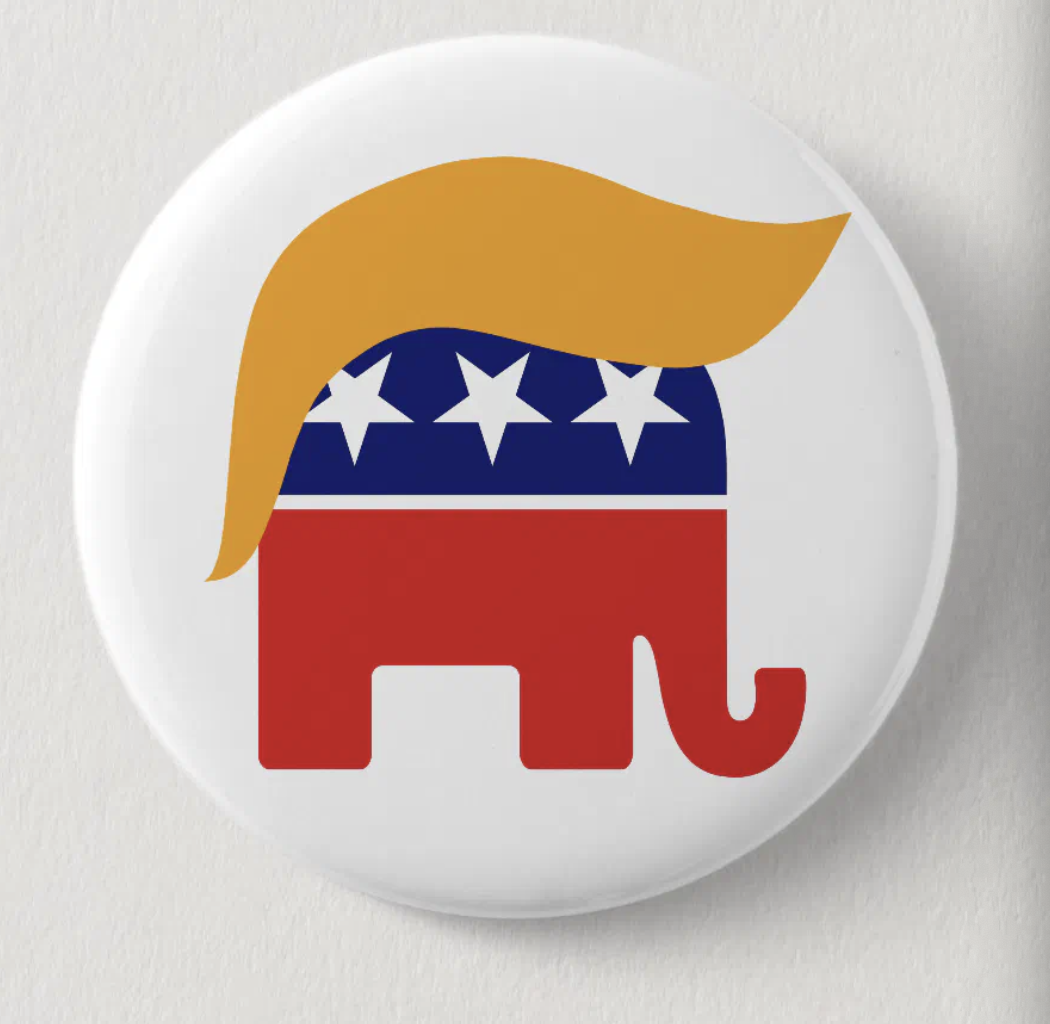

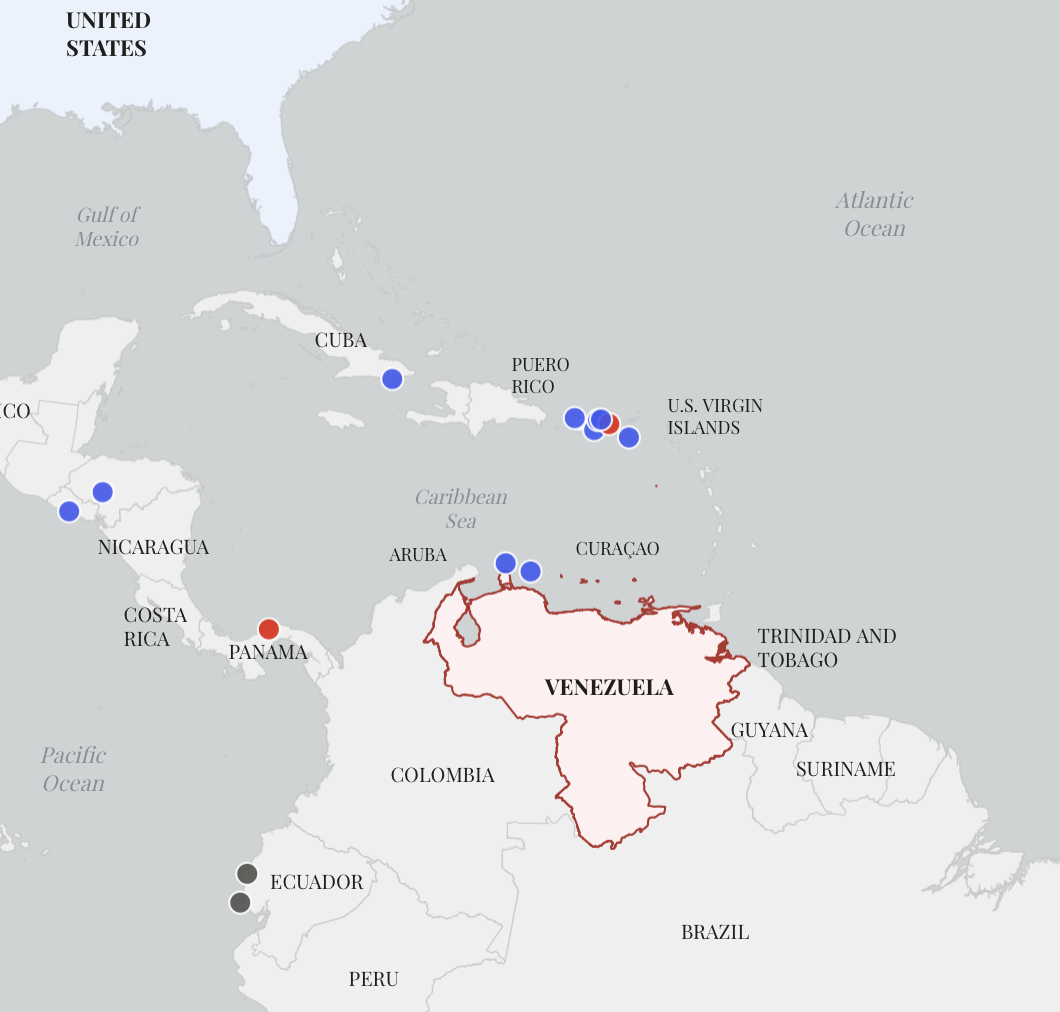


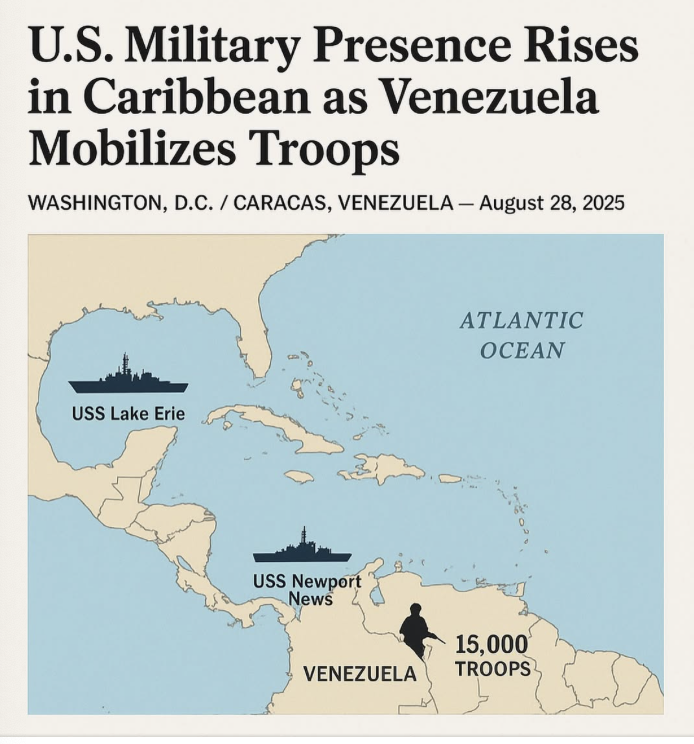

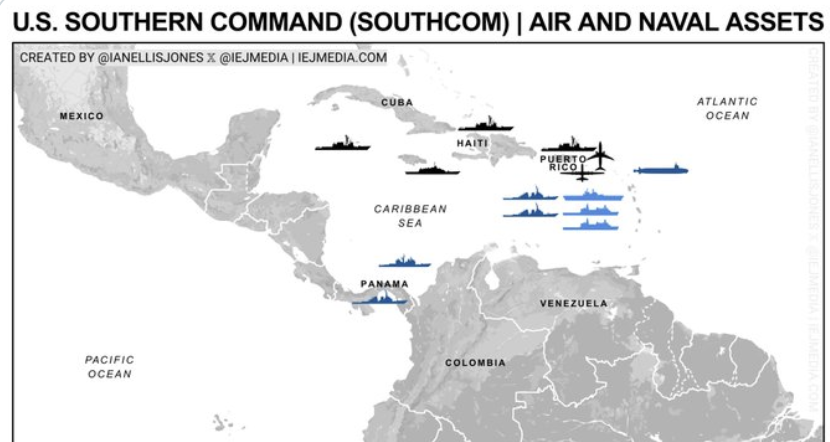


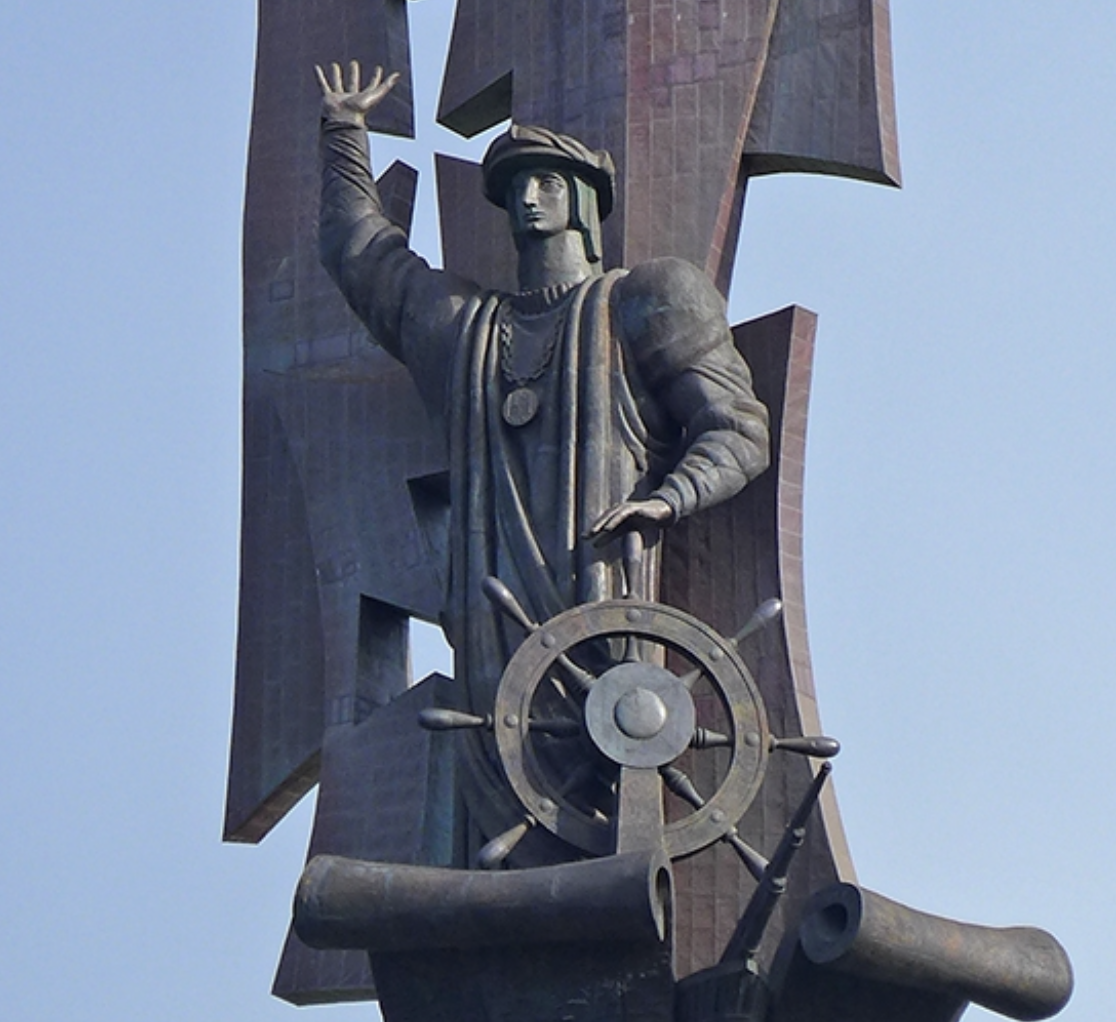


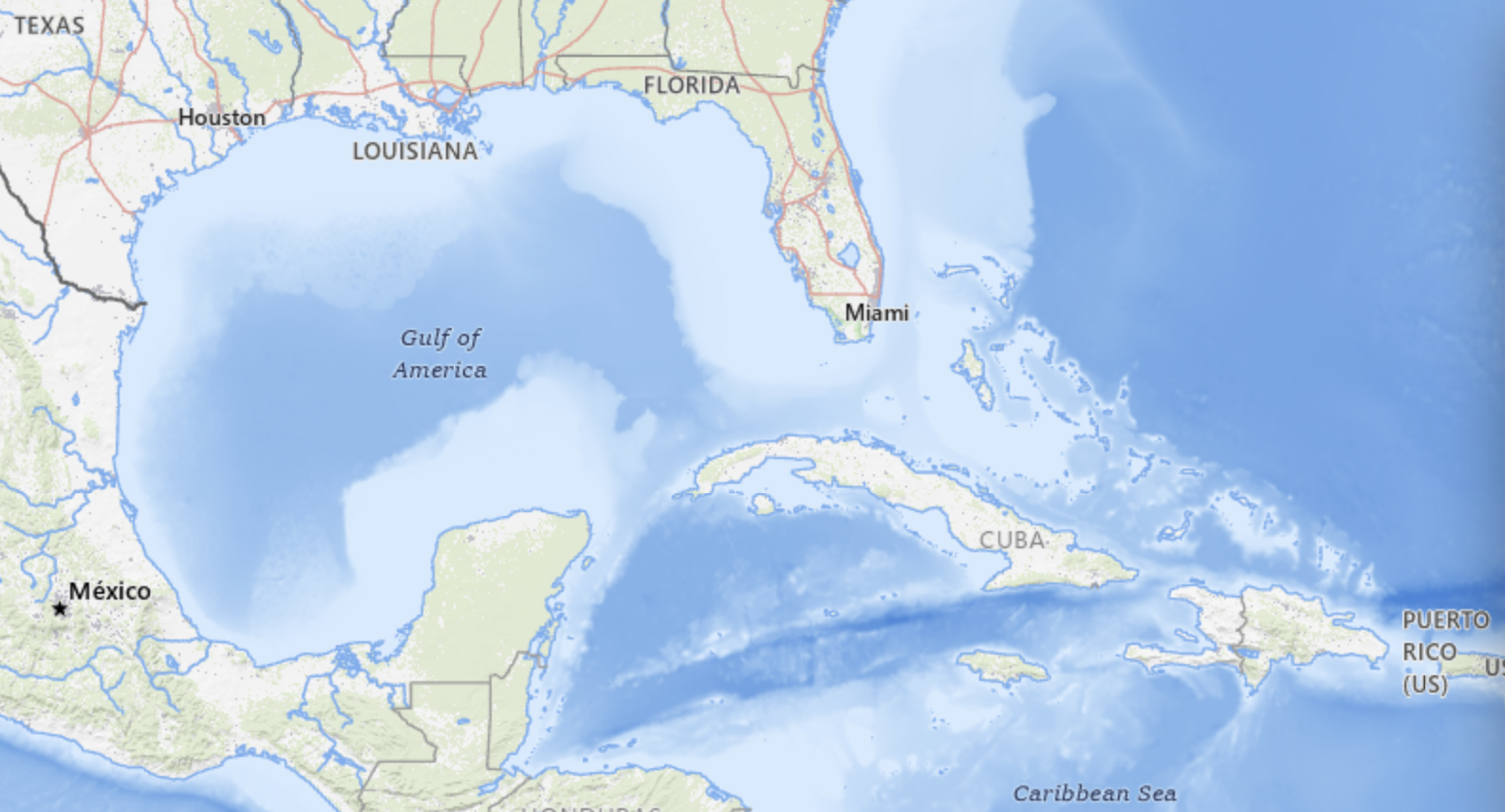


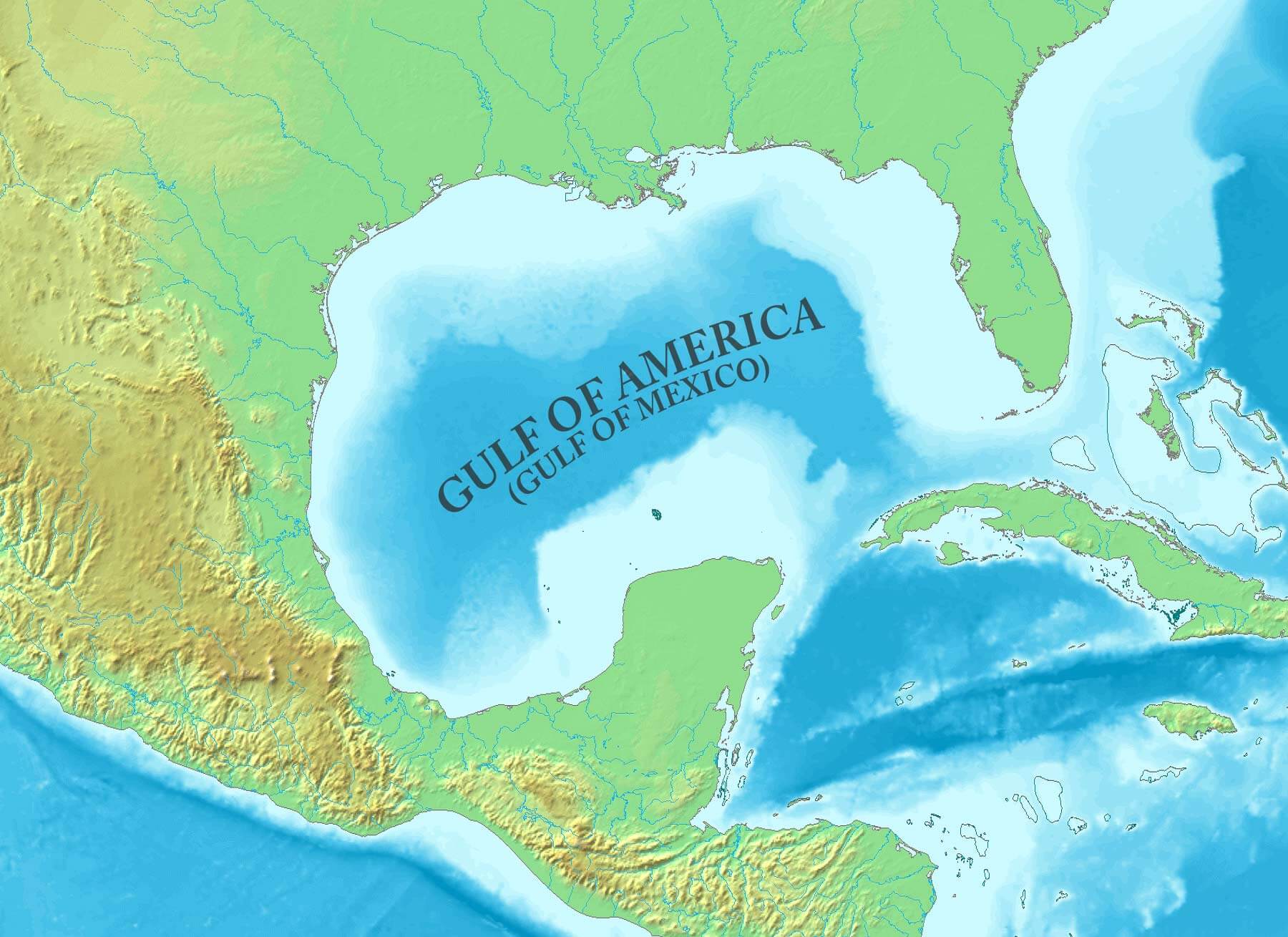
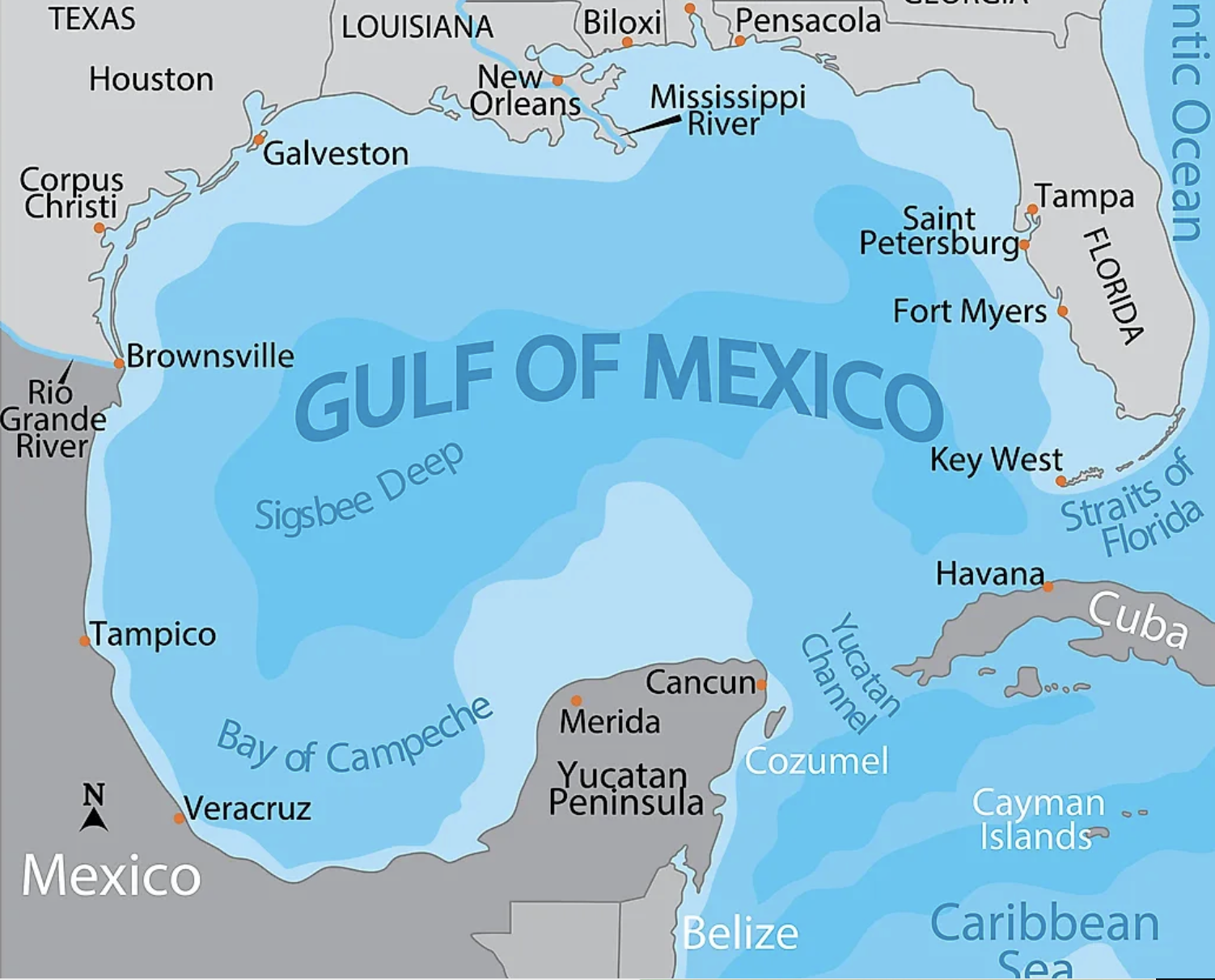
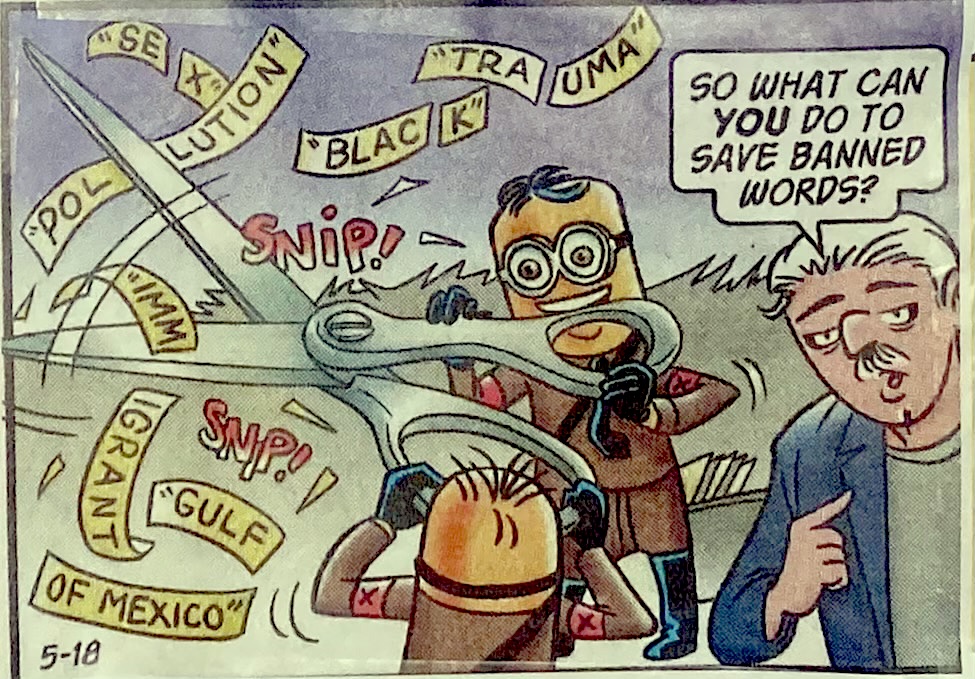
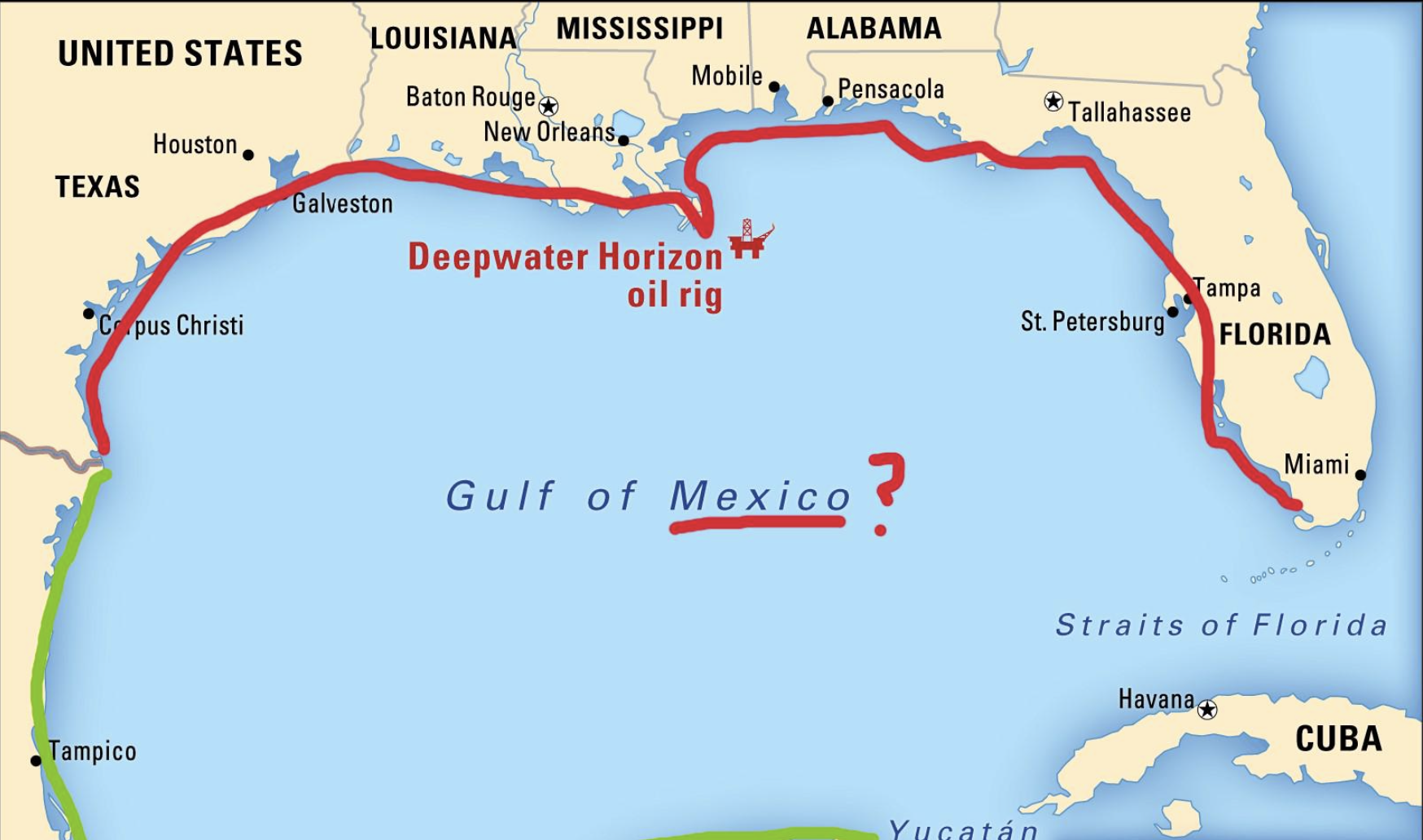


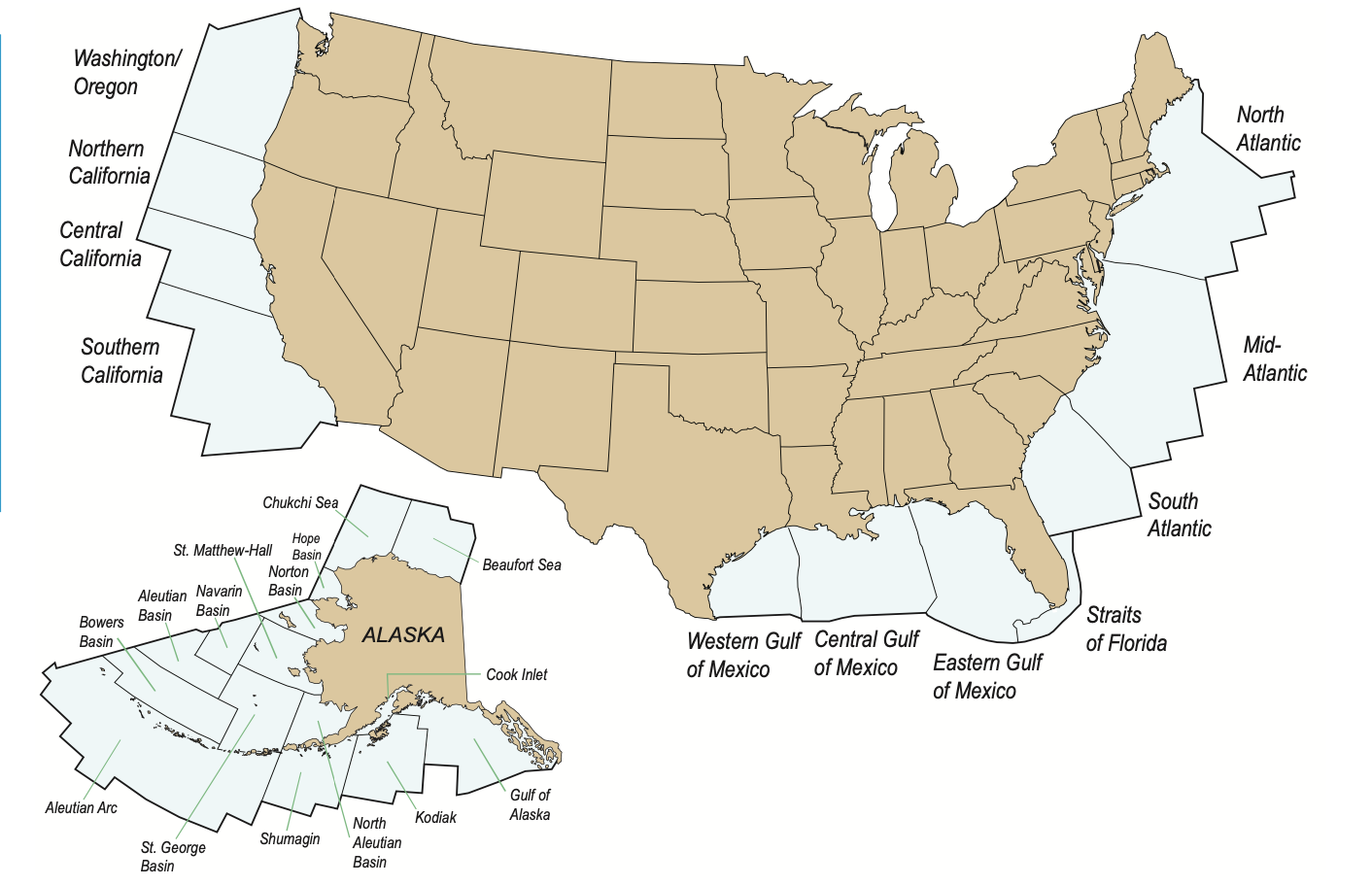
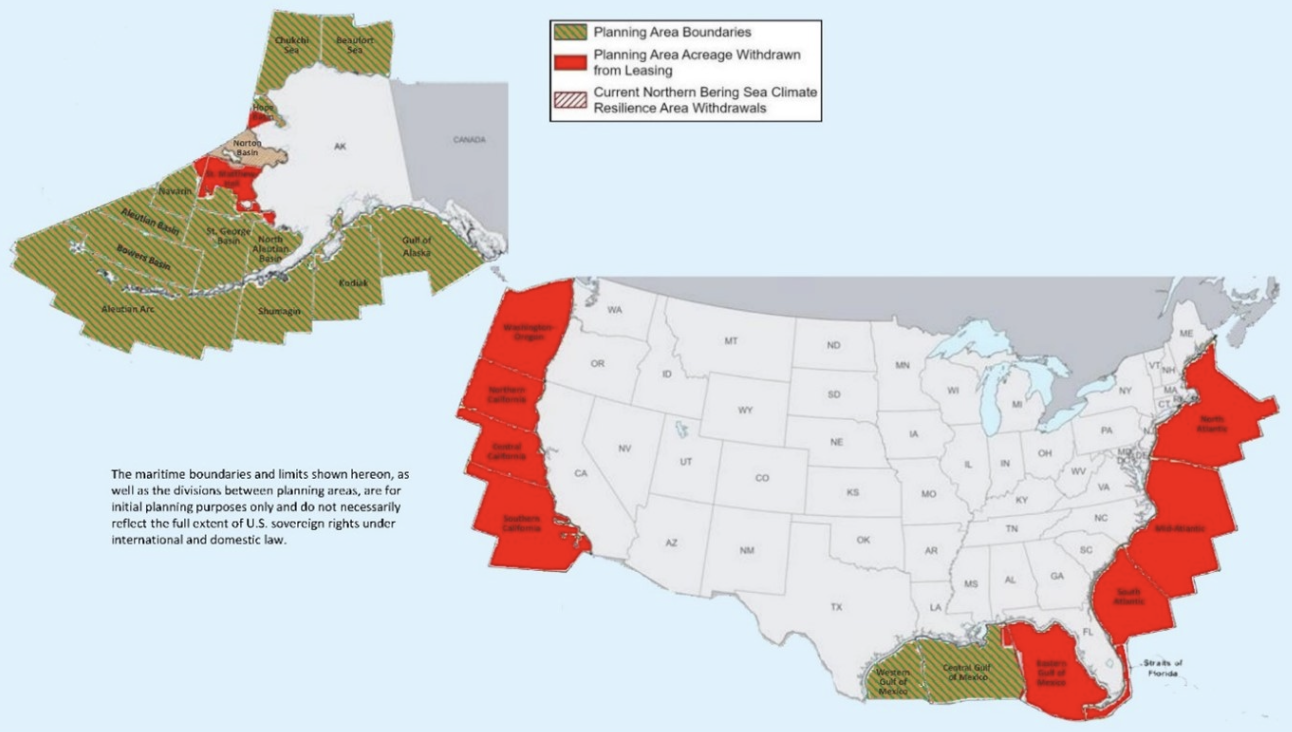


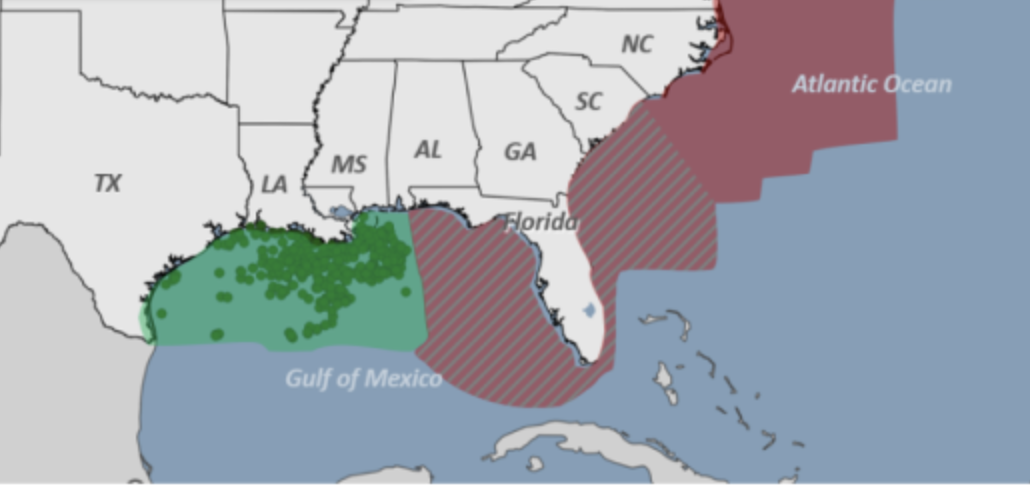


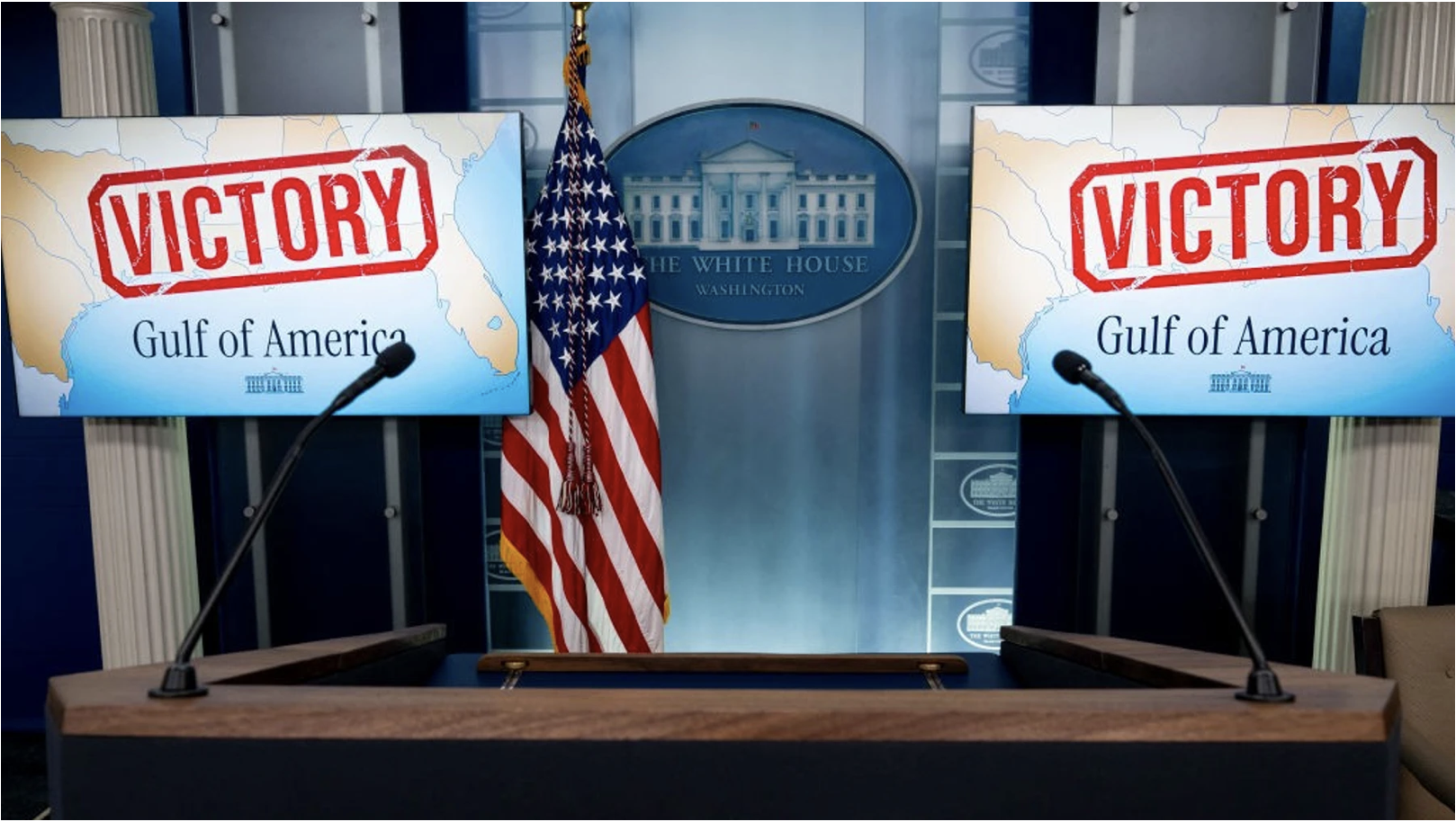
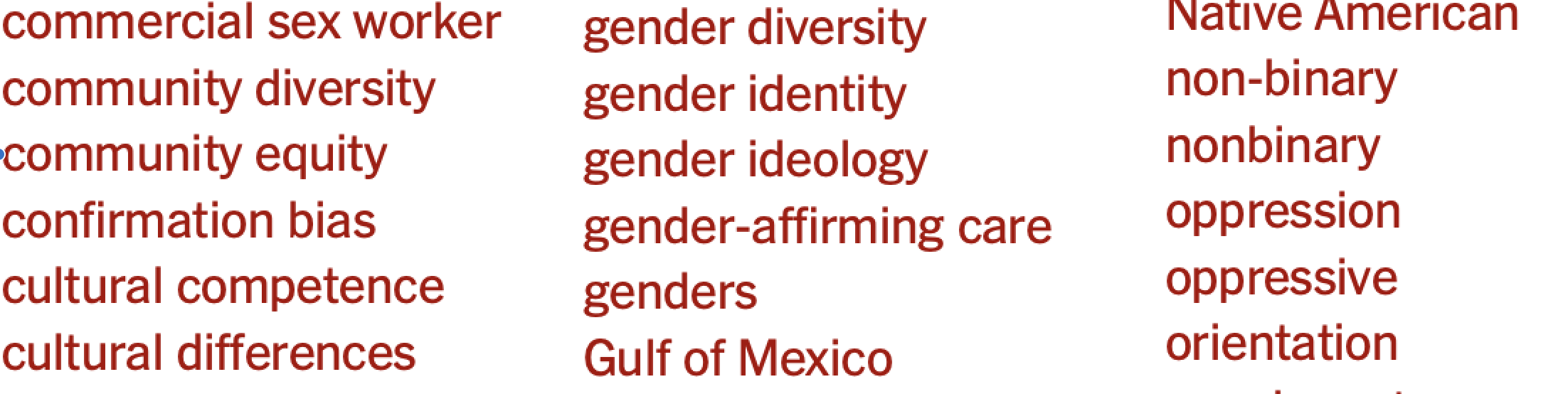
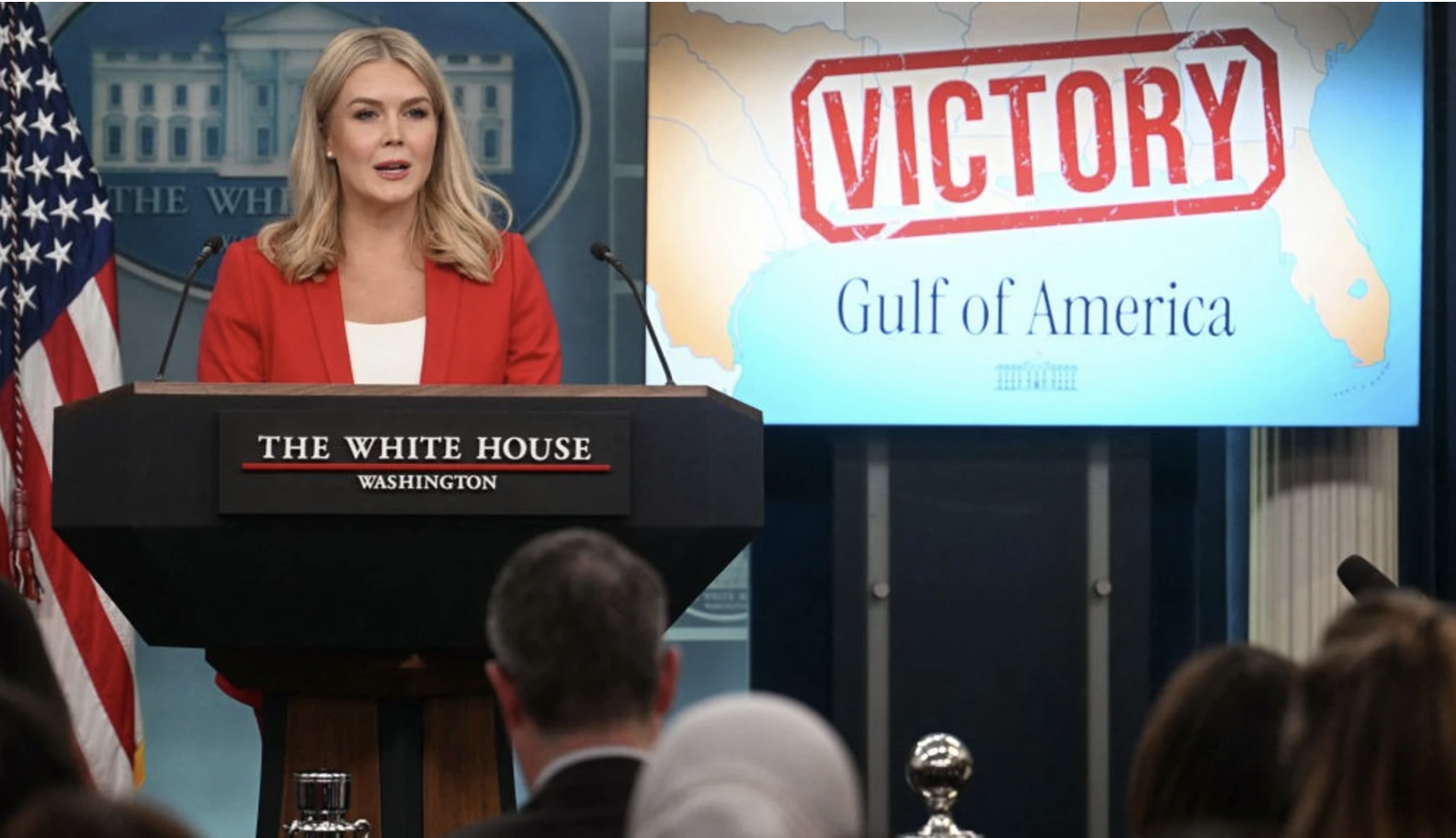

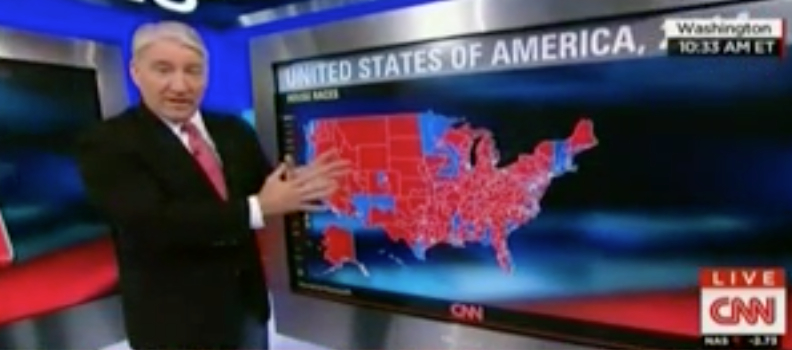


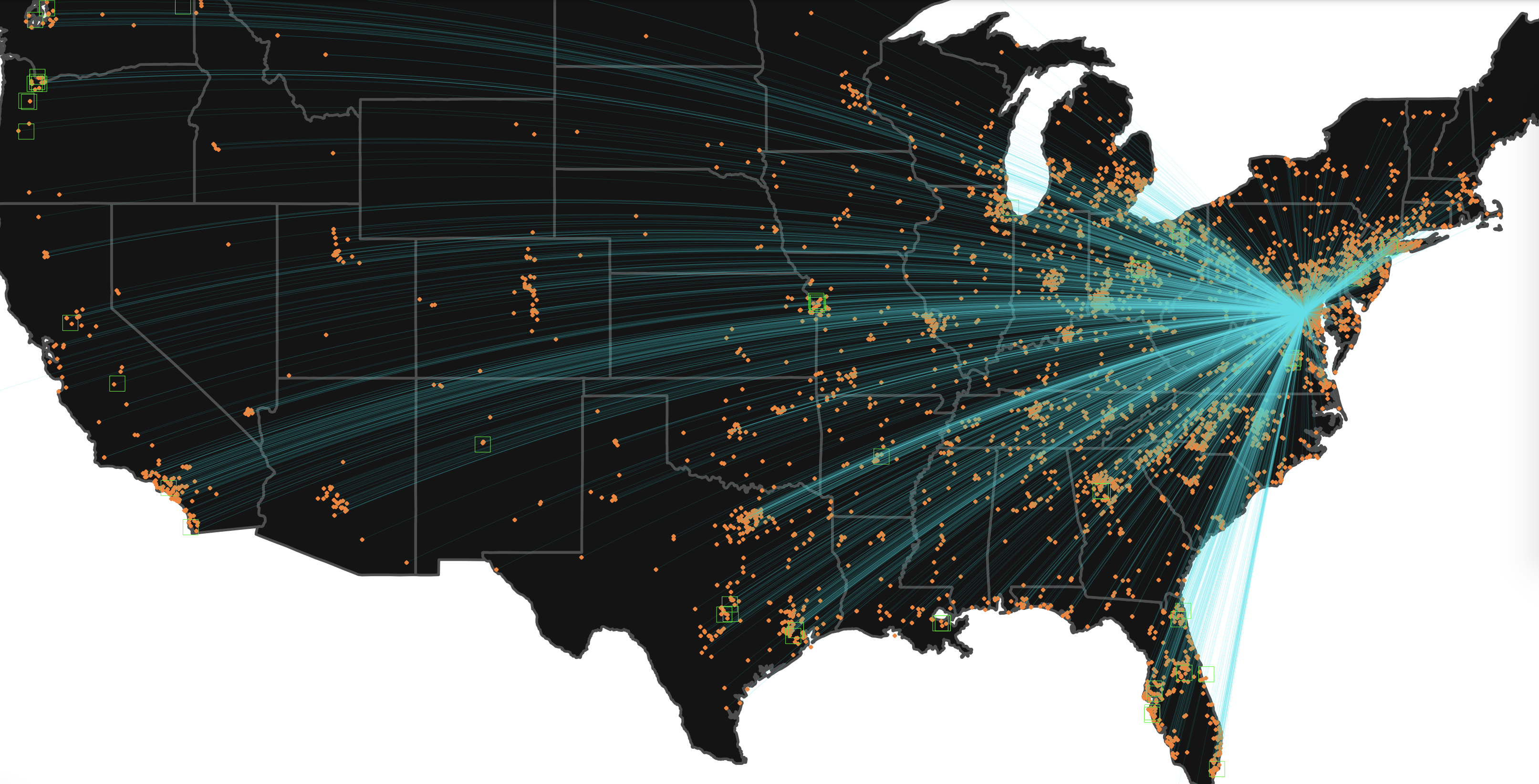


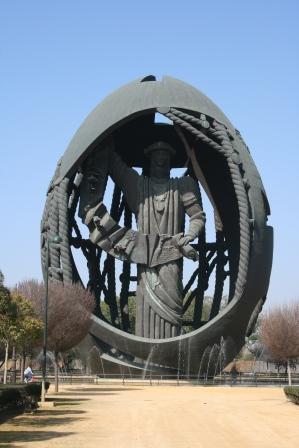
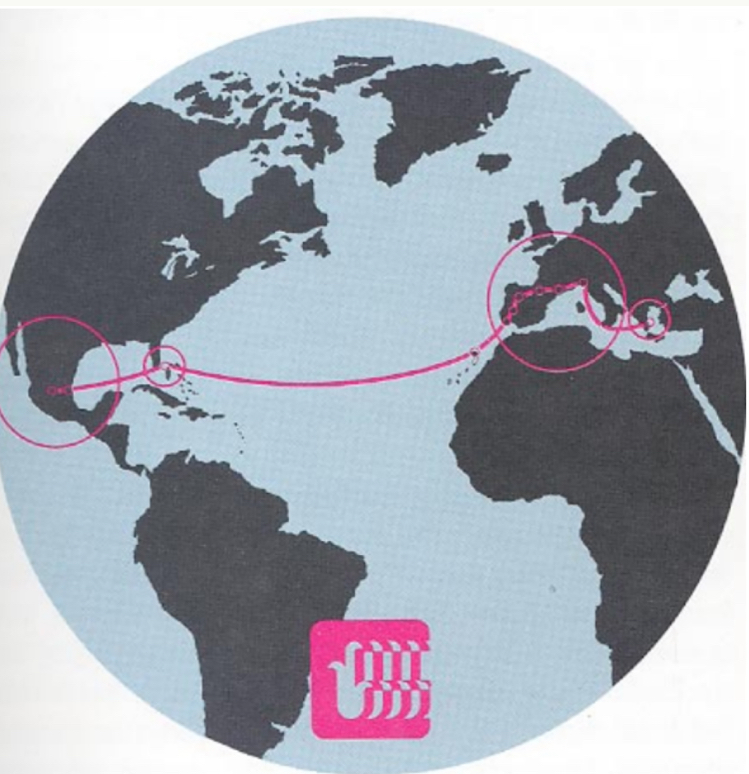
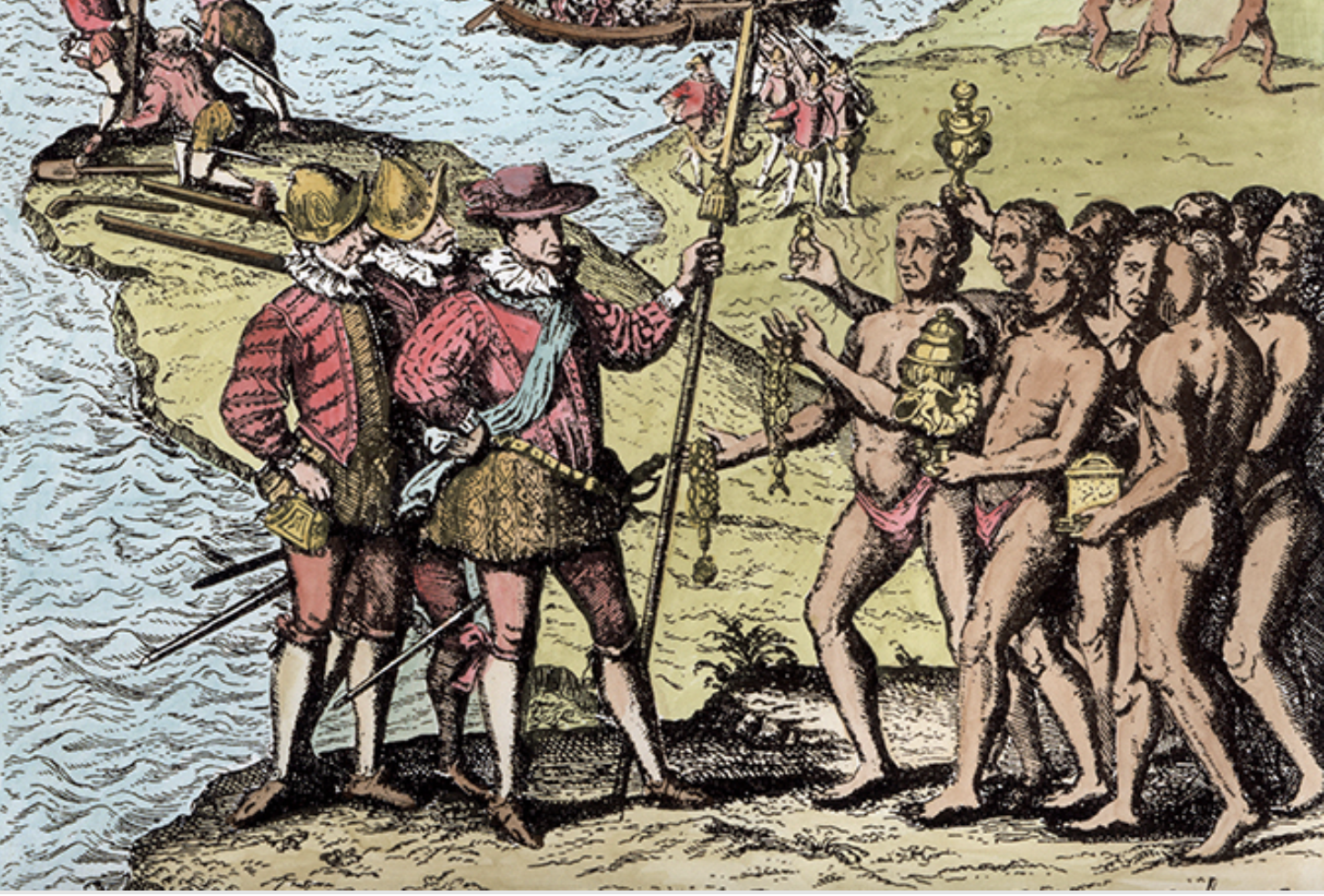



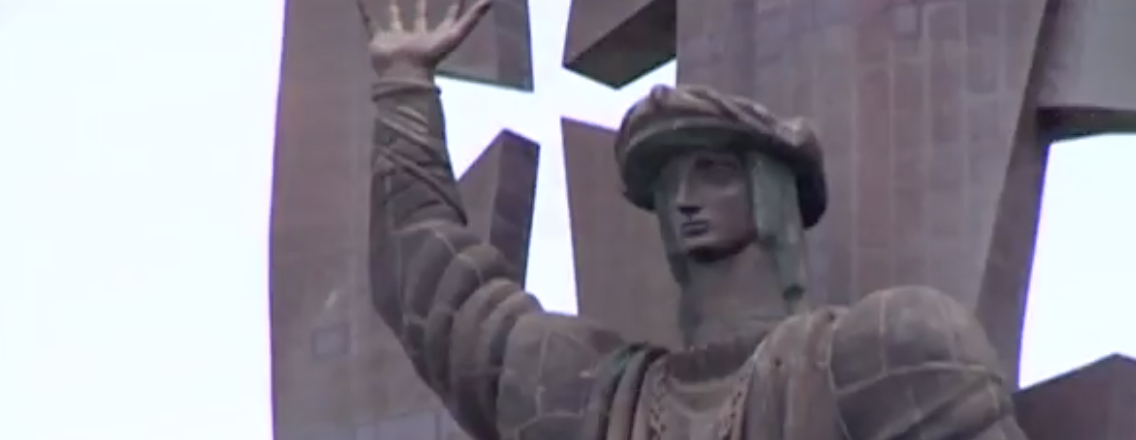
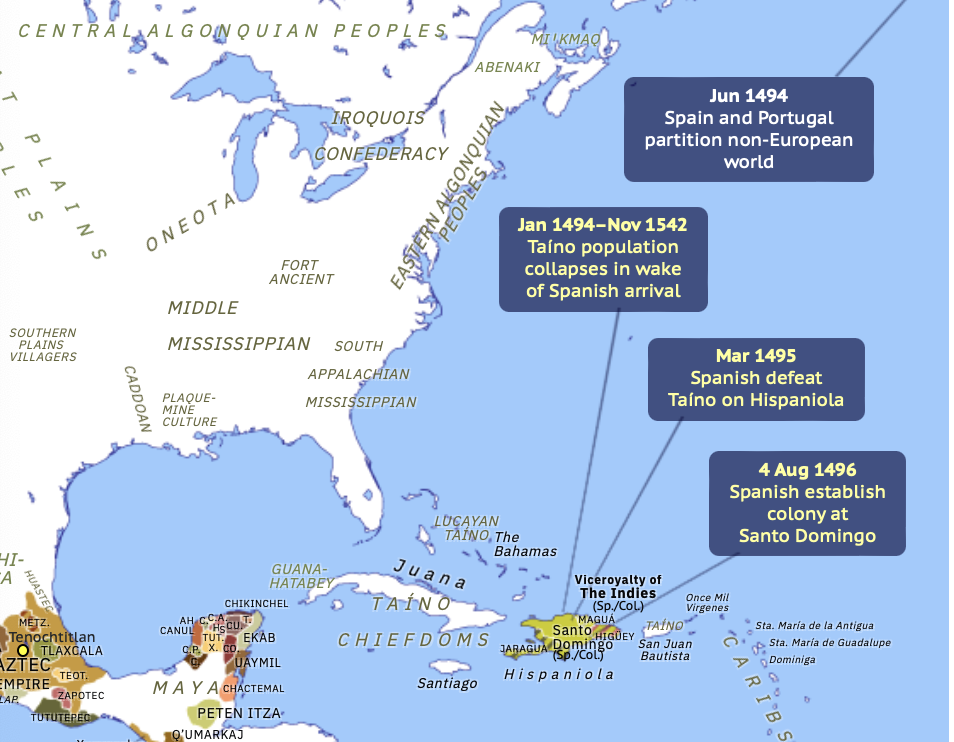


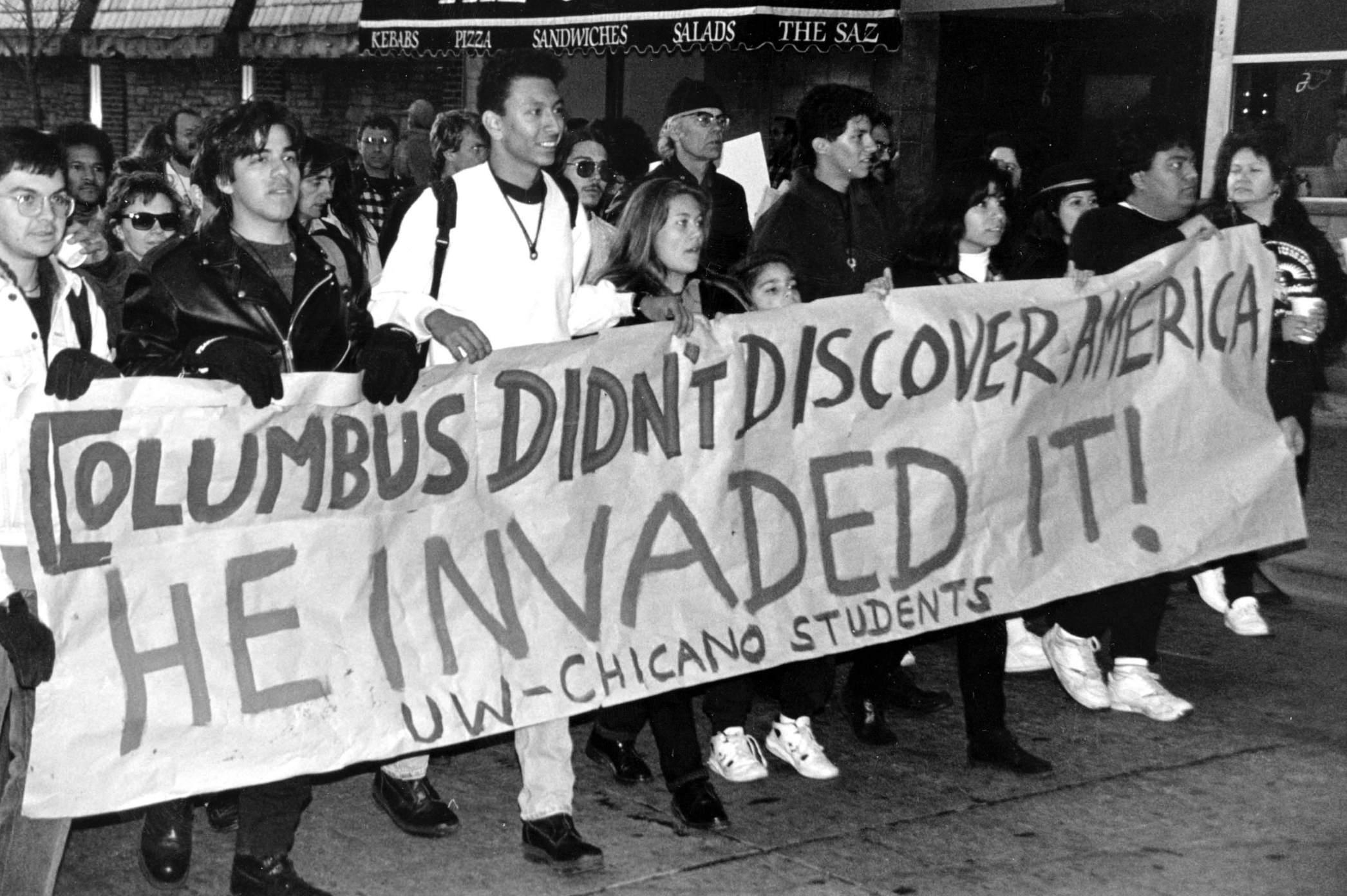
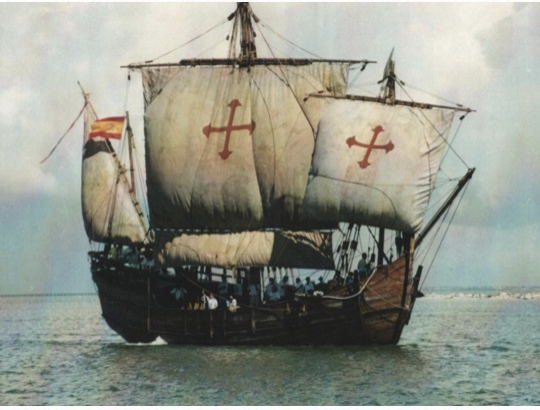
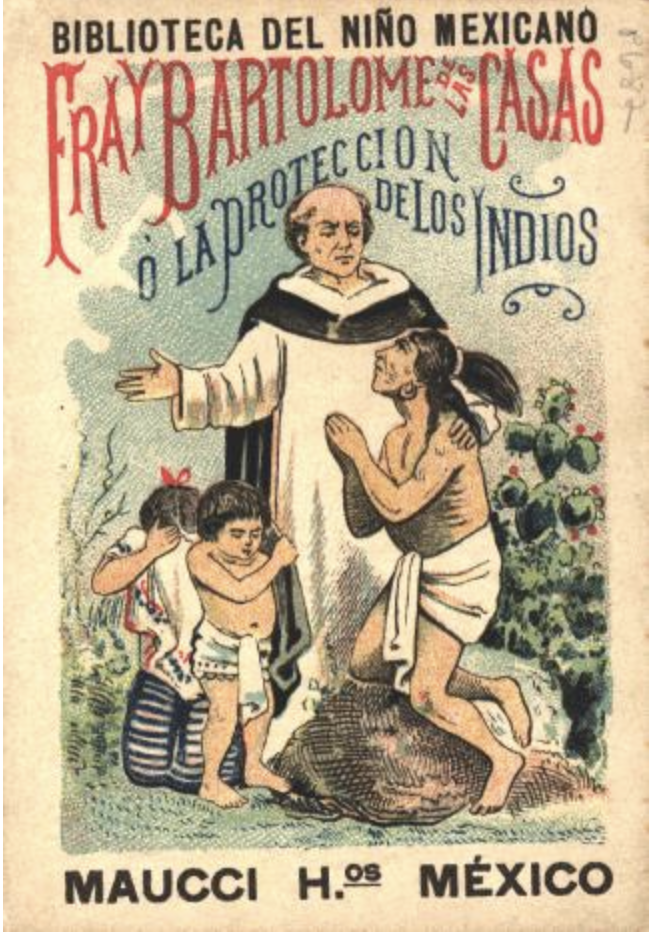

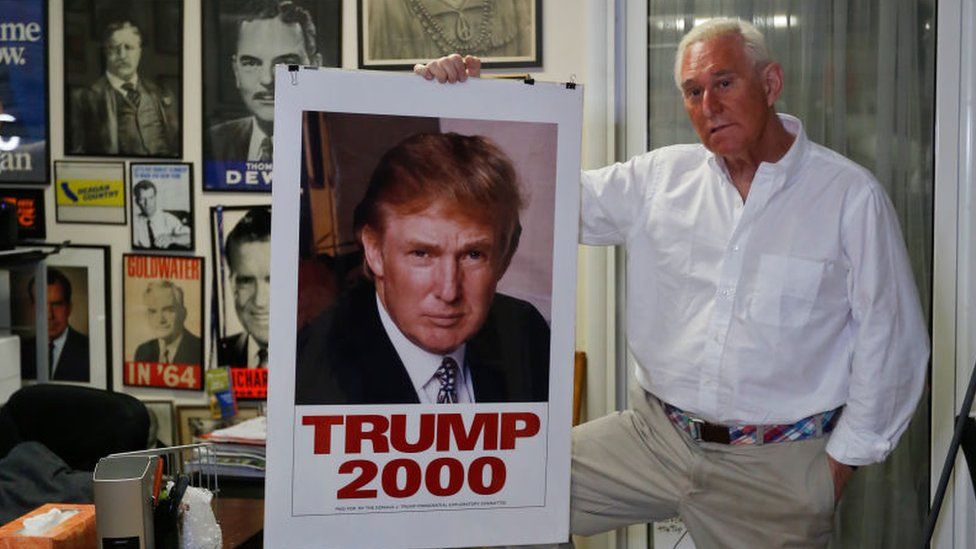
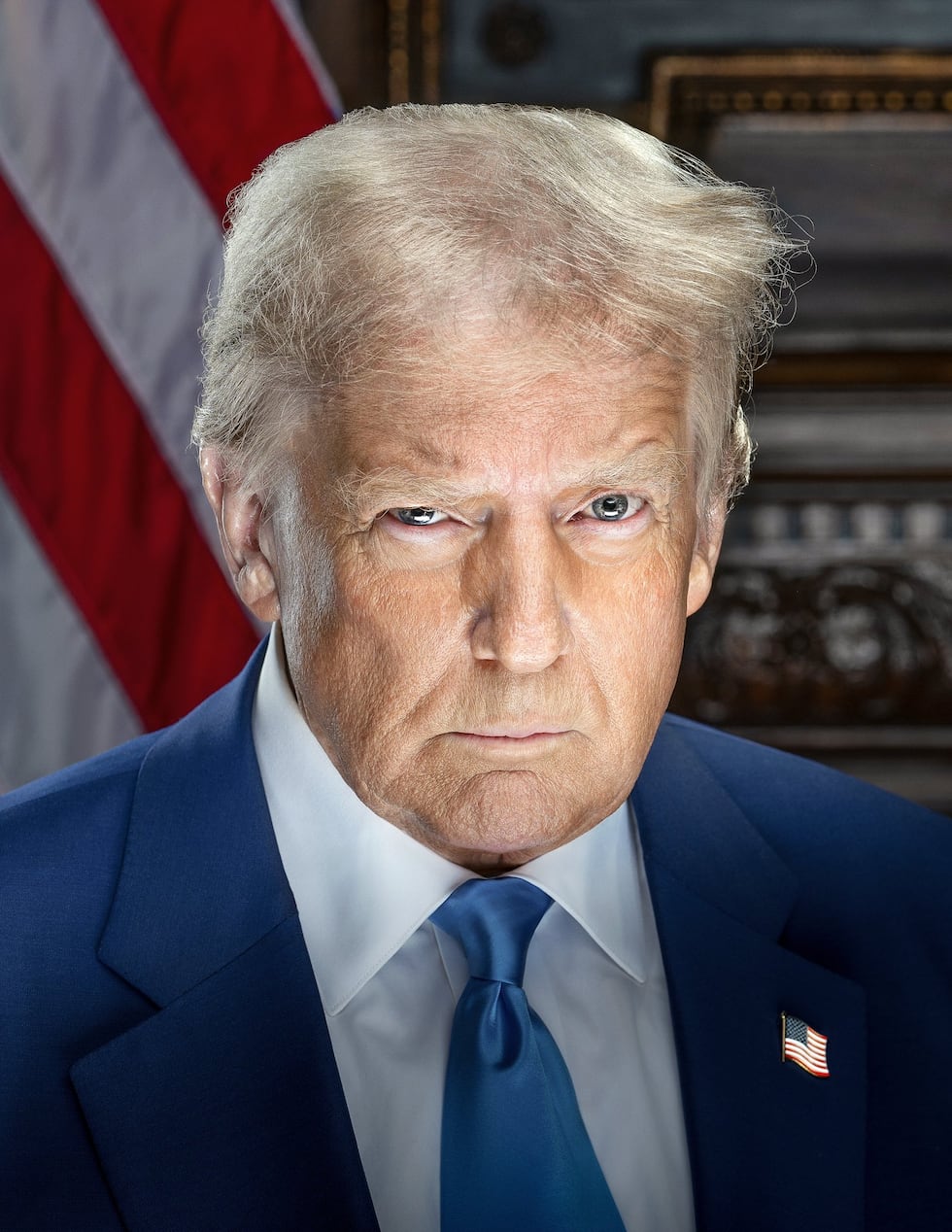
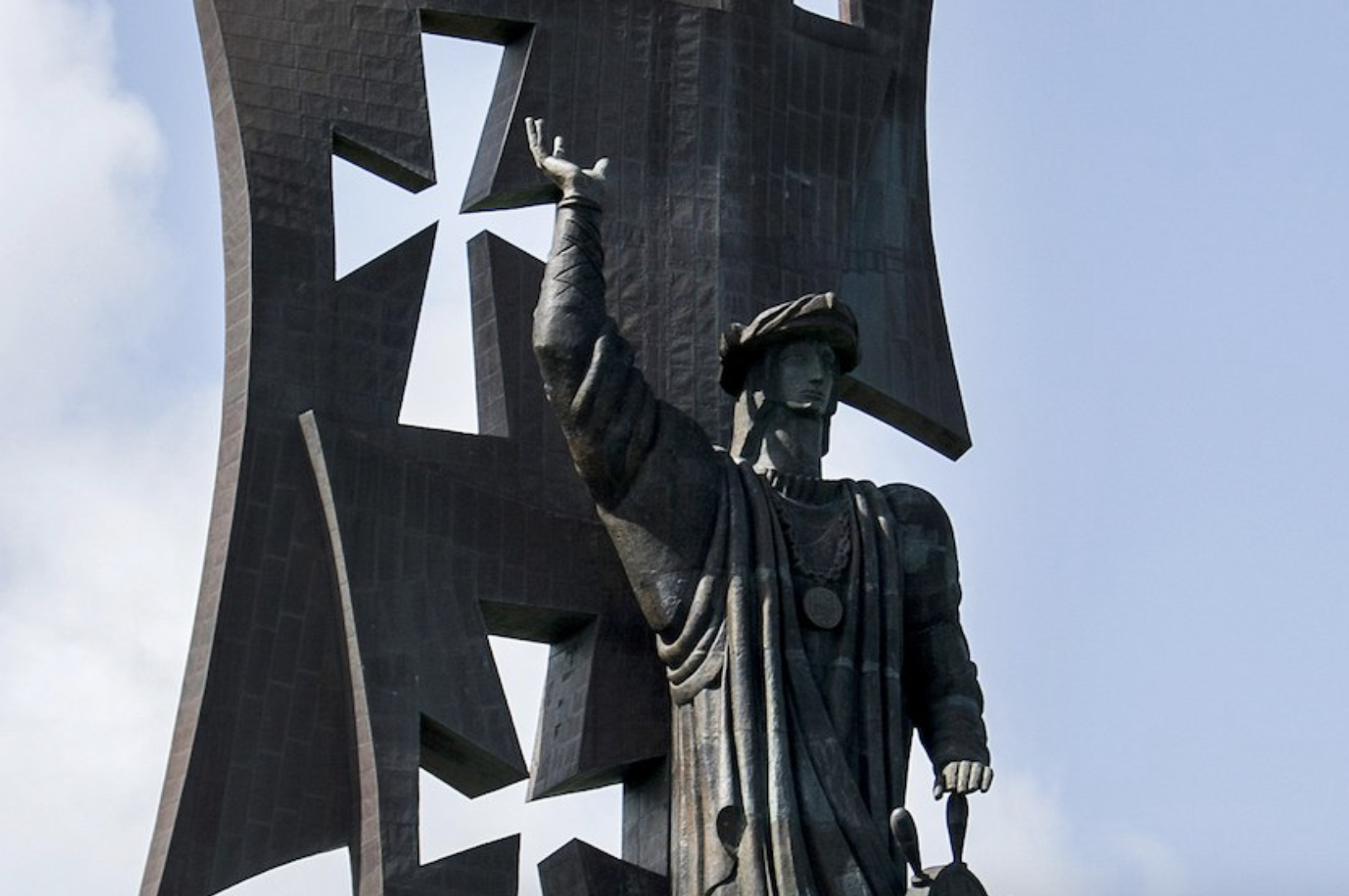

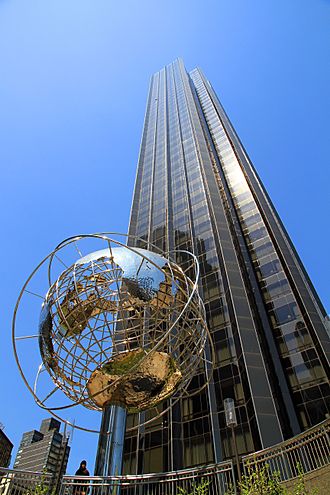

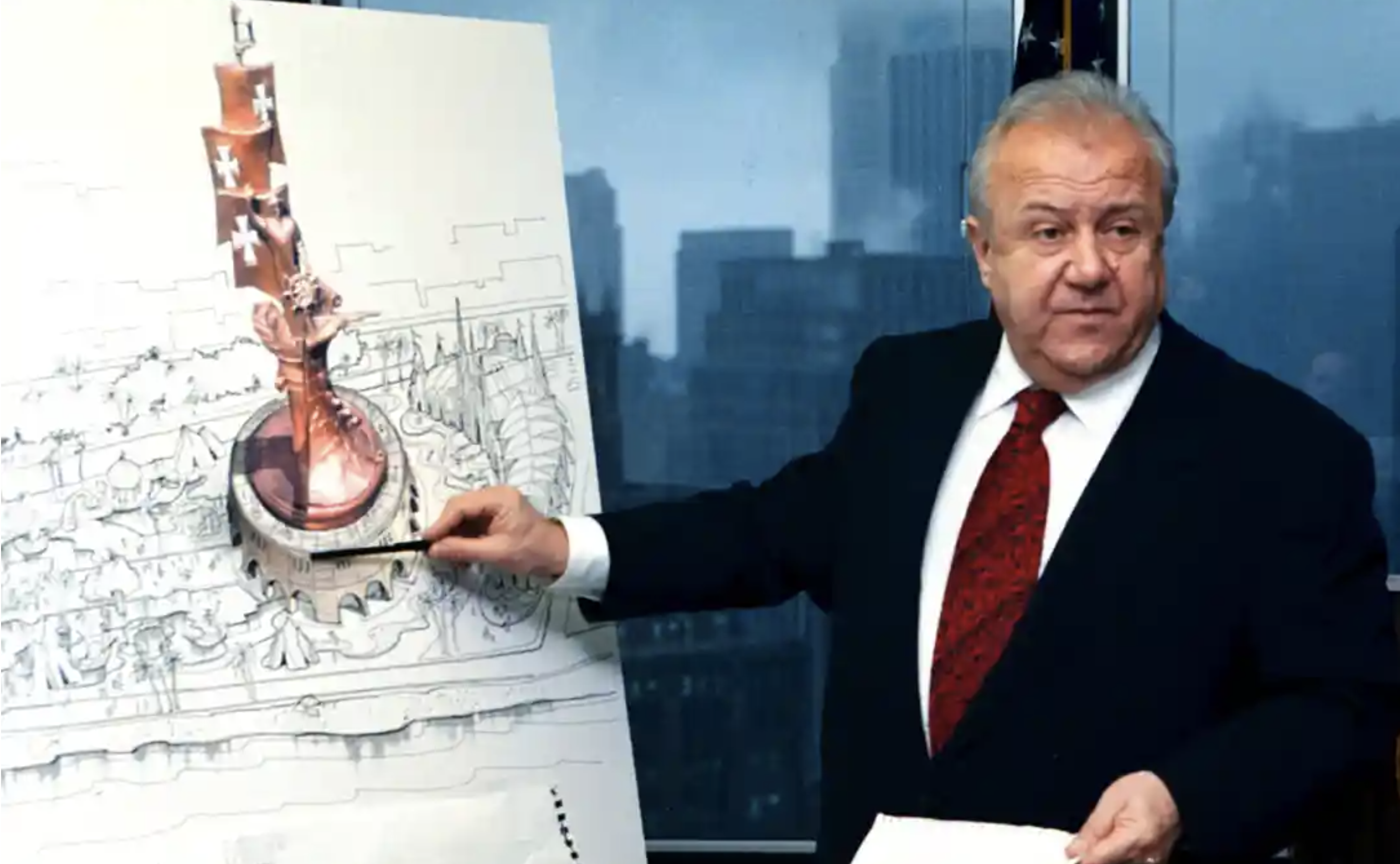


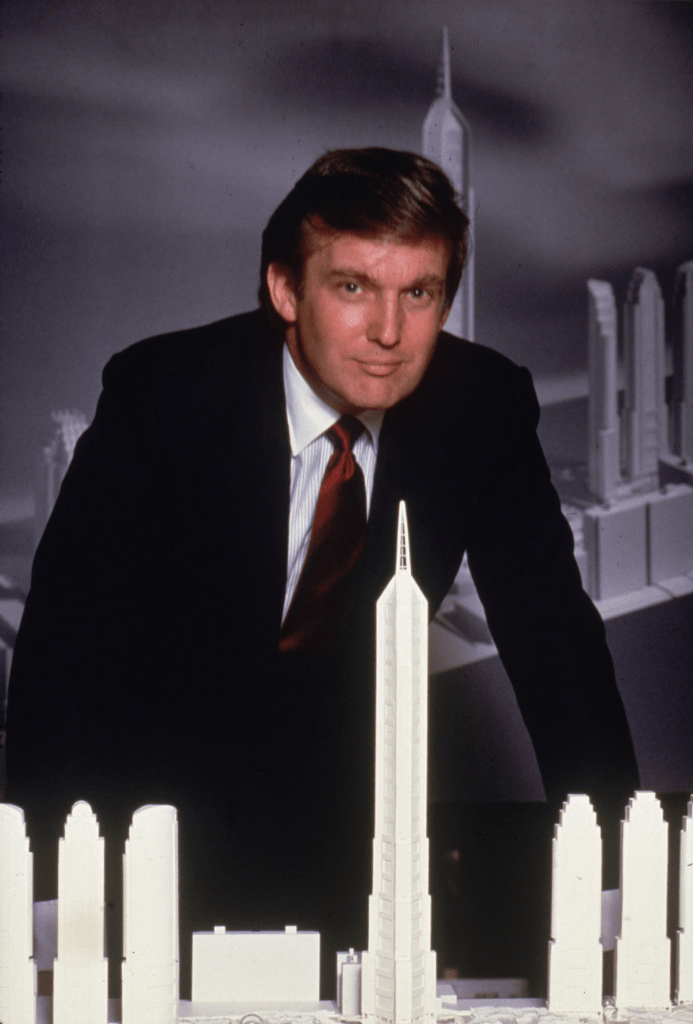
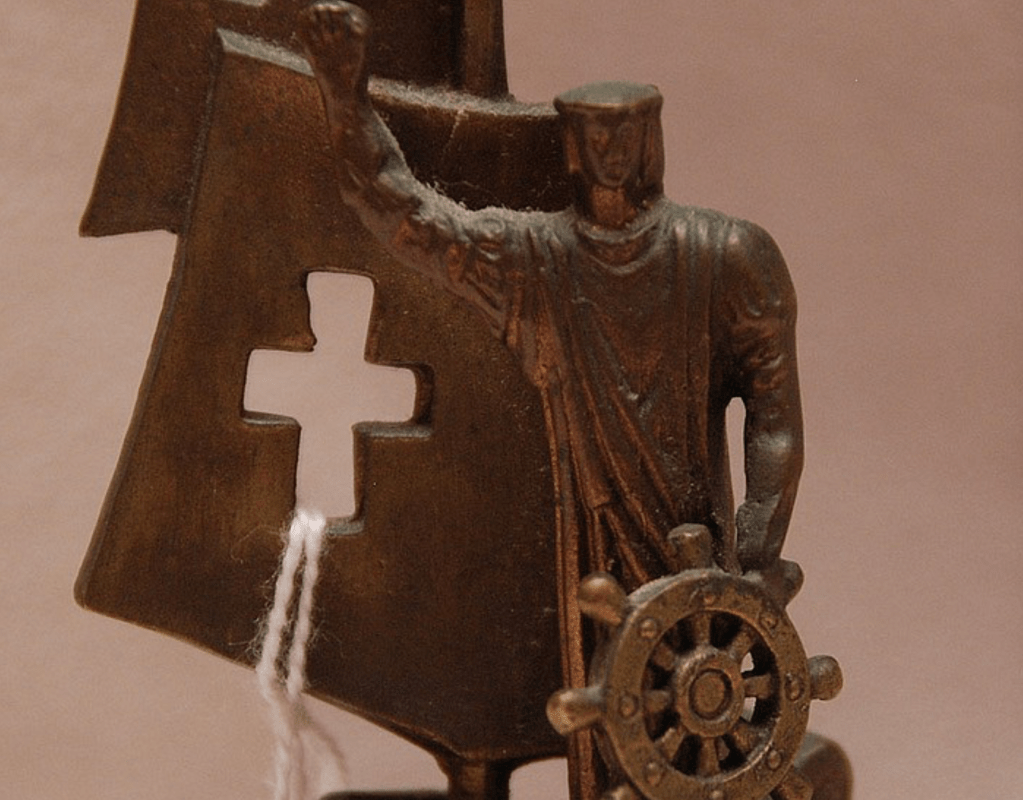
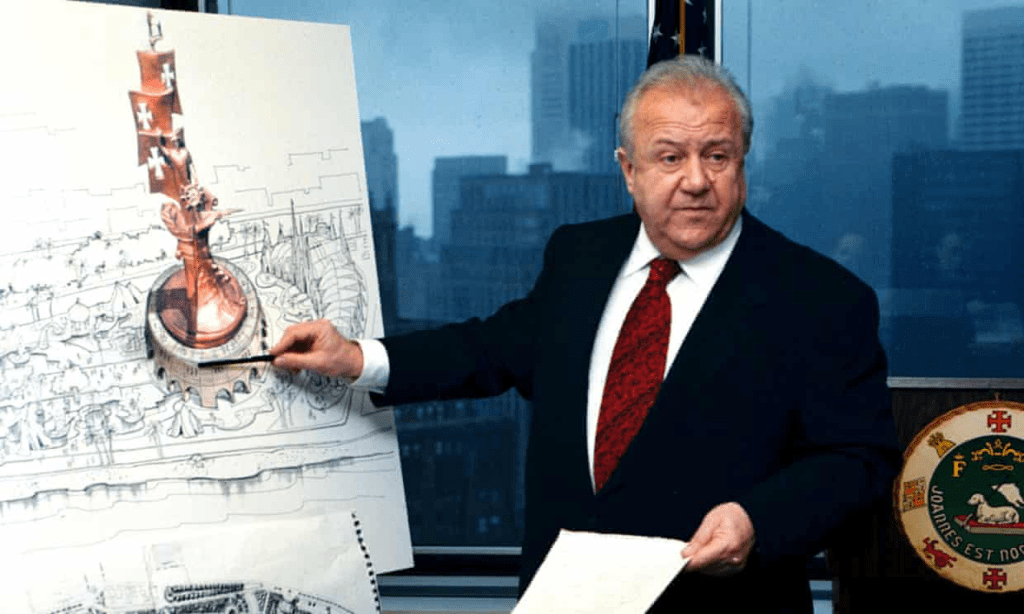

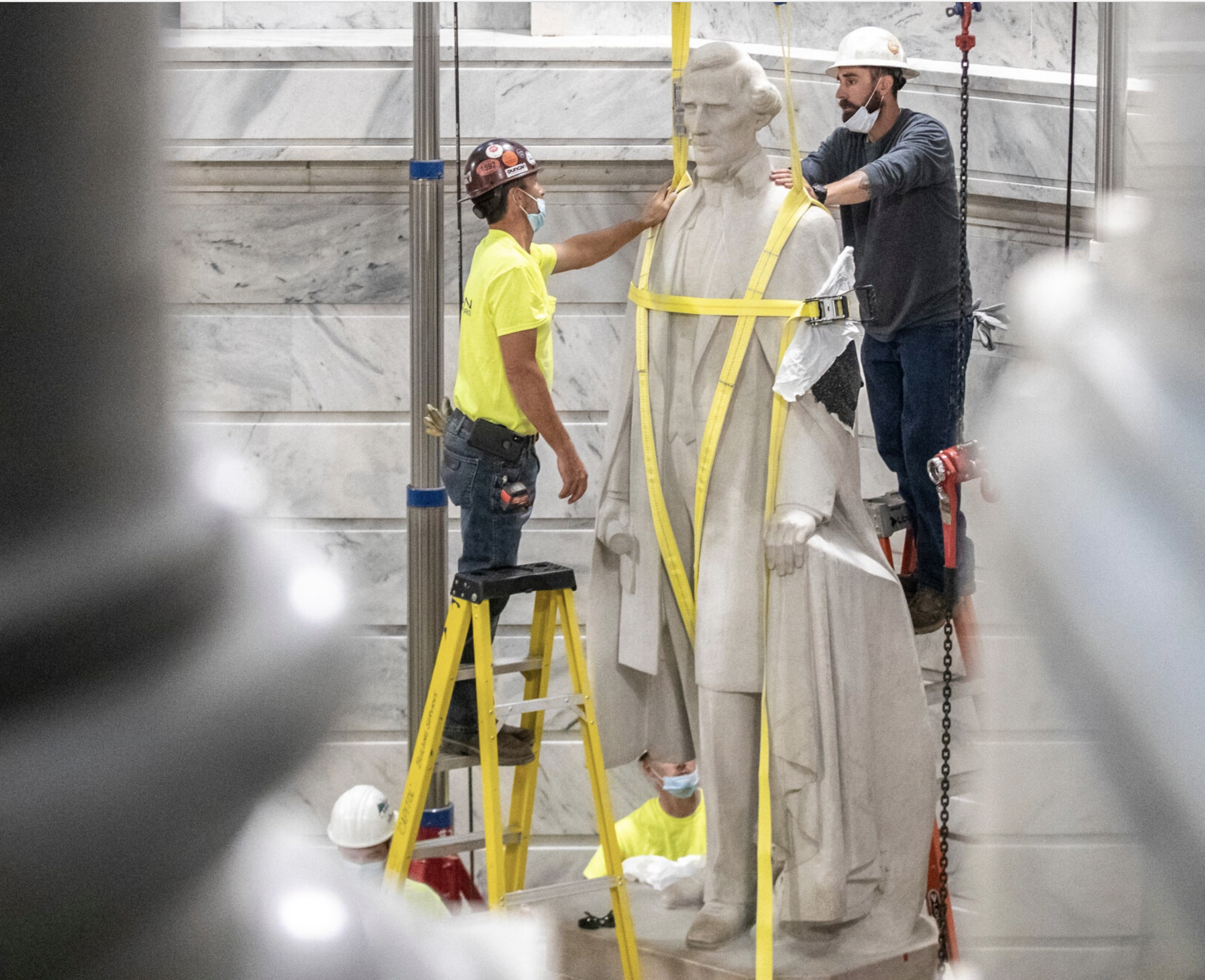

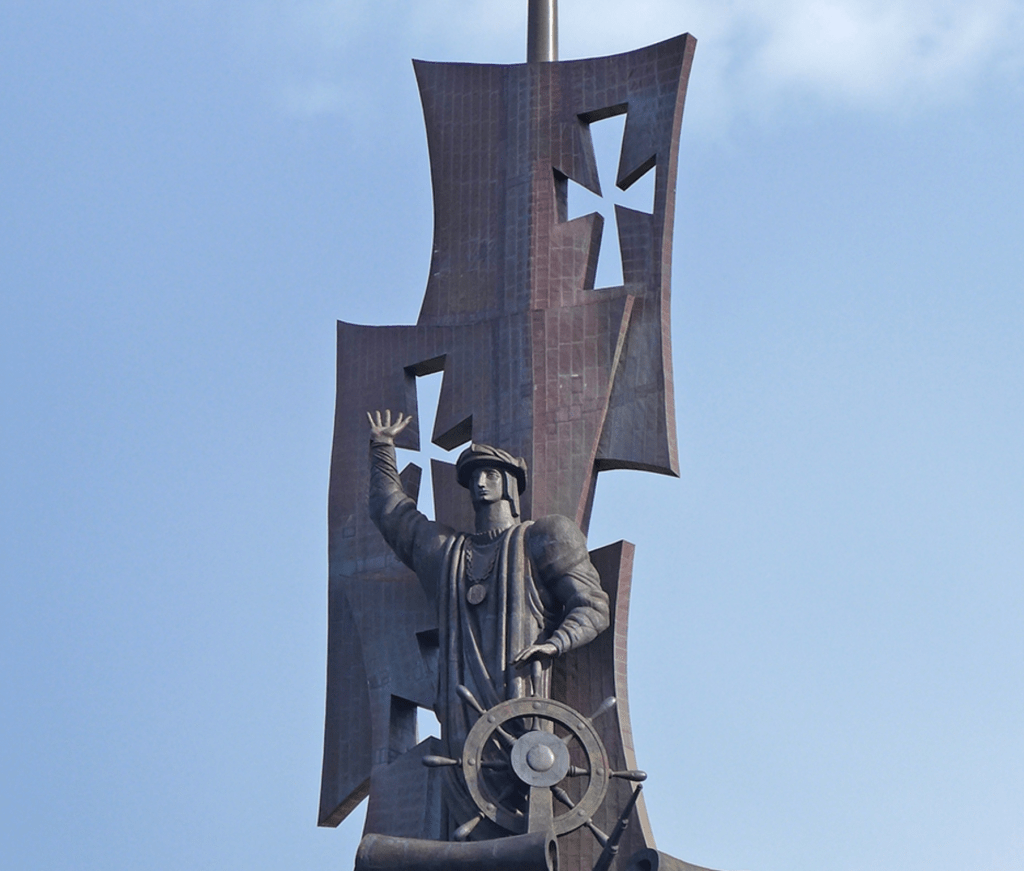


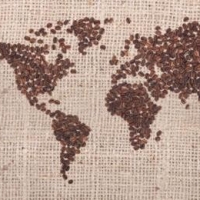




 Musings on Maps