When Michel Foucault told a gathering of architects that “the anxiety of our era has fundamentally to do with place” in 1967, he was describing prisons. Foucault’s fierce generalization argued that the growing shift from time to place was a crucial means to understand the attention of governments, but he could not have foreseen the level at which place has become a focus of anxiety in the Global War on Terror–either in the ramped up security at public buildings and in mass transit, or in the targeted assassinations and shootings of individuals. As threats of terrorist strikes seem to respect no battleground, we are consumed with tracking global networks on which we have no geographical orientation. The conflation of such conflict as global, and the elevation of the attacks of 9/11 to a regime of terror instilled fears of where the next possible target of terrorism might be. It has opened a sense of the place-lessness of the War on Terror–described as global, but long increasingly located in Afghanistan and Pakistan–has increasingly disoriented the American public from the world, and left them reeling for a narrative to orient us to its origins, which the convoluted narratives of the television drama “Homeland” takes such particular delight in purporting to unmask.
And the audiences that have emerged around the made-for-television thriller “Homeland,” a psychological drama which crosses multiple boundaries and suggesting the confusion or the problematic status of clear boundaries in its dramatic structure, asks audiences to decide what the nature of patriotism in fact is–and indeed the possibility of mapping places of safety in what increasingly seems a post-cartographical world. For despite the previous security of the mapping of lines of battle and sites of safety that were perpetuated in World War II and its aftermath, as a new era of stability, by a President who looked at its surface from a measured distance–
–the mapping of danger and of sites for surveillance have so proliferated in the Global War on Terror to make any coherent narrative about them seem cognitively challenging to knit, save to affirm the omnipresence of danger in the world. While Homeland provided temporary narrative coherence to this world in ways that were increasingly satisfying to its viewers, in ways that have not been fully understood, the Reality TV figure Donald J. Trump created a sense of an imagined link between security, flows of capital and immigration—claiming to reverse the decline of American centrality and supremacy that was avoided by his opponent, but which increasingly dominated the rallies, public statements, tweets, and rallies that Trump held over the two years of the election. For in the election, Trump provided a sense of the national imaginary that was besieged and looking for moorings that responded to the dislocation that the “Global” War on Terror brought, and that was ramped up in troubling ways by each possible terrorist attack that occurred on “American soil” and which reminded us of national vulnerability.
If the confusion of place, patriotism, and boundaries has in large part contributed to the election of Donald J. Trump–driven not only by economic anxiety, but where economic insecurity became the stand-in on which to displace far deeper fears about the homeland and about national frontiers and belonging–and to respond to a deep feeling of disempowerment not only in the economy, but an emotional satisfaction in an era of particularly acute dislocation.
Vulnerability was the dramatic theme, of course, of Homeland, which questioned the role of patriotism in a country that was infiltrated by hidden networks of terrorists far more than was evident to most. It was an insider’s look at the War on Terror, from a place that we have only imagined to be able to stand. For the status of place as a focus of anxiety has been elevated and transmogrified in the broad generality of a Global War on Terror to lose ny sense of security. In the “Global War on Terror,” there is no clearly defined battlefield, but suspicion and surveillance have been generalized across space in ways that have confounded much of the nation in ways we have rarely seen before. For a society in which the heightened ratcheting up of anxieties about place are difficult to narrate or indeed process, we have perhaps come to seek new figures of collective strength. We have been trying to narrate what the new instability of space, and lack of a harmonious sense of place, has come to mean–or the lack of security of any given location with the confusion of sites of military engagement and sites of fear, and of where exactly the Home Front or the next sites of military engagement and future site of terrorist attack might come be.
The destabilization of place was rife in the 1960s, to be sure. One remembers the instability of the home front during Vietnam that the poet Denise Levertov perceived so acutely: during the Peoples’ Park Riots in Berkeley, CA, Levertov wrote ominously in her diary, “War/comes home to us,” as police and national guards arrived to quell protestors: during the Vietnam War, she voiced a common concern that the circulation of soldiers from its front to nation, as teargas, bayonets, billy clubs and bullets appeared in the park off of Telegraph Avenue. The narration of a deep discomfort with place in HBO’s psychological thriller “Homeland” captures the deep dissonances and uncertainties of place in the Global War on Terror–GWOT–where the act of terrorism makes a fear of violence felt everywhere, and the storyline of a suspected sleeper terrorist introduces us to a broad hidden network of terrorism.
1. The Global War on Terror may be the only possible culmination of the profoundly asymmetrical invasions of Iraq, before minimal resistance, and inuagurating the declaration of war not against a fixed target or country, but an emotion, Rebecca Solnit noted, and the generalization of the emotion became something of a justification for the war. The open-ended notion of a GWOT, without fixed site, has encouraged the expansions of a battlefield less clearly drawn than ever before, confusing categories of “home” and war in ways that the dramatic television series Homeland has dramatically structured over seven seasons. The War on Terror has provided an everywhere war. And as we watch the series drawn by the mirror it provides on how fear of the ineluctable infolding of “war” as a threat to “home.” For the GWOT has provoked such heightened tension about place–and the place of a possible attack–to compel a sense of narrative about place, and the uncertain nature of the front line, or even of where the enemy lies, that the television series on HBO has come to provide on our televisions, where we can watch the narrative that maps the presence of terrorism both on our shores and in our military, and even stage that drama in Syria, Pakistan, and the generic Middle East, from refugee camps to houses and families of suspected terrorists, as if to give palpable stories to the increasing fears of a strike in our homeland that cannot be stopped.
The permeation of anxiety in the nation has in a sense created a captive audience for a drama that unfolds the increasingly complex contours of the a “war” on terror, and map out the sites of contested arenas in ways that they are suddenly materialized and rendered not only as fears, but as something like a clash of civilizations. As sites of engagement on the edge of state sovereignty have engaged the nation in the wake of the attacks of September 11, 2000 with particular unease, as if the shock of a narrating a reaction to the attack on American soil has both challenged our sense of place and compelled us to orient ourselves collectively to place, whether to accept a surveillance apparatus to track terrorist organizations with a largely imagined degree of accuracy, or to acknowledge the edges of sovereignty to be effectively redrawn. The pretence of pin-point precision of drones as combat tools seems designed to quell the anxieties of place with which we are increasingly best. The ominous disorientataion of how it is that war now “comes home to us” is thematized in HBO’s dramatic thriller Homeland, as inner lives, and we turn to it to inhabit the changed geography of terror, narrating a changed a collective relation to place through the stores of protagonists whose paths question and trace the margins of state sovereignty.
Place, and the uncertain fear of its obliteration, is questioned from the return of a marine suspected to be a terrorist operative in the first season of Homeland, whose life reveals the presence of terrorist networks across the country, and who in later seasons of the television drama we trace to examinee the rewritten boundaries of state sovereignty with a vertiginous level of anxiety that starts form an increasingly uncertain relation to the map and the opening up of new areas of national vulnerability, as if to offer a parallel escape narrative to the terrorist threat map that he Homeland Security Department regularly generates on its website, as if to tabulate and contain the new threats to national stability at specific sites where sovereignty seems endanger of being undermined.
The rise of the tabulation of “Islamist threats,” of which we are advised that our troops bear the brunt, with law enforcement, are displayed the website of the Dept. of Homeland Security as if to stabilize fears but in ways that destabilize of sense of place, now inundated with an anxiety of future attacks to which we are most everywhere potentially susceptible, in what seems a deeply unethical remapping of unending terror. We mark attacks in hotspots and begging interpretation as if it were the weather, operating by isolines and isotherms, as if we might predict the future sites of vulnerability to terror strikes–or the level of “terror threats,” calibrated for easy comprehension as “high” in the U.S. homeland, which begs the question of place after all, but all the more unsettles us. But what would a “high terror threat” be? Is the map a way of orienting us, or is it a method for disorienting us? What possibility of orientation exists in an age of such sorts of uncertainty that a new set of attacks might occur anywhere?
For we seem to conceal that none of this has any contingent logic, but tracked in the manner of a disease map or a record of local virulence, it is embodied in spatial terms so that we can try to impose logic on and live with deep anxieties of place. Yet, of course, the Daily Terror Threat is unable to be mapped by any “snapshot,” and the analogy of a documentary or diagnostic record is only an illustration of our current addiction to maps to which we turn for better hopes of certainty or stabilize insecurity, but whose function seems to suggest the unseen presence of ISIS in our lives and in the space we know.
And, as the monthly assessment of terror strikes is mapped online, we turn as if for relief to Homeland, in hopes to better gain purchase on a perpetual fear of place the maps as the above, tracking Hatchet attacks that we are assured our troops and law enforcement bear the greatest brunt, placing us in a state of seige unless we can delink, as some aggregated news website warn us of increasingly immanent “main events” on the Homeland as if “Islamic Terrorist Network” is able to be mapped across the majority of the United States.
“Sporadic attacks” seem so recurrent in intelligence assessments that we may forget that right-wing domestic terrorists as “equal to” or “in some cases greater than” foreign-born Islamic terrorists, such as ISIS, and need to generate our own maps of domestic “domestic anti-government terrorist groups”that proliferate in parallel, covering even more of the map, and more than doubling our fears–and having little apparent coherence as well.
2. Homeland seems to orient geography that was begun by the War on Terror, on the margins of the very boundaries of state sovereignty in ways that we never expected to be allowed, and its invitation is extremely compelling because it seems to map the edges of state sovereignty that are increasingly questioned or up for grabs in terrorist attacks. Indeed, the series’ own structure has opened us to the danger of localized destruction by immersing us in an extension of its landscape of fear that has no set battlefield, but where any place can suddenly become a new front of engagement, and its progress cannot be clearly mapped. Much as the fear of terror strikes have justified police raids and surveillance to an unprecedented degree, and opening attacks to new forms of mapping that have placed “place” within a new complex of geospatial control, the dramatic series boasts to orient us to it in ways for which a distinct thirst exists–and it fills the new contours of an everywhere war with recognizable human faces as we follow the protagonists to explore what sort of space for individuality the ongoing and widely distributed “War on Terror” allows. As we move to the edges of state sovereignty where violence is greatest, the series asks us to explore the new topography of a world where straight edges between terror and civil society can’t be so cleanly drawn–and that violence erupts most strongly and fiercely on the edge of civil societies.
For the uncertainties of drone targeting provide a recurrent theme in the episodes of the first four seasons of Homeland, as if to orient viewers to the landscape of the War on Terror, where any place is invested with instability as a site of potential terror attack. We move at the margins of space of sovereignty in the television drama, where any site is both able to struck, and exists in a GPS armature at the limits of sovereign space. With the figure of Carrie Mathison, the heroine and intrepid protagonist who moves on and across these boundaries of sovereignty, moving across actual boundaries between sovereign states–as the publicity for the show so graphically announces in color-contrast–as if moving on the very frontier of state sovereignty and danger.
In the visualization of land conversion map in the header to this post, cities like Denver, San Francisco, and Salt Lake City haunt the transformation of landcover across the western United States, as the place-names haunt the five-color map that denote the scope of an absence of open space. From each city, expanses of red leach into the landscape, spreading outwards along patterns of settlement in ways that seem to infect the adjoining counties to register how development cascades to surrounding regions. The image shows the reduction of once-open spaces with the dramatic pace of extra-urban expansion in most western states, whose absence seems to haunt the region that we once knew as the American West, and are departed from it.
The dynamic maps suggest a poetics of loss, both qualitatively objective and evocative of the disappearance of a landscape that no longer exists. Increasingly elegant interactive data visualizations help orient viewers to a changed relation to the landscape of the west over the past twenty years, and the disappearance of what was once a notion of wilderness that have so dramatically retreated over increasingly active real estate markets and dynamics of expansion that allowed such pronounced extra-urban growth over a short period of time. The subject of the maps is not only difficult to process, but complex to navigate over time: if the use of a slider bar helps orient oneself, it also raises question of the historical implications of such a broad retreat of open spaces across western states. If the Old West seems a fixed chronotype to some, it may be that mapping the retreat of open spaces can provide a lens to chose our Romantics, or map the nature of our Romantic tie to the retreating spaces of the past and its landscapes.
But how best to read the landscape that lies beneath them, and the changed experience of the landscape they seek to describe? The stark colors of the data visualization cannot but suggest a romantic relation to place, marked by the disappearance of formerly open lands, and suggestive of a deep change over few years. The multiple levels of time that the maps of The Disappearing West, a web-based map offering ultiple datasets of different sorts of human activity presented by Conservation Science Partners and the Center for American Progress. The elegantly interactive website of land use, showing incursions of open spaces in alarmist red, provide a way to take stock of existing changes and the dizzying pace of the disappearance of opens spaces that may even be cognitively helpful, as the scale of such changes are so difficult to process. The opportunity to examine change on different scales and over time, by use of a slider bar, provide a basis for coming to terms with the increasingly irrevocable rapidity of such changes, and indeed with the inevitable melancholy of the departure of the known world of the past, but provide a deep and irrevocable sense of how our own ability to observe the western landscape is in the process of irrevocable change.
1. Such a sense of irrevocable change was quite violently tried to be stopped when the self-designated cowboy when the out-of-state vigilante Ammon Bundy summoned like-minded ranchers who inhabit another region of the same landscape in Nevada. He summoned the ranchers who viewed themselves as rightful residents of a faded land so that they could seize public lands in Oregon’s Malheur Wildlife Refuge, without justification, but to assert their imagined rights to open lands. In garrisoning one outpost of the wildlife sanctuary, without much regards to its use, they sought to stake claims to their rights to a rapidly departing map. Their reaction–but one of many to the disappearing west–suggest a point of beginning to see how we might better come to terms with the acceleration of the loss of open spaces over time, and the problems of mapping them onto the region’s powerful spatial imaginary.
For in misguidedly hoping to occupy the refuge’s offices until the United States government “release” any claims to the public lands it has long administered, they seemed to act in hopes to reclaim a landscape increasingly fragmented by overdevelopment and forever altered. As open spaces of the Old West disappear, the staying power of the mental imaginary of open lands have created a tension palpable enough for Bundy and his followers to view federal protection of pubic lands as unjust, and armed with a sense of reclaiming a lost landscape for hunting, they aggressively reclaimed a myth of a sacred relation to the land that they might experience to use firearms freely without impunity in open spaces, and eager to recast protections of public lands as if they were primarily individual restrains.
As if to stage claims to a disappearing west, Bundy sought to reclaim them for ranching and hunting from a very local point of view, resisting a disappearance of the fabled “open lands” that once defined the imaginary of the West for Ammon Bundy, the son of a Nevada rancher. Bundy and his fellows railed against the government, invoking hopes to restore the conditions of the west, as if removing governmental presence would let a wilderness reserve to revert to wilderness by liberating it from alleged government control: his anti-government animus was evident in his earlier defense of the right of his father, Nevada rancher Cliven, to refuse to pay grazing fees of federal lands. Ammon encouraged a 41-day armed occupation of Oregon’s Malheur National Wildlife Refuge in January, 2016 to defend local claims on a national stage–although his anti-government stance was more apparent than his appreciation for the historical loss of open lands across the extent of the western states.
The outpouring of sympathy of resistance of a range of militia to Bundy’s elaborately staged reclaiming the West was a response to a shifting mental geography of the west. But the bizarrely misplaced response of such extreme violence among the Bundy and their followers in the name of reclaiming western lands seemed to act as if it was possible to restore it to a lost landscape of hunting, trapping, cattle ranching seems a geographic dream. If the maps were in their heads, it was so remote from realization to be self-indulgent. Might the interactive format of a web-based map provide a more clear-eyed way of taking account of the rapid decline of open lands across the western United States? Can interactive data mapping of California’s rapid loss of open lands in an interactive format provide a more clear-eyed ability to track their disappearance?
A recent set of two-decade old change in The Disappearing West offer an opportunity to assemble and investigate data on the drastic reduction of public lands and extent of extra-urban growth across the west that seems particularly timely as a way to chart the rapid pace of landcover change in the West in relation to the Bundy brothers’ ill-conceived attempt to the back a mythic relation to the land. The graphic tools it offers call attention to the loss of open lands in our national interior. Indeed, the increased current dangers of dismantling the public custody of remaining open lands may make the website a valuable tool of visualizing and taking stock of the extent of their reduction in recent years–and raise questions about the best ways for preventing their disappearance.
For the dangers to the western lands lie in fact less with the invasiveness of public governments or the extent of government land-holding in western states than the true value of their custodial role in preserving needed habitat and open spaces–the commons of the wilderness, if you will–that are increasingly endangered or lost. The imagined spatial geography that the Bundy clan sought to defend has long vanished, but Ammon and his brother Ryan held a spatial imaginary nourished in a landscape where federal policy, rather than local development, threatens the landscape of the west. Much as their father, Cliven, had evoked the former freedom of a once open lands of the western states once known as the “public domain,” the retaking of a federal wildlife reserve seemed a theatrical reenactment of federal lands as if a wildlife refuge constituted a last stand for defending his family’s rights.
The vigilante group illegally occupied offices of a preserve for birds for month, after intending to remain for a year. They did so in their desire to affirm a departed west, but acted somewhere between a costume party and organized terrorism in a poorly conceived defense of the Second Amendment, dressed in cowboy hats and attracting the support of anti-government militias at whose rallies Ammon Bundy and his brother Ryan announced plans to occupy the refuge’s unoccupied offices on the first days of 2016, inviting armed men to sieze them to defend the idea of access to an idea of wilderness long vanished for most. The range of objects sent to them–many including sex toys that made fun of staging claims to masculinity in an isolated cabin–underscored the futility of hoping for a restoration of a rancher’s sense of the wild, by hopes to “open’ 1.4 million acres of the National Forest for logging, conjuring specters of governmental presence in untarnished lands to protest the government’s role in the US West. Their bid to renew the old rules of the western lands by exposing an undeveloped forest to forestry, challenging how the National Parks have preserved remaining isolated areas of a once-forested expanse of wilderness, suggest the need to gain purchase on the scale of the expansion of paved landcover and property development across the western United States.
While their protests were misguided, the Bundy brothers seized state facilities as if they were their natural rights, bulldozing new roads in the refuge, and attracting the attention and support of local libertarian militia until they were arrested as if protesting the death of an earlier rural America and of the once-open west through the issue of federal land-ownership. But the problems of public management of lands have little to do with the disappearance of open spaces across the western United States, if the Bundys sought to defend their ability to graze animals, hunt, camp and live in open lands increasingly curtailed in most of the United States, and even in the western states where few opens spaces remain, but where residents were long attracted to the freedom of their open space and ready to defend what they saw as the impending encroachment on common lands, and lacked much objective relation to the deep exclusion that they felt.
Rick Bowmer/AP
2. The loss of open spaces from Arizona to Oregon are far less the result of government policies than the rapid overdevelopment of western lands, and although the spatial imaginary of the Bundy and his followers directed much of their animus to the United States government, they responded to the rapid contraction of the notion of “public lands” that have changed the very image of open space across the western states, which Bundy seems only to understand–quite misguidedly–in terms of the federal policies of land management. If the notion of “the commons” has long departed from the American West, the image of those commons and rolling plains has been far more compromised and challenged by the rapidity of land conversion due to public development and the rapidity of extra-urban growth, which Bundy from the perspective of his father’s ranch may not see–and may even only be able to be entertained from a site such as the Wildlife Refuge where he and his followers holed up and presented the demand that the “federal government will relinquish such control” of the national forest it maintains in a role of stewardship, and allow “ranchers . . . kicked out of the area [to] come back and reclaim their land.”
The imagined intergenerational transmission of property rights in regions never open for ranching could be alleged to be “in accordance with the [U.S.] Constitution, which is the supreme law of the land,” but the desperate vigilante action was a power-play for national attention with little sustainable logic–especially given the scale at which open lands were lost to private development across the west. Whether the image of the “Oregon Territory” inspired Bundy and his crew, privately held lands (light blue) dominate Oregon far more than the small bits of National Wildlife Refuge (brown) lying in Eastern Oregon–yet Bundy alleged his case lies outside of government jurisdiction, summoning a misguided notion of natural rights to defend his personal right to the land.
3. The accelerated diminishing of green space across much of the Western United States has rapidly rewritten a landscape of once-open lands. Such rapid curtailing of open spaces, as much as revealing a change in land cover, has deeply altered the local experience of the very landscape and fragmented wildlife habitat in ways challenging to map-so radically have deep changes altered our experience of its landscape on the once-virgin west through the rapid change of once-rural lands. With over a hundred million acres lost to modification by humans, a decade of satellite imagery of land cover over eleven western states, the interactive maps The Disappearing West offer a starting point to explore, survey and take stock of the scale of massive environmental changes created by an ongoing collective redefinition of how we have come to inhabit the new landscape of the American west. Indeed the interactive timeline tracking urban expansion and landcover change offers a different ethic relation to how land ownership has led to the dramatic curtailment of formerly open space.
The progressive development of the landscape over a decade is difficult to comprehend. But the streaming of this data into multiple layers, superimposed on each state, counties, and urban areas allows foregrounded layers of the map to jump out at viewers in particularly effective ways. They help parse the eleven western states that fills 165,000 square miles of landscape–a change in land cover equal to the construction of parking lots for six million superstores, and at an annual rate of an area almost as great as the footprint of the entire metropolitan area of Los Angeles–and far greater than the footprint of New York City, according to US Census records of the loss of natural lands used by Conservation Science Partners–to create a virtual profile of land conversion in an area that is increasingly fragmented by road, as once roadless areas are exposed to development. The rapid nature of such anthropogenic change has been to some overshadowed by intensity of drought and of global warming, but distances the land in a terrifyingly definitive way as the region’s open spaces are increasingly segmented by roads and transportation routes. But it has brought a fragmentation of open landscapes, driven by the expansion of roadways, overdevelopment and competition for limited resources, that have parcellized whatever protected open lands indeed remain.
The web maps focus on a uniquely revealing index of the human footprint, rather than cities, or jurisdictional lines, to suggest the extent of how we are re-writing a relation to the land. They aim to comprehend the loss of land over time a region that is reduced by a football field of uninhabited lands every 2.5 minutes. The map is an attempt to depict the scale of this vanishing landscape, by a detailed record of the scale of the contraction of open lands that one can zoom to local levels, against which cities and regional names float in ghostly way, as if it describes the changes that underly a simple road map of place-names and individual states.
How can we read this record of disappearing space, save as the emergence of a new set of attitudes to the land? Its flexibility helps take stock of accelerated changes in ways that we have only begun to take stock collectively; the maps force us to come to terms with the scale of recent “development” of open lands in ways that have been rarely so effectively or dramatically synthesized in one site, and our increased power to comprehend and try to come to terms with the disappearance of an older landscape that was the focus of such romantic attachment,–and the rate of the recession of that imagined past.
The visualization that can be examined over time and in such striking local detail affords a basis for imagining the terrifying scale of anthropogenic change across the west, with all its attendant problems of wildlife conservation.
The ambling course of the Flint River has been too often misguidedly vilified as a center of the high lead levels that have created such a toxic crisis of high lead levels in the city’s water, as if to give a geographic source for its woes, rather than the aging local delivery system of its pipes. Yet the recent suggestion that a range of older industrial towns from New Jersey to Maine to Pennsylvania are beset by similar woes create in aging urban infrasctructures nation-wide suggests it only muddies the waters to give false specificity of the dangerous waters of the Flint River, 142 miles long. Many of the older regions of pipes for water used lead or lead solder–some 250 schools and daycare centers nation-wide are beset by dangerous levels of lead in drinking water.
Yet the demonization of the “dirty” river points a finger at one body of water as the source of E.Coli, neurotoxins, and lead: CNN has incorrectly identified the river as “a notorious tributary that runs through town known to locals for its filth.” Even Flint native Michael Moore complained of how the city’s mostly African American residents were forced to drink “from the toxic Flint River,” isolating the rivers as a source of toxicity as if to delimit it as a source of public danger rather than acknowledging or adequately mapping the structural, rather than environmental, difficulties of controlling lead leeching from pipes, at the risk of neglecting the benefits of river systems in urban environments.
And with declining spending on cleaning up lead pollutants and dangerous pipes, the infrastructure of water treatment and plumbing seems a danger of national health that disproportionately targets poorer communities, far more seriously than do drugs, terrorism or crime. If the increased malleability of lead has long encouraged its fabrication into pipes, originally by the rolled sheets by pipe-makers, the cautionary notes that were offered by the builder of second-century Rome, Vitruvius, cautioned readers of his classical architectural treatise that “Water conducted through earthen pipes is more wholesome than that through lead; indeed that conveyed in lead must be injurious, because from it white lead is obtained, and this is said to be injurious to the human system. Hence, if what is generated from it is pernicious, there can be no doubt that itself cannot be a wholesome body. This may be verified by observing the workers in lead, who are of a pallid colour; for in casting lead, the fumes from it fixing on the different members, and daily burning them, destroy the vigour of the blood; water should therefore on no account be conducted in leaden pipes if we are desirous that it should be wholesome.”
While an aide to Michigan Governor Rick Snyder explained the disaster of contaminants by which Flint’s overwhelmingly African American residents suffered, telling the Detroit Free Press with some deception that “the people of Flint got stuck on the losing end of decisions driven by spreadsheets instead of water quality and public health”–as if they were indeed the victims of bureaucracy of the EPA. Governor Snyder’s office concealed the longstanding awareness of the dangers lead pipes created for residents’ drinking water. The failure of transmission of longstanding knowledge and best practices for treating the water to prevent corrosion of lead pipes is hardly a secret: federal law stipulated its treatment with anti-corrosive agents since 2012–but such recommendations were ignored.. In a move of gas-lighting or media distraction, Snyder openly called for the state to transfer supervision of the lead-rich water to the locally elected mayor, as if this would restore responsibility to the local level.
Yet the possibility that Flint might sue the state for allowing the city’s drinking water to reach residents laden with such high lead levels by failing to mandate corrosion-control treatments, suggest that Snyder is particularly pressed to respond adequately to the suffering Flint’s poor residents have faced.
The problem of aging lead pipes is not new. Although the wisdom Vitruvius’ apparently sensible explanation of the declining vigor of blood among drinking water from lead pipes doesn’t line up well with modern medicine–Vitruvius praised the better “flavor of [water] conveyed in earthen pipes, . . . the purity of the flavor being preserved in them” (VIII.6.10-11)–the dangers of the corrosion of lead pipes is well known, and is a danger in many older urban neighborhoods. Although when geochemist Jerome Nriagu re-ignited debate on how “lead poisoning contributed to the decline of the Roman empire” by pointing to the physiological damage on brain and kidneys of such high levels of lead consumption have may occurred among even upper classes, the immediate consequences of the increased appearance of lead in the water supplies of residents in Flint, MI has provoked real alarms about the unsafe quantity of lead for poorer residents.
For the high rates of lead in Flint in the drinking water of some 666 houses–an eery number that suggests the mark of the beast, or the sign of the apocalypse–suggests not only the targeted nature of lead-levels among what were now largely lower class homes, where water supplies from the Flint River combined with failure to add anti-corrosives to preserve their older lead pipes. The leaching of unprecedented quantities into the drinking water of a cluster of homes–despite the clear stipulation in federal law that 011 study on the Flint River found water from the Flint River demanded treatment with anti-corrosive agents to be a safe source for using as piped drinking water–suggests that rather than coming from a polluted river, the many cities that still have dangerously high levels of lead in drinking water across the nation–many higher than in Flint, including Cleveland, Atlantic City, Allentown, PA, or Philadeplia–decreased expenditures on lead abatement from leaded gasoline or lead paint, or for treating water carried by lead pipes, suggest a growing national health risk.
The dense distribution of older pipes that served communities in Flint, a city whose homes have largely been abandoned by the white middle class, suggests the poor conditions of the pipes that carried water to the African-American residents of the city.
The distribution of lead-laden water in Flint raises pressing questions about the stakes of environmental pollution in an old center of automobile manufacturing, whose lead pipes rapidly corroded over time, as they have in many older cities. the failure to treat or fix water for the older pipes meant that large quantities of the toxic substance–in once case over 10,000 parts per billion (ppb), and often over 1,000 ppb–to have leached from the city’s 5,000 lead service lines and 10,000 lines of unknown composition. If the meander of the Flint River, which the local government shifted to its water source in 2013 an attempt to cut costs, while awaiting the delivery of water from Lake Huron–was long a site of public recreation and part of the city’s public space–
–the healthy nature of the river was long confounded with the danger of its treatment before delivery by the city’s pipes. Despite the higher levels of corrosive chlorides in the Flint River, the river is far less toxic itself than the water drawn from it became as it traveled on Flint’s own pipes. The anthropogenic nature of its poisoning by an older infrastructure of lead pipes has been so often confounded with the nature of the river’s water–occasioning the rise of #itisnottheriver–despite its own rich ecology. The failure to calibrate the quality of the water and their fit with the city pipes however created a , even if the city was compelled to return to Detroit water after the public media attention to the increasingly toxic lead levels in Flint’ drinking water compelled discredited drinking water from the Flint River, or eating the fish caught in it.
Despite much secrecy and delayed action, the discovery of the health consequences of high lead in Flint’s water has raised continued alarms about the levels of lead in much of the United States, both in pipes and in the alarming presence of “legacy lead” form old plumbing as well as crumbling paint, leaded gasolines, and industrial waste, and the alarmingly high levels of lead-presence that is revealed in blood examinations: nation-wide, it is estimated by the CDC that 2.5 percent of small children had elevated blood levels in 2015 above five micrograms/deciliter, running risks of stunted development and adversely effecting children’s brain development.
The discovery of such alarming blood-levels by simple testing raises alarming questions about the nature open nature of data on water quality; the presence of high levels of blood-contamination in many American cities raise questions about how maps can best embody problems of water pollution that seem poised to plague the twenty-first century. Indeed, a recent Reuters map about the high blood-levels lead are based only on available data, but raise compelling questions on the need for efforts to make more data present on blood-levels–as much as on the nation’s infrastructure. The increased blood-levels of lead are difficult to map, as is the presence of lead in water. But the compelling distributions of open data that exists on the blood-levels of lead among small children alone–who are most regularly tested, because their developmental suffering is most acute and signals the possibility of environmental pollution or contamination as “first agents.” The result maps of older cities as Milwaukee, WI–
–raises questions of the need to map the rising health risks that our older industrial infrastructures have bequeathed current generations, and the immense health costs that they are poised to create. As much as to generate disease maps of the distribution of alarming blood-levels, can we use maps to try to take stock of the dangers in the contaminated waters that so many unknowingly drink without any warning of the presence in it of lead? Would we not due best to test and map the danger in water, in addition to the levels of blood? How much of th negation, moreover, can we risk not testing? It is amazing that there remains no data for much of the suburban areas around South Bend IN or Chicago IL, as well as, as we shall see, among the rates of blood levels of lead among children in many cities and most regions of the nation–according to the records of the CDC, which does not require uniform testing–it is clear that-such data should exist in hospital records and be public, and may warrant a new level of public mapping efforts, akin to Missing Maps or Open Street Maps, keyed to public health. Even if water quality data is either suppressed or absent for a small region of the United States as a whole, according to CHR,
Maps are successful tools to translate unwieldly abstractions to terms to images we can comprehend–quite complex multi-causational concepts that range from climate change to mass extinction to El Niño to world pollution and our carbon “footprint” are suddenly able to be analyzed and discussed, if not acted upon. As well as orient us to a physical space, such maps comprehend uncertainties as climate change in graphic terms, and elegantly materialize streams of big data in fixed form, which seem underscore the complexity of our current environments. By embodying an individual image able to capture and synthesize temporal differences of temperature across space, they focus attention on otherwise ungraspable global issues in spatial terms, by knitting the consequences of multiple causation into coherent or at least persuasive form. But can the slippery nature of the flow of water, and the sites of its potential pollution, be effectively mapped?
In mapping “Priority Watersheds for Protection of Water Quality,” Robert L. Kellogg of the Water Conservation Services sought to do so. Kellogg amassed a range of what would now be called big data to create a chorography of the nation that suggested how what was then Big Agra threatened to pollute some of the largest watersheds in America, to provide a “map” of their relative vulnerability. The range of chemicals humans had introduced into the local environment, according to the Natural Resources Inventory provided a baseline of the chemicals introduced in croplands–from nitrogen from fertilizers to pounds of pesticides used–that potentially endangered local watersheds–with the result that most all of the top 400 watersheds in the country were potentially endangered.
The chart is so filled with potentially polluted watersheds to raise the question of how quickly #NextFlint–already used in protesting the Dakota Pipeline, Indian Point, lead abatement projects, and wastewater systems, but no doubt a prominent future hashtag– arrive on Twitter. It is almost not that helpful that Kellogg broke his distribution into risks of fertilizer runoff from fields of corn, barley, cotton, wheat and sorghum–
and pesticide leeching from fields of corn, wheat, sorghum, cotton, barley, and rice–
since the map paints a picture of considerable risk, but one difficult to drill down into.
And although groundwater is an important source of drinking water for many, risk of pollution is notoriously difficult to tie to drinking water in a quantitative manner. Yet the deep discolorations of the broader chorography suggest the delicate nature of our water safety because of widespread anthropogenic alterations of the agrarian environment, which almost make it difficult to distinguish nature and culture.
Variations in local water quality are far more slippery to grasp or chart with certitude–not only because of its relative nature but because of the multiplicity of anthropogenic sources of pollution used n an anthropocene world, as not only sediments, but the points at which heavy metals and carcinogens might more easily enter drinking water supplies. It’s far more likely that the water supplies in Flint, MI–where pollution went undetected for months after a switch in water supplies precipitated the leeching of high lead-levels from pipes polluted drinking water for many of the city’s residents–is less an anomaly of poor maintenance than a case that will recur. For Flint may provide a new standard by which the ongoing contamination of drinking water from old pipes is concealed, unmonitored, and played down by local officials, in ways that a more immediate mapping of sources of water contamination may prevent–and serve to monitor any changes in water quality. While there is less precedent for such mapping, the regular mapping and measuring water quality may provide the only way that we can take stock–and embody–the fragile quality of clean water that leaves our cities’ taps.
If most maps of water that are issued by the government and monitored by the United States Geographical Service take stock of freshwater rivers and groundwater quality, the vast amounts of the water with which most interact arrive through pipes, filtered finished, or otherwise treated in man-made structures before it arrives in our taps. The quality of water supplies that circulate in urban areas is particularly to map–although we map the routes of water’s delivery and the system of pipes that transport water to residences, the water that arrives for domestic or industrial use is necessary but challenging to track independently from potential sites of contamination.
The multiplication of anthropogenic effects on water supplies proves more than challenging to synthesize, let alone to gain permission to publish. This is not only because of the difficulty of mapping the paths of water’s flow, or the varied speeds at which water moves from different sources, or even intersects with pollutants such as run-off or industrial waste. In ways that go far beyond mapping the pathways of water’s flow, coordinating data about where ground water supplies intersect with contaminants especially frustrate representation, if not synthesis, in anything like a cohere system. They are especially difficult to embody in a compelling map. As familiar maps of air pollution, serious difficulties arise in assembling infuriation from multiple sources because of the falsification of self-reported data. But expanding of sites of potential pollutants makes real-time data difficult to interpret, understand, or process. Indeed, the combination of anthropogenic and biogenic effects are difficult to envision or even ascertain. So complicated are the multiple environmental potential vectors of contamination over space to conceive and to express within a single cartographical form, indeed, one must juggle them in multiple maps, greatly complicated calculations of risk, or water purity.
This post takes a stab at suggesting the difficulty of tracking water safety with needed transparency at the same time as the number potentials sources of pollutants and contamination–not all of which are clearly or entirely anthropogenic–continue to escalate. As we still struggle to come to terms with the Flint, MI disaster, it seems important to wrestle with the possible vectors of changes in drinking water quality before doing so in later sections of this post, after the first two sections review the challenges of directing attention to water-quality in a series of online interactive maps from the National American Water-Quality Assessment of rivers and streams developed by USGS.
1. The multiple pathways and courses by which water arrives from rivers, streams, rainfall and aquifers are not the prime obstacles to map water quality. Even without accounting for finished water, the increased multiplication of possible sites for its contamination by toxins are difficult to render or make clear with the desired transparency. And it would be good to remember that a large share of the country, geographically speaking, still depends directly or indirectly on surface-water from rivers or streams, with 90% shade dark blue:
The static nature of even a real-time tracking of surface water quality is oddly removed from the fluid nature of water, if based on the limits of data collection: in the set of USGS maps below, a dense scattering of inverted triangles in various stages of alerts collect local variations in levels of water temperature in a single frame of reference oddly removed from water flow. Interactive maps in USGS WaterWatch on streamflow conditions collect points of data in a series of pointillist snapshots, keyed across a broad spectrum, that invites us to zoom into states and localities; they allow the viewer to hover over localities to survey the temperature of the national waters to tap real-time data compiled at testing sites; we can click to access more legible real-time data in individual states. Most often, these maps track the status of groundwater as an important national good, using local monitoring stations in order to reveal any possible surprises or signs of disturbance.
The level of access to such information serves to create an effective illusion of comprehensiveness and of transparency, augmented by its real-time data. But does the symbolic coherence of such a tallying of data in a convincing map of the lower forty-eight obscure lacuna–from absences in states such as Nebraska or Vermont, almost blank, and are the reasons for surface-temperature change not rooted in local temperatures? The real-time mapping of surface water temperatures collate meteorological conditions that affect surface water in ways that raise interesting questions of anomalies in surface water temperatures that might be assembled with other variables to create a comprehensive picture of the characteristics of the nation’s groundwater from its individual snapshots, to contribute to a record of its safety.
Such a sense of comprehensiveness is communicated best by hovering over regions, and driving down into states, to more closely examine specific instances of water quality by different criteria. But the looming question of how to embody their coherence in more convincing ways for the viewer might be left as open questions for future data visualization.
Several other maps help us to consider such questions better. The data points of real-time local levels of nitrates in surface water–albeit strikingly filled with startling blank spots and lacuna, that advertise its selectivity in agricultural regions–is striking despite the quite limited picture of water pollution it offers, due to constraints of available data feeds.
Both are difficult as a way to grasp or process as a coherent system of flow, oddly. For despite the usefulness to explore as repositories of data and the huge amount of data they serve to process from testing sites across the nation to a wide audience. They raise questions of how such information might be better embodied in more effective ways, but do not even try to show water’s local flow.
Such questions seem return when we move to discharge–water-flow–although the effects of obstruction of water are clearly anthropogenic in character. Records of national distribution of real-time discharge remain compelling to navigate across drainage areas are compelling, inviting us to hover over the dot-like distribution of levels of discharge that enter surface water, whose rainbow-like spectrum note divergences from “normal” levels. Yet if the variations in discharge suggest differences in water’s obstruction, it indicates the huge impact humans and man-made structures exert on water’s flow.
The wonderfully informative sequence of interactive USGS charts cannot help but raise questions about what alternate real-time measurements–in addition to pH and turbulence–might be collated on open-access servers in different ways for new audiences, moreover, and how the notion about open data about water supplies might be expanded to fit current needs. For in an era of increasing water scarcity, the servers on which open data about water quality lie might be developed in far more dynamic ways.
The rest of this post might be read as an extended reflection on that question. An early illustration of the questions that the National Water Quality Assessment rain for this blogger is captured by a compelling image of levels of nitrates in the watershed of the Mississippi–a subject on which I’ve written earlier. The nitrate loading of larger rivers in the United States is evident in a current USGS map of annual loading of nitrates entering the Mississippi River from its tributaries of 2014, comparable to previous years, which more clearly represents the anthropogenic impact on water quality of different watersheds–even if one wishes one could drill down more, or examine the arrival of other pollutants. But the map’s use is particularly significant for what it tells us about the ways farmlands increasingly intersect with water quality.
Despite difficulties in a symbology sufficient to track water’s fluid paths nationwide, the intersection of water with potential sites of contamination which have so broadly proliferated in the modern world to imperil drinking supplies that repeated remapping cannot in itself resolve. We can usefully model hydrologic flows from data points, but the intersection of anthropogenic and biologic and environmental contaminants demand more creative maps–as do the courses along which water flows in major rivers of the lower 48 contiguous states, scaled by average flow and sized in proportion to data gained from “gage-adjusted flow,” creating an organic map of discharge based on the National Hydrographic Database, NHDPlus v2. Can we better track how such water picks up contaminants, mineral content, as it moves through underground paths or joins agricultural runoff, and, if so, how might such information might be better embodied a perhaps more effective way in a national database?
2. The maps raise questions of how to represent the relation of water to its environment. The question might be better expressed by earlier attempts to classify comprehensive records of rivers, waterfalls and global topography, comprehended entirely through their distance or size–if only to consider what information might be most effectively integrated within its representation of the surface water used in daily life, before we move to the drinking water provided by water-finishing stations. For the interest in mapping water was long inseparable form its embodiment in rivers, streams, and lakes, without any possibility or idea of encoding data about its quality on such massive scale as is necessitated by our water supplies.
Indeed, while rivers were long mapped as disembodied courses, in the below map of the world’s rivers, contains, and waterfalls, the transit of fluvial waters is almost quaintly isolated as an ineffective model for mapping the transit of water in the modern world to modern eyes, isolated as it is from any environmental context or relation to their physical surroundings. In ways that seem inconceivable given the premium that maps of water now place on environmental concerns, the discreet pathways of each river is abstracted from their environmental map, and water is mapped in this famous example of synthetic maps as an elegant visual compendium of knowledge, translating discreet mountains, rivers, glaciers, and indeed waterfalls to a coherent pictorial fictional landscape, whose coherence exists in isolation from an ecosystem. The compression of comparative data as an inviting landscape suggest a pristine world we have lost in the age of the anthropocene.
Bulla and Fontana, 1828
If the viewer of such a map seems addressed as a spectator of wonders, the popular genre of a geographical pastiche aims to dominate nature by exact measurements, assembling a world not yet out of balance in a pictorial pastiche whose frame of reference can be fixed and includes only small if significant references to human presence. A similarly unthinkable quarantining of the course of the river from immediate surroundings was continued in the “ribbon-maps” of the Mississippi, which Coloney and Fairchilds in 1866 patented as designs following the course of water, as if it were a Trip-Tik or highway:
Today, by contrast, the variation of local levels of contamination are so great so as to be difficult–if not impossible–to define save by possible chemical and non-chemical contaminants of different levels of consequence. But the USGS maps above raise questions of what data we openly register about water quality. Assessment depends on tracking the presence of possible pollutants as well as finishing agents in hopes to establish some broader index of what might be accepted as “water quality,” although the criteria or algorithm for arriving at such a standard has been widely contested–creating multiple uncertainties for how a map of water quality might be credibly assembled.
Different water quality standards not only exist in different states depending on how that water is used, but drinking water standards not only vary widely but are expressed as targets or guidelines, rather than reflections of actuality–and still differ more broadly among nations in terms of levels of mineral substances, pollutants or bacterial counts.
There is limited data that such maps reveal about what drinking water–the often finished water with which we daily interact. If drinking water is far more open to far more vectors of contamination, as the case of Flint, MI has reminded us, and levels of finishing to which drinking water is subject, it is striking how much of the nation is dependent. But this initial survey of water quality raises questions of what sorts of coherence can exist in maps of water quality, and indeed the difficulty of cartographical selectivity that one brings to any water map. Fortunately, there is an attempt to create rankings of Drinking Water Quality in the state of California, where OOEHA–the Office of Environmental Health and Health Hazard Assessment–has usefully identified eighteen contaminants in drinking water/ and ranked the quality of water across the state at different points by its own metric–but the metric of “water quality” is only as good as the criteria that it employs and adopts, and the measure of water quality by both potential exposure to contaminants and local compliance with Water Board recommendations, while a useful cudgel to increase compliance across the state, skews the purpose of the map to that end, rather than to inviting detailed drilling down into its data: publishing data on water quality is a very tricky matter, with potentially huge impacts on real estate markets, local economies, and more, and easily able to trigger public panics. The ability to drill down into data would provide a needed transparency, however, and environmental awareness.
The reduction of the uninventive datamap to select points of sampling is problematic. The map moreover reduces or limits the rankings of water quality to four, of opaque calculation, and integration of compliance as a factor, may have increased the apparent uniformity of state, where most remains a light tan to reduce alarm. In fact, the data seems massaged to make most of the highly habited regions seem fine and without cause for alarm about water quality–outside of select areas of the Central Valley, whose water quality has long been notoriously open to contamination from agribusiness as well as poor groundwater quality. Should a more dynamic map be created than what we have even from the draft version that has been provided online of what OEHHA calls “the human right to water”?
The increased awareness of the steep public health risks created by poor water, water contamination, and old pipes, has already led to an attempt to remove old plumbing in public school buildings, water fountains, and assess some water mains in urban settings. The map, produced very recently by the state of California, may set a model for future mappings of water–surely the call for submitting written comments to OEHHA suggests attempts at greater public involvement that begin from recognition of a right to clean water–
Even though the indices and metrics of water quality assessments are inconsistent, and may often be discovered to be incomplete, they provide an accessible format to monitor local water supplies, and the right to water. The range of natural and man-made contaminants entering surface water complicates tracking pollutants and potential carcinogens, particularly as a growing range of pollutants that enter groundwater supplies. The dense risks of sites of potential water pollution across the country–mapped by Alex Parks to assess “drinking water safety” in 2015 reveals a country crowded by sources of major pollutant discharge by orange circles–indeed almost obscure the division of counties into quartiles shaded from blue to deep violet.
Radical contrasts in Parks’ index of “water safety” offers a bird’s eye view of steep differences in groundwater purity across the country, distinct from the density of pollutants’ discharge.
The map bears further exploration around the region of the Great Lakes for the patchwork of drinking water “safety”, scaled from deep blue (top 25%) to violet (bottom 25%):
The complication of entries of pollutants into groundwater is a rough if telling shorthand of the huge differences in water quality across the lower forty-eight–especially around the Great Lakes.
The discrepancies in water quality across the United States that Parks calculates are provisionally created from EPA data, in a public health time-bomb waiting to explode with increased water scarcity in coming years–as it already has in Flint’s drinking water.
3. The dangerous levels of the neurotoxin lead found in drinking water in Flint, MI created an immediate sense of the increasing contingency of drinking water supplies. Ever since the crisis was precipitated by the switch in Flint to the water of the Flint River in April 2014, in a flawed hope to save money, we have been collectively scrambling for a way to comprehend the scale of the human disaster and the levels of human irresponsibility or failure to adequately track water quality–and indeed the reasons for the apparent readiness to suppress or conceal questions about water quality within the city, in the face of growing questions.
The very difficulty of pressing criminal charges by Michigan’s attorney general, beyond felonies of misconduct for concealing evidence, misleading regulatory officials about water-quality, and tampering with evidence of lead levels in water quality. While the individuals in question were responsible for such monitoring, the delegation of responsibility to Stephen Bush and Michael Prisby of the Michigan Department of Water Quality for misleading local authorities goes little to remedy the terrible situation or the comprehension of criminal negligence that led lead to leach for so long into drinking water of Flint’s citizens,introducing toxins in their bodies with life-long consequences. The inability to comprehend even the consequences of chronic health difficulties among those exposed regularly to contaminated water are frustrating in the difficulty to remedy any of this exposure–save, perhaps, not insignificantly, depression and stress, and a continuing panicked level of continued concern and terror. The expansion of potential and needed local interventions suggests the difficulty to capture its ongoing toll. (The $5 million currently on the table allotted to cover the costs of mental health needs in Flint barely cover ongoing depression, guilt and anxiety.)
The failure to treat the water after the switch to a different source of water revealed the manifold possibilities for neurotoxins entering drinking water with unmonitored ease in a truly nightmarish way, raising the health care costs of Flint residents and risking compromise of mental health among the 9,000 children six years of age and lower who were exposed to levels of lead in drinking water for over one year. The outright deception of tracing the public water supplies in Flint–a deception the extended from the failure to treat the new water supplies funneled from Flint’s river to criminal failure to administer administer trustworthy tests of local water-quality in the city that would reveal a cross-section of actual water supplies for allegedly “safe” levels of lead–and even a fraudulent design to guarantee lower lead levels from tap water by suggesting residents run their water for several minutes to “flush” residual contaminants leached from pipes.
AP Photo/Carlos Osorio
But the selective testing used a spatial knowledge new pipe lain in the city to obscure the effects of poor water finishing. The deception of skewing tests concealed feared or potential levels of lead in Flint’s water–and an insistence on making them appear to be safe–perhaps more criminal than the egregious negligence of not adequately treating the water in itself. But the two are cases of the sloppy management of the provision of water, raising deep concerns of the levels of commitment and adequate oversight of domestic water not only in Flint but across the country. Indeed, the suspiciously repeated testing of water quality in areas of new water mains to generate low lead levels massaged the statistics to conceal effects of potential negligence in not initially testing lead levels in water that actually far exceeded federal standards to suggest an inadequate monitoring to prevent the dangers of high lead levels from reaching homes. Was this sort of negligence specific to Flint, a poorer suburb or city in Michigan, or does it reveal a disconnect between the testing of water and the responsibility for poor judgment in switching water supplies without considering possible costs?
The case of Flint compellingly illustrates the lack of adequate local oversight, and indeed intransigence of the City Emergency Manager in addressing local concerns, adopting recommendations of health experts or scientists about blood lead levels–and indeed their timely reporting and analysis. But it also embodies the distribution of bad water in America in compelling ways, focussed on the poorer areas of cities with older pipes. And the mapping of blood lead levels (BLL’s) in the poorer suburb presents cases of the mismanagement of water supplies: if we pay, in the United States and other countries, for the finishing of drinking water, the poor management of processed water in residential neighborhoods suggests a lack of adequate oversight not only for disadvantaged groups, but the potential poor management and oversight of local water supplies or the adequate treatment of water-sources for lead pipes. Flint raises questions of the analysis of aggregate data regarding children’s blood lead levels, and indeed of the adequate control and measurement of children’s blood lead levels and exposure through water and other potential vectors of contamination nation-wide.
The tragedy of Flint, MI also raises questions about the lack of information about lead levels in water–complicated by the varied standards employed by different states–needed to better understand how many Flint’s there actually are out there, whose water quality remains to be mapped. For if maps can effectively embody the different levels of exposure to lead from environmental sources or water pollutants, the counts of lead in water is particularly difficult to measure or map.
4. Can we better embody the risks posed by the increased compromising of drinking water across the nation? The problem reflects not only the increasing man-made effects of lead in built environments, but the problems of assessing and juggling the multiple vectors by which carcinogens and other debilitating toxins may increasingly enter drinking water.
We learned ten years ago that over half of the streams in the United States don’t support healthy populations of aquatic life in the lower forty-eight states from the NRSA, with high and rising levels of nitrogen and phosphorous widespread, although the data is not widely mapped and embodied in convincing ways and the presence of phosphorous is generally declining: yet over 13,000 miles of rivers have high enough levels of neurotoxins as mercury to contaminate fish, and oxygen depletion due to nitrogen and phosphorous induced algal blooms is at risk in two out of five river and stream miles; almost half of the biological conditions in rivers and streams are far beyond or approach poor, according to the EPA’s National Rivers and Streams Assessment, which in 2013 rated 55% of 25,000 samples from 2,000 waterways to be “poor” in quality given their high levels of agricultural runoff–and some 40% to have unhealthily high levels of phosphorous–a worsening from 2004. In its snapshot of the National Biological Condition, just slightly over a fifth of the nation’s streams were considered in”good biological condition;” the picture is not good, particularly in the Temperate Plains, Northern Appalachians, and Upper Midwest, according to the EPA’s National Rivers and Streams Assessment of 2014–
EPA/NRSA (2014)
and the status of “wadable streams” across the country was poor, particularly in much of the eastern third of the United States in 2004, when significantly less of the national Biological Condition of stream-water was judged poor–although over two-fifths–and less than a third were judged to be “good” for biological life.
While we discount the presence of microbiological organisms in the water, whose quality was judged by the Macroinvertabrate Multimetric Index (MMI), the poor biological condition in the northeastern Eastern United States–where poor was found in almost two-thirds of streams–suggests the age of only drinking filtered water is upon us. The considerable uncertainty of the quality of much of the water in rivers and streams raises steep questions. It is likely to enter food supplies, if it is not difficult to keep out of finished drinking water that arrives in residential taps by filtration.
The distribution of wastewater treatment varies widely worldwide–
–as does the filtration of finished water, but the treatment of water in industrialized regions is necessitated by the range of pollutants introduced into water supplies.
5. The specific case of the presence of chemical quality of Flint’s water has an immediacy that larger surveys lack, abstracted as they are from actual localities and water quality for consumers. And it integrates any map of water quality with the possible failures of human decisions of monitoring and testing for water quality. Indeed, the case of Flint, MI is so chilling because its local detail paint a picture of maladministration and repeated deception of a community at stunning costs. The scope of the disastrous effects of shifting water sources indeed only came to light because the continued clamoring for attention of local residents was able to attract laboratory testing beyond the local Health and Human Services, even after questions were raised by the appearance of Flint’s tap water, which residents were repeatedly assured was safe to drink–despite its appearance.
The painful narrative of the failure to maintain adequate oversight over water quality in the city that–the failure to administer or adequately ensure the safety of Flint’s drinking water utilities–raises questions of public health safety of deeply national import. Can they be better resolved by better maps? The absence of open data about water contamination–and clear mapping of blood levels of lead for children across America–raises deep questions of public health monitoring across much of the United States.
The vivid presence of rusty water Flint raises clear questions about human decisions to channel water from a local river running through the city long avoided as a source of potable water and of the ability to monitor –but it also raises questions about how better to map the presence of odorless, tasteless contaminants that affect much drinking water in the United States. Yet the absence of open data on exposure to lead in drinking water is difficult to create, if only because of the lack of open data for most states–only twenty-six out of fifty provide data to the CDC, creating a limited map for Sarah Frostenson, since CDC doest require uniformity. But the data that is reported is sufficiently alarming in the high lead levels its shows in much of the country–CDC doesn’t require uniformity–most specifically in the northeast, an apparent time-bomb seems to have been created for high blood-levels of lead in children, despite the different metrics that each state uses to detect lead exposure–and the dramatically differing numbers of children tested in each county for lead poisoning that an interactive version of the below map reveals, in many places approaching or exceeding the ten micrograms per deciliter that the CDC now deems of significant harm–a metric downgraded from the far higher amounts tolerated in the 1970s, leading to huge variances in the limits that individual states now retain–or the considerable average 3.1 micrograms/deciliter to which residents of Flint were exposed. The high exposure rate of over five micrograms almost reached 1%–an inexcusably high rate–in many older industrial parts of the nation.
The notable concentration of blood levels of lead found in children in the northeast and along the Mississippi is alarming–and much of the nation simply lacks adequate reported data on blood levels. Indeed, the shifting threshold of safety that the United States government has recognized as able to reach 30 μg/dL during the 1970s, then lowered to 25, then 15, and finally 10 for the CDC, although the standard consensus is closer to 5 μg/dL. It’s recognized that no “safe” concentration of lead in blood exists, and that the effects of any absorption of lead are irreversible, the blood lead levels for children as low as 2 μg/dL can compromise mental aptitude. Yet it’s estimated that some 500,000 children living in the US between 1 and 5 years of age have blood lead levels above the 5 μg/dL standard.
The absence of accurate open data on water quality and blood lead levels raises serious questions of national governance and responsibility, as pressing as the difficulties of the management of water supplies in Flint, despite the clear grievances of Flint families, and the clear absence of oversight and local suppression of evidence in Flint. The more comprehensive mapping of risk for exposure, based on poverty levels and houses’ ages, as well as on an aging infrastructure, recently tabulated according to a methodology developed by Washington State’s Dept. of Public Health and Rad Cunningham, if not based on medical testing of lead-levels in blood, provides a terrifying glimpse of the potentials of lead poisoning nation-wide that serves as a needed wake-up call–even if the map does not record actual cases of lead poisoning.
While not based on blood levels, the map fills an absence of information about water-purity and raises questions about monitoring of water safety from environmental dangers of built environments–and hence raises the highest risks for areas around older cities, in the Midwest and East Coast alike. As Frostenson noted, “high-risk scores don’t correlate perfectly with an individual’s chance of exposure” with certitude, and many “kids who live in the high-risk areas who might be just fine — they might live in a brand new house, for example” but there are substantially increased risks of coming into contact with lead in aging infrastructures of urban environments such as Chicago, New York, Newark, Los Angeles, and Miami.
But by calculating health risk only in terms of aging infrastructure and buildings, have we stacked the cards against urban environments by the metrics of environmental influences, and paid less attention to the conduits and exogenic pollutants that enter drinking water?
Although researchers had not anticipated such sustained environmental levels of exposure, the case of Flint remains particularly compelling both for its scale of negligence the questions in raises about the possible effects of aging infrastructures on water supplies. The CDC estimates that nationwide 535,000 children ages 1 through 5 suffer from notable degrees of lead poisoning, and the levels of neurotoxins as lead in drinking water in houses, and in Detroit’s west side, a study found one-fifth of the children show lead poisoning in their blood, from city or home pipes, if not from the water source. If the flaking paint introduced lead into local environment and contributes to high blood lead levels in over 24 million homes in America, the distribution of such dangerous neurotoxins in domestic lead pipes, inadequately treated water, and water delivery systems is challenging to correlate to blood tests–indeed, tests measure only lead exposure that have occurred in the past thirty days, rather than the lead that has settled in the brain, soft tissue, and bones of the human body–or mapped in compelling ways. The carcinogen is quickly absorbed in the body to raise questions of how quickly the screening of individual subjects. And the increased vulnerability to the absorption of lead to cognition in young subjects, and difficulties associated with pre-term pregnancy in pregnant women, suggest the variations in how lead levels affect the population at large. And although one can use blood kits to monitor local populations, the potential promise of open data on the presence of lead in water systems, if only a partial measure of the contamination of lead in home pipes, provides a macromap of the potentials of lead exposure as well as an alarm for the possibility of irreversible harm–as well as the considerable anguish about residents’ collective exposure to high levels of ingested lead, a and their concern for having been needlessly exposed to neurotoxins.
The narrative of the continued increased lead levels in residential water in Flint places responsibility squarely on local authorities. The problems of preventing future contamination of local or regional supplies of drinking water rest in questions of responsibility–and indeed liability–for guaranteeing public provision of safe water, with low levels of metals and industrial waste, and even naturally occurring contaminants, and suggest a sad future of the nation’s water supply. The presence of unsafe levels of lead in local children’s blood–even after evidence of the levels of lead at risky levels of 11 ppb in Flint’s water from January-June, 2015 were learned to have existed–first validated public state intervention in the local water supplies from last October 1, although the water was not reconnected to Detroit until mid-month. The very words Flint’s residents use to convey distrust in tap-water–“lead water“–reveals a wariness of public authorities in drinking water, or water for showering, dishwashing or laundry that suggests a frayed social compact about local water safety.
The level of lead would be judged to exceed safety levels in other countries, such as in the nearby nation of Canada, whose occurrence did not seem to necessitate informing the general public. Such egregious lack of transparency about lead levels in drinking water, and the skepticism initially voiced about their presence until the failure to administer corrosion control in the pipes was admitted publicly, not only delayed the decision to avoid tap water for bathing or drinking or cooking, but obscured the magnitude of the issue of environmental toxins known to be linked to developmental disorders. While lead levels can become raised due to exposure to peeling or chipped old paint, living near point sources of environmental contamination, or working with lead, the source from Flint’s water was pronounced given low local lead levels in blood for earlier years.
Flint Journal/Jake May
The absence of clear returns on blood levels suggests a failure of government, not able to adequately monitor the safety of populations’ water supplies or inform residents in adequate fashion.
6. The terrifying succession of events in Flint may be seen as creating a clarion call to make public water supplies’ lead content open data available in readily downloadable form meets a needed level of openness in our potentially failing utilities–and would be a needed wake up call for needed investments in older urban infrastructures. An increased dedication to open data on water, rather than relying on municipal agencies for oversight, or imagining on how communication could be smoother between local agencies, places an onus for analyzing unfinished and finished water supplies on an open platform.
Such a platform could allow citizens to analyze and evaluate independently and effectively prevent any irregular anomalies from being not noticed–and indeed transfer the roles of an engaged citizenry for whom results of water systems, if not local residences, are available, from tax payers whose incomes correlate to water quality. The enormous cost of trace metals and other potential carcinogens are ones for which we all pay in the end–and the cost to society is enormous–the continued absence of transparency on water quality is inexcusable not only in the case of Flint’s bungled reaction to a steady stream of complaints about alteration in the taste, smell, and hue of the water pumped into residences over almost two years, but better materialize a problem on which there is increasing confusion–and inadequate testing, at a time of rising anger at an almost systemic failure to respond to local complaints.
This would of course include the presence of lead in Flint’s water–so terrifying for the irreversible brain damage suffered by children exposed to drinking water with levels of lead ten times greater (or more) than the limits the Environmental Protection Agency (EPA) has recommended for over two years. The particular poignancy of the vulnerability of children in poorer neighborhoods–the most vulnerable, as it were, and the most defenseless–seem less a limit case than a canary in the coal mine for pervasive problems of old pipes, water treatment, and drinking water supplies. Despite clear absence of adequate oversight, and a failure to acknowledge and act on a detected absence of corrosion controls in Flint, open data updates on water quality in real-time may be one of the few things able to restore public trust in drinking water despite the deep distrust of existing monitors of water safety. The question of liability of Flint’s environmental disaster lay with its water manager, mayor, Michigan Department of Environmental Quality and governor as well as with EPA officials.
The failure to respond to local knowledge of the abnormalities of the increasingly discolored and oddly smelling and tasting tap water that was commonly found in faucets in Flint’s homes, and the rashes increasingly skin on people’s skin, lies equally on the city managers who so imprudently went ahead with such a shift in water supplier without changing the additives to water supplies; the governor’s office who rejected individual complaints; and EPA authorities who discounted warnings to investigate individual claims or monitor the shift in local water suppliers, intended as a cost-cutting move that was not fully or adequately researched or monitored. The distributed nature of liability however resulted from little transparency in lead levels: the Michigan Department of Environmental Quality blamed old pipes, with insufficient investigation of the pipes’ stressors; the emergency manager rebuffed an offer to reconnect to Detroit’s water supply in January, 2015; the Governor’s office shunted aside the public health threat the following month; state agencies tested the water, Miguel Del Toral of the EPA realized, to underreported lead levels.
The limited adequate response to observed differences in water quality in Flint were more likely to be dismissed with concealed public awareness of levels of lead in potable water. The recent searchable interactivevisualization of lead levels across Michigan poses critical questions, indeed, of the degree to which the instance of Flint’s poor decision to divert its supplies from the Flint River was the exception. Indeed, it doesn’t seem so, when viewed in a state-wide context, with counties shaded to reveal high levels of lead statewide that placed children at risk–whose measurements which are tabulated here.
A searchable interactive map of the state offers a start for Michigan residents to search local water qualities. By charting the results of testing that revealed high levels of lead among children–an index of particular epidemiological value–it documents a wide distribution of lead levels that even exceed those in Flint. Although based on a variety of tests, it suggests the possibility of multiple cities of considerably higher blood lead levels–as do early reports of potential poisoning by lead levels in water of some 5,200 homes in Ontario which have older pipes, now suggested to number in the tens of thousands, including lead pipes in some 34,000 city-owned connections out of 500,000. Indeed, while most American cities have budgeted for a replacement cycle of pipes of 300 years, according to the National Association of Water Companies, the current estimate cuts that back to 95, according to the American Society of Civil Engineers.
Is a huge problem of possible future sources of contamination looming on the horizon, recalling the lead poisoning from ancient aqueducts long hypothesized to be tied to the Fall of Rome? Despite debate, the ill effects of lead were noted by engineers as far back as Vitruvius, who recommended the use of earthen pipes, rather than lead pipes, which he deemed not only “injurious to the human system,” in domestic homes; Vitruvius remembered the “pallid color” of those working in lead, concluding that the substance was sufficiently “pernicious, there can be no doubt that itself cannot be a wholesome body.” Recent engineers have taken time to concur. The high occurrence of lead leeching from pipes into drinking water illustrate a problem not limited to the United States, whatever slim consolation that brings. But if some 13% of households in Toronto sampled in a Residential Lead Testing program revealed high blood lead levels exceeding the recommended ten parts per billion (10 ppb), the level lies one-third below the accepted threshold that the EPA has suggested to be safe in the United States.
7. The problem lies largely in the elephant in the room of aging household pipes–40,000 homes in Toronto have lead pipes–as do most cities whose water systems were installed over a hundred years ago–suggesting a common problem of urban infrastructure in Washington DC (where about half of the city’s 35,000 lead pipes were replaced, until the Great Recession of 2008), Providence RI, Greenville NC, Sebring OH, Philadelphia PA, and Chicago IL (where 900 miles of the water mains lain between 1890 and 1920 have already been replaced), among other older American cities–and has led the EPA to adjust the Lead and Copper Rule concerning replacement of lead service lines from mains to residences as of August 2015. The cost? It is estimated to exceed a trillion over twenty-five years by civil engineers in the ASCE, and much of that cost will probably be passed on to consumers. In Toronto, as in other cities, this may be complicated by a reluctance to use additives that might mitigate local corrosion in urban infrastructures.
The situation in nearby Detroit has revealed a comparably elevated percentile risk of exposure to lead paint–even if this exposure is not generated through the water. Yet much of the city was found to lie above the 75th percentile of risk:
Data about lead exposure in blood are far more limited, and constrained by the limited availability of data and the irregularity of blood testing:
8. The mapping of blood lead levels provided by the Michigan Department of Health and Human Services reveal widespread recurrence of public health concerns across southern Michigan, potentially tied to water supplies, betraying particular concentrations in urban or older once-urbanized areas, from Detroit to Albion to Battle Creek–although these could come from old paint and other toxins to which children were exposed. Yet the clear localization suggests that a range of problems with older infrastructures, from the demolition of buildings to environmental traces of lead, reflect levels of toxins in urban environments.
While the story in Flint will continue to play out in national news, the many other Flints out there across the state of Michigan–and across the United States–demand to be made as immediate and concrete as possible, and will way as heavily in their huge human costs.
Although the map might be criticized by its unfair profiteering from the Flint’s disaster, whose gravity it effectively minimizes by placing in the context of the multiple sites for presence of lead in older cities and urban areas across much of Michigan, a poor context to assess the systematic failure of Flint’s “emergency manager” to assess the dangers of switching water sources for the city, and the state for not responding to local complaints about water quality, and EPA for tolerating a systematic gaming of water quality tests, the map is not only a cover for Governor Rick Snyder’s policies of crisis management: for it points to the many vectors of lead contamination that survive in a state which we must not ignore, overwhelmed and disoriented by the scope and scale of Flint’s tragedy.
Yet the absence of alarm in Flint over time makes one wonder what a more careful and prominent mapping of lead levels in water might have revealed, and the action it might have prompted. Despite the media attention to the failure of Flint’s authorities to adequately monitor water quality in cases delegating authority to emergency managers hoped to reduce local costs in areas of low tax-revenue, whose failure to manage the alternation of water supplies in adequate fashion–in this case, by continuing the addition of anti-corrosives to the new water–creating what has been described as the “rain of lead” in water from Flint’s pipes, effectively targeting citizens due to a government failure to provide them with treated water–a Federal Emergency, still waiting to be classified as the National Disaster that it is. The range of reasons for lead poisoning that an older infrastructure creates–from paint chips in environment to lead in soil dust–creates a variety of vectors for poisoning, but indicates a problem widespread in water as well.
Although levels for lead in blood were low for comparable urban areas, the rapid rise in lead-levels found in blood in Flint, which doubled over two years, indicated its basis in a human decision to switch water-sources–rather than an issue lying in the urban infrastructure alone. The major difference–and this is why ZIP codes provide a poor proxy to compare the local incidence of high lead poisoning in Flint’s water–is clearly off-the-charts concentrations of lead in residences that rise far above allowed levels, and would in some cases qualify as toxic waste. Indeed, the local levels of concentration at which samples of toxic water must be measured and ascertained means that any general readings of groundwater, finished water or reservoir water are suspect, and one demands local readings of water quality in a range of houses. Whether this would ever be possible is worth asking, for it poses problems of extended oversight, even as it suggests the difficulty of tabulating water quality without individualized reporting of local results–given that individual buildings in close proximity may reveal quite radically different presence of lead. In the case of Flint, the local variation of lead readings approaches ten-fold over relatively little space.
The problem was not in the water’s filters–which were performing well!–but was slowly acknowledged after exposure of a considerable spike in lead in children’s blood levels forced government officials to acknowledge the crisis after repeated insistence from local authorities that “Flint water is safe to drink.” The lack of credence that state officials assigned local complaints about the smell, strange taste, and coloration of water supplies that were tantamount to a dismissal of their local knowledge about the very household water that had arrived in their taps from the Flint River, and led the local government only in October 2014 to issue a “boil-water advisory” to cut high levels of bacteria in the water–six months before high levels of lead were reported, and months before a local automobile plant ceased to use the local water supply in manufacturing, given its corrosive effects.
9. The water didn’t come form a trusty source for drinking water, but lack of local communication about its dangers suggest a weird inclination to turn the other eye. Only by September 2015 was the corrosion of pipes identified as an issue, by which time Flint residents had been exposed to high levels of lead for almost a year and a half–they were only discouraged to use the tainted water supplies in mid-October.
Would a more public mapping of water quality have clarified issues of liability, and indeed diminished the liabilities of state agencies?
Turning the other eye to grievous issues of the disparities in urban environments and but ecologies has a long, and tragic history in America, of which Flint is the most current manifestation. One of the greatest environmental justice issues of recent years has been the dismissal of the existence of the dangers of lead in pipes, drinking water, paint, and gasoline in poorer inner city African American and Hispanics in America. This dismissal not only lead to a virtual acceptance of lead in 1950s America, David Rosner and Gerald Moskowitz have shown, but a failure to redress problems of urban infrastructure. And these failures force us to realize that Flint, MI is from an outlier, but a potential eye-opener for the vectors by which environmental presence of lead has long existed in American cities. Despite the definite failure of delegating authority to emergency managers able to circumvent city practices–as those of the addition of anti-corrosive phosphates to maintain pipes–in ways driven by consideration of tax-payers, rather than the health of citizens, open data on water would also provide a form of civic involvement in monitoring a more transparent relation to water quality of which the nation is increasingly in need.
Despite some deep skepticism for technological solutions to environmental problems, online maps provide a far more transparent basis to assess levels of environmental injustice than available in earlier years. The recent EPA Flint Drinking Water Response created an interactive set of maps for ready view both for lead content in drinking water and residual and trace elements of Chlorine in drinking water supplies in Flint was posted in response to the need to restore public confidence in public oversight of water supplies. It offers the start of a more transparent practice of instilling trust in government’s oversight of drinking water quality in our homes, in an age when the pollutants in water are being shown to be increasingly widespread and to have been irresponsibly monitored.
10. As much as the levels of lead discovered in local water supplies in Flint, MI are a failure of government, it reveals the importance of securing open data about national drinking water supplies. Can this be achieved, and placed online in a transparent fashion available in readily downloadable form? Such levels of openness will be needed as a counterweight to potentially failing utilities and decaying urban infrastructures.
The danger of regular exposure to high levels of lead leached from pipes in Flint’s drinking water system has directed needed attention to the presence of lead in other cities, including Washington, D.C., by Dr. Marc Edwards, not only to the need to better heed warnings about individual water systems from other local officials–doubts were raised about Flint’s water by Miguel Del Toral in Chicago, but ignored and quashed–but by placing online the numbers of the National Water System and an overhaul of the local sampling systems that led to a systematic minimizing of lead levels in drinking water that is particularly dangerous for brain development. The prohibitive cost of replacing lead pipes–damage to public and private water lines in Flint, MI alone are estimated in the application for federal disaster assistance at $767 million–as well as another $200 million on health costs for treating residents exposed to lead in drinking water. At a time when fracking threatens to contaminate public water supplies, a new level of vigilance to the risks of drinking water supplies gains special urgency: over 7,000 municipal or public water supplies are located in close proximity to fracked wells.
But the problems of water treatment and corroded pipes within existing municipal infrastructures are perhaps far broader. The more immediately pressing problems may detract from the dangers posed by potential pollutants from leaking pipelines or fracked wells at this point–although the story of Flint calls timely attention to the importance of securing local water supplies, as its tortured narrative of emergency response raises questions about readiness. The story of the widespread contamination of drinking water in Flint broke, one should remember, was about a failure of openness and public communication. It broke only after a wary resident who suspected her child to have been poisoned by lead in her home’s drinking water personally sent samples of drinking water in her home to Dr. Edwards, a researcher at Virginia Tech. The particularly telling clue that Edwards found was the presence of a neurotoxin in Flint’s water at levels 150-fold greater than the EPA’s established threshold discovered, triggering the arrival of water-sampling kits to concerned residents in Flint who suspected increased toxicity in their water supplies, which eventually revealed the suppression of evidence of the inadequate treatment of drinking water supplies and failure to monitor tap water adequately in the city, disregarding established National Drinking Water Standards.
The apparent disinterest of the water utility to inform all homeowners where lead levels exceed the threshold established by the EPA of 15 ppb (parts per billion) not only created a culture of deep suspicion about municipal authorities, but, after the discovery of levels exceeding 2,000 ppb, a distrust of the deep duplicity of public evaluation of tap water or evaluation of the water’s safety by agencies hired by the city as the Professional Services Industry (PSI). Even after the city of Flint reconnected to Detroit’s water system in October, dangerously high levels of lead had invaded drinking water over a period of years. The sample sent to Virginia Tech from one home included 158 ppb–among the highest level of lead encounter in Flint, where the 90th percentile of measured water of tested homes was only 27 ppb–still almost twice above the recommended outer limit, although others registered 5,000 ppb, levels that the EPA considers ‘toxic waste’ and others were as high as 13,000 ppb.
The two dozen students and research scientists at Virginia Tech would spend the next year analyzing alarmingly high levels of lead contaminationin local water supplies in Flint, MI that had begun after the city’s emergency manager decided to stop purchasing treated water from Lake Huron, and to redirect water from the Flint River to urban water supplies without adequately treatment. The water piped into local residences exposed poor residents to lead to a degree that the municipality and water manager were loath to admit. While expedient, a less neighborly act was rarely performed. Only the public release of complete data of children’s blood lead levels in Flint to news agencies prompted the city to switch back to Detroit water, but the pipes carrying potable water in the city’s infrastructure had already been so deeply and dangerously irrevocably compromised, in a blatant failure of public government that lead to indignant public protests, and only slowly occupied a prominent place in national news. But blood levels provided the only recognized and confirmed indices that made it impossible not to acknowledge the piping of polluted water into Flint residences.
11. Pronounced social inequities and inequalities can be usually lain out in graphics with immediate effects because of the sharp geographic divisions they reveal in government attention to the public good–illuminating deep discrepancies the pointedly local nature of public risk and the need for investment in water management, as well as real risks.
From the actual levels of nitrogen pollution that fertilizer runoff creates along the Mississippi’s watershed–discussed below–to the water in the aging or corroded pipes of urban water supplies that have shed led into multiple municipalities’ drinking supplies. Yet readily accessible levels of chemicals within local water supplies that need to be made public open data have been far too often obscured, a problem demanding public acknowledgement. Although the Government Accountability Office doubts that the EPA possesses sufficient resources or personnel to monitor compliance of drinking water systems and supplies in cities or rural areas, the degree of open gaming of the system by local officials to evade the reporting of high levels of toxic chemicals in drinking water reveals a level of duplicity and evasion with extremely steep costs for the nation’s drinking water supply.
The lack of specificity of high levels of lead in water to Flint that Mike Wilkinson prepared for readers who suspected that city authorities of Flint were alone in playing foul with the city’s water, pressed as they were with low revenues from taxes and a mandate to cut costs from Michigan’s governor, suggest that local decisions can’t be to blame for the widespread crisis in high lead levels in children’s blood across much of Michigan–it is searchable by ZIP–from 2012 to 2014 is not the easiest to search comparatively, but provides a useful start to illustrate the deep difficulties of public water nationwide.
12. The problem of open data on national water supplies is not limited to leaded pipes, whatever risk the use of older pipes poses to drinking water. Many of the most common contaminants in public well-water within the “top ten” are naturally occurring–including radium and radon gas, as well as naturally occurring arsenic, manganese, strontium, and boron, in addition to troubling levels of nitrates that are highest in the public well-water of agricultural areas–significant since public supply wells, if using surface water, serve an estimated 34% of the American population, even though the water is not considered “finished” or prepared for drinking.
Although many of the public wells of surface water across the nation contain considerably high levels of nitrates that far exceed levels recommended by public health authorities–especially in rural areas with a considerable presence of agriculture and Big Agra–
–and of the especially high quantities of naturally occurring arsenic that taint many wells holding surface water for human use, often far above the recommended thresholds–
Such a high presence of arsenic–considered by geochemist Yan Zheng the “biggest public health problem for water in the United States” and a naturally occurring but particularly stubborn taint in private wells. Arsenic is definitely the most toxic thing we drink–it is tied to increased risks of organ malfunction and not regulated in most states. The below point-map compiles degrees of its presence in public water supply systems on a spectrum from bright yellow and red, as befits the levels of alarm its presence raises.
The broad distribution of naturally occurring arsenic concentrations in old industrial areas as well as in California’s central valley, Idaho and Washington state is striking. (The map is based on individual sites of wells and springs, rather than drinking water quality.)
USGS NAWQA Study of 3,350 ground-water samples collected 1973-2001
Many such numbers remain concealed from public knowledge, and not easily accessible; private wells, moreover, are not quantified. Yet according to USGS findings, some one if five–20%–of domestic wells in the United States actually registered at levels of at least one established carcinogenic contaminant, from radon gas to nitrates to arsenic, or unhealthy concentrations of widely recognized carcinogens whose exact levels of danger for bodily ingestion and exposure are unknown. (Nitrate problems of this sort are present in the same proportion of wells nationwide, in some regions up to 40%.) The many wells with danger signs for exceeding one threshold of the presence of a known carcinogen suggest a landscape that needs to be better known–in which the exact locations of potentially “toxic well-water” remain unknown.
Although many of the public wells of surface water across the nation contain considerably high levels of nitrates that exist across the country in the Mississippi watershed.
Ceres
Another visualization of the excess of nitrate-contamination of wells destined for drinking water nation-wide is less limited to the Mississippi, but shows higher concentrations of nitrates on the East coast, as well as in corn-growing areas (South Dakota/Kansas/northern Texas) and California, and parts of Pennsylvania and Idaho).
The timeline of such increased concentrations can be epitomized to some extent by nitrates in California wells, for which a map of growing concentration of nitrates in drinking water 1950-2007 shows impact over time in domestic and municipal wells.
13. An agreement to share open data on urban public water systems is long overdue–and suggests a needed level of public oversight of drinking water supplies of which we are all in need to know. The public online posting of available data on water quality will be able to give needed coherence to threats not otherwise easily calculated or understood, and all too often easily overlooked. And if these graphics are not designed to agitate for public opposition to actually polluted waters–and highly contaminated drinking water no less–the limited attention that the need to secure clean drinking water holds in our political culture says something about the need for better public maps to call attention to the presence of critical pollutants in public water supplies, for which there is rarely a better or more succinct or convincing form of public embodiment than in maps.
Take, for example, visualizations that direct attention to the presence of actually toxic pollutants in water–think again of Flint, MI’s terrible municipal tragedy–which essentially pose a problem of political oversight and legislative monitoring. Taxation of menstrual products are perhaps not nearly so onerous. The openly abject visualizations illustrate the disproportionate environmental and ambient pollution–as, say, to use a national data vis, one displaying different levels of unregulated toxins in the tap-water of major cities as in fact the product of a policy decision–much as the presence of lead in the pipes in Flint, MI, where a decision was somewhere made to cease treat the water with anti-corrosives–even after University of Michigan-Flint altered the city that it had cut off water fountains at its campus in January, 2015, and add filters to others, and GM publicly announced it had ceased using Flint water on newly machined parts from October 2014.
Current E. coli risks usually can be mapped along watersheds. But E. coli levels in Flint’s water from 2014 indicated the difficulty of taking water from the Flint River, even if anti-corrosives were not added to water supplies that would prevent lead from leaching from city pipes–not to mention the over 280 contaminated water supplies in Michigan,including the below counties with high levels of naturally occurring arsenic–even though Michigan’s surrounded by some of the largest freshwater bodies in the world.
The intense alarming ‘red’ of poisoning echoes the instinctive sign for danger, it’s an all too common association of poisoning or peril–although the majority (about 2/3) are unregulated, there are at least 316 contaminants in the US water supply. And although this visualization of the spread of the carcinogenic pollutant tricholoethylene that has leached into the ground and groundwater of Michigan’s Antrim County over a period of ten years, contaminating untold trillions of gallons of water in one of the largest toxic plumes in the country–the pollution from the Mount Clemens Metal Production plant is shown in a neon green that suggests its synthetic unworldliness.
14. Flint’s environmental disaster has rightly occupied the news’ short attention span–in part because of its failure of adequate oversight, and the inexplicable lack of oversight of government agencies. But the poisonous plumes that have entered many local water supplies have proved less compelling forms of attention–less because of poor visualization than because of the difficulty of registering their continued prevalence.
Partly, no doubt, this is caused by the huge clean-up costs associated, which few would want to assume, as well as the reluctance to admit the public relations nightmare of culpability of the significant and ongoing environmental damage done to many local water supplies. Most gaming of public water supplies such as occurred in Flint–and which may be far more widespread than we would like to admit–suggests a deep betrayal of public trust. And the distribution of extremely high quantities of lead in Flint’s water system–based on the results of over 4,000 freely distributed lead testing kits provided to test drinking water reveal a quite complicated distribution, likely to be due to local pipes: even though these tests were administered after the city had switched back to the Detroit water from Lake Huron, and measure the sources of lead poisoning to which people continue to be exposed in Flint seems difficult to determine.
While it does suggest a less disastrous image of lead poisoning, the data map also suggests with considerable detail the complexity of locating sites where lead is in danger of leaching from pipes: the improvident decision to stop treating the water with anti-corrosives invited the opportunity for lead to leach from pipes in neighborhoods, older homes, and possible water mains in need of replacement, but no clear distribution of exposure to lead seems to appear, as the presence of lead in water merits concern at concentrations above 14 ppb for the EPA, which recommends treatment by filters to be sufficient for lead’s presence below 150 ppb: test-kits providers randomized results and may need further follow-ups, but the distribution of select cases of a high presence of lead in clear clusters raises pressing questions of how much the addition of anti-corrosive agents can helpt, and fears of the need to replace pipe at some mains and in a clear concentration–if the disaster appears somewhat contained if still quite pronounced, it is concentrated in quite complicated clusters, to judge by the troubling local density of those violet dots.
Lead poisoning remains, however, by far the most common environmental risk for children in the United States of America–and has long been so. Indeed, the serious long-term contamination of drinking water with lead in Baltimore, from 150 to 1992, in serious degrees of lead contamination to exist in some 150,000 homes; children drank water contaminated with high concentrations of lead in Baltimore City public schools for ten years, and the drinking water supplied city’s water system was awarded a failing grade in 2000-with lead, carcinogenic Haloacetic acids, and trihalomethanes in the 90th percentile of national standards, placing the city on a boil-water alert, stemming from both the lead pipes used in older houses and partly from its proximity to agricultural runoff.
15. We often hear about possibly carcinogens in chlorine-based cleansing agents added to drinking water–the disinfectant by-products (DPB’s) added to drinking water or Haloacetic acids (HAA’s), byproducts of chlorination in water treatment plants–which have received some limited if increased attention from the Environmental Working Group, due to their widespread nature and potentially preventable risk. The shock that over two-thirds of the US population receives tap water with levels of pollutants introduced to combat microbial infections suggests the perils we court by introducing such potentially steep carcinogenic risks–in a world where 70% of global industrial waste is returned to water and pollutes the available drinking supply, including refrigerants and pollutants, with the result that upwards of 50% of worldwide groundwater stands at serious risk.
The color spectrums that indicate groundwater pollutants in dark reds offers an important tool for showing environmental dangers and registering high levels of danger and local levels of risk–although the acceptable levels of pollutants that appear in much water has not even yet been adequately defined.
At a national level, similarly serious deep local disparities can be mapped to show steeply shifting levels of known but unregulated carcinogens such as Hexavalent Chromium forcefully reveal disparities to elicit public action for the inequalities implicit in local regulations. They reveal the potential consequences of a national decision not to regulate potential carcinogens in local unfiltered drinking water–and the sharp disparities of where Hexavalent Chromium most pronouncedly appears.
The unevenness in drinking water quality demands multiple indices.
Or one might well examine the visualization of steeply problematic extent of disparities in the levels of lead that has leached from physical construction materials in areas of New Orleans, including peeling bits of heavy metal paints, or gasoline and other products in the earth and dust, concentrated in inner city environments of older neighborhood in a “bulls-eye” pattern that has been tied to the use of leaded gasoline, and seems typical of most older cities where cars used leaded gas over sustained periods of time.
But even in rural areas, the presence of increased concentration of nitrates in drinking water in townships of lower-density states such as Wisconsin, seem tied to the increased use of fertilizers in farming, more than to leaded gas, although it is absent from the far northern reaches, mirroring areas of densest population and residential settlement, and most intensive use of agricultural farmlands in warmer climes.
How to map risk is never clear. The mapping of risks of the contamination of water sources is however especially pressing, and with the multiplication of possible sources for leaching of carcinogenic chemicals and minerals into public water supplies and surface water, compiling such data in open access sources is an increasingly important issue of public health. While the compilation of such databases is difficult and challenging, only by creating a more adequate set of interactive maps of water safety can public trust be restored in our aging infrastructures.
We now map mega-regions that extend along highways far beyond the former boundaries of cities, along roads and through suburbs increasingly lack clear bounds. The extent of such cities seem oddly appropriate for forms of mapping that seem to lack respect for physical markers of bounds. These maps reflect the experience of their environments as networks more than sites, to be sure. It may be surprising to see the mapping of the ancient world as a similar network, and to try to understand the mobility of the ancient world and Mediterranean in terms of modern tools of mapping travel–that would put NATO to shame, demanded to be studied as mobility research.
–that now provides a way to imagine travel in the pedagogic aids, as well as visual candy, by which we imagine the coextensive nature of an ancient past, mapping travel times, interconnectedness, and flow in the Roman Mediterranean, as if it were a smoothly interconnected network of transit enabling civilization, as varied digital humanities sites from Stanford to Europe assure us.
To privileged flow echoes the absent edges we have lost in our global mapping, tied to globalization, as William Rankin and others argue, more tightly that we are still unaware. Using algorithms to render overland flows of mobility that converged on the city of Rome in the ancient world may mix more metaphors and tools to digitize the past in distorting ways. These are uncanny resemblances to the maps in which we live, as much as told of the past, if they are used in heuristic ways: tracing the spatial extension of extra-urban areas along distended networks of paved space suggests not only a conquest of the antique, but its transcendence, mapping ties within as well as to an ancient world. The analogical nature that Freud gave the expertise of archeology staked out the claims he made for a new science firmly planted in objectivity of a personal past, by a powerful conflation of the personal past with the objectivity of sedimented layers of time.
If Freud understood the self as able to be revealed as a sort of substrate created by interactions of instincts and society, of which the psyche was the result, archeology provided a metaphor, but also a model for excavation and for storytelling to understood psyche as an objective map. And if we are coming to acknowledge not only that archeology was a guiding metaphor for Friedrich Nietzsche that Freud adopted and embraced in his explorations of the psychic traces of personal pasts, in concrete terms that were more rooted to the tie between seeing and saying in their works–and in the therapeutic cure–that explored a terrain hardly able to be seen as transcendent, so much as excavating deep labyrinths in the psyche. For Nietzsche’s use of archeology as a metaphor of knowledge was more rooted in the visual and the concrete helped Freud focus on the “trace” as part of an artifact through the maps he had encountered of the physical situation of a past in Rome, in ways that he was able to transpose so creatively to the physical sites of the psyche not only in the human brain, but in the textures of memory that were, for Freud, quite compellingly concrete.
For Freud’s maps of memory are hardly transcendent, but relied on archeological maps that recuperate the detail of the local, and are hardly able to transcend the suffering or traumatic, or imagine space in algorithmic contours but ones deeply specific and self-made: whose contours and specific way stations are able to be narrativized in telling, and are explored as they are retold with attention to their imagery, psychic and remembered, and unable to transcend individual experience They play with the immediacy of the remote, and the delivery of a past into a tactile present, that was mediated by archeological maps, however, and a sense of the accessibility of a lost past, or past thought lost, that the fantasy of archeology allowed, an ability to shift between temporal registers at the same with a dexterity that the analyst claimed his won special sleight of hand if not intellectual property, rooted in the specific and concrete detail in the psychic past but able to be narrativized as objective discovery in the privileged studio from the layers of narrative and words of the analysand.
1. If the metaphor of the historical map paralleled with uncanny temporal precision in twenty-seven sheets of the Palestine Exploration Fund’s gambit to illustrate the Old Testament as collective history, the map of Rome became the most famous typos for excavating a personal, rather than the maps of Old Testament History that even presumed to detail the prophetic divisions of Ezekiel. Freud had higher aspirations, far more removed from religious divination or airs of prophecy. He eagerly affirmed the task that faced “great discoveries are made by the great discoverers” on New Years Day 1886, as he pondered questions of nerve pathologies that might be allowed by indulging in cocaine, as doors of consciousness, that affirms the scale of his desire for still deeper discoveries. He late rued it as his “fate to discover only the obvious: that children have sexual feelings, which every nursemaid knows; and that night dreams are just as much wish fulfillment as day dreams,” he had claimed his “discovery” of the infant attachment to its mother in 1931 as fundamentally important to world-view that it paralleled “the [recent] discovery of [the 4,000 year old] Minoan-Mycenaean civilization behind that of Greece,” by Sir Arthur Evans had heralded, readily coopting the interest in recovering “vestiges” of psychic attachment and trauma in the human mind in archeological terms. While the milky grey matter resists a road map of intertwined nerves, veins and arteries that nest in musculature around bones.
Freud claimed to have been prevented from his own profession aspirations to be a surgeon as “anti-semitism had closed those ranks . . . to the point where they kept the Jews out.” But the deep concerns he voiced about forsaking his professional vision for himself were in part met by the identity of an archeologist, a compelling figure and metaphor for individuating traumatic memory and healing: he represented himself in the trenches of archeology, as a sort of purified version of his excavation of emotions, rather than raking through the psychosexual muck. If Freud has been cast as a crypto-biologist, a modernist, a fabulist, a detective, the inventor of the dynamics of psychology, and as a hopeless positivist, the figure of the archeologist, one might suggest, capacious to hold all these roles and historicize them in ways that suggest a distinctly specific unity,–especially if we remember the modernity of archeology as a science. For Freud was ready to see symptoms as able to be excavated as psychological strata through the process of analysis.
While this might be traced to the excavation of primal emotions in the fifth century BC archeological statues of Pheidias, revealed in the terror in the bulging eyes, flaring nostrils and gaping jaw of a single horse of a chariot drawing the Goddess of Night in the Parthenon–
–what Freud called the dream-work opened overlapping memories in the mind that he rendered as the physical plant of a city, a living object that was wrongly seen and regarded as dead. The chariot that carried one of the Moon Goddesses of the Night across the evening sky–Selene, sister of Helios and Zeus, most likely–echoes the intense cathartic shock of the excavation of emotional encounters Freud claims that the surface of dreams allowed him to work with his patient to extract.
The figure of archeological discovery both purified and monumentalized his discoveries. They figure of the archeologists not only lent status to his new profession but the analogy exaggerated the objectivity of his discoveries and purified them in objective form. His discovery of the oedipus complex, dated to October, 1897, was described an alarmingly definite moment of realization, and later intimations of future discoveries filled his notebooks and diaries in ways that have assumed an epochal character of a new topographic landscape of a world submerged in the individual mind. Even as Freud moved from physiological interpretations to hermeneutic interpretations, figures of cartography and the archeologic status of maps were metaphors that dignified “discoveries” of infantile sexuality, Oedipus complex, or keys to dream-interpretation heralded to be of the same rank “as a genuine ancient discovery” (SE I: 263). These discoveries were, he increasingly came to believe, a “royal road to the unconscious,” in a figural construct modeled on networks of Roman roads built for to facilitate the transit and transportation, a figural basis for future discoveries?
Freud rewrote the language of discovery–and scientific discovery–from positive perceptions by locating insight in recovery of the “memory trace” by remapping the human psyche as tangible landmarks recovered from lost sedimentary strata with considerable flair. Did not the recent inscribing the name of the father of psychoanalyst on a neoclassical facade of an abandoned church in Oxford, England not exploit the conceit of an ancient temple as a doorway for the initiated?
Freud’s passion for the totemic role of archeological antiquities as aestheticized objects was perhaps not the sold reason his aristocratic student Marie Bonaparte gifted him a red-figure vase of the ancient God Dionysius that had been recently excavated from grounds in the south of Italy. The valuable urn was long displayed in his office, winning a privileged place among the two thousand of antiquities in his own personal , echoed the deep analogical role of archeological excavation in Freud’s thought, confirmed to some extent by how Bonaparte’s telling gifting of the urn came to be selected as the final resting place for his ashes in Guilder’s Green–a sort of pilgrimage site holding the ashes of Freud and his wife, the former Martha Bernays; the vessel where the family placed his cremated ashes would have situated his place in a clear intellectual pedigree of excavating lost pasts intertwined with a sexual psyche, but seemed a sort of assumption of identity as a pilgrimage site from 1939, removed from Jewish funerary rites or custom, in the ancient context of the offering to a god. Freud was long respectful of “Princess Marie”–as he called her, assuring his grandson she would be his own “first patron” of art, and gifting her the first sculptures Lucien Freud made in art school, the exchange of objects was heavily charged. The archeological analogies of antiquities consolidated his own cultural status in a self-made field he sought to invent.
The image of an enthroned Dionysus, god of regeneration, fertility, ecstatic transport, and insanity, relaxing with a caduceus like staff, wreathed with laurels, was entertaining a maenad, a fanatical female follower, in a slightly perverse token of the reverence Bonaparte felt for her teacher, lay among the Egyptian and Roman funeral urns that he had collected with a passion, and while no funeral mask was made of the psychoanalyst who cheek had physically degenerated, that image of regeneration seemed apt.
But they offered a far more pervasive basis to map the psychical world in ways that a surgeon might never be able to attain by their simpler instruments and tools. For they cast claims of pschyoanalytic insight as finds by far more than an analogy, as many note; the power of the map of an excavation is less appreciated as a claim for objectivity at the culmination of an Enlightenment inquiry, however, joining materia medica with art in a sleight of hand. The “royal road” to the unconscious Freud claimed to offer was a rhetorical reconstruction o the psychic formation of the subject not nearly as tangible as a cultural tour of Italy in a Grand Tour of historical monuments, but situated in the cultural aesthetic formation that linked archeological expertise to the individual mind, and resonated with the archeological maps of the Roman ruins of ancient cities quickly adopted as forms of building on Viennese and Central Europeans walls as descriptions that were iconic signs of their intellectual pedigree as mirrors of their own cultural stature and prestige. The analogical argument located heightened intellectual transport of the uncovering psychical layers as a fixed topographic terrain of archeological finds,—akin to how Poole’s famous Historical Atlas of the Roman Empire. Archeology, as much as neurology, offered convincing criteria for Freud to pronounce the terrain of his discovery, beyond any interest in therapeutic judgement.
Reginald Stuart Poole, Romanum Imperium (1896-1902)
To affirm his discoveries Freud wanted–or needed–such a detailed analogical map. Only it was able to offer a sufficiently powerful rhetorical figure of sorts able to announce and lend status to truly major discoveries, and he was, by extension, a great man. As the ancient world was mapped in the late nineteenth century of the archeologist, numismatist and orientalist Reginald Stuart Poole’s tracing of the boundaries of the Roman Empire and other antiquarians raised hopes of rendering the discovery of a submerged roadways materially present across Europe, the recovery of the pasts present in the individual mind was similarly explained by the superimposed fabrics of past selves–akin to the Palestine Exploration Fund’s own public relations campaign by detailed maps.
2. Was not the fiction of a historical atlas a powerful way to recast the materiality of past experience in familiar scientific terms? The hopes for remapping the underground network of identity was present in the extent of ancient stone aqueducts, eleven of which fed Rome and a network feeding the Bay of Naples, that brought water to cities’ public baths, and the public roads of the empire on which messengers, couriers, and soldiers traveled, the palimpsestic network of Roman roads that appeared both a civilization of space and empire. It was indeed an organic substrata of civilization, and the organization of urban space of Rome offered a concrete figures Sigmund Freud seized with eagerness as a rational basis basis to describe and monumentalize the material presence to the mind of an individual’s past. Freud’s adoption of such powerful figures of speech for his own discoveries benefitted from of a growing concrete relation to urban space perpetuated and broadly reproduced in maps, which themselves mediated a romantic fantasy of securing immediate access to past spaces and to the unity of space, that became central to the construction of a unity of psychic space, if not the uncovering of the engineering and indeed economy of the psyche–and a very physical metaphor of the discovery and “unearthing” of its map.
If the totality of Roman roads were mapped from the nineteenth century to the growth of online encyclopedia circa 2000 to concretize ancient history, the role of maps to concretize a relation to the past has since grown exponentially. The network has a new iteration from Stanford’s ORBIS in a brilliant interactive form of mapping Roman roadways–a “GPS for the Roman Empire,” with costs of transport and time of travel included, as an ancient UPS system or FedEx key–to represent important arguments of the spatialities of the ancient world. But the mania of mapping the ancient networking of the Roman Empire as a unity. The maps prompted me to do a deep dive in the materialities of “Rome” that maps have conveyed, hoping to excavate subjective relations to early maps of Rome and perhaps in the virtual interactive web-maps’ geospatial emphasis.
If the demand for mapping the Mediterranean expanse of the Roman Empire is perhaps motivated by deep interests in placing Rome within a global history–a global scope all too evident in the very name of ORBIS and its website–the mapping project offers the different perspective on the ancient world contrast to the competing layers that were long understood as essential in Rome itself.
The current geospatial turn has emphasized the map as a network to plan travel, by seasons, modes of mobility, and route, as if on a modern travel network, projecting flows, nodes, and network, in a conceptualized in unique if not much more graphically embodied than earlier GIS overlays, if offering a dazzling array of ancient options of of mobility on hand–ship, horse, foot, river–and breadth of spatial expanse as a rich board game of open source data from ancient times as much as an invitation to “explore” the ancient world, as Elijah Meeks and Walter Scheidel exhort users.
ORBIS, The Stanford Geospatial Network of the Ancient World, W. Scheidel and E. Meeks
The warping of time evident in recent web maps of the ancient world does a neat double-trick, both s them from historical time and erasing the complex techniques of reconstructing past space. But the relation to travel networks is predominantly flat, as if spatiality exists in an easy translation or iterability of online resources, using the Google template–or other online networks–as a matrix for antiquity.
Rather than the painstaking assembly of a familiar palimpsestic relation to known space, the ancient roads of Roman Empire are converted to a known space, akin to a known world, whose routes open up to us as if a space for walking. There is a disturbing loss of all complexity of processing time and space, in these graphic analogues of the medieval precept, “All roads lead to Rome,” literally ‘”mille viae ducunt homines per saecula Romam [a thousand roads lead men forever to Rome]” as Alain of Lille had it in 1175, in his Liber Parabolarum, have long merited data visualization, so present are they in the collective European unconsciousness. (That they would flow through Denmark, Hamlet’s home, Estonia, and Ukraine, seems perhaps a fitting sort of surprise.)
In tracing the ties of the self through the unconscious, Freud was very clear in an early work: given the incomplete nature of clear records of the unconscious or the past, he worked as a “conscientious archeologist,” not omitting any authentic fragments, and noting the gaps between reconstructions and the “priceless though mutilated relics of antiquity” which it has been the “good fortune” of the archeologist to be a bee to “bring to the light of day after their long burial.” The tie is obvious one, in part, but a deeply poetic act, as well. Freud’s reference to the science of archeology–often seen as a means of legitimization of psychoanalysis as a discursive project of investigation, apart from purely poetic framing, elevating the level of science of neurology to the epistemic plateaux of archeology to manufacture or support its claims to rigorous certainty.
3. In the years when Freud was fresh from the coining of the term “psycho-analysis” in 1896 in Vienna, a plumbing of the mind, seeking prestige for the term and the therapeutic practice mirrored Freud’s interest in collecting antiquities. He was both drawn perhaps to the assembly of fragments as central forms of reconstructing knowledge, defining both the status and ethical quandaries posed by his claims to be mapping the human mind. The etiological hope to “elucidate,” “reawaken,” or “reveal” personal histories about which patients had “no inkling of the the causal connection between [submerged memories] and the pathological phenomenon” was to be “exposed . . . in a most precise and convincing manner,” as Freud and Breuer wrote triumphantly in 1895, as if convinced they uncovered the “pathogenesis of hysteria as a source of psychic traumas, even as they promised to “refrain from publishing those observations which savored strongly of sex.” To chart repression of past sexual encounters, they aspired to a far more sanitized plane of writing, of which archeological plans provided a model if not a fons et origo. If hypnosis provided the basis for recreating hysterical phenomena, in all their associative relations, Freud’s turn from hypnosis as a revelation of a trauma or repression demanded a new syntax of tools of unveiling and revelation.
For late nineteenth-century archeology was, for many, Freud included, first and foremost a form of mapping, mutilated and buried if the “relics” of antiquity were, and the analogy of mapping as a form of bringing to knowledge, and indeed sharing among readers, as much as the creation of a given dramatic scene or “primal” scene that was repressed, and that the patient might be liberated from in its detailed reconstruction. The freighted sense of psychoanalysis as a new form of mapping, and indeed as a form of cartographic knowledge, indeed jostled with the poetic nature of interpretation in Freud’s works, and deserves to be uncovered and excavated in full.
The learning of Rome, and of archeology, suggested a model both as tied to art and as objective in its referents, but dignified a field of interpretive action of digging for memories, removing them from the muck of their associations or even of the human action of embodied life. But the scalpel-like precision of the archeologist assembling and reassembling fragments to piece together a compelling narrative of a past mystery–as much as plumbing the messiness of sexual memories. The emphasis of Carlo Ginzburg on the reading of clues in the dream-interpretation is perhaps a “paradigm” of study, but was dependent on the visual nature of evidence that allowed Freud to put dream-interpretation on secure footing, positing the individuation of key traumatic memories in dreams or psychic visions as a condensation of meaning in one moment of personal history. (The figure of the Gradiva to which Freud kept returning was an image of the Eleusian mysteries of rebirth: the secrete rites depicted by the dancing Maenads that the figure of Norbert Hannold saw, so crucial to the defining of psycho-analysis as a resolution of neurosis, is from a dancing group of Maenads engaged in the most secret of ancient religious ceremonies, but is taken for the striking figure of an individual woman: is the ancient mysteries, associated with an annual fertility rite and the return of Spring, to which only initiates and priests were allowed to see or participate, and ceremonies of initiation thought to have been accompanied by a psychoactive stimulant. The rites, often reproduced in reliefs, became a basis for Carl Gustav Jung to understand psychoanalytic treatment, long after Freud; as a reconciliation with death, the mysteries suggested a cartharsis Freud was increasingly understanding as a moment of psychic cleansing able to eliminate hysteria by its roots in one’s memory by calling it to conscious awareness. Was this present in the frieze?)
Yet the personal history that Freud sought to elevate by dream-interpretation was doing a lot of lifting, borrowed from the excavation of archaeological diagrams of a collective European past. The pervasive network of roads Roman endures as an overlay of imperial roads, present to most students in the nineteenth-century, whose elusive coherence as an “Orbis Romani” and “Imperium Romanum” was widely studied in cartographic form. From the time of their printing as teaching aids in post-Napoleonic Europe through the emergence of archeological sciences, included the 100,000 km of ancient public roads as the nervous system of its imperial unity, the image of a Europe that was continuous and defined–as much as a network of nations or a puzzle of territorial clusters–provided a new image of the peace at the end of the wars, and of a coherent culture.
Keipert, “Imperium Romanum” 1858, Edinburgh (Courtesy Donald Rumsey Library and Map Collection)
The diffusion from 1844 of a strikingly map of the roman public roads in “Ancient Italy” produced by The Society for the Diffusion of Useful Knowledge may have aided Emerson to treat the road network nothing less than a template of human knowledge, if not a common point of reference for learning, if not for reading works of ancient Roman history.
We may be compelled to apply the same data driven images to ancient Rome, driven due to our own continuing and increased disorientation on the proliferating data maps. But does their logic maintain the complexity of time, space, and place in the ancient world, or how might it better attract interest, by casting the map as a site of investigating not only space, but time? In Ralph Waldo Emerson’s “History,” delivered about 1836, Emerson felt compelled to locate the beginning of the history of man’s relation to nature in the “life is intertwined with whole chain of organic and inorganic being” from the totality of how Rome’s system of “public roads beginning at the Forum [that] proceeded north, south, east, west, to the center of every province of the empire, making each market-town of Persia, Spain and Britain pervious to the soldiers of the capital” as an image of the extension of the individual ties to the world by pathways extending from the human heart.
Ancient Italy, Society for the Diffusion of Useful Knowledge (1832, rep. 1844)
Emerson long preceded Freud, of course, but eerily echoed his points about human psyche when he waxed rather eloquently that as the organic looking map of roads of the Roman Empire, “man is a bundle of relations, a knot of roots, whose flower and fruitage is the world.” Emerson’s notion of the individual as a changed by engagement in nature, and hence always in flux, sharply contrasted to Freud’s famous sedimentary construction of the human psyche in terms borrowed from archeology, but both are searchingly constructed not only in cartographical terms, but in reference to tactile maps of Rome’s past.
The start of these roads–in the below visualization the light blue point anchoring a record of ancient Rome’s primary routes of travel–marked the Forum, the very site Edward Gibbon claims he conceived the scope and scale of his multi-volume Decline and Fall of the Roman Empire (1776), and, if the point is taken as the city of Rome, where Freud attempted to reprise Emerson in more positivistic terms, in the famous figural description of the temporal layers of personal experience existing as so many archeological strata or laminated sheets of time in the human brain, telling readers they might understand the psyche if they “suppose Rome is not a place where people live, but a psychical entity with a similarly long and rich past,” before, out of frustration, abandoning the metaphor as a way to grasp the interaction of personal history in the mind, before admitting a spatial analogy not able to capture the historical landscape any psychical entity creates.
The imagination of Rome as a “universal past” may be deemed overly Eurocentric and dated today, but the cartographic origins of Freud’s hopes for promoting access to the multi-planar or multi-dimensional nature of psychic realities have been less grasped as a model not only of universality, but of the legibility that maps claim to provide, untangling a network not only of roads but allowing the eye to untangle historical periods, by a palpable relation of the past. The image of access to the past through its material structures was offered nowhere more than in the engravings of the architect artist who oversaw the excavation of Pompeii–Giovanni Battista Piranesi, architect and archeologist as well as accomplished draftsman. Piranesi was involved rooted in the esteem of archeological investigations, whose artistic cartography became a guide to the ruins of Rome’s classical world. Venetian-born, his virtuosity became Rome’s perpetual touristic visual guide, who had oriented Enlightenment Europe to its ruins, unveiling the hidden pasts eighteenth-century Enlightened tourists looked to orient themselves to Rome. If Piranesi began exploring the cavernous monumental ruins of Rome soon after he was –working to realize Clement VIII’s program of a new classicized monumental architecture of the Lateran church and other cathedrals–only to end his career designing imaginary prisons whose cavernous interiors invention had a darkness perhaps with other metaphorical parallels to Freud’s excavation of the unconscious.
But that is another story, less tied to the architecture of the ancient world, more to the monstrosity of modernity than the archeology of the past, or the pastness of the past. If Piranesi in the 1770s captured the astounding recovery of Pompeii’s Temple of Isis with an unimaginable materiality of a recovery of the past, akin to a time portal–the ruins of the Temple were European-wide phenomena of a physical, tactile recovery of Roman ruins seen mostly as fragments after their archeological discovery in t1760s–spaces to navigate and explore among erudite and learned voyagers, akin to the entrance into another world by an unimagined or unimaginable portal, whose drawing sought to capture the astounding contact with a lost past era–
–Piranesi would only later turn, as Freud turned to the prison of consciousness, to the terrifying recovery of the prison ruins of his later invention late in his career as a prolific draftsman of the uncanny the are able to be taken as illustrations of the psychosocial prisons of modernity.
Perhaps Piranesi’s actively broad reflection on the imagining and imaging of Rome’s pasts was born out of the attempt to map the network of travel from and to Rome. The success of mapping the distances of travel from Rome on Roman roads, that might have some power as an organic material manifestation not only of the past, but of the Emersonian idea for seeing the roads of Rome as a master metaphor for man’s relation to nature or to the natural world–but raises questions of the deep power not of Rome’s universality, but the power with which cartographic attention has so valiantly attempted to use its tools to untangle Rome’s pasts.
Moovel Labs, 2019
Despite the limitations of their coverage of space, and the limited benefits of imagining the ability to measure times of travel or distances to monuments as a record of ancient space or Roman life, it is tempting to be satisfied with placing it in a network. For to do so offers a way of envisioning ancient Rome as a mega-city and hub of transit. But the erasure that this brings in humanistic experience of the map is striking. If we now move to Rome on paved roadways with utter facility and ease, the sense of unpacking Rome’s significance in the European landscape–or its significance in time–seems washed away in the data map, as if the historical significance of what was once understood not only as a historical center, or center of cultural ties, but the focus of a network of paved roads that united the Roman Empire is all but erased, and is now only an example of the visualization of urban mobility, and of a time when all roads might lead to a privileged city–Rome. There is something suspicious utopic at foot, if also something visually entrancing.
The risk of a loss of materiality is steep: for we seem to lose a sense of the presence of the map of the city, visualizing the distances of travel, costs of economic transit, and time of travel in a web of commercial exchange we both project back our own sense of disorientation. When we use modern notions such as that of the urban mobility fingerprint as the folks at Moovel labs did in concretely visualizing the medieval saying that “all roads lead to Rome” in its project of mapping distances from the ancient city, we run the risk of insisting on the transparency of data, reducing maps and the pattern of mapping to a substrate of spatial relations sufficient in an almost ahistorical sense, and risk asserting the authority of an app over material processes of building and mapping Rome across time.
When running for President of the United States, Donald J. Trump already betrayed a shaky knowledge of the territory. He didn’t want you to think that a wall had already been built along the southwestern boundary of the United States. Now occupying the Oval Office, he seeks to convince the nation that it is in fact being built, and that the need for a permanent, impassible “wall” exist, despite Congress’s refusal to allocate new funds for a “border wall.”
But the massive show of force of cyclone fencing, regular patrols, and bullet-proof barriers set a precedent of border fencing since the 1990s, and something like a precedent for redrawing the nation in ways that are designed to resist changes in a globalized world. In ways that Trump has put on steroids as a racist divide between outsiders and “Americans,” and used as a vehicle for an “America First” agenda, as filling a need to remap strong divide between nations that would replace an “open border,” able to protect the nation, the “border wall” has become fetishized as a paradigm of the unilateral mapping of global space–in terms of actual sovereign bounds, and as a way to remap the nation’s involvement in the world and shuns international responsibilities. If the rhetorical role of the “border wall” has replaced its actuality, and mapped the proximity of the nation to the border in both duplicitous and quite dangerously simplified ways, only by returning to the border, and viewing the existing scars on its lived landscape and the traces of the migrants who have crossed it, can we unmapped the mental mapping of the border.
The effectiveness of the current complex of bollard fencing, barbed wire, steel fencing, cyclone fence, prison-wall like bars, and other obstacles has become one of the largest collections of military surplus in the United States, an accumulation of military materiel that appears designed to remind those who see it of their absence of rights. As much as a defense against globalization or immigration, the border wall stands as a fiction. Although some Americans lend credence to the idea that a barrier along the border could prevent “unlawful” entry of the country, whether such entry is in face unlawful–and what sort of balance of justice would be reinstated–is unclear. The frontier is constructed as site for denying justice, and a denial of human rights, both embodied in the a massive build-up of military material and show of force in its regime.
The construction of the border as a region that denies civil and legal rights–a “negative space” of sovereignty and liberty–has redefined its relation to the state. While the project of a wall seems to mirror the lines of a map that would separate two countries, the simple division of national zones and spatial division more of a fiction in the transborder region. The compulsion to create a map that was present on the earth–a sort of scar between two regimes–depends on defining a space outside of either state, overseen by someone who has no interest in securing rights of its inhabitants.
In this sense, Donald Trump is the perfect messenger of a circumscription of personal rights. When Trump urges the nation that no choice exists save a wall– “We really have no choice but to build a powerful wall or steel barrier”–citing that any agreement with Congress for “a fair deal” to be far off, he invokes a notion of fairness and justice that he argues it would create a sense of security–and promote a sense of national security as well as personal security–but relies on evoking the sense of fear and vulnerability that “open borders” conjure. Without any clear statistics or evidence for its value, save the magnification of border security, the need for a border wall is only a fantasy, based on an imagined. As someone who defines himself outside the political classes, and apart from an interest in preserving civil rights–or a sense of the role of government in the preservation of the nation’s liberties–Trump is perfectly suited to define himself in terms of the border wall, which he seems to be set on developing as a property.
1. The sense of justice or security is altogether absent from the landscape of the wall, and from its already heavily militarized region. The absence of place along the border is particularly striking as the accumulation of increasing obstacles to cross-border transit seem designed to preserve a sense of the integrity of the nation–and the safety of our own sense of place–in a world increasingly defined outside of the nation-state as a category, where “states” have decreasing presence or meaning for many American citizens, and most inhabitants of the globe.
In an era of the continuous extent of global space, where borders of nations are to a large extent rendered arbitrary in the virtual space of the meridians of the widely adopted Universal Transverse Mercator coordinate system–
–there seems an urgency that is more easily created of the need to define a boundary line, and to believe that the ideal border line of a national map can conjure the antiquated entity of the “nation”and defend it against the danger of migrating threats. Invoking the fear of the dangers of cross-border movements are so often epeated by the America First movement–“bad hombres,” rapists, murderers, or criminal networks, drug cartels, and multi-nationals that go beyond the current systems of state-based law enforcement, that seem designed to suggest threats that only a clear partition of territories can stop,
Migratory Routes of White Pelicans in the United States Originating from the Gulf of Mexico
Historical and Current Sites of American Black Bear in Mexico
In ways that echo the growth of border walls world-wide–only fifteen existed in 1990; there are beyond seventy–the US-Mexican border barriers already constitute one of the most massive investments in wall-building–and the most massive project of wall-building that exists. Rather than offer a spatial division that can serve to protect the nation, or reassure us of the possibility of law enforcement, the complex created around the militarized complex serves only to suspend individual rights, as much as to guarantee the law. Ie exists in an atmosphere of compromised legality, if not lawlessness, in the name of security.
Rather than see to create a secure spatial division, the border has been transformed into a deeply hostile landscape, a site seeking to erase or obliterate any sense of individuality, however much the wall is identified with justice or national protection against the threat of criminal elements. The rhetoric of wall-building that invokes justice indeed obscures the utter injustice of its construction. The 2,500 mile barbed wire fence that India is building to separates itself from Bangladesh, the US-Mexico border wall would be by far the longest such wall in the globe, as if a bald rebuttal to globalization and a declaration of American self-interest: if intended to illustrate American strength against the specter of the threat of the cross-border movement of workers, criminals, or lawlessness, it claims the ability to remove surgically the territorial United States from the dangers globalization has wrought.
In this sense, the project of wall-building is a promise to protect the sense of “place” of the nation. At the same time as our sense of the nation and our sense of place has dramatically altered for reasons beyond any individual nation, the wall reified the nation as an entity, even as the distinct nature of the nation is unclear. John Berger observed grimly, but surprisingly presciently, toward the end of his life, after touring the Occupied Territories in the Middle East, that “The present period of history is one of the Wall,” shortly after 9/11, he foretold the policing of border-crossings and humanity, ” . . . concrete, bureaucratic surveillance, security, racist walls.” The new definition of walls that are defined to separate hoary categories of race or ethnicity are increasingly evident in all too frequent attempts to create barriers of regional protection. They are based on the sense that national survival depends urgently on such massive projects of enclosure, as if such projects could be isolated from their huge effects and psychological consequences for those who might confront them on the ground.
The current emptying of words–emergency; invasion; criminality; violence; human-trafficking–make them tags to activate the border within the political imaginary, but conceal the actuality of the borderlands where the military is already present, and the lands are already quite secure–and quite vacant of habitation.
2. The place of the amassing of materials and military materiel along the US-Mexico border seems designed to create a new experience of the border, and to make it scarily real for those who might seek to move across it or to regard it as part of a zone of permeability. The exquisite photographs portraits of the wall by west coast photographer Richard Misrach has worked to document the extent to which border barriers have changed experience of the border crossing.
The barriers progressively built on the southern border of the United States reveals a new heights of the costs of bureaucratic surveillance in the name of border security. As if in a second episode of his classic Desert Cantos, begun in the 1970s, which, Geoff Dyer noted, “record the residue of human activity inscribed in these apparently uninhabited lands,” in an attempt to explore “the multiplicity of meanings in the idea of desertness.” The residue of the human is even more haunting in Misrach’s new project, and the photographs that result of human traces on the border, because they are emblems of the disenfranchisement of the borderlands that hauntingly parallel their military build-up. One might even say Misrach interrogates the landscape in his work–if the word didn’t tragically resonate so closely with the state-security apparatus on the US-Mexico border. Misrach dwells on human traces that lie around the militarization of the borer regions–from the cultural detritus left by cross-border travelers, left on migrations, the security apparatus encountered at border, and the hollow loneliness of the massive redesign of its landscape capture the expanded military-defensive complex at the border.
This evacuated land is the region that Donald Trump has come to champion as a basis for defense from national emergencies. The argument that the border is understaffed erases the rewriting of the transborder landscape that has already occurred. Misrach’s contemplation of magnificent vistas, broad traces of the inscription of authority at the border, and the reduction of the human, are truly Kafkaesque in their nightmarish reduction of the individual before the inscription of authority in its landscape.
3. For since the definition of the US-Mexico borderline as a line of passage monitored by the border patrol back in 1924, the expansion and militarization of increasing sections of border wall is in part a spectacle of state. Their growth reflects increasing concern not only with the border, but the militarization of a border zone. But increasingly, such a zone seems sealed off form much of the country, and is rarely fully comprehended or seen, but rather invoked as a specter that needs to be expanded to establish national safety and economic security, even if its expansion has already occurred in a hypertrophic fashion, long before Donald proposed to build a “beautiful wall” to prevent crossing the US-Mexican border. If the expression reveals a lack of compassion, its problematic nature is even deeper: it reveals Trump’s peculiar identification with an apparatus of border protection, and of human containment, and the removal in his eyes of that apparatus from a discourse of rights.
Trump has celebrated the wall as if it were a new hotel and building project–asserting that he has the needed expertise to build and design it. Trump presented himself to the American press that he was perfectly suited to such a task, since building is what “I do best in life.” “I’m a great builder,” he assured his audiences, with considerable self-satisfaction, to suggest his suitability to the position as chief executive, despite his lack of political experience; defining himself apart from other political candidates in the vision of the nation that he supported, Trump added with evident satisfaction, “Isn’t it nice to have a builder?”
Precisely because he came from outside the political sphere, and outside the government that preserves and respects individual rights, he has been presented as a perfect fit for a region that lies and has developed as outside the securing of individual rights. By having a “builder” of the nation and the nation’s identity, he suggested, rather than a politician, he could guarantee the increased presence of the military along the nation’s southwestern border, and indeed promised to dedicate an increased amount of the national budget to the defense of this borderland. Precisely because Trump lacks interest in guaranteeing or preserving the rights of migrants, or rights of asylum to the nation, he is a perfect custodian and symbol of this over-militarized zone without rights. As a man without military experience, but cowed by military authority, he has become, as President, the perfect surrogate for the stripping of rights for people who try to cross the border.
Trump’s promise is that the continuous wall, to be payed for only upon completion, would remove deep worries about border security. Widespread national concern about cross-border movement since the 1990s have led to the investment to making the border more physically and symbolically present to potential migrants than it ever was–no doubt reflecting an inflated fear of illegal immigration and the dangers of their immigration by fortifying what was once an open area of transit and rendering it a no-man’s land. The number of US Agents stationed along the border has almost tripled from 1992 to 2004, according to The Atlantic, and doubled yet again by 2011, even as the number of US federal employees shrunk. Investing in the border by allocating over $4 billion each year created a concept in our spatial imaginaries we have not fully digested or mapped, or assessed in terms of its human impact, despite increasing appeal of calls for its expansion and further consolidation–even as the further consolidation of the border zone has made migrants depend on drug smugglers and other illicit trade in hopes for guarantees of cross-border passage. And in an era when a large portion of Americans seem to interact with government through the TSA—Transportation Security Administration–or NTSB–National Transportation Safety Board–the fear of external threats to the public safety seem incredibly real.
The inspired gesture of a monumental wall to be built across our Southern Border with Mexico, if a sign of weakness far more than one of strength, obliterating hope for the promise of a future, as Berger noted, intended to overwhelm and oppress as a monument to decadence and American insularity. Outfitted with not only walls, fences, and obstacles but checkpoints and surveillance cameras, the US-Mexican border has become a pure hypostatization of state power. And although Trump’s promises to build a “beautiful, impenetrable wall”–“He’s going to make America great, build a wall and create jobs,” folks repeated on the campaign, as if these were causally linked to one another–the massive construction project has been revised, as the “great, great wall” promised at rallies was scaled back to a fence and confined to “certain areas”–with the odd reassurance that “I’m very good at this, it’s called construction,” while acknowledging that the wall was “more appropriate” only in “certain areas.”
Does Trump have any sense of the massive investment of capital that already exists on the border. The promise of dedicating as much as $26 billion–even $30 billion–to such a soaring, precast concrete monument along the border, standing as high as fifty feet, was a mental fantasy, and election promise, but filled a need for ending perceptions of its permeability grew so great that his advisers see the need to warn folks “it’s gonna take a while,” but promising the ability to do so by fiat and executive order and reallocating funds for immigration services; others demur, “it was a great campaign device.”
At the same time as deporting hundreds of thousands of immigrants now deemed “illegal,” the Department of Homeland Security has effectively rendered the border a militarized zone, interrupting what had been as late as the 1980s was a relatively porous transit zone on which both countries’ economies had depended: the accumulation of capital on the border has expanded what was once a simple line to create obstacles to human movement challenging for viewers to process from a distance, or to map as a lived experience. Of course, the existence of the wall has created a blossoming of illegal trafficking, as migrants are forced to depend on smugglers to help them in their quest to cross the imposing border, augmenting the illegal activity that occurs along its path, under the eyes of the many employees that guard the expanded border zone, in a far cry from the border patrol of years past.
The accumulation of obstacles for human transit contrast sharply to the old border fences that they have long rendered obsolete. The growth of the border zone dates from 1986, when granting of “legal” status to Mexican immigrants in the 1986 Immigration Reform and Control Act (IRCA) had the consequence of redefining Mexican migrants as “illegal.” The investment in increased construction of the border over thirty years to the “illegal” immigrants who were surveilled by the U.S. Border Patrol at the highly monitored militarized border, designed to thwart unregistered immigration. The argument that the old border fence is now outdated, and contiains gaps–
AP/Gregory Bull: Border Agent Jerry Conlin looks out over Tijuana beside old border fence
–has been demonstrated repeatedly in maps. And since the Customs and Border Protection agency dedicated to “securing the nation’s borders” has come to expand the border between the United States and Mexico to prevent any possibility of human transit, reifying frontiers in ways that are nicely stated in one side of the pin worn by the very officials tasked to secure the border by regulating cross-border movement. The mandate for U.S. Customs and Border Protection–“Securing America’s Border and the Global Flow of People and Goods”–is fulfilled by a range of devices of detection, surveillance and apprehension–attack dogs; choppers; drones; visual surveillance; horseback; speedboats; binoculars–that seem to expand an impression of total mastery over space in ways that are oddly ignore the human targets of the Agency.
The division of Border Services that is dedicated to secure the US-Mexico border has attracted a level of investment that multiplied the increasingly inhumane terrifying ways, as “securing the border” has encouraged a material surplus and hypertrophic expansion of the border as militarized region that exists to obstruct human transit that is undocumented. The border-zone assumes an increasingly prominent place within the spatial imaginary of Mexican migrants, as it has become increasingly accepted as a militarized–and naturalized as such–within the United States at considerable costs. What are the consequences of such acceptance of the frontier as uninhabited lands? How can one confront the consequences of its built-up construction from the perspective of the border-crosser? How can one measure the human consequences of the expansion of this outright militarization of a space between two countries who are not officially at war?
The separation of customs enforcement from border protection led an increased amount of resources to securing the material border, independent of the enforcement of customs, with effects that can be witnessed in the broad expansion of the border’s expansion as an uninhabited policed area needing to be secured in the abstract–independently from the human traffic that passes through it.
It is difficult to process the expanse or scope of the expansion of the border or the imposing barriers to border transit that is intended to prevent unmonitored migration and indeed terrify migrants from crossing the border . The experience of the surplus on the border is especially difficult to capture from an on the ground perspective, distinct from the abstract definition of the border on a map as a simple line. For the investment in the border obstacles and barriers that have themselves created the terrifying idea of sealing a border to human transit, and protecting the entry of those newly classified as “illegal”–a category that was the consequence of the IRCA, and legislation that criminalized the presence of “undocumented” Mexicans in the United States, and the growth of apprehensions of migrants after the increase in the monitoring of the border after IRCA– and the later increase of border patrols from 1994, in response to the inhumane balancing of needs for Mexican workers with fears of an increased number of Mexican immigrants, as the number of “undocumented” migrants multiplied nation-wide to new levels. The increased militarization of the border to monitor all and any cross-border transit has created a massive expansion of border fortification under the Homeland Security Dept.
The result has been to create a shocking dehumanization of border crossing as attempts to cross the border in search of a better life have grown. And the response of Richard Misrach and Guillermo Galindo to recuperate the human experience of border crossing that is erased by most maps. Recent explorations by Misrach has called renewed attention to the expansive construction of the border as a human experience migrants face and encounter, and the new landscape of border-crossing that has been created across a new no man’s land. His attention to the remains humans have left along the wall–abandoned detritus and intentional markers of cross-border transit–remap the construction of the border zone so challenging to capture in a territorial map, and capture a new sense of urgency to confront the human rights abuses that have grown with the border’s senseless expansion, and the overbuilding of border barriers and borderlands as a militarized space.
For the accumulated military surplus along border boundary is less a clear divide, than a means of creating a territory of its own within the growing border area: Misrach’s recent photographs map intensive fieldwork of the region of the border that try to comprehend the scale of its presence for those on its other side or who traverse the border zone–an experience entirely omitted from even the most comprehensive maps of its daunting scale and expansion, which reveal the growing presence that “the border,” border area and the growing expanse of trans-border regions have already gained–a scale that can in part capture the heightened symbolic role that the debates about a border fence or barrier have gained in the 2016 United States presidential election. The notion only a wall could fill the defensive needs of the United States must be protected from those Donald J. Trump labeled “bad hombres”–we stop the drugs, shore up the border, and get out the “bad hombres”–is laughable, but was a lynchpin to fashion himself as a strong male leader.
The grandiosity of the wall as a project of Trump’s megalomania led the architects at the Guadalara-based Estudio 3.14 to propose a version in hot pink, stretching along the 1,954 miles of the border, based on the work of Mexican architect Luis Barragán. The wall, including a prison to house the 11,000,000 deported, a plant to maintain its upkeep and a shopping wall, seems specially designed both to daunt migrants and offer eye-candy for Americans.
Indeed, such a “Prison Wall” reflects the deeply carceral function of the space of the border, whose systems of surveillance systems and technological apparatus make it less a space of transition than a site of expansive investment going far beyond the notion of border protection, both as a spectacle and expansion of territorial control. The hot pink wall offers a good substitute surpassing the expansion of border security in recent decades.
4. Indeed, as the transborder region has dramatically expanded with the expansion of cross-border trade since NAFTA in 2004, the expansion of the trans-border region has been widely neglected, and rarely mapped. The attention the photographic mapping of the human experience of border crossing–evident in the abandoned detritus and remains of cross-border transit–present a ghostly counter-map to the expanded border region.
This human map is all too often unfortunately overlooked, even with increased attention Republican presidential candidates have paid to remapping a closed border and constructing a border wall, a project that seems to erase or remove the broad area of cross-border traffic that occurs within the immense region that surrounds the physical border–whose sociological expansion is so oddly conveniently erased by any project of wall building along a region demanding to be recognized as being part of the United States.
Most boundaries between states are regularly rendered in maps by dotted lines, as if to recall milestones–miliaria–placed at regular intervals on perimeters of lands or counties in earlier times. But the borer strip that is embedded in an expanded border area is a site of increasing surveillance that seems to engrave itself on the land. To map the proposed building of a fence along the 2, 428 mile border between Mexico and the United States reveals a the expansion of the policing of the national borderspace, erasing its past status as a transit zone across which people and goods easily moved.
In an age of globalization, borders are increasingly not only policed, but managed at a distance from their crossing lines–and increasingly invoked in Presidential elections as if they have become the primary charges of governmental management. Constructed to symbolize and symbolically represent sovereign authority, the overbuilt border seems staged a spectacle to impede human movement and to monitor and erase, individual experience, and to bolster the appropriately faceless authority of the state. Borders once the creation of shared conventions, are colonized by an apparatus designed to impose state authority on helpless people, and constructed at massive cost as artifacts that seem to exist to violently intersect with actual lived experience, confronting the cross-border motion or migration of populations, and concretizing the need for a fixed frontier as a need of the nation.
Getty Images
5. The huge popularity of advocating construction on a continuous border wall within Donald Trump’s Presidential campaign to seal the frontier along Mexico’s sovereign territory reveals the degree to which borders become a means to assert failing claims to sovereignty–even as it is an attempt to reassert the authority of an individual nation-state by unilaterally asserting its own abilities to police its bounds. How the border gained such broad purchase on the national imaginary is unclear, and may require another post–but the incommensurability of the alleged solution and the situation on the ground demands empirical evaluation. Revisiting the spectacle of the border and the suffering it creates engages broad advocacy to the continuous wall advocated alike by such presidential candidates like Trump and Ted Cruz–and the explicit violence they serve by of subjecting social life of border-crossing to surveillance in the name of national security.
And so it is apt that, in Border Cantos, a recent collaboration between photographer Misrach and Mexican-born composer Guillermo Galindo, the amassing of capital on the US-Mexico border is so eloquently documented and revealed as the brutalizing landscape that it is. More than any map is able, their collaboration bears witness to the expansion of the border’s imprint on the lives of migrants in incredibly moving ways, by asking viewers to evaluate the costs of the overbuilt structure of the fence, and assembling the artifacts and unintended traces that were found and collected about the border–traces accidentally left by actual migrants from backpacks to sneakers to books to children’s clothing and dolls to the spent shotgun shells that targeted migrants or the bicycles used to overcome border barriers–to reflect their social experience. These remains are human traces that do not appear on any actual map, of course, but are the remains of the violence that is enacted on how national boundaries are mapped–and the continued violence of the experience of border crossing that intersects with the broad security apparatus on either side of the border fence. As if to accompany Misrach’s photographs of the human geography of the borderlands–a largely empty space with few humans and only scattered human markers and material possessions–Galindo fashioned musical instruments whose playing is able to generate sounds in his own scores, specific to the surreal fraught space of the overbuilt borderlands, an eery score to accompany Misrach’s haunted landscapes, and remind us of the human presence that is so often necessarily absent from the images.
Such ephemera pale in contrast to the experience of migrants, to be sure, but offer both avenues of empathy and proofs of the brutality with which sovereign authority intersects with the mundane everyday at the border walls, in the built space that runs across the emptiness of the desert borderlands.
We read more maps than ever before, and rely on maps to process and embody information that seems increasingly intangible by nature. But we define coherence in maps all too readily, without the skepticism that might be offered by an ethics of reading maps that we all to readily consult and devour. Paradoxically, the map, which long established a centering means to understand geographical information, has become regarded uncritically. As we rely on maps to organize our changing relation to space, do we need to be more conscious of how they preset information? While it is meant to be entertaining, this blog examines the construction of map as an argument, and proposition, to explore what the ethics of mapping might be. It's a labor of love; any support readers can offer is appreciated!
 Central Intelligence Agency/”President’s Globe” US Army Presented on Christmas, 1942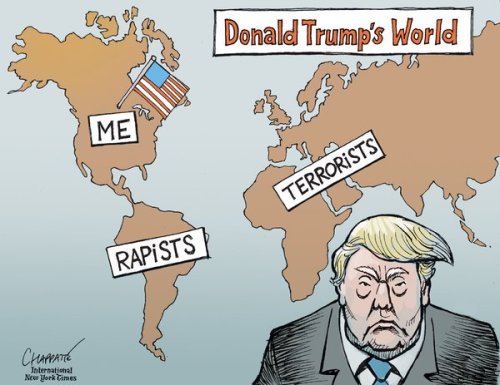


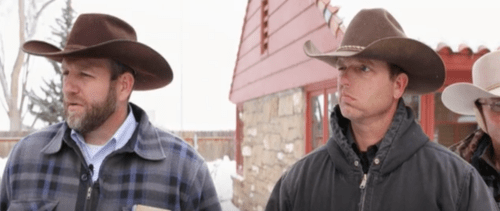 Ammon and Ryan Bundy/
 Rick Bowmer/AP
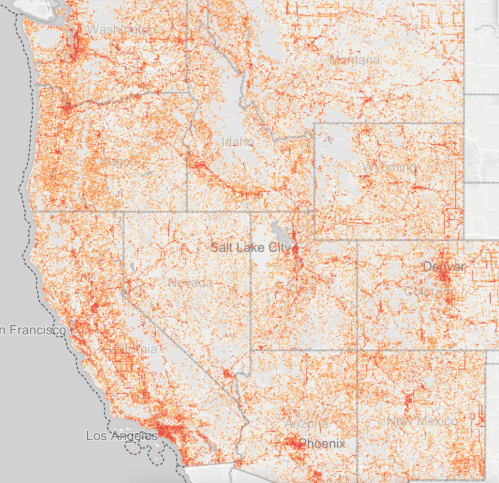

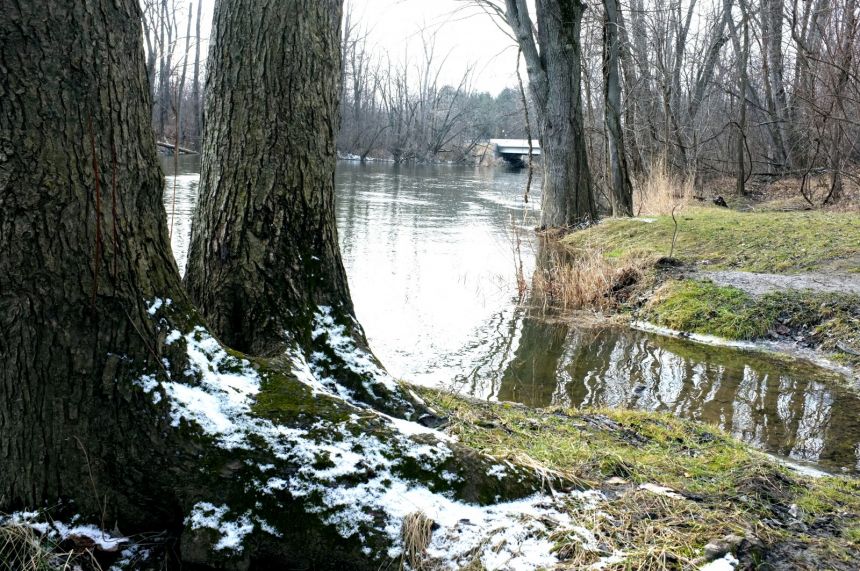
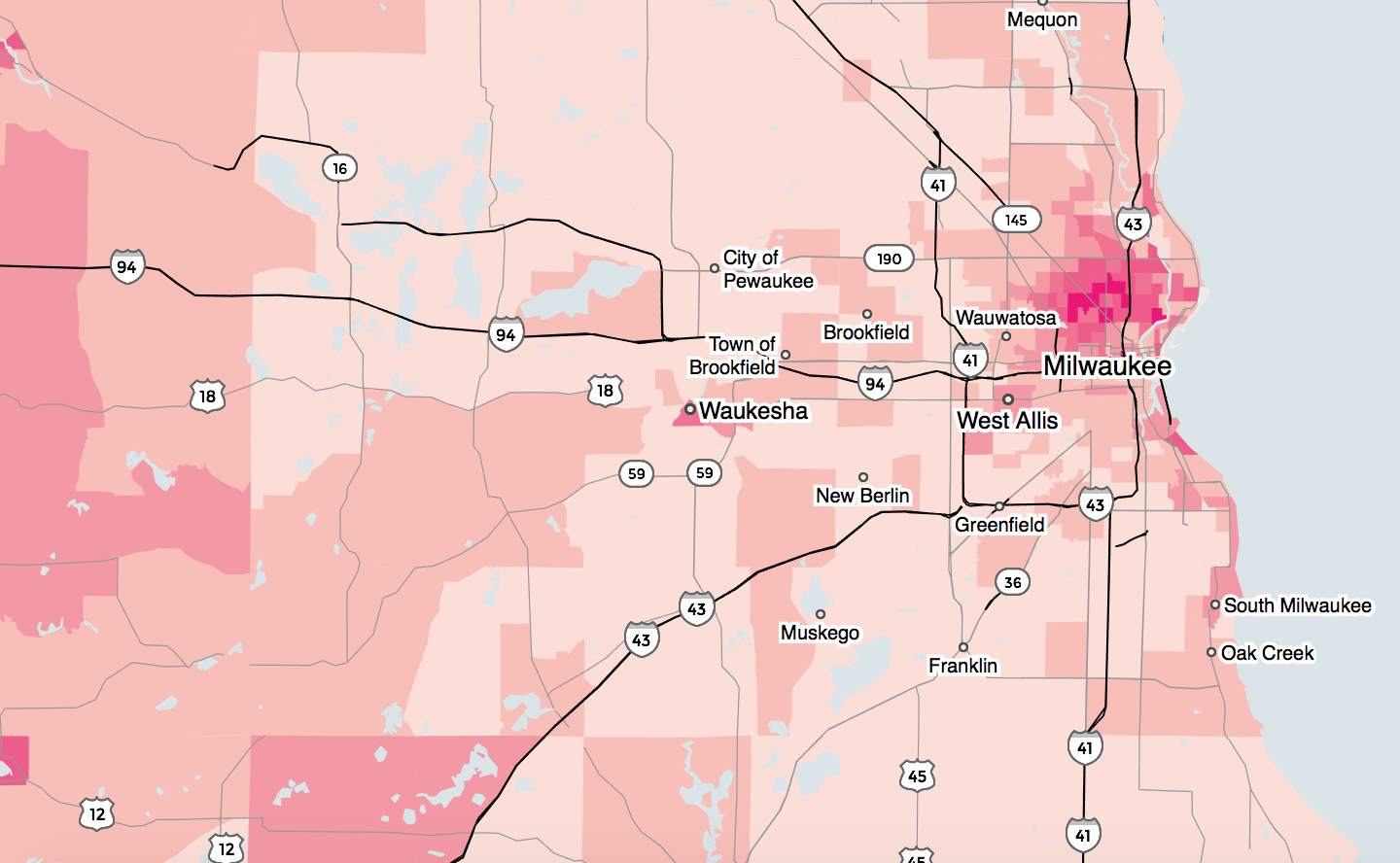
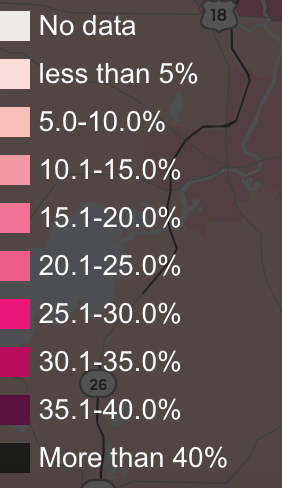
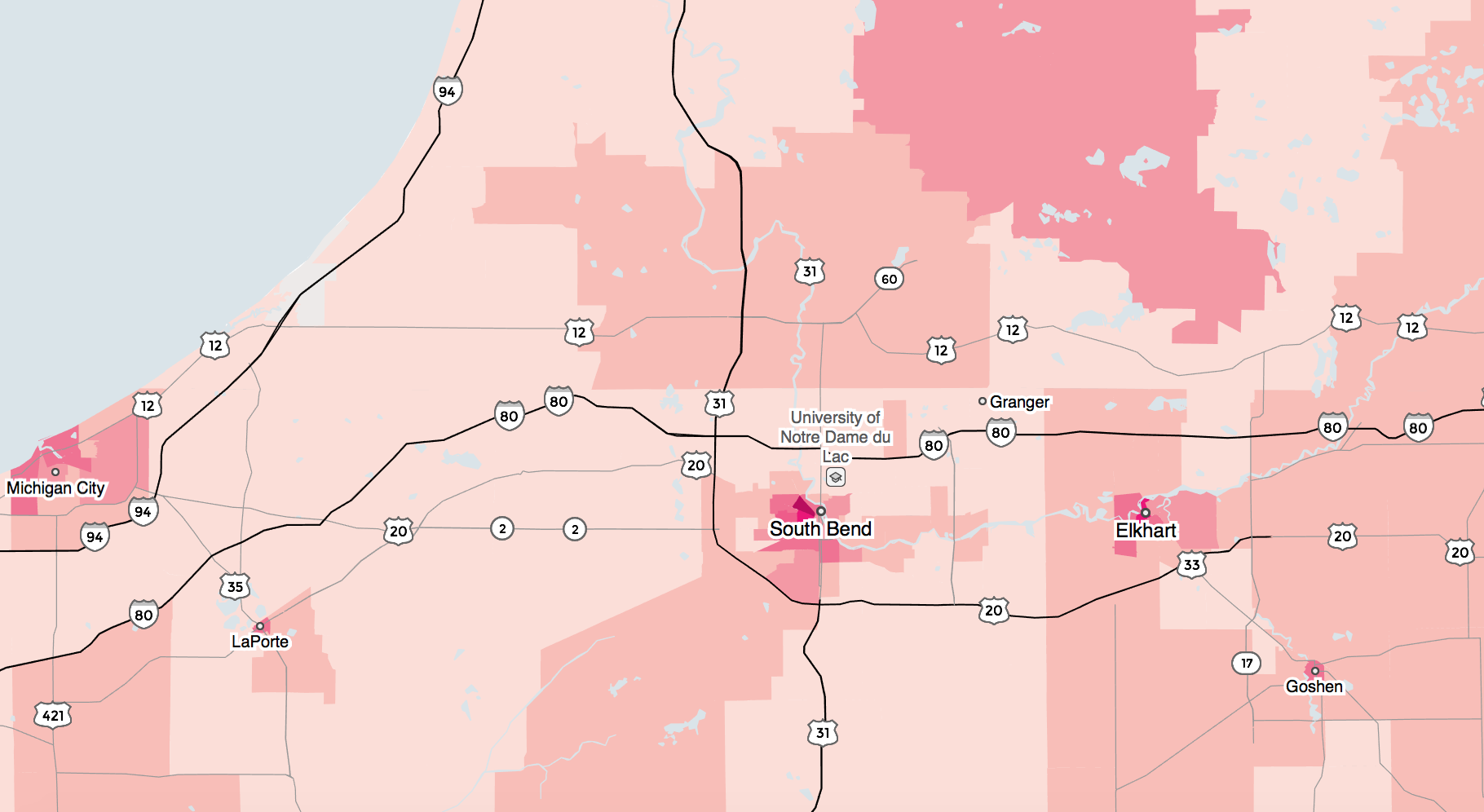


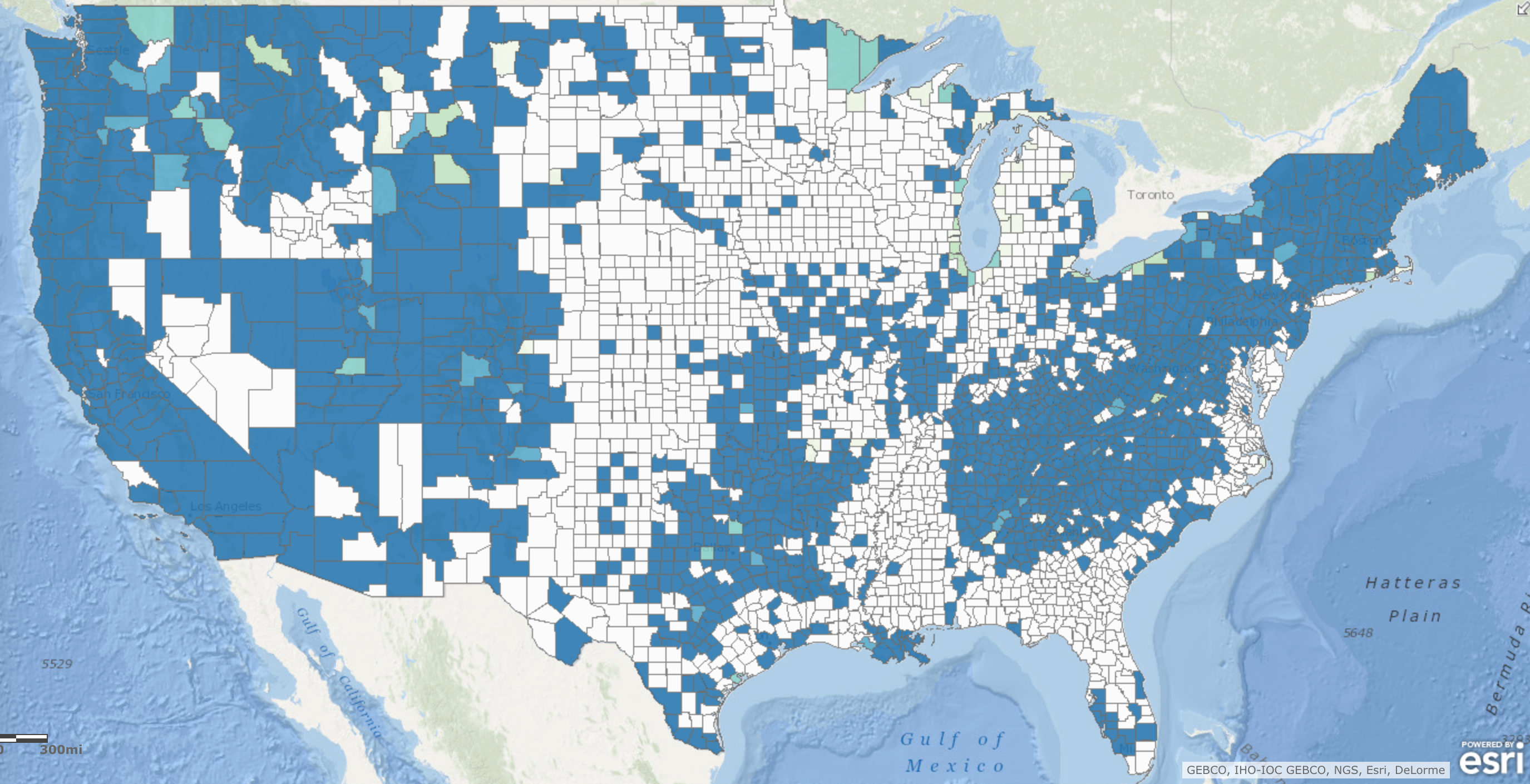
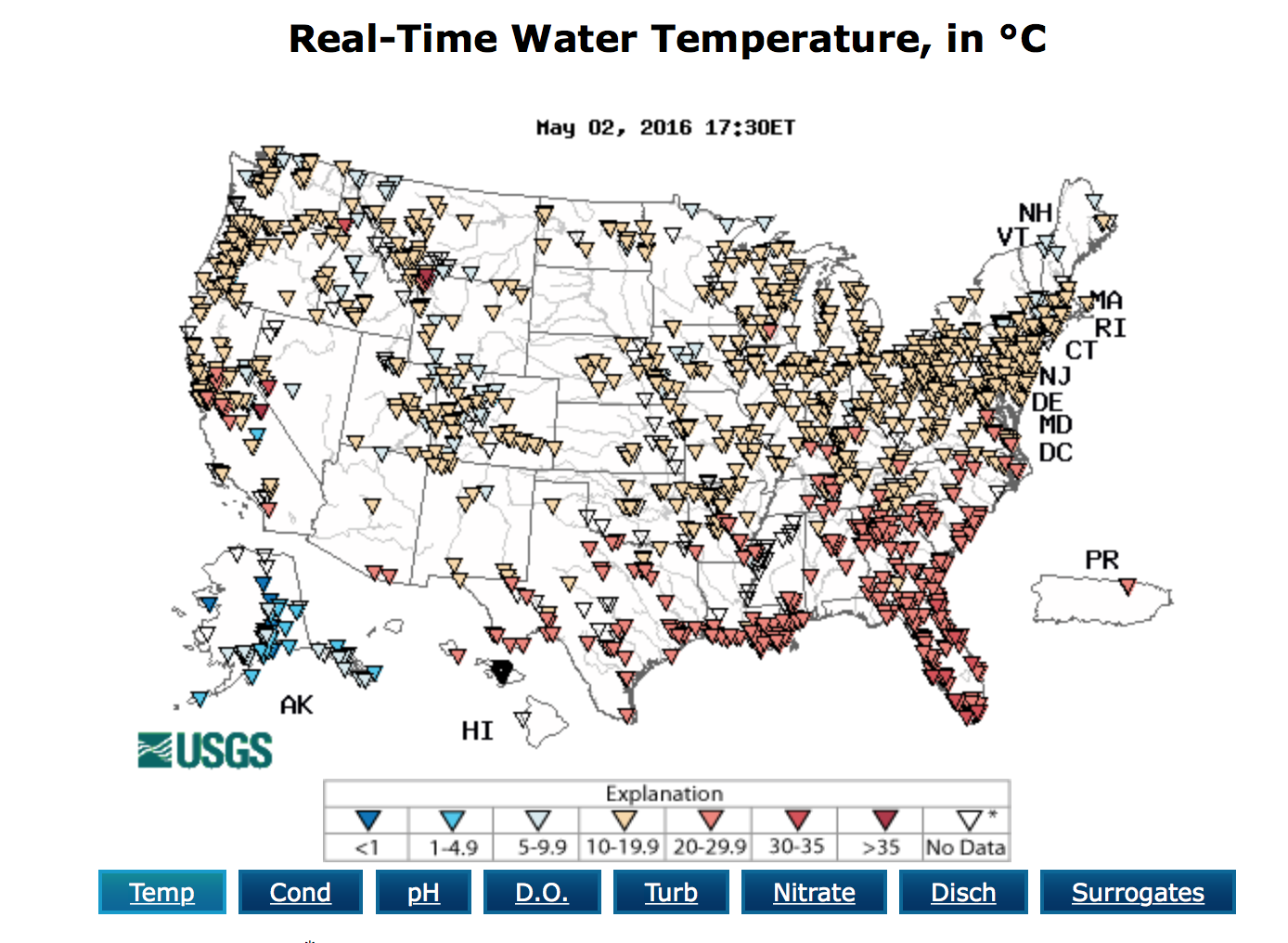

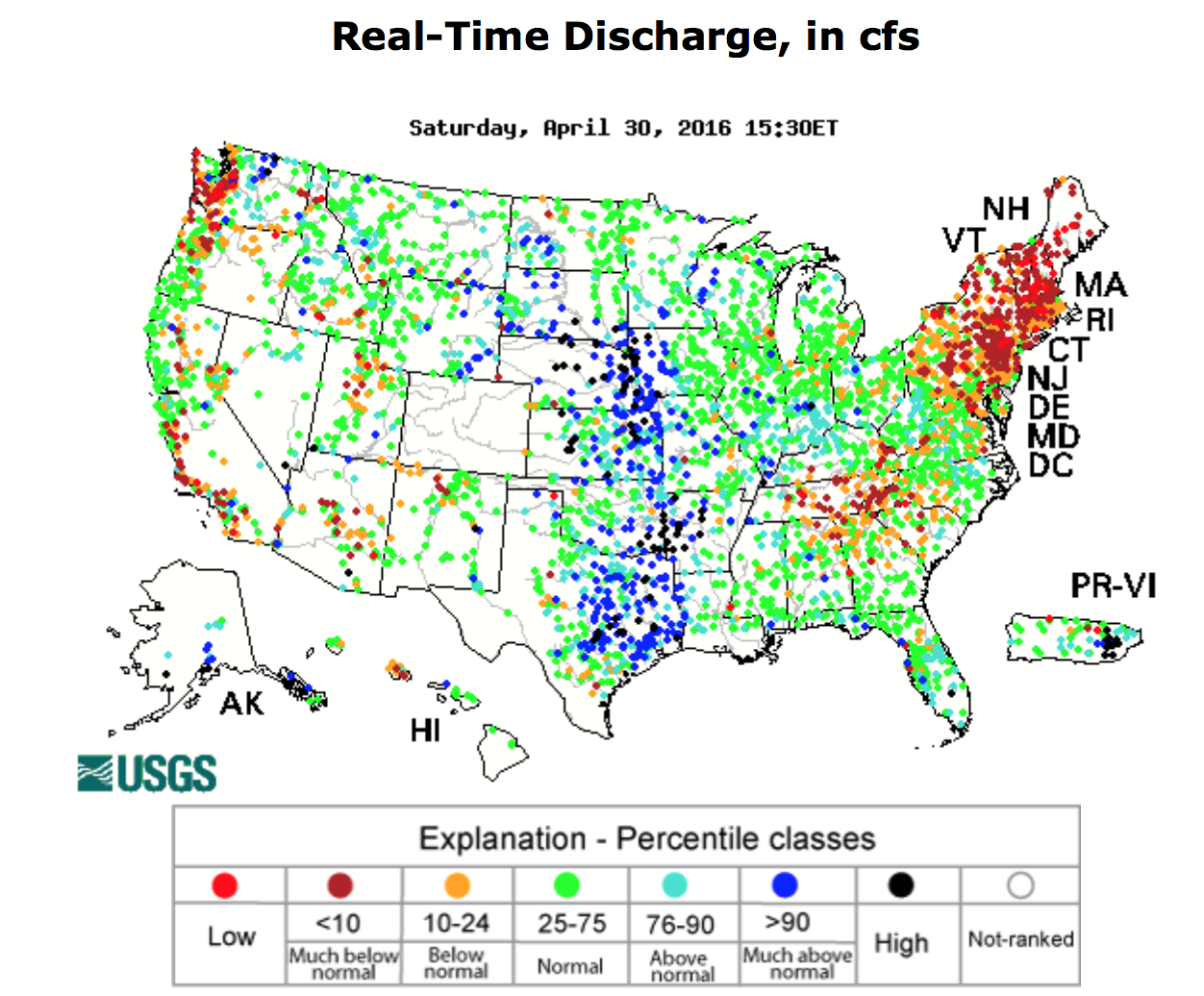

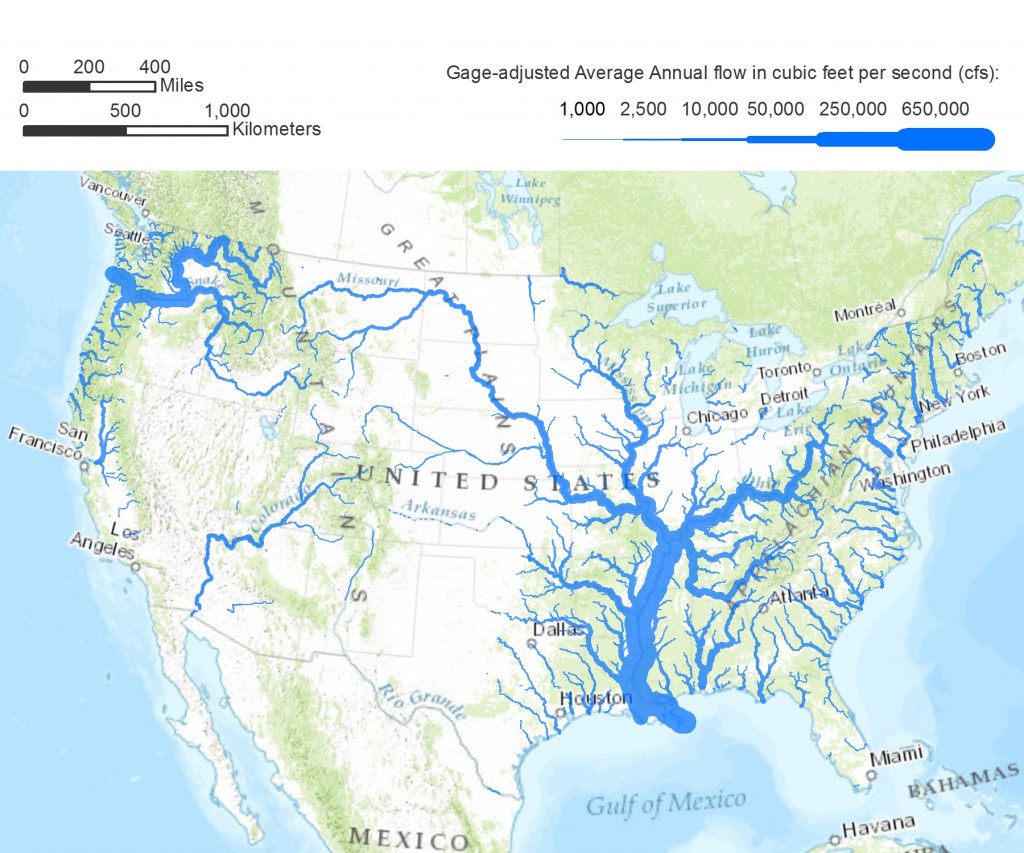
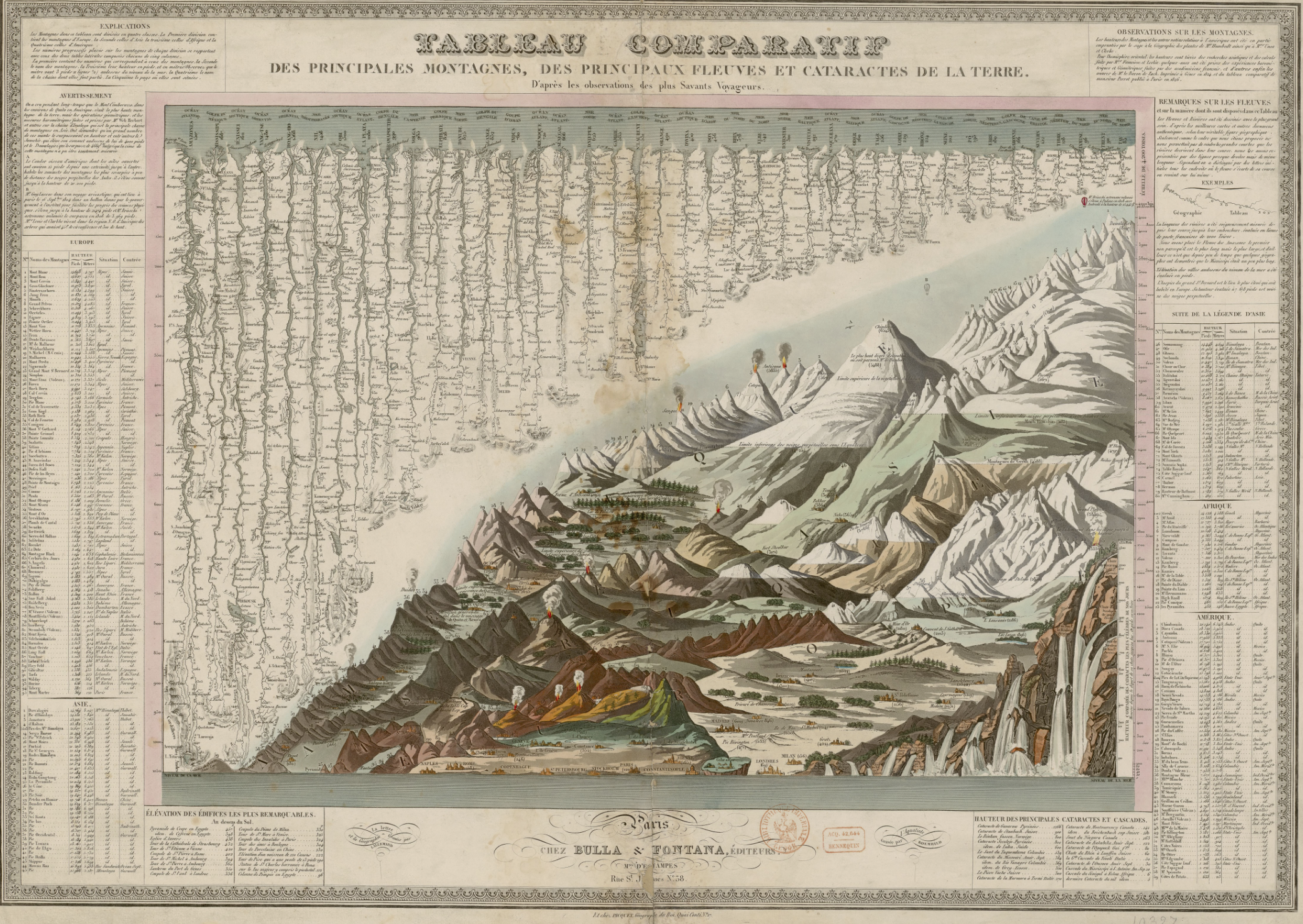
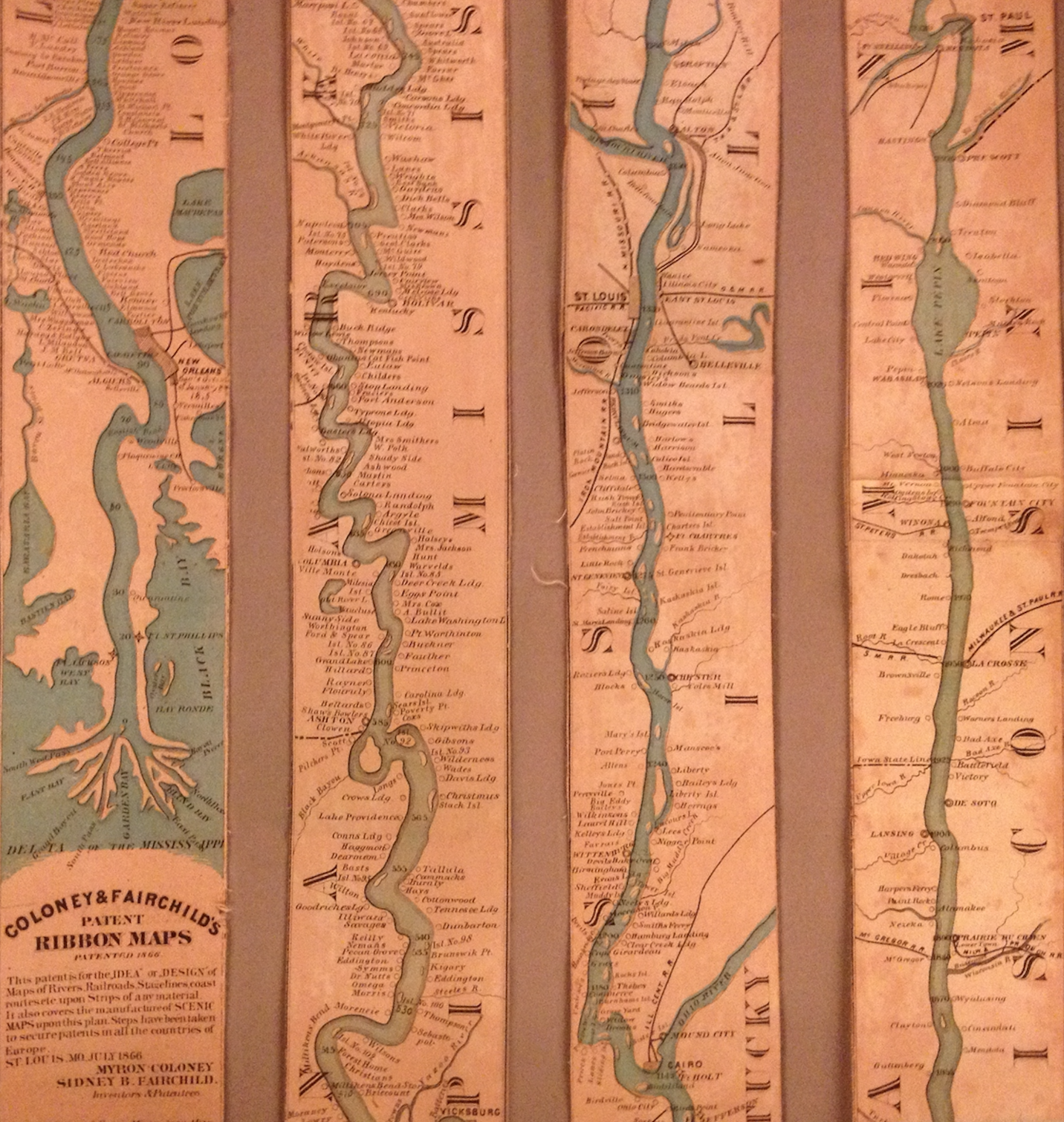
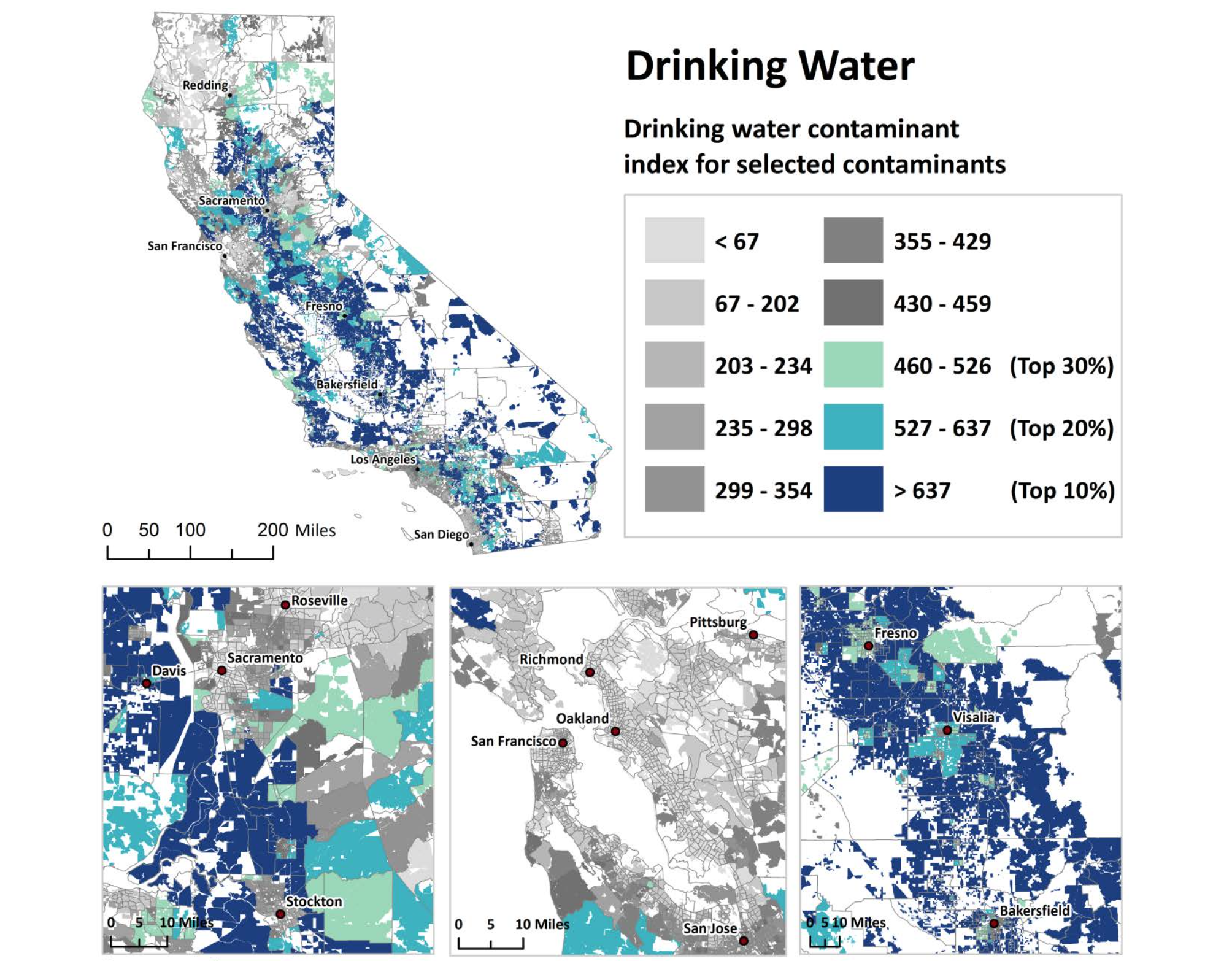
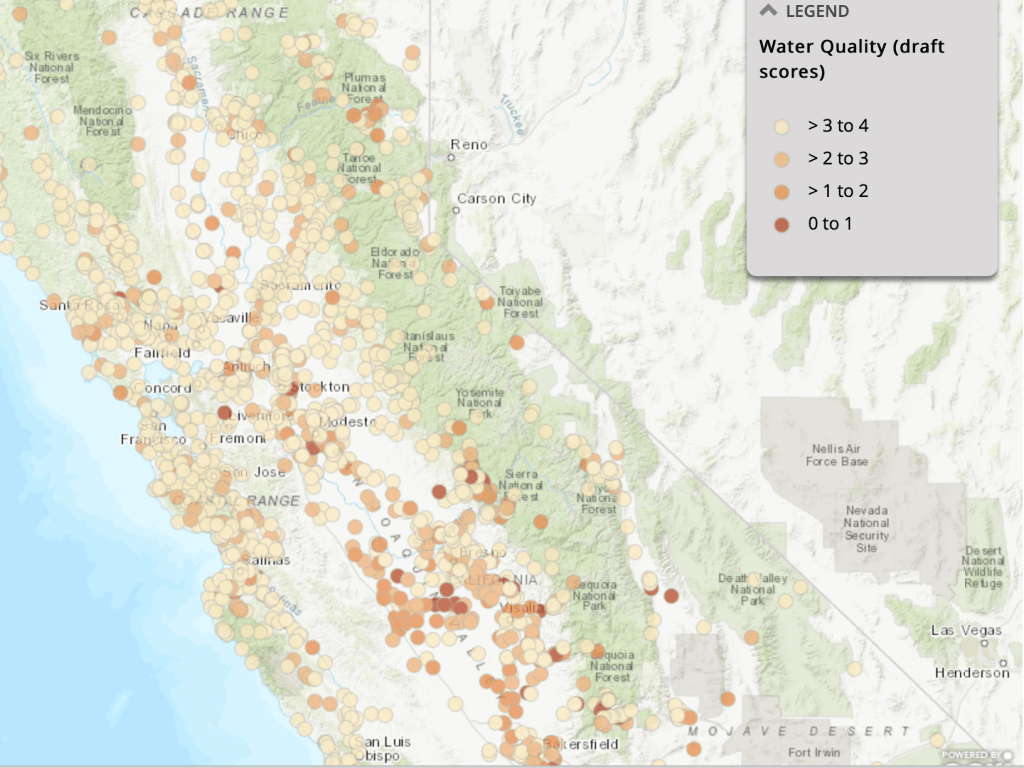


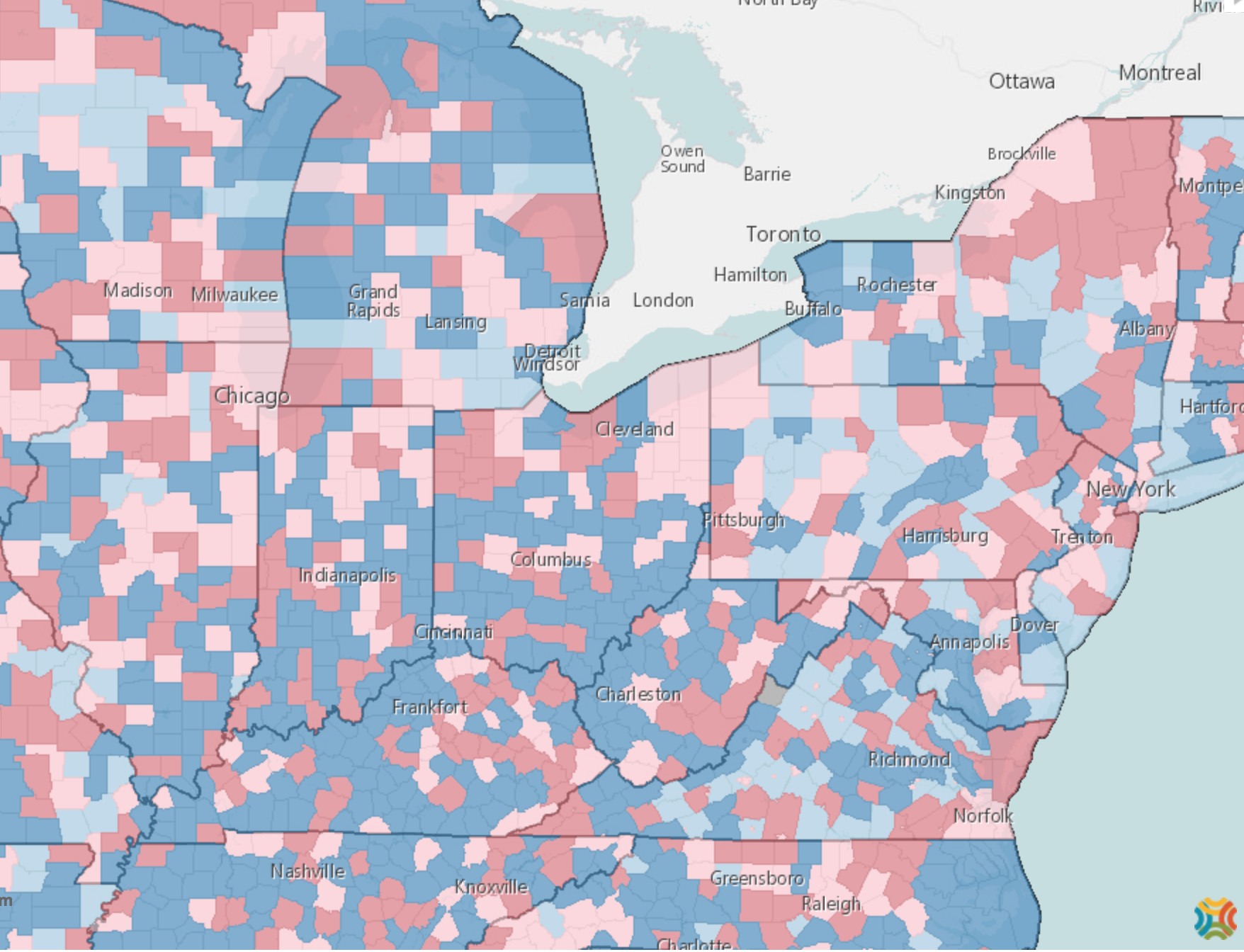

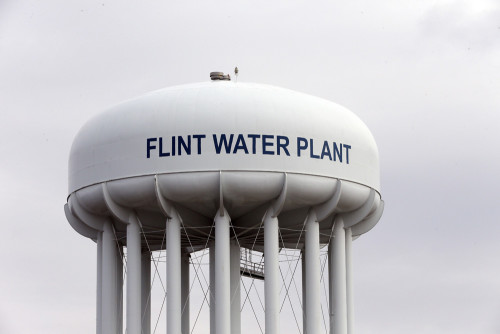
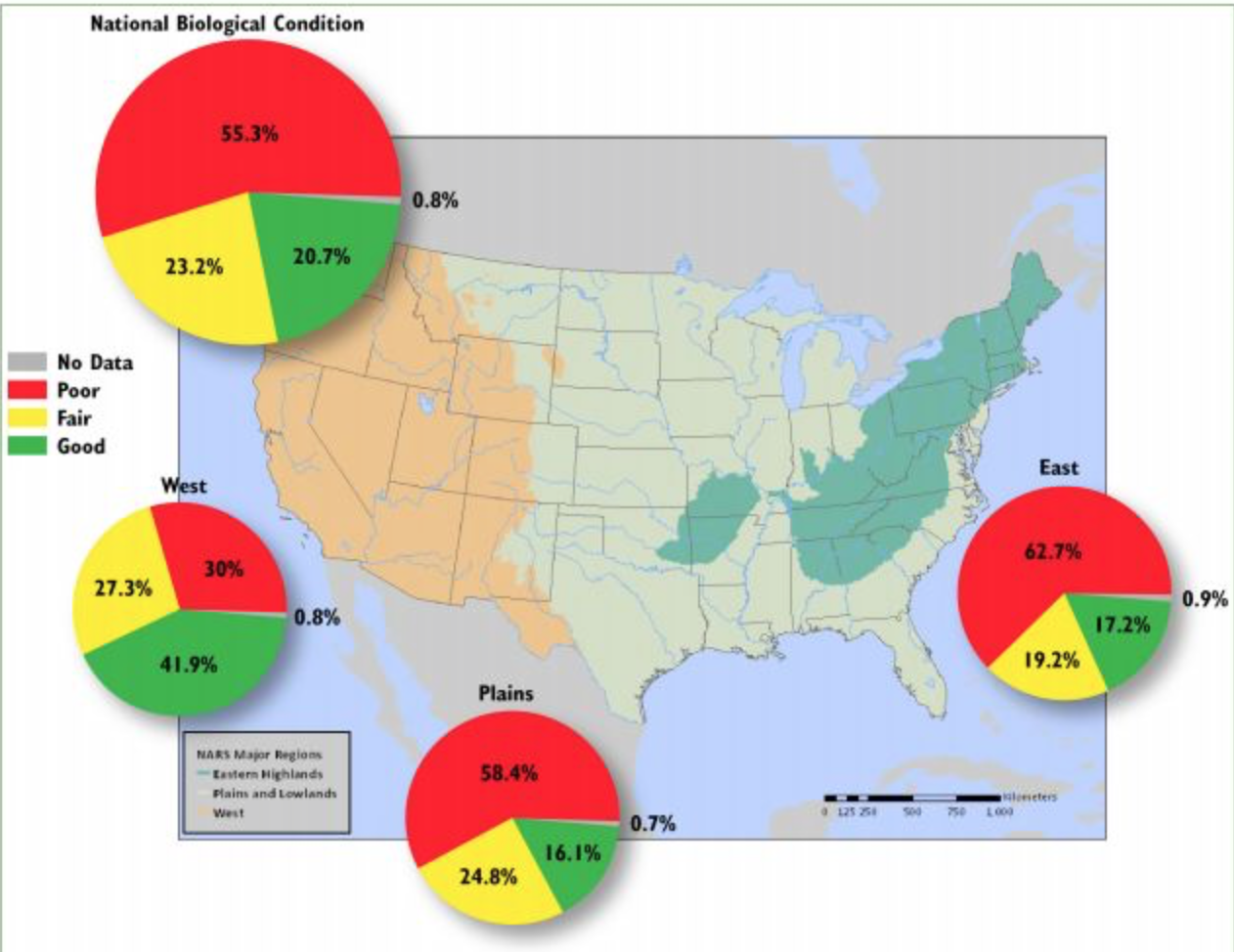
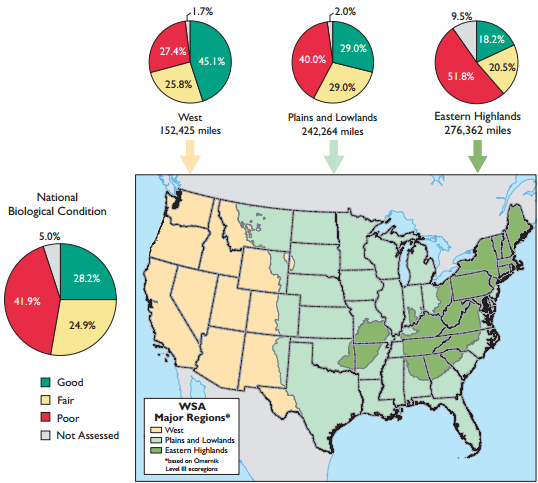
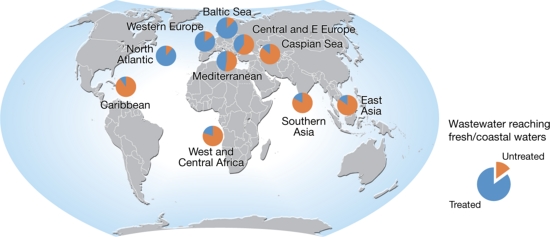
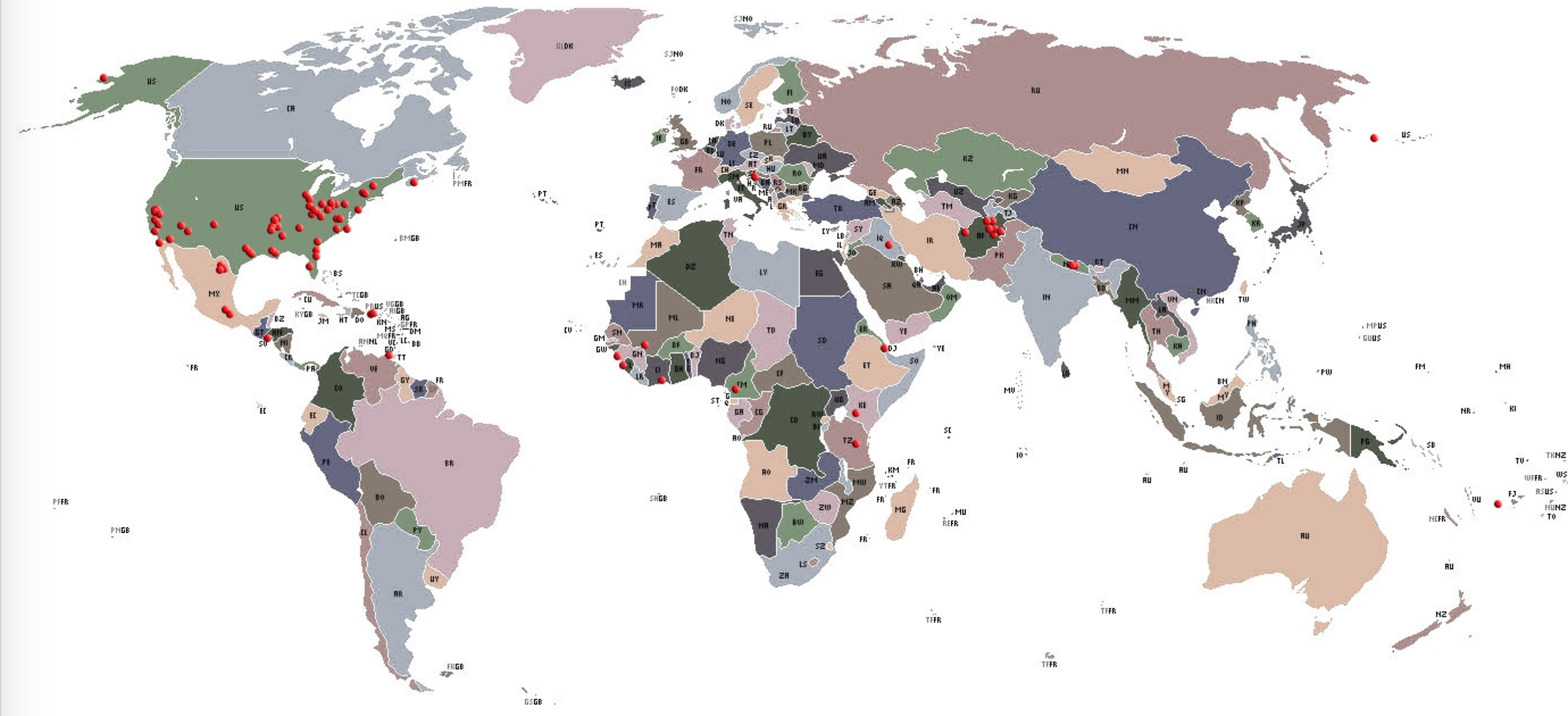
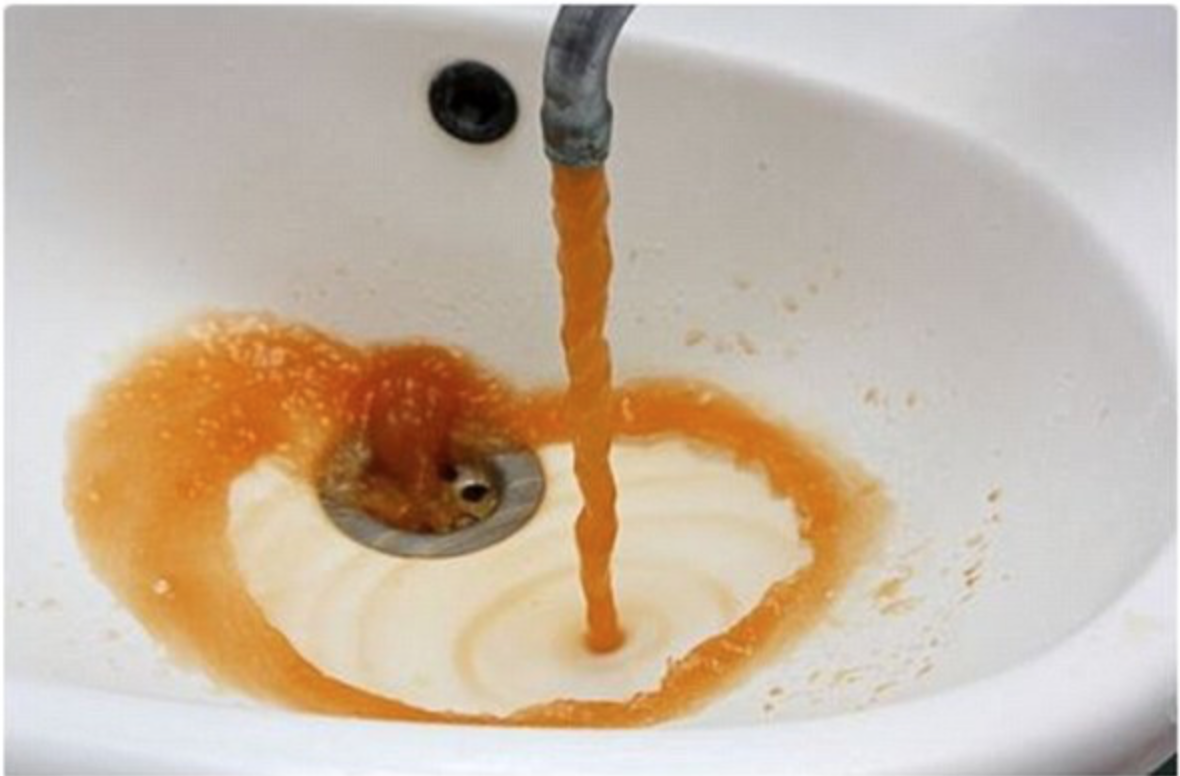
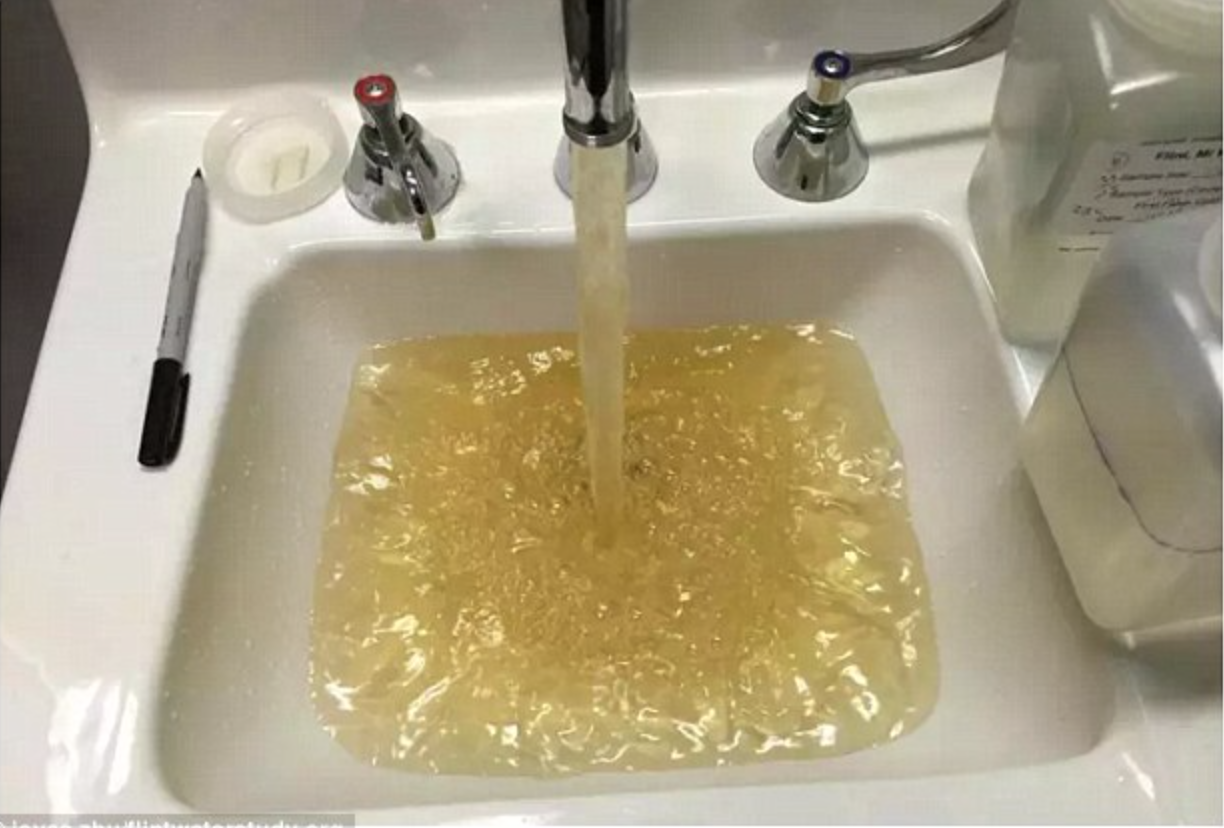
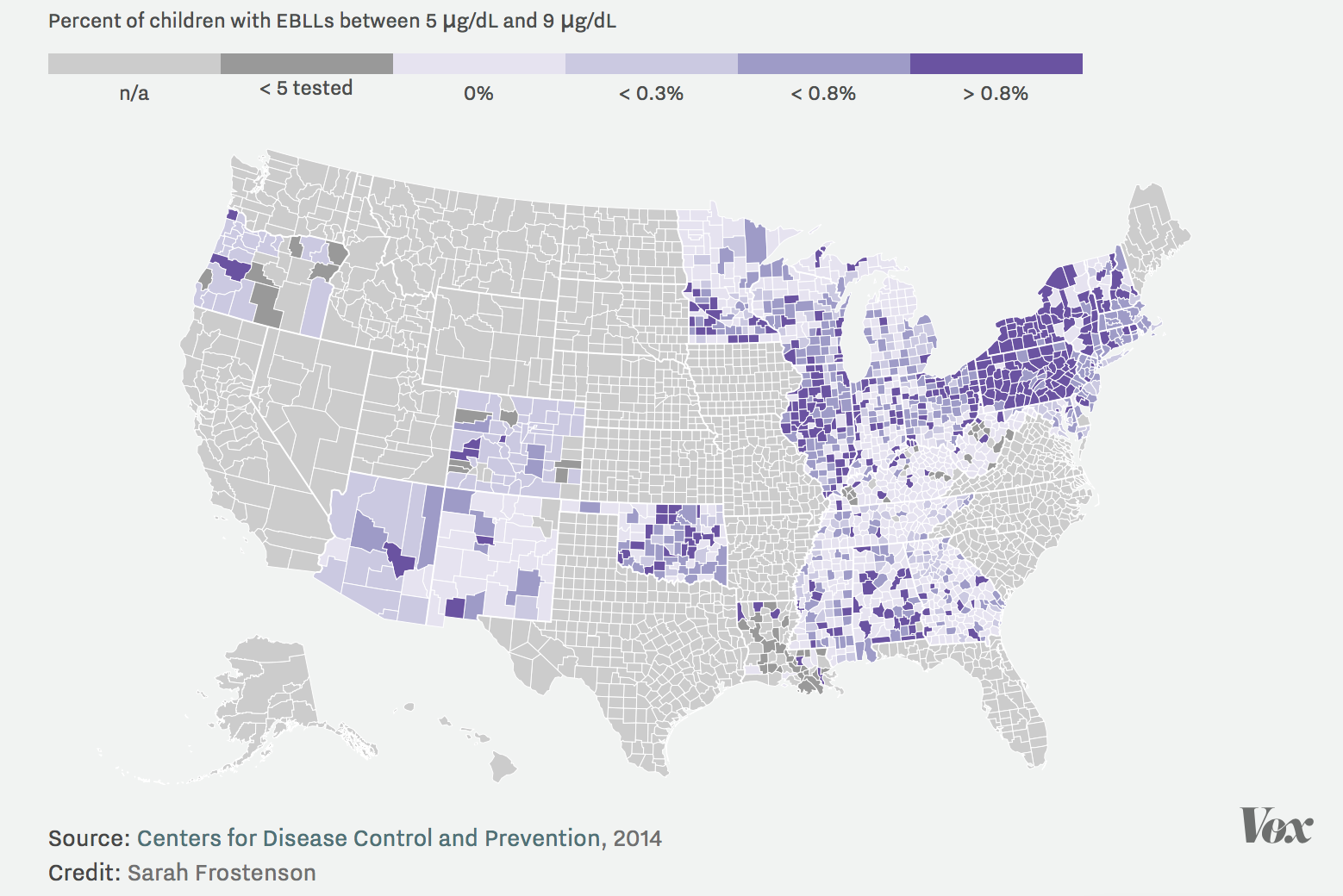


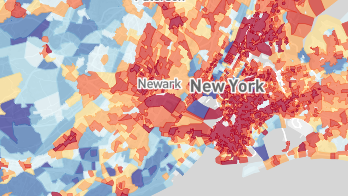
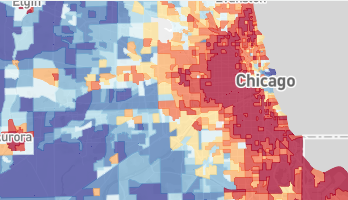
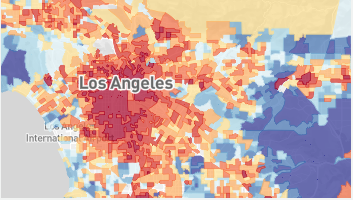
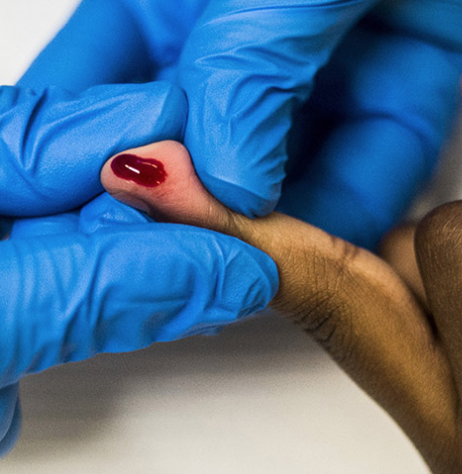


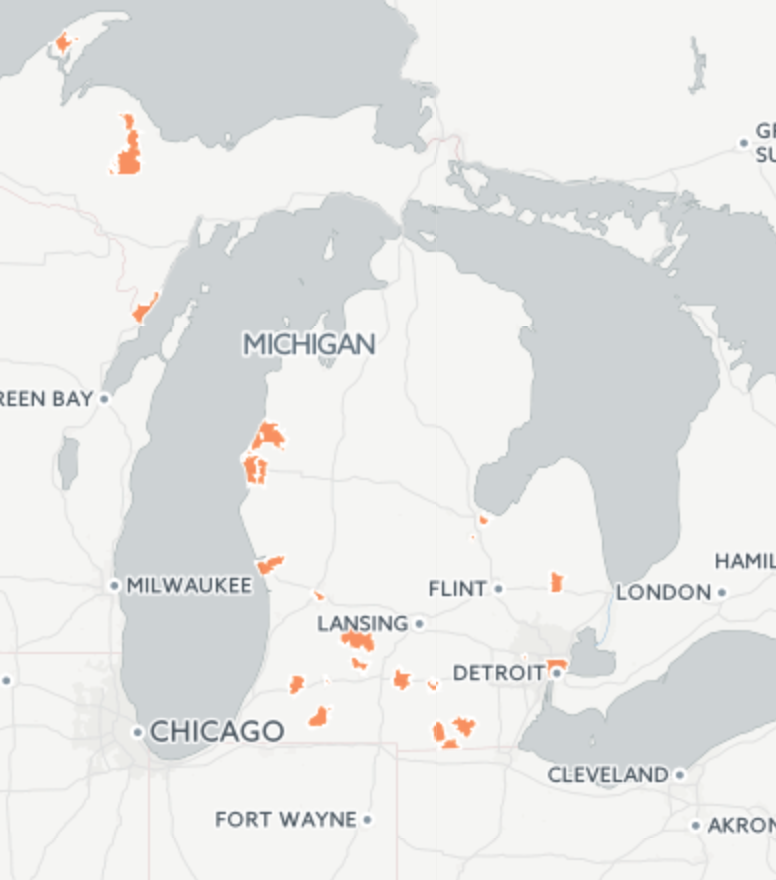
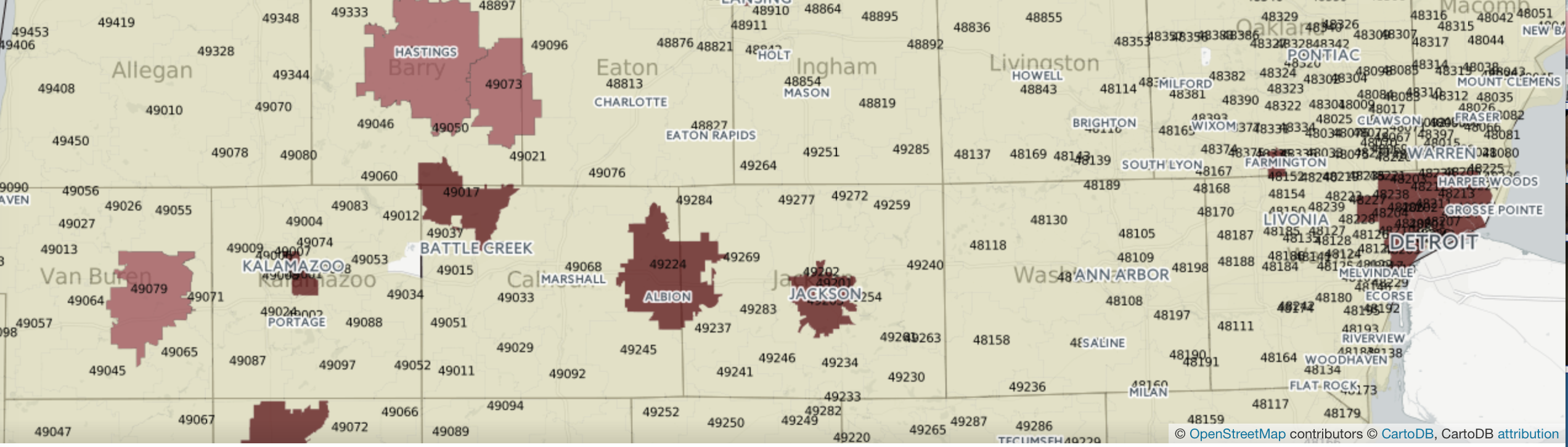
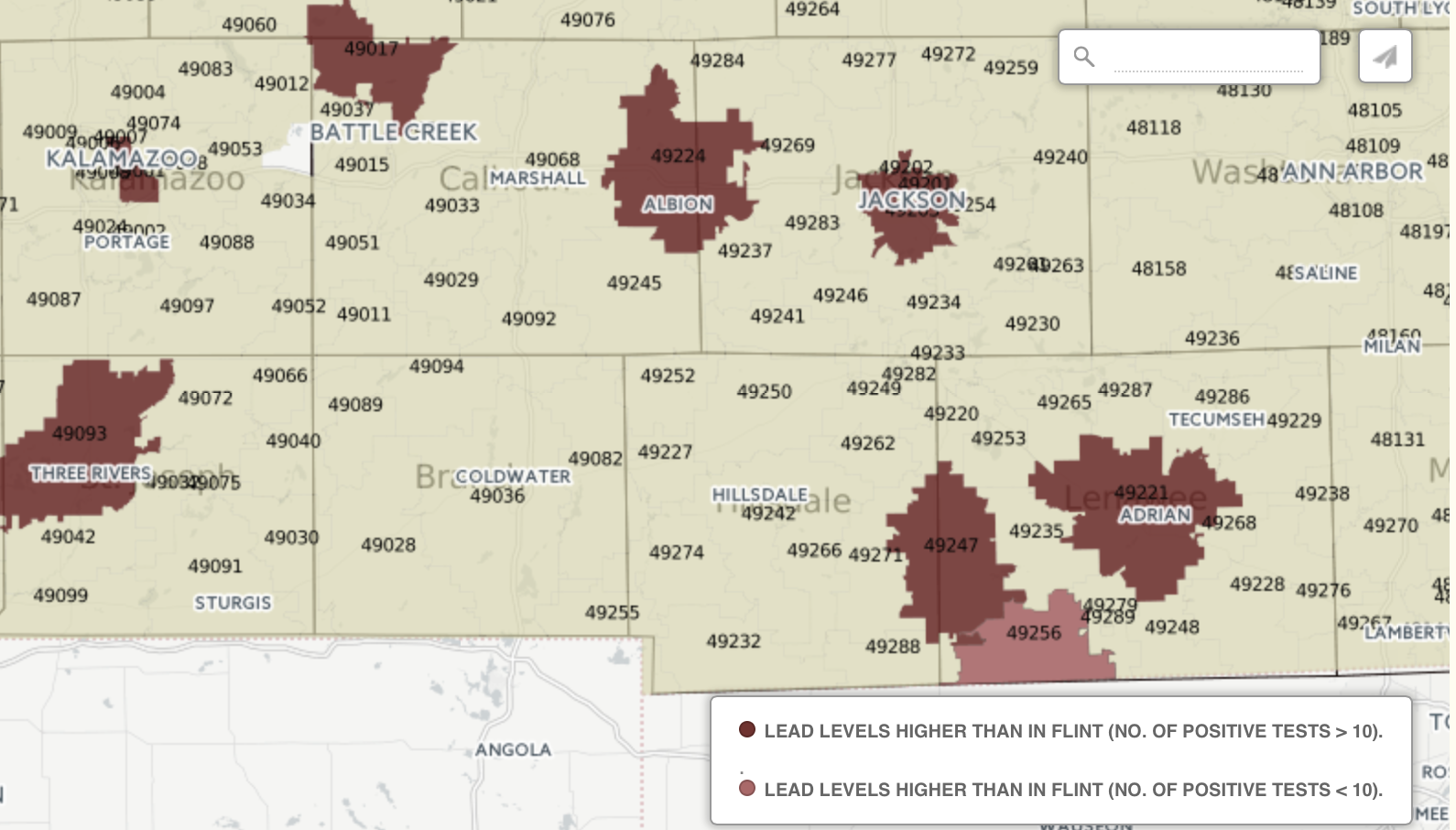
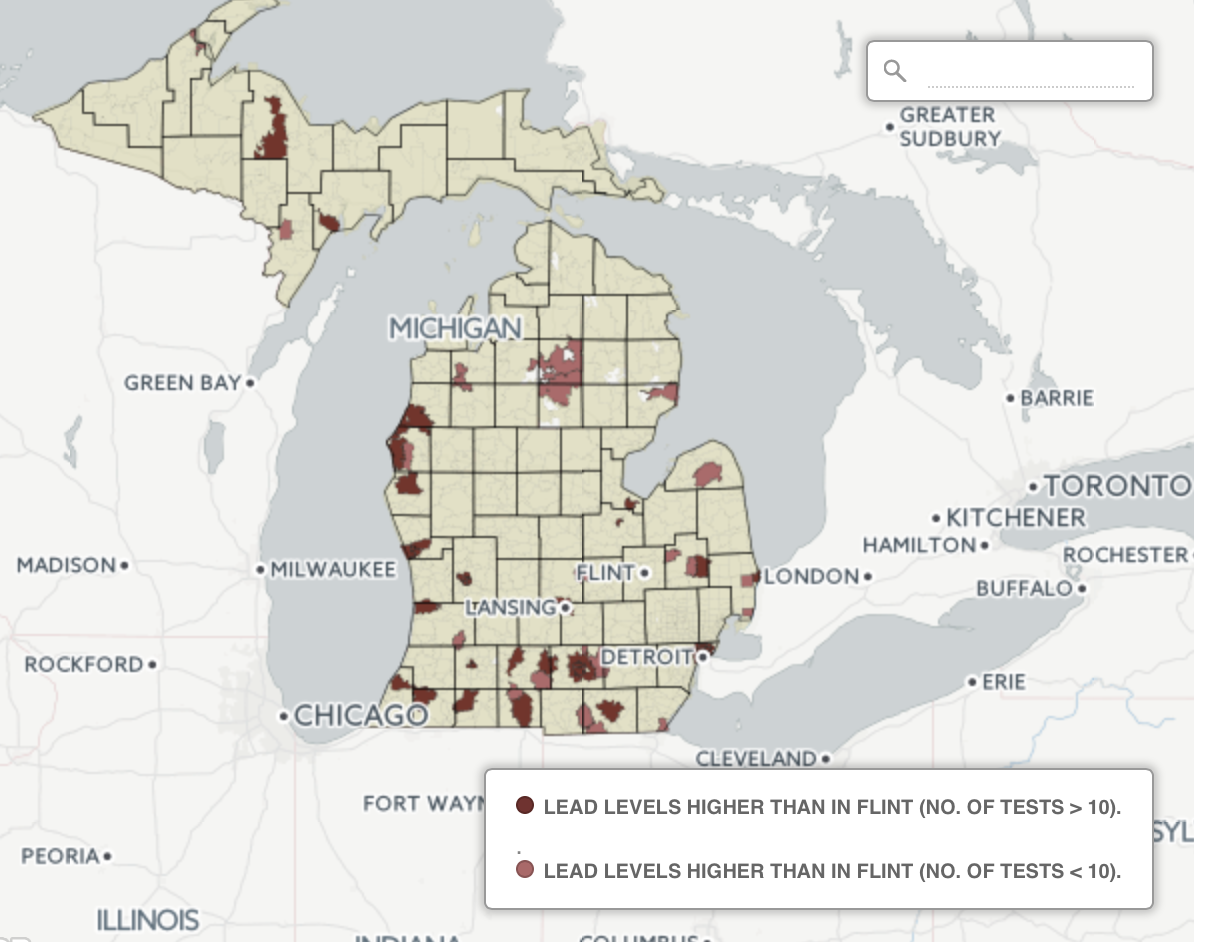

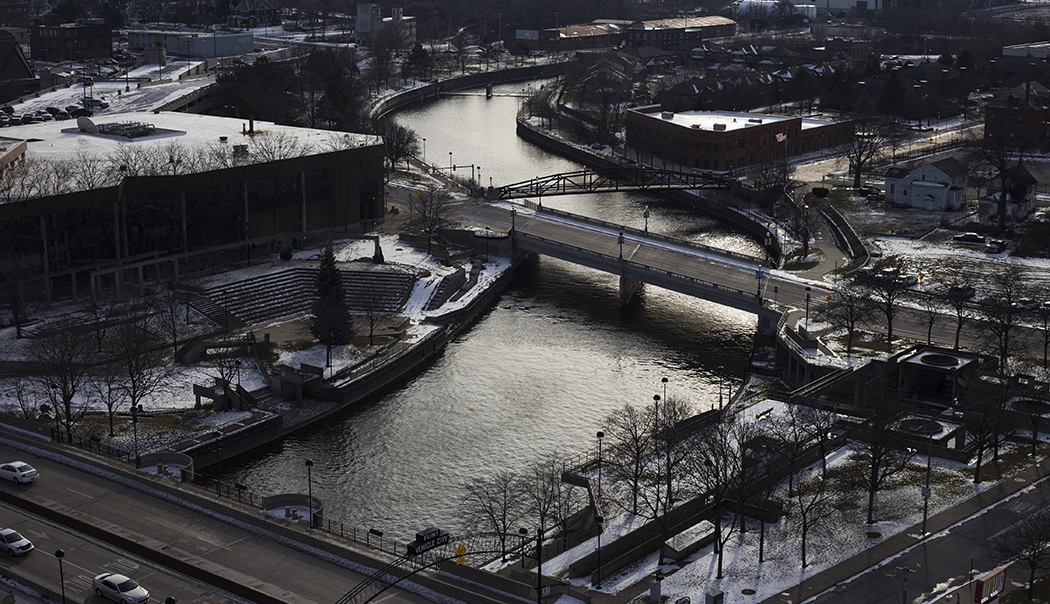


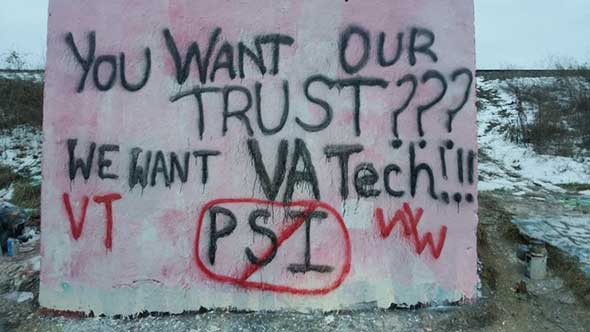
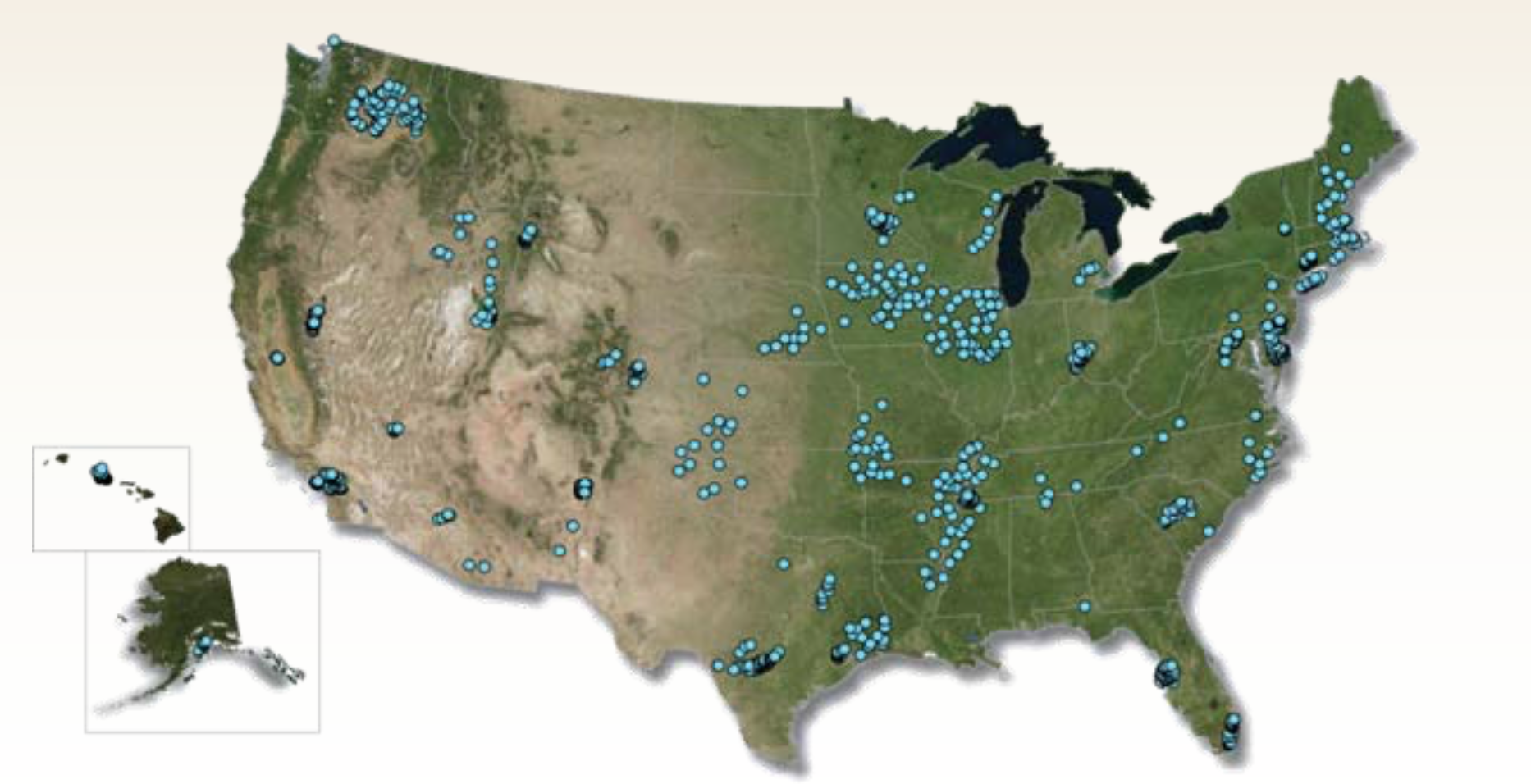
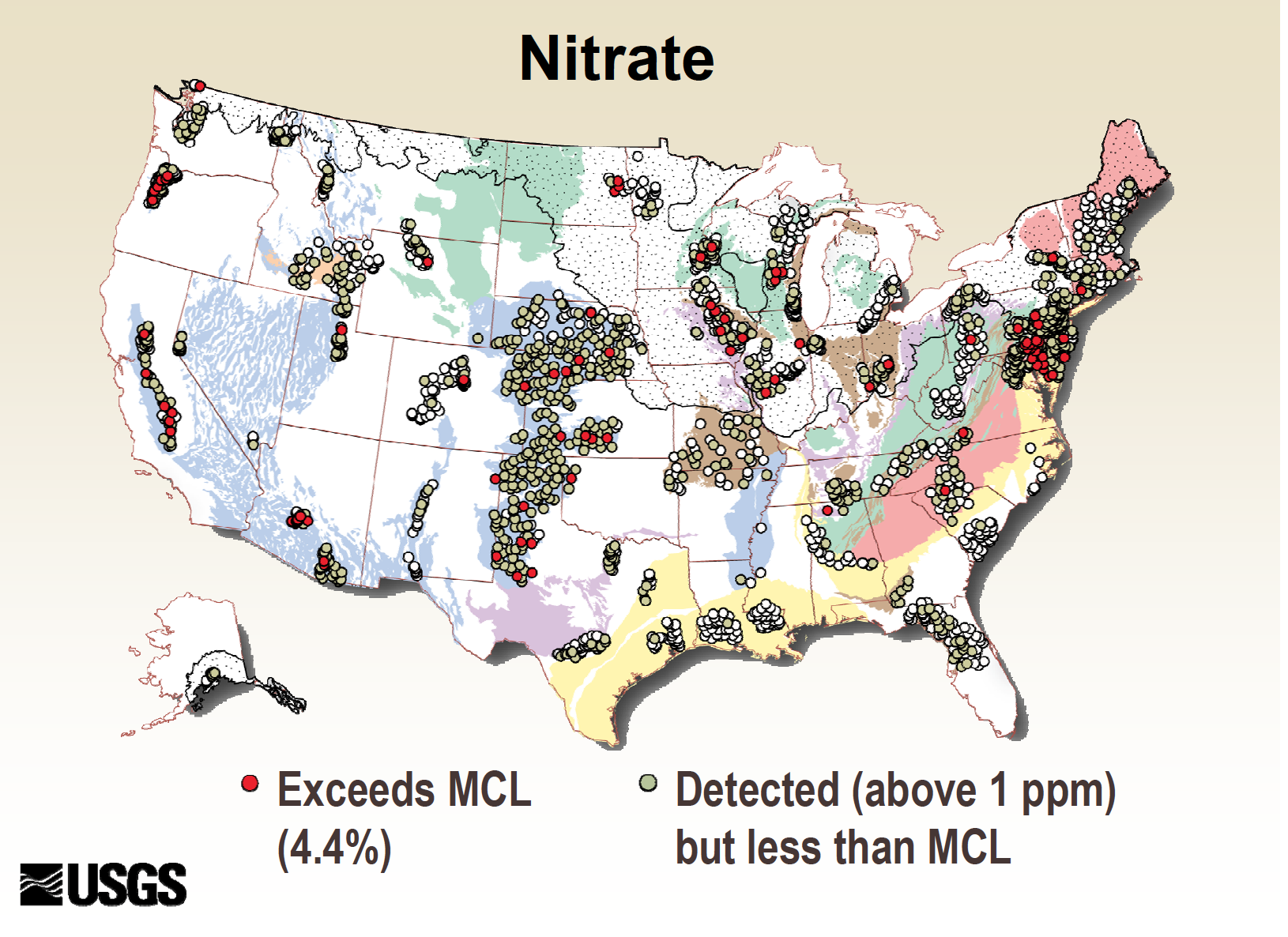

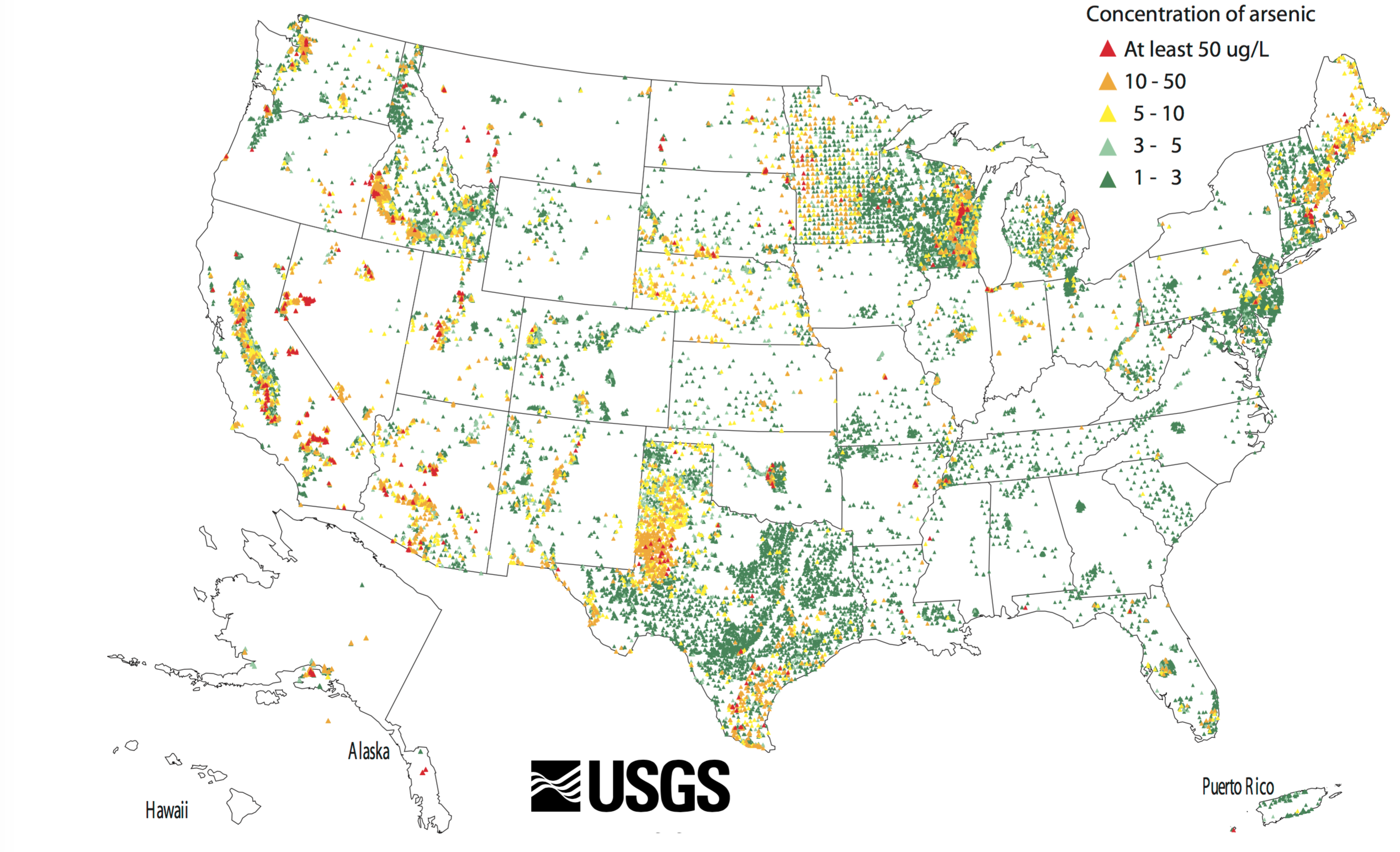
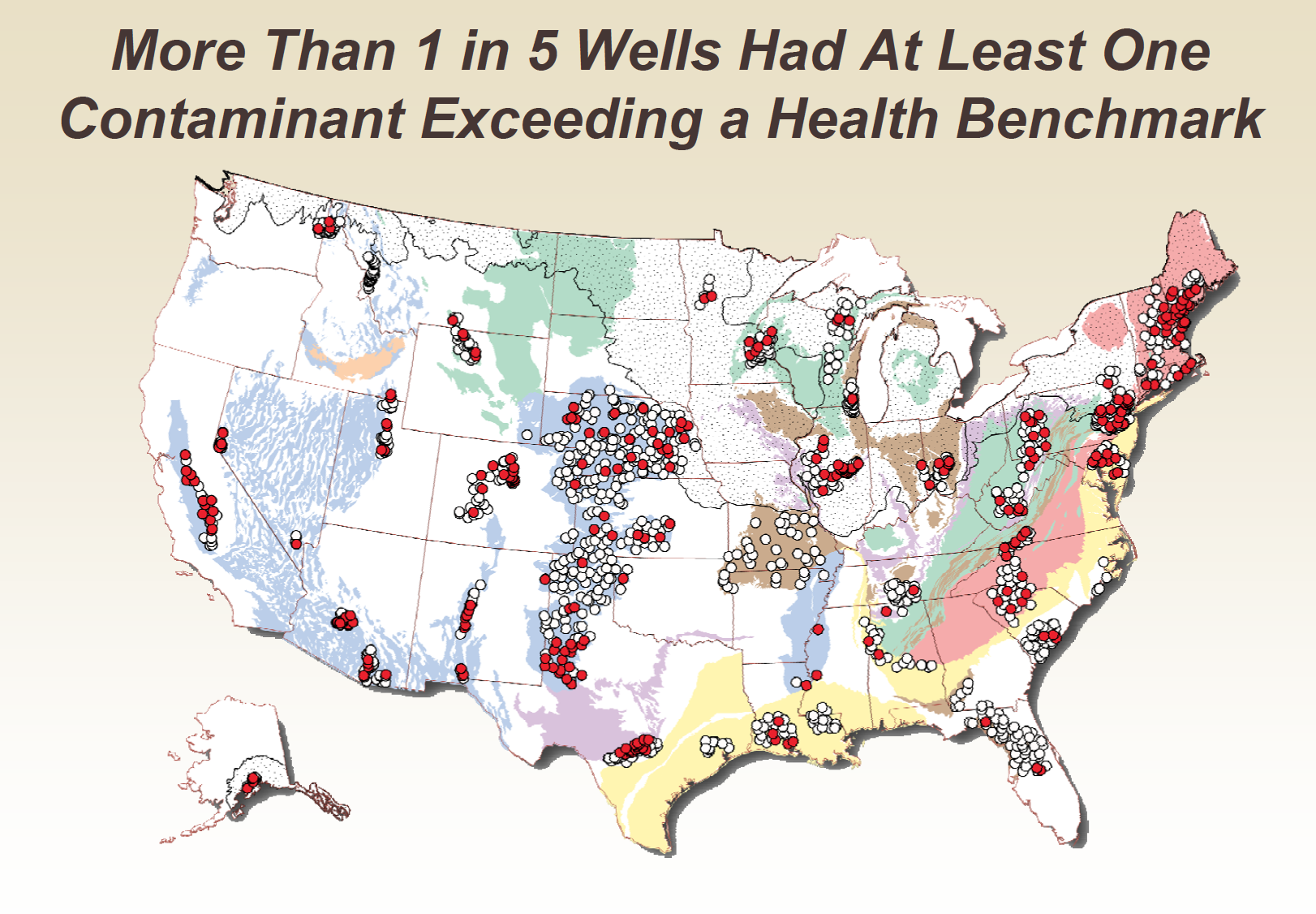
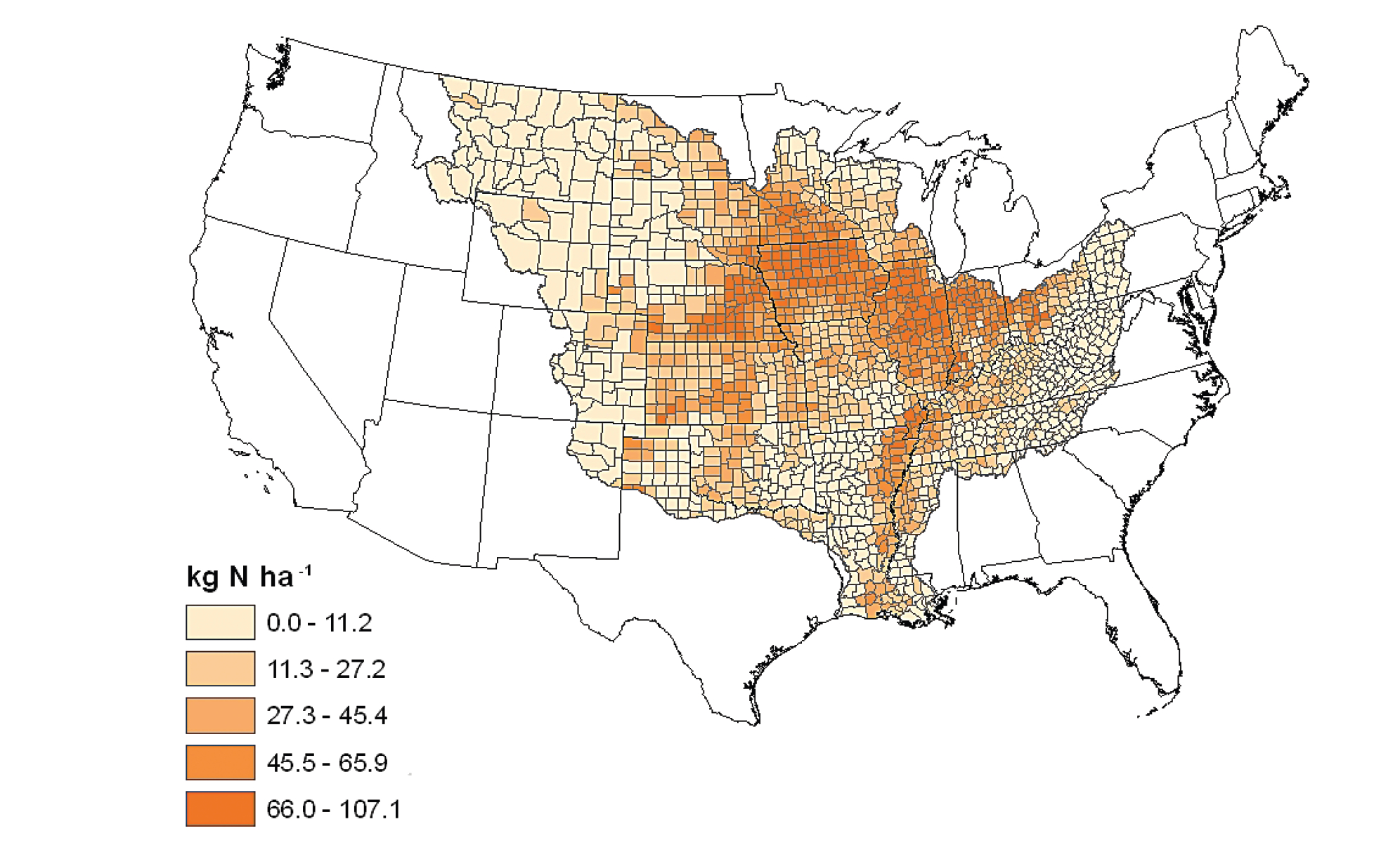
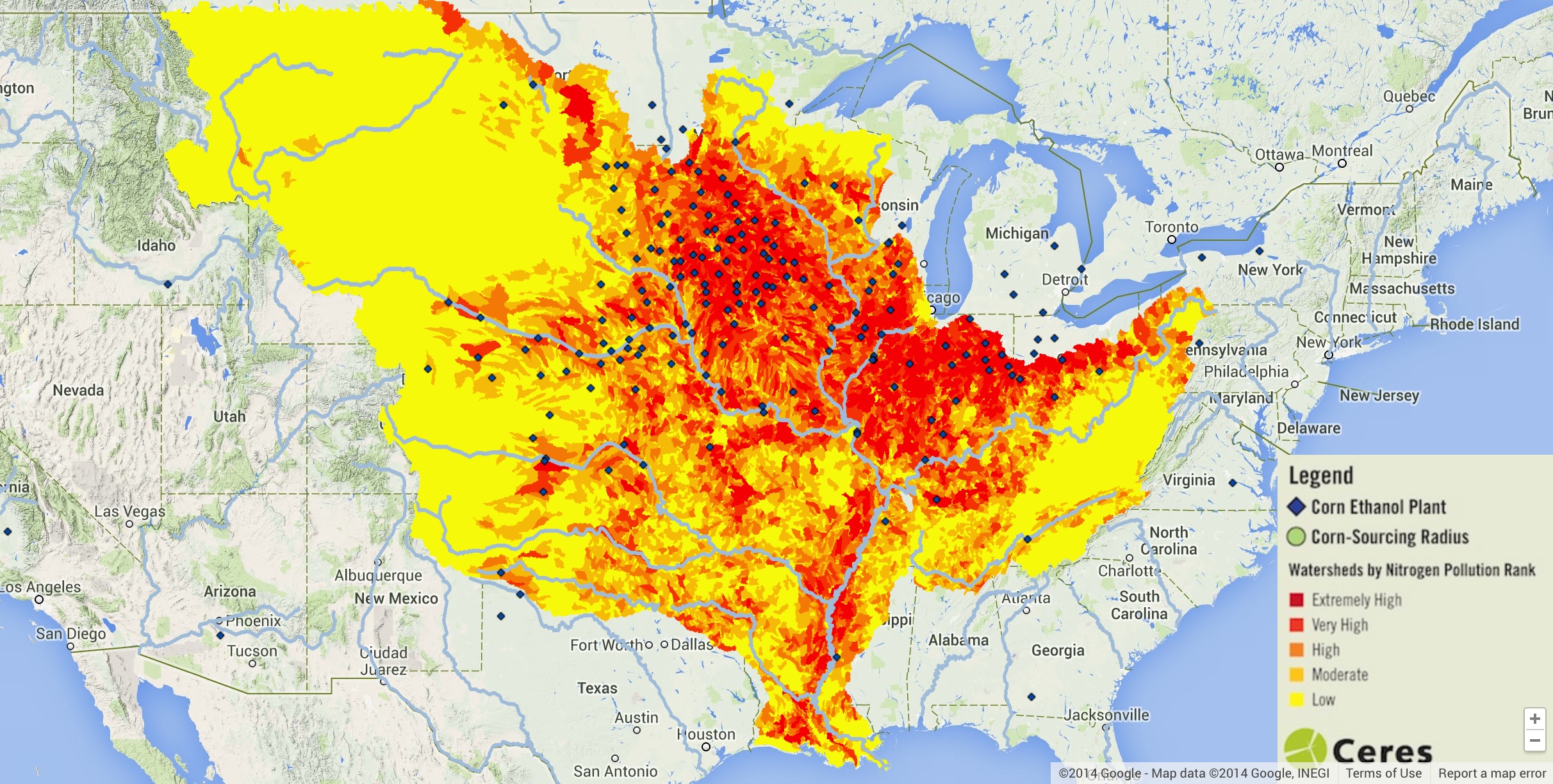


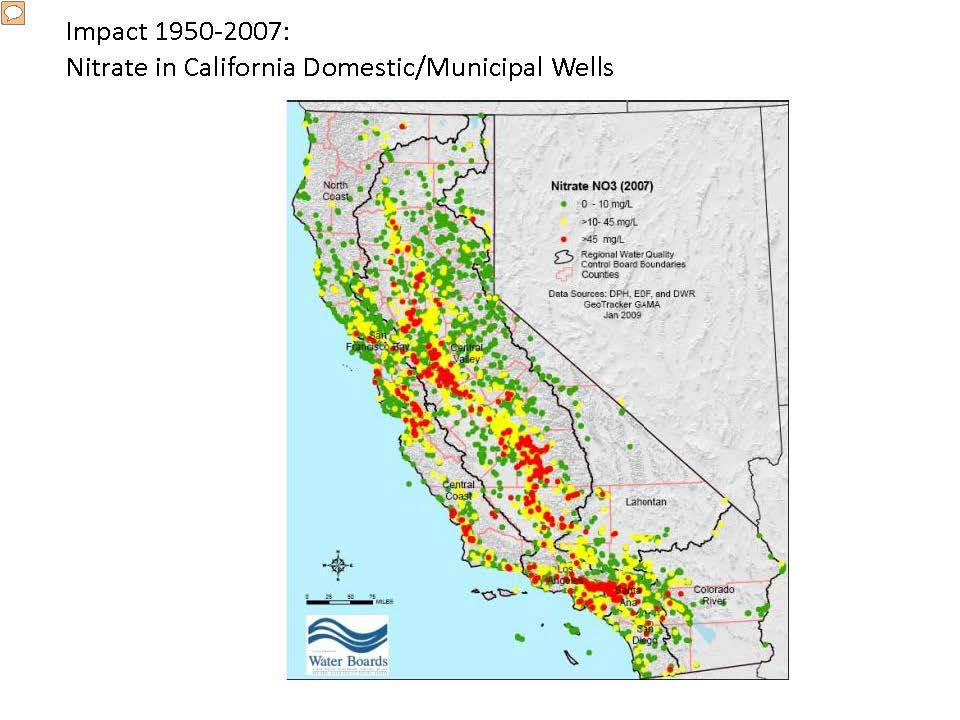
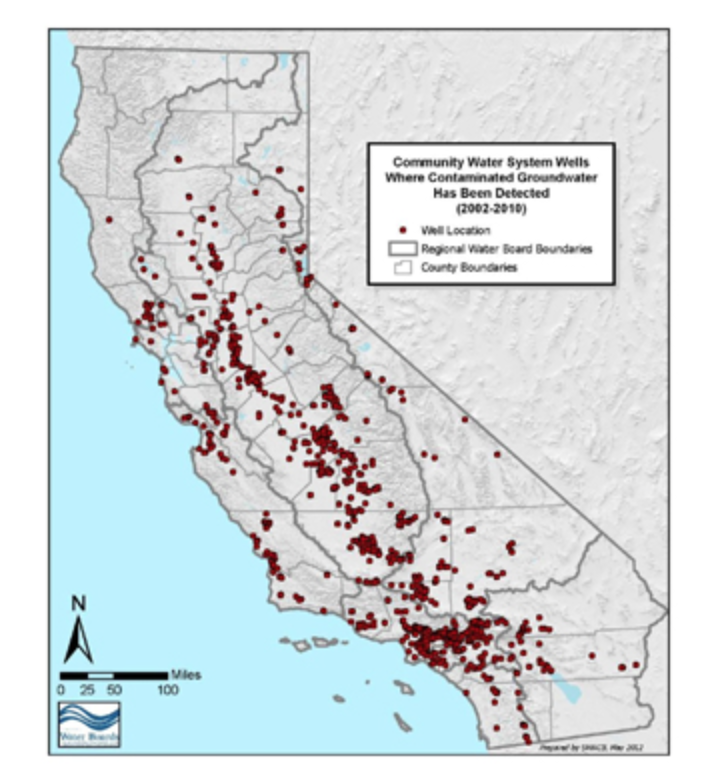

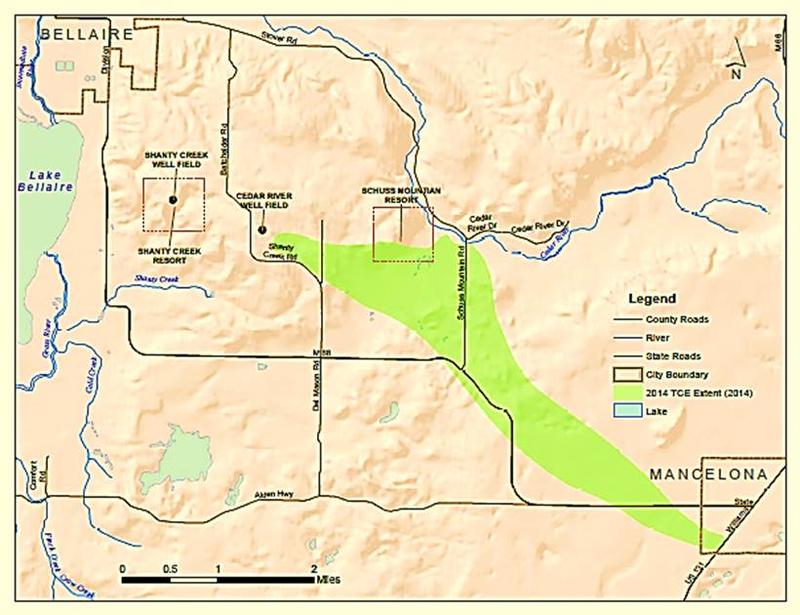

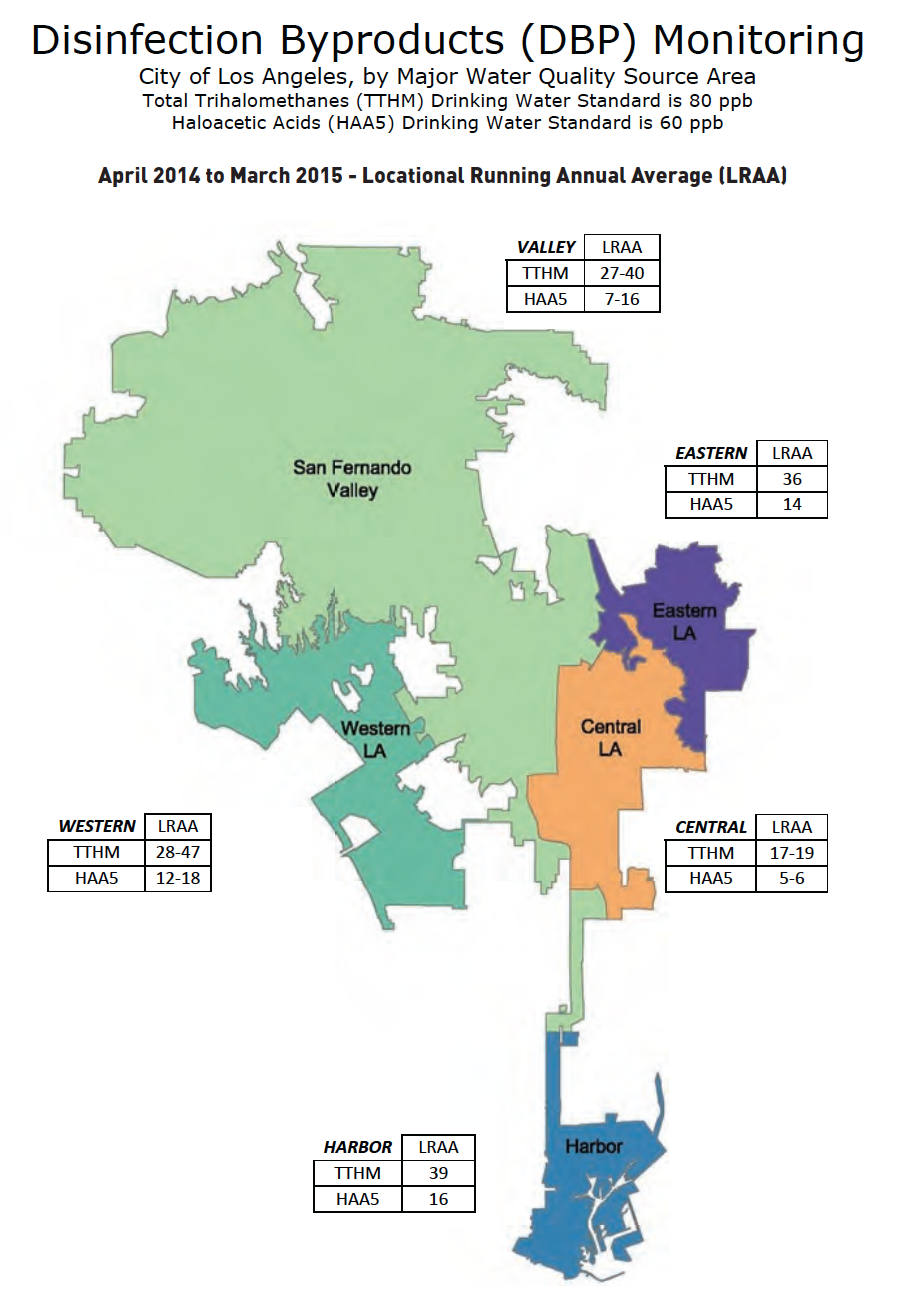

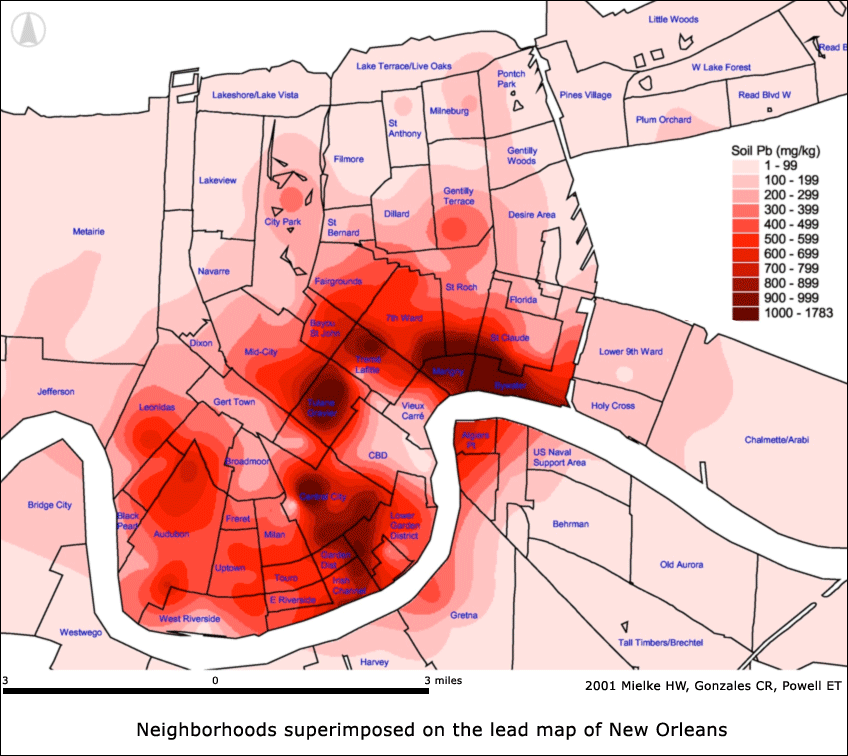
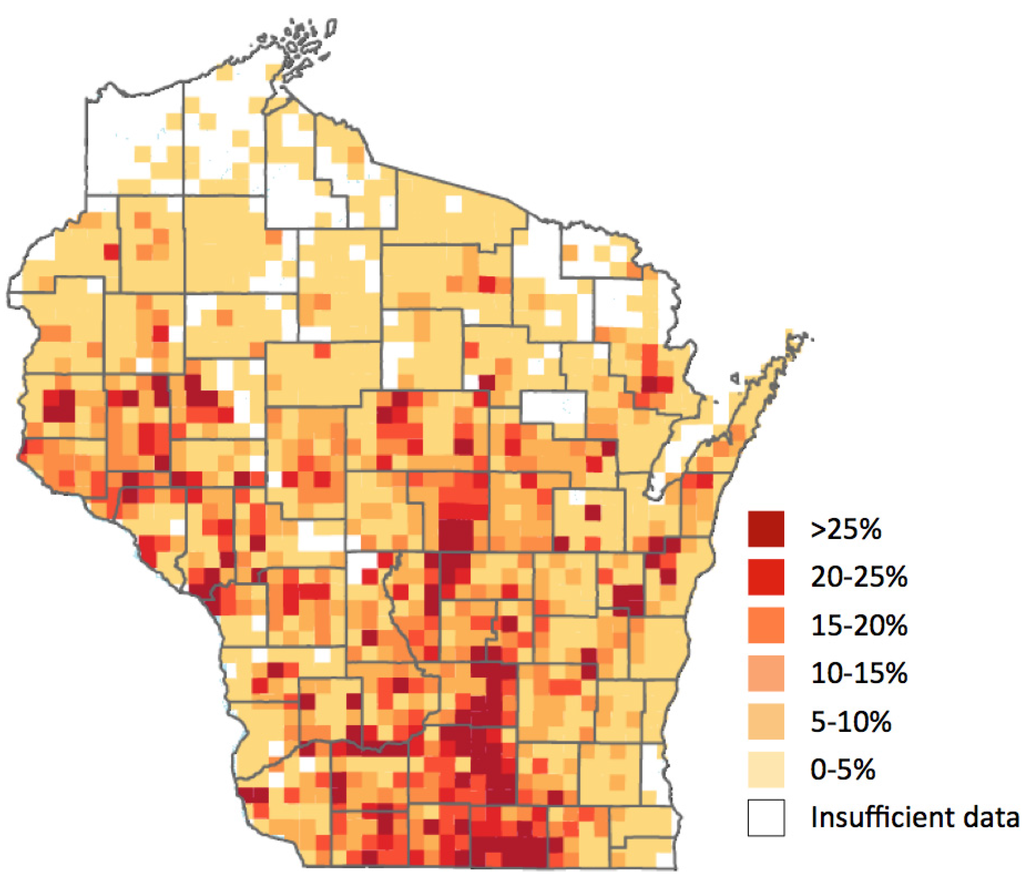

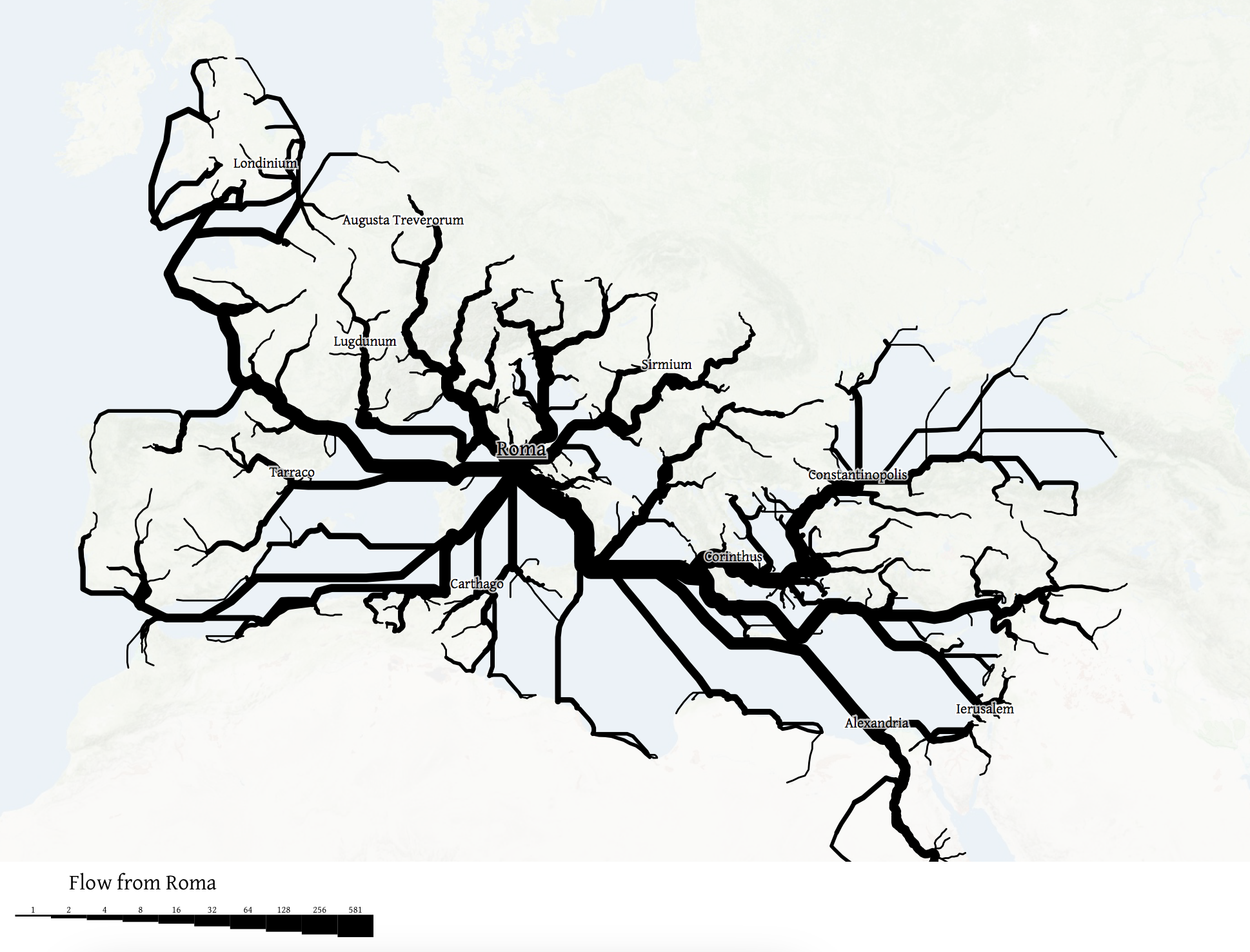




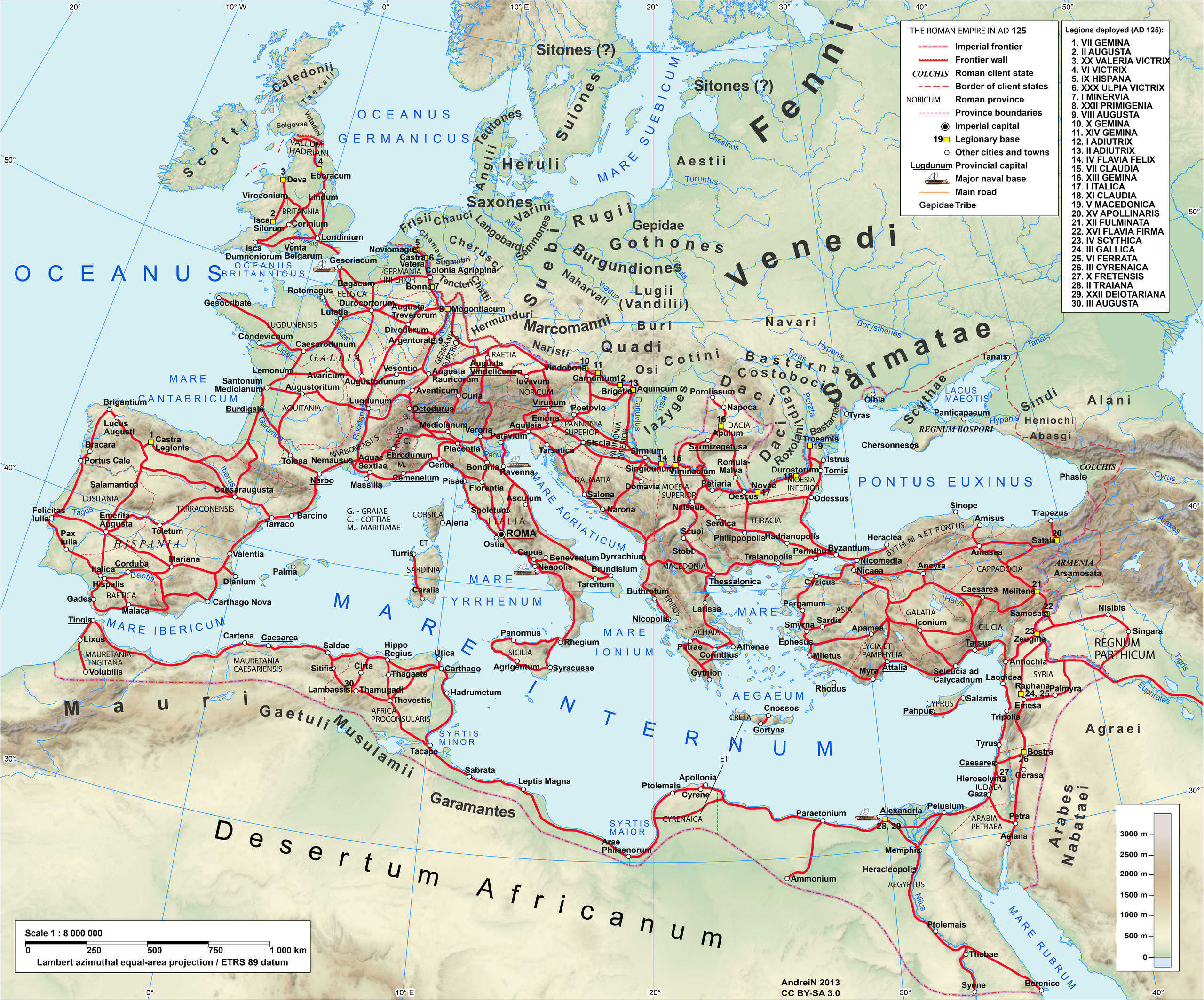

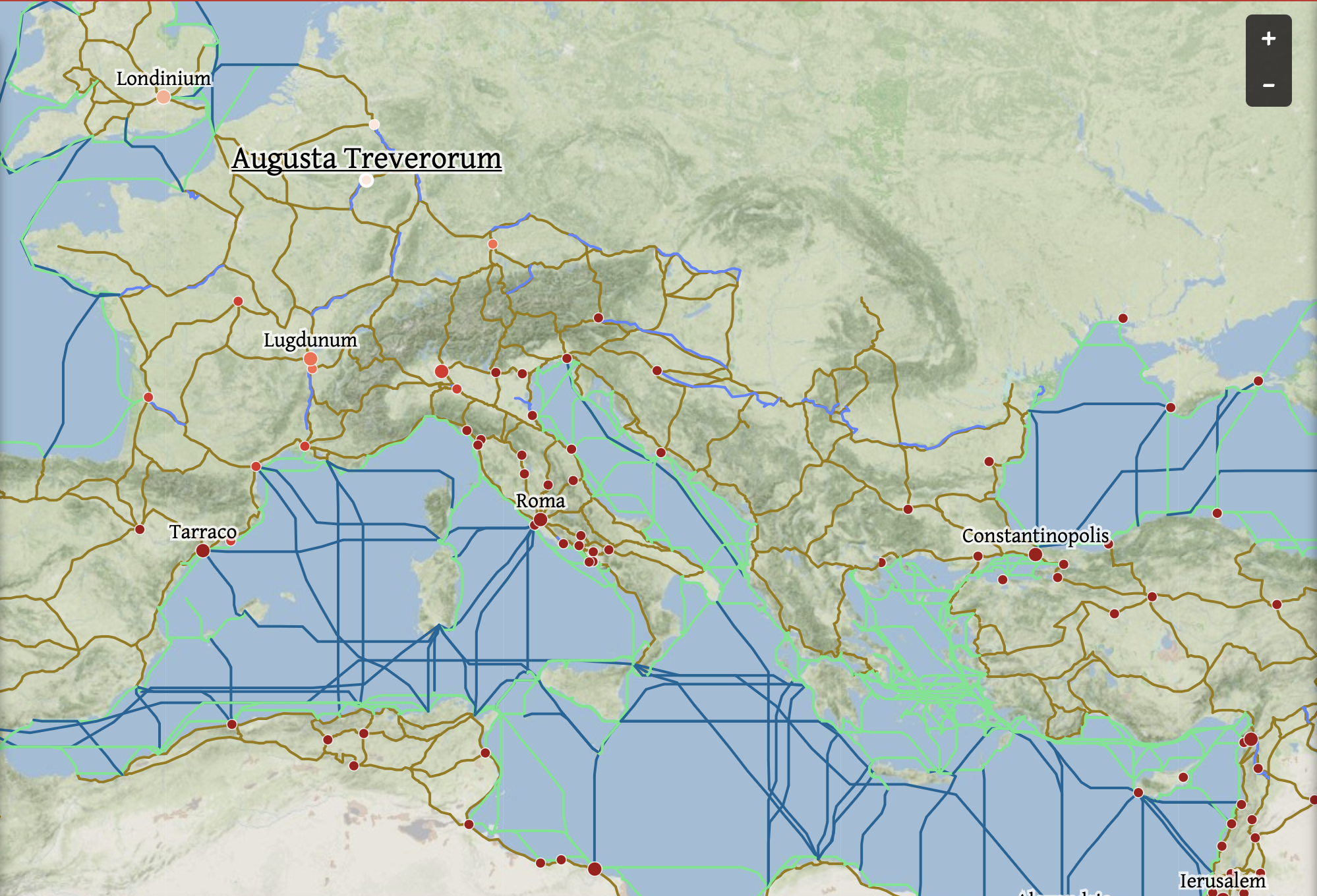
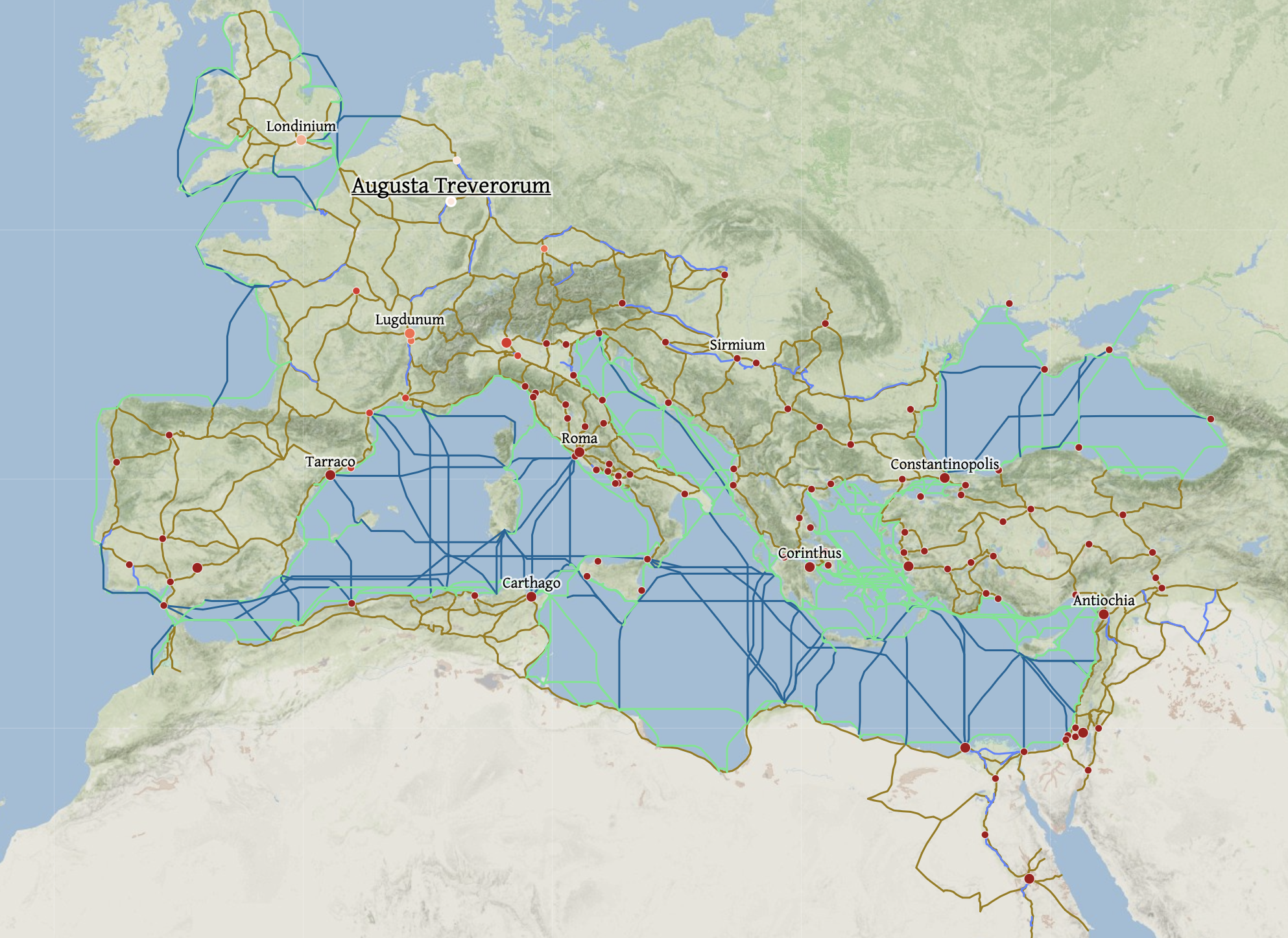
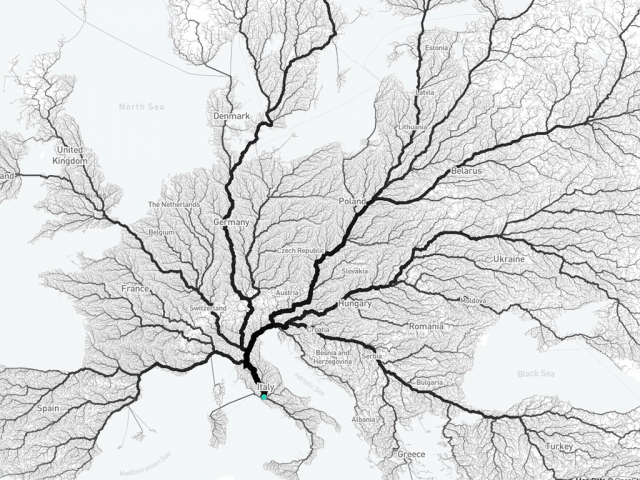

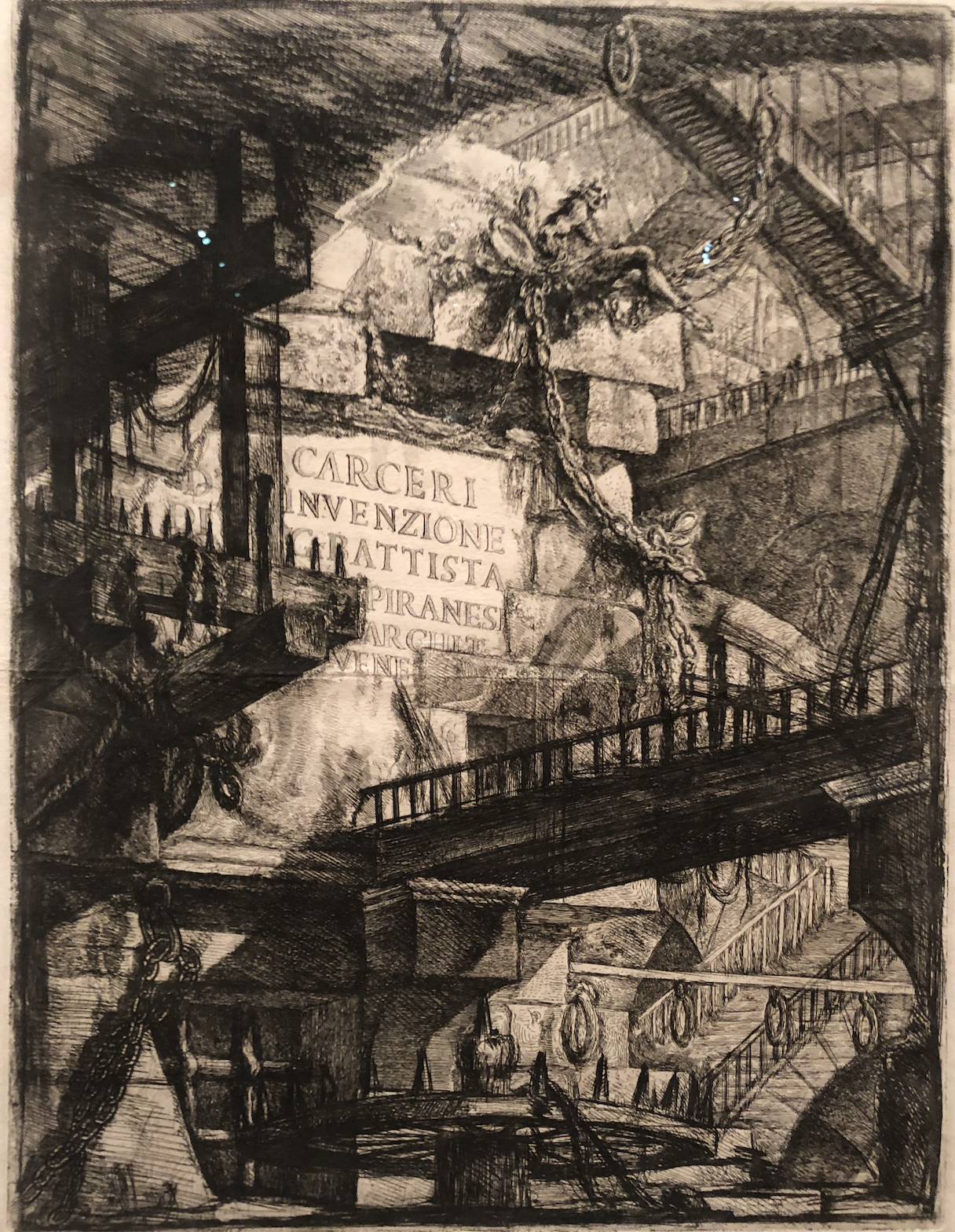

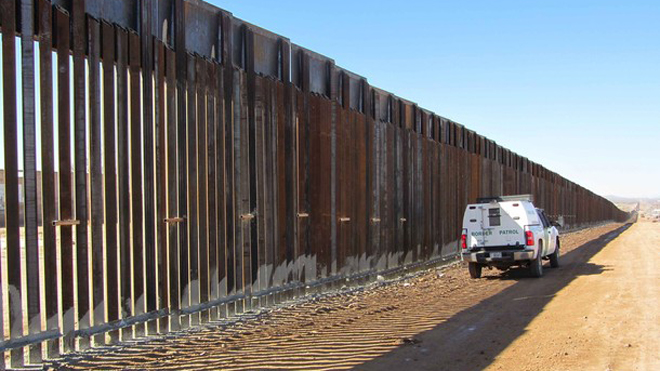






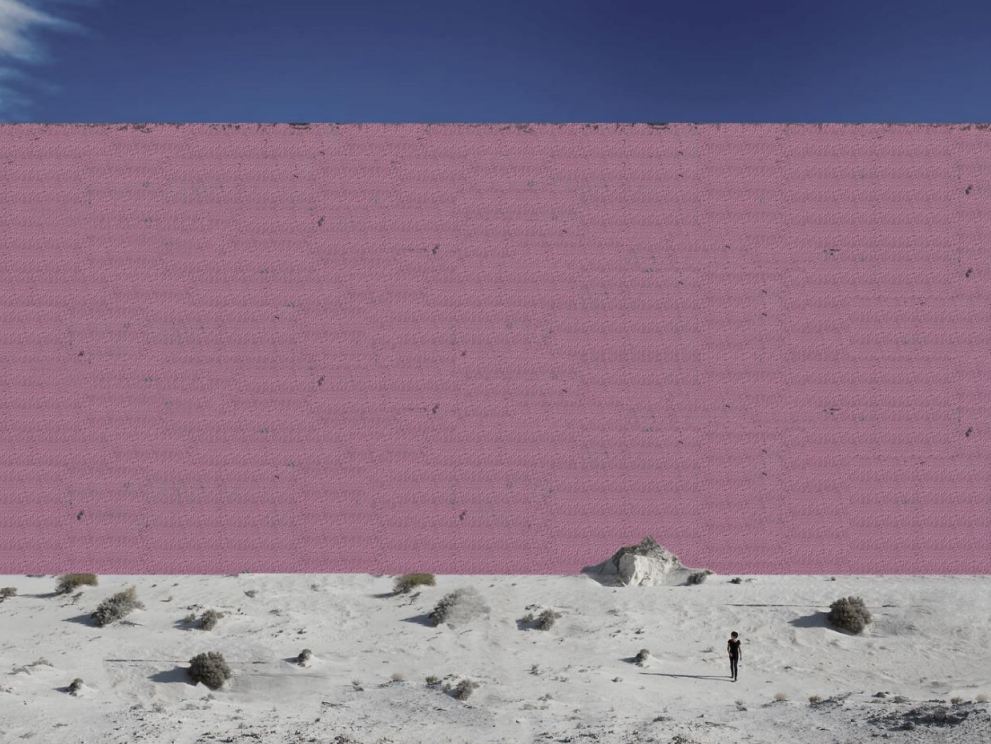




 Musings on Maps