The Google Doodle reminds us that the Pizza Margherita of cheese, tomatoes, and basil remains the If the “most popular topping variation” in Neapolitan style pizza, and indeed tat the universally accessible status of the pizza in fact had a local origin. If the slice–that ubiquitous urban signage announcing the possibility of a mouth-watering delight–led itself to multiple neon variations and a familiarity with food-on-the-go, the increasing slipperiness of the smooth surfaces of a globalized world find an increasing instability and currency of pizza that has created new categories of eating, consumption, and indeed baking as this most quotidian of foods deriving from the sea-port of Naples has gained a currency far from its earliest ovens, and become a token and vehicle–if not a magic carpet–of migration itself, as much as an immigrant food.
The balance between the global significance that pizza has gained as a sign of satisfaction confirmed by how a Google Doodle of a circular pizza was divided by a pizza wheel, its slices grabbed as soon as they were cut from a basil-laden pie of melted mozzarella cheese. The doodle, as if product tested by Google, was both local but global, a recognizable sight and site of comfort that as clickbait triggered Pavlovian associations in one’s mouth, even as cut slices vanished off the screen, the taste of a tangy warm pizza sauce eerily triggering sense-baed responses even if no melted cheese was in one’s mouth. This existential irresistibility of the taste of pizza–even cold! “Cold pizza, can’t beat it/Yeah, I know it’s not strictly vegan,/ . . . just eat it!” croons American singing legend Jonathan Richman–may be made of flour for the most part in weight, but has a flavor we anticipate. As the editions to pizza, from hot pepperoni and golden honey to pineapple and processed meats, have grown, in ways that have changed the surface of the slice, the mapping of its preparation–and its national identity–demand mapping.
As much as a destination of the city nomad, eager to grab food when pressed for time or between meals, the neon-lit pizzerie of New York and other cities now dot a landscape that once proclaimed the cultural arrival of status for a new group of immigrants, even in streets dominated by smoke shops and dispensaries, still suggest an echo of the early immigrant patterns that defined the city as a unique site for ethnic cuisine. Long transcending the simple advertisement or calling card but offering a promise of mouth-watering and heart-warming warmth as a destination, the personal familiarity of the beacon of the warm pizza shop was, in a sense, an alternative home, a domestic space of recognizable tastes–now called ‘authentic’ and ‘authentically New York Style”–as if they are custodians of a cultural memory, beyond a recipe. While the immigration cauldron may have made the slice an invented tradition, the culinary currency of the modern metropolis made the pizza sign not only a sign of the cultural hybridity of the city, but the wealth it had on offer, long before the frozen pie was imagined. The shock that th e’slice’ is an immigrant invention in America, a new apple pie, aside, the tussle over ownership and property of the pizza is a conundrum given that its common denominator is a caloric pleasure of settling one’s appetite, more than settling a New World. The pizza slice once clearly part of the urban landscape has gained a currency that makes it hard to root in place and space and challenges the stability of place in a fully globalized marketplace.
But even before the victory of the emoji, the neon sign was a hallmark of fulfilling appetites, indeed triggering hunger, and promising a satisfaction few foods seemed able to equal or provide–before they became vector files or objects of home decoration.
Even in our world of smooth borders and opening frontiers, the pizza has gained global currency as a comfort food. For pizza has developed such a physical if not neuroloic Pavlovian tie to our sense of taste, curried in new ways as marketers of pizza champion hot honey as the “best thing to happen to pizza since pepperoni”–most likely added as a topping from stores of German migrants in lower Manhattan–the history and quality of pizza as a calorically rich tongue pleaser demands to be traced and the glutinous layers of the shiny surface of the gleaming slice of pizza tried to untangled. in space–and how much the melted surface of the modern slice immigrated to America, via the melting pot, or the roots of authenticity from which this increasingly globalized concoction sprung.
And so it was the only response to the global reach of Google, and something of an inevitable sign of pizza’s new global reach as food of specific provenance, that the margherita pie became, in the midst of its growing consumption of take out in the pandemic, a pleasant graphic interface that attracted heightened attention if not some joy. In an era of sheltering in place, the social and most demotic of street foods was presented on our screens as a hope of good cheer, if not pizza and beer.
The Google GIF was a gift at the close of a particularly tiring if not emotionally exhausting year, a form of nourishment we feared we wouldn’t have, we hoped, to repeat, but also feared we well might. Even if we hoped that with the first Pfitzer COVID vaccine approved by moths previous, we were emerging, we knew, if we suspected the virus would continued long after the arrival of bivalent boosters. Could the warm pizza emerging from the oven, or being sliced on our screens, offer needed meaning, in an age of Zoom, as if it might be a welcome surrogate for sociability, in lettering made of bubbling cheese set atop a rich tomato-based foundation?
Google Doodle GIF, December 6, 2021
But for many who lived behind screens, the arrival of pizza was a promised respite of comfort in the day. Long before the increased currency of pizza delivery in the current pandemic, pizza was the classic to-go food, born for the street: the global server reminded us that the comforts of the pizza has been recognized for its origins in Naples, home of the ancient and timeless festival of gluttonous festival of the Piedigrotta, whose ancient Roman fertility festival is preserved in the eating of roast meat, wine, and cheese–as well as pizza!
If “Piedigrotta” now lends its name not only to local festival but pizzerie across the peninsula, the Google Doodle invited us in the midst of winter to ponder the pizza’s unmistakable comfort, a comfort nourished over the pandemic that even in a cartoon rendering of the slices that disappear quickly as soon as they are virtually cut, or indeed before we “cut” the pie by a virtual wheel, placed in proximity to a brightly colored avatar to “celebrate pizza” on our screens, in an intimate act of feeding ourselves, cutting slices from a wooden sheet covered with tasty toppings.
Cutting into the pizza we could almost imagine as fresh from the oven, mozzarella melted, was almost sure to stimulate a Pavlovian reaction of salivation, as anticipation for the melted mozzarella dripped into umami seas of tomato paste. The undeniable umami of pizza is translated as comfort, instant gratification of melted cheese and tangy tomato sauce. As its status as a food of urban resistance and survival under duress has dulled, what was the cheap city snack, hardly a meal, became the food of choice for creating a sense of domestic contentment even as global insecurity and fear grows.
I saw the remaking of pizza, something now of a barometer of urban sociability and gemütlichkeit, has gained a mobility that seems, so long as on a paddle that resembles being fresh from the oven, the pleasure of being an edible mad lib of its own, infinitely personalized, and the lovely luxury of cheap eats. The availability of pizza even in the pandemic a way of finding some contentment in a comfort food, a respite from the visually eerily similar coronavirus that so dominated our minds, with spikes and not toppings, that it seemed to augr a new era or period of humanity, and had made us scour the internet for historical precedents. Was not the pizza also affording a tie to a material, comforting human past?
The diffusion of pizza in frozen form, ready delivery, and instant gratification even before the pandemic. The conferral of a status of intangibility as a global heritage–and a global heritage site in Naples, site where the Margherita is the preferred pizza, transformed this most material of food craft to local arts amidst a globalization of pizza so unprecedented to blur cultural boundaries and render the world’s surface as flat as a pizza pie, as pizza, once described as a food of sailors in the port of Naples who made pizza marinara the classic to-go food before disembarking on Mediterranean travels. Yet it was in the New World, in the immigrant communities in New York and Staten Island, and after the Great Depression, when many Italian-American family matriarchs regularly cut off part of the dough prepared for bread-making to provide the basis for pizzas, that pizza emerged. If with origins as a special family treat, garnished with leftover tomato sauce, the rise of economic immigrant prosperity introduced at the first parlors that life blood of culinary preparation, anchovies, pecorino romano, and sliced mozzarella, to meld in a pre-heated oven, a magical transformation of melted cheese unlike the magic filler of bread.
The expansion of chains of pizza parlors, pizza cutters, pizza toppings, and pizza sauce, grew on both coasts of America, first in prosperous immigrant centers, but soon in Depression era America. Even though current pizza shops per capita are greatest in northeastern states New Jersey, Delaware, Rhode Island, Massachusetts, and Connecticut, parsing pizzerie per capita by state “density” somewhat misleadingly skews the spatial distribution from those dense urban hot-spots of pizza ovens like New York or Chicago–true hotspots, of course. Among the oldest pizzerie are found in New Jersey, dating back to 1912 and 1917, if the oldest shop still functioning resides in New York City; the expansion of the stores in economic downturn reflected the birth site of a transplanted food set to Americanize, with a pizzeria opening in San Francisco in 1935, as well as Boston, New Haven, and, outside New Jersey, that early site of Italian American immigrants’ upward mobility. (It may be New Jersey afforded beefsteak tomatoes perfect for saucing, an agrarian epicenter of prepared foods, intensified by the truckloads of fresh tomatoes that arrived at Campbell Soup’s Camden factory, that had a role–true story–in making Campbell’s Tomato Soup the favorite lunch of the young Andrew Warhola in Philadelphia, who by 1968 silk-screened the label of its can to make it a visual icon of twentieth-century American art.). But the emergence of “Pizza alla napolitana” in an American cookbook printed in Boston by 1936 cemented its place in the home-cooking repertoire, mandating hand-stretched dough, smoked mozzarella, and dried oregano, but advising readers they can skimp as dough “can be purchased in any Italian bake shop.”
Density per capita of Pizzerie in Northeastern United States/ Estately (2016)
This is perhaps to speak nothing of quality. The mobility of pizza seems to have everything to do with the license to eat, as much as its readiness of preparation. But perhaps because of the market driven expansion of pizza globally, the placement of pizza as a cultural artifact becomes problematic, if not entirely lost to memory, and removed from place. The pizza became a classic immigrant food in the United States and American cities from New York to other east coast metropoles, its warmness transforming the crowded tables or expanded family-style restaurants to an expansive immigrant sense of home, as the arrival of rotating wheels, akin to lazy Susans, those elegant dining trays dating from the eighteenth century in mahogany wood, were diffused in mass eating booths of the 1950s and 1960s, offered a model for the rotating ovens bearing the circular pizza by ball bearings able to withstand the 500°F heat needed to create the perfect setting for the pizza crust’s rise, and the transformation of the raw layers of a pizza to meld together in an umami taste. The melding of pizza seems to be able to be made wherever there is an oven–wherever one can impart a blast of needed heat for the alchemy of pizza dough that distinguished it from bread–that the place of pizza is difficult to establish, and the place of pizza in memory difficult to separate from an actual map.
The certification of the local roots of spinning and stretching was restored to Neapolitan pizzaiuoli in 2017–not five years ago–after being petitioned to throw its international weight behind the local certification of provenance. The attempt to push back on the globalization of what they insisted was not a national but a “native” food, demanding to be seen and recognized as born nowhere else but Naples, and from DOC ingredients often reserved for classy wines, suggested a desperate defense of the prestige of the local amidst an age of globalization, a defense that in the midst of a global pandemic only grew.
The announcement led to a collective skeptical raising of eyebrows worldwide. Despite the need to protect endangered cultural goods, might it be compromised to apply the modifier “intangible” to one of the most pedestrian of hand-held foods, the treasured urban delight of those opting out of multi-course meals, long conveyed in “to-go” in cardboard containers if not readily grasped in one hand for easy eating, as a folded slice for added convenience, newspaper-style? If globalization has produced an untold range of appropriations of “variations” of the pizza qua pie, the UNESCO certification seemed a reminder that allowed future variations to proliferation, but also to anchor the mobile food–famously mapped in proximities to subway stations in New York, as if to prove this was the basic food on the go–in a site of origin as a sit-down food. To be sure, the pizza was a bit of a celebration of the long-denigrated southern identity,
The sense of accessibility of pizza was altered as the combinatorial nature of the pie created a sense of plentitude from a shifting cast of characters of local resources and add ons. The simple combination of fresh tomatoes, fresh basil leaves, and tangy mozzarella cheese was reduced in the Doodle to a holy trinity–“cheese, tomatoes, basil”–and not the globally available substitutes or processed cheese long used in American pizza flourishing in the post-war period across the processed mozzarella-rich midwest.
Google Doodle GIF, Dec 6 2021
Rather, a rather recherché fresh basil, perhaps familiar in Silicon Valley, was but one of the many “topping variations” on hand. Promoting the ease of translation seemed one of the major tasks that Google–or Alphabet–made to its users, as if the letters might be as legible as in a bowl of minestrone, reconfigured to result in the same meaning in any tongue.
“Pizza” was a bit of a universal signifier, by the new millennium, universally recognizable from Holland to Brazil to Croatia to Russia, to Japan, Korea, to Turkish, to Vietnamese. Its global presence that didn’t demand translation, not even from Google Translate: but the local origin Google gave the ubiquitous “pizza” only confirmed the ease of drawing relations between any space on the globe in the age of globalization. The optional add-ons from pineapple to bacon to chicken pieces betrayed its global appeal, apart from slightly more particular local salumi or meatballs. The pie, seemingly created to promote gastro-intestinal challenges with quasi-operatic bravado, might be seen as corruptions or appropriations and claims of ownership, given the near-universality of pizza’s umami appeal, and the sprezzatura of the pizzaiolo able to fashion a pizza’s surface with a fistful of olives, mushrooms, or oregano, if not green onions, squid, baby clams, red peppers, garlic, even nettles or pine nuts.
Before the pandemic, pizza’s diffusion was paralleled by the rise of the art of pizza-making as a visible sign if not tool of gentrification, and distinction, far from the Italian-American import of past or the frozen pizza that I was apprenticed to prepare with a thread of olive oil across its still-frozen surface to add elusive freshness. The recent rebirth of pizza as artisanal food that was prepared by a consummate chef–marketed to home cooks by Wolfgang Puck as an “Italian favorite” that in 1991 nailed the coffin on the “watershed decade” of 1974-1984 starting from Jeremiah Towers’ embrace of “gourmet pizza” of 1974 promised yeast-based crusts adorned with fresh toppings, reflected the return of wood-fired stone ovens. The recent hipster slice, evoking early gas ovens, recoups the pizza’s Italian-American origins to promise a nostalgic specificity, down to the glistening rings of pepperoni, as if to champion the pizza’s authenticity–even if this pizza was born in the era of mobile food consumption, whose promise of mobility indeed prepared for the food’s globalization. From the return. of pizza to artisanal roots as a home-made dish of something other than gas or electric ovens, the pizza as a rite of barbeque and a heat-blasted melding of cheese and tomatoes, the attraction to the dish became in demand to pin on a place, if only to distinguish it from its global appeal, and to create “pins” for, least the dish circulate as a disk on the frictionless world, situating it on a map with more precision than ancient mosaics of the brick oven.
Removing Bread from an Oven. Mosaic (1st half 3rd CE) from a Seasonal Cycle of Farming, from Saint Romain-en-Gal, France.
But this pizza, one must remind readers, if one wants to find its “birth certificate” among Italian-American communities, was itself of course a hybrid breed apart, made not for an eat-in restaurant but for eat-out delivery in a restless world. The easy materialization of pizza from go-to ingredients led to the proliferation of “local” pizzas not only in Oakland, where I live–“Chicago” style; “Detroit” pizza, as if on an auto grill; Roman pizza; Neapolitan style; California pizza; slow food pizza, most very unlike the Margherita–each of which seemed variations on the umami of melted cheese and hearty tomato, with the addition, in the most American versions, of the rich and richly non-“Italian” pepperoni slices atop “New York” and “Detroit” slices, using beef pepperoni of midwestern German-American immigrants, to approximate the more finely sliced prosciutto of Italian forbears, profiting from the ready supply of cheap meat in ethnic neighborhoods, in a culinary improvisation of the New World. Personally, it was the addition of rings of pineapple in “Hawai’ian style” pizza, profiting from the rings that Dole Co. canned supplies at the ready, that suggested a globalization of what seemed local variaties.
New York Pizza Pie
Detroit-Style Pizza
–or the recent hybrids of bespoke slices with actual or faux artisanal–or retro–toppings, that increasingly seem to approximate “Italian” styles of pizza, inflected by global tourism. The days when I babysat for the grandchildren of a noted Italian historian, who ran a center of study from a villa outside Florence, might let me in on the secret that in Italy, pizza was “truly horrible” were long past. The high-style pizza of more fresh-tasting ingredients not only drew less from the canned tomatoes, but suggested a sense of a refreshening of American pizza tastes, recuperating a distinctly European feel that might be more easily paired with a rich or a crisp red wine.
Gourmet “New York” Style with Artisanal Blend
Pollara Pizzeria/Berkeley, CA
It was as if the pizza was a sign of globalization in that had spread from New York, in my imagination, but migrated globally in ways that any city could appropriate and imprint with its own stamp, to be exchanged in any site as a lingua franca of the street, perhaps furthered by the easy bake oven that once served as an incubator of english muffin pizzas in the not distant past that had already appropriated the pizza to a food easy to cook “under adult supervision” even for the eight-and-over crowd. Did the development of the oven lie at the heart, as it were, of the transformation of the pizza slice?
Unlike shops for single slices to national franchises, the audience for the ‘craft’ pizza in tonier urban areas, promising the restoration of an artisan like practice as pizza has joined the broad category of craft foods, nurtured in the capacious definition of “whenever a skilled person makes something using their hands, that’s craft.” Within this broad umbrella, one must place not only the rise of gentrified pizzeria and hand-thrown crusts, but the recent decision by UNESCO to affirm the dough thrown by Neapolitan pizzaiuoli as an intangible heritage of humanity, as Google reminds us, is in ways the final arbiter of the global: global recognition that the primary comfort food of globalization began from local roots, and from a glorious tricolore of simplicity–cheese, tomatoes, and basil–which is the hidden standard in the global currency of pizza-making, and, by coincidence, echoes the colors of the national flag it was long proclaimed in a rebus.
1. Situating or mapping the “art” of pizza-making obscured the ubiquity pizza had gained of providing a sense of plenty or satiety, at low overhead; the food industry had helped remove pizza-making from the place of growing tomatoes, whose historic hearth of the pizza oven had been reproduced first in the 1940s in America, but iconically lingered as an designation of the fresh-baked, if not an atavistic survival in the food industry. The push-back of the local origins of pizza-making as an art, and a traditional one, transcends the currents of Italian out-migration, but seeks to affirm a touchstone of global craft and cuisine.
The survival of the aura of the hearth disguised its ready mobility, across oceans and indeed to any site, to be sure, affording temperatures far higher than a baking oven, conjured usually in brick, if developed as a site for warming up slices that tasted fresh, and for defrosting disks of frozen dough; the diffusion of pizza globally had threatened a sense of alienation, and the rapid recession of any sense of pizza as a local food in the mirror of global memory. If Walter Benjamin was so intrigued by Naples’ relation to food to suggest that families in the million residents of the city saved money for the yearly Piedigrotta festival with the dedication with which Germans would buy life insurance policies, or against accidents, the consumption of pizza provides more than a restorative ritual but a sense of communing with deep traditions, and indeed affirming national ties. And so nineteenth century admirers of Italy turned to the pizza, with a sense of recognition, to celebrate the sprezzatura and elegance of the food produced at high temperatures and the satisfaction that it brought as a genius specific to the place.
We can already see some continuity in the certification with the pride of place pizza-making occupied a place of prominence in Francesco de Bourcardo’s lavishly printed work of Neapolitan customs of 1857 that, several years before his far more ascetic cousin from Basel, Swiss historian Jacob Burckhardt, canonized the univeral man and corpus of Renaissance art as a product of a new individualistic political geography of city states of “Italy,” a region he contrasted to the mass culture of mid-nineteenth century Europe. And yet, the mass appeal of pizza has provided the taste that perhaps won out in the end, a victory of southern Italian tastes whose blend of rustic tomatoes and hearty spices lie far from the connoisseurship the trained observer would be able to study its art or to “detect the modern political spirit of Europe,” or the foods of Renato Guttoso or Elizabeth David, but a populism the Swiss art historian was less interested to include in his account of a Renaissance.
The status pizza holds as a cultural monument to culinary immigration or as a crowd-pleaser endures. And it will endure: the improvised pies long seen as a sign of bravado in conditions of duress at southern sea ports, the satisfaction of a simple pasto for those on the run without time for a full meal service, was difficult to see as a cultural monument by many, but a street food that migrated a tavola in the twentieth century. In ways, the elevation of the pizza-maker as a monument of Italian cooking, and of Italian culture, rewrote not only the global currency of pizza, but the restored pizza to pride of place among national monuments of a sort that Francesco de Bourcard, unlike his cousin, was able to appreciate. The Swiss cultural historian whose work had channelled the idea of a Renaissance to scholarship, the Basel patrician Jacob Burckhardt, had condensed from three moths in central and northern Italy in 1838, studiously avoiding the south, with a diligence continued in returns below the Alps in his long life as a historian and public figure, as well as an intellectual; Naples remained conspicuous by its absence from the fierce passions he aw in the cradle of modernity, effecting art–sculpture and painting, and architecture–in an ennoblement of mind prominently associated with kultur or cultural formation, a transcendent effect of the subjectivity of the universal man.”
It was not that the uomo universale, overcoming the constraints of place, time and nation, did not eat; universality was imagined to tap a vein of inspiration far removed from the material world. In contrast, his fellow Basilean Francesco de Bourcard willingly indulged in the pastries, food, and varieties of sweets available in his adopted city. De Bourcard, if a northern gourmand by family lineage, celebrated the Neapolitan theater as a true ex-pat gone native: among the customs that catalogued in encyclopedic fashion, the trusty pizzaiuolo braving the cold in his warming capotto was almost a counterpart to the Renaissance Man. The pizza seller was poised, stolidly, offering to use a sharpened knife above a stack of freshly baked pies. No doubt de Bourcard himself readily indulged in piazza, and even esteemed erudite Neapolitans as Giambattista Vico partook–especially those who, like Vico, had no fixed jobs at the University, and appreciated food on the go, a convenience for those who might appreciate the pizzas sold by itinerant bakers, stoves balanced o their heads and wrapped in wet towels, perhaps forcing the partially employed philosopher to chose between scholarly debates on the healthiness of tomatoes, a question recently debated by botanists and cooks, and the acceptance of tomatoes as staples of in Neapolitan cuisine as he confronted th warm wares of ambulatory artisans hawking a meal of warm bread. If Frascari entertained Vico’s own search for a “sentient solution” to debates about the tomato’s toxicity and harmful effects and the metaphysics of making food into a social rite–
–the pizza might have provided an early instance of the serum-factum, a folk-recipe of sorts in the head o the Pizzaiolo, but a metaphysics of the edible, releasing himself from rational fears as to the edible nature of the New World fruit by enjoying the transformed product remade by the knowledge of the street sellers of Naples who sold this new innovation of garnished Mediterranean flat breads as a manifestation of the genius loci. (How many part-time lecturers or graduate students subsisting on mediocre pizza can reach up to the model of the Neapolitan philosopher for some consolation, even if the undoubtedly canned tomatoes in their pies are ever so fresh?). The sentient solution of the good taste of locally grown tomatoes was the basis to dispatch learned botanists as Luca Ghini, Mattioni, and Ulysses Aldrovandi.
Although the Swiss emigre Francesco had in fact been born in Naples, he was no immigrant. If cast as from a distinct non-native elite, he hardly occupied the margins of Neapolitan society as the grandson of the Marshall of the Spanish King in Naples. But seeking to define himself as a local, or boost his adopted home to deserved status, he poured his journalistic efforts into this work of local history, following Vico much more than Jacob’s esteemed teacher, Ranke. If Jacob Bucrkhardt’s work was known for its collation of photographs of artworks in its later editions, Francesco refused to spare cost or attention to a work he saw as “useful in its literary expression, beautiful in artistic appearance, or the luxury of its binding.” What Benedetto Croce saw as a neglected if authoritative work of local cultural history that promoted the local color of a city Jacob B. had rather unconscionably omitted, with deep effects on the cultural imagination and tourist trade, and did so in striking colors that were designed to stimulate interest by aquatints.
Francesco de Bourcard had crafted a compendious and colorfully illustrated catalogue of local professions after the maxim of a model of Jacob’s cultural history–the dictum of independence of the Florentine historian and second chancellor Niccolò Machiavelli, “scrivete i vostri costumi, se volete la vostra storia.” He affirmed a return to local color, which was emblematized by pizza. Did Croce’s attention recognize how de Bourcard seeks to engage, consciously or unconsciously, Jakob’s conviction of the contribution of northern cities as the sources of transcendental art with an aesthetic purchase that could not be rooted in space or time, but belonged to the global civilization and seemed the ursprung of the modern? Jacob Burckhardt’s Civilization was famously unkind to Naples, and Francesco inverted the very claims of historical modernity by the historical validity of custom; he didn’t need to cite Giambattista Vico’s identity of what humans made and historical truth–the “factum” was the “verum”–and among the factum included the baked, in his own affirmation of pizza-making, long before Glenn Adamson wrote, as a craft.
F. Pallizzi,“Pizzaiuolo ambulante” in Usi e costumi di Napoli e contorni descritti e dipinti (1853-1866, 2 vol.)
The “world-spirit” that historian Jacob Burckhardt detected in the political independence of city life was confined for the most part to Northern Italy, perhaps replicating the prejudices of Italians he encountered in Milan, Florence, and Ravenna, not to mention Geneva. But his focus on the northern “city states” h a deep if less known counterpart in the local flourishing of Neapolitan culture even under Spanish dominance of the Bourbon monarchs, who Francesco de Bourcard’s uncle had so proudly served as a military officer. The Neapolitan pizzauolo provided a prominent place in the hundred color watercolored lithographs of the book of “colore locale,” but also a hinge from the city that hinted its ties to a globalized world that lay at the intersection with global trade.
If the image was local, it featured food salesmen hawking “fichi d’India” (prickly pears), juicy fibrous fruits native to Mexico now grown across Sicily and Catania, and peanuts (“nocelle americane“). Such local trades placed Naples at the center of a network of global food trade, if not an early globalization, the first testimonies to pizza being tied to the sailors who devoured it without cheese–marinara, or with anchovies–at Naples’ Mediterranean port, where the early arrival of cultivated tomatoes–even if naturalist Costanzo Felice admitted, in a terse confession of a work of alleged objectivity, that the yellow and red fruit are “to my taste, look much better than they taste” [al mio gusto, è pui’ presto bello che buono]; tomato sauce was first elevated to a recipe book for modern cooking in the 1690s in Naples, alla Spagnuola–Spanish style. The tomatoes that would become regulated to protect regional growth guaranteed as “DOC”–“denominazione di origine controllata e garantita“–in the region were imports.
Yet pizza became a pre-eminently Neapolitan food by the mid-nineteenth century, as vineyards of tomatoes dominated the Vesuvian plain. The ambulatory “pizza -man” was soon replaced at the cusp of modernity in a newly motorized form in postwar Naples as navigating the local streets atop a motorino—
–but was perhaps, we fear, only a prototype of an ever-widening scope of delivery–recently rolled out in drone delivery–in the ever-expanding space of fast-furious commercial transactions where all sold melts to air, unmanned drones being the ultimate sublimation of the urban face-to-face gemeinschaft, in a widening scope of delivery whose IS interfaces provide new records of fresh delivery places pizza in a cash nexus of the increased uncertainty and agitation of social relations, stretched so thin to be alienated from proprietary recipes let alone any sense of the local, as the pizza was accepted, embraced, and reprocessed within first the American and then the global food-industry, with the translation and transformation of the pizza to a food of machine-cut vegetables linked by the glue of processed cheese, that has shifted the “arts” of pizza-making to a Taylorist assembly line of food prep, removed from the kitchen or hearth, but assembled by folks working in what might be rather mechanized unskilled jobs.
The globalization of the prepared food is dissolved in money relations in markets expanding on the smooth surface by promising geolocated drops of customized orders of comfort food, fresh from the oven, the interfaces of unmanned drones guarantee to break record delivery times of piping hot “artisan” pies. The drone-delivery services, improbably named after the fossilized non-flying bird, in 2015 promised a new frontier of franchising unmanned pizza delivery systems, its software capturing the contradictions of globalized personal pie.
Drone Pizza Delivery/Business Insider
2. The global and domestic popularity of pizza has been greatly accentuated during the recent pandemic and the expansion of order-in foods to counteract isolation and working from home. But integrated delivery platforms and food preparation assembly-lines of multi-nationals dilute all proprietary relations to pizza promising global access: in modern riff on bread and circuses, is this proof the market met contentment in a promise of umami satisfaction? The unmanned drones, leaving the not-so-Italian-anyway Dodo Pizza’s Syktyvkar shop in northwestern Russia, have set record delivery times across Eurasia, breaking a frontier of “local” pizza delivery and redefining ‘pie in the sky; pizza is an apt business model to engineer incentivized IS interfaces far removed from the face-to-face, in a profaning of the local.
The praise Croce reserved for the “magnificence” of Francesco de Bourcard’s elegantly illustrated tomes responded to the omission of Naples from the other Burckhardt’s near-omission of Naples from his own richly illustrated study of book on Renaissance civilization, in which the cultural historian whose shadow must have laid across de Bourcard’s life had expanded his popular Cicerone–a work on the geography of Renaissance art that would later be used to track a sense of cultural expression–“Der kunst aber will ewig sein“–that emphasized values of universality and everlasting endurance in its common ideals and forms of expression. The centrality of “costumi” radically shifted from the written records on which Burckhardt devoted so many hours in Basel’s library to privilege the sense of the fleeting as uncovering the local meaning and truths that Burckhardt believed he could assemble from historical fragments sense of Italy. The city-states of the Renaissance were intellectually severed from food, for Burckhardt, who sought a higher form of kultur in their eager exit from medieval corporatism and individual freedom in the floating of a treasured sense of individuality that wafted far above the material in the enjoyment of artworks able to communicate passionate intensity and “open a world of intense feeling, beauty, strength, and happiness”–as a second level of creation, akin to the theological creation, a tradition of tranquil transcendence removed from the messiness of. the material marketplace. If Jakob had, at the start of his career, left Basel to work as the Parisian correspondent for the Basler Zeitung, in the 1840s, before pursuing the study of history, that may have left a deep imprint on his aesthetic tastes, in his attack on the salon as arbiter of aesthetic tastes, de Boucard developed his sense as a native information of Naples in his much longer journalistic career for the Corriere del Mattino. The later enterprise to include a hundred watercolor vignettes within the urban compendium was an ethnography of the local, rooted in the city, even if the sales of pizza have since spread not only elsewhere in Italy, but across the globe, to the extent that pizza might constitute a universal food of globalization.
The prominence of pizza as a signifier of imaginative invention, from the simplest of local produce, cultivation, pressing of oil, and milled flour, remediated the absence of attention to the pizza at its site of ‘birth,’ against the growing global currency of the pizza as a heavily subsidized and engineered food “product,” using part-skim shredded mozzarella devised in America, mass-produced tomato puree posing as a “vegetable” in school lunches, and assembly of frozen pies at a fraction of cost. The redesign of frozen pizzas as a global commodity, blurring borders, seems to affirm the absence of the local and the growth of a global flattening of sorts across borders or local foods, the food of the global that leads local cognoscenti to reveal sophistication in prizing redoubts where pizza is still hand made.
For in this context, as frozen pizza totaled a full tenth of all frozen food sales in the United States by 2010, topping $3.2 billion, a share forecast to surpass $20 billion by 2025, the non-local pizza shipped, sold, and favored across the world that has subtracted fantasy or creativity from our collective culinary horizons has brought us to remap the pizza within the Italian peninsula, and to champion the tradition of blending tomato sauce on bread as a birthplace of a global food. For the expanding consumption of pizza seemed to have proved that the world was indeed flat, delivered not only from a flat box, but reducing the globe to a pie chart of slices of global revenue, less inspired by invention than the marketing strategies that had allowed profits to grow along global “regions,” stripped of much local variation in fresh foods or fantasy of the arranging freshly cooked ingredients on a pie.
Placing pizza-making as an Intangible Cultural Heritage in Naples may provoke whimsical smiles from Americans habituated to pizza as a go-to to-go food arriving in large cardboard boxes. And in the context of the globalization of pizza as a food delivered to markets worldwide, the reclaiming of a stolen identity comes late in the game indeed, akin to the restoration of the wealth and prosperity actively transferred from Palermo and Naples to Turin after their invasion joined them to the Kingdom of Victor Emanuele in 1860–recasting of the violence and backwardness, violence, and immorality of the south framed during Italy’s unification. Recognizing the local contribution of pizza-making, Italians were reminded, as an Intangible Cultural Heritage in the shadow of its globalization was a national affair, rebuking the food’s global ubiquity, and pinning this most consumed food to one place on the map.
The nation got behind what was a point of local pride for the 3,000 pizzaiuoli who had declared themselves part of the “True Pizza-Makers of Naples” (Pizzaiuoli Veraci di Napoli) in local terms, as if longstanding lack of recognition remedied–affirming the global organization’s role and importance in defending pizza-making as an institution of truly global export of global import.
Yet the economic need to assert the centrality of the city of Naples as a sort of fons et origo for the orgy of global consumption of pizza is above all a reaction to the extent to which global consumption has transformed pizza-making as an art; while pizza is questionably able to inculcate moral virtue, the virtue of preserving the traditions of pizza making as an art was what UNESCO affirmed: not the ingredients but transmission of a pie made by the “hands, heart and soul of the pizzaiuolo,” in the words of one Neapolitan, as an alchemical stretching and turning of dough as much as its garnishing with cheese, arising from humble beginnings of feeding that morphed to satisfying a demand for the readiness whose reach, feed by food delivery apps during the global pandemic.
Has not the globalization of pizza perforce only further displaced it from its geographic origins or the locally produced foods it once expressed, so that the multiple origins of different varieties of pizza are now entertained, and the economic need to affirm the cultural capital of pizza in the depressed south becomes a real demand for the local food industry in a city whose appeals in part revolves on the perfection of pizza that is ordered in its pizzerie and restaurants? The demand to identify pizza as a patrimony of humanity responded to the remaking of pizza, long after the food’s outmigration from the Campagna or region of Naples, to affirm the artisanal traditions of pizza-making as a local tradition. The acknowledgement of pizza-making as a local craft that belonged to humanity–rather than a globalized food able to move, as if frictionlessly, across the globe, on networks of food-distribution by -engineering–claimed a sense of meaning as if pizza demanded reclaiming as a form of Intellectual Property, as if this would boost the lagging economy of the mezzogiorno, and canonically affirm the patrimony of pizza as a local good, now that it had gained global popularity as able to be discovered anywhere on the map.
The range of comments that tourists of Anglophone persuasions now bring to Neapolitan pizzas even as they make pilgrimages of quasi-spiritual zeal–“You can’t pick really it up”; “Can’t they just make it crisper?”–provokes frequent back-and forth from the locals who don’t understand the reluctance of visitors to use silverware, or to order a personal pie, but the entitled ownership of the pizza as American–or a recognized version of what was an Italian-American food–has become almost a cultural tussle over expectations about what is called a pizza, and what one wants to find in a pie: a meal, or a rush of super-refined flour coated with a dispersion of cheese and healthy toppings, often assembled in industrial terms en masse.
The taste that had become associated with the local For the pizza was long ago elevated as a new sign of the local, a slow food that had origins in the eighteenth century, if not long earlier, as a from of making meaning, whose preparation was privileged as a sign of the local customs if not moral economy of bread–if the copiously illustrated 1832 treatise on Neapolitan gesture preferred describing the gluttony of Neapolitans for food foregrounded roasted “Indian corn,” alluringly sold from boiling cauldrons for a soldo, and mimed for barter by the ear by female street vendors, or the macaroni eaters devouring platefuls of pasta removed directly from cauldrons of water, suspending six pounds pasta “twisting and writing . . . as if they were descending from heaven” above their open throats “in the correct perpendicular position,” that entered the open esophagus without an interval between mouthfuls, pizza was not featured as so gesturally rich. Pizza was less theatrically eaten, but the absence of the dance of selling pizza reserved to ambulatory vendors, by balancing cylindrical coal stoves on their heads with shelves that warmed round bread boasting the appetizing nature of the tomatoes Europe had largely disdained as inedible led the Neapolitan by adoption, Francesco de Bourcard, to describe the variety of pizzas sold on Naples’s streets by 1853 as nonetheless a central part of everyday Neapolitan life. The Swiss patrician transplant from Basel’s patrician families was not slumming when he boasted his adopted city to sell pizzas from tomatoes increasingly used for cooking, garlic, oil, and oregano, in varieties as well as anchovies, lard, grated cheese, and basil, or thinly sliced mozzarella, prosciutto, or clams, whose base was not only tomato–a resilience and some sprezzatura predating pizza rossa or preparing a rich tomato base. Tossing pizza dough demanded skill, was less a gestural dialogue, and indeed far less a transatlantic import than a remaking of the meaning and preparation of pizza as a pie.
The distance of these appetizing pies marketed in the pizza chains and stores that dot New York streets are not only different from the pies made in Italy (or born in Naples), but a food that celebrate the upscale indulgence pizza continues to provide as a gigantic confection of pleasurable indulgence, even with the illusion of healthy vegetables.
3. The distance of such upscale chains from Neapolitan pizzas is of course not only geographic, but suggests a new land of pizza, as much as a new pizza for a New World of food consumption. The Basel patrician transplant Francesco de Bourcard, who loved his adopted city of Naples, respected by local historians, including Croce, for his fluency with local manners–no doubt in contrast with the uncle who had idolized northern Italy as a sight of the transmission of a vital classical heritage of civic independence, by tapping into the street life and customs of Naples to fill a copious catalogue of encomiastic character that speaks tot he modern pizza lover in unique ways. The prominent place Bourcard gave to the popularity of pizza-making is one of the first references to a custom Vico may himself have appreciated and knew well, even if it fell beneath Jacob’s wide ranging purview–for Francesco, the streets of Naples offered an important alternative to Basel’s library. In keeping with its focus on the customs of his adopted city of Napes, the younger de Bourcard quite prominently featured a pizza seller as central part of Naples’ fabric and local economy, broadcasting the figure of the pizzaiuolo to a lettered tradition that prefigured the inclusion of pizza-sellers among the images of street scenes that were widely sold in nineteenth century Naples to portray the repertory of urban profession so distinctive to the south, long before pizza was widely consumed outside the Campania, and before many Europeans ate tomatoes or viewed the nightshades as an edible fruit.
Francesco Pallizzi, in de Bourcard, Usi e costumi di Napoli e contorni descritti e dipinti (1853), Vol. II British Library
The inexpensive production of tomatoes on the volcanic plains of Campania may have allowed them to produce a satisfactory meal or tasty treat. The third generation of Swiss Burckhardts residing in Naples, since his grandfather Emmanuele (1744-1820) had arrived in service to Ferdinand IV, founding a line of Burckhardts never to return to the old Basel manse, would have despaired at the apparent provincialism with which Jacob looked down his nose at Norman Italy in his account of “rediscovery” of classical culture and modern politics. For Jacob Burckhardt, the inhabitants of Naples remained in another age, “destitute of will” and stuck in Spanish ways, less economically or commercially adroit, without elegance of movement, and diminished by criminality and impiety arising from the “cheapness of human life”: Francesco’s celebration of the democracy of everyday Naples as if a rapprochement of Naples to cultural history, if not Renaissance art, citing the three variety of Neapolitan pizza, as a cicerone of the local than connoisseur of”high” art Jacob saw as fundamental to an individual’s cultural formation.
The place of pizza as a cultural monument was in other words long contested, and up for debate. Francesco de Bourcard did not praise pizza was as a democratic food of sailors who preferred marinara, but a sense of deep democracy comes through in his discussion of the pizzaiuolo who serves this peasant bread as the needed snack for working Neapolitans, even if he hawked his wares with few gestures. Is the pizza man who hawks several varieties of pizza a figure of modernity avant la lettre? De Bourcard’s pizza-man is wistfully rooted in place with no ken of coming global appeal: a ruddy pizzaiuolo hawks wares on the side of the street, almost a tragic figure offering slices of pizza and calzone by a gas lamp, well-insulated in a cappotto, not surrounded by crowds. Behind his wooden table from which he sold pizza, his apparent melancholy stands in sharp contrast and is unlike the remaking of pizza as a global commodity, at the intersection of food markets and space, driven by the comfort food or the pleasures offered by a marginal trade. De Boucard elevated the cultural figure of the pizza maker on Neapolitan streets, as part of the local social fabric of Naples, in a book on “customs” of Naples and Neapolitans echoing Vico in its insistence on telling the history of the usi e costumi. Perhaps the theatricality of the pizza-maker who spins, throws, and tosses dough was so concealed in its gestures that they hardly bore revealing as a social type.
The resulting urban anthropology of the city that his removed cousin, the historian Jacob Burckhardt, conspicuously omitted from his study of the Civilization of the Renaissance in Italy–or indeed cited Naples often in his panoramic purview of the arts and sciences in Die Cultur. While the streets of Naples that the local erudite de Bourcard sketched as populated by pizzaiuoli and other merchants were eviscerated in the 1880s, in large part by public health fears of cholera, by Italy’s first monarch, as if the preference for pizza by his consort, Queen Margherita, compensated for emptying the city’s hold heart–vico delle Campane, vico Rotto San Carlo, vico Sant’Antonio Abate–that were replaced by large boulevards by the 1890s, destroying many of the houses of pizzeria founded since 1850. The pizza was a form of one’s orientation to Naples’ streets, and street life, after all, sold by vendors who carried coal ovens wrapped in balanced under coils of wet towels; pizza was a local variation on Mediterranean round bread. The prized pizza was heir to the bread all Roman subjects were all entitled, a democratic food of Naples unlike those Romans graded breads by social rank, from the panis civilis to which all citizens, panis plebeius of plebs and panis sordidus of slaves, to the panis palatius of the Caesars; pizza was a step above the panis gradilis distributed for free on the steps of Rome’s Coliseum.
Even without cheese, pizza was as sort of social glue, a food of the piazza, its making no doubt as important as the collective nature of its consumption, and the common street scene of pizza-sellers eagerly hawking their edible wares and freshly baked foods, still warm from the oven. Was pizza the glue of a silent social compact, born of a sense of the dignity of the consumption of local foods, long before it was sold in multiple variations for upscale Americans at Whole Foods, trying to address consumers seeking the low-calorie satisfying dinner fix?
Perhaps no gestures were required for the Neapolitan hawking pizza to passersby for ready consumption in the 1830s was sold as one of the picturesque “street-views” of professions in Naples, in a precursor to the pizza slice, chef’s hat, and long white apron, occupying a clear social role held in an urban environment–and conducting a quintessential face-to-face encounter on a Neapolitan street promising a populist mini-meal, prepared with pride even if served on a improvised wooden stand.
As the most democratic form of food, the spread of pizza seemed a sort of social equivalence, and a social glue even if the binding agent is shredded low-fat mozzarella coated with vegetable oil. Pizza has become far flatter as pizza chains have gained increasing profits, artisanal shops claiming an imaginary pedigree of the local and the fresh, or promising a reduced sense of fresh, as if the pie has come to be a platform of tomatoey tang from the oven provides a basis to promote savoring freshness in a world already inundated with fast food, an industry that runs on recognizability of flavors and tastes.
The open-mouthed winsome pizzaiuolo seeking customers hardly suggests a high art, but as a food of transience, for those on the run, before the back door of a bakery, emerged from an unseen kitchen, ready to cut slices on his wooden plank from freshly cooked calzoni to all passersby, an egalitarian food in a city of pretensions to upper class elegance in the early nineteenth century, in an unintentionally mournful image that seems, when viewed through the lens of history, to be read as a cry for pizza’s lost soul given the current remove of pizza not only from history but from localized production.
Neapolitan “Venditore di Pizza” with Apron, Gaetano Dura 1825
It is hard to tell what the distinctively garbed yellow vested pizzaiolo is serving up, but it is definitely by slice–“New York” style–and ready for quick consumption, probably ferried right out of the oven lying behind the door before which he stands, hawking his wears as loudly as his choker allows without loosing decorum. I’d venture it was bearing anchovy fillets and onions, two conspicuous toppings, and it doesn’t seem to show any of the distinctive tomato sauce that we most always tie to pizza today. The important thing is that it is hot, fresh from the oven, and good.
In an age it is disturbingly familiar for news maps to place us on tenterhooks by grabbing our attention, the existential urgency of the blanket of the continent with icy arctic air was no exception. But if the images of sudden entrance of frigid air shocked most states in the union and lower forty eight, the farther one collapsed the week of freezing cold, the more one could see a clarion call for the re-entrance into the Paris Accords. It was as if NOAA visualizers of meteorological disturbances, newly liberated, were free to show the dangerous consequences of the tippy polar vortex and uncertain weather in an era of extreme climate change. Bright color ramps foregrounded falling temps in rich magenta or icy blue were almost off the charts, from the uppermost end of the spectrum in their duration–below–or in the low temperatures that were advanced–in maps that push the boundaries of expectations with urgency.
As maps of the hours the nation was plunged into subzero trace a purple cold front advanced all the way into the deep south as it spread across the continent from up north, the continent shivered under the icy blues over the mid-February cold spell. As we re-enter global climate accords, and consider what global accords can come to terms with climate change, it seems opportune to consider the alerts that remotely sensed mappings of our changing global climate chart. The chromatic intensity jarred with the familiar spectrum of meteorological maps to shock the viewer: the map challenged any reader to try to place the arrival of cold air and hours below freezing in a frame of reference, to dismiss the incursion of icy air up to the US-Mexico border as an irregular occurrence, more than a harbinger of premonition of the cascading effects of extreme weather, let alone a warning of the limits of our national infrastructure to adjust to it.
If the focus of the NOAA maps of the National Weather Service fulfilled their mandate by focussing on the territoriality of the United States, these images and the news maps made of them communicated a sense of national violation, if not of the injustice of the incursion of such unexpected freezing temperatures and Arctic air, as if it were an unplanned invasion of the lifestyle, expectations, energy policy, and even of the electric grid of the United States, oddly affirming the American exceptionalism of the United States’ territory and climate, as if the meteorological maps that confounded predictions were not a global climactic change.
And in the maps of the fall in national temperatures, as in the header to this post, the news that the nation witnessed a frozen core spread south to the southwest, almost reaching the border, seemed to shift our eyes from a border that was mapped and remapped as permeable to migration, to a map of unpreparedness for climate change, almost echoing the systemic denial of climate change that has been a virtual pillar of the Trump Presidency on the eve when Donald Trump had permanently relocated to Mar a Lago, one of the last areas of the nation that was not hit by the subzero temperature anomalies that spread across north Texas, Oklahoma, Kansas, Missouri, New Mexico and Iowa, plunging the many states we though of as “red” during the past election an icy deep blue interior in mid-February down to the Gulf Coast–as if the colors were a national crisis not of our own making for a nation that had obsequiously voted Republican, withdrawn from the Paris Accords, and allowed the warmer temperatures to be located only in the state where Donald Trump was now residing in Mar a Lago.
–that , as the week of arctic air’s arrival wore on, the newspaper of record glossed by a color ramp of low temperatures few residents southern states expected to be plunged into subzero surroundings. The color ramp they chose to chart how gelid air poured set off a cascade of events and disasters nicely demonstrated cascading effects of climate change on the nation, as the shock of low temperatures sucked the national attention away from the border, and begged one to come to terms with the challenge of climate emergencies in global terms. The frozen core of the nation was a wake-up call, re-re-rendering the familiar Red, White and Blue in faded out terms of the distorted levels of cold the nation currently confronts–the increased escalation of which we are projected to face.
The entrance of gelid air from a polar vortex poured across much of the midwest in unrelenting fashion. Plunging subzero temps hit the Texas coast that overloaded electric grids and shocked weather maps that seemed out of whack even for mid-February, as even the sunbelt of the southwest turned gelid cold as subzero temperatures arrived over a week, plunging the arctic neckline down into Texas, and almost across the southwestern border.
Seeking direction in the coronavirus pandemic, isolated amidst escalating anxieties, increased vulnerability to a virus crossing borders brought a vulnerability our infrastructures seemed more than ever to be unable to sustain. Introspective spiraling was tempered by alarm, walking became a part of my daily schedule, and a form of boundary crossing as the boundaries of lie seemed hemmed in. The shock at the unaccustomed sense of the unknown of our medical futures made the evanescent markers of the past seem more remote, even as we turned to stories of plagues of earlier times for guides and signposts to process the realities of the pandemic and new normal of pandemic life. And it was while walking on those daily attempts to calm one’s nerves and take stock from new reserves of energy that I grew more aware of the cracks in the pavement and tarred roads over which I walked so compulsively, uncomfortably wrestling with the steep divides of infections and social fissures around medical care that the pandemic suddenly revealed, stripping away all veneer of normality.
For the breaks in our society were being brilliantly placed before my eyes in stunning relief by data visualizations, each time I refreshed the daily newspaper. As I cast my eyes down at the comforting stenciled names of the artisans who helped pave the streets of Berkeley CA, surprisingly still remaining after all these yeas, that seemed both a present form of memento mori of a distant past, that immediately as it was conjured, acquired a sense of being graves,–or the long unseen markers of past time, and a symbolic resilience of confident signs of creation and a belief in progress. Was there a possibility of a sense of redemption in the lives of those who left them? Even if progress is increasingly cast as a continued expansion of property, these signs of what seemed an inescapably remote age and interesting dialogues with our own. Was this a form of imaginary time travel, more than a new dimension of the flâneur of an age of disaster of which we were on the brink? Or was reading such markers stenciled in concrete just a distraction from meditating on mortality, the evidence of an overweening desire to claim property for residences and drive up a real estate market in the past, just a foretaste of the current overbuilt footprint of the East Bay?
If historically far more attention is devoted to the poor streets of Oakland, Berkeley, and the East Bay, the pandemic provided a new focus on the pavement that I started to hit every day, imagining the traces that I might see of old ghosts of the city, in way that even took my eyes off of the trees.
The downcast eyes of the pandemic may have had to do with that, but so did the sense of searching for some sort of redemption in the cast blocks of concrete that were underfoot, finding a sort of more tangible reading source than the screens that seemed the only medium that provided opportunities to gain bearings on a situation that was spinning out of control, as if we could ever feel less in control of our future. The older sidewalk stamps that I passed on the edge between Berkeley and Oakland
Was not the pandemic almost as crucial an intervening event in our sense of political stability or the instability of our institutions, after all, as the internet itself? The erosion of a sense of foundations, or of any firm foundation, seemed posed by the rising rates of infection, hospitalization, and mortality, that we had no clear ability as humans to focus on beside the rising numbers of graves we were confronted, and the ghosts of this old pavement seemed ready to exhume to fill the void.
If it was often inescapable that so many of the names stamped into the sidewalks and pressed into pavements I pounded daily in walks around Berkeley and Oakland CA belonged to men who were immigrants–the Apodacas of Oakland; the venerable J.H. Fitzmaurice; Nat Lena of Sorrento, Italy–the stamps that were calling cards and toeholds of economic respectability open to white men of limited education in earlier eras, as the covered carriage of Levi Strauss, –were reminders of the melting pot of a city whose stable expansion stood at uneasy counterpoint with the present pandemic. All of a sudden, if cracked with the weight of time, the name of C. B. Lindgren popped from the pavement with the seemingly far-off date of 1907, reminding me of a college roommate of the same surname, from California who cultivated, as we all did, the airs of an artisan back in 1982.
Was this akin to an archeological discovery of a quasi-ancient past? it seemed so! Trapped in tenuous relation to the present, walks around Berkeley CA became a release into a new temporality, and escape from a temporality of mortality that seemed to be a countdown to something new: and if many turned to trees as the sentinels of monuments to a more living present, as if in a combination of the historian and flâneur, I started to seek out imprints of the contractors and pavers who had covered Berkeley’s and north Oakland’s residential communities over a century ago with pedestrian pavement. Each print provided evidence of their arrival, from the century’s start of the century, through the 1940s, in booms of post-war expansion beside wartime stamps. Such underfoot surfaces offered “points of historical interest” that were an untaped form of creative tourism, as we were seeking tangible signs of a sociable present that was frayed. As much as trees, these provided a new way of thinking about time, of living with radical uncertainty, and of seeking a foundation by securing existential as much as epistemic stability in such uncertain times.
The discovery of the seemingly stable past world of experts of street paving opened underfoot I fancied, with new deliberateness, I was discovering, uncovering or only first noticing a removed past world of the paving underfoot, of unseen traces of a new anthropogenic modeling of the local environment of the East Bay. Sidewalk stamps became something like way-stations for mapping the new known world, even offering a sense of the optimistic preparation of ground surface impermeability and landcover change as glimpses of the century-old stamped concrete traces of an evanescent but far more stable past.
2739 Ellsworth Avenue, Berkeley CA
2308 Prince Street, Berkeley CA
Were these simple declarations pressed in the concrete sidewalks not once optimistic heralds of a new age of paved ground cover, of sidewalks that were tied to restricting housing and covenants, or a sort of sociability among the ghosts of lost neighborhoods walking among old communities? They became resonant and made suddenly poignant in an era or episode of increased social distancing by its very materiality, and oddly comforting voices of partners on the empty sidewalks of Berkeley, the sole surviving testaments of the conversion of land in the East Bay at a mid-point where a century previous, per Malcolm Margolin, that learned historian of place, “herds of elk and antelope dotted the hills,” “grizzly bears lumbered down creeks to fish for silver salmon and steelhead trout” two hundred years ago, in lands of “inexpressible fertility” of a Virgilian bucolic age that had been covered by the mute surfaces of pavement rooted in Lockeian notions of property and land holding.
2747 Claremont Avenue, Berkeley CA
As my own sense of mental stability seemed less clear, I was actually tracing a psycho-geography of the city as a flâneur, taking in the lost traces of social stratification and land conversion of an earlier era, as if announcing the rise of local real estate values. As much as a “loafer,” I gained a new sense of myself as a saunterer, in updated Thoreauvian terms, looking not at wildlife on river banks, as I started searching sidewalks for these traces of human settlement seemed an act of resistance to the tracing of patterns of mortality we watched every day. if there was a sense that these names of the past echoed back a sense of land dispossession and private property, the paltry value that these sidewalks seemed to have punctured the rising cost of living and housing in the area I lived, where I’d likely never become a homeowner, but where the pandemic gave me a weird sense–perhaps even weirdly comforting!–of the elusiveness of monetary value of these expensive homes across the San Francisco Bay, helping me search for historical perspective on the present. This was a time, after all, when the problem of East Bay identity was suddenly on the front burner of Berkeley, Oakland and Alameda like never before, where the growth of home ownership as a new Berkeley innovation borough a sense of the fungibility and ownership of land that arrived with a new set of techniques, markers, and apparatus of contractors, absorbing immigrants as architects of a new urban space. The arriviste property owners of Berkeley seemed ready to stake a new vision of the Bay Area as bounded space, in ways that the landscape of brooks, creeks, and mountains, as well as the porous edges of shorelands and shorelines, hadn’t really been fully imprinted or defined.
As infection rates rose, and we were immersed in a real-time reaction to a pandemic, sidewalk walking passed was adventure in an age of social distancing. Perhaps it was that as COVID-19 made us enter another period of anxiety unlike the recent past, new viruses sending us to the seventeenth century, contemplating these names seemed fossilized traces of previous moments left in the cement of my Berkeley neighborhood provided a tactile story that seemed necessary to embrace. Paradoxically, I had long read these stamps without much attention to dates, or to their temporal remove. But the proximity of these long dead men whose imprints lie across Berkeley and Oakland, perhaps more than other cities, gained new legibility, or acquired a legibility to me as I walked around a bit aimlessly, looking for orientation, and finding it, surprisingly, not on a screen but underfoot. While the prints near my own house were mostly from the 1930s, along Shattuck Avenue, finding multiplied sites of “historical interest” seemed a mending or attending to the community, able to be imagined as in the public interest.
The return to walking during the pandemic–fed by a rather shell-shocked need for processing, for finding connections, or restoring deeply stressed and frayed ones, made the elegant crisp lines of stamps pass for forms of sociability certainty, and encounters, as if one could assemble the history of paved space with a certainty revealed more clearly than the new period unfolding in real time.
F.E. Nelson, 1920 (?)/Fulton Street in Downtown Berkeley
I didn’t know anything about F.E. Nelson, but the escutcheon of the contractor whose work from as early as 1910 off Piedmont Ave. that continued on sidewalk stretches through the 1920s seemed a line of time that placed a sense of history into the stretches of cement that they poured and smoothed for individual homes, material traces of urbanization and built space that paralleled the start of an anthropogenic period of the paving of land in the Bay Area that marked the end of an earlier nature of land use and the carving of space into neighborhoods that might be seen as a form of settler colonialism and possession, cementing a sense of an ending to the indigenous land use practices studied in Berkeley by Peter Nelson (no relation as far as I know), taking ownership of residences in an urban agglomeration of the past, if one of far less density or land value than today. As an era of ever increasing percentage of pavement and resurfaced space across northern California, and the Bay Area, detecting hints of the first paving, a century ago, that began to shift earlier notions of land use, offered more than a sense of psychic stability. As I walked up Channing Street, I read the stamps of sequential years form the Esterly Co, sequential stamps of the early twentieth century from the start of the previous century, dated by hand in a single graffito–
1611 Channing, Berkeley CA
It was a material record of a past presented with some reassurance to the pedestrian that the ground was solid. The apparent antiquity of these markers of early paved surfaces, not resurfaced for over a century in a pocket of relatively low real estate development and mobility, became not a sign of privilege but reassuringly comforting as a continuity of a bedrock of shared life, or a solid sense of place, in the past lives of pavers whose names I had never noticed before.
They now somehow seemed characters to compensate for empty streets in a state when the Shelter in Place policy and work from home ethos reduced foot traffic, some of which had blurred the sidewalk markers left in concrete by contractors as a sign of their skill in engineering pedestrian space. It seemed a form of writing or inscription that evolved in some sense since the more rudimentary public lettering of some earlier dates–a stamp of 1907 was among the earliest near by house–on Woolsey Street–if an early evidence of a distinct modernism of the start of paved life.
C. J. Lindgren, Prince Street
These inscriptions stamped in the pavement of old contractors–“sidewalk stamps,” many have it, or simply “imprints”–were always something I had overlooked. But if Robert Musil argued in prewar Europe that the remarkable thing about the intentional urban monument was that it was something that went unseen–“that one does not notice them;” that “there is nothing in the world that is as invisible as a monument”–and that their impact receded as they became part of an urban landscape, as if displaced by the media environments of the twentieth century as outdated in their materiality, these stamps gained an unforeseen monumentality as they seemed far more human than the monuments of escalating rates of infection, mortality, and jaggedly time-series graphs of mortality that broke parameters with regularity. The monuments seemed more human, more impressive, as a site of the lived environment I had somehow overlooked, so that even feint imprints, worn by the feet of past pedestrian traffic, seemed to stare back at me, in some recognition, from a temporal divide, as evidence of a pedestrianized space of the local past. If set by homeowners, to be sure, several of the imprints seem relics of a. past I could not fail to see as staking out the pedestrianized spaces of other pasts as I walked to a volunteer shift, offering access to a different sense of place from the U.S. Depression, barely left on their footworn surfaces. I was perhaps too ready to interpret as a marker of older pedestrian paths that were once walked down.
2200 Carleton Street, Berkeley CA
Few regarded these imprints as monuments–if, as I saw with some surprise, years later, the imprint of the very same firm that had paved sidewalks in my neighborhood off of Prince St., the Oakland Paving Co., had not only paved sidewalks deep into Berkeley in the early twentieth century–
2201 Woolsey St., Berkeley CA
–had indeed merited museumification as a historical relic and as a monument–in the driveway to the colonial revival residence I found housed the Berkeley Historical Society, housed in an old turn-of-the- century 1902 gated house close by the university in one of Berkeley’s first residential districts–as if the Society had by its good graces preserved this old relic, of a slightly different font of a stamp, maybe dating from different date, that seemed to confirm its archeological value as a marker–the lettering used in an imprint stamped 1911 up the street from my home, without inverted “n”‘s or a uniform font.
2318 Durant St., Berkeley CA
But the following of the evidence of what I took as a pedestrianized spaces of the sidewalk seemed a humanization of space, in a time of existential estrangement and uncertainty. As I walked in horror at escalating mortality rates, the names popped out as if they gained status as unrecognized improvised memorials–as much as humanized space. The shift reminded me of the effect cultivated intentionally in literal “stumbling blocks,” or stolpersteine, placed in urban pavement in Berlin and, later, other German cities, as monuments that gained such immediate relevance that they spread to Belgium, France, Italy, Poland, Hungary, Moldavia, Lithuania, Slovenia, Croatia, and Ukraine. These stones, set in existing pavement to make walkers “stumble” in a pavement of memory, to pause and read least we fail to recognize the scale of loss of former inhabitants, were at least operations. As I payed respects to F. E. Nelson, for example, or the paving of Fulton Street’s few houses, this was almost better than a novel; to be sure, he was never violently and systematically evicted with force, or killed with his family, but the record Nelson left on the ground, or the man in his crew who inadvertently inverted a letter in his name, seemed insight to a moment in an early manmade past. Was the same man unsure what year it was, 1900 or 1920?
2180 Dwight St., Berkeley CA
But these were not names of such living ghosts, if left without the intentionality I started to invested in them. I imagined an Oakland aristocracy on the scriptorium of the sidewalk, as I came to recognize as an aristocracy of the pavement, those artisan families of the venerable Schnoor, the generations of Greek pavers of the Salamids, from Frank to A[nthony], or the Oakland Paving Co. The city of Berkeley has long passed costs of repaving onto home owners, and the process of paving was on most residential neighborhoods done piecemeal, residential house by residential house, for the most part, rather than, as in many cites, by urban planners: the traces of voices of the past seemed, as ghosts to be alive in new ways, paradoxically, in the emptier sidewalks I navigated in the pandemic, as I turned to them for signs of life in what felt like a project of excavating lived space as living space had suddenly contracted.
Was there a sense of self-reliance of the most odd search for virtue, in this identification of the lettering of pavers’ signs? If the ornate frames of some might reveal the prosperity after World War I, when the escutcheons of pavers seemed to court the art nouveaux, as did some older service building facades, the intact notion of many of these signatures in the cement seemed like signs of turning to face the present, or to face an other, or enacting a sort of conversation at a time when conservations were so stressed. This was a sense of a deep history lying flat for any pedestrian on the sidewalks pavings that were done for single homes in Oakland and of particular historic density in the neighborhood where I had moved, where I didn’t know the names of neighbors as much as the contractors who had surfaced the sidewalks. These names, like imaginary memoranda, seemed missives from a forgotten era, as a counter-map all of a sudden before the maps purporting to track contagious spread of COVID-19, spikes of mortality rates from New York City and other global hot-spots, that sent a shuddering x-ray of sorts on the social order of the nation.
If the scrivener was the lowliest order of scribe, often overlooked, as administrative copyists who seemed to embrace the role embracing public servants, notaries, scribes, accountants and petitioners of an earlier era, before a current era of specialization and deputized proxy, the names pressed in the pavement were akin to witnesses of the spread of private housing beneath the open skies of the Bay Area. And if ominous markings of stenciled black spray-paint had alerted pedestrians in North Oakland to the sites of black-owned houses in communities of African American homeownership, the sidewalk imprints served as scribal residue of reminders of the shifting grounds of home ownership, that I became increasingly attuned to tracking in the pandemic, as remaining signs of a tangible relation to the past, least it be lost, in an era of increasing insecurity so that one didn’t have to feel quite so rudderless.
It was in the pandemic that I discovered how many had curiously remained legible underfoot, untouched by the spate of remodels, in many blocks of Berkeley and Oakland, offering a tangible collective testimonial of the past, that seemed suddenly reassuring as an act of bearing witness, when we were uncertain of what we were bearing witness to. As the testimonies of the lowly scriveners who produced a volume of work that went unseen under the the edifice of legal productions they sustained, as the description of the copying clerk hired to “prepare an extraordinary quantity of deeds to copy” who impressed his employer by his “modest, quiet, gentlemanly demeanor, and his intense application to his duties” evoked Bartleby the Scrivener, for Melville, the dates names seemed a form of public writing to sustain the city of an earlier era, to which I might have escaped or placed myself at an angle to the present.
These scriveners of cement traced the block-by-block settlement of Berkeley. long before its gentrification, perhaps, but anticipating it in personal stretches of sidewalks of grades of cement from different local quarries,–they could not prefer not to, but they etched urban social stratification. in ways that anticipate our own era of increasingly starkly drawn social inequalities. If I had tried to gain a moral compass in relation to the increasing deaths that were evident, say, in the creation of the largest mass grave in Hart’s Island in New York City, the site of burial of unclaimed bodies of those kin or without family relations. As the oldest site for the burial of the unclaimed and poor for over a century was opened again as a resting place for the unclaimed victims of COVID-19, the reopened cemetary legally owned by New York States’s Prisons, was emblematic of the loss of life and deep wound that the pandemic placed in the city where I grew up, on another coast, where few sidewalks bore any name.
COVID-19 BZrial at Hart’s island, New York City February 22 2021/Lucas Jackson Reuters
The mass grave in this new Potter’s Field was emblematic of the early modern nature of our collective confrontation with mortality and disease, in those days when the principles of infection or possibility of vaccination was remote. A sign of the utter failure of community, or of communal practices being stretched to the breaking point, and unprecedented stress placed on our system of public health, the sense of a need for finding home and community and the face-to-face–all those targets of Weberianism–emerged at full force. In contrast, the names on the ground each morning or late afternoon walks were not only a way of marking space, but ordering time.
I was reading the names of these pavers, strikes were long left on Berkeley’s sidewalks, were tabulated as part of its distinctive built landscape, as points of contact less overwhelming, as small drops of mortality, as it were, less overpowering and more measured, if as intense, that tied me to a world before. the so-called Spanish Flu, and to the work lives of a measured past as a way of restoring a face-to-face community I was without. If the sidewalk became a sort of re-enchantment of space, it was a form of mapping, or remapping, by reading old traces stamped in concrete, spatially sorted out as traces of the city past in very human signage of the earlier century.
We could only stare, open-mouthed, at the visualizations aptly showing the ballooning infection and mortality rates by growing red splotches, akin to the blood coughed up by tubercular patients, along the map. All the while trying to grasp the scale of death and their rate of growth, we contemplated the possibility of ever “flattening the curve,” but were often even gawking as a passive spectator of dashboards of exponentially growing cases, like the first observer of a new mortality map. The effect was a bit disarming, like loosing our purchase or indeed stability or being, like historian of science Lorraine Daston put it, feeling one’s way in the dark like an early modern scientist, wondering if we had any purchase on how infections spread. The sense of place seemed to deepen, however, not only because we traveled less in California, where we tended to shelter in place, and even the ambient noise of car traffic fell, but we developed something like a new sense of place, perhaps as a reassurance given the insecurity of most maps of infection the news cycle seemed to blare. In their place, the names etched, stamped or traced by framed imprints seemed to gain volume, as if to echo the building of old space,
As if remembering the intentionality of a “need to walk,” to explore the areas where we live,” imagining a destination we were approaching, even if we did so without having anything so precise or fixed in mind, we seemed to disengage from the GPS in healthy ways while traveling more on foot. Rebecca Solnit found a sense of place serves as a “sixth sense,” and described the need to cultivate “an internal compass and map made by memory and spatial perception together,” in Savage Dreams–an important book on the landscape wars in the American West that describes the relation to the landscape as a form of civil disobedience. The time-stamped sidewalk stamps that I began to notice in new ways as they seemed to speak to me around the sidewalks of Berkeley, CA seemed a compass on a pandemic by returning attention to an imagined if real local community of the long dead, in which I tried to find some stability as our web social contacts shrunk. Walking in my neighborhood, I was remotely observing a flurry of activity of residential sidewalk paving–at a temporal remove was an act of cultivating that sixth sense of spatial perception, finding forgotten landscapes and a surprising sense of spaciousness in the scriptorium of the sidewalk, developing an almost unhealthy focus on the materiality of names set in cement more than a century ago as if they offered a reassuringly material past. The stamped icons were often almost baroque, art deco, or geometric forms, seemed haiku paring name and date, as if one could trace some hidden web of work set on sidewalks in the lost reality of years past. Every so often, beside them, I ran across the oddly humor flash historical marker, probably dating to the rise of preservation local movements, that poked fun of the historical certification of points of interest and places of note–aluminum markers in the ground of mock erudition of historical distance as if by readers of Thomas Pynchon–
–that conjured a larger cast of fictional characters with Pynchonian names such as Dr. Ephraim V. Floren, claimed to have founded the very Instituted of Paranormal Research along Berkeley’s main automotive drag, in the hopes of rectify the fissures created by the prospectors who arrived in the Gold Rush as California was mapped for prospectors who arrived in the Gold Rush, not native inhabitants, wreaking grievous fissures of the astral plane. Were these spiritual ruptures created by an increased recognition of how the gold-diggers who arrived seeking fortune disrupted native burial sites and communities, disrupting sacred sites by disinterring burial grounds of the displaced indigenous inhabitants of the West Coast, excavating native remains with an abandoned Tony Platt had helped to trace in the early 2000’s, from the Yurok lands of what was once O-pyúweg, in current Humboldt County, to the Sierras, in an early genocide that no doubt disturbed the astral plane? The notion of such a center outside the land grant university that was based on dispossession of native lands seemed apt, founded, per the plaque, long before Ishi moved to Kroeber Hall.
I increasingly wish I could be so removed from place to an astral plane. As much as I wanted to critique the present, I wanted to winnow the amount of information–and lack of it–by which I was alternatively overwhelmed. Could one adopt a clear critical stance by removing oneself from newsfeeds? The absence of walking on the streets seemed a zen-like reprieve from online stress, there were far fewer aperçus of the urban to discover in questing about with one’s eyes alert to the surroundings, but the sidewalk stamps seemed to gain a weight I’d hardly noticed in the past, as if marks of another, removed, maybe more harmonious time. If the figure of the flâneur is associated with a passionate connoisseur of the bustle of urban life, the relative emptiness of Berkeley CA became a space of which I was keenly aware not because of the fabric of the city or alienation of capitalism, but the relation that I had to the sidewalks beneath my feet, and the encoding of telegraphic scripts they offered in the worn cement of another time of over a century ago. The strikes from 1918, 1906 and 1904 suggested a town only emerging from the conventions of real estate and private residences that now fill the streets of Berkeley today, as signs of an early form of settlement–or early real estate market that seemed to boom already before the San Francisco great earthquake of 1906, that terrifying horizontal displacement of the San Andreas fault that in less than a minute sent powerful rumbles from its offshore epicenter across the region and, destroying many houses and buildings to displace many across the bay.
Oakland Paving Co. Imprint on 2919 Newbury St., Berkeley CA
These old stamps, as I ventured outdoors on long walks, offered contact less with the bustle of inhabited spaces, than their increasingly resonant echoes of pasts, but were almost something suddenly worth study. The stamps stood for a new sort of contact with urban space, that almost made me stop in puzzlement and take me out of the present-day. This seemed a sort of urban archeology of the everyday, encountering what might be a sort of architecture at my feet. On these walks, perhaps, I was maybe channeling the first self-proclaimed botanist of the pavement, Walter Benjamin, trying to formulate an urban critique by situating myself in new surroundings. The stamps seemed, for a time, something like talismans able to redirect cynicism of the moment.
The stamps set before local single family residences before the wars of the twentieth century were signs of a booming real estate market, but an industrialization of pedestrian life. While I’d never thought much about Berkeley or California in concrete terms before the 1920s, the stamps of pre-war Berkeley traced a settlement of urban space with a tactile nature–and the slip of that inverted “N” in stamps of the Oakland Paving Co, an accident of setting letters, welcome as an ability to touch the past, as if newly conscious of a more contingent present I seemed to have lost clear compass bearings on. Maybe in response to unneeded panic, I welcomed the remapping of a community in these old stamps as if they were reassuring names, as if in contact with the traces that these engineers of the sidewalks left on the ground below my feet, whose often elegant geometric escutcheons seemed like clues of local housing patterns and portals to another time.
Oakland Paving Company, 1904/2919 Wilbury St., Berkeley CA
F.E Nelson Escutcheon, 1910 (?)/Bateman Street, Berkeley CA
The sudden sense of connoisseurship of the pressed pavement seemed an earlier letterpress era of print, a sense of legibility far easier to decode than viral transmission, mutation, and decoding genomes, but also a removal from the present. As I was starting to find my footing to walk in these almost abandoned streets, the dissociative rhythm of finding markers from an earlier time seemed a way to escape the present and its anxieties. I started to find a sense of a lost order that seemed to be traced on the pavement as I walked the empty sidewalks in the late afternoon, streets abandoned, names started to seem lists, or even doubled as a set of gravestones, as if infected by the growing sense of mortality as I felt its weirdly imposing effects.
I spend a huge amount of time, walking, as if emptying my mind, facing the stoic silence of stamps set into those stony surfaces, as welcome recognizable touchstones. Perhaps they offered antiquarian busywork, as if cataloguing signs of time past kept at bay the uncomfortable sense of pausing any natural rhythm of the day, or a reprieve from anxieties that hinted at an “oceanic” feeling of Sigmund Freud cast as a sense of oneness with the world. The improbable survival of such stamps offered a reminder of past, if also of loss, whose very fragility was testified by being obsured or erased by foot traffic–as an early stamp on Benevenue Ave., near by local community independent coffee shop that the main online source on these curious stamps omits–the sidewalk before the 1922 building was paved by an Italian-American immigrant duo of pavers based in Oakland, whose incursions into Berkeley date from 1922.
J. Triberti and F[rank] Massaro, Oakland, c. 1923/6475 Benvenue Street, Berkeley CA
The talismanic names seemed able to ward off the cynicism of the moment. At the time, with little script , and an illusory sense of the stoppage of time dominant in my conscious, the sidewalk markers of old and long-dead pavers seemed to speak to me. Amidst the tally of a surrogate for psychic stability of sorts amidst increased step-counts and improvised destinations of an oddly existential air, I was looking for a path for stability and seeking distance on the pandemic in the century-old stamps set in the concrete pavement like early claims of private property. The puzzle of this piecemeal paving of sidewalks, driveways, and pathways before houses seemed itself an imrprovised formation of a “city” as a real estate gambit, evident in the early maps–this from 1906–of the area on the Berkeley-Oakland border where I live.
A Map of Oakland, Alameda and Berkeley, 1906, detail (Berkeley-Oakland Border as Thick Dashed Line)
The map that was in essence the streetplan for the area I was renavigating by pavers’ marks was the included in thick green outlining the ‘Fire District’ in San Francisco, the proximate disaster all but absent from the Oakland and Berkeley maps, on its recto, a destroyed zone of the city where for several days after April 18, 1906, a fires had raged that killed 3,000 and displaced many more: the disaster was not included or in evidence int he map, that seemed hardly to register the shock or aftershock of the minds of those who used it. But as thirty fires consumed over 490 city blocks, and 25,000 buildings, the disaster brought the overflow or migration to the East Bay: arcs drawn over the map registered the distance from the Main Line of the Southern & Pacific railroad and thick green lines the Key Company bus lines, that linked the East Bay and San Jose, in the map of 1906, as if mapping the distance from San Francisco, for those who had to leave the city.
If echoing the concentric zone maps designed by the urban sociologist Ernest Burgess to map the sociological organization of criminality, race, and other social groups in the young metropolis of Chicago, mapping “dubious dancehalls,” the composition of families, the sharing of domestic space with lodgers or relatives, or diagnosed manic-depressives to better understand the “subcommunities” of urban space. The “zone maps” that plotted Burgess’ social observation were rather–familiar from the Bay Area?–be used to reflect or map “commute time.”
Perhaps there is not evidence in the pavers of the “hidden wars of the American West” Solnit so powerfully traced–if they were effectively reclaiming once indigenous land as private property, that battle had been effectively lost. But the immigrants who paved these pathways in a piecemeal fashion with realtors suggested the mosaic of the East Bay’s past. The wars of private property and single-family housing were fought on its front lines in Berkeley, as it turns out, and the conventions and contracts among private real estate owners and real estate schemes that were the seeds of Berkeley–and, for that matter, of the University of California’s premier campus, relocated with plans of William Hillegass and Franics Kittredge Shattuck to sell a portion of land to the University of California. (Shattuck and Hillegass had partnered in a livery stable in what is downtown Oakland, by the current Jack London Square, and the streets to which they lent their names in Berkeley defined parameters for the old College of California.). And those distance arcs emanating out to Berkeley from downtown Oakland illustrate the demand for real estate that led a flurry of sidewalks to be built, transforming the landscape in years after the 1906 earthquake.
Travel Arcs from Main Line in 1906 Street Map
The sidewalks preserved traces of these stamps, of less storied men, isolated fragments not worn by footsteps of pedestrians or lost to time. Their survival seemed to provide way stations that were guides to a lost trail of the built residences in the East Bay by resourceful men, suddenly invested with a weird heroism I’d been loath to attribute as crafting the stability of a past geography of early twentieth urbanization and public space, even as our social fabric had tragically frayed. These unknown men who left definite traces in the sidewalk stamps of what now seems modesty–Blake & Bilger Company, founders of the Oakland Paving Co.; J. Catucci, Gen[eral] Con[tractor]; Spring Construction Co.; C. Burnham–seemed like heroes of the forging of an earlier city, even if it was more of an extra-urban enclave.
Unlike the screaming outside and overbold pronouncements, the reticence of the geometric sigla pressed into concrete were the safe spaces in a pandemic filled with disinformation and dread. As each inch of the public sphere was filled with cautions or false security, the hidden trail was a weird way of giving some purpose to long walks in the early morning and late afternoon. If critique was a way of distancing oneself from online panic, the strikes provided a sense of grounding
The forgotten names on sidewalks of these old engineers of the city not only hearkened a sense of modernity, not yet obscured by the shuffle of feet and still peeking over a century of pedestrian traffic, time-stamped with barely legible dates like 1908, 1904, 1906, or 1912, but exultant markers of the achievement of modernity: they had paved the ancestral Ohlone lands for private residence, and the boosterish hiving off of private residences, just before but no doubt stimulated by the great quake across the bay–when the twenty foot movement of one tectonic plate sent so many suddenly homeless fleeing San Francisco seeking temporary security in the old East Bay, increasingly consumed by real estate markets of time past. I was, of. course, retreating from the datascreens of mortality and hospitalization, of COVID infections and of excess mortality, finding a more tactile antiquarianism in the insignia and escutcheons of an earlier era that were basically old advertisements for the benefits of solid, level paving, whose date maybe was primarily an indicator of how long they would endured. And it was that endurance that appealed to me in an age of suddenly and unexpectedly heightened awareness of all of our contingency.
J. A. Marshall, undated stamp at Whitham House (1899), 2198 Blake St., also used by Marshal in 1899
The stamps of pavers was in a way a placement of “Berkeley” on the map, 1899-1918. If many, seeking orientation to what was unfolding, exasperated at the overflow of global maps of pandemic spread that were intellectually impossible to balance with one’s fears for those loved, many looked to the classics–Defoe’s Journal of a Plague Year, Manzoni’s The Betrothed, or Camus’ The Plague. (A copy of the latter arrived for my daughter by post, as if to keep her up with the latest existential quandaries, although it remained unread.) The texts framed in the ground, set like time capsules of a past century, seemed to provide a weirdly comforting grounding–if not orientation–as if they became the deep history of place against our quandary. Indeed, the paths that I seemed to be tracing or finding of the paving of sidewalks outside of single-family homes seemed to be a path-finding, of sorts, to the landscape of private property by which the East Bay landscape is now predominantly defined. What more apt way to witness the pandemic unfold?
What could one read effectively, anyways? As we isolated in place, I tended came to consult the inscriptions stamped on the pavement by contractors, as if they were the neighborhood elders. For in the moments of small excursions by foot, and in walking increasingly only on foot, despite diminished pedestrian encounters, I looked for bearings from epidemiological disorientation in the sense of deep time that the sidewalk stamps of my Berkeley neighborhood offered, as if to gain from the a sort of psychic stability. The discovery one day of a 1912 stamp set twice in the concrete before a house that did not look nearly that old began a search to escape to the traces of a past world on the Berkeley-Oakland border, but continued as the sidewalk stamps of earlier generations became a solitary hunt for. a lost community, or a substitute for the sidewalk sociability that I treasured as neighborhood life.
Walking more widely with less in mind than other periods, I began to read these imprints as transactional sites of memories, on the pavement I daily walked up to where Claremont Avenue bound from 1905 a subdivision promising residents “sunshine and hills” in single family residences. The close cousin of the imprint framed a trans-dimensional memory of place, history, and housing that seemed to pop into relief on relatively empty Oakland streets. And when I found, nearby, a set of stamps from 1904 from the same company, the sense of imagining the pouring of the streets I walked with regularity, before and after dinner, as a solace form the anxiety of deep disruptions of urban contexts. In a weirdly isolated search for social reparations, I seemed to find a sense of solace in imagining their historical context: tracing the dates and legibility of these signs of the security of a community that was frayed.
The Oakland Paving Company, 1911/Prince St., Berkeley, CA
Oakland Paving Company, 1904/2619 Newbury St., Berkeley CA
I came to think of the imprints pavers had stamped on the ground as a surviving unnoticed network, a reassuring social network I could help rise from the dead to reconstruct traces of an imagined past village community, when concrete was mined from Oakland, Albany, and Emeryville quarries. On walks, I became the imagined intermediary of a past I had not noticed, communing silently with men like Blake & Bilger, Frank Salamid, the Schnoor Bros. (or their progenitor, Paul, who showed up as early as 1908) and even the Oakland Pavement Co. as I traced the local genealogies on what must have been the newly modern form of paved sidewalks that were a feature of what had emerged soon after the San Francisco Earthquake of 1906 as a site of single family residences, and a refuge, in those days, from fears of tremors. The comforting company of these inscriptions that from an earlier era, predating World War I or World War II, and the catastrophes of the twentieth century, seemed a perfectly available form of escapism, at first, to navigate the world that was until recently uncomfortably crowded by the false fraternity of Tech. Bros poaching local real estate–and raising its prices–from Silicon Valley.
Amidst the challenges faced by the nation, amidst the rising specter of increasingly apparent deep-set inequalities, disparities, and deficits of public health, I fancied to be able to uncover an old urban infrastructure encoded in the century-old names stamped into the ground, pavers’ stamps of a tactile legibility I’d long ignored, but seemed removed from the dizzying distance of records of mortality, hospitalization, and viral spread that seemed almost impossible to comprehend or assess, and both reassuringly material–and present. The imprints on local sidewalks gained an increased interface that I’d rarely felt, even after living in North Oakland and Berkeley for far over twenty-five years, as the names of long passed contractors, cement pavers, and construction firms appeared as offering evidence of a sort of urban infrastructure, revealing a lot about place and the longstanding status of the single-family residences in my neighborhood; reading the scattering of cement inscriptions excavating a sense of place by sidewalk engineers, tracing a deep archeology of place that was shaped by real estate markets, social inequalities, and a half-way house of urbanization in the early days of the expansion of the East Bay to which I retreated readily, as if reading signs from what seemed the first pavers of the ground.
The earliest “strikes” dated were from over a century and a quarter ago–1899 or 1905, and even a 1901 and 1904–the majority charted the expansion of the city, and the shifting cast of characters who framed driveways, pavement, and on the city streets, offering a distraction from that peeled me from confusion or fears of contraction of the virus. Moving up the street on which I live, confined to the 2000’s blocks, I started reading the ground as a remove from the global, even imagining a lost village community of the time when mining pavement came from local quarries, engineers had names, that fictionally rooted me in ways that seemed welcome. If in Graduate School as an early modern historian, we’d joked that we were spending summers on researching the unexplored archives of early modern Oakland and its relation to the Mediterranean economy, riffing on the great French historian Fernand Braudel’s insistence to expand n the perspectives on historical time, space, and even periodization or events, it seemed that traces of early modern Oakland lay in the cracked pavement at my feet, a neglected history of neglected records as deep as they were confine to the superficial, at my feet, tracing mobility patterns in Oakland and Berkeley in a profound way that one could tease out to read the city in concrete, even as the raging pandemic traversed borders and challenged medical science.
As I walked to coffee and manufactured errands, taking stock of the empty streets, the individual imprints left by pavers from between the 1906 earthquake and the Great War seemed a form of public memory. Perhaps there was a greater sensitivity to them to champion as we were debating memory as a nation, if at a far less local scale. The stamps set in concrete sidewalks near by house staked a claim for permanence, before the Great War, and before the ‘Spanish’ Flu raged, trumpeting with an optimism the newly constructed lands of a built East Bay.
The sidewalks of sold lots of what were once indigenous lands staked a claim as a new part of the city, expanded be the entry of folks from the city across the bay, but also an entitlement of lots for new housing–literally, titles–that the real estate corporations and construction firms built, a sense of a signature on the ground that was asserting a new form of mapping residential neighborhoods. And taking these imprints, as the 1911 one I came across near my house, invitations to think about time, and about the new contours of place, I came to think of them as a secret sort of map, very much imbued with the materiality of a receded past that still informed the neighborhoods, the troweling of sidewalk lain over a century ago suddenly seeming both an optimistic assertion of permanence and a melancholy record of the past, when the landscape was redefined by concrete resurfacing. But these were heralds of the single-family residence, testimony to early work paving the sidewalks or driveways of individual lots, distant echoes of that gospel of propertied American individualism, that seems to have hurt us so in dealing with the pandemic as a problem of public health, or occasion to invest in public health policy.
There is something similar about these prints that recalls the early wall-building, before the establishment of the law, that Romulus had staked around Rome’s limits that separated the civilization of the city from the surrounding barbarism, as pathways and roads that, as Vico had it, into the institutions of human society by the building of roads and walls around fields.
2308 Prince Street, near Halcyon Park, Berkeley CA
The legibility that these sidewalks assumed as part of a historical record, long overlooked, seemed almost a source of security, and a form of memorialization, far more than antiquarian curiosity. Perhaps the prsence of fewer pedestrians altered human geography to remind me of the delicate construction of our sense of place, the flat surface of the pavement provided a weird surrogate for the absence of familiar faces on the street. In an age when we were reading webmaps, synthesizing global data of infection rates across countries and states, the local lens of the pavement had a concrete sense of specificity that those webmaps lacked.
Shattuck Avenue, Berkeley CA
–that even if undated seem far older evidence of the Oakland Paving Co., lugging cement quarried from the old Bilger Quarry in Oakland’s Pleasant Valley that from 1910 offered, as “The Oakland Paving Co.” met the need for metamorphosed sandstone for macadam and concrete to pave Berkeley’s sidewalks, in the years after the San Francisco Earthquake, meeting the demand for paved streets in the East Bay over a century ago. My historical training seemed to click into gear, shifting from the webmaps of the pandemic’s spread to the poetics of the paving of the sidewalks I had long pounded since arriving in the East Bay almost thirty years ago, without giving much notice to reading what was lying under my feet, as the geography of the repaving of the city popped into unexpected historical relief as the mute stones started to speak as I looked down at them.
1332 Walnut Street, Berkeley CA
1607-11 Russell St, Berkeley
This rediscovering of the local in the midst of the pandemic was a remapping of place, as we were trying to process global maps modeling the spread of infections and, soon, mortality, that almost resembled a flight path map without the vectors of transmission that we were asked to reconstruct. For in contrast to the smooth sections of finely grained grey paving, the mixed macadam of earlier eras surprisingly offered a site of dialogue and historical orientation as material culture, a point of dialogue while moving far less to meditate about how we mapped space and place. As the numbers of flights contracted, and we grew less global, we measured ourselves in relation to a global pandemic that we seemed only oddly able to see in local terms. But perhaps this was, yet again, only another iteration of the fate of globalization.
The global diminution of air traffic occurred as we were tracking the spread of a virus across national borders, moving in global webs of claustrophobic mobility and transportation across borders with a heightened smoothness that was forging transnational linkages of the most deadly sort, eroding the concept or use of national sovereignty over public health, the lines of these early pavers of sidewalks offered a local text whose superficiality seemed oddly comforting to trace and almost profound, meta-geographic markers of an earlier era before gridded space was widely accessible–as if it offered another way of negotiating with the dead. As global traffic slowed, and we sheltered in place, and afternoon or morning somewhat aimless walks became a form of meditation, the sidewalks became a weirdly present interlocutor.
Post-COVID International Airflow (ICAO), 2020
As much as fiction provided a respite from the specter of infection that became existential as it approached our space, blurring boundaries and destabilizing ourselves left us searching for a playbook, pavement provided a needed form of orientation, the work calendar interrupted. The storied names of the pavers of the cement sidewalks on the Berkeley-Oakland bore offered a parallel text to one of loss, as the names of contractors and pavers gained presence as a story of urbanization, and urban inequities, reactivated by the landscapes of loss.
The old sidewalk stamps left by pavers’ that dotted the border between these Bayside cities of a patriarch of one of the family of pavers whose work fed the city’s increased population after the 1906 Earthquake killed over 3,000 and destroyed 28,000 buildings–leaving some 25,000 homeless, growing the East Bay residential centers seemed in the pandemic to gain a commemorative cast as sites of mourning.
On or about April 18, 1906, the pavement set by men who owned quarries in different parts of the East Bay–Oakland; Rockridge; Berkeley; El Cerrito–set a new infrastructure for residential housing, whose echoes we still felt on the edges of a real estate market of extreme gentrification. The evidence of earlier construction firms who seized once indigenous lands was less evident as a pedestrian while sheltering in place in Berkeley, CA, than the materiality of these signs perhaps monitory and perhaps memorializing, but literally concrete. The crisp lettering left by the Spring Construction Co. on Regent Street and Benvenue Street on Berkeley’s southern border was spied by Lincoln Cushing on a schoolyard in Albany, without a date, and far crisper capitols.
6440 Regent St., Oakland CA(Spring Construction Co., Berkeley 1905)
John Adler, 1916; 6410 Regent St., Oakland CA
In a season of increasing questions of commemoration, memorialization, and remembrance that were rising across the country, the sense of a hidden topography able to be traced by rose to the sidewalk’s surface. Once seemingly stolid “pavement strikes” set on sidewalks of north Oakland of the post-quake era seemed almost ephemeral, whose status as signs of the old expansion of an residential neighborhood might have seemed monumental–Look upon my works, Ye Mighty, and despair!–seemed suddenly transient signs, an old geography peaking up at intervals amidst transforming real estate markets that have carved up the East Bay over the last twenty years. The post-quake signatures left by pavers from College Avenue–“Paul Schnoor, 1909“–to off Ashby–“Oakland Pavement Co, 1904,” with an inverted “N”–or off Telegraph Avenue–“Burnham Co., 1908“–plotted the booming if not forgotten benchmarks of a past, revealed the engagement of the engineers of new neighborhoods by agents who elevated themselves during the Depression by elevating themselves 1920’s to 1940’s as “Masters of Concrete” as if engineers of place and built space on the blurred border between Oakland and Berkeley.
6459 Benvenue Avenue, Oakland CA
Was I walking in an old urban topography to escape the present, or looking to these benchmarks with a knowing sense of the lack of stability that they offered, peaking through a landscape of high gentrification as oddly uncomfortable echoes of a distant past?
Walking around my neighborhood with increasing frequency, I began to think of myself as not wandering to coffee shops and errands, but, more purposefully, as we all needed to embrace a sense of purse, doing research in the concrete archives of North Oakland sidewalks, searching for material signs of the past. When Walter Benjamin famously described the flâneur not only as a stroller, but as engaged critic of modernity whose act of navigating urban space had its own intentionality, in Franz Hessel’s Sapzieren in Berlin, moving in open urban spaces as an act of resistance, not bound by planning grids, but to appreciate “its charming disorder, branches crackling underfoot, the rustling of leaves on neglected narrow paths.” If Benjamin saw urban walking as “botanizing the pavement;’ the cracked concrete names traced a natural history of Oakland. amidst scattered leaves that told a hidden history.
6140 Canning St., Oakland CA
Before the moniker “Master 4 Concrete” adorned pavers’ strikes in the 1920, these signatures seemed deeply fragile, yet a remapping of streets I fancied to watch from a distance. Like rare surviving benchmarks of a past Bay Area built on Ohlone land, these century0old names evidence of the reshaping of the settlement of the Bay for Anglo residences, that survived by chance, seemed oddly transient sites. I almost mapped them not as signs of pride taken in careful work, but as something like the mass graves under the sidewalks, mortality in the air, and signs of a sense of transience, as much as permanence, as they gained something of almost Ozymandian resonance asking me to look upon the manufacture of such sidewalks as I seeemed to, in fact, despair, a grim sort of flâneuring indeed.
These were the architects of a new sense of modern built space, after all, that paralleled the growth of the first writers on public walking–the art of the flâneur won currency, after Baudelaire as one who “walks the city to experience it,” in 1863, even if I was walking to experience its absence and the pastness of its past. The encounter of a name of the once venerable patriarch of a family of pavers, forename slightly cut short by the repaving of part of College Avenue, was akin to evidence of the dense artificial stone paving of 1908, on the Oakland-Berkeley border, two years after the Great Earthquake sent tent-camps of refugees to the East Bay, as one of the first forms of urban infrastructure of crushed stone–paved sidewalks!–laid quarried sandstone, basalt, jasper, gravel, and schist over macadam to create a walkable urban space, sometimes sandwiched within new cement blocks.
6048 College Avenue, Oakland CA
I walked to remember the city, and to know it, to distance our destabilizing sense of not knowing that we find comfort in putting to work these humanist texts to gauge their relations of illness in a epidemic or pandemic, to reactivate their readings of texts that have lain dormant in whatever ways they could? The flattening sense of the pandemic oddly echoed the trumpeting of globalists in the benefits of a flat world, as the virus seemed to move across global cruises, in airplanes and airports, in conference centers, restaurants, trading routes, and motorcycle rallies, unmooring our own sense of controlling space or situating ourselves in a “safe” space. And if I found Montréal’s public health outfits warned me against such lounging and pedestrian familiarity on a visit to the city–no flâneuring, please!–the attempt to gain purchase on the city with some distance in Oakland seemed second-nature.
Gare Central, Montreal, public notice
The attempt to gain purchase on space, or on the global space of disease, led me to look at the flatness of space that I negotiated on walks, examining the pavement of Berkeley CA to find orientation in the markers on the pavement, often left as stamps in the concrete by the sidewalk pavers whose lives and urban infrastructure I payed more attention to as a reminder of the incomprehensible loss of life. The stability of these old paving marks suggested a sense of the often overlooked–if not unexamined–traces of urban infrastructure, that expanded from the time that horse-drawn wagons carried gravel from quarries as far as Alameda or El Cerrito to motorized fleets carrying over 300,000 cubic yards of gravel, macadam, and rock around the Bay Area.
These often broken sidewalks seemed grim evidence of the breakdown of our public health framework. While no one much cites Tom Friedman these days, “disease” was one of the few ways in which the world appeared unflat for the journalist who became a booster of globalization: the “un-flat” nature of India and China was, Friedman feared, most apparent in risks of disease, but where he argued the internet offered the closest to salvation of an impending flattening; yet the rise of this new emergent disease arose on account of accelerated modernization of China where the encroaching of urban expansion and growth into the hinterland from where this new pathogen seem to have hailed, per the World Health Organization. And we looked at the maps of infection’s spread from this point in the map to find that the world was indeed rather flat, in the unpredictable pathways it frictionlessly spread among populations by trains, planes, and ships without any barriers among developed countries, in the shock that we suddenly perceived that regarding this pathogen, the world was hardly “un-flat” at all, and the flattening effects of technologies of sequencing of the virus were less pronounced than how the virus moved along or disrupted the “large, complex, global supply chains extending across oceans” that for Friedman were such an unmitigated good that the “unflat” experience of the world was remedied by Bill Gates.
We are, or were, trying to process a topography of death rates but fell back looking for tools to process the effects of the arrival “emergent infectious diseases” as we entertained their origins in the degradation of ecosystems and encroachment of formerly protective boundaries between humans and animals that have increased the risks of pandemic disease as zoonotic diseases have entered densely inhabited cities as if marauding dogs. The incommensurability of all earlier literature with the global pandemic is nicely suggested in Phase Six, a pandemic novel Jim Shepherd was writing as the COVID-19 outbreak occurred in Wuhan, whose ominous title was “designating for anyone who might have missed it by this point by this point that a global pandemic was officially underway.” The weird rapidity of the transport of that RNA strand that so readily replicated in human bodies by zoonotic transmission traced and mapped from the global wildlife trade. The dry imprints of once wet cement stamped as evidence of an earlier sense of place, and somehow seemed to speak to the tangibility of an earlier era, which I read them as if from the other side of a temporal divide.
In the piercing sunlight of several days when I was most likely to walk, the intriguing nature of the stamps took me to a present while the virus was taking us all over the world. Shepherd was in the course of telling a global story in compelling local detail as COVID-19 broke, but after Global Public Health reported 90% of epidemiologists foresaw the emergence of a pathogen, not yet identified, would lead to over 150 million deaths. The toll was one-and-a-half to three times as great the global influenza pandemic of 1918-20. Shepherd may literalize ’emergent diseases’ of unknown transmission vectors and incubation for the pathogen that emerged from the frozen tundra that was being mined for rare metals, one of the array of cataclysms of global melting with which we have not yet come to terms, as CDC epidemiologists valiantly struggle to map in a chilling novel pointed up fears of a pandemic suddenly unfolding in real time. It was as if the world had caught up with the fictive world he was writing, and as I was caught up with pre-pandemic fiction that imagined the now-arrived present, an eery Moebius strip was complete.
We returned to the influenza pandemic misidentified as the “Spanish” Flu, to seek bearings on the growth of an actual pandemic threat, feeling a vulnerability for which we lacked clear guidelines of response. The recurrence of the dates before the Spanish Flu arrived in San Fransisco that I crossed on some stretches of pavement alone seemed significant as they suggested an apparent lacuna in the marks left on Berkeley sidewalks and across North Oakland’s residential geography. As I stared at the pavement on nearly abandoned streets, scanning the asphalt for signs of understanding, I found the strikes of old contractors or pavers something like an interruption or a punctum, making me pause in my tracks. COVID was forcing us to come to terms with those we lost, in new ways, and as I took breaks for psychological balance, single names seemed like community remembrances of those forgotten in the last century. I had recently moved from one of the leafier areas of north Oakland to an area of far “oranger” hue, at least not of the kelly green canopy I’d been accustomed, and the marks left by pavers were perhaps more evident, as the streets were certainly less populated than they once were.
As the United States closed its borders in response to the global spread of COVID, and the virus spread across the globe, while we all studied global maps of virus vectors, variants, and mutations to try to track its spread, I walked in neighborhood streets with a combination of apprehension and a need to find solid ground, or tried to affirm the signs of the community where I lived. It was perhaps not by accident that the contractor Richard Schwartz identified the massive growth that the city experienced after the 1906 San Francisco earthquake, as refugees expanded the population of Berkeley and its paved streets by half in a month–growing from 26,000 residents to 38,000 overnight, as Berkeley and Oakland set up large refugee camps and tent cities in response to an unexpected influx of unhoused. As COVID-19 plunged many into poverty, increased gaps in wealth, and dispossessed many, and placed refugees in crisis, I searched the cracked sidewalks of my own city for signs of our relation to a global crisis.
Bancroft Library, UC Berkeley (c) Regents of the University of California
Many then fleeing San Francisco arrived in settlements despite the absence of infrastructure–the largest number displaced arrived in vacant lots open on Adams Point, north of Lake Merritt, if not in the military camps that were set up in San Francisco, if not the “earthquake cottages” on wooden platforms, akin to the “tiny homes” in Oakland and Alameda for unhoused and at risk youth or now via AirBNB. In Berkeley, settlements were quickly established without galvanized steel to accommodate those suddenly unhoused, creating a landscape of refugees living in lots.
As we processed the pandemic, we were, predictably ever more addicted to comprehending global maps than narratives, as if finding increased justification for social media addiction in refreshing dashboards of hotspots, hoping for bearings on the infections, hospitalizations, and deaths might arrive. We seemed to be tabulating in our heads and reading from the newfound authority of our screens, internalizing geodata of uncertain authority, it was increasingly therapeutic to imagine the pleasure of discovering new geodata on neighborhood sidewalks, making alternative maps that seemed affirming in my mind. Movement curtailed to some extent, the antique pavers’ strikes on the sidewalks seemed akin to dated billboards above a ringroad, each dated name seemed a refreshingly concrete reminder of location and located-ness in the modern pavement set a century ago. As I walked in more confined places than usual around the streets that lay effectively as they did when the earthquake hit and the exodus of refugees to Berkeley occurred, seeking stable ground and hopeful of new residences–at a time when few streets seemed to yet exist or be paved above Claremont Avenue, and few lots were even sold.
Although the exact border between Oakland and Berkeley had changed, and many streets’ names by the Bay, my flâneur-like walks seemed to track or investigate the expansion of residential sidewalks as if to observe the expansion of modern life at a historical distance. I began to walk to navigate that shadow geography of the past, by old marks on the pavement, opening the archive of stamps left on the concrete sidewalks in order to date residential neighborhoods or look for early clues in paving, to sketch something like a metageography of the neighborhood to keep the present at bay.
As he developed and expanded Leaves of Grass at the turn of the last century, Walt Whitman about 1890 evoked the “populous pavement” in his Manhattan. The near abandoned pavements of the north Oakland residence where I seemed to spy a strike from as early as 1906 outside of my door, much abraded by footsteps and time, the triangular stamp of the venerable firm “Blake and Bilger” dated 1907–the year after the arrival of San Franciscan refugees in the East Bay–suddenly triggered a sense of deep time that hanging out with these pavement marks in solitary morning or late afternoon walks seemed therapeutic, a distance point as the name of the population of dead contractors removed me a different time, one where the Bilger Quarry by what is now Pleasant Valley from 1910 offered, as “The Oakland Paving Co.,” more than enough metamorphosed sandstone for macadam and concrete to pave Berkeley’s streets, if that pavement was clearly cracking over time. But the company that had sent its mark, complete with inverted N’s, from at least 1904 offered evidence of a
2201 Woolsey Street, Berkeley CA
2394-96 Ellsworth Street/Berkeley CA
The pavers’ strikes popped from the pavement as discoveries of surviving snapshots of the residential expansion that escalated in the East Bay accelerated from around the time of the 1906 San Francisco Earthquake, in a search for residential stability and safety became, mutatis mutandis, sites of bearing and orientation on the pandemic’s escalating trends.
1609 Russell St., above California St., Berkeley CA
The areas of sidewalk paving that seem to start from around California Street in Berkeley seemed to offer teasing traces of the past history of the region, peaking out as an older archeology of place. But the divide that was clearest followed the divide of Shattuck Avenue, where I lived, a divide above which, as an elderly black homeowner who is my neighbor noted, lived not a demographic defined by race–but “racists.” Or was the divide Sacramento Avenue, the closest to the Bay that I saw marks of the veritable paver Paul Schnoor, whose signature on the pavement that dates from 1908 was “Schnoor & Son,” probably from before World War I and predating strikes of the growing business identified on other sidewalks as “Schnoor Bros.,” one of the most common Oakland strikes from 1918 through 1927.
The sharp racial divide of residential housing formed in the Bay Area was an earlier deep demographic fault line in Berkeley, where contractors stamped newly laid pavement in 1922, 1928, 1930, 1931, or even around the same time Benjamin elevated the street-walker to the level of a critic of the corrosive effects of modernity and capitalism in Paris, as much as a chronicler of the present that Baudelaire imagined, a witness to the divides that afflicted modern life, who walks the streets to register modern pains in street signs, crowds, facades, or fashions of dress. What, exactly, was not to criticize? The pavement that seemed so often to be cracked around these contractors’ early strikes stood as a sharp reminder of the fraying social fabric and aspirations undergirding this isolated residential community.
438-40 60th Street, near Howell
Of course, the streets were more empty in the pandemic, but the faces of past divides seemed to open like an archive set in concrete beneath my feet, peaking out at rare intervals. The strikes of pavers seemed akin to sites of geolocation to map the transformation of the Bay Area by the paving of residential roads, premonitions perhaps of the terrifying escalation of real estate prices that have led the population of unhoused to jump in Oakland by almost 50% from 2017 to 2019, the worst in the Bay Area, and encampments to grow in Berkeley by a full 13%.
The set of historical stamps I’d so often overlooked assumed a sense of a forgotten narrative central to the neighborhood’s shaping, long overlooked; they were perhaps snapshots of a history of effective segregation of residential community, that echoed the social stresses that emerged so clearly in the pandemic. I started to photograph them, as if to document this shadow geography of north Oakland, as much as looking into the past, to avoid the present; I was of course trying to map fixed surface or meaning in the ground as so much that unfolding in the maps of rates of infection with which we were all interfacing too often.
I passed dated markers which on increasingly empty streets seemed to regain their role of marking laid sidewalk as they were memorials–many reaching out as witnesses from the very time that Benjamin wrote of the transformation of urban space in Paris’ new social divides of urban spectatorship. Several, I noted, were from the first decade of the century, dates or final digits at times abraded with time or just left off–as if to suggest the rapid business of sidewalk paving contractors faced in Oakland from 1906, one of the earliest imprints I detected from the Blake & Bilger Company of Contractors, who would soon afterwards merged with the Oakland Paving Company, as if to declare the near-monopoly that the quarry then located on Pleasant Valley near 51st Street afforded adequate gravel to pave city streets.
Blake & Bilger Sidewalk Strike/Berkeley CA
The individual stretches of residential pavement in North Oakland and Berkeley, a consequence of the historical sales of residential units which contractors paved and signed with strikes to advertise their wares, gave sidewalks a board-game quality, the different years of whose laying seemed to jump out like snapshots of the past, suggesting a topography of settlement and residential units of the city years before the Earthquake of San Francisco of 1906 and its related fire encouraged settlement across the bay.
2936 Ellsworth St. Berkeley CA
If contractors’ strikes provided clues for the old residential neighborhood, ephemera, miraculously not rubbed out or repaved from gentrification, I smiled at the interruption of strikes of concrete contractors by a geomarker that seemed of the early days of mapping, when we were only beginning to internalize geolocations by our handheld phones. The paving of streets before World War I and the post-war pandemic of the Spanish Flu seemed eerily present in the pavement, staring back at me, as an image of the modernity of Oakland CA, on cracked old residential sidewalk of 60th Street, just above Telegraph,
440 60th Street, Oakland CA
that promised a “Home Stead” in the street, an early imprint left by an Italian-American immigrant paver, Frank Salamid, who legend has it left his career as a barber to pave Oakland’s residential streets after the 1906 Earthquake hit, creating a new market for urban homes. The name “Salamid” now recurs on so many North Oakland streets over a period of forty years, per geographer Andrew Aldren; the stamps of his brother, Angelo, who had emigrated in 1914, were among the first recognizable words my daughter used to recognize. Aldren, who richly charted the traces of contractors like Frank and Angelo Salamid on Oakland streets as “fossils in the city’s hardscape,” long before the Pandemic hit, the evolution of stamps Frank and Angelo’s contracting company left indeed date from 1909, soon after the quake forced the city’s expansion and sale of residential properties, but the snapshot near my preferred coffee shop offered a surprising view of another time, surviving in surprisingly crisply drawn cuts.
460 62nd Street, on Canning Ave., Oakland CA
When I cleared the leaves, it seemed to reveal it was set from 1909, and a nearby stamp around the corner suggested Frank Salamid had begun to ply his craft of concrete masonry by paving some of the sidewalks in the area where Angelo would continue at a later date, when he took over the company and its stamp became a squat diamond.
459-65 63rd Street, Oakland CA
The pandemic period produced a maddening claustrophobia over time, of trying to find diversions and also novelties in increasingly restricted familiar routes, as the sense of discovery was dulled in moving in a time we seemed to have lost direction, and collectively as much as individually demanded better bearings. Was there a meta-geographic meaning in these century old strikes, that might root meaning in a period we were inescapably addicted on our news feeds to daily data vis of infection rates, mortality rates, and hospitalizations, feeling the fraying of the social fabric suddenly intensify?
The pleasures of the truly metageographic conceit that was set on this part of Berkeley’s pavement seemed to interrupt or puncture the deep anxiety with which those other datamaps haunted my mind, as a single geographic point in space became the focus of my attention.
Antipodes Sandwich, Geodata on Prince Street at Halcyon Park
I had to laugh when I came across the “Antipodes Sandwich” geomarker planted in one spot of concrete–a precise spot of geographic coordinates on a urban cul de sac, if maybe not so precise as would warrant the fanciful proposal to place a piece of bread to make a sandwich.
Less able to concentrate to narratives, I took short interruptions of the problems of processing rising tallies. And if one pandemic drive was a compulsion to follow rates of infections, mortality, virus variants, and, now vaccination rates, to try to make order of world whose disorder seems more prominent than ever, in the forced calm of the cone of social distancing.
As much as reading narratives, we were all trying to put together stories, and the ephemeral markings I walked past on the way to get my morning coffee seemed more pregnant with meaning, the stylized signatures in antique letterings in contractors’s strikes on the modern pavement of the past seemed messages of another time.
Shnoor Bros, College Avenue, Oakland CA
As we scrutinized maps of the progress of the pandemic in the United States, trying to understand the pathways on which it travelled–the circulated air of hotels, airports, airplanes, or hospital wings, and the terrifyingly expanded topography of elder care across the world–the solid pavement offered a comforting concreteness, rooting familiarity in an apparently comforting sense of place.
The old marks not obliterated or scuffed off by the feet of pedestrians seemed reassuring, marks of the first residential sidewalks on the Oakland-Berkeley border constituted a “metageographical pavement” along an unclear differentiation of Berkeley and Oakland, ephemeral markings of an age of industrial production and expansion of the turn of the century, when the first residential sidewalks were lain for individual residences, in a sort of patchwork quilt of sidewalks that distinguish the region from most modern urban pedestrian space.
2031 Prince
Looking at these old signs of another era, I guiltily found inappropriate comfort in a “boring passion for minutia” by displacing attention from the pandemic in new ways. Sophie Atkinson re-read Robert Walser’s solitary pilgrimages with new appreciation in the pandemic–an attachment to walking without destinations–that found timely resonances of a comforting cosmopolitan nature during her extended walks in lockdown London. There was something of a sense of reclaiming the the known environment by these mobile practices of visiting the streets on which one had only recently walked, without any worry of infection or infection’s spread, as if one was steeling oneself by a reactivation of one’s investment in space. Walser, poetic prophet of post-modernity, she walked daily in search of an unexpected suddenly “significant phenomena, valuable to see and to feel,” by which “the lore of the country and the lore of nature are revealed.” As if on a similar sort of pilgrimage, searching for terms to discuss the comfort walks provided, observing and studying “every smallest thing,” an effacing self-surrender helped me to attend to local details of the material detritus of the overpaved world, as a way of remapping boundaries and proving his abilities to leave circumstances of confinement, was balanced with a drive for distancing current complaints–less with an eye to one’s destination, than a practice of re-orientation.
This was not contentment, but almost a policing of boundaries. There seemed something like a hidden network that was suggested by these old markers set in the wet concrete some generations ago–before the Spanish Flu, or before two World Wars, or our own Forever Wars, in the seemingly troweled imprint left four blocks East of my house, where I was first surprised to see evidence of the sidewalk paving that grew to accommodate Berkeley’s new residential neighborhoods where I currently lived, but whose once intentional bucolic remove suddenly seemed in fact quite distant indeed. Et in Arcadia Ego, indeed.
2308 Prince Street, Berkeley CA
Travel beyond the nearby counties effectively curtailed, I walked without any destination, for bearings on the situation. But I gained distance and escape, perversely, by looking, as if with renewed distance, at the strikes that local pavers left on the streets of Berkeley, circa 1909, casting myself in an unproductive flight of pandemic provoked anxiety and fancy at looking at what seemed archeological ruins of a present past. As the cracked common spaces in Oakland and the United States seemed increasingly apparent, I was trying not to aestheticize the broken pavement as ruins, but to find in them a basis for the social fragmentation of the pandemic, if not the frayed social fabric it revealed, as if to try, a bit naively, to map a sense of its deep divides. As the ground seemed to be cracking under our feet each day of the pandemic, the mute voices of these pavers of the past animated by imagining the marks they, long dead, had set in the ground as a distinct signature of modernity–J.E. Nelson, C.J. Lindgren, Esterly Construction Co, dating from at least 1904-12 in Berkeley and Oakland.
\Many of these names recur through stamps from the 1920s, unsurprisingly, as it began to seem almost a form of observance to notice how these long left signs their lives threaded through the Berkeley community that I now walked.
3330 Bateman Street, Berkeley CA
Blake and Bilger Company, ’09, 3067 Bateman Street, Berkeley CA
C. J. Lindgren, 1907 Prince Street
Was there a sense of familiarity of the pavement as a retreat or respite from the internet searches for information about the pandemic? The stamps following the 1906 Earthquake across the Bay framed the streets in another disaster, but seemed to offer a weirdly satisfying concrete relation to the past. The reveries of this solitary walker turned to an invisible sort of map, an alternate local map, as I sought some signs for needed security that lacked in the daily count of morality and hospitalization in the pavement that promised something like access to an elusive if somehow tangible past.
My favorite as i walked up Prince Street to my neighborhood coffee shop, a struggling site of collectivity, each morning, was the overeager Esterly family’s Construction Corp. seemed to so benefit from a booming business post-quake to not even keep up with the years, circa 1907-08, as the concrete sidewalk pavers filled increasing orders for paving residences in the developing residential areas on the South side–areas where the pavement had miraculously endured, with houses, as the residential communities intensified.
2420 Prince Street/Berkeley, CA
While this mark left by Esterly Consruction Co. is technically left undated, lacking a final digit, the strike and its concrete mix echoes and parallels a nearby stamp on Alcatraz Ave of 1907.
As if reading a one-to-one map that lay atop the neighborhood I lived, whose trades were apparent on the ground, I bore down on the micro-geography of the concrete sidewalks near my house, reading the names of pavers traced in the pavement as if ports of access to different ages. For the years that pavers stamped in strikes a century earlier, taking some sort of comfort in the clarity of the dates of their creation, mapping a sense of their coherence as benchmarks of an earlier era in the unstable ground beneath my feet, as if seeking a measure of clarity, a point of bearing on the area I’d been living in Berkeley CA but sought new purchase. The flat statements of these names and dates, dislodged of much context, and telegraphic in meaning, seemed to hint at a deep history of bordering, private property, and the establishment of a single-residence zoning in Berkeley I had never fully taken the time to appreciate–a truly “deep history” that haunted the area where I had comfortably sheltered in place, lying on the surface of the sidewalks where we had never thought to look, the detritus of Oakland’s modern space.
And at the same time as I started to haunt the corners of the internet, to construct an immigration narrative of my own family from Austro-Hungary and the Lower Carpathian region, during the sense of social isolation of the first pandemic year, as a sort of inversion or compensation for social isolation, the meditation on the isolated names pressed on the pavement of a century ago–around the first time that the boats carrying my family docked in New York and Montreal, from 1890s to the 1920s, the streets of Berkeley were paved. On morning and afternoon walks, as if fancifully tracing evidence of a deep history of the neighborhood as if in compensation for social distancing, digging deeper to an elusive past as I walked.
If the strikes of pavers were not reflective of the building of houses constructed in this largely residentially zoned area, paving city streets and sidewalks was an important movement of urban modernization, an early urban infrastructure, now invisible, along with the installation of sewer systems, electrical wiring, and gas pipes–the sort of urban infrastructure that was now being so deeply tried. While I often seemed to notice a stamp bearing of an even earlier year–1886!–revealed “1986” after clearing away pine needles; Mason McDuffie planned the first residential developments in Oakland in 1887, but the late 1890’s were rare to see on local pavements. If the driveways made by C.E. Orff or Jepsen in the 1920s and later, remaining some of the few unrepaved sidewalks in the area of Berkeley I had recently moved, an early planned residential neighborhood of the early twentieth century.
I’ve long considered paving as among the earliest of urban infrastructures. In the late nineteenth-century, the norm of dirt streets were replaced by downtown sidewalks made by pressed bituminous concrete, over rocks, surfaces of compound cement concrete–“art[ificial] concrete”–of sand, cement, and aggregate provided a modern form of building the city and urban neighborhood. Unlike in the East Coast where I grew up, the paving of sidewalk remained, as common in the western cities, provided by local property owners, and I could trace the urban plant of the city through the ostensibly ephemeral often anonymous marks left by pavers. I became fascinated with the uniquely dated texture they gave city streets, as if they offered a hidden architecture of urban space.
As if on an archeological dig, I traced signs in the sidewalk while walking absent-mindedly as evidence of the impact of the housing boom after the 1906 San Francisco earthquake on the micro-geography of the pavement, unpacking what seemed hidden history of the local, lying in plain sight underfoot, where they survived, marking the redesign of the residential community in the very years of the destruction of downtown San Francisco in the 1906 Earthquake and Great Fire that sent many across the bay in search of firmer land and residential property.
2108 Essex Street Berkeley CA
I discovered a virtual collective of old librarians, local historians, sidewalk aficionados with iPhones, with interest in filling cel phone memories with images of the evidence of the ground. In an age of increased atomization, the stone signatures seemed an imagined lost community of the area that were compiling the traces of trans-bay migration of a century ago, now a map that might be read as a dispersed set of portals to root oneself in a deeper sense of place and of time, rooted in the scare of the 1906 fire that sent many across the San Francisco Bay and nourished by the hope to segregate new communities, by the rise of covenants among residential communities, evident in post=1910 cities after the Great Migration, but already present in the late nineteenth century, but that flourished in the building of new gates, fences, and policies not limited to concrete, in which local builders like Mason McDuffie had specialized before segregated housing was outlawed, as groups like the Claremont Improvement Club adopted strict covenants that limited home ownership to those of “pure Caucasian blood,” reflecting the adoption of racial hierarchies in censuses from 1850, founding Claremont Park as a pastoral residential community below the Berkeley Hills by 1905, just before the earthquake, advertised in a color brochure complete with map, addressed to an imaginary “San Francisco businessman” as a site for calm repose across the bay, before the earthquake rattled San Francisco homeowners.
If The Oakland Paving Co.’s imprints of 1904 and 1912 near my house–earlier than Oakland sidewalks made from cement from the Upper Rockridge Quarry on Pleasant Valley and Broadway, used from 1910–suggest the value of paving on Berkeley’s expanding residential borders. The tasteful emblem of the inverted triangle on the sidewalks near the submerged Temescal Creek, undergrounded by culvert in north Oakland for elegant private residences off Claremont Ave. or to repave residential Berkeley streets for newly built neighborhoods, a transformation being a case of boundary drawing and social exclusion.
Ayala St. Oaklahd, CA
–or finding the same paver’s craft on Ellsworth Street in Berkeley, closer to my house,–
Some stamps lain by contractors, often specific to the day, seemed to set a basis for a residential neighborhood that seemed to be fraying in the pandemic, but that they seemed to remind me of, as ghosts of the un-remote past. If Lewis Carroll famously described a one-to-one map that had not ever been unfolded–“the grandest idea of all! We actually made a map of the country, on the scale of a mile to the mile!” that “has never been spread out” as farmers objected it would block out the sunlight, a map rolled out where it peaked through from the past; segregation of Berkeley’s neighborhoods began before 1906, promising areas of exclusively “residential character” removed from the “advancing tide” of “flats or shops,” in neighborhoods whose exclusively “residential character” was the result of racially restrictive clauses in property deeds and covenants on which developers like Mason McDuffie relied to boost their investment in neighborhoods’ exclusivity, hiring Frederick Law Olmstead to design the Claremont Hotel and Claremont Park community at a geographic remove from the city. The residential lifestyle allowed children to roam “out of doors! out of doors!” without night clubs or alcohol in prominent places, in East Bay enclaves exclusively for “Caucasian buyers”–not for “any person other than of the Caucasian race,” home ownership policies stipulated, with the result of mapping an exclusive residential neighborhood as early as 1905-1911 in the East Bay, or just before the Earthquake hit.
The shaping of that past neighborhood peaked up from the ground at select spots during the pandemic, revealing another world that rhymed in disturbing ways with inequalities today. If by 1907, West Berkeley was distinguished by streetlights, paved streets, telephones, and factories like soap and glassworks, and an industrial development fueled by the influx refugees from the city, invisible lines became increasingly important to define and defend. The new pavement added before World War I modernized the area of Berkeley and North Oakland for home owners in a new language of real estate and social class. As I seemed to be able to detect the names of a new generation of contractors of the post-quake years–Frank Salamid, J. O. Adler, and others–the rapidity of making a residential area, from below San Pablo Avenue up to College Avenue, seemed to gain focus, which I would not have detected with anything like that attention if time hadn’t paused, or seemed to pause, in pandemic days.
6401 Regent Street/Oakland, CA
1008 Grayson Street, Berkeley CA
Jorge Luis Borges’s Del rigor en la ceincia embraced the conceit soon after World War II, describing, as American military engineers re-drafted national maps by geospatial coordinates that wrapped around the world, described a society that abandoned one-to-one map coexisting with the nation’s territory as it became “cumbersome”, as this large paper map was reduced to tattered fragments in some “western Deserts,” I imagined I found hints and clues that were central to the spatiality of South Berkeley’s Oakland border in the time-stamped impressions preserved in the pavement underfoot, as I embraced a sort of exploration of the surviving evidence as if excavated clues. The turn of the century provided an origins story for the residential community and its divides.
433 63rd Street/Oakland CA
If roads to hell are paved with good intentions, the pavement strikes that stood out as marking space and time paved a space for single-family residences, sections of residential sidewalk paved for individual houses, bearing signatures of the forgotten artisans who converted what was once an empty property lot into a site of residence, leaving a sign of the quality of their work and the promise of future expansion of residences: these very pavers set the ground-plan of home-owners’ neighborhoods, the foundation of a shadow property association of the past. The sense of these strikes as something set by past lives–and defining past neighborhoods–was a microgeography dating from the early twentieth century, even before the Spanish Flu, but seemed to define as set a part a new area of paved sidewalks for single-family residences, that were newly settled after having been sold as, presumably, unpaved lots, probably at the edge of Berkeley, if now along the line of a north Oakland-Berkeley divide. The turn of the century definition of the comforts of home ownership across the Bay from San Francisco, defined as a preserve of private property, was a story that was inscribed in the pavement, if one I rarely took stock of or knew. The stenciled names below my feet revealed a topography of social differences and dividing lines. Was this a new form of memory, that I had been walking over and was suddenly, as much of the nation, trying to piece together?
2936 Ellsworth Street; Berkeley CA
The concrete sidewalk offered a tangible sense of the past, at the same time as a refreshingly tangible sense of time. At the same time as I looked up to notice a flower, tree, or park in new ways after weeks of deprivation of contact over the first year of the pandemic, as we continued to shelter in place, but my eyes turned to the ground in hopes for transcendence or finding some sort of different news, as if signs on the ground described possible sites of contact with an earlier world.
Was this only being middle aged? Or were there some deeper transactions I might have with the pavement, few other interlocutors being present on the city streets, as if in confirmation that we had entered a new era? As if walking with downcast eyes for unnoticed signs of old benchmarks and pavers’ names, I traced contracting and expanding routes as a pedestrian, looking downward to find meaning. And compelled by the keen awareness of temporality that seems to have affected me most at the start of the Pandemic, wondering what sort of era into which we were entering, and if we would ever leave it, the physical remove of these strikes, many from before the Spanish Flu which so many had seen or tried to see as a precedent for the diffusion of illness across the nation, and across the world, with high mortality rates, seemed to leave me scrambling for dates in hopes for drawing such seemingly futile senses of equivalence–or for reminders of a time before pandemics–as if rediscovering a new material relation to the past.
The Oakland [sic] Paving Co. in Berkeley, CA (1904) Ellsworth Street., Berkeley CA
As newspapers came to be too exhausting to read and depressing in news, or the dashboards devised by tracking apps devised to convert databases of infections to the palettes of webmaps for ready legibility,–
–even as we had no clear sense of the mechanism or spread of contagion, or the arrival of the first cases of infection in California and the United States. If walks seemed to create a fragile measure of normalcy, tentatively, before electrifying news, the comfort of the tangibility of old traces on concrete seemed a form of security. If Walter Benjamin had famously looked back on the dangers of mechanical reproduction as a premonition of fascist media in the 1930s, after fleeing Nazi Germany to Paris, perhaps the craft-like manual nature of the individual imprints struck from frames and contractors individual signatures from bygone eras of Oakland and Berkeley’s past–strikes that continue to the present, and current dates–offered a reassuring micro geography of meaning. Seeking something far more fixed on which to focus than the rising rates of infection whose statistics seemed both the focus of much news reporting–if suspect as incomplete–I searched for fixed meaning about the local in these stamps, that seemed to fix a map of urbanization. And the old stamps in the neighborhood I lived from 1908 or 1912 began to trace a web of their own of urban paving, as I spied a 1901 stamp–suspiciously early?–off of Telegraph Avenue for the Oakland Paving Co., or followed the family histories contained in the stamp of Paul Schnoor’s early 1908 stamps to the expansion before the Great War of the new firm Schnoor and Son on a Rockridge driveway, cast in concrete, in 1912-13, and the prolific heirs of the Schnoor Bros. across much of Oakland from the 1920s to 1930s, a boom era of paving by all likelihood and surviving evidence on the sidewalks on which I started to daily walk.
This was a way of re-navigating my neighborhood, at a remove from the present, contemplating a deep history when we were in overdrive processing web-maps of the diffusion of the virus we were loath to call a pandemic, and as human-to-human transmission of the disease was confirmed and teh CDC warned us that “disruption to everyday life may be severe,” in mid-February, in what would seemed one of the understatements of the millennium. Was this a new wartime, as the global pandemic was declared by March, 2020, with its echoes of a global war? Critic Benjamin had of course fled Germany seeking signs of reorientation in the course of the flâneur in Paris, habituating himself with the modern sense of the streets as an exotic immersion in the senses. For me, the thin sense of contact that these stones offered in the time of social distancing were a far more muted surprise, meeting a search for sold testimonies in concrete form, as it were. It elevated wanderings as a new form of “botanizing the pavement” abandoned by most other passersby. Moving along empty streets without familiar faces, I read names of the architects of the sidewalk, taking comfort in and searched for names as if I could better acquaint myself with where we were.
I half-humorously fantasized that I was remapping space–that the odd exercise in antiquarianism on which I was thrown back, my daily work rhythm stopped, was a tiny effort to rectify inequality, a micro-reparation of the increased evidence of the social costs that the pandemic revealed.
Spring Construction Co., Berkeley CA 1905; 310 Benvenue, Berkeley CA
How could such rates of infection be processed, especially as they were woefully incomplete? The epistemic unease at the security of mapping, or objectivity of these data maps that were queried, questioned, and re-examined, contrasted with the pressing urgency of trying to read the multiplying varieties of the novel virus itself, suggesting just how much we were still learning and needed to learn; the conceit of tallying the signs that seemed in full gave my apparently aimless walks a sense of purpose, as a form of reparation for a world out of whack, whose discrepancies of health-care, infection rates, and uneven levels of public trust seemed finally unmasked and on full view. Amidst the pandemic’s increasingly uncertain ground, I started to walk farther than usual from home, and walk with greater intensity of seeking an imagined goal, or justify my new status as something of a flâneur, dedicated to find the first pavers of main arteries like Telegraph Avenue and College Avenue in Berkeley CA from around 1908-9–the imprint of “Burnham,” or shortly after the Great Fire and Earthquake of 1906, met outmigration from San Francisco across the Bay, was registered by the surviving names of pavers, sharing the name of a contemporary city planner, Daniel Burnham, who worked in San Francisco and others, as the Spring Construction Co, who helped create local urban monuments as the Claremont Hotel.
Burnham 1908; College Ave., Berkeley CA
–or the overworn escutcheon on Telegraph Avenue, off Alcatraz, apparently lain in 1909.
Alcatraz and Telegraph, 1909
The names echoed the Berkeley-Oakland divide, from the 1905 paving strike of Spring Concrete Co., Berkeley, at the old craftsman house sitting at 3100 Benvenue Avenue., on the outside limit of the Berkeley border, to where the Berkeley-Oakland border emerges on College Avenue, at what is now the home of La Farine bakery, emblazoned by escutcheon strike of an industrious local family of pavers–the Schnoor Bros. who bridge three generations–dated 1924.
The doorway is non-descript, but the strike is evidence of sidewalk paving enshrined steep divides of income, today reflected in differences of infection rates among contiguous Bay Area cities, historically marked, long before their recent gentrification, by an open racial as well as a very steep economic divide. If sidewalk paving began by marketing “‘art’ stone”–artificial stone–by contractors as a modern replacement for brick or wooden boards, the lots that were sold for houses in residential areas shaped by laying wet concrete mix.
443-47 McAuley Street, Oakland CA
6421 Regent Street, Oakland CA
Were these Italian craftsmen keen to take the job as masons to craft the cement with necessary smoothness as they entered the city’s economy, or were they just arriving at the right time? Signing the paved sidewalk was not only the reflection of a craft–“Whenever a skilled person makes something using their hands, that’s craft,” reminds historian of craft Glenn Adamson–but a deep if superficial craft of memory. In staking out of regions for settlement along a clear Berkeley-Oakland divide, these strikes along the border set the terms for a terrain of marking out new residential areas of home ownership. Were these pavers not leaving tokens of their craft as contractors, in defining often Arts & Crafts residences in Berkeley CA, registering the imprint of their own handiwork, or just leaving their mark in the city?
Was one indeed able to map, as I imagined, the arrival of the very sidewalk of Spring Co. Concrete to the quarry John Hopkins Spring acquired on the former Berryman ranch in North Berkeley, site of Spring Construction Company, mined from conglomerate in what is now La Loma Park in North Berkeley, whose was quarried in North Berkeley 1904-9, and after areas near Codornices Park, Cerrito Canyon, that helped pave much of Thousand Oaks, and pavement bearing the Blake & Bilger triangular imprint to the Blake & Bilger quarry on Glen Echo Creek, near the Rockridge shopping center, owned by the Claremont Country Club, today, a site of mining metamorphosed sandstone, later run by the Oakland Paving Co.? Or was it from Blake’s El Cerrito quarry? A micro-geography of East Bay pavements seemed a hidden geography in itself waiting to be unpacked, of the quarrying and fragmenting of the hillsides of the East Bay–leading to an opening of quarries in Diamond Canyon, Hayward, prospecting in Livermore, as the search for sources of limestone, metamorphosed sandstone, quartz chert, and basalt grew in the early twentieth century with a greater demand for dressing the surfaces of sidewalks in locally sourced concrete. The Jepsen Bros. had owned quarries from 1912 to pave driveways and sidewalks that extended from Albany to North Oakland and beyond.
On often directionless walks seeking peacefulness, I looked with unaccustomed intensity at uninhabited streets for a sense of grounding, if not re-assessment, if the search may well have begun as my eyes looked downward as if by default. Walks without a destination led me to seek a perspective in an imagined sort of convalescence–a respite from oppressive data visualizations that were hardly a means to come to terms with the collective obituaries framed in the unfamiliar concept of “cumulative” deaths. I was struck by the somewhat random dates on the sidewalk in my Berkeley neighborhood, where “1911” arrested my eye–before the Spanish Flu pandemic!–or 1909, 1930, or 1936 pavers left inscribed nearby. If as a flâneur of the pandemic, finding and collecting the names of pavers seemed almost a search for transcendence by composing an alternate necrology of the neighborhood, as if a form of dealing with death, as the estimated deaths inexorably rose–even if they were all undercounts. The surety of walking offered an alternate form of tallying, as names of pavers became memorializations of individuals, akin to an imagined meeting, as if gathering information for an imagined alternative report; my income low, and indeed dubious, there seemed to be some ready temporary comfort in the small enchantments of the sidewalk to balanced with the global tragedy with perhaps few counterparts, if we often invoked the Influenza Pandemic of 1917-18.
2308 Prince Street; Oakland Paving Co. 1911
The traces of grading the porous pavement were as visible as a laying of concrete that was smoothed out a century ago; just three to four hundred paces eastward, across Telegraph Avenue, the earlier strike peaked out of pavement cracking with more evident signs of time, where the paver seems to have left off a final digit, situating letters or plugs in a grid of sorts to arrange a company logo, that seemed a partner record of the material past.
I was bearing down on the local with a similar intensity on often aimless walks, as if searching for evidence or bearings. For turning to the local detail as a site of something like transcendence became a way of distancing a global disaster, or holding it at bay–and a profession of tracking a local topography of mortality as well. If Walser’s walking led to the melancholic realization that “I was a poor prisoner between heaven and earth, and that all men were miserably imprisoned in this way,” after his flights of fancy, the dates and names on the ground provided some sort of grounding that I needed to process mortality rates and the shifting maps of infection rates.
For all the rapid creation of charts of mortality rates that were painstaking crafted by epidemiologists and journalists in line charts that projected different possible counts, our expectations for certain data were frustrated as if looking into the abyss of mortality: the very fact that only a bit more than half of global deaths are registered–six in ten, the ballpark figure of the World Health Organization tells us, if 98% in Europe and 91% in America; the death toll of the novel coronavirus in Wuhan is guesstimated to be up to ten times as great as the reported 4,848 in the capital of the Hubei province, or as much as half a million, if reported global deaths pushed beyond four point two million, dizzying numbers if incomplete.
Financial Times, confirmed COVID-19 morality rates in UK and USA, March 2020-March 2021
The complexity of crafting a simple line graph of confirmed deaths and those due to complications of COVID-19 had us contemplating line graphs as specters of human mortality, whose complicated crafting don’t conceal so much as reveal the limits of certainty, and made me search not for global but grounds for transcendence underfoot. And in the days of social distancing, on walks that seemed perhaps aimless, but tried to find a sense of balance before the rising curves, following traces of the past set in the pavement seemed a sort of escape from the rising numbers, if not a destination. Daily walking was a rediscovery, as the trips from the house where I lived became less important for their points of arrival, pressing against the boundaries of the present condition, less in flight from something, than a type of convalescence from watching disparate rates of mortality and hospitalization rise, as my attention attended to something else.
If figures of infections, hospitalization, and mortality death haunted the air, solitary walking became a response to a restlessness–in the morning or late afternoon–and I was readily accepting the sense of the walks as haunted, or with added melancholy, in ways that seemed states of distraction and something of a befriending of loneliness, if not what past as sociability. Walking, for Walser, offered peacefulness as a way of seeking out being arrested by coming across the individual name, and the odd specificity of the date at which the pavement was lain, smoothed and left to set. Walter Benjamin felt that the walks the author devotedly took must be understood as with a spirit of discovery as a form of convalescence, “newly sensitized to the outside world,” there was perhaps a search for collective convalescence in the undue attentiveness birdsong, flowers, pavers’ names, as if struggling to combat or imagine a future remove from an overwhelming melancholia. In history graduate school, a friend and I had listened to slightly more senior students describe summer research plans of visiting archives with lightly veiled satisfaction, and imagined our intent to exploit the unexamined archives of early modern Oakland, where we lived, echoing how the French historian of the Mediterranean, Fernand Braudel, had described Istanbul’s unstudied archival treasures of Mediterranean trade, in his own search to gain a new perspective on deep time of a longue durée that seemed more than ever sadly out of reach.
It almost seems, in retrospect, as if I was discovering the existence of that very archive of lost communities inscribed in the pavement strikes–bearing dates from the 1920s and 1930s, at times a decade after the turn of the century–a material archive of early modern artisans or craftsmen who were technologists of the community that defined the old edges of built space and its boundaries, of an era before pandemics, and before, even, the Influenza pandemic of 1917 to which we reached back for bearings in search for a precedent for reactions to the spread of COVID-19, and how the pandemic was challenging modern notions of transmission, contagion, science and even space.
I gathered names on the ground as if points of orientation, finding stamps and strikes of pavers whose names were set in the pavement with century ago an alternate register of mortality. The dizzying sense of temporal distance offered a perspective a century ago–before the 1918-20 pandemic of the “Spanish” Flu entered California, were somehow a distance on our own sense of modernity and the disarming unpreparedness for the pandemic, which seemed as if we were entering a new era, and indeed one of historical rupture. As if a new historical epoch, of an end of confidence of modern control over the spread of disease, whether of the control of inter-species jumps of viruses, and a new range of “zoonotic” diseases, or the mutation of the new viruses that arose, if not from global warming, from
Early pavers’ names are a bit ubiquitous in many of the older residential neighborhoods of Berkeley, CA, where the developers of lots seem to have regularly paved sections of sidewalks for tracts where houses were built, giving them on odd patchwork nature, and resulting in pavements that are often repositories of information of historical development and the segregation of areas.
which I read as if I were uncovering an often unread archive paved beneath my feet in the micro-geography of my neighborhood, in images with only retrospective senses of clarity, as we tried to come to terms with the historic nature of the pandemic’s spread. Strikes left by early pavers–“Burnham-1908;” “F. Stolte-1930;” “P. Barelle-1938;” “J. Anderson 1936”–of names and dates presented as epigraphic evidence beneath my feet akin to levels of time, v snapshots of a stratigraphy of the Berkeley-Oakland neighborhood I lived, “Burnham” resonantly echoing that of a contemporary urban planner, as I gathered evidence about the area I wandered, as if it were a profession.
For if earlier years of the possible pandemics feared to spread globally had been numerous–near-misses of the fear of H1N1 expanding globally in 2009, of MERS in 2013, Ebola in 2014, and Zika in 2016–the coronavirus spread in ways unseen since the avian-born pandemic of 1918-19, harder to map, track, or conceptualize; visualizing the virus became a cottage industry and a collective rush to create the best visualizations possible. As I tried to retreat from the spread of infections and hospitalization, and indeed the growing uncertainty of both tallies, the dates beneath by feet on the pavements along the Oakland-Berkeley border provided a form of retreat, pavement punctuated by dates that seemed–1909; 1923; 1938; 1930–to mark a sense of the anonymous architects of this urban border. With less of a sense of transport and reverie than Walser, if with a similar dedication to what he called, only partly facetiously, his berüf–“without walking, I would be dead, and my profession would be destroyed”–the sense of opening oneself to “thinking, pondering, drilling, digging, speculating, investigating, researching, and walking” gained a sense of investigating the quite deep history of breaks in neighborhoods in the micro-geography that I started to examine as etched in concrete. Whoever “walks only half-attentive, with only half his spirit . . . is worth nothing,” Walser said of the dedication he assumed, while walking, attentive to houses, advertisements, social transactions, as if to re-familiarize himself with the world as a therapy–to “take fresh bearings,” with a degree of industry, as a “Field Marshall, surveying all circumstances, and drawing all contingencies and reverses into that net of his,” in a calculus of metropolitan space, if with far fewer social transactions–but in fact mostly to “maintain contact with the living world,” lest we be shut at home, before the virtual remove of Zoom.
The paving of the street that defined the edge of the exclusive Oakland neighborhood formerly a farm until 1905–set aside for an upscale residential community–had been paved by the local quarry in 1912. The date gave me new bearings on the present, that gained a spiritual side, as well as a form of taking bearings: Walser found a microcosm of the world and lovely homes, “walking and contemplating nature,” richer than what Walter Benjamin cast as “botanizing the pavement,” albeit a lovely phrase–for me, the collection of older marks on the pavement began as a curiosity, but turned to navigating historical levels inscribed in a surface as lines of exclusion and inclusion that the earliest dated pavers’ strikes bore witness, and made up for the few numbers of people on the street, in what seemed among the earlier surviving sidewalks that were paved in the this neighborhood.
3086 Claremont Avenue, Berkeley CA
2340 Ward St., Berkeley CA
The paving of this Oakland-Berkeley area was defined by early residential zoning, restricting local populations to whites and often by income, effectively, and expressed in stipulations of residential home-ownership. The border was increasingly legible in the local maps of mortality and COVID-19 infections. Putting into relief my sense of the fuzzy border of gentrification, one could not be struck by the discrepancy of increased infections-as, later, increased vaccination rates–between Berkeley and Oakland. The barrier seem, in my own neighborhood, loosely defined, but defined different expectations and experiences of the virus, poorly understood if only read by that odious term, concealing so much, of “comorbidities.” As we discussed how much the novel coronavirus was indeed a sort of rupture, or how significant COVID-19 was both epidemiologically and, at a deeper level, historically–wondering if the possible narrative of an endpoint of escalating infections would be a return to “normal,” or if “normal” really made sense as a place to return–the architecture of this local municipal border seemed to make sense as something I sought. to decipher in what might be called, perhaps uncharitably, an episode of pandemic flânerie, or a search for a space for reflection and a hope for distance that city walking might offer to cope.
Did it make sense to look retrospectively at the ‘Spanish’ Flu, or why no historical ruptures were created by its spread? The maps offered a chilling reminder of the difficulty of stopping its spread to populated areas, across the nation, that was oddly comforting in the progression of pandemics over space if haunted by rising curves of mortality. And as we watched our own time-series graphs of the temporal progression of rates of death and mortality, questioning the undercounts, role of co-morbidities, and trying to peak under the hood of the data visualizations to grasp its spread, the dizzying global scale of infection rates, hospitalization rates, and mortality rates gave us all on the fly crash-courses in demography and epidemiology which we had to admit our grasp was pretty unclear. The learning curve was so daunting, if so basic, that it seemed for a historian more important to gain distance in the past, and preceding pandemics.
Second Wave of “Spanish” Flu Reaches California as it Spreads across America, 1918
As we tried to map the progress of the coronavirus, its origins, and contraction in different rates, we turned with security to the clearest form of visualizing the pandemic, the time-tested time-series line graph, that basic tool of visualization most fit for something so daunting as mortality, which had been a basis for tallying the estimated total of the fifty million killed in the 1918-19 “Spanish” Flu pandemic, a tally of mortality we would later approach. While the 1918-19 pandemic was a removed event, the curves of mortality on time-series graphs tracked a sense of the compression of deaths to a linearity of time; rates were tallied weekly of the avian-born pandemic in an eerily identical graphic space of data visualization, which was echoed in the similar kinship of tools adopted to contain its spread–masks, hand washing, quarantine–as tracking the progression of time across the old x-axis and the rates of hard to comprehend escalating deaths along the y-axis distanced them with a helpful sense of anonymity.
As much as we were braced by how the progress of the pandemic revealed vulnerabilities of public health systems, the pandemic had posed stress test of the global information network–both in charting and sharing information about infections and identification of the coronavirus genome, and in educating the public about its treatment, and locating access to accurate sources of information.
The difficult to process nature of arranging these humblest of graphs in terms of total cases of COVID-19–a basic tally, but one hard to say was accurate; new cases per day, a metric that seemed to suggest how much of a handle we had on the pandemic’s spread; confirmed cases per million; or the rates of infection in different nations, that oddly removed the spread of mortality as if we were viewing the challenge of combatting the virus as a spectator sport. Due to the official public denial of its danger or threat in the United States, and in the proliferation of online newsletters, uneven public tracking of infection rates by the CDC, multiple sources of ostensibly authoritative advice from whether it was healthy to exercise outdoors given the dangers of droplet dispersal from others, needs for frequent hand washing or gel disinfectant, and dangers of pubic space grew. We moved through space differently, in the Bay Area, projecting to different degrees a cone of six feet distance, internalizing distance as a social good as we sought to remeasure our relation to a fractured social body.
Public Notice for Social Distancing, San Francisco
Border security was the hallmark issue of the Presidency of President Donald J. Trump–as of his candidacy–that proudly foregrounded a specter of racial division. The promise to expand the fences that had been barriers along six hundred and fifty four miles of bollard, chain link fences, and even helicopter landing pads that were military materiel from Vietnam were to be expanded to a continuous wall by the man who, Ayn Rand style, promised he was master architect and builder of a border security system, in hopes to get the costly concrete wall he imagined would be perfect for the border built. He won election in no small part because of the assurance “I’m very good at building things,” first and foremost a wall to Make America Great Again. The President who disrupted conventions of government by provoking a government shutdown in 2019 resisted the prospect he would “give up a concrete wall” in government negotiations, Chief of Staff Mick Mulvaney reminded the nation, and in visiting Alamo TX, on the eve of his departure form office, appeared to relish the presence of the slatted wall he wanted–he vowed “a steel fence” back in 2019–and to affirm the centrality of the southwestern border for the nation he was loath to admit he would soon cease to lead, if a true national emergency could not be provoked.
If the visitation of the border provided a recurrent site for Trump to affirm his candidacy, Presidency, and indeed to wield and exercise executive authority by appropriating billions on the construction of a border wall–without even knowing if it is effective–the border wall provided an occasion to affirm a uniquely distorted vision of the state.
Trump’s visit to the US-Mexico Border paid final homage to the achievement of building a border wall that was indeed of concrete and reinforced steel core seemed to create a shrine for an image of the border rooted in white supremacy, and no better site for such a shrine seemed to exist than Alamo TX. The very name of the border city in Texas few had ever heard of before it was designated as a site to salute the completion of four hundred miles of Border Wall near the Rio Grande Valley evoked a society based not only on the state’s funding of border defense, but a nation that was “founded, nurtured, and financed” on White Supremacy, as Ta-Nehisi Coats put it long before the Trump Presidency. In visiting “Alamo,” the outgoing President was not only visiting the border. He was affirming the centrality of the border wall as a monument to his followers, a memorial to border protection that was a dog whistle in its name. For the hybrid constellation of an “Alamo” along the Border Wall elevated the symbolic value of the southwestern border of the United States as if it were a battle-line to fight for the permanence of a color line long fundamental to American democracy, but long denied as a brutality of racist ideology naturalizing a social hierarchy in ways that were enforced by state power.
The Border Wall was an icon of the Trump Presidency, a prop for his public political persona as President of the nation, and a site of illustrating the commitment to the defense of borders, fulfilling the syllogism there are no strong countries without strong borders–or that, per Ronald Reagan, “a country that cannot control its borders is not a nation”–as if the border were going to vanish from the map. And when Trump visited Alamo, eight days before leaving office, in a choreographed speech, he elevated the Border Wall to a spectacle. The visit on the surface sought to reprise a bond with the American people around construction of a Border Wall, and which he was proud at having allocated–or wrangled–$15 billion that the U.S. Congress had never appropriated. Designed to slow migrants and smugglers from crossing the border, but a token of an expanded system of border surveillance from helicopters, river boats, aerostatic blimps whose radar systems are Customs and Border Patrol’s “Eye in the Sky,” and military jeeps, and an archipelago of incarceration in detention facilities that deny migrants rights. But the concrete bastions he visited on the Rio Grande affirmed the spectacle of border defense. “The spectacle proves its arguments simply by going round in circles: by coming back to the start, by repetition,” as Guy Debord argued, “by constant reaffirmation in the only space left where anything can be publicly affirmed,” and the reaffirmation of the spectacle of the border seemed to ahistoricize and perpetuate the border wall as a defensive monument, refusing to obliterate and elide it from national memory, by eliding it with the border defense of Texas, before Texas was a state.
The visit to Alamo provided a fitting stage for the final lap of a “Promises Kept” tour, as it reprised the hostile border as a part of the American imaginary. Trump long claimed. that without borders. or border enforcement, “you don’t have a country,” as if a reinforced border was a needed affirmation of national security and identity and indeed–at least semantically–nationhood. He sought to summon dignity at the border, days after the fiasco of the insurrectionary staging of an assault at the U.S. Capitol, and warn then-President-elect Joe Biden not to destroy the wall lest he undermine immigration policies crucial to the nation, and erode the border to bring “calamity” to national security at the site he had long declared a national security threat. Seeking to both stop time, refocus national attention, and conflate myths of national identity at Alamo, the dog whistle of a defense of security at Alamo TX placed the border wall in the national mythos, to stay the prospect of these sections of concrete wall and levees from being dismantled, to keep alive the story of wall-building that he had long promised to the nation as he left office, casting it as a heroic effort of national defense and construction project that he had presented himself as the Presidential candidate as uniquely suited to create. To visit the completed section of the Border Wall near “Alamo” was to evoke the mythic nature of the crumbling wall of S. Antonio de Behar in San Antonio at the Alamo, the site of resistance of Texan Revolutionaries, still the model for many local militias and white supremacists, and recall the cleavage in society Trump invoked when claiming his impeachment would provoke a “new Civil War,” elevating his own Border Wall to the mythic status of an unsavory part of the collective memory of national defense.
In the final hours of the Trump Presidency, with only four hundred and fifty miles of the border wall built, lest it be reduced to Ozymandian fragments for visitors to look upon his Presidency and despair, Trump visited the poured concrete wall at Alamo, TX, as if to greet the final testament to the achievements of his Presidency and to unveil to the nation completion of the legacy of his Presidency, as if it were a final campaign stop. Visiting a small section of Border Wall mounted on concrete levees around the Rio Grande became an occasion to reprise his commitment to national security, and the culmination of a heroic struggle of border-building and defense of the nation’s territory. The heroic struggle seemed less so, in the shadow of the tragically empty theater of the Capitol Riots, but perhaps it was the memory of his legacy he felt most able to leave: it served to epitomize the difference of “us” from outsiders, in a way that might better play to the nation than the raucous display of angry identities of flag-waving separatists, and set the tone of framing an ongoing future Presidential campaign, praising the Caesar-like monument for which he had secured federal funding, and insisting it would never be buried in the public imagination.
Indeed, among the colorful flags waved with exultation on January 6, 2021 that incarnated a social body excluding the entrance of African Americans or migrants into the nation, from Confederate Flags to III Percenters, angry at any change inclusion in a social contract that had persistently excluded those marked by ancestry and melanin from the state, the prominence of flags waved at the combat around the inaugural stands by MAGA shock forces of militia groups who cast the nation as white treasured the mythic defense of Tejano lands by militia at The Alamo as a foundational historical precedent and basis for “keeping America great,” embracing the image of The Alamo as a war that was fought both for liberties and for racial hierarchy against Mexican troops–an image nurtured not by the state, but by the powerful cultural currency of The Alamo in Hollywood as a proxy for a race war.
Even if the 2020 Presidential campaign was effectively over, the values of white supremacy that had long forged the alliance of pro-Trump separatists and deniers were kept alive by what seemed a hastily engineered visit to the border town of Alamo TX. After an incompetently ineffective summoning of minions to interrupt the counting of electoral votes by Congress, and to create a legacy for his Presidency, visiting Alamo to affirming a border wall as a monument built to keep “undocumented” Mexicans out of the United States, destined to survive even if his Presidency ended: insisting on a specter of the dangers of cross-boundary migration for America, the visit seemed perfect stagecraft for asserting the timelessness of the border wall as a legacy of defending the nation’s borders at a new Alamo, as insistently as AK47s were historically conflated with the role militias to “repel . . . danger” in 1788, and its ratification in 1789 as guaranteeing a “Right to Keep and Bear Arms.”
On his final state visit, six days after the insurrection, Trump seemed to steer national attention from the danger of domestic terrorists ready to assault the U.S. Capitol in combat gear to a racial specter of invading migrants, criminals, rapists, and seekers of asylum, collectively invested with criminal intent. As Trump had long presented the border wall as a site of military engagement–perhaps even of armed forces–the visit to McAllen and Alamo provided a means of continuing to fight the same battle over national identity, but to fight it at the border wall. The President had concluded his presidency by disrupting conventions of governing again, by refusing to recognize the popular vote’s results and inciting a riot that invaded the U.S. Capitol by minions waving flags from the lost campaign, which they insisted was not over, amidst an inverted American flag of distress, which militia groups had been regularly raised in protests about counting votes and ballots with accuracy over the previous months in Wisconsin, Georgia, Michigan, and Arizona, and has been displayed in discontent at the outcome of Presidential elections since 2012.
Pro-Trump Protestors at West Side of U.S. CapitolThomas P. Costello/USA Today via Reuters
The sense of distress of the inverted flag that one protestor held signaled, in no small part, fear of failure to complete a continuous wall of two thousand miles in the desert promised to keep undocumented barbarians out of the nation. And as the center could not hold, days after the riot or insurrectionary attempt to end the certification of the electors, Trump concluded his Presidency in what might be a valedictory visit to the border as a site of materiality, as if to prove that it could hold, if his presidency could not. The intent to mythologize the border as a material statement of state power, and as an imaginary of the nation, was underscored by the visit to Alamo, TX–
Donald Trump Reviews U.S.-Mexico Border Wall at Alamo, TX Tuesday, Jan. 12, 2021 (AP Photo/Alex Brandon)
–that recast the visit tot he border wall and concrete levee of the Rio Grande River as an occasion of state, and indeed a military event, to identify himself with the commitment of funds reallocated for the military budget to commemorate the construction of four hundred and fifty new miles of brand new wall along the southwestern border. Did President Trump imagine that doing so would enshrine the monumental status of the border wall would be elevated to the image of national defense? Although many had scoffed at his purposeful diversion of military funds to create the wall, which was not allocated funds by the U.S. Congress as Trump had demanded, the visit sought to cement the border wall in a project of military defense, assisted by the striking historical memories of the battle between Texian revolutionaries and the Mexican government in what later became Texas, in a battle that first redefined the US-Mexico border. The Battle of the Alamo was famously lost by insurgents only to become al Lost Cause: this often-recited memory of a military loss as if it were an affront and injunction anticipated nationalism would inspire the Texan Revolt that led to the formation of Texas as a Republic.
Indeed, the line of the Rio Grande that Texans compelled the captured General Santa Anna to order the Mexican Army to retreat in 1836 below, nearly ten years before Texas was annexed as a state, created a new “line in the sand,” now drawn far South of The Alamo, and in the border town of what would be Alamo, TX. The Texas flag of a militia, with the bronze six caliber “Gonzalez Canon” Spanish munitions seized by Tejano revolutionaries conflated arms, right to enslave, and defense of the border–reprising the 1835 battle cry of Tejano colonist militia as a defense of ancient liberties and modern militia’s defense of bearing arms. The old flag became the most popular flags sold online amidst gun control debates of 2015, and the symbolism of the armaments that were conflated with calls for local liberty is a quite popular patch for militia-members. Is it not a reprisal of an earlier and unforgotten map, at the origins of many militia who still guard the border?
Flag of Gonzalez Canon at Texas State Capitol
The “line in the sand” demanded no real logic or precedent or land claim. Its cartographic virtue lay in its simplicity: as a line drawn in the sand, traced by the drawn sword of Col. William Travis or by a Texian boot before infantry or soldiers, to incite them to battle, or even as a battle cry, the line required no real justification or legal precedent, or international recognition. This was not a line in the sand, but a wall in the sand, on a concrete pediment, dotted by American flags, lest we forgot who drew it, to sanction the cartoraphy of the border as a state affair, worthy of being the final public or private event of the Trump Presidency, affirming the crudest cartography of all: the line in the sand was invoked as the crudest technology of border cartography, and was the crudest of archeologies of the border, an assertion whose logic demanded no justification, but provided its own triggers of nationalism and national pride, and demanded no justification but could be unilaterally affirmed. A line in the sand could be drawn where the man who drew it, and determined as a line of defense.
As a myth, it demanded no formal explanation as a claim of sovereignty, but was affirmed by a simple signature, in a final signing statement bequeathing the legacy of the Trump era to the nation–a dog whistle, more than anything like a legal act. Was the cartography of the border an appeal to a mythical notion of national distinction, conjured to being to fabricate clear distinctions one wanted to call into being on a map? If this was a symbolic and performative act, the erection of the wall Trump sought to take responsibility and to celebrate, as well as to deny American reliance on immigrant labor, was designed to demean Mexican claims to sovereignty and elevating an oppositional ethnonationalism by building a wall along that line, in implicit reference ot the line drawn in the sand by the ragtag militia of defenders of The Alamo.
President Trump signs border wall plaque on Jan. 12, 2021, in Alamo, Texas (Border Report Photo/Sandra Sanchez)
Trump seemed to salute the wall to turn his back on the abuse of Immigration and Customs Enforcement officers, and rather to praise their service in to the nation as he toured the border wall on January 12, at the same time as over two million people were on the border, seeking to migrate across it, 60,000 having been returned to Mexico from Texas, to wait for their claims to be processed in camps. For Trump desired to recast the border wall as a historical achievement of Making America Great, turning a shoulder on the institutionalization of family separations, crowded and abusive conditions in ICE detention centers, and overwhelmed immigration courts. “Building a massive wall that spans the entire southern border [of the United States] is not a policy solution,” President Biden would soon proclaim on his first day in office, pausing construction work on the wall and calling for a reassessment of the legality of its construction.
In declaring a “National Emergency Concerning the Southern Boundary of the United States” in February 2019, Trump would diverted billions of dollars to the construction of the border wall, he fiction of the boundary that Trump sought to affirm in his visit, and had demanded in unilaterally fortifying the border as a subject of national defense, in treated as a National Emergency, rested on the need to “protect” American security, demonizing how migrants stand to “put countless Americans in danger.” shedding American blood and taking American jobs in order to redirect $8 billion to the border wall as a boundary that needed to be defended for national interests, without legislative oversight.
The legitimacy of the border was, of course, deeply engrained in our history and tied to our national mythos in ways that Trump was keen to exploit by staging his final signing visit to a section of border wall in a town called Alamo: as a Representative to Congress, Abraham Lincoln, later no stranger to the loss of life to determine national borders, detected the “sheerest deception” on the part of then-President James Polk in blaming the aggressiveness of Mexican soldiers across the Rio Grande as part of a campaign to admit Texas to the Union as state that would expand territories tolerating slaveholding: rebuking the mythic sense of the Rio Grande as a frontier of the nation, the barrier across which Spanish troops were forced to retreat in the aftermath of Tejano insurrectionists motivated by their loss at The Alamo, Lincoln doubted whether unquestioned acceptance of the Rio Grande as a frontier could serve as a basis to declare war: to rebuke charges that Mexican aggressors had crossed the Rio Grande to shed American blood, and rebuking the necessity of a national military reprisals against Mexico as inevitable–given that the determination of the boundary was contested. But the image of the “line in the sand” that gained incredible affective power as a statement of revolutionaries and in the Mexican-American war, provided the crudest of notions of the border’s stability and indeed of the border wall, not needing any precedent in law or in a mutual accord, but oddly naturalized into the landscape, at home within the construct of manifest destiny far more than in the legal record.
The fiction of locating the boundary line of the nation at the Rio Grande was a but a convenient invention, Lincoln had insisted back in the 1848, as it was, while asserted by Texans who looked to military treaties they had dictated for confirmation of their inclinations to take land, able to be manufactured as a sharp-edged mental construct of affirming value. The border of the Rio Grande’s course, Lincoln had observed, was claimed on paper by Texas as a western boundary for reasons of self-interest, but never internationally recognized as binding,–and had indeed never recognized by Congress as a question of American jurisdiction. Rather than accepting the groundless claim of a sitting President that “the soil was ours, on which the first blood was shed” in the Polk administration, eager to avoid a needless war, sending an army to fight with those Mexican resident who themselves never submitted to American sovereignty, Lincoln in 1848 found little in the historical record to accept the Rio Grande as the “boundary” of the nation, based on a unilateral declaration of the State of Texas, let alone as a binding basis for a cause of war between Mexico and the United States based on aggrandizement. Lincoln in 1848 sought to query the grounds for defending a boundary lacking mutual agreement as a boundary to be defended by American military. But the defenders of the Alamo, Travis, Crockett, and Boone, have been celebrated as patriots of Texas, and as defenders of a white tradition in recent years, as the Cenotaph in which their ashes were said to be translated in 1936 were defended by the Texas Freedom force, who in May 2020 urged members to “Defend the Alamo & Cenotaph if the need arises,” seeing the Cenotaph, as the statute of Col. William Barrett Travis, sword’s point touching the ground at his feet as he struck a pose of public oratory, on a plinth on the old Mission grounds, in Travis park, as symbols of national defense to be guarded against vandalism.
When Lincoln distinguished the international boundary line from where states claimed jurisdiction, he questioned the validity of unilateral assertion of a boundary line. Veneration of The Alamo elevated the drawing of the sand as a sacred event, a shrine for the defenders of the fortress, whose ashes in the Cenotaph have created a powerful monument to Anglo defenders, Travis, Crockett, Bowie and Boone, beneath the commitment to “never surrender-never retreat,” recently celebrated by the white supremacist militia as the “This is Texas Freedom Force,” that has urged members to “Defend the Alamo & Cenotaph if the need arises” in late May, 2020, standing guard over the Cenotaph and the statue of Col. William Barrett Travis, commander of Tejano troops who defended The Alamo, holding his sword’s point on the ground as he struck a posture of public oratory on the grounds of the old Mission. While the statue of Travis on a plinth deferred the final results of the stand–the all-out assault assault ordered at dawn by Mexican General Santa Anna left all one hundred and eighty nine defenders of the Mission grounds dead, its facade reduced to war-like visage of ruins–the heroic defense was embodied by the line in the sand, the poweful metaphor of boundary drawing to which the border town Alamo gestured. And although Travis’ statue voted to be relocated from the landscaped park that was once part of the Mission’s grounds, the confederate monument sought to be relocated in 2017, it still stands by The Alamo grounds.
In declaring emergency surrounded by U.S. Border Patrol members, the primary enforcers of the border with ICE, the very men who who become his personal agents since their early endorsement of his candidacy, and who he later visited at Alamo, TX, at the end of his term. Surrounded by the border patrol agents whose number had hovered about 2,000 until 1985, whose number peaked beyond 10,000 by 2000, Trump celebrated a border that circumvented congressional appropriations and the law, provoking a spate of lawsuits from many states and environmental preservation groups, extending the declaration of a state of emergency at the border in February 2020, and again renewing it, as he left office, two days before Joe Biden’s inauguration on January 18, 2021. President Trump was confident, playing it by the numbers, that lawsuits against the National Emergency only emerged from “blue” states he did not need to win to be reelected, counting on the border imaginary to be preserved.
The visit to Texas was an attempt to bolster that border imaginary, to the site where the greatest “immigration enforcement” efforts against refugee influxes had begun with deployment of a large, flexible, mobile Border Patrol Task Force, then in the INS, in the most severe “border build-up” in memory: “Operation Hold the Line” deployed armed Border Patrol officers along the border, along the McAllen Sector administrating the Rio Grande Valley, as Operation Gatekeeper grew along 194 border checkpoints to construct the first section of border wall on the western border, introducing a militarized border oriented toward stopping or physically halting the passage of unwanted migrants and refugees. If the San Diego initiative of “Operation Gatekeeper” evoked a mock-pastoral metaphor of the “gate” to cast migrants as animals, and mask the violence of migrant deaths–1,200 migrants died trying to cross the border from 1993-96, when it was in force, with the greatest number where Operation Gatekeeper was in force, as many more were detained as criminals. In parallel, “Operation Hold the Line” emphasized the placement of Border Patrol stations along the border, to compensate for perception of no coherent federal vision for the border management, to replace standard practices permitting migrants to cross the border before they were apprehended and deported, mandating continuous presence at the border of Border Patrol. Stationing Border Patrol across the border began in the lower Rio Grande valley, by a model of Border Patrol echoing Tejano defense of the line “drawn in the sand” at the Alamo, was later deployed at El Paso as “Operation Blockade,” staunching all cross-border movement.
The image of the defense of a “border” that existed as a “line in the sand” tapped a mythos of the Texas revolutionaries who defended The Alamo, a site of an old Mexican mission–a stone complex constructed by Spaniards in San Antonio as a Franciscan mission hat had, mutatis mutandi, become a garrison, for all of its Franciscan origins, venerated for its defense by Travis, as a line able to be drawn between the intermingling of Mexican and Anglo cultures, the mixture so intolerable it had to be defined along an edge. In rallying a small group of insurrectionaries hoping to defend The Alamo, and to extend the “rights” to extend plantation systems into Tejano lands, William Travis had drawn the “mother of all lines” in 1836 in the sands before the mission complex, perhaps the archetype of all maps of the southwestern border: in drawing a line before the assembled rag tag insurrectionary Anglo troops he would lead against the approaching Mexican General Antonio Lopez de Santa Anna. The line whose drawing is an archetype in all films about Texas gives narrative prominence to the defense along a line in American film, as if tracing an archetypal cartography as a topic of attention, tension, and crisis, that “visiting Alamo” seemed to seek to reprise for a President who was long in touch with television producers about choreographing his public appearances to present his political persona.
In a different cinematic key, outside the Trump canon of action films, John Sayles’ Lone Star referenced in the taunt of the owner of tire repair store in a border town who traces a line before his store to taunt the Anglo sheriff from across the border who is adamant in his cartographic convictions, “Bird flying south, you think he sees that line? Rattlesnake, javelina–whatever you got!–[once] halfway across that line, they don’t start thinking different. So why should a man?” The crossing by species of the border, especially at the rich and delicate habitat of the Rio Grande, stand in contrast with the lines that the American government has been increasingly insistent to draw, and that Donald Trump convincingly coupled to a display of national identity and a showpiece for Making America Great. Was it a coincidence that it was at The Alamo, according to the cheesy poster publicizing the Technicolor western epic written, directed and produced John Wayne, that the dangerous troops besieging The Alamo held Mexican flags, in what was openly mapped as a military confrontation at a border in terms of a race war, circa 1960, between latino extras and Anglo cowboy combattants, eager to hold their ground?
The image of the tactical defense of the walls of the old Spanish mission, since restored by the U.S. military as a shrine to national combat, has been memorialized in multiple dioramas emulating cinemascope as a historical struggle for identity, created in a recreationist model designed b Thomas Feely, has been recently expanded in a still more detailed diorama to incarnate the threat of Mexican troops flooding the walls of the citadel in San Antonio, showing at its central moment of dramatic tension the amassing of Mexican forces to breach the northern wall to show “how really doomed” its remaining defenders were as they remain to repulse the mass of armed Mexicans, placing 2,000 hand-painted pewter figurines in an dramatization of an action-packed version of this cartographically generational conflict, intended to replace the fifteen by thirteen foot diorama that already exists at the History Shop, just north of The Alamo. While such models are far from Alamo TX, the investment of the dramatic moment of history as an inspirational event–rather than a failed insurrectionary event–was channeled days after the Capitol insurrection, in Washington, DC, seemed to stage a dramatic pseudo-coup replete with its own historical myths, as if to affirm the inspirational value of the defense of the border as a national project.
Did the fantasy of a border that could be held again at The Alamo, or at least at the Rio Grande, create a powerful mental imaginary whose simplicity underlay the cartographic crudeness of the deep history of Trump’s border wall? Operations of controlling the border, as a fixed line, grew to hold an increasingly prominent place in the mental imaginary and mythos of border patrol agents near McAllen, as Border Patrol vehicles were increasingly stationed every hundred yards o the banks of the Rio Grande: as “Operation Blockade” reverted to “Operation Hold the Line” in El Paso, in the mid-1990s, it reflected the extension of the metaphor of a “line in the sand” at The Alamo to the entire border, and a basis for understanding the demand for “operational control over the international land and maritime borders of the United States,” borders that Trump would conflate with the identity of the nation. The expansion of Border Patrol Operations to stop migrant travel across the entire lower Rio Grande was amplified in the 2004 deployment of boats, fencing, and lighting along the banks of the Rio Grande to reduce migrants’ entrance across the border at a cost of $3.5 billion. The dream of instituting a “line in the sand” along the Rio Grande hoped that the invasive construction, amplified noise and lighting disturbed sensitive habitat and breeding behavior “temporarily” without adversity and “little permanent damage,” as if failing to consider the long-term nature of the “grand strategy” as it mutate into a multi-year project from 1997.
Eric Leinberger/US Border Patrol Operations in Lower Rio Grande against Migrants, 2011
The expansion of both border patrol officers, 20,000 by 2010, mirrored the allocation of $7 million for steel fences across the border, which expanded to Trump’s public requests for $8 billion for a border wall likely to cost as much as $25 billion. The huge sacrifice to the nation of building the border wall existed not only in the squandering of funds, but the legitimizing of a mindset of criminalizing and detaining trans-border migrants–and discounting of migrants’ lives. Migrants detained during the Trump Presidency in holding facilities along the border or in detention centers were willfully administered without humanity or dignity by the Immigration and Customs Enforcement: detention centers were sites of systemic abuse, operating with impunity in a culture of “dehumanizing physical, sexual, and medical abuse,” in the eyes of one observer, left over-crowded as President Trump sought to make them monitory examples to migrants. “Look, this is tough stuff . . . I know we’d see a system that is overcrowded,” adding on Twitter, “Tell them not to come to USA– . . . problem solved!”“Where do these people come from?”
Trump asked with open arms at a pro-border wall rally in February, 2019, anticipating the Presidential challenge of El Paso’s Beto O’Rourke, stirring up anti-immigrant sentiment, but ignoring the daily violence at the archipelago of Detention Centers that were administered by ICE. The project of wall building however became a monument in itself, the logic of whose construction as a monument to the nation consigned to oblivion migrants’ fates by being recast and dignified as a military project, and a military struggle–an elevation of the building of the border wall to a struggle for national identity that was referenced in the reference to defending the border at the celebration of the completion of four-hundred and fifty miles of wall at an American border town called Alamo, where the line in the sand could be firmly drawn by blocks of reinforced concrete with a rebar core–presented as the completion of a promise long made to the nation.
MAGA Border Wall Rally at El Paso Texas, 2019
The policy separation of migrant families at the border began in late 2016, before Trump was inaugurated. It was extended without public debate over the policy, however, and dramatically escalated in Trump’s Presidency. If the wall concealed America’s dependence on migrant labor, it also concealed the extent of this rampant abuse of human rights. The systemic family separations at the U.S.-Mexico border expanded despite documentation of its abuse–there are many cases of losing, abusing, and even killing children increasingly detained in centers in southeast Texas–but Trump tolerated and shouldered abuse as he had directed attention to the construction of the border wall that was financed almost two years ago, with the declaration of a National Emergency as Congress refused to apportion $5.6 billion he requested for its construction, but a fifth of his original request, with the assertion that the nation faced “tremendous dangers at the border” that demanded a border wall, seeking to secure the desired funds without the congressional approval by hyperbole, to use funds apportioned for military construction projects to redirect to a border wall he cast as a project for American armed forces as the funds were not forthcoming–but meeting legal challenge as only projects in which American armed forces were engaged didn’t demand congressional apportionment, and as, it was widely noted, border apprehensions were in decline. The steep increase in detentions at the border was cast as evidence of the need to build the wall, as policies of detention and increased numbers of those detained by Immigration and Customs Enforcement created a sense of its increasing need.
But it was as true that the need for a wall as a shared cultural symbol grew to distract populations from the growing gaps of wealth, access to education, health care, and justice in the United States, and the growing wealth gaps between the super-wealthy and the rest diminished before the spectacle of the wall. The National Emergency was declared to secure funding for the border wall, concealing that the securing of the border was neither an emergency or a military operation, but a mythic redrawing of the border.
When President Trump visited Alamo, TX to review the border wall as his last and final public act as United States President, it seemed in a sense the end of an era. It was valedictory in its salute of the Border Guards who had first endorsed him for his Presidential run, and had turned into a sort of personal storm troopers of the executive wing, a set of armed men to attack and detain illegal immigrants as they acted to parol the borders. In visiting the border at Alamo, he seemed to reprise his promise to build an impassible border wall that would protect the United States–or a version of the United States–from the entrance of globalization. And the appeal that Trump had made as a presidential candidate of restoring national integrity and an illusion of American greatness began from the restoration of the values of The Alamo–a timeless a mythic defense of the United States at The Alamo, linking the border wall with a mythic project of national defense, even if the defense of The Alamo during by Texian Revolutionaries was not fought at the walls of the old mission by the American government. The visit to Alamo TX was an affirmation of the values of The Alamo of defending national sovereignty, and dedicating himself to the affirmation of sovereignty, as well as to whip fears of a return to an open borders policy he had tagged President Biden and the Democratic Party.
Was the myth of The Alamo not at the heart of the legend of national grandeur, rooted more in race than in nation? Rather than providing an outpost of the American government, the garrison of The Alamo that is linked with the start of the Texan Reolution was defended by men who have been retrospectively cast by white Americans as the self-annointed ancestors of Texians–they were the precursors and model of the current vigilante groups who have been encouraged to make citizen’s arrests of undocumented migrants. Varied groups, defining themselves as self-designated Patriots, took in upon themselves to seize land that was Mexican–and under Mexican sovereignty–to claim it as part of the United States. The “Come and Take It” flags first flown as a symbol of defiance to Mexican soldiers in 1835 provided a false originalism that flew as it was elevated in the insurrectionary Capitol Riots President Trump had not distanced himself for several weeks; the defiant Confederate flag affirmed Second Amendment rights, and the President’s own rhetoric of “taking back the country,” familiar among militia.
The ease with which Trump described the building of the wall was in 2015 was confirmed by the visit to the border Alamo, by staging a revisionary and selective history of the border wall rooted in national triumphalism and American flags. Trump had convinced the American electorate building a wall across a border of almost 2,000 miles, extending from the Pacific to the Gulf of Mexico, across rugged topography was a piece of cake for someone so practiced in construction was itself a map-trick. Trump in fact possessed little sense of the practicalities of building in such terrain, and barely registered the scale of the problem save its effectiveness of a wall that would render the legal identity of the migrant opaque. Rather than dwell its logistics or practicalities, Trump had promoted the performative promise of constructing a border wall in his campaign–displaying pseudo-maps promising national security–whose simplicity lay in its denial of rights of migrant, a simplicity of evacuating rights by the border wall that was a subject of pleasure, an inspirational image whose financing he presumed that the office of the President would help waive established mechanisms of appropriating necessary funds.
The image of the fantasy wall bounding the nation, concrete punctuated by what seem hexagonal towers of surveillance, was attributed to “The People,” as a new embodiment of the nation, separate from international conventions or law.
2016 Presidential Candidate Trump Shows Border Wall Map Allegedly Given by 2015 Rally-Goer in Fayetteville, NC/ Johnathan Drake/Reuters
The fantasy of the border wall that Trump was offered at a political rally for his candidacy was completed at Alamo. The evocative name of continued resistance, and refusal to give up, was evoked by the place-name alone of one town near where the border wall spanned Hidalgo County that popped as a trigger for transmitted memory far more than the other towns the section of border wall passed near Ft. McAllen–‘Mission’, ‘San Juan’, ‘Weslaco’, ‘Mercedes’, and Brownsville, a frequent stop of border visit, and popped out of the map for some time. Plucked from the map, its prominence drowned the fate of migrants or the protected areas the Trump administration sought waivers to cut through from 2017, wrangled by 2018 as regions the wall was only permitted to extend by declaring a National Emergency at the border; Customs and Border Patrol waived environmental regulations in the Lower Rio Grande, as regulations preventing construction of border wall in protected lands were extended to the western regions through 2019. Was the Rio Grande Valley not a model for the waiver of environmental regulations limiting construction that President Trump long sought to wrangle?
Proposed Levee Wall Constructed in Rio Grande Valley, 2017
Expanded Levees Proposed along Rio Grande Valley
Existing and Proposed Border Wall beside the Rio Grande River and Valley (2017)/Sierra Club
By late August 2019, the problem of extending the border wall and levees along the lower Rio Grande Valley still remained on Trump’s front burner, and the nagging question of how to extend these sections of existing border wall in a defensive line along the windy course of the Rio Grande near McAllen was a thorny question of securing needed exemptions.
As a realtor, Trump was habituated in the construction of hotels and golf courses to move around regulations and obtain special clearances with the ease he might move across the globe’s surface, and as he flouted regulations and Congressional approval by declaring a National Emergency in February, 2019, to circumvent budgetary approval, allowing himself to flout regulations as in the past. As a real estate promoter, Trump had mostly used maps to skirt regulations, gain tax breaks, tax-forgiveness, or debt relief, to generate much vaunted “gross operating products” to “pay as little in taxes as possible.” Tax-avoidance is the major strategy of wealth preservation of the ultra-wealthy, and the range of tax breaks that Trump gained in what constitutes as public assistance benefit all fifteen buildings at the core of his Manhattan real estate empire; circumvention of regulations of appropriation was the only way to achieve the building of the border wall, and was probably what Trump meant, if anything, when he argued that his expertise in building would allow the border wall to be publicly funded, even if he argued that deal-making skills would allow construction of a “big, beautiful wall” that no previous President had been able to deliver–and which demanded a voice outside the corrupt American political class.
Trump at June, 1978 groundbreaking for Grand Hyatt,Associated Press
The wall was a symbol of the popular mandate on which Trump promised to deliver, providing a monument of public safety no other president had been able to offer. The very narrative of its imminent construction had long offered a performative basis to save the Trump presidency, returned to several times as if it were a promise that was the basis of his alleged popular mandate and a demand for safety only he could meet or discern. If Trump clothed the construction of the wall and its funding in questions of border security, and the needs of economic and criminal security that he argued the lack of a border wall imperiled, arguing for the basis of domestic security to attract the broadest base, as an act of love–“you build a wall around your house not because you hate the people on the outside, but because you love the people on inside” (January, 2019), Tump was selling us a vision of domestic security akin to luxury living at a remove from the city’s sounds and diversity, concealing the economic dependence of the nation on immigration, and the violence of the border security apparatus, more costly, perhaps, if far less beautiful than the “big, beautiful wall” he promised.
Love? The wall emblematized an independence from international protocol or conventions, and human rights requirements, as a “line in the sand,” and was able to be drawn in the sand as the site to build the towering, opaque wall able to blot out what lies across the border, replacing the sovereign state with a model of border defense of earlier eras, eras predating sovereign claims we would recognize, and suggesting a Hobbesian state of nature. Trump saw the wall as, one might argue, a similar part of the landscape, able to blend seamlessly with its surroundings and necessitated by them.
–in a performance of sovereignty, rather than a sovereign discussion with other states: the border wall was long for domestic consumption as a spectacle, if it was argued, and presented, to be , and was involved in a mythos of the nation that was for domestic consumption, displacing claims of sovereignty in the ceremony of defining a dichotomous divide by fiat, on a reality show that was for national broadcast, rather than framed by a language of international law.
Trump staged his final visit to the border at Alamo, TX, seeking to savor the triumphant construction project he now cast as a monument of national achievement of what he had campaigned would be akin to the Eisenhower Highway System, funded by defense appropriations even if they unapproved by congress, but The wall provided a monument to the Trump Presidency, emblazoned with his name or his signature, as if in a gambit to claim that the structure deserved to be named after himself. He visited the poured concrete levees on the Rio Grande as a fruit of his presidency, the only concrete walls left of the entire border wall, which was vertical steel beams filled with concrete to replace fencing, but judged to meet the “operations requirements of the U.S. Border Patrol” in 2019–until, that is, they were found easy to be sawed through by a circular saw. Such “high security fencing” would cost 1.6 billion, but a fraction of the $25 billion Trump desired to allocate for border building, promising at the start of work “not only on some new wall, [but] . . . fixing existing walls and existing acceptable fences” very quickly. He had accelerated the pace of border construction in ways that seemed to be timed to the election, and had probably planned to visit the border wall for a final time in his Presidency, win or lose the election, as a platform of expanding the need for allocating more funding to the wall. When he came to “highlight his administration’s work on the border wall,” the valedictory visit sent the message that he. had done his hardest to keep the barbarians on the edge of the empire on the other side of the border, and sought to transmute into the national memory.
All of this was far from the town of Alamo, and even father from the mythic imaginary of The Alamo that had assumed a sacred importance in many Americans’ collective memory that Trump was eager to transfer to the Border Wall. President Trump’s visit was to a site near McAllen, Texas, rather than The Alamo, but the questions of how they were related quickly rose to the surface of newswire accounts. AP and other news outlets quickly reminded the nation, as the White House had left it unclear, that the city of Alamo TX near the military base was, indeed, not The Alamo in downtown San Antonio. But Trump had long claimed to love the uneducated, and the faithful, and the possible geographic confusion seemed an opportune way to fulfill the mission of the trip to tally achievements by affirming the threat came from south of the border at his term end–and elicit continued fears that the failure to complete border construction projects would not Keep American Great less cross-border flows of population continued to be stopped, as important to the nation as the historic “border conflict” by the so-called “defenders of the Alamo,” who had in fact started an insurrection in Mexican province.
As if visiting an outpost on the border of the empire where he sought to protect barbarians from invading, days after having incited riots that had staged an actual insurrection, at a rally where the President claimed Democrats “threw open our borders and put America last,” reminding them at President Biden would “get rid of the America First policy,” he ceremonially visited the border as if to mythologize it. Trump arrived in full regalia, as if denying his loos, but as if visiting the groundbreaking of a new hotel, accompanied by city officials, as if it were a privileged site of national defense, near the river whose meander had long defined the international boundary between Mexico and the United States, and indeed was a return to the Rio Grande Valley he had already visited to discuss border security in January, 2019, and sought to confront questions of the need to seize privately owned land to do so by eminent domaine. If the border wall was to be tall, daunting, fitted with flood lights, sensors, cameras and an enforcement zone that was a hundred and fifty feed wide was a steep goal, Trump treated government shutdown as a small price for 450-500 miles of border wall on track to be completed by the end of 2020, promoting a border wall whose construction would be completed by March 2021.
It still existed, even if that moment in history would never arrive. And although the story was told of population movement across the border, another story could be told about the disappearance of the boundary that almost seemed imminent by the mid-1990s, even as anti-migrant feelings grew: the expansion of the transboundary cooperation along much of the border that responded to the growth of the border region to almost a billion inhabitants in the 1990s, through which increasing billions of exports moved yearly–$3.3. billion at the San Diego checkpoint alone by 1990–that led Border Mayors Conference to request a transboundary zone allowing free movement to all of twenty five miles, as the increasing economic importance of the boundary brought an increased interest in drawing a boundary able to define the exclusivity of the wealth of an imagined community of Americans from outsiders, as a porous border region seemed less in control of the United States government, and almost a separate nation.
The line between nations that Trump chose to emphasize along the river delta where Alamo TX is located and which Trump visited is one of the sole places along the entire US-Mexico border where steel panels appear, fully mounted on large concrete levees. As one of the rare sites where the concrete wall that Trump promised actually exists, it became an important backdrop to conclude his Presidency in a final photo op, as well as to rehearse a new national imaginary.
The visit to the concrete levees of the Rio Grande Valley that were mounted by concrete-core steel fencing were a display of Presidential authority on a line drawn in the sandy riverbanks far from the Alamo, as newspapers had to remind their readers, but provided a tableaux vivant of sorts, eight days before the end of Trump’s presidency, to defend the necessity of drawing a firm line in the sand.
President Trump Visiting Border Wall at Alamo, TX, January 12, 2021–Alex Brandon/AP
The actual geographic distance between Alamo TX and The Alamo seems to have shrunk symbolically, if the car ride was still three and a half hours: Trump seemed to treat his visist as a retrospective view on the grand project of national redefinition on which he had coasted as he teared up in remembering the “great honor” after working so “long and hard” on the border wall as he found himself “here in the Rio Grande Valley with the courageous men and women of Customs and Border Patrol.” The encomium that he planned to the four hundred and fifty miles of wall built so far was an occasion of deep personal bonding with the built, akin to the ties Trump promoted to many real estate projects of construction over the years, on which he had affected the same deep tie by affixing his name in ways that we had understood as a promotion of his brand as much as a canny extension of self to a distributed global network. He had forged deep bonds to the wall, so it was difficult to decide where the wall ended and the candidate–or the man–began, as the monument he had promised so fulsomely from the declaration of his candidacy became a sign of the nation, a sign of national security, and a sign of the vision of national security that he, Trump, and only he could promise, akin to the visions of luxury lifestyle that he, Trump, could guarantee and promote.
The term that he had served out, and was now coming to a close, became an occasion to express, in mock humility, his gratitude for the very experience of having “gotten to know [the members of the Border Patrol] very well over the last four years,” praising the “incredible . . . really incredible” people at Border Patrol he had promised the wall to be built, and was now there to say he had delivered, and the promised were indeed kept. “We got it exactly as you wanted it–everything!–including your protective plate on top . . . for extra protection,” he noted, the real estate promoter returning as he surveyed the levees, and the reinforced concrete, ignoring the detention centers and the human lives lost in its construction, as well as the habitat destroyed, a concern which he was successful at having dismissed. The delivery of border wall concluded a transactional relation to the Border Patrol, as much as to protect the nation. Looking at the reinforced concrete structure with heavy slats, Trump channeled his identity as a builder that could be cemented with his status as an American President, explaining how it was “steel,” “concrete inside steel–and then its rebar–its rebar–a lot of heavy rebar inside the concrete,” channeling his inner engineer–“as strong as you’re going to get and as strong as you can have . . . . 100% of what you wanted!” The swansong speech promoting the achievement of an “extraordinarily successful building of the wall on the southern border,” of four hundred and fifty miles bookended Trump’s October 2018 speech at Calexico, CA, to commemorate the construction of two hundred miles of a “full wall system” looking suspiciously like a fence.
Gregory Bull, AP/President Trump Approaches Improvised Podium at Calexico, CA (Oct 26, 2018)
The border wall sections that had been commemorated for three years running revealed increments of two hundred miles by rolling out the border as a prop–a talking point, and a monument, more than an accomplishment. As monuments, each roll-out of border wall and affixed with the commemorative plaque crediting construction to President Trump staged a new era of border protection and defense. But the monuments to the militarization of the border wall and exclusion of refugees from the nation was based not on actual precedents, or a map, but gestured to a new national imaginary, and increasingly did so by comparisons to mythic events of the nation, rather than to actual events, migrant surges, or need.
Trump’s speech before the concrete levees in Alamo TX seemed uncoded. He deliver hope and a prayer that the piece of national infrastructure would survive as a personal legacy. But the comparisons he made were deeply coded, from the billing of the wall as a project of national infrastructure to the gesture to celebrating the militarization of the border at a city called Alamo, which effectively placed the border wall on two imaginary maps, neither coinciding with the lay of the land or the geographic situation of the border wall as a project of massive environmental destruction of sensitive habitat, inhumane treatment of detained migrants, and disrespect or acknowledgement of a world of increased displaced persons and refugees. Trump had bizarrely compared to the Eisenhower National Highway System from his campaign of 2015 would survive as a personal legacy for national development and will ensure memories of the success of his Presidency defending national security. When Donald J. Trump had first refurbished a political identity, he not only added a middle initial to his name in the fashion of Eisenhower, but presented “America’s Infrastructure First” as in the mold of Eisenhower, promising a transition that echoed the commander of allied forces in hopes to “implement a bold, visionary plan for a cost-effective system of roads, bridges, tunnels, airports, railroads, ports and waterways, and pipelines in the proud tradition of President Dwight D Eisenhower, who championed the interstate highway system”–as a basis for his credibility and perhaps legitimacy as a President. To be sure, the marquis project of a Border Wall System exhausted the budget and federal funds available. But in the way that Eisenhower mandated the highway system be federally funded as a national defense program in 1954, linking the need for roads to imminent the fears of nuclear attack, as much as for transportation needs, based on his experience in rebuilding Europe, the massive cost of the Eisenhower Highway System–which had unprecedentedly cost the United States $101 billion, far beyond the original federal bond that Congress had approved, provided the only comparable form of expenditure to the border wall that he had proposed. Even as the cost of the border wall had expanded,–and left President Biden noting that stopping the construction Trump had arranged by classifying it as a National Emergency might save the incoming administration $2.6 billion, freeing up needed funds for needed projects of national health, border barriers would have become the most pricey piece of infrastructure in the nation.
If being run by the Army Corps of Engineers, the visit to Alamo TX keeps alive the defense of the border and conjures the streaming of Mexicans over another wall, and the gesture to the improvised insurrection of The Alamo that might be effectively enlisted as a new model of service to an imagined nation. As he looked at the wall, the outgoing mused in his final days in office, unsubtly reminding his audience of the potential sacrifice to the nation of stopping the project, that the current wall was “as strong as you’re going to get and strong as you can have.” His audience new well that all bets were all off about building more wall in the Biden administration, and his words seemed to seek to rile up his long-term allies at Customs and Border Patrol, whose union had been the very first endorsed his presidential candidacy, excited by the priority he gave building a border wall in the first days of his campaign. For this real estate promoter turned salesman of a vision of the nation was most familiar with maps as a basis to evade building codes, zoning restrictions, or municipal regulation, by means of winning exemptions through wand-waving reclassifications that seemed a sort of grand opera of “deal”-making.
For Trump, such canny framing metaphors as a reference to infrastructure and a visit to Alamo helped to frame the project of the wall as one of national defense, requiring a reclassification of budgetary appropriations, and indeed fast-track prioritization as a project of national need. Both Eisenhower’s unprecedented achievement of infrastructure investment and the saber-rattling reference to The Alamo seemed to reframe the project in credible terms for a base, independent from the lay of the land or the practicalities and logistics of the border terrain: both metaphorical gambits removed the wall from the map, and mapped the border wall within a new logic of nation-building. Such reference to the Eisenhower Interstate, a model of expansion of infrastructure that had creeped up on the nation slowly, to become part of its national identity over time, had slowly created the expanse of national highways that fit with doubling of highwasy after World War I in the United States, as, the paved mileage of but 257,000 miles grew over time to almost 522,000, as the plans Eisenhower had laid were solidified as the Federal-Aid Highway Act would pave concrete interstates of 41,000 more miles–and adding 5,000 miles beyond Eisenhower’s mandated 41,000 miles of interstate provided, few have noted, a memorable event in Trump’s life, whose construction was elevated as a powerful model of what passed for public service in Trump’s youth. If Trump had ben celebrating the building of four hundred and fifty miles of wall, Trump framed the innovative nature of his future vision of a nation that was walled, by many more miles, as well as securing an image of the strength and identity of the nation that he had tried to cement. Eisenhower, famously, had mandated the project of the interstates during the Cold War as a project of national defense of the economy, in the event of attack, allowing federal dollars to flow to local projects. Was it only coincidence that Trump entertained audiences at his rallies, as if flying a trial balloon from August, 2105, “Maybe someday they’ll call it the Trump Wall,” he mused early in his candidacy, recognizing the power and unique privileges that the office of Presidency might bring. The fantasy became a near-actuality in his public platform as a candidate when by December of the same year he described the “Trump Wall,” in mid-July 2016, after he left the official campaign trail, promising a project of needed national infrastructure “someday named after me.”
The final days speech delivered with the dateline “Alamo” was hardly valedictory. It affirmed the section completed border wall as a great piece of infrastructure almost a personalized as a gift to the nation’s security. He cast his visit to the wall as forward-looking, for the right audience, as what might be a personal salute to his legacy of border defense, the trademark promise Trump made as an American politician, was not a retrospective but a final epideictic of the promise to Make America Great Again, elevating the conceit of a mythical defense against “illegal aliens” on the southwest border he had personalized as integral to the logic of his Presidency and the prime evidence of Presidential authority. Trump’s Presidency, he wanted to claim, might be remembered as a time of the building of a similar basis of the nation’s strength and architecture, as he sought to secure the centrality and preeminence of concrete wall-building to a vision of the nation. From his speech, one would think the wall had become a testimony to the strength of the nation in the Trump Presidency, and he championed the vision of the nation’s strength that he had long sought to promote, as if to celebrate and acknowledge a change in the topography of the nation and people’s relation to the nation, analogous to the highway system. It hardly mattered the drive to The Alamo was a couple of hundred miles, on Route 35 (three hundred and nineteen miles) or Route 37 (just short of two hundred and forty miles); the symbolic link of the wall to the nation was echoed, despite that quite considerable real world distance, to the map between a place symbolic of saving of a vision of national identity and a mission to defend national lands and liberties.
The link left salient during his speech was perhaps the greatest and most significant take away for the right audience, as it was its figurative intent: even in the light of failure of one battle at The Alamo, the fight was long, ongoing, and would in the end prevail as a new vision of the nation, and in the end, win out as a definition of the border in the national imaginary: if Representative Abraham Lincoln saw little precedent for the border to be drawn on the Rio Grande either in treaties or in law cases that showed recognition of the river as a mutually consented boundary line, save in the conceit of manifest destiny all abolitionists and Republicans disdained locating justifications of the border in God-given right to territorial expanse, Trump appealed to the very manifest destiny for which Lincoln demanded proofs in visiting Alamo–a “line in the sand” grounds to defend a nation, reprised as a myth of national defense in 1836, heroized by John Wayne in technicolor in the 1962 extravaganza Wayne starred, directed, and produced to promote Cold War principles of national defense.
“The Alamo,” uncredited poster (1961)
While Trump had increasingly used history both strategically and purposefully as a distortion of bonds that tied the nation and its citizens, the heroic battle that the visit referenced was more likely the film version of The Alamo as a racialized struggle of white defenders against Mexican extras playing invading forces: the film, which itself downplays the location of The Alamo in Mexican Territory, and indeed the status of Texas as a Mexican state that belonged to a nation which prohibited slavery and enslavement, provided an iconic image of division that mapped onto Trump’s intent to divide the nation as he had devoted the summer of 2020 to address a broad and merciless left-wing attack to “wipe out our history,” conscripting numerous iconic images of the nation as props in his attempt to divide the nation by staging iconic patriotic tableaux to evoke a dogmatic use of historical memory.
The skill of wielding historical memory to further divides that was on show for most of 2020–from Trump’s bemoaning of attempts to “demolish our heritage” were long tagged along racial lines, from the defense of memorials and monuments to confederate soldiers, slave-owners, and anti-abolitionists he sought to preserve in our national memory, to the statues of colonizers as Christopher Columbus, who had introduced trade in enslaved peoples, to expand a sense of moral reckoning in response to social justice movements, opposing an official “patriotic” history against those who would “defame” our heritage, not acknowledging the erection of monuments to Confederate soliders belonged to a Jim Crow era designed to glorify segregation and disenfranchisement. Did the gesture of a visit to Alamo not situate the border wall in a context of defending a “line in the sand,” at the site of “Operation Hold the Line”? If this was not rationalized similarly, it was meaningful to members of the Border Patrol he visited there.
July 4, 2020/Anna Moneymaker, New York Times
The President has long lavished attention on the projected construction of border as if inhabiting the role of the public official, the enabler, and the fixer all at once in the unveiling of an even more majestic and far more grandiose national monument. Without ever conceding the election–and indeed instructing those who supported his candidacy in 2020 to “never give up, never concede,” Trump appropriately visited the border city that was named after a spirit of independence revealed in the refusal of the armed insurgents of 1835 to ever leave the garrison in Tejano lands that they sought. to hold, as if to hold off the advancing Mexicans soldiers that were valorized as creating a needed “barrier of safety to the southwestern frontier” long, long before it was ever described as a border, back in 1836. If that struggle was remembered in its day as a battle waged, as Stephen L. Austin wrote, in a May 4, 1836 letter to Senator L. F. Linn of Missouri, “by the mongrel Spanish-Indian and Negro race, against civilization and the Anglo-American race,” preserving what was enjoined to be “remembered” in public memory as a purification of ethnic and racial contamination.
The preservation of the memory of these insurgents as heroes had led them to be extolled President Trump in a historical pantheon, among public models of American heroism in a fiery State of the Union address of May, 2020 that extolled “our glorious and magnificent inheritance” as an alternative history to that of civil rights. He had praised the “beautiful, beautiful Alamo,” urging that all school children in America continue to learn the names of the “Texas patriots [who] made their last stand at the Alamo–the beautiful, beautiful Alamo,” beside the name of pilgrims who landed at Plymouth Rock as a foundational myth of the nation that confirmed its Manifest Destiny, eulogizing the defenders of the Alamo beside Wyatt Earp, Annie Oakley, and the Pilgrims at Plymouth Rock as Americans who “changed history forever by embracing the eternal truth that everyone is made equal by the hand of Almighty God.” Supported in their seizing of the Alamo-and the lands of Texas–by Trump’s hero, Andrew Jackson, who saw the benefits creating a “slavocracy” extending plantation lands across the South; the New Orleans Bee 1834 lamented the racial degradation Mexico embodied in bemoaning “the unfortunate race of Spaniard, Indian and African, is so blended that the worst qualities of each predominate.” The visit to Alamo TX, named after the rebels whose leader had solemnly vowed “I shall never surrender and never retreat” seemed quite opportune as Trump sought to re-iterate the notorious vow he took January 6 to never give up and never concede.
The speech memorialized a refusal to concede or Alamo to make a final performance of border security before the Rio Grande, and to acknowledge the depth of his commitment to boosting border security. The very emblem of the Alamo was among the flags of current militia who had arrived for the January 6 riots, and a powerful emblem of the Texas militia groups who had defended the commemoration of The Alamo as a nationalist cause, verging on white nationalism. In returning to the Rio Grande Valley, Trump announced in the Texas border town of Alamo that the border wall had progressed from a development project as “completion of the promised four hundred and fifty miles of border wall” he exaggerated as either in “construction or pre-construction” at pains to deny he had left the “wall,” the impressive centerpiece of his political promise to America, as scattered unbuilt fragments, after having rallied his candidacy behind the construction of a continuous concrete wall.
The collective struggle was ongoing and undying, in the post-Presidency of Trump, as the project of wall-building, he insisted, would continue in the appeals he had made in his candidacy, American flags draped behind him, to the flags behind him as he spoke at the wall he had guaranteed would be built, and the wall that would be a reason that folks had once sacrificed their lives. It is hard to imagine the huge costs of this project of wall building, and the expanse of an archipelago of detention centers that now existed along the border of the United States. (One might remember that it was in the Austrian border village of Braunau a son was born to the Customs Inspector Aloïs Hitler was born a future Führer.)
Although we imagined that the barbarians crossing government barricades would arrive from the edges of empire, the edges from where the acting President had been mapping threats of their arrival for five years, imagining the crossing of caravans from south of the border with near anticipation, these barbarians arrived from all over the nation, from outside of the gridlock of Washington, DC, but to the Capitol building, to reclaim it for the people. While we focussed on the crowd assembled at the Rally to Save America as an event announced as an event that “will be wild,” on December 19, as if to make plans before Christmas to attend a final rally in Washington, DC, a final event to “swing victory to Trump” on the eve of the inauguration of Joseph R. Biden.
Trump approached the crowd of admirers less as a farewell speech than one energized by being surrounded by MAGA gear, affirming losing the 2020 Presidential election was “statistically impossible” to an assembly he had convoked to affirm “Today is not the end. It’s just the beginning. This might seem the last address he would offer to the nation, or perhaps it was the first address to a new nation the would arise, phoenix-like, from the destruction of old election laws and the fire that presaged the end of an earlier regime that would arise, as an old new America, from its ashes–not only a domestic resurgence of a Christian right, but a revisiting of the tortured reinterpretation of the confused message all but evident in the tea leaves of the electoral map.
Trump’s speech intentionally triggered the onrush of a crowd. His words created a set the stage for a reversal of the election’s results–and led so many of the MAGA crowd to bring election garb and flags to the event organized to stave off a peaceful succession. The January 6 Committee found Trump consciously energizing the armed crowd to charge the U.S. Capitol–a script that echoed Hitler’s instrumental use of lies to undermine the workings of government by appealing to a love of country and nation to the Nazi party. But his energizing of the crowd created an energy among them that ran around the justice of the nation’s governing body. Trump recast the election as invalid, and the incoming President as a criminal, enabled by a corrupt system, and demanding the reform of electoral laws as a legal end-run to secure his Presidency, all but intimating saving the country by an overthrow of the government–“calling on Congress and the state legislatures to quickly pass sweeping election reforms, and “you better do it before we have no country left,” he began his speech by saying, in an End of Times rhetoric, even as he assured the crowd that it was “Today is not the end. It’s just the beginning.” If his speech animated a March on the Capitol that would end in a disastrous fiasco as much as Hitler’s 1926 Munich Putsch, it may have allowed a new theater of the creation of national martyrs–as David Gumpert has argued–it mobilized a politics of grievance that was as steeped in fundamentalism and white christian nationalism and forged in a media ecosystem that whose retaking of the nation from news media that were “the enemy of the people,” as if convoking a personal redemption and a redemption of the nation.
The attention was heightened by what was a final chance and opportunity to reverse the incorrect results of the national election, resolving and a moment of a crisis of state by revoking the election and changing election laws to recognize the true nation he had assembled in the Ellipse. Trump electrified the assembled crowd to ready themselves to advance, as a crowd, united if not recognized by the media, to move across police barriers, past the capitol police, into the halls of governance, in a collective body, trying to fill the legislative chambers to retake the nation. Were they not being given permission to enter teh halls of state from which they had been wrongly exlcuded? Trump would recast January 6 not as an armed insurrection but as inevitable: one of those “things that happen when a sacred landslide victory is so unceremoniously & viciously stripped away from great patriots who have been badly & unfairly treated for so long.” The issue was personal, but far beyond personal, as it reflected the entire question of the security of the nation on which he had entered politics to defend, and with which his entire public service career had been oriented toward protecting: “This is not just a matter of domestic politics, this is a matter of national security.”
How can we question Trump’s responsiblity for orchestrating the attack on the hall of governance? The crowd was energized to assemble as if they were the true representatives of the nation, annointed by their ties to him. Trump had staged an attempted coup–or a half-hearted attempt to improvise one–inviting admiring acolytes to “walk down Pennsylvania Avenue” as a body to halt the joint session of Congress tabulating electoral votes–in an invitation to enter the halls of government with violence to overturn the election on that day, or create a good story of preserving the nation–and capital-“C” Country. The term “Country” invoked over forty times in speech transcripts are not capitalized, but he ad-libbed an invitation supporters to move toward the Capitol, framing the march as an attempt to prevent what “will be a sad day for our country,” urging them to “stand strong for our country, our country [as] our country has been under siege for some time,” invoking opponents eager to “hurt our country,” reminding them, eighteen minutes in, “you’ll never take back our country with weakness.” The “lying media” failed to report even “the magnitude of this crowd”: “Even I, when I turned on today,” identifying him as just another ember of the collective television audience, “I looked, and I saw thousands of people here, but you don’t see hundreds of thousands of people behind you because they don’t want to show that.” The rejection of the story or the judgement that he had lost the election, broadcast on news and by tabulation machines, was also not the full story, but was only a false story that the crowd must reject, as they assumed their true nature to remake the nation, energized by his speech.
Trump had elevated them as the real, true representatives of the nation, able to forestall a sliding of national grandeur that would leave the actual borders of the nation, and the border walls he built, and had campaigned on, vulnerable to the barbarians. He had, he told them, “ever seen anything like it.” They were ready, indeed, to become the new barbarians themselves, lest they invite the barbarians waiting at the border to invade the nation. And they had come, he assured them, as a mirror image of the barbarians or refugees that were waiting at the border, “from all over the world, actually, but they came from all over our country,” ready to reverse the false results of an election which “they rigged . . . like they’ve never rigged an election before,” evoking the fears of a “rigged” election of 2016, rehabilitating the word to which the audience would have cathected, as he converted them into an image of armed barbarians ready to enter the chambers of government. This was a false populism like never before, equipped with a vendetta of betraying the basic promise and function of representation.
Telling the rump of constituents that had congregated at the Ellipse they were “protecting the country,” the master of extended ellipses crafted a speech at the Ellipse rich in innuendo and and suggestion of danger to the nation–and mentions of “Country” that the transcripts of the speech cannot fully capitalize. The identity of the crowd that Trump created was planned over the long term–not crafted in twenty days between the call to assemble in Washington DC on December 19 and January 6. We might well map the arrival of energized participants in the culmination of Stop the Steal rallies across the country, a rally that promised to Save America as if to echo the end of times, by flared arrows, as they migrated down Pennsylvania and to the Capitol, as if on the street directions issued by the outgoing President.
Trump was verbally mapping an image of a dysfunctional country, where other barbarians were standing at the gates, not at the Ellipse. Channeling the rhetoric of hell-fire preachers promising redemption and national will, as if to go back in time to undo the election as Inauguration Day approached, the question of whether the crowd gained its unity as the President spoke, urged on by militant groups on the way to the Capitol may be debated. The master of the ellipsis found his stride at the Ellipse, basking in the display of signage and flags, perhaps, to stray from his Teleprompter to improvise an ad-libbed call to advance to the capitol, directing his followers to advance to the Capitol building as if to sanction their unity as a violent group, before they moved toward the Capitol grounds and moved to breach its perimeter, and the “rally” assumed new organic force.
The almost entirely all-white crowd of men–and very few women–carried signs of starkly ideological bent that seemed to overflow on television screens, as if designed to throw civil society off balance rather than allow the election to conclude. They mapped their own progress in the name of the multitude of flags they bore, dominated by the flags of the election that they refused to admit they had lost, as if to elevate the claims of election fraud Trump promoted as a crusade for the country. The crowd he assembled so provocatively, heard how a “system absolutely, totally rigged” had led to a stolen election was not only marked by “massive, widespread, total fraud,” as he had insisted since November, but had found the moment to “fight to expose this voter fraud and demand transparency and election integrity” by advancing to the Capitol. The call to erase any gap between political representation and voters was a call to arms masquerading as a call for transparency, mobilizing a crowd as truth-tellers who might invade the Capitol while fully armed as one body. When Elias Canetti pondered the force acquired by a crowd as an entity, and the consolidation of a crowd in terms of an elemental power, he addressed fascism, but also raised questions of the responsibility by which a crowd could be invested that seem to remain on the table after the hearings of the January 6 Committee have ended.
If the January 6 Committee after exhaustively interviewing the Trump White House staff and campaign associates found Trump consciously assembled and riled up a crowd to enter the Capitol to prevent the ceremonial transfer of power, creating a crowd as the crucial backdrop of consensus to flaunt the election’s results and to rewrite history. The staged coup was a way of marking a final attempt to retain the Presidency, it may have echoed the prominence that Hitler would assign the Bavarian Beer Hall Putsch in his prison memoirs, the forward to Mein Kampf, a book Trump once kept on his bedside, and that echoed the disgust with which Trump queried the loyalty of the American military while in office–“You f—ing generals, why can’t you be like the German generals?”–as if to model the subservience of the American military he imagined German generals had for Adolf Hitler, shortly after his election, in 2017. Hitler had commemorated the 16 party members killed by state police as he tried to kidnap government leaders by gunpoint became the propaganda victory for the Nazis, calling them martyrs in the preface to Mein Kampf, and burying them in “temples of honor” in downtown Munich where he staged party rallies to their remembrance on the anniversary of the putsch even after he was elected chancellor, celebrating their devotion to Germany. Trump had not only adopted increasingly violent language by the summer of 2020, but was immersed in these speeches: presidential historian Michael Beschloss set off a social media flurry over Trump’s relation to Mein Kampf or a volume of collected speeches My New Order, a sequel of Nazi propaganda repeatedly cited the Putsch as critical point of the Kampfzeit and sacred history of the Nazi Party– Heilsgeschichte–whose martyrs were commemorated in national parades in the German Reich, its “martyrs” buried in sacred temples.
By 2020, the concept of an “insurrection” had suddenly come home to roost, ready to be staged for national television, as the term if it loomed large in people’s minds. The nativist tenor of the March on Washington seemed reflective of a weird, old crazy America, reborn to prevent a stolen election, and the dire consequences that from such theft–as if it were akin to a new Original Sin, might ensue. The advance of barbarians were invented by the founders of democracy, the Greeks, Mary Beard argued, animated by the fears that their conquest, either imaginary or real, would be destined to triumph–from Persia or, later, from tribes living in German lands–but the fears were born from the awareness that the true barbarians lay within their midst, even if the fears were projected beyond the borders of the democratic nation or the boundaries of the city-state.
Barbarians Who Attacked and Destroyed the Roman Empire
Barbarian Invaders Filling the Vacuum of the Disappearance of Late Roman Empire, c. 480 AD
The entrance of migrants into the United States is perhaps a primal fear of globalism or globalization among the Trump crowd, of crossing boundaries, breaking boundary lines, and violating the nation and its sanctity.
We had all been waiting for barbarians for some time. The President had, for over six years, mapped the threat of the barbarians advancing from across borders as a security threat. but these barbarians came not from Mexico. For those ready to accept a wall between the United States and Mexico as a function of good government, it made sense to breach the Capitol, lest that border wall not be built . The fear that the charismatic leader who had been elected against the mainstream media’s prediction, and the interests of political elites, was about to be removed from office, and the borders of the United States in danger of opening to immigrants, gangs, and drugs, in the imagery of Trump supporters who feared the rising tide of globalism that Trump had staunched about to overwhelm the nation. He had declared a national emergency against the threat of the arrival of migrant caravans, and the arrival of “unprecedented numbers” of immigrant refugees at our borders.
The energized crowd surged over barriers to cross the perimeter of the U.S. Capitol lest forces of globalization from entering the nation to undermine its sovereignty, but entered the capitol only to venting their rage and vandalizing the government building. The barbarians entered the gates of government to prevent the erosion of the nation and follow the call to Make American Great Again–national integrity was in danger of being undermined, insisted online misinformation, detailing how nefarious foreign forces had shifted the result of the 2020 vote, as the software of electronic voting threatened to disenfranchise Republicans and end democracy. The danger of the subversion of the vote would require complete auditing of votes, lest ballot counting systems be allowed to maliciously delete over 2.7 million votes by voting systems in twenty-eight states, from Pennsylvania to Michigan to Georgia–causing rioters to arrive from all over the nation to defend the President, if we track those Proud Boys who arrived in the Capitol by their geotagged tweets.
Vigilantes had patrolled the border for years, animated by an ethos of defense of national borders, and mobilizing within the Customs and Border Patrol to find meaning in the slogan to defend deportations of migrants that “we need strong borders,” and “we have no country if we have no border,” as if he were defending American families, and the “blood” of those families, and celebrating his defense of borders and accusing his opponents of open borders. But the border of the U.S. Capitol was rendered open on the morning of January 6, 2020, as the Congress was about to confirm the electoral votes as barbarians entered, as if invited, into the Capitol, to make their voices heard.
This crisis was occasioned by the sudden loss of a charismatic center, and by the consecration of the crowd with new psychic energy to affirm the restoration of the Trump to power. With YouTube channels live-streaming fake projections as maps of election results as polls closed to hundreds of thousands, framing the narrative of the election as a theft of the nation, as self-made maps proliferated and confused all clear consensus and interpretation of electoral results, it made sense to enter the halls of government to force the issue of Presidential succession in a decisive manner that was fully merited by the distortion of the electoral results, and the incorrect tabulation of ballots, lest America was going to just stand by.
The poster and invitation to the event that was disseminated online in December as a last stand of indignation didn’t specify a time or location at first, when issued online, but the meme generated energy from across the nation, with an energy that evoked not only the fear of the end of a Trump Era, but the fears of an end to the collapse of a vision of globalization, maintained by that charismatic center, a wall built around the nation against immigrants more than against Mexico, a defense of unfettered wealth, and white privilege, a call-and-response rally able to generate a massive dynamo of popular wildness and will to secure America’s red, white, and blue whose philosophy was all there in black and white set the terms for the license of January 6.
Call to Protect Election Integrity
Trump sanctified the crowd, as the Preacher in Chief, as an alternative assembly of the nation. This was a nation whose borders we could strengthen by overruning the Capitol itself. Did Trump aim at creating a similar moment of national commemoration, akin to the bizarre National Garden of American Heroes he had imagined on July 3, 2020, while attacking the “angry mobs . . . trying to tear down statues of our Founders [and] deface our most sacred memorials”? The rhetoric of sacralization that was implicit in Trump’s address may well have anticipated a memorial of a scene that was of truly historical proportions, Trump implied, for those who were willing to participate. It was an alternative history in which they could take part, akin the bizarre Garden of American Heroes that had been the closest attempt he had ever made of a positive map of America, rather than one bound by poured concrete walls.
We read more maps than ever before, and rely on maps to process and embody information that seems increasingly intangible by nature. But we define coherence in maps all too readily, without the skepticism that might be offered by an ethics of reading maps that we all to readily consult and devour. Paradoxically, the map, which long established a centering means to understand geographical information, has become regarded uncritically. As we rely on maps to organize our changing relation to space, do we need to be more conscious of how they preset information? While it is meant to be entertaining, this blog examines the construction of map as an argument, and proposition, to explore what the ethics of mapping might be. It's a labor of love; any support readers can offer is appreciated!
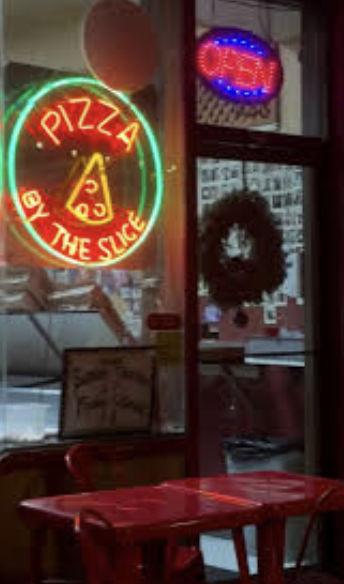
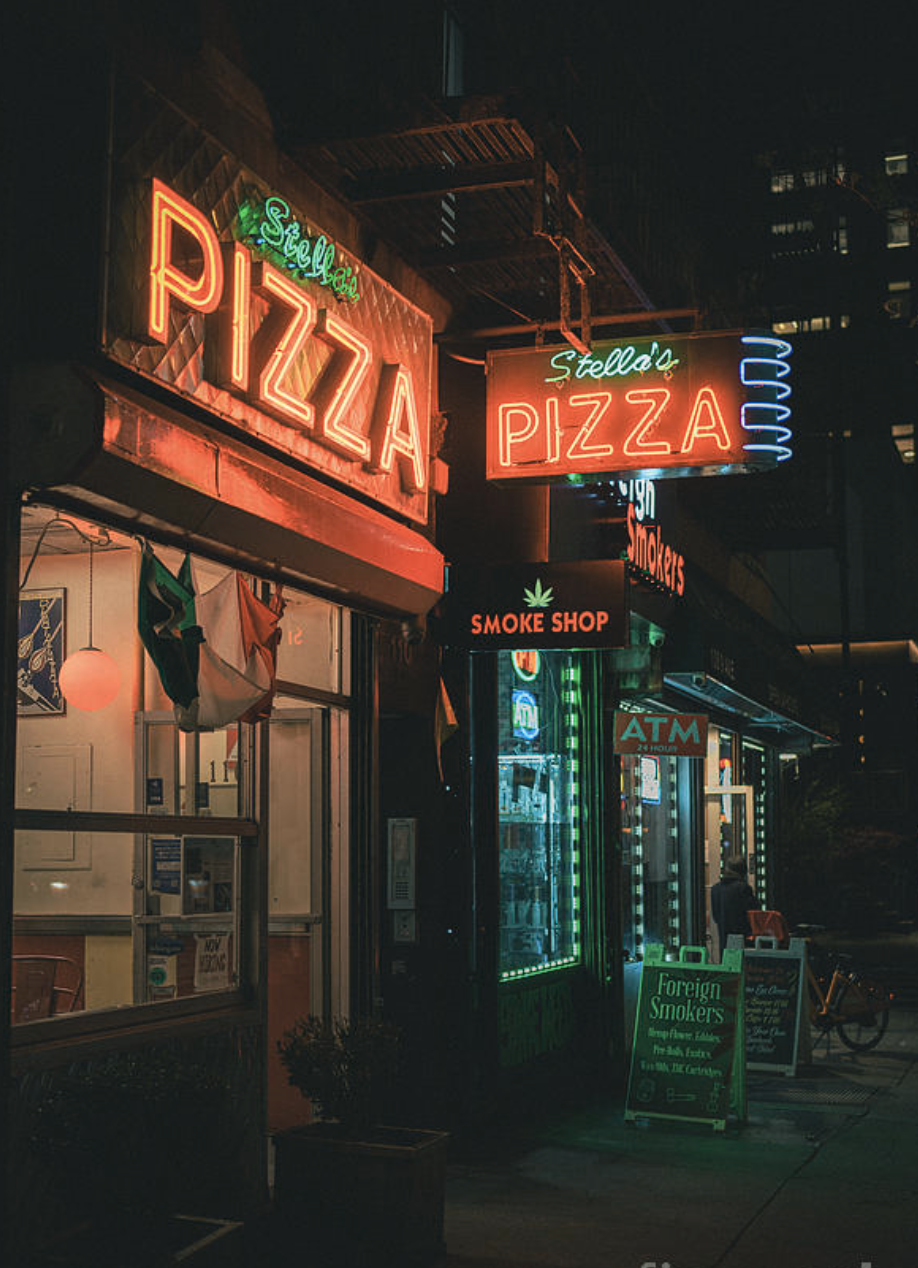





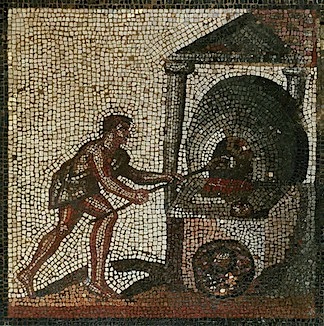

:max_bytes(150000):strip_icc():format(webp)/__opt__aboutcom__coeus__resources__content_migration__serious_eats__seriouseats.com__2017__02__20170216-detroit-style-pizza-47-1500x1125-1-233d75e6021048b3bf3cf28bd59d310b.jpg)


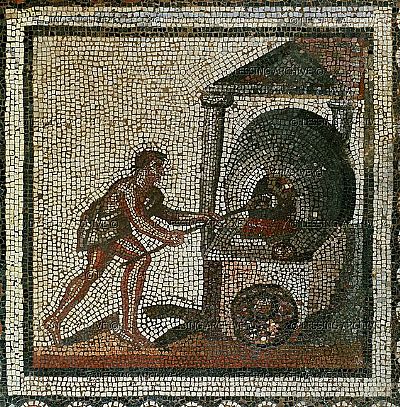
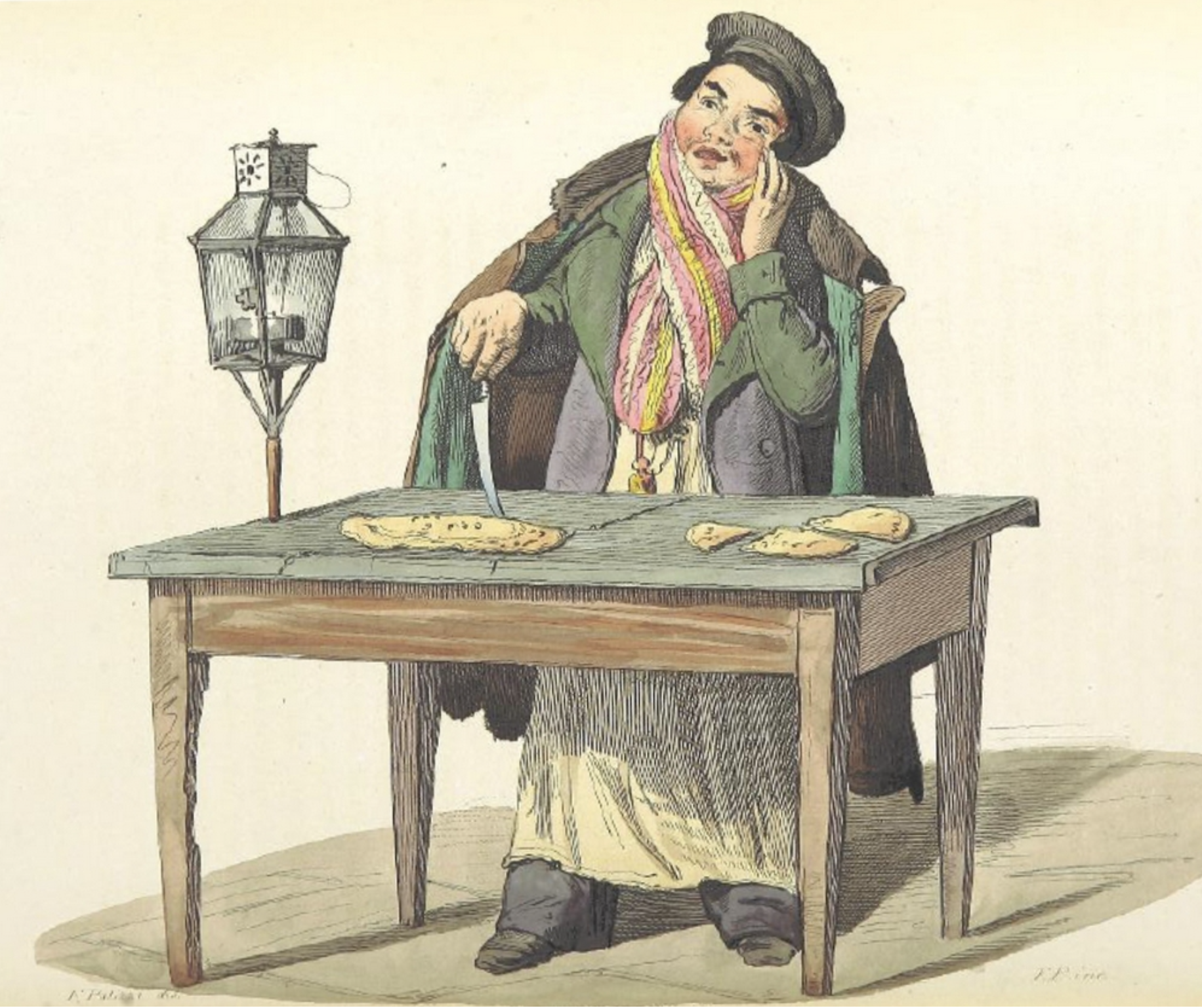


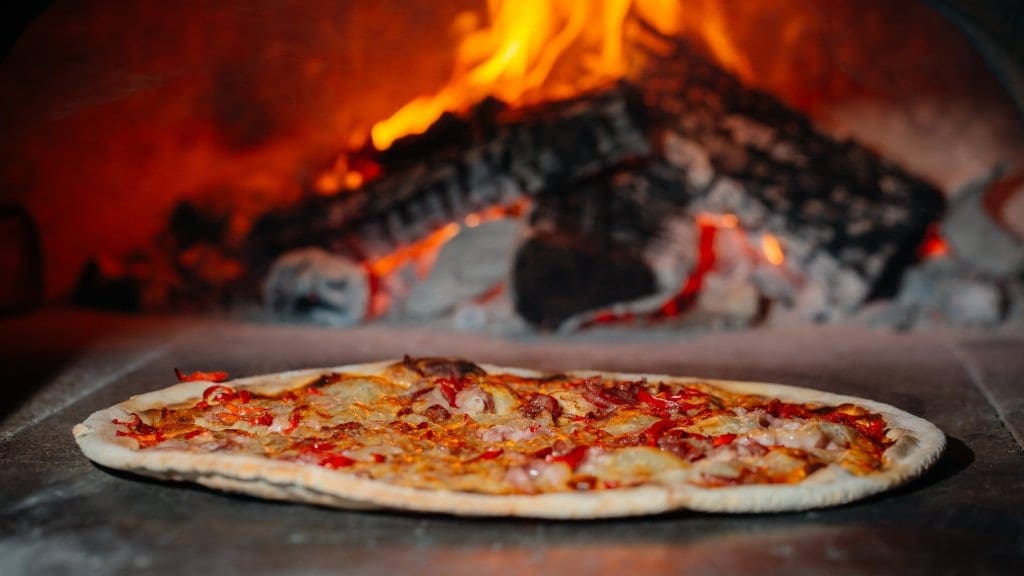
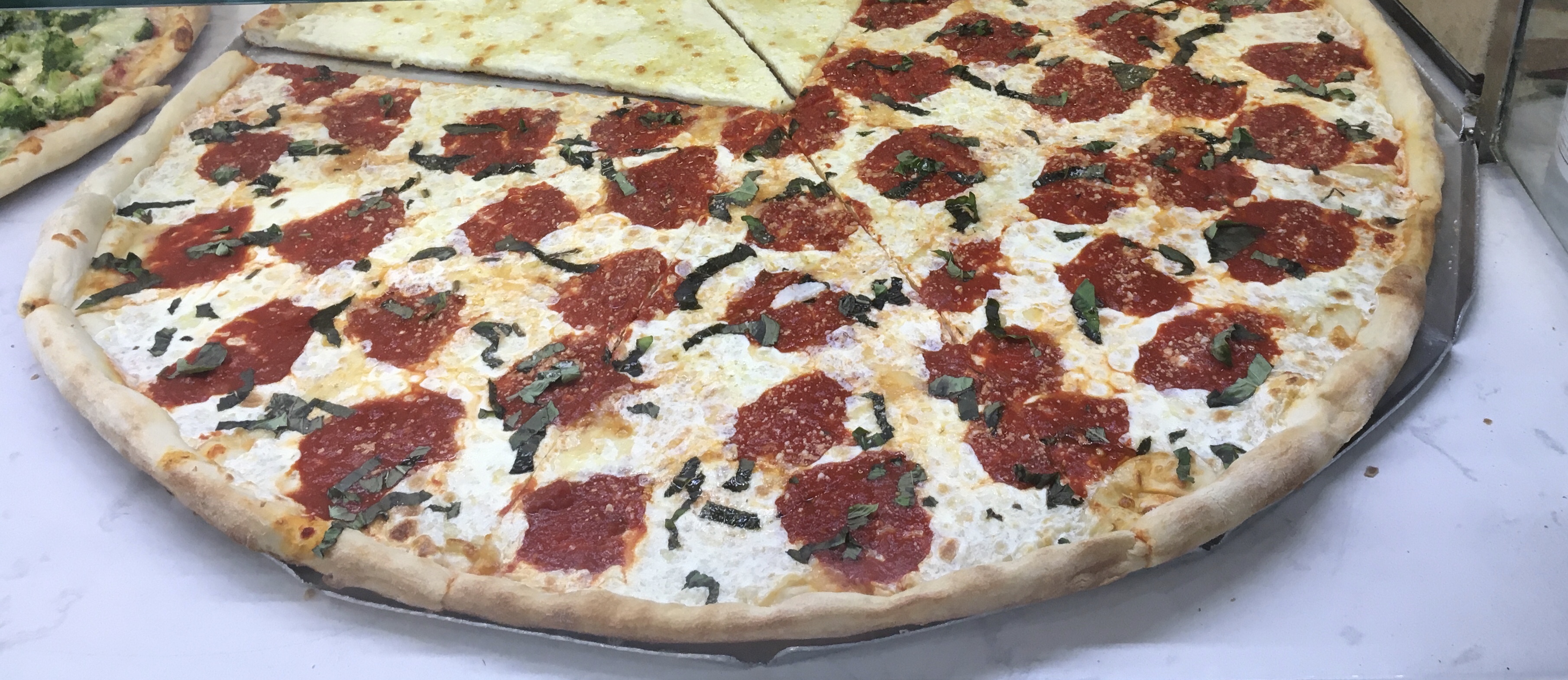


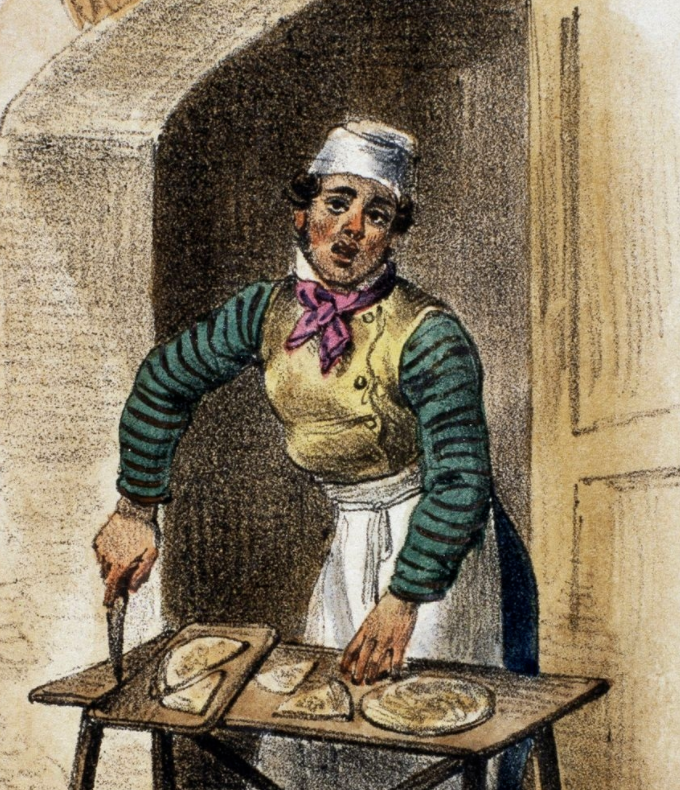


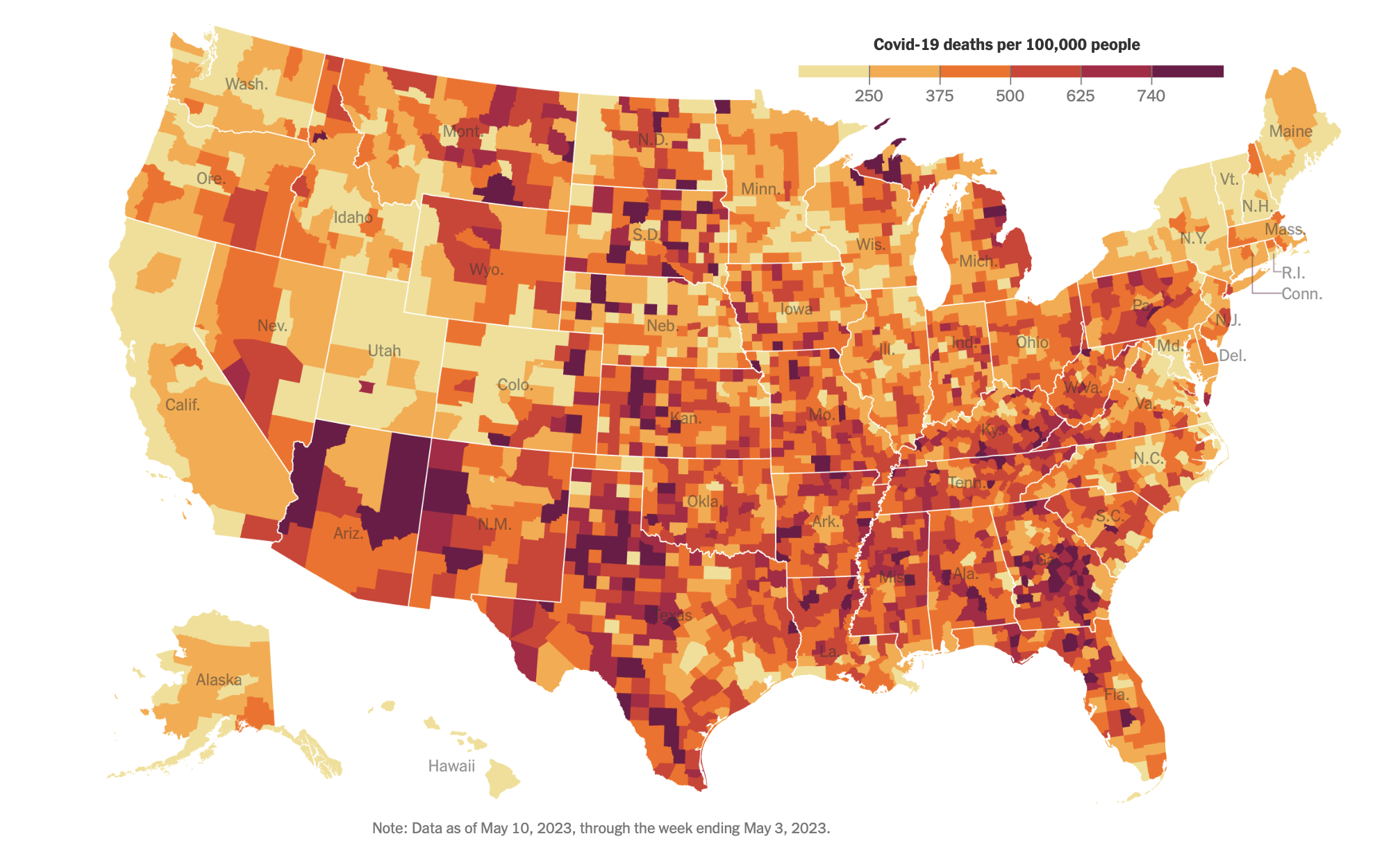
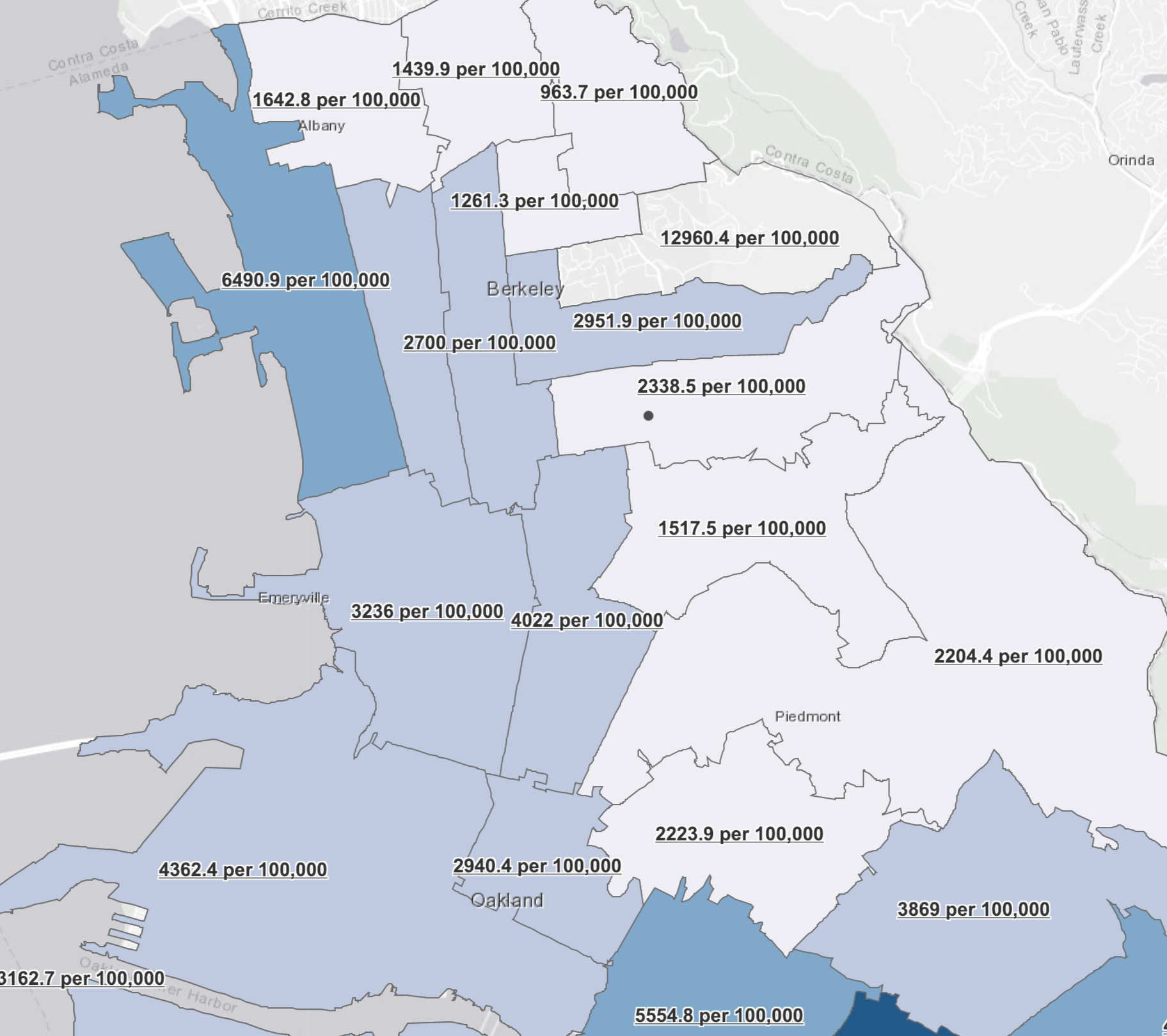

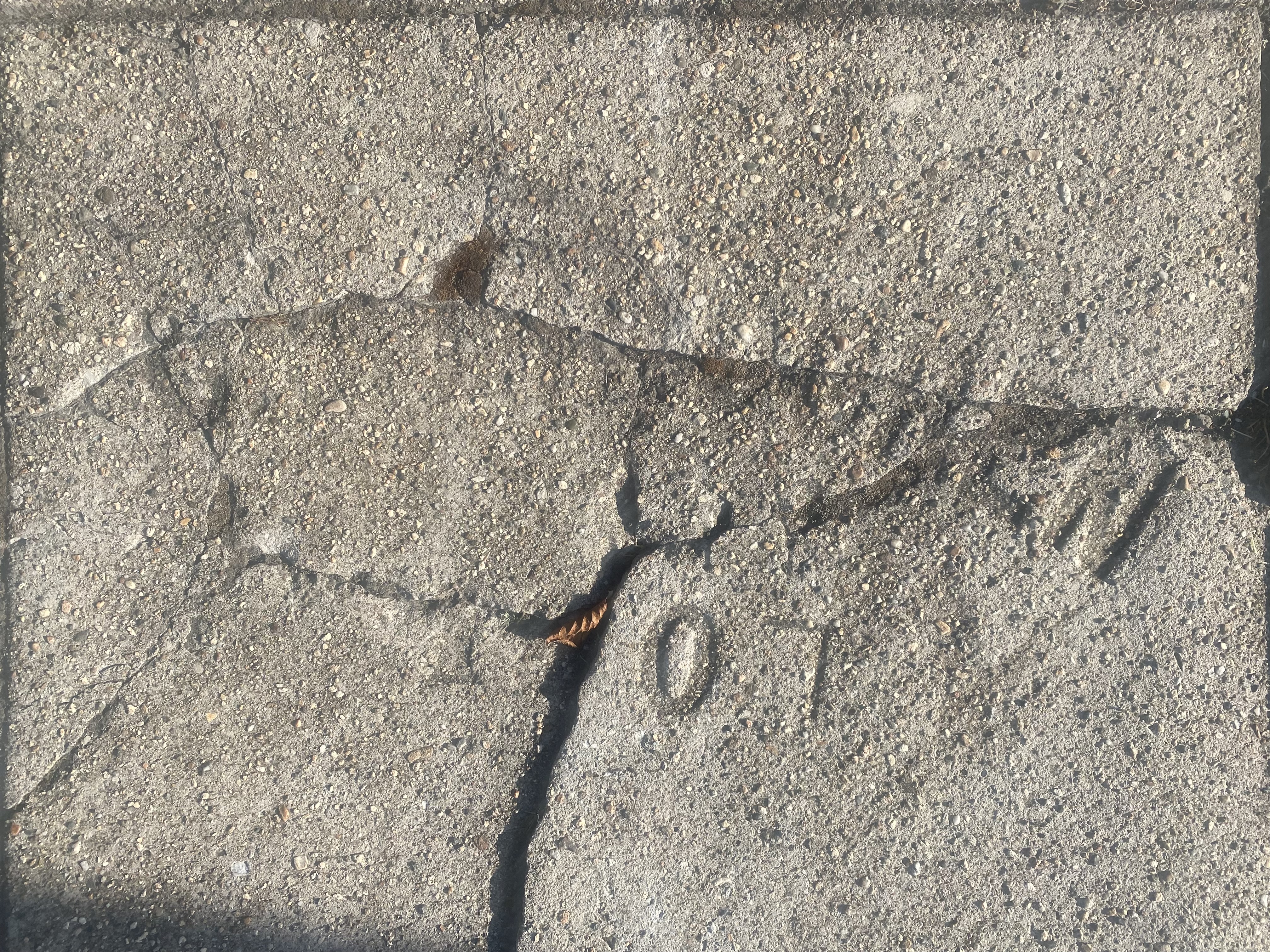


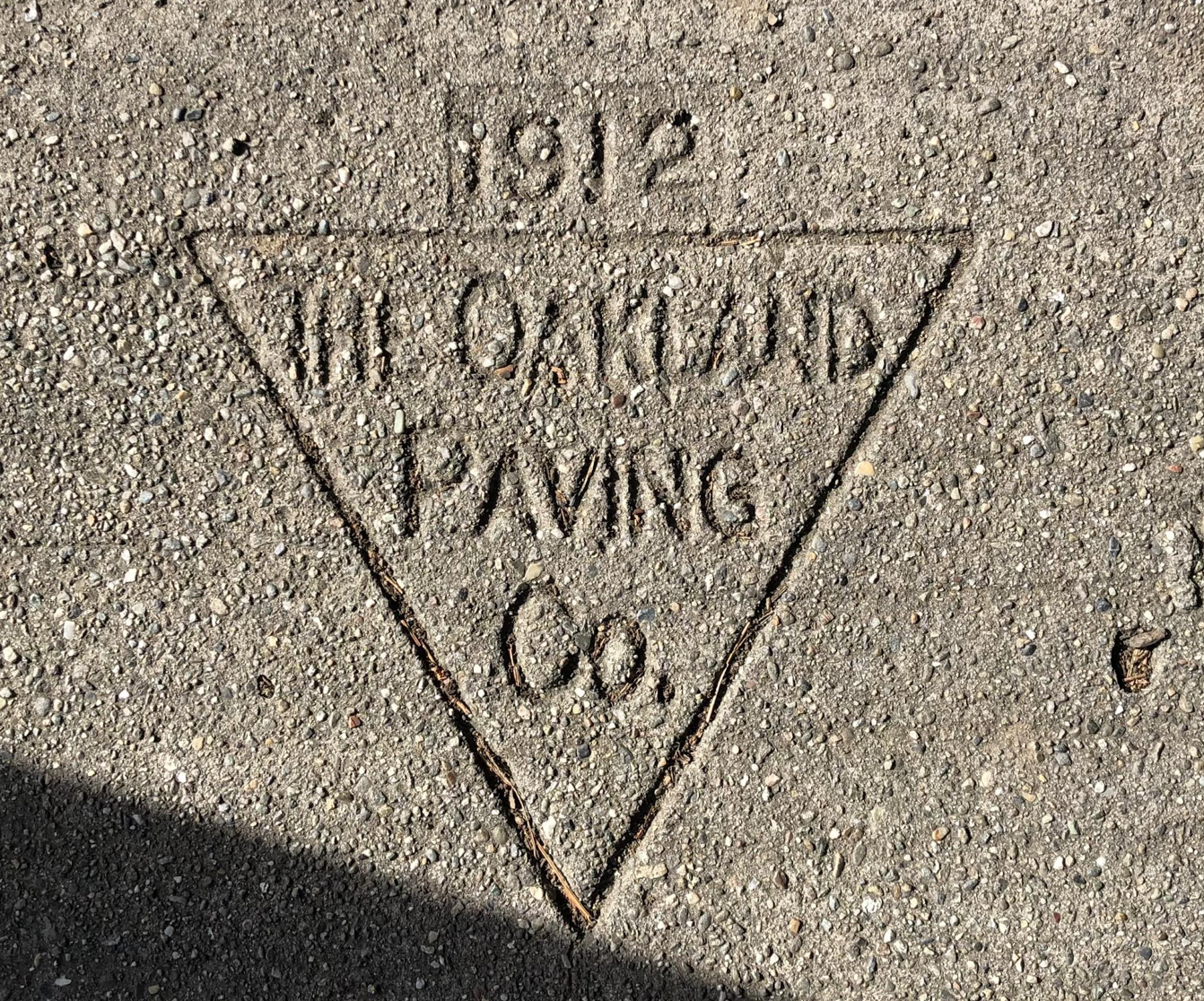
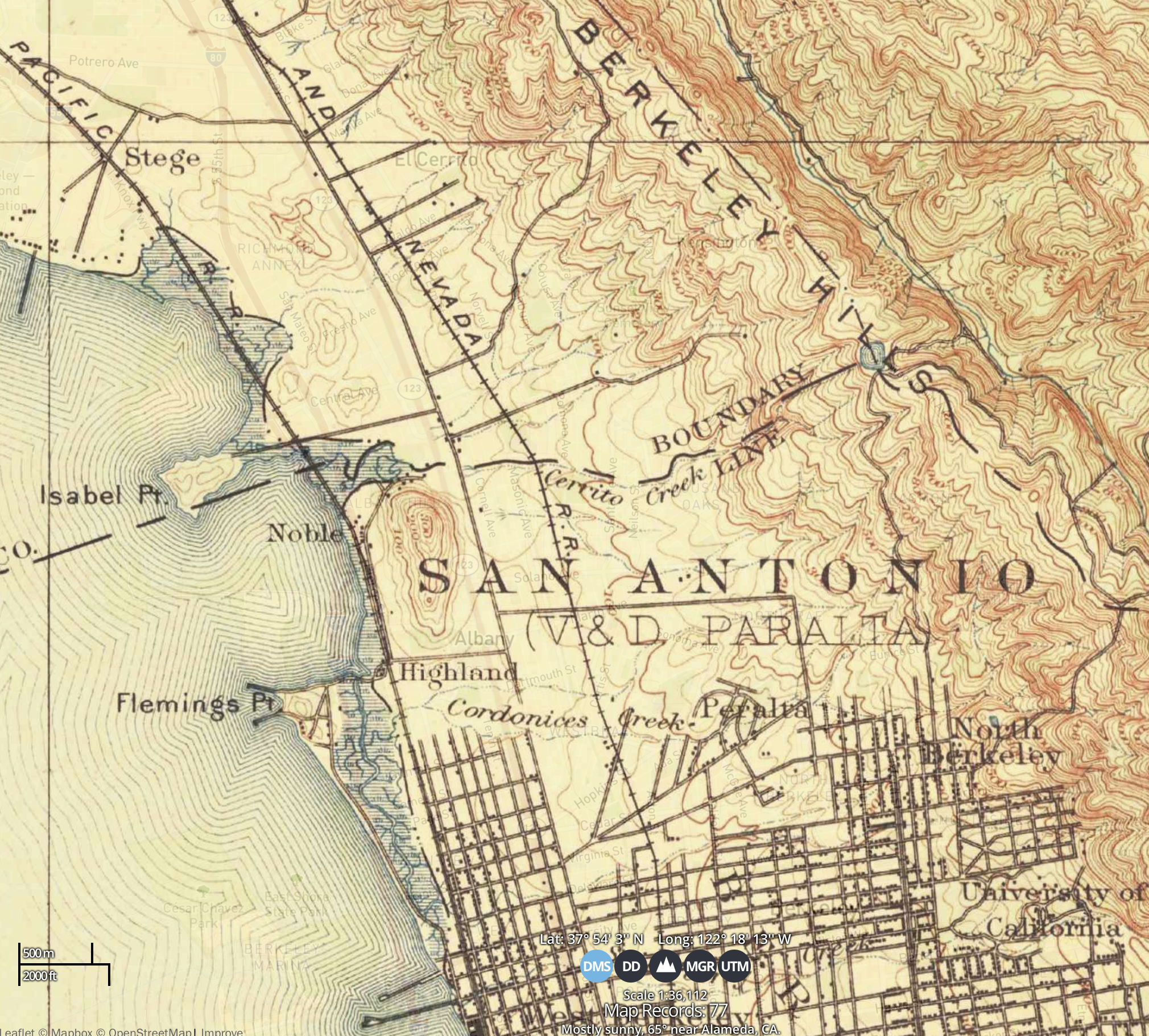


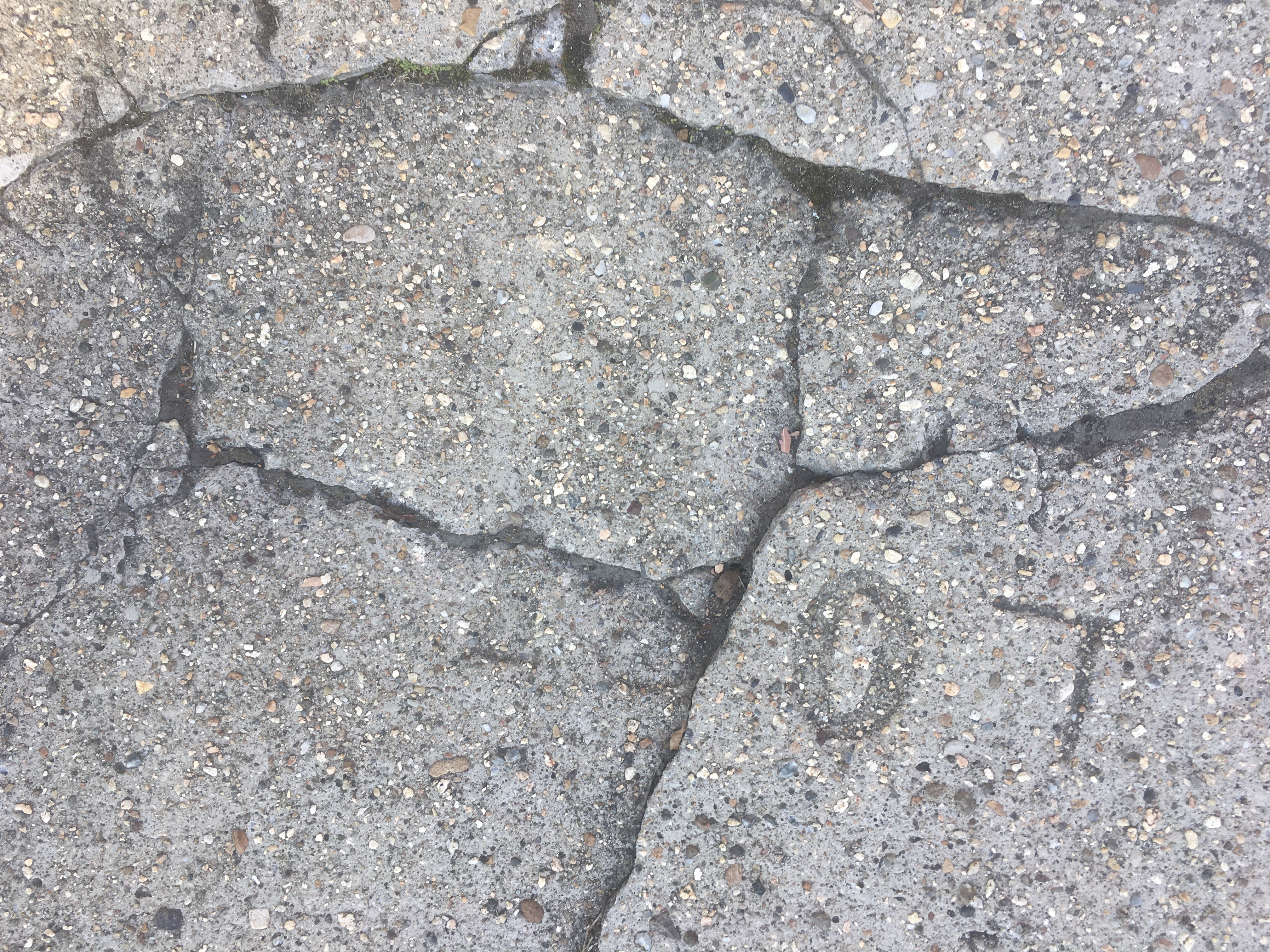

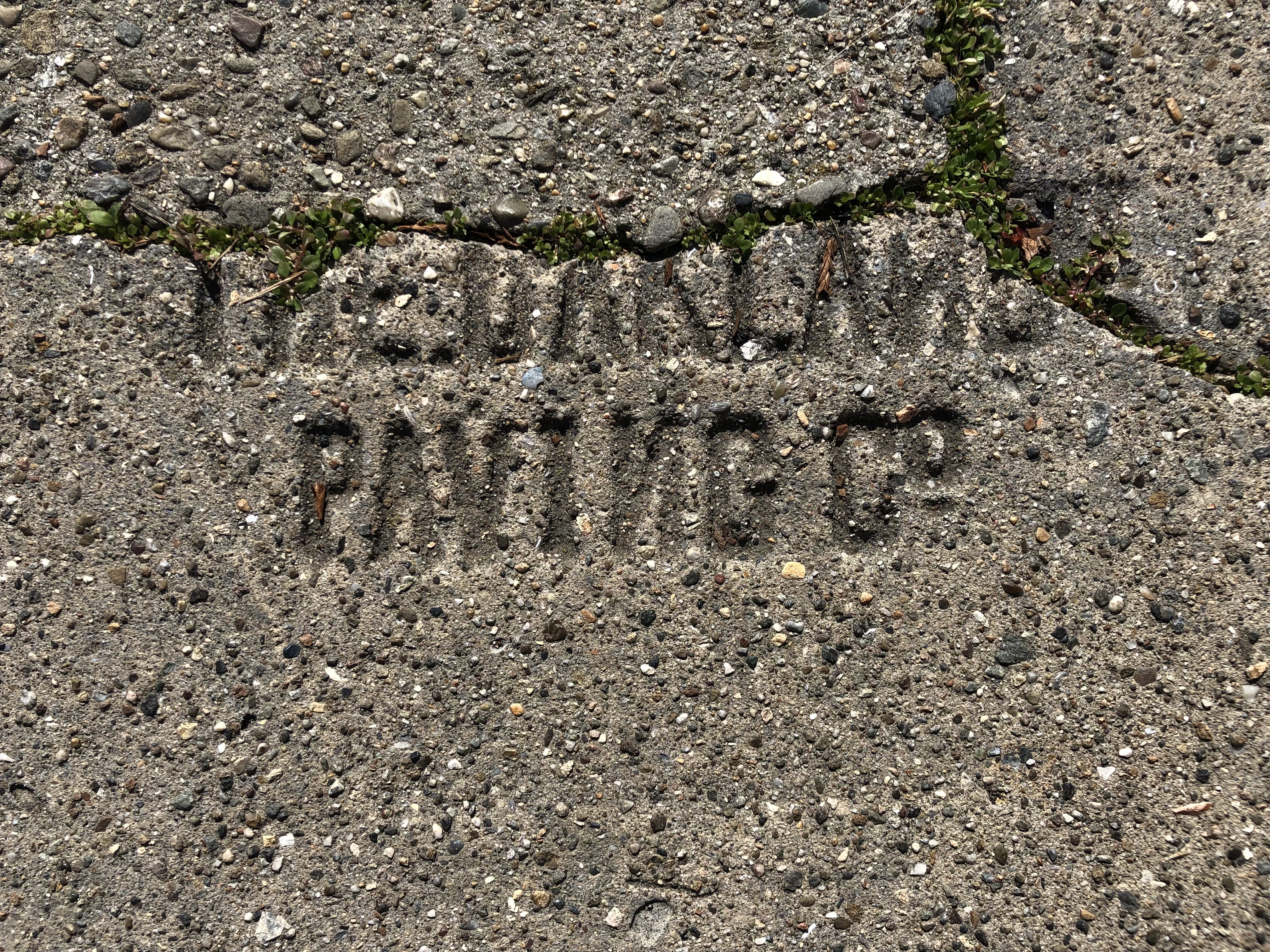
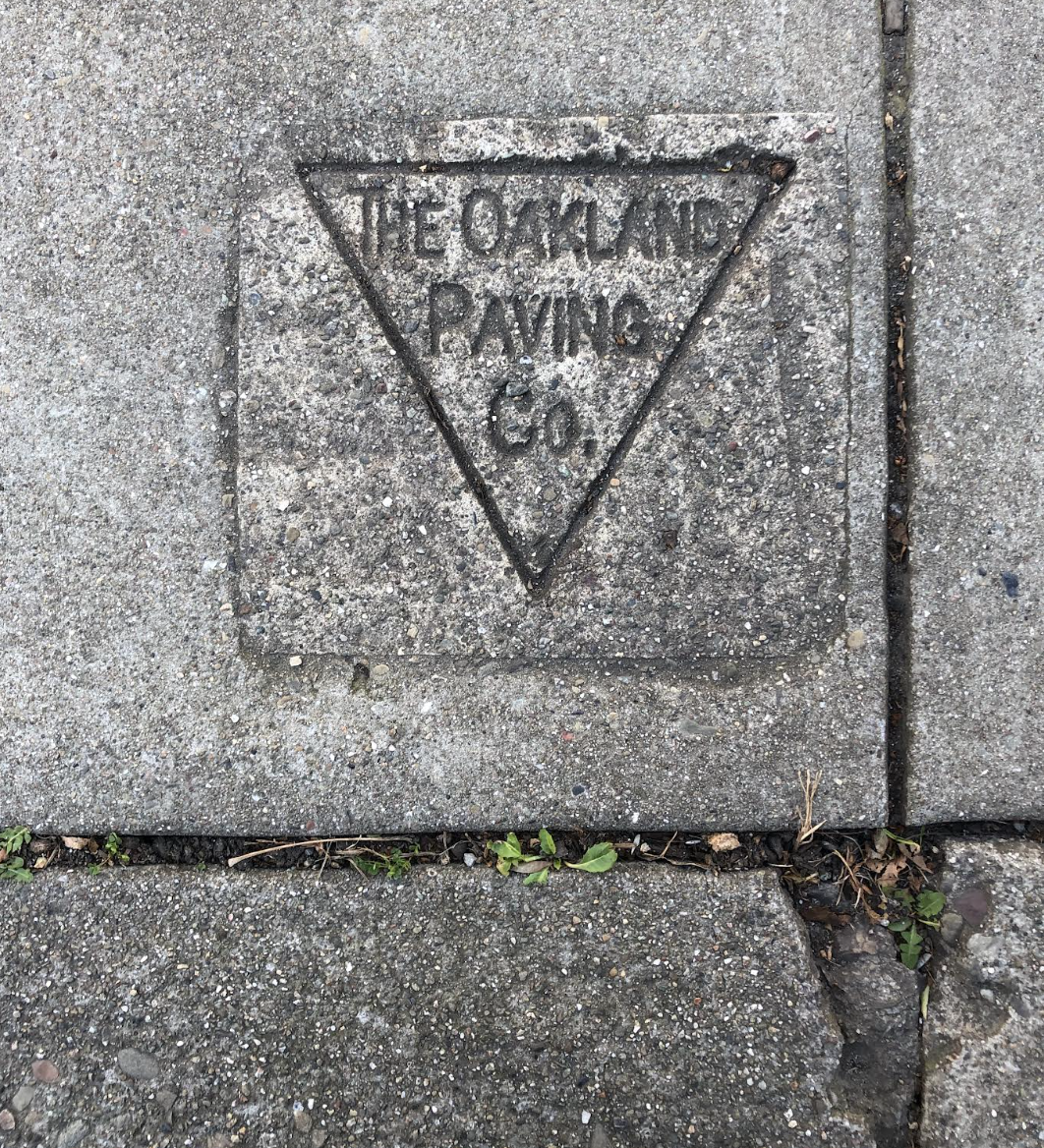


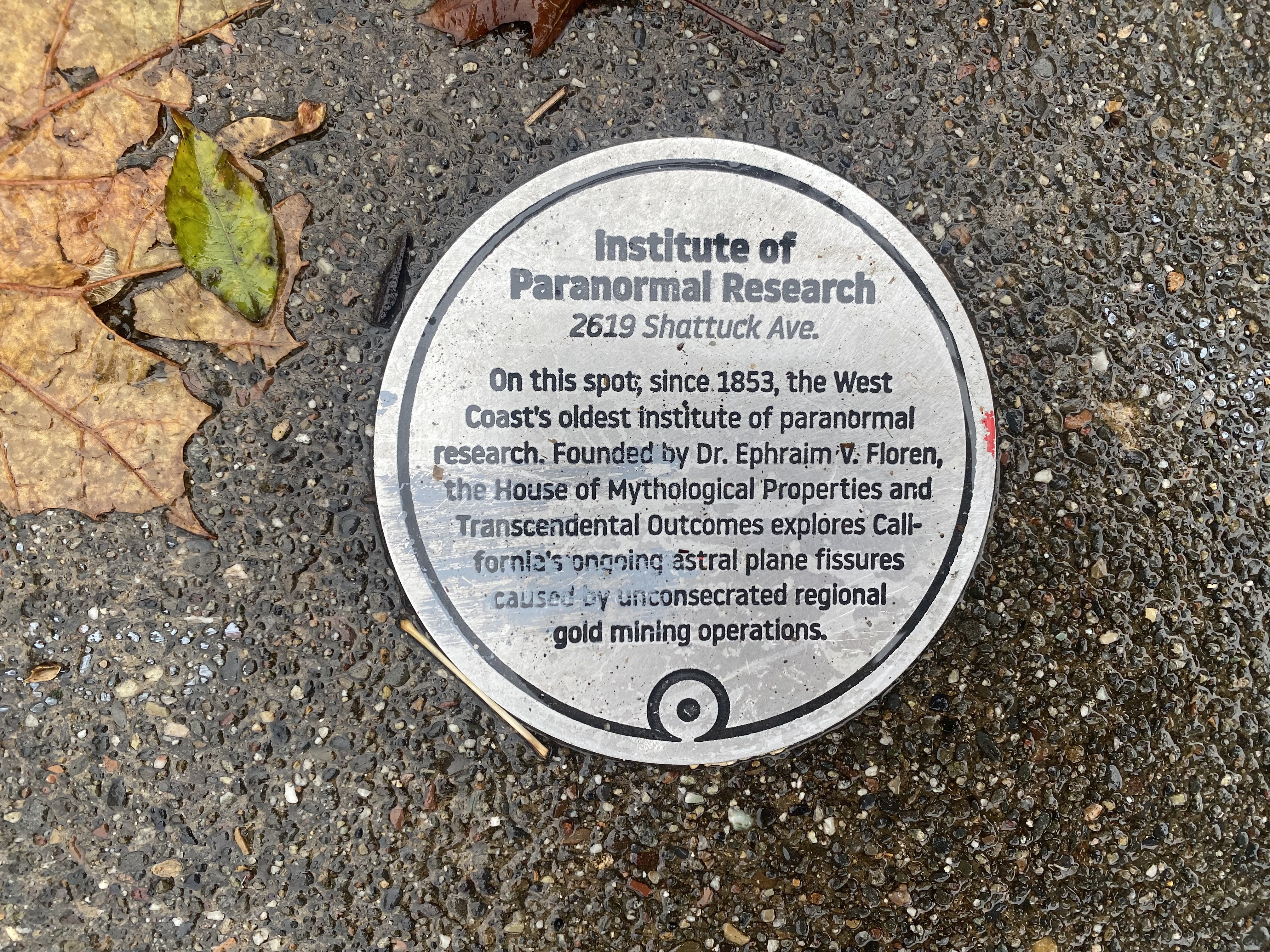
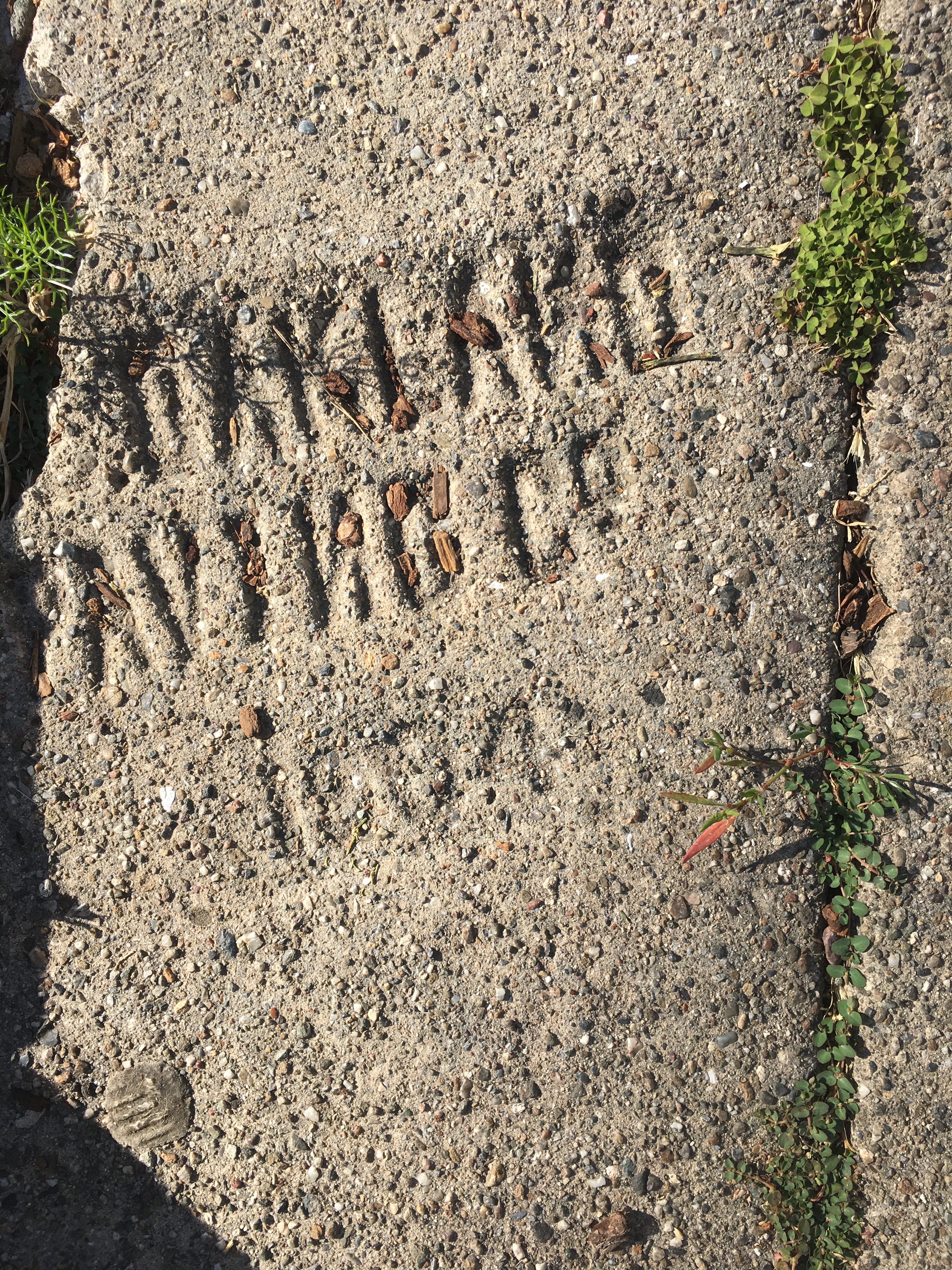
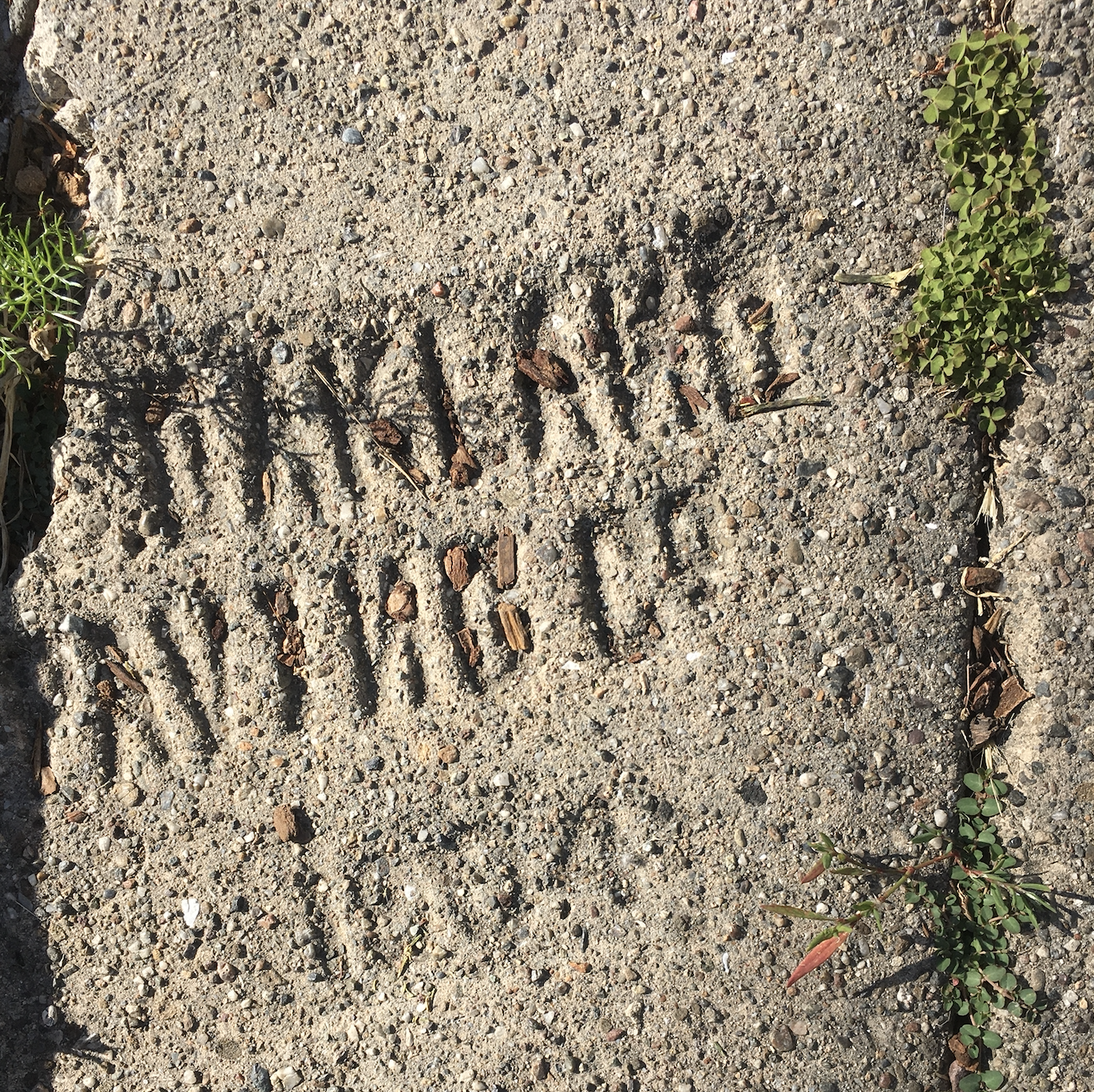
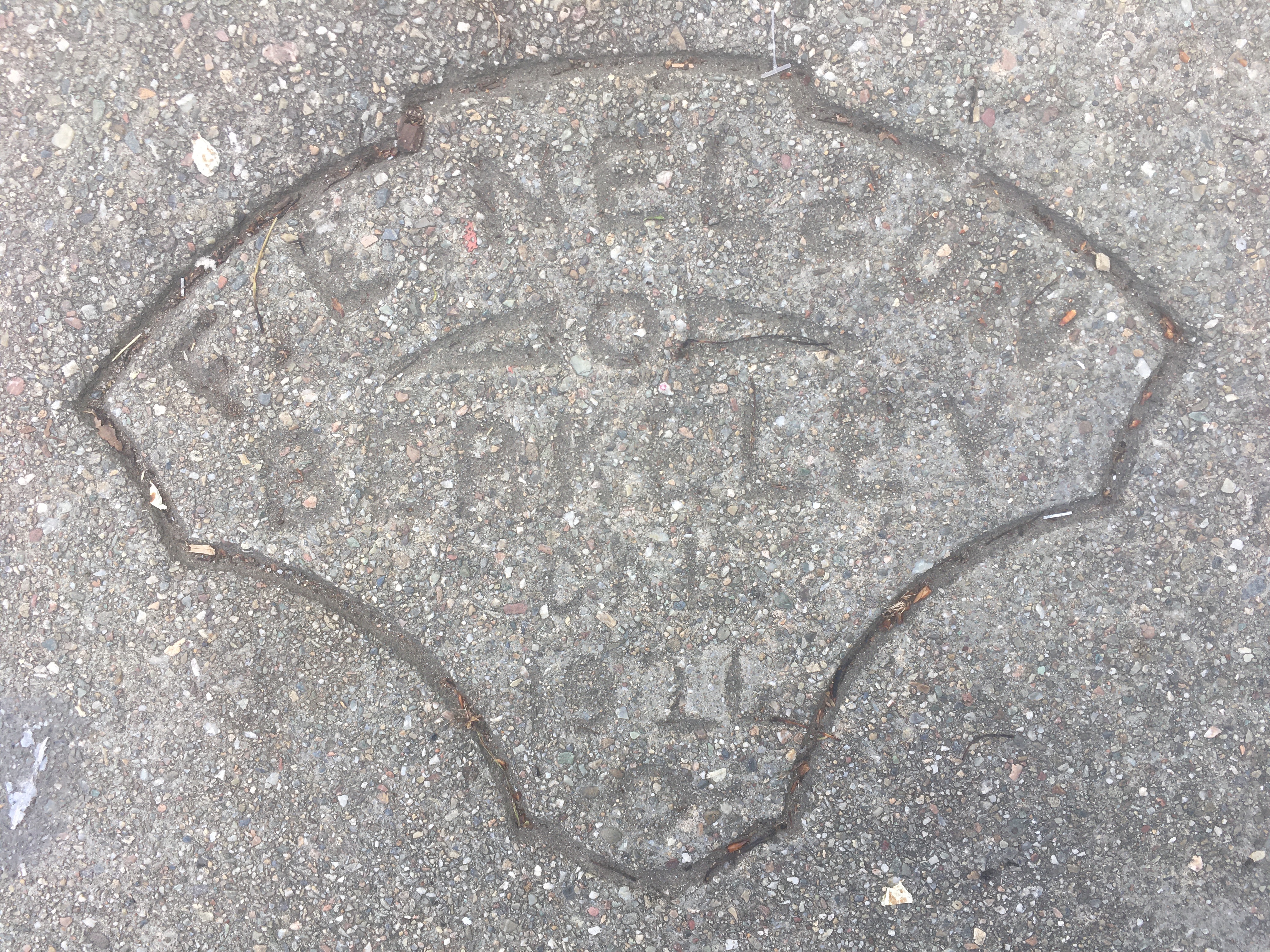


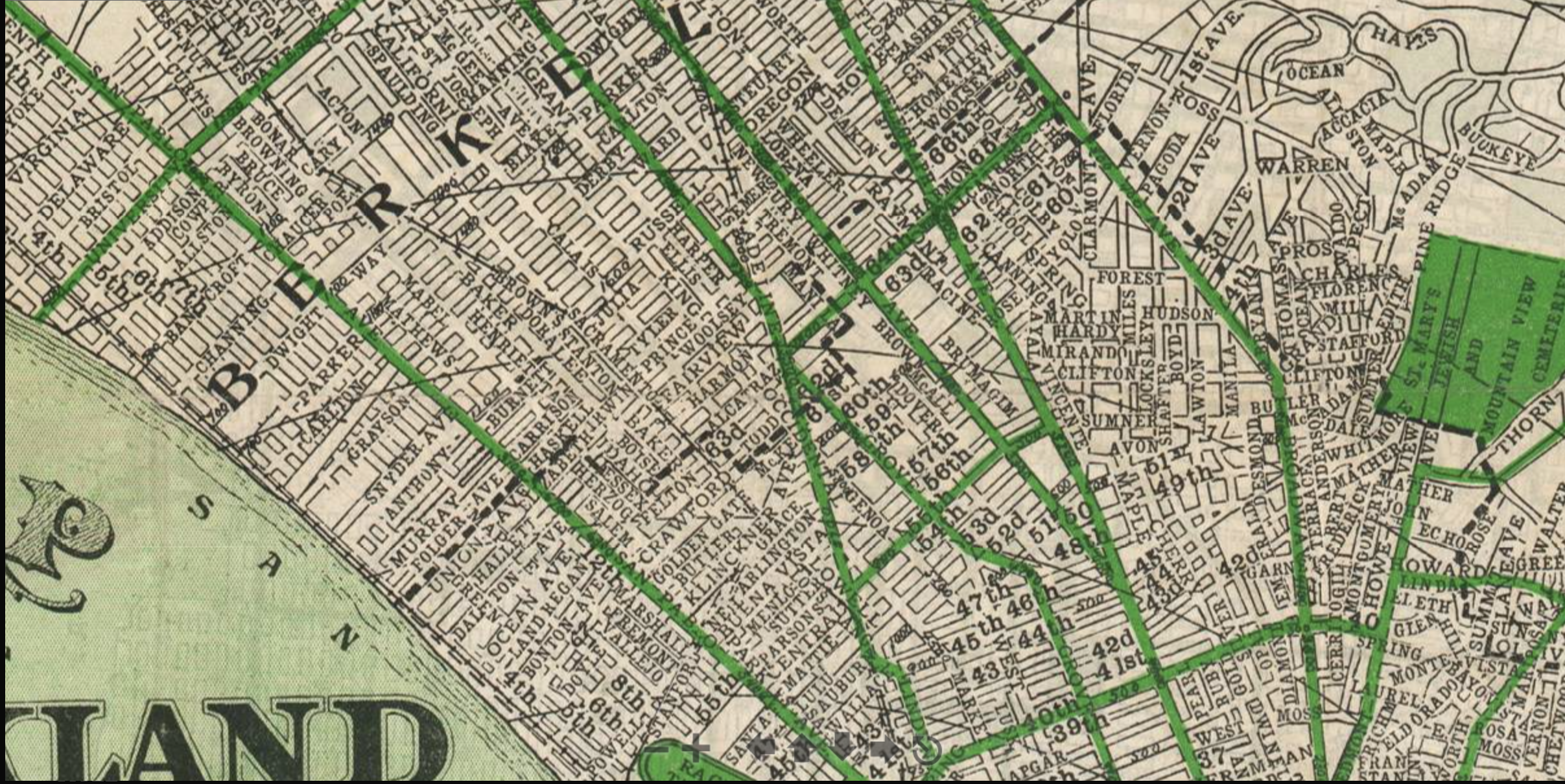
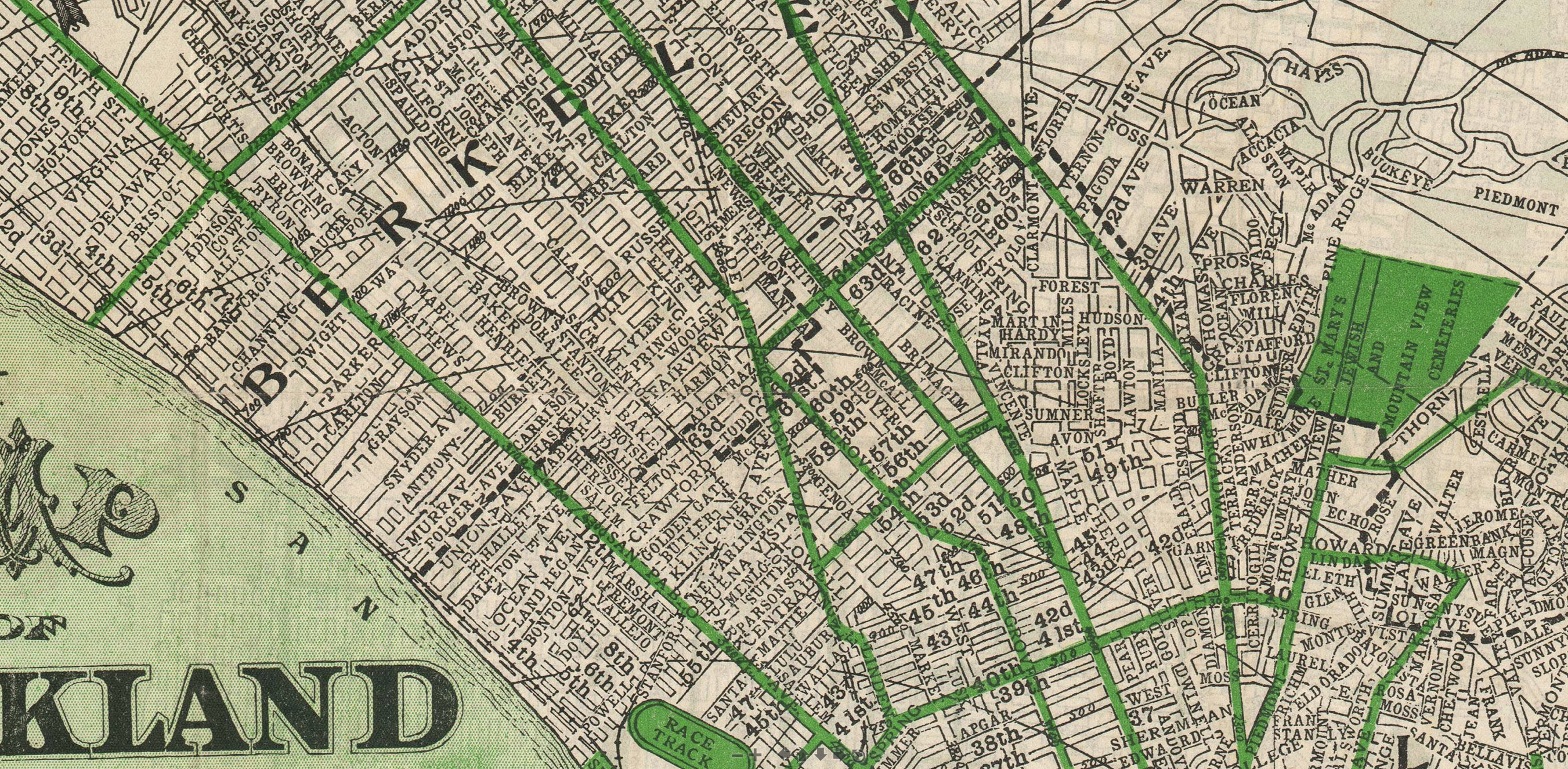


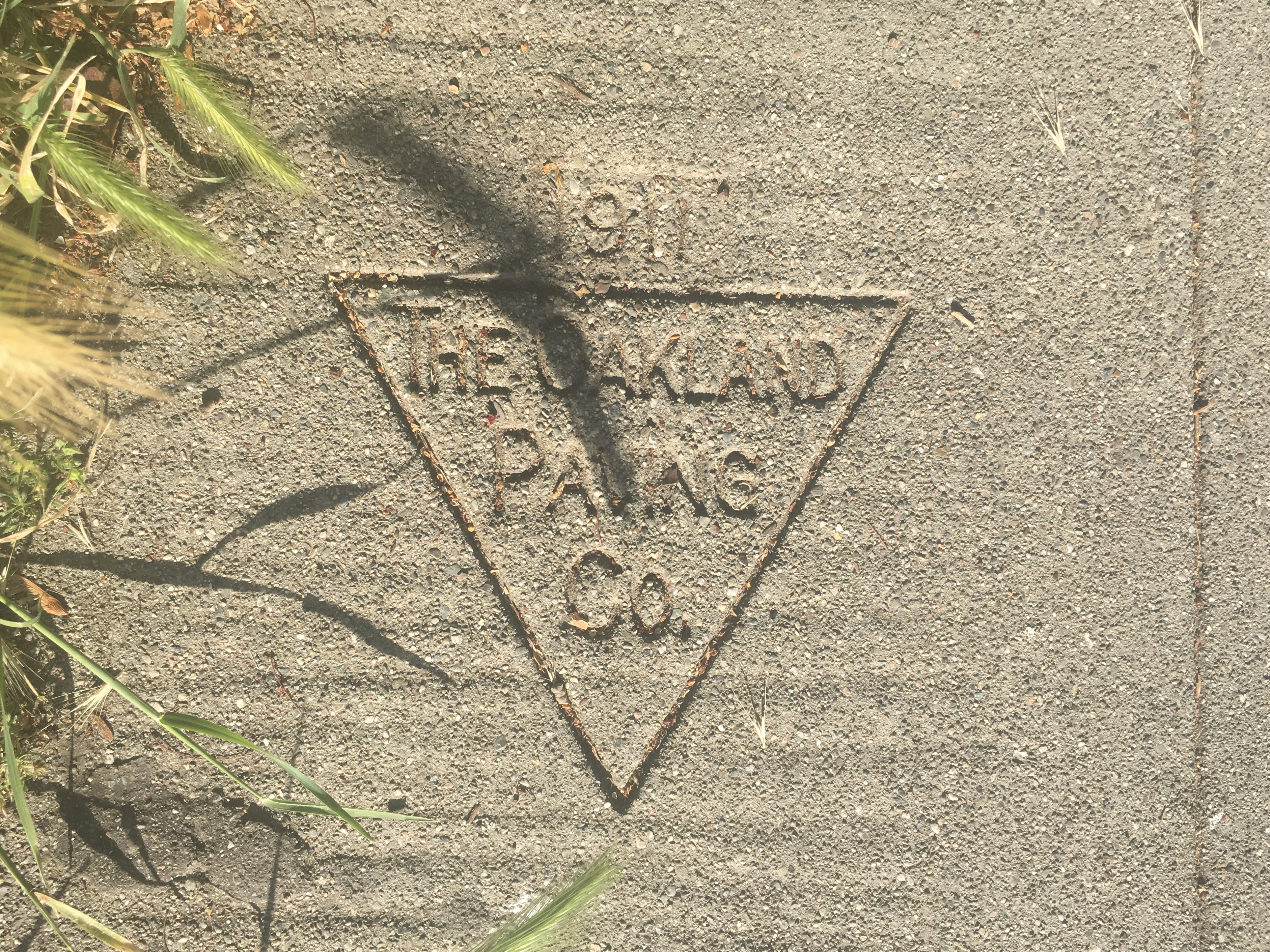

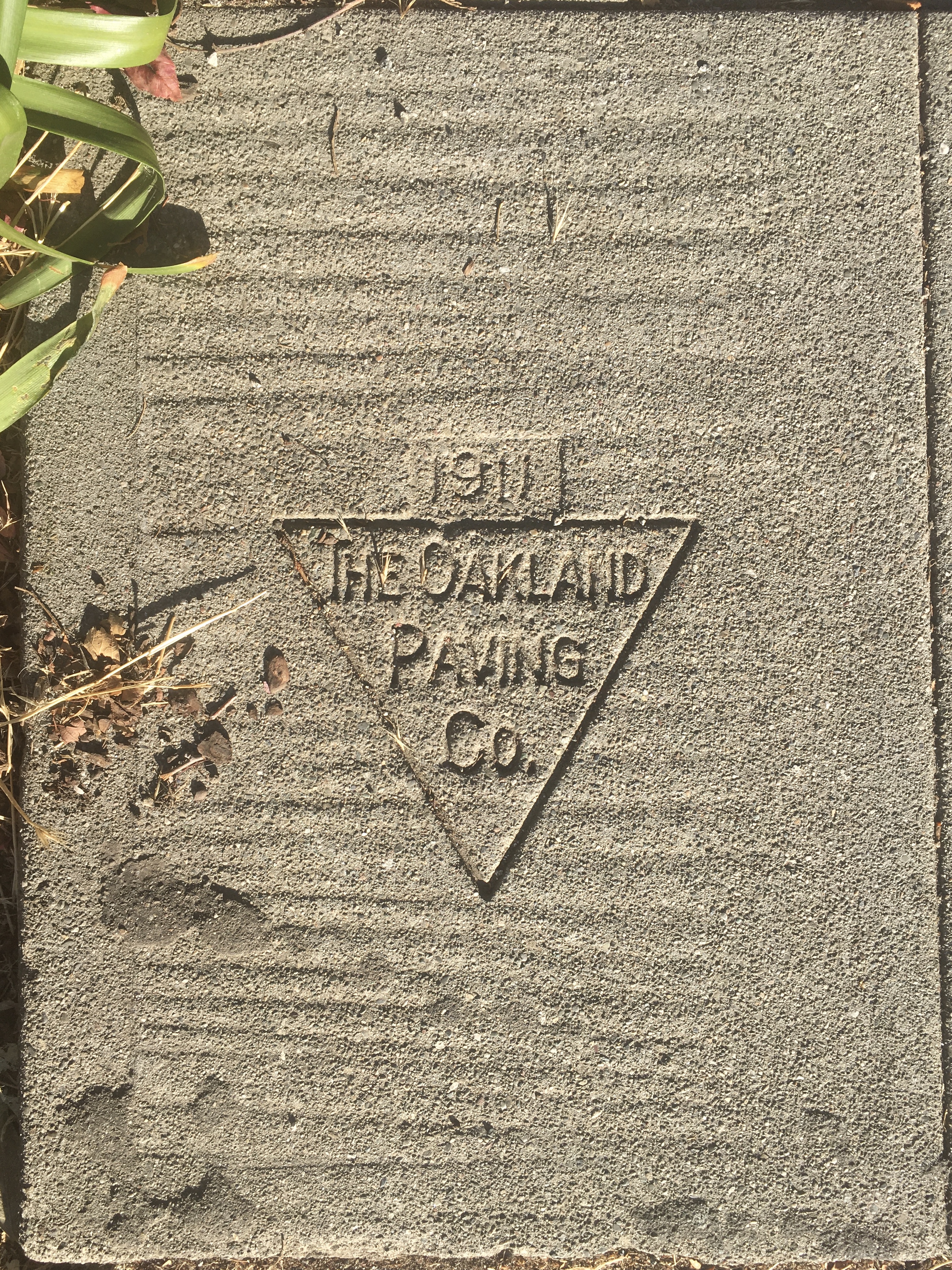

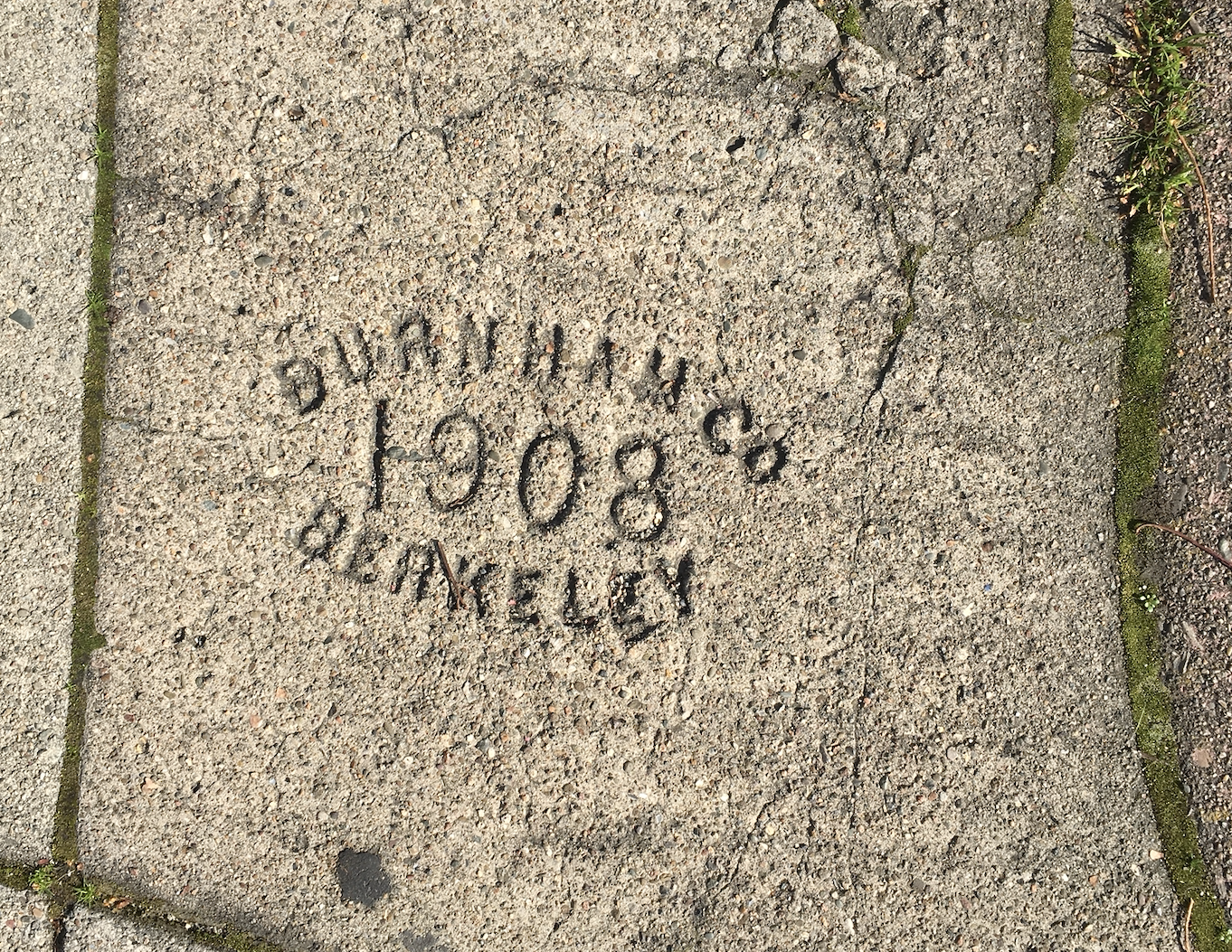

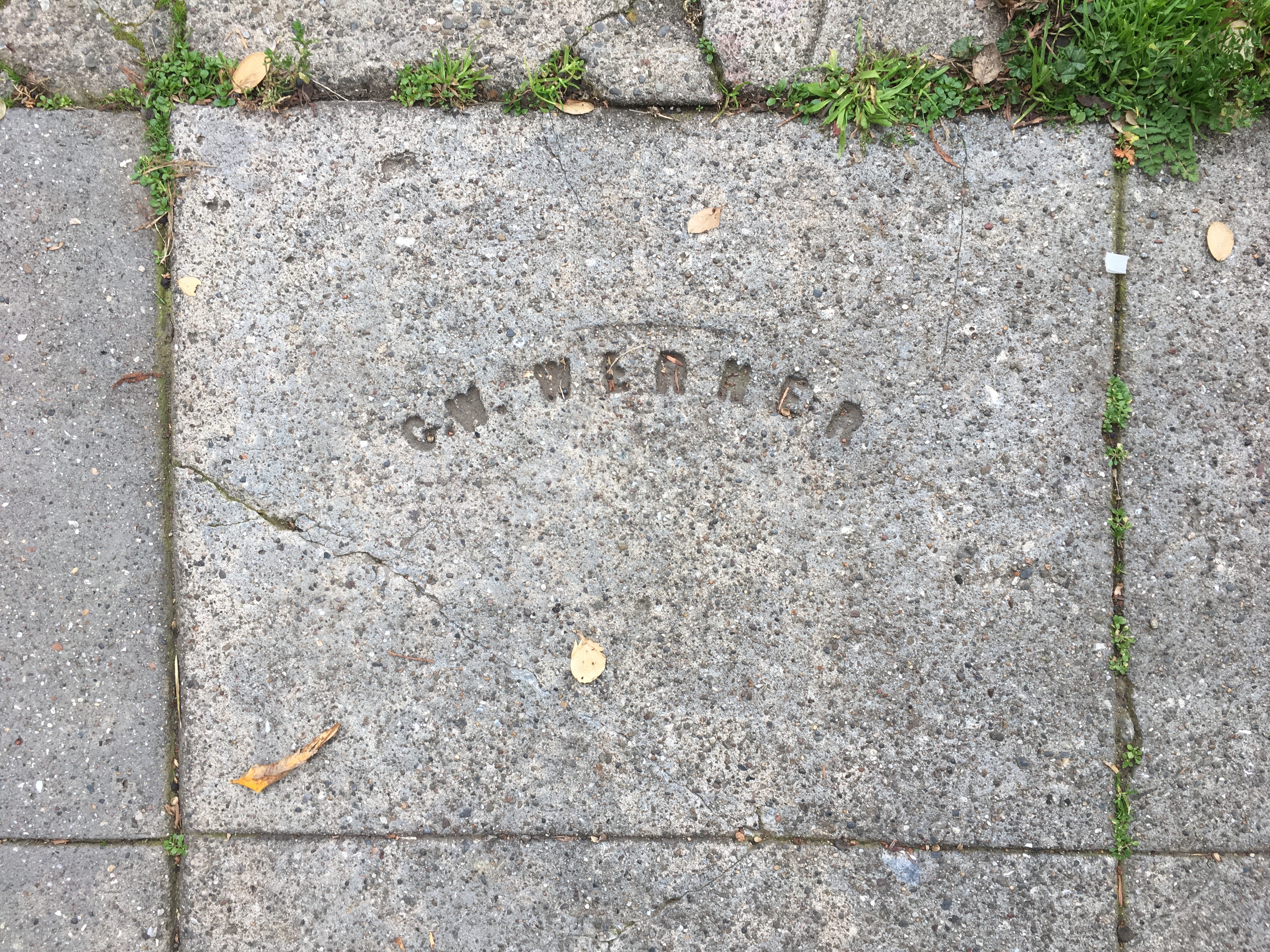
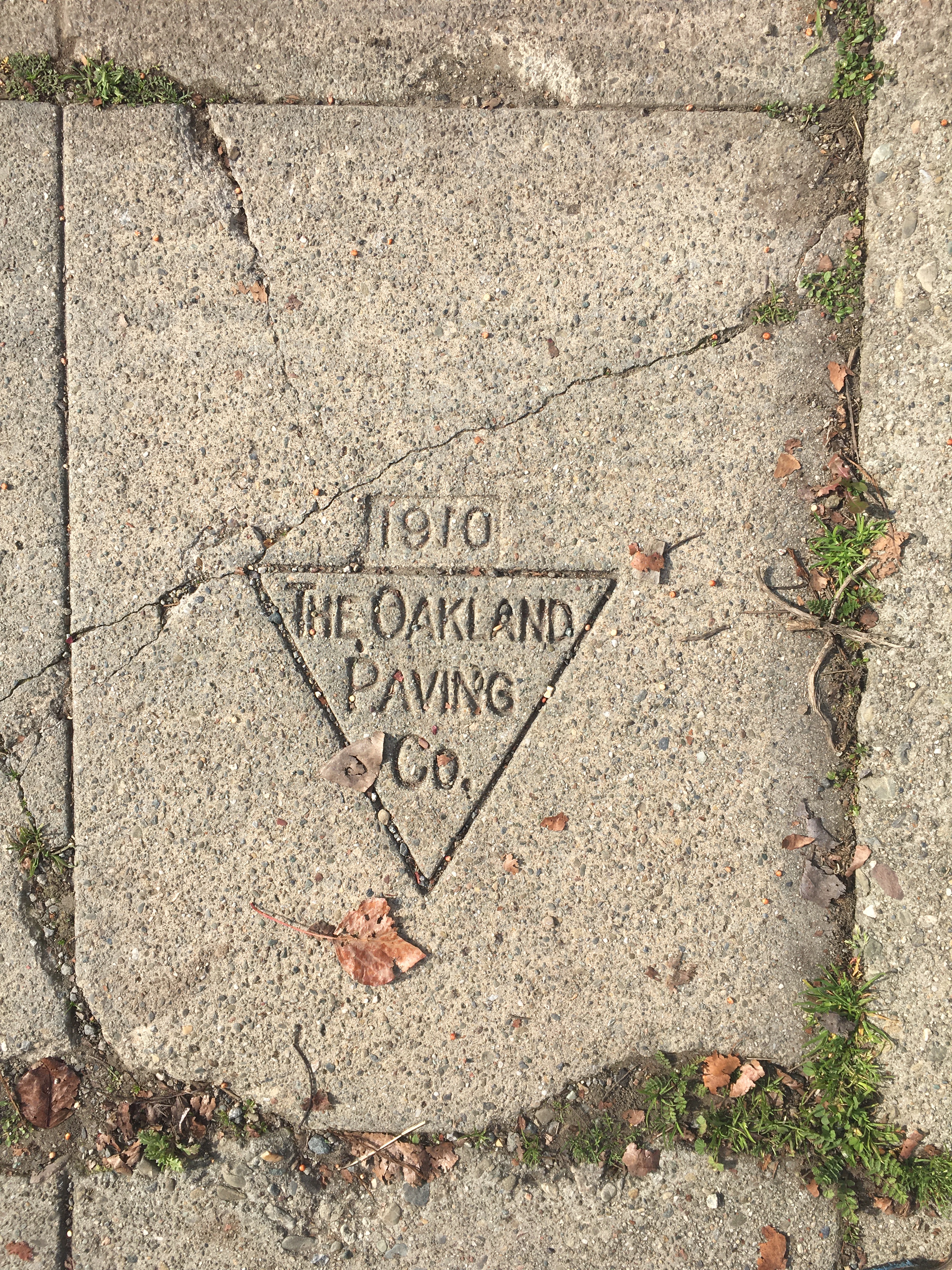


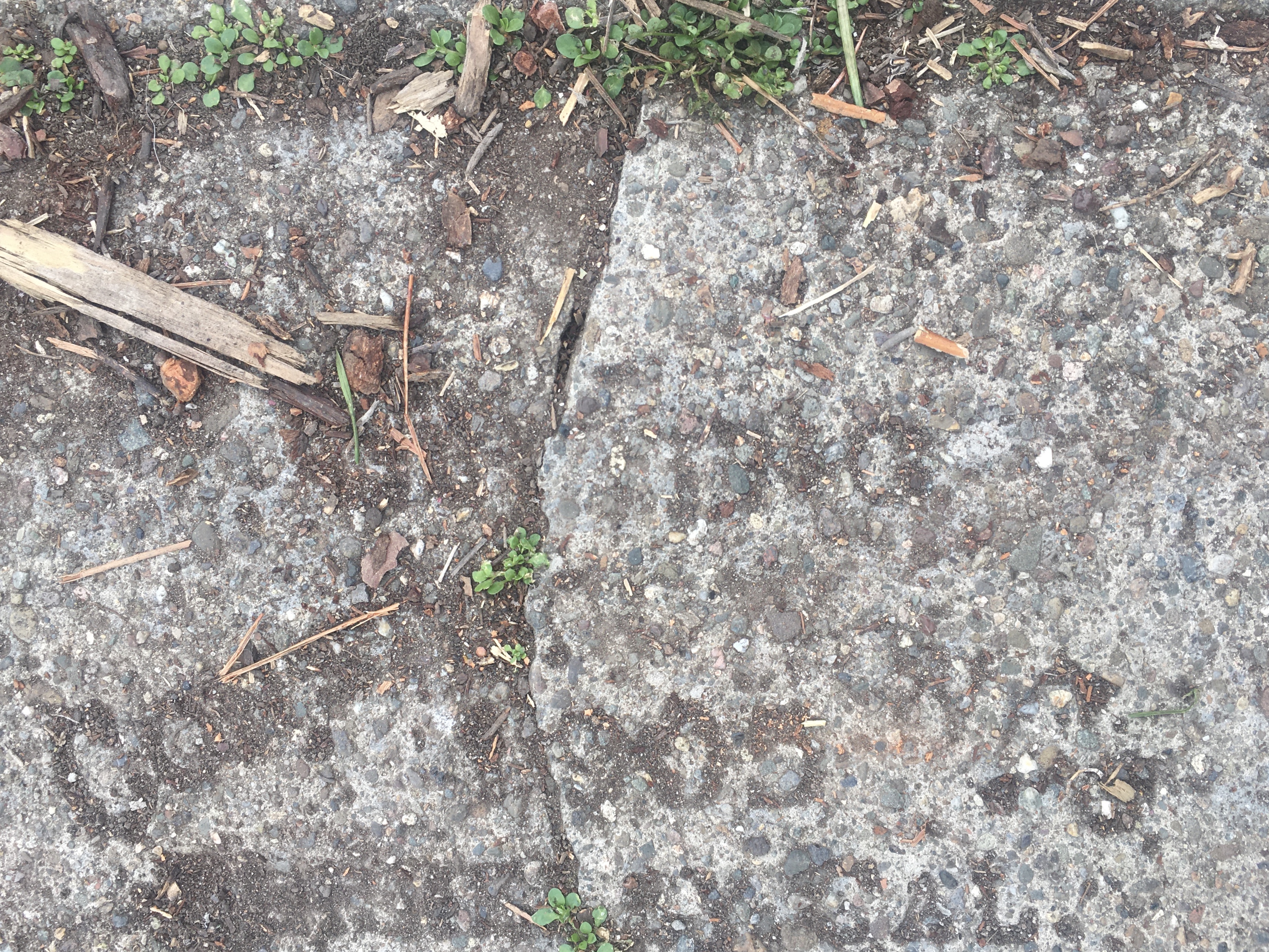

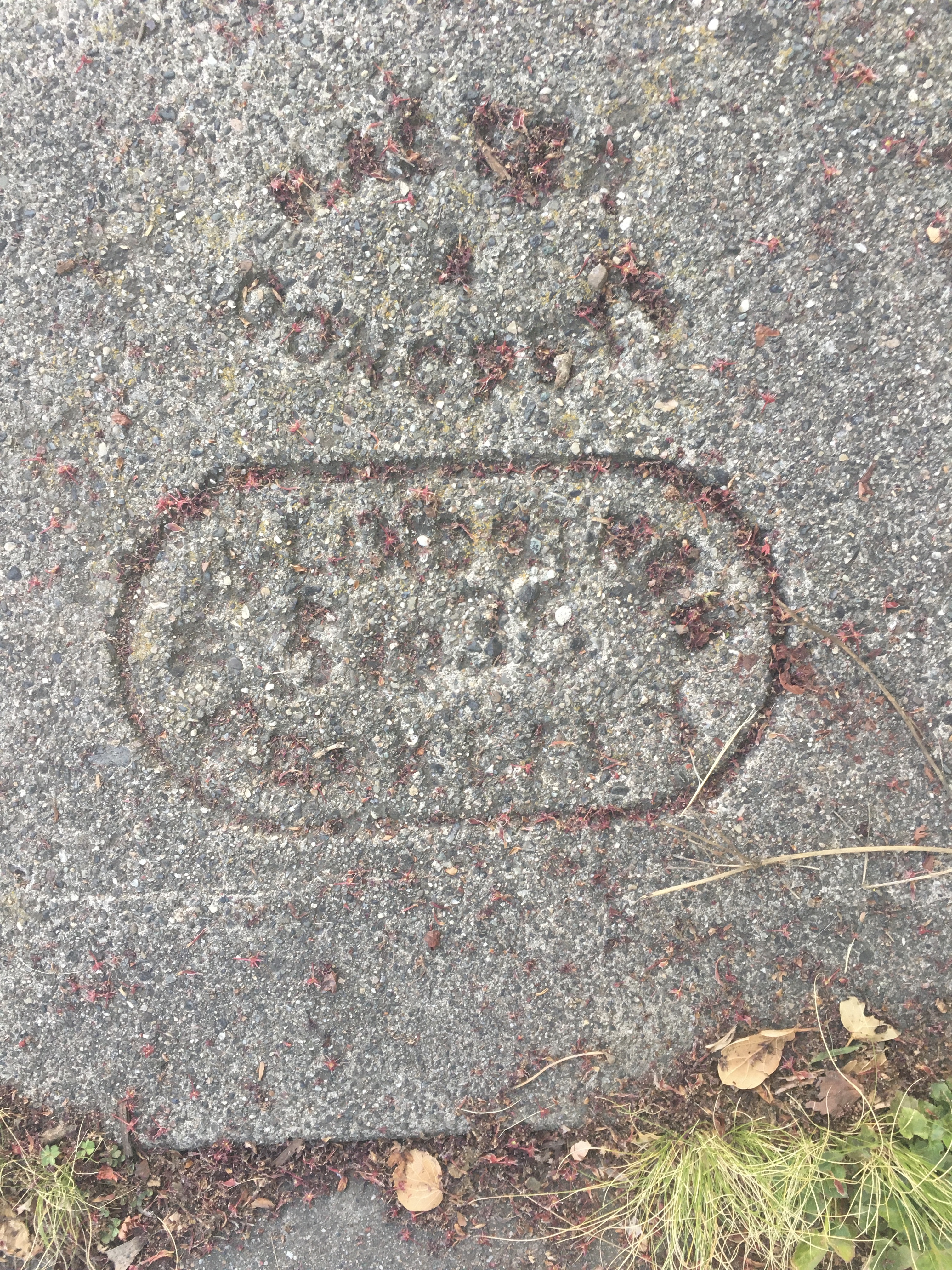
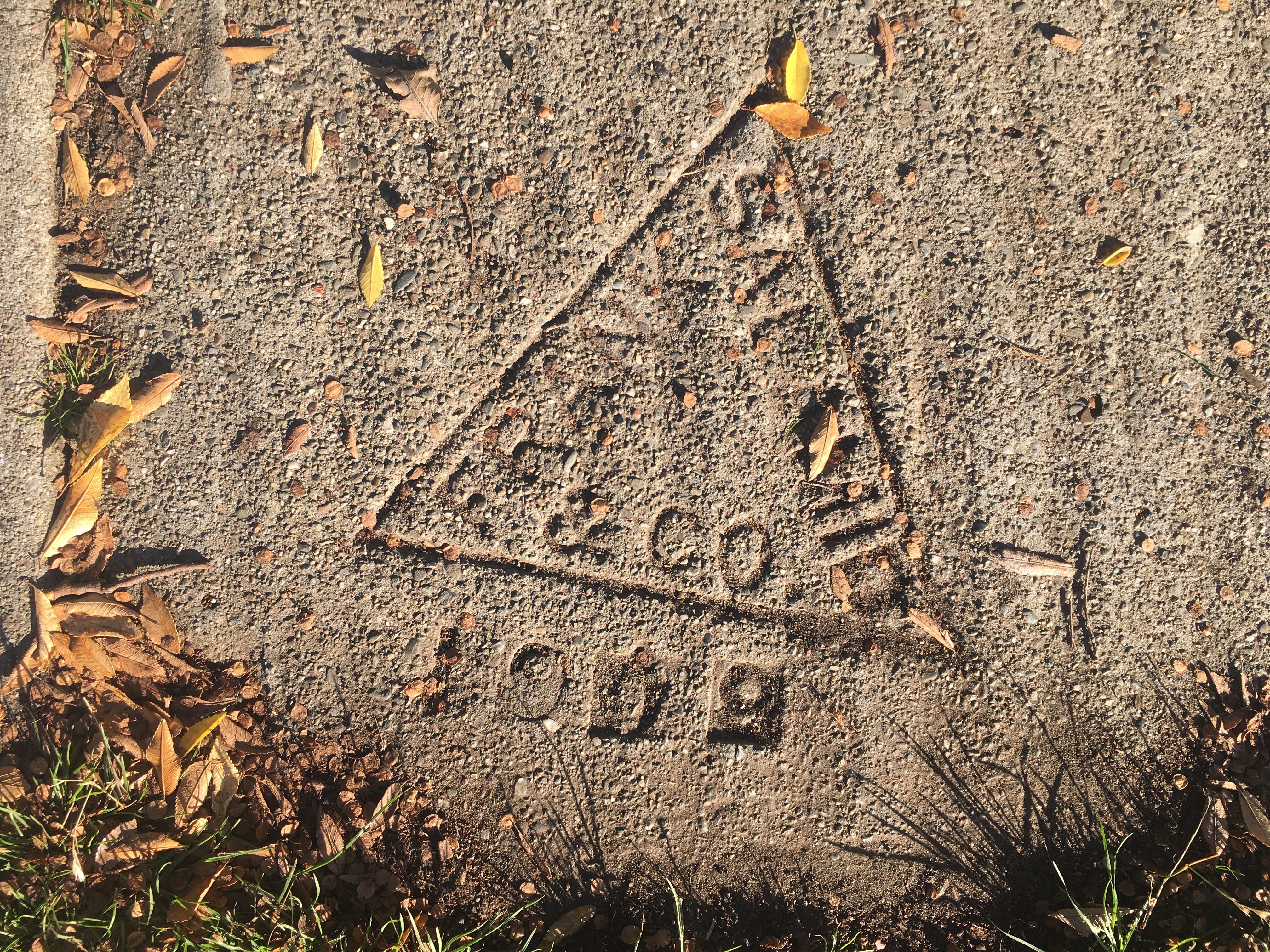




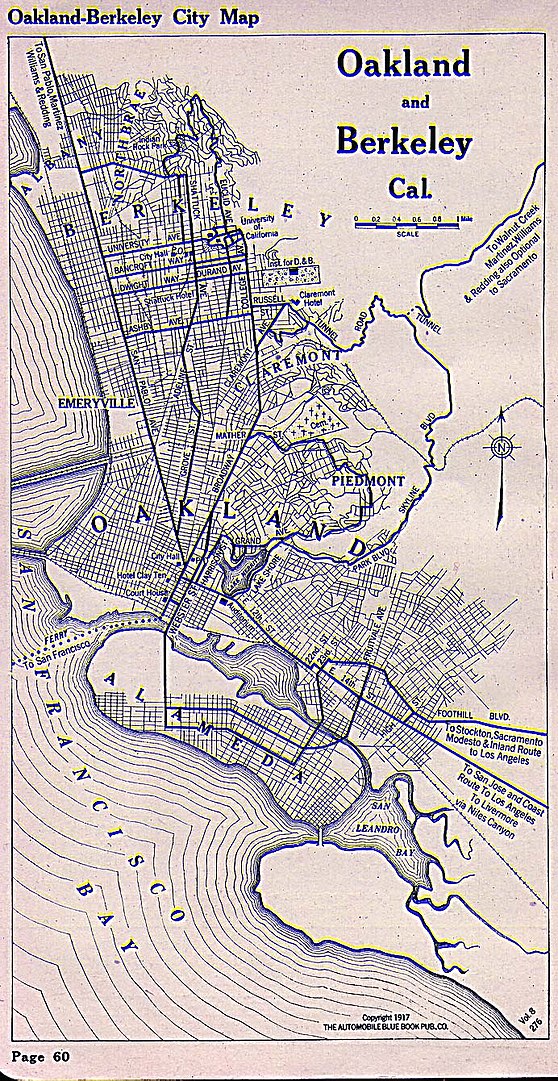


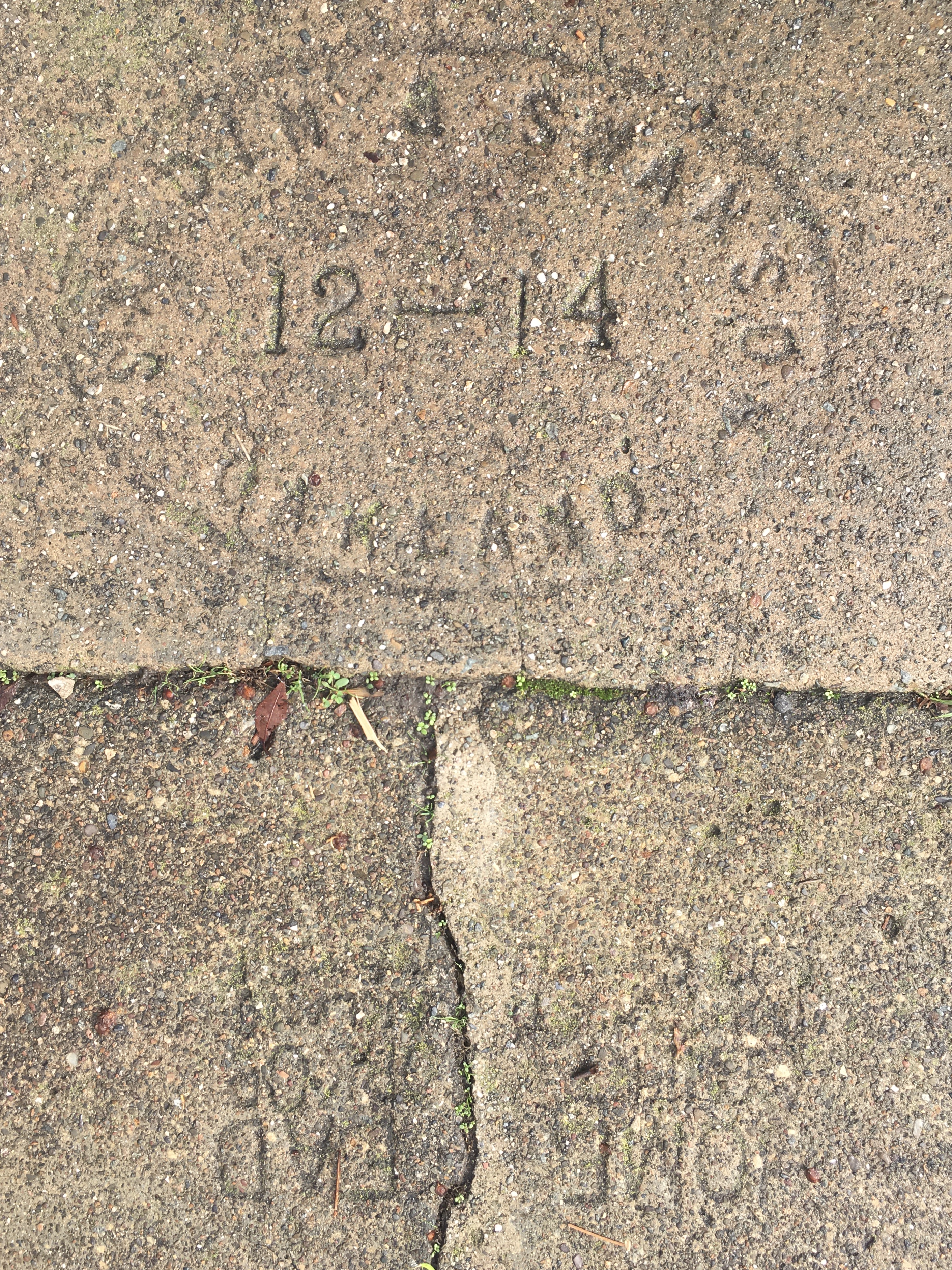


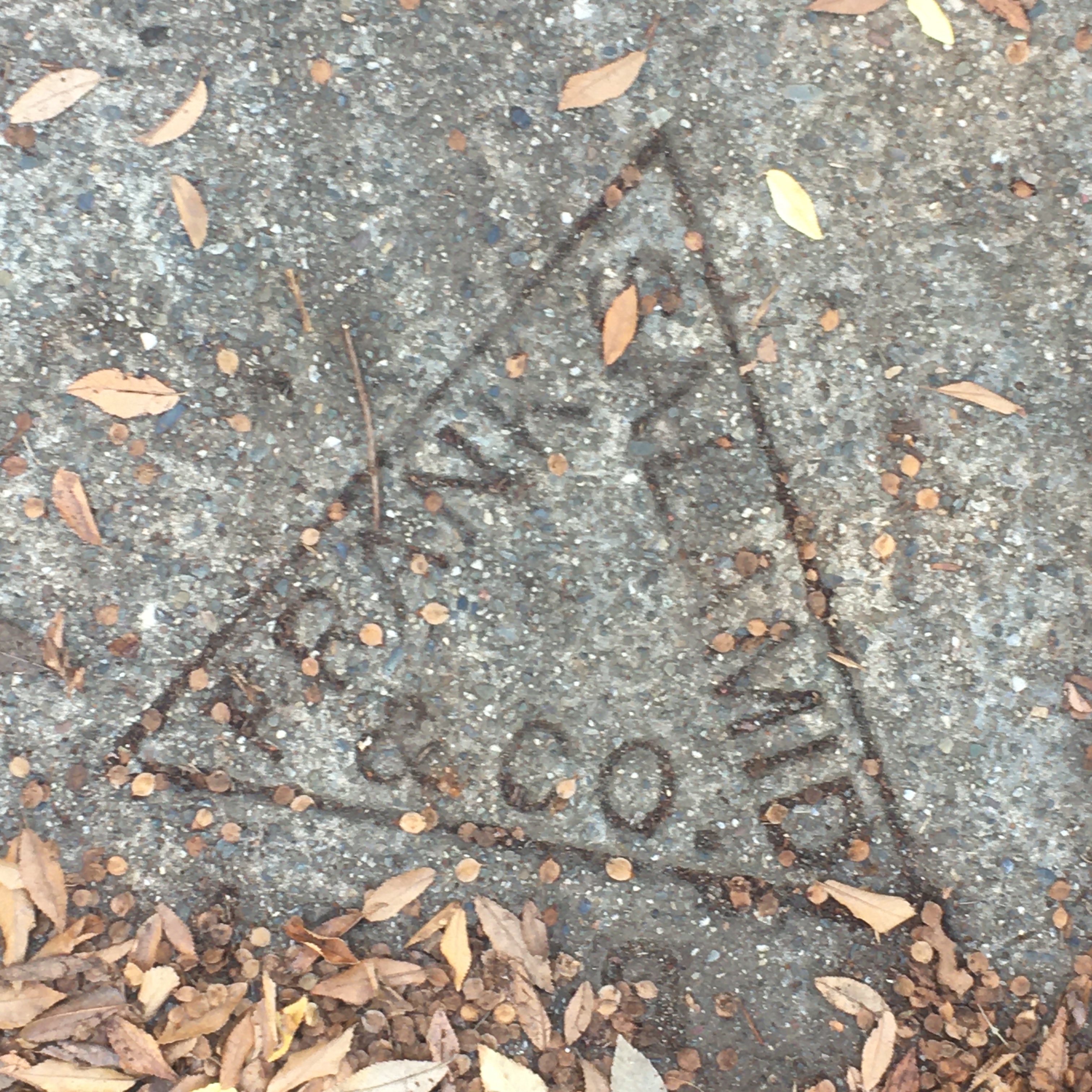
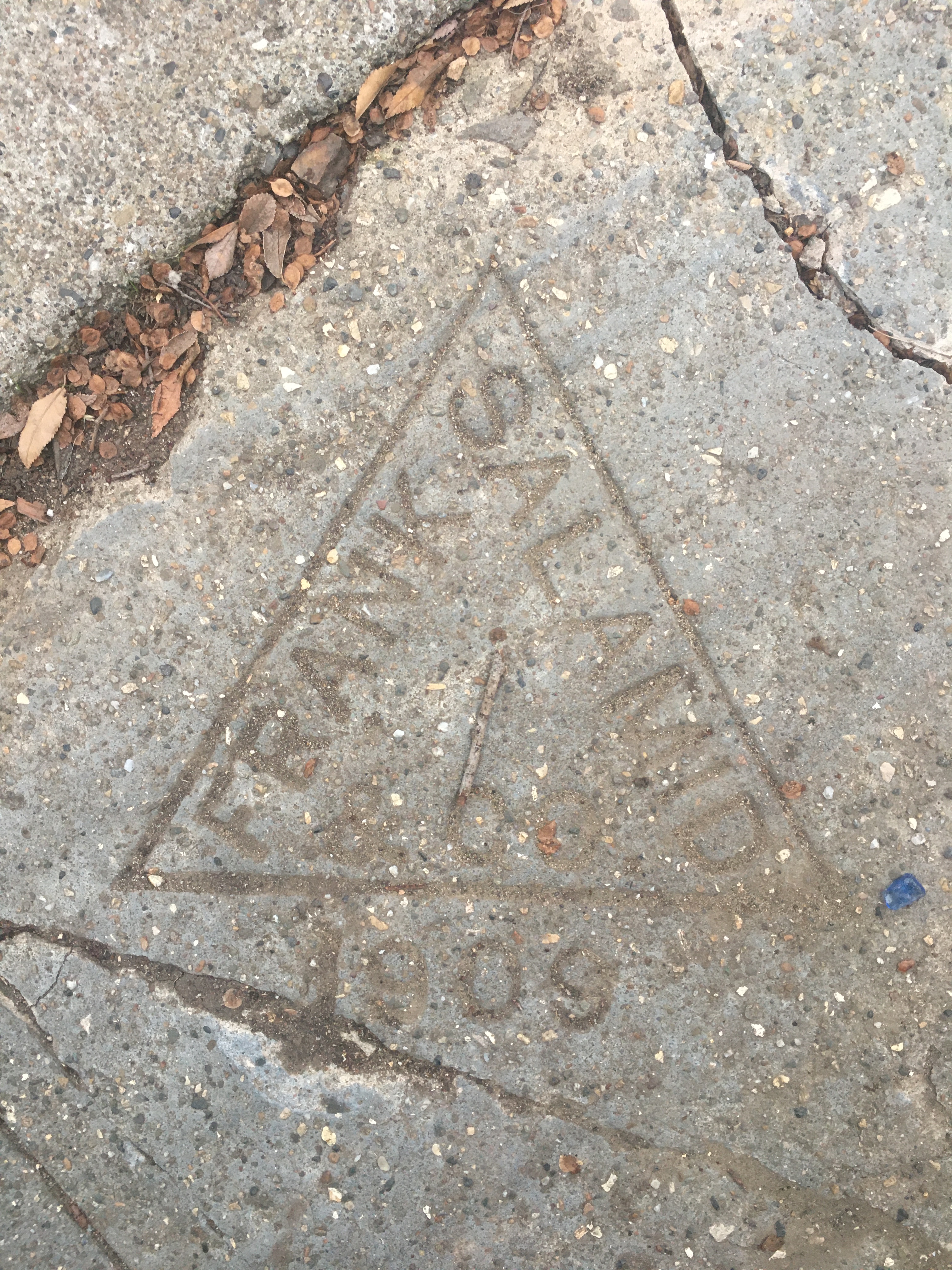


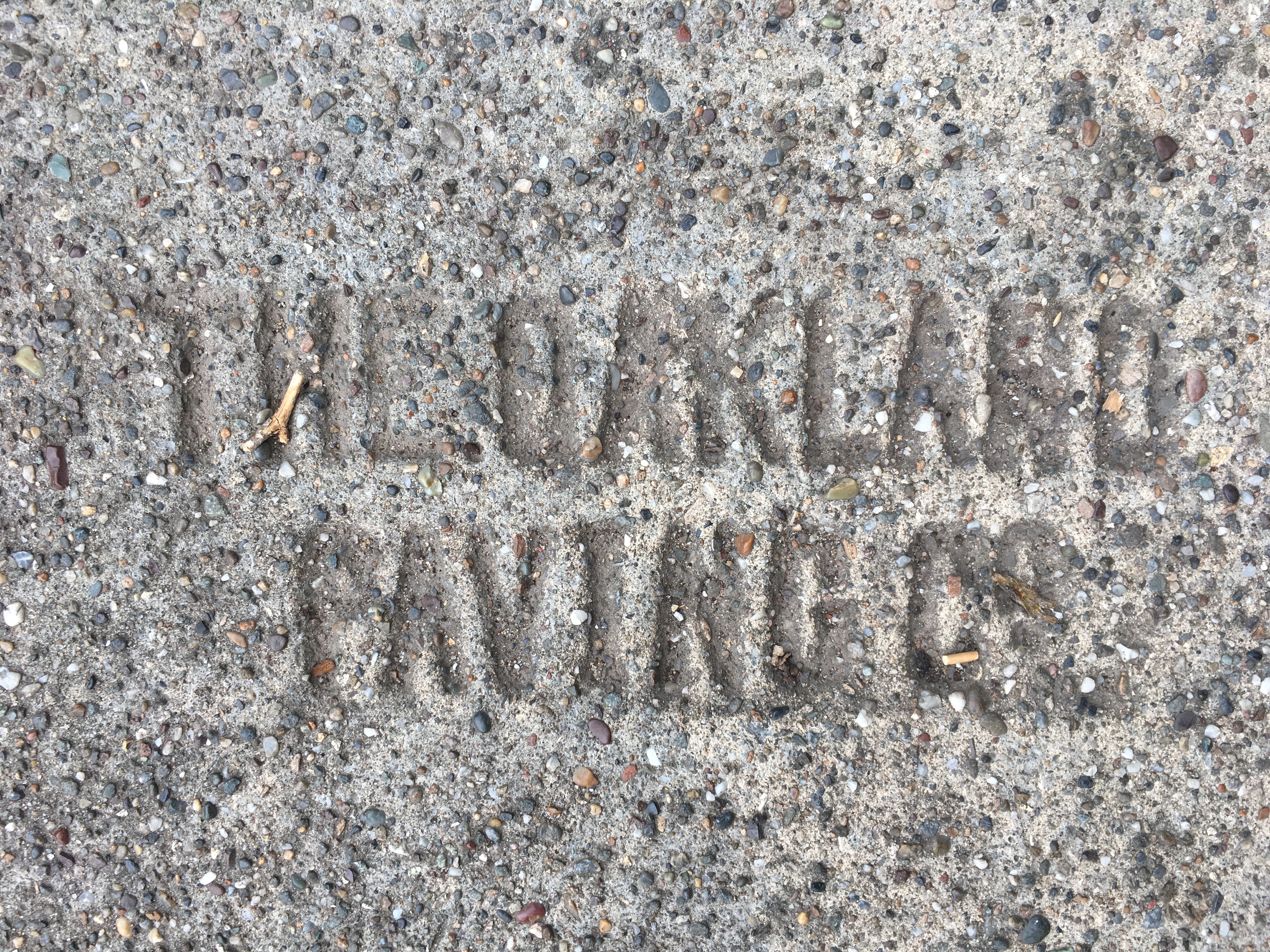


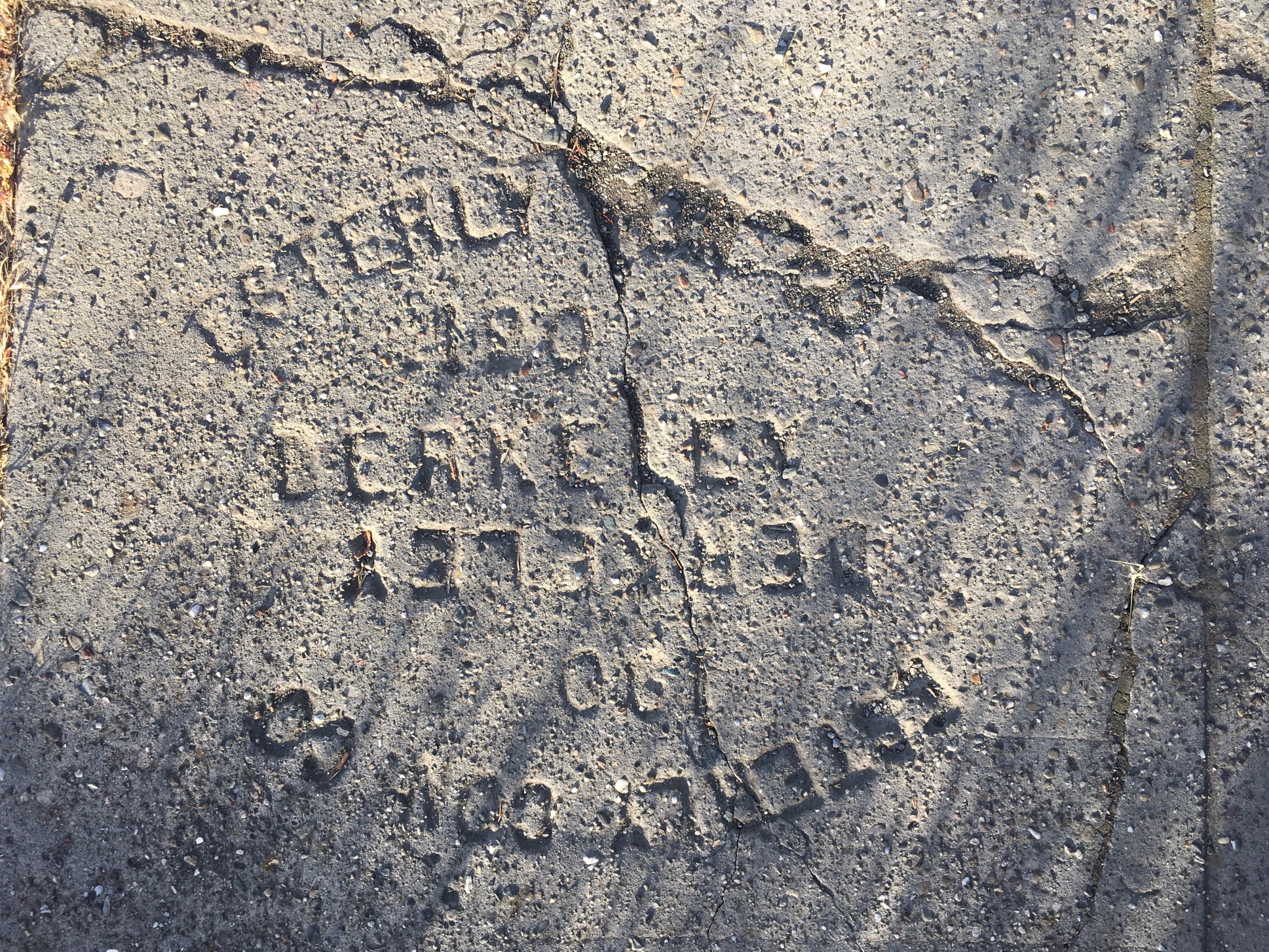


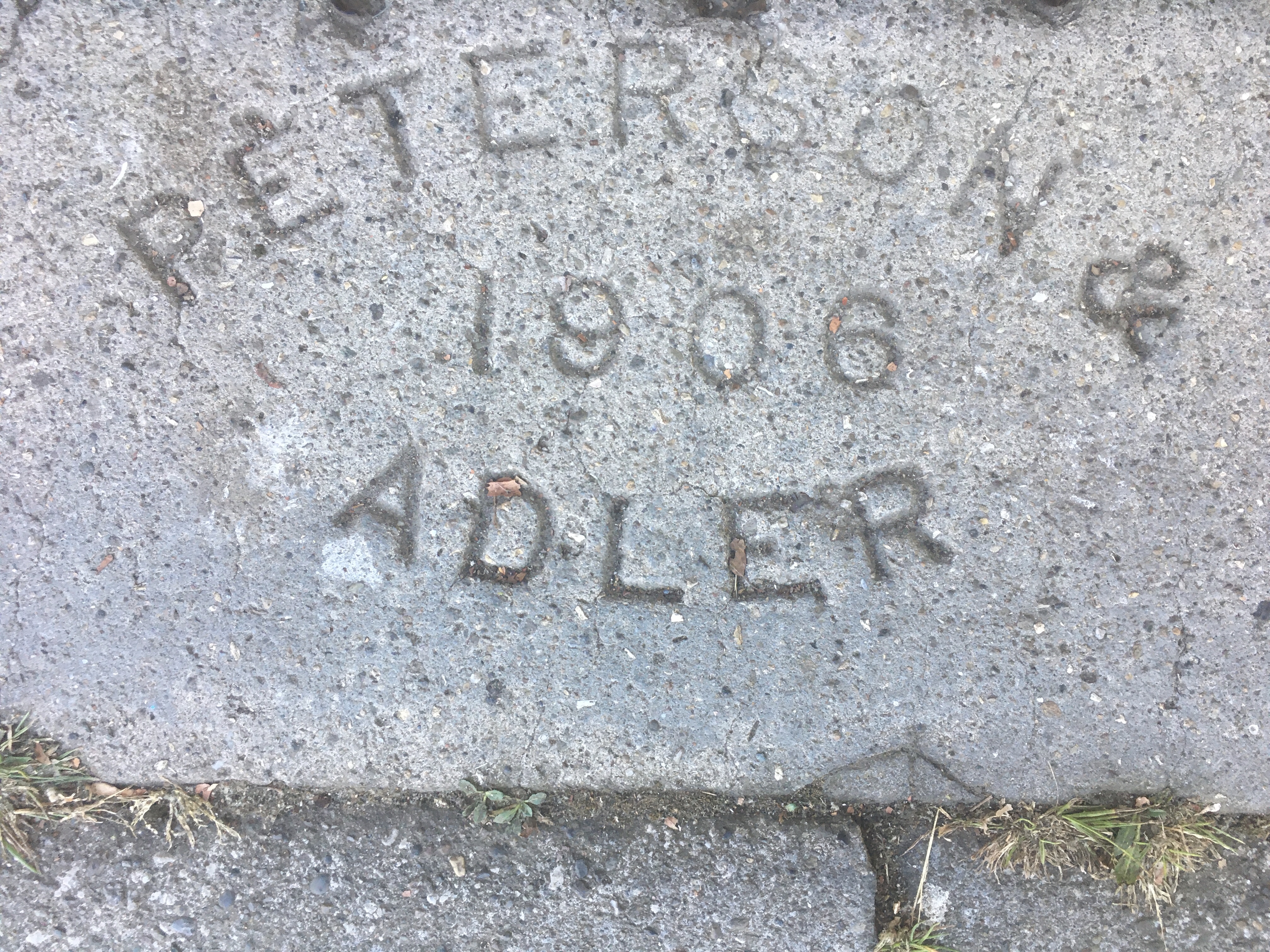


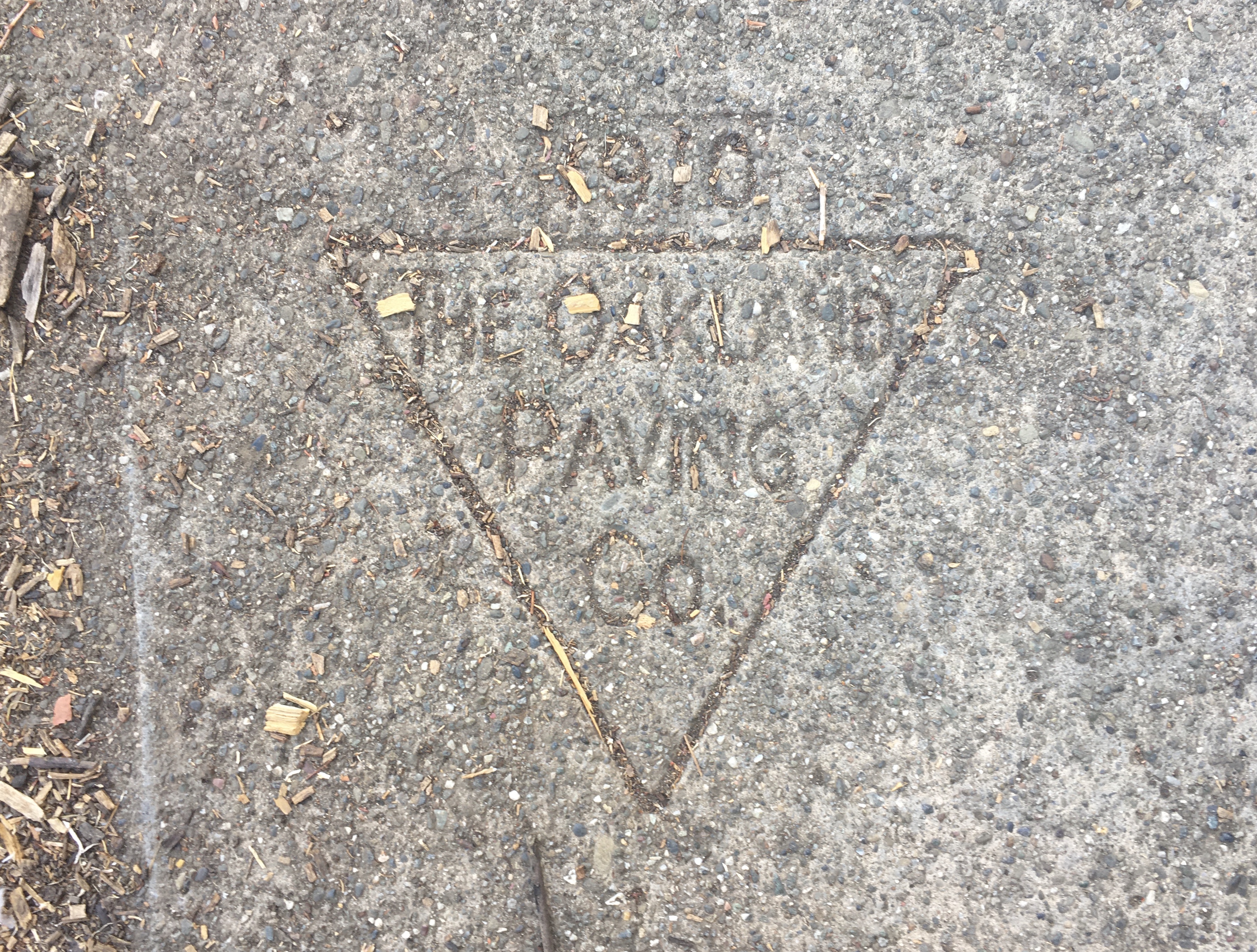
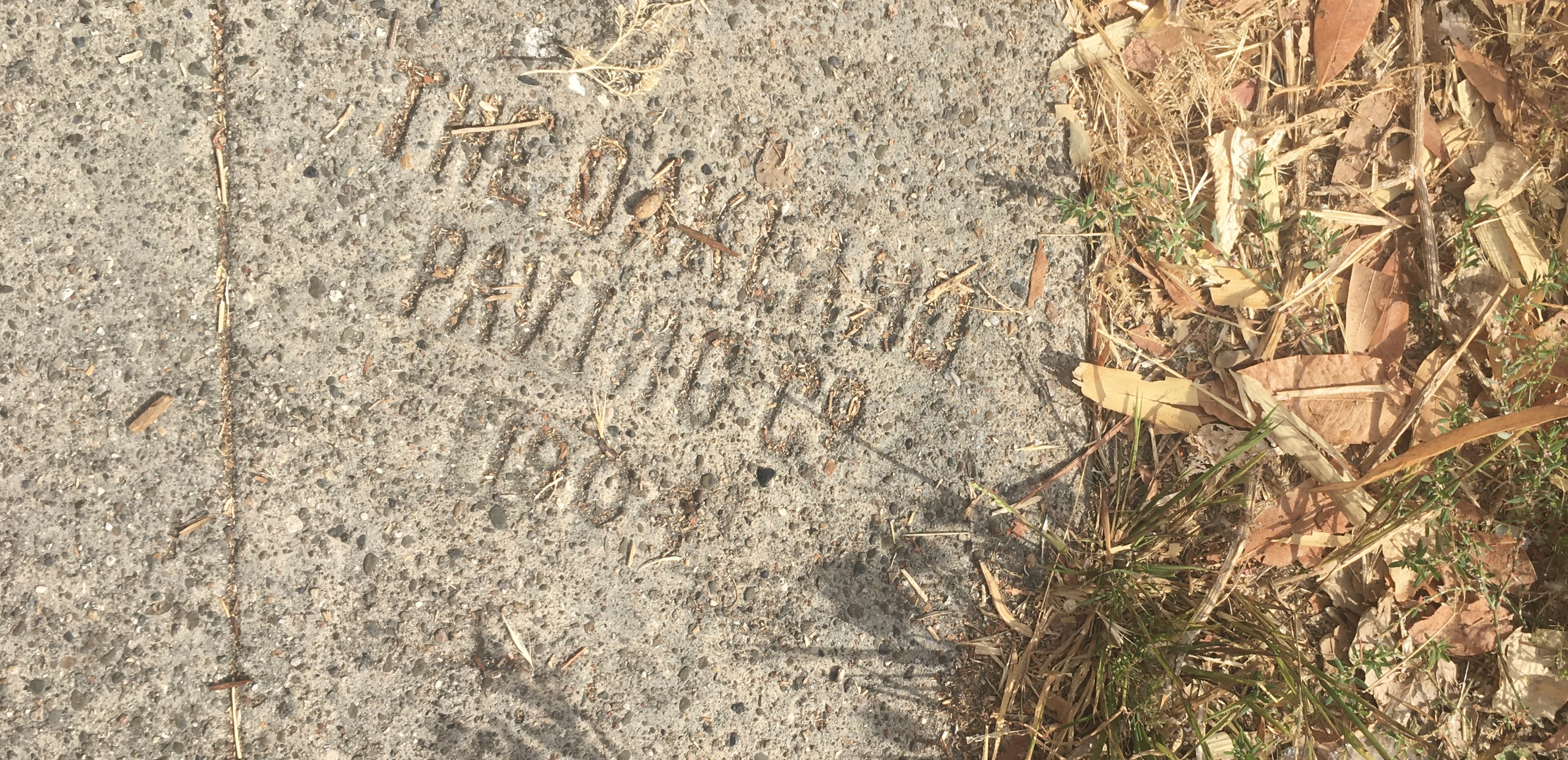


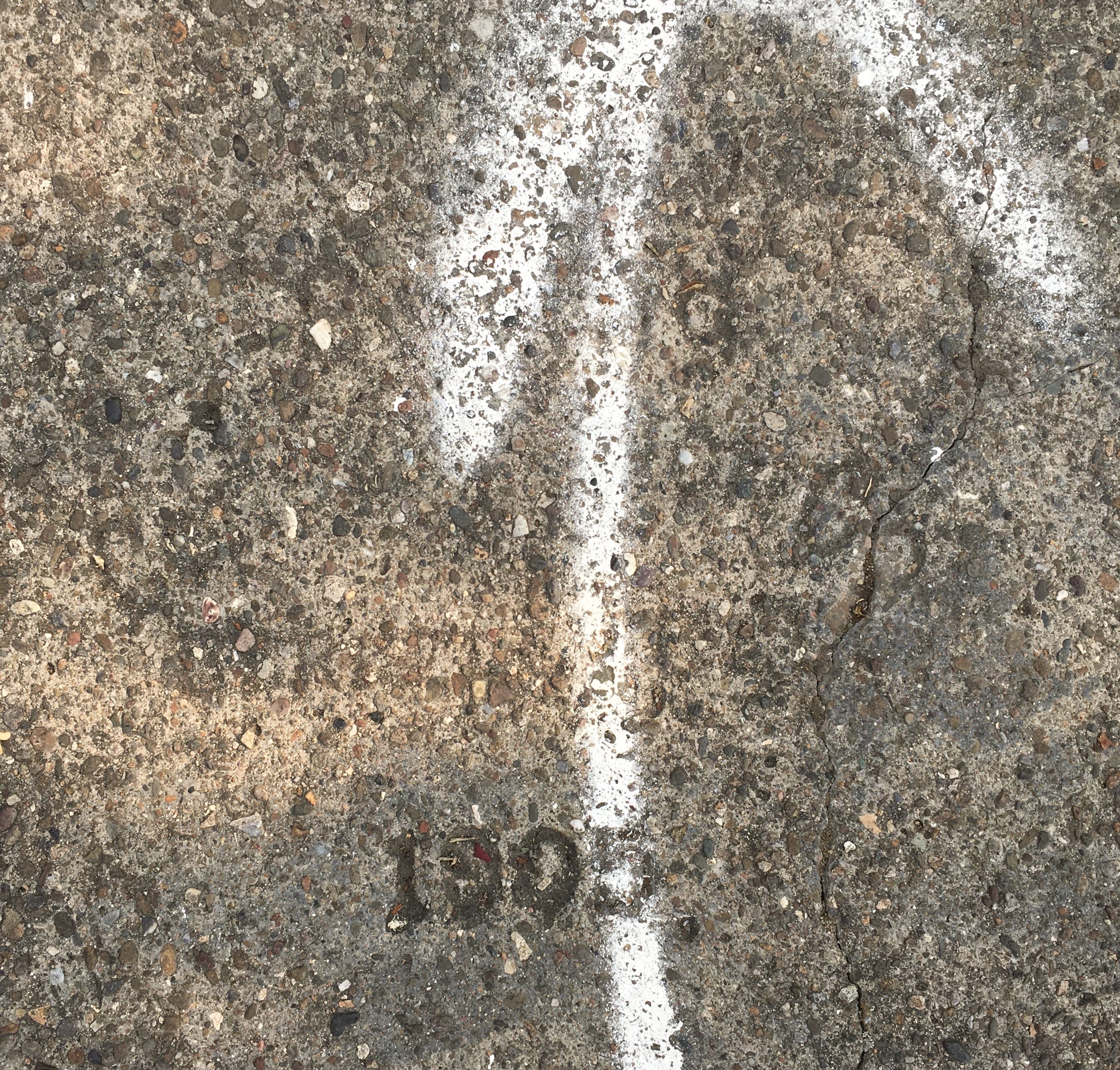

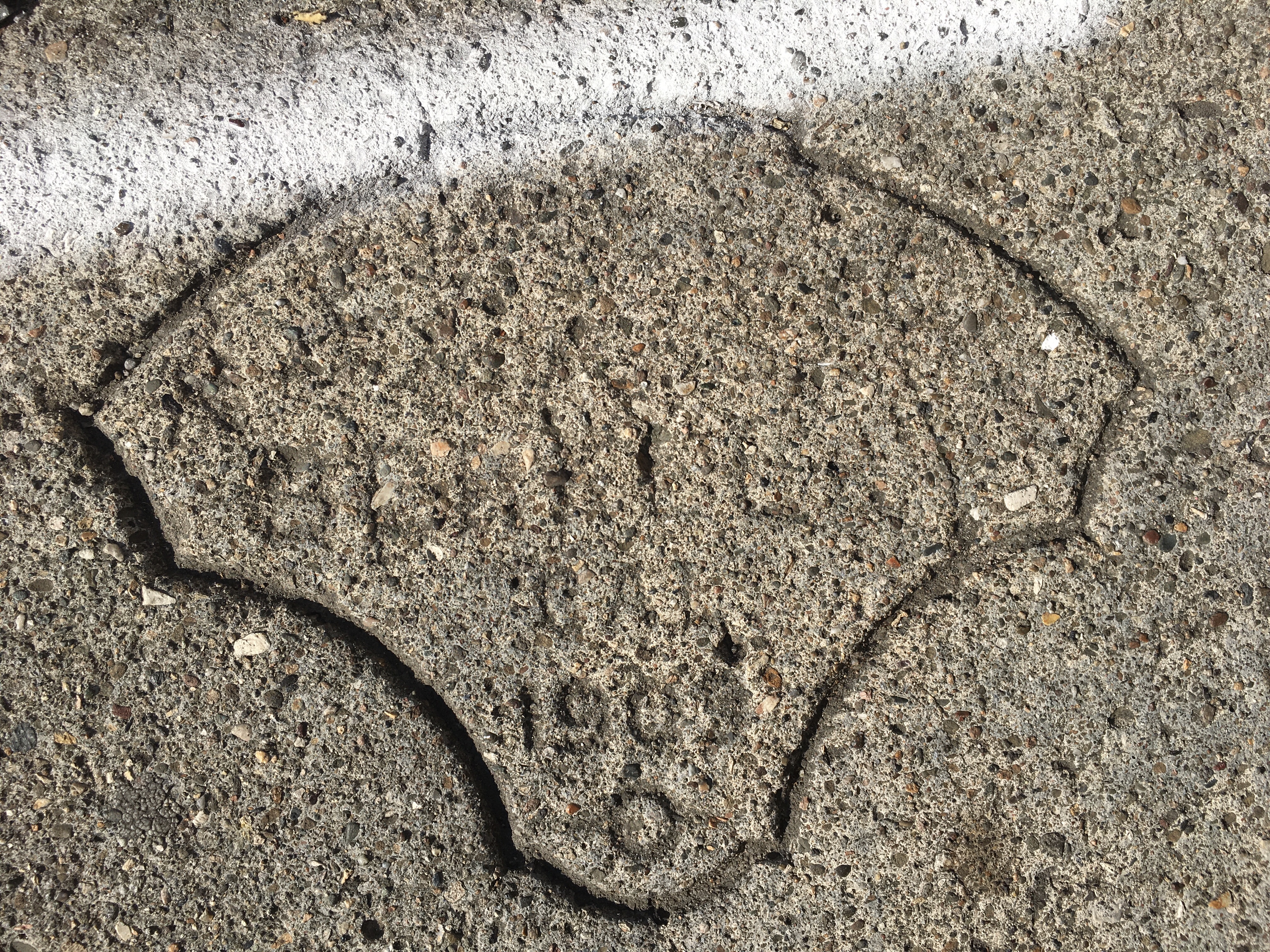
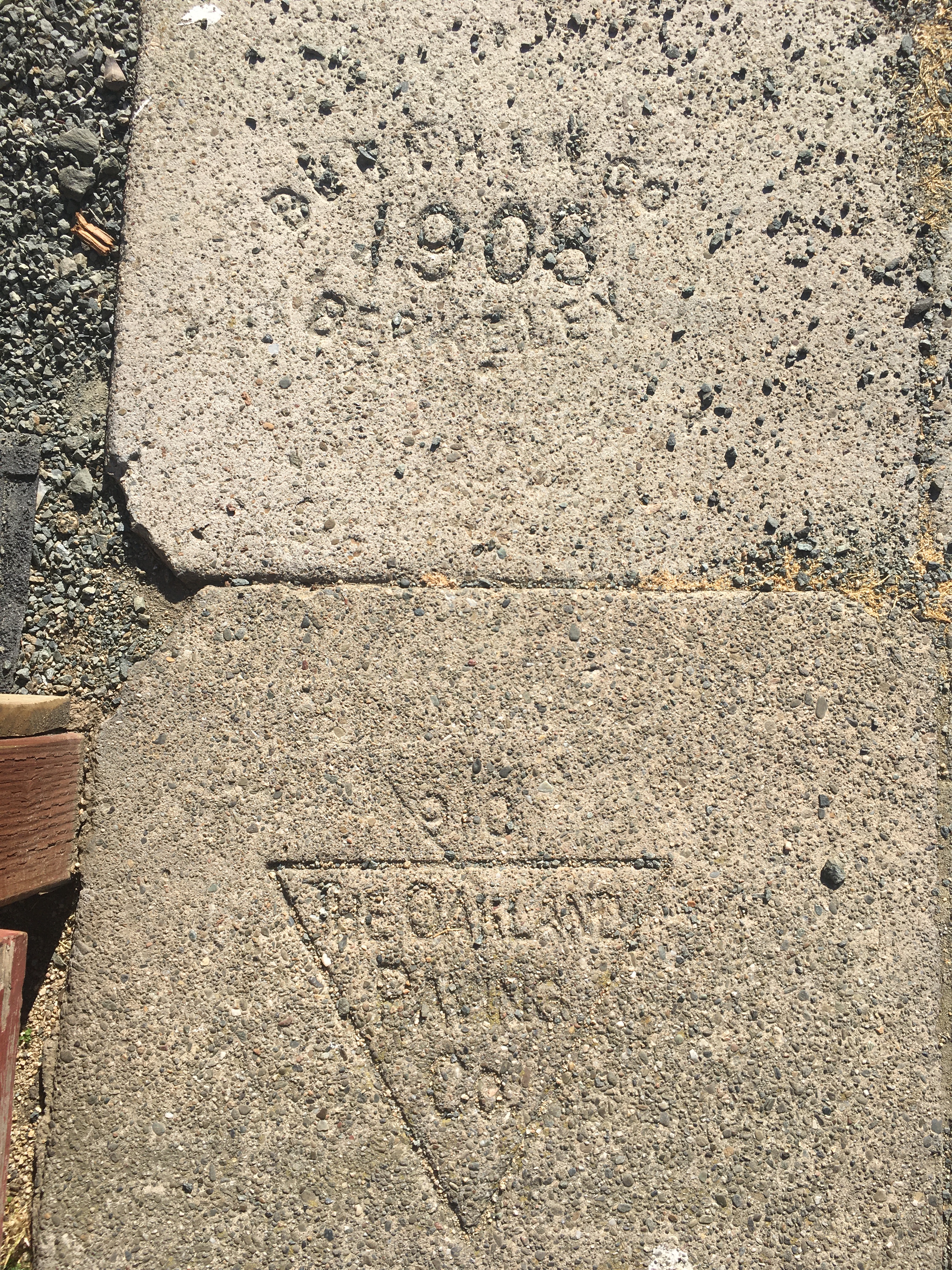
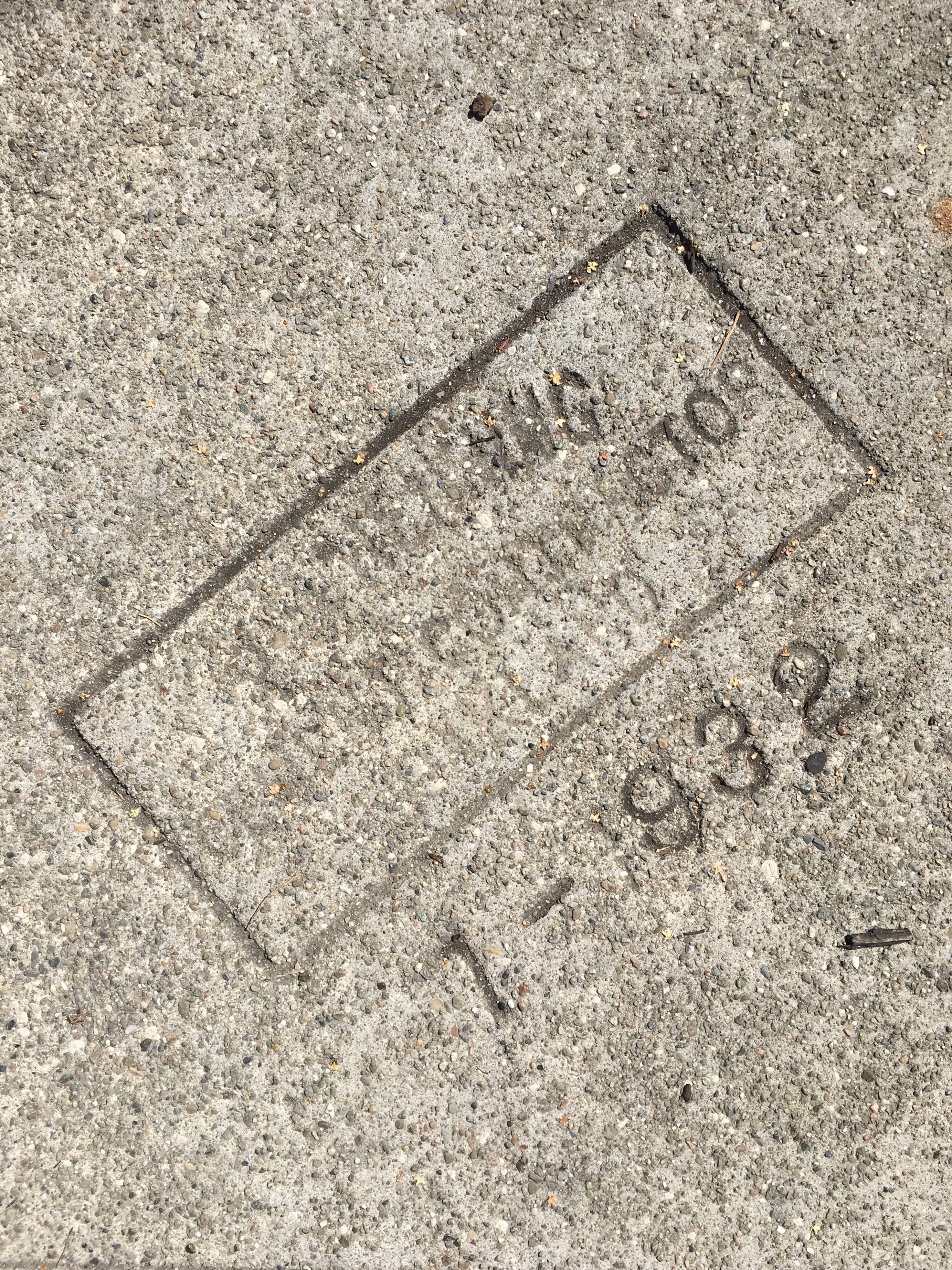


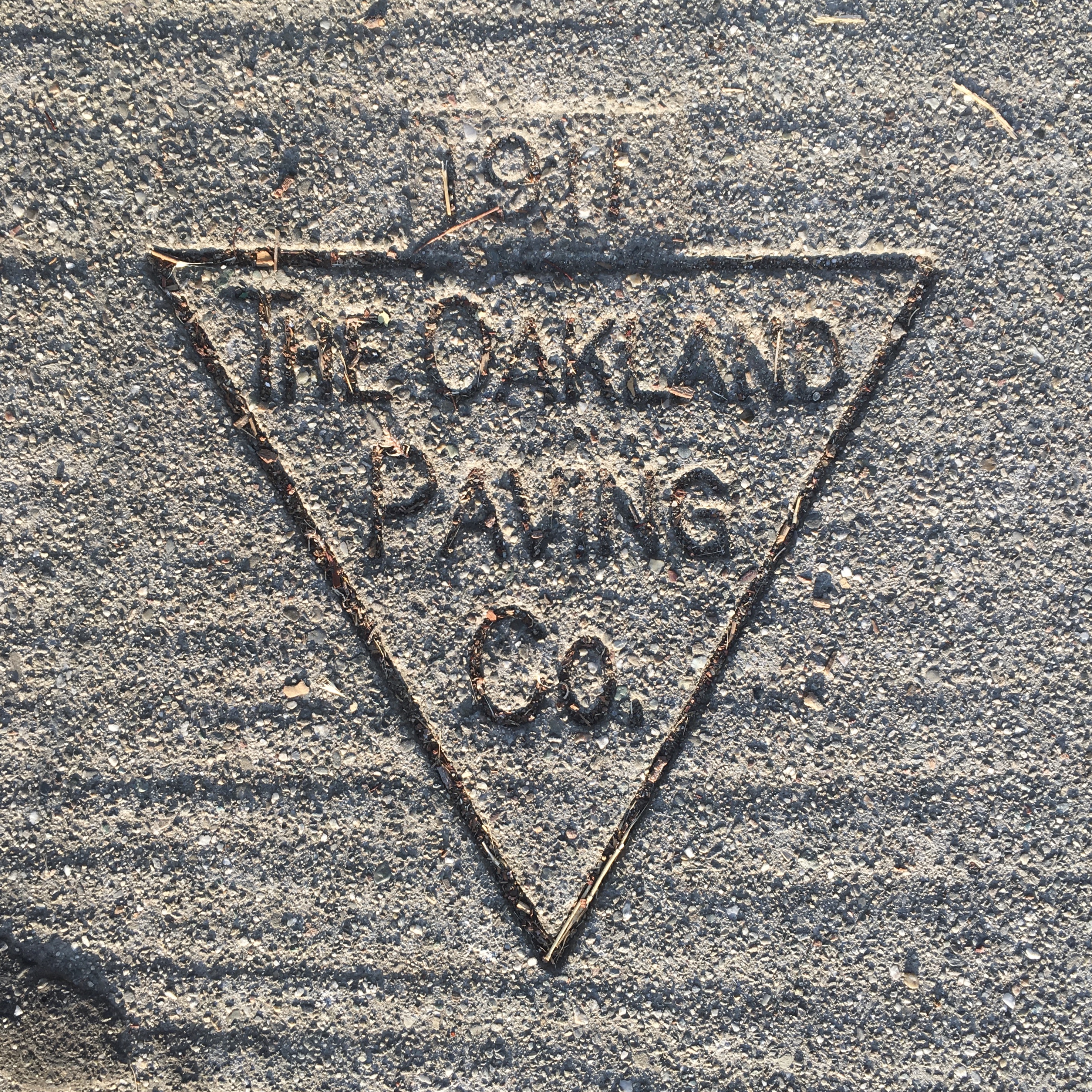

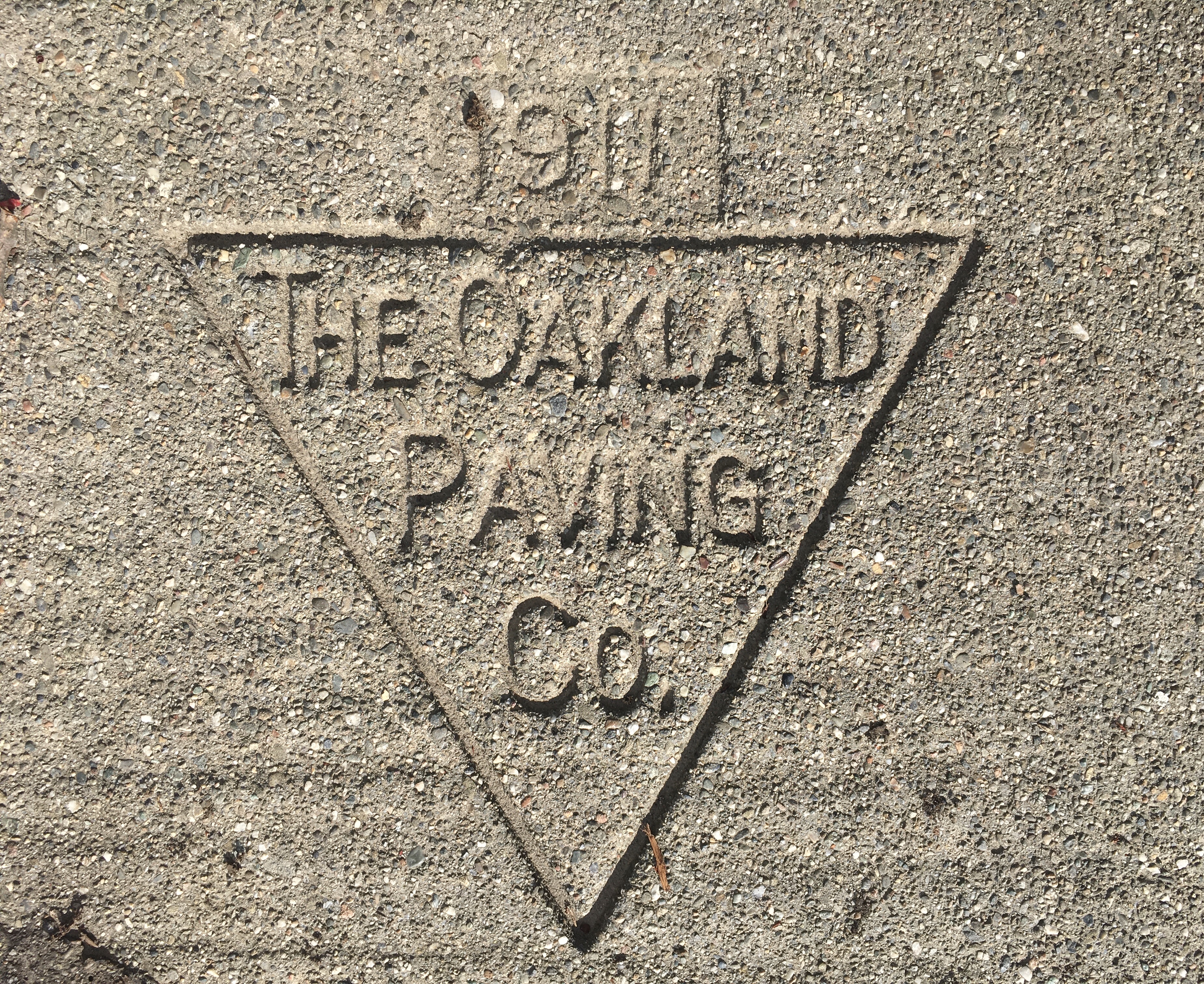


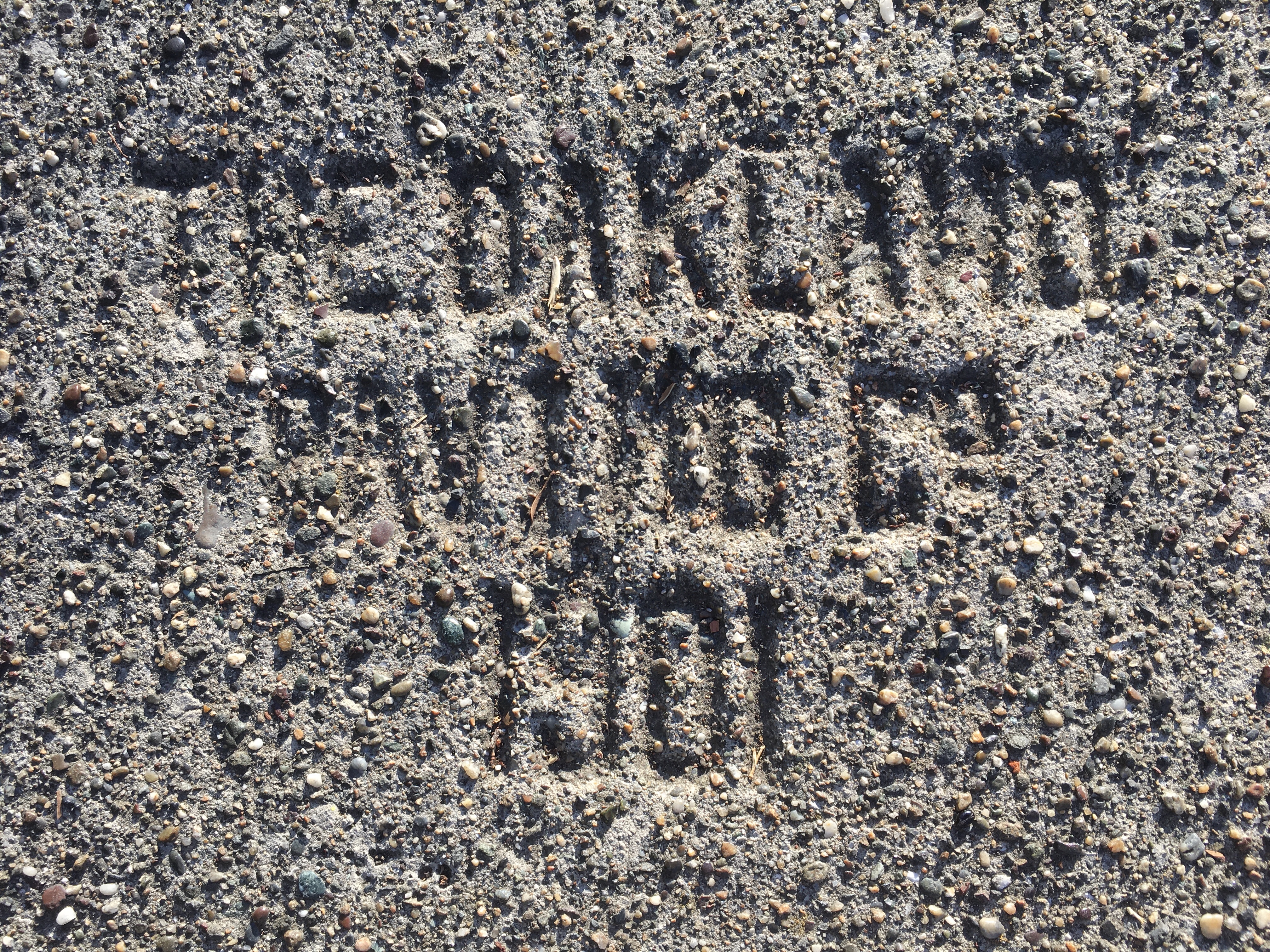

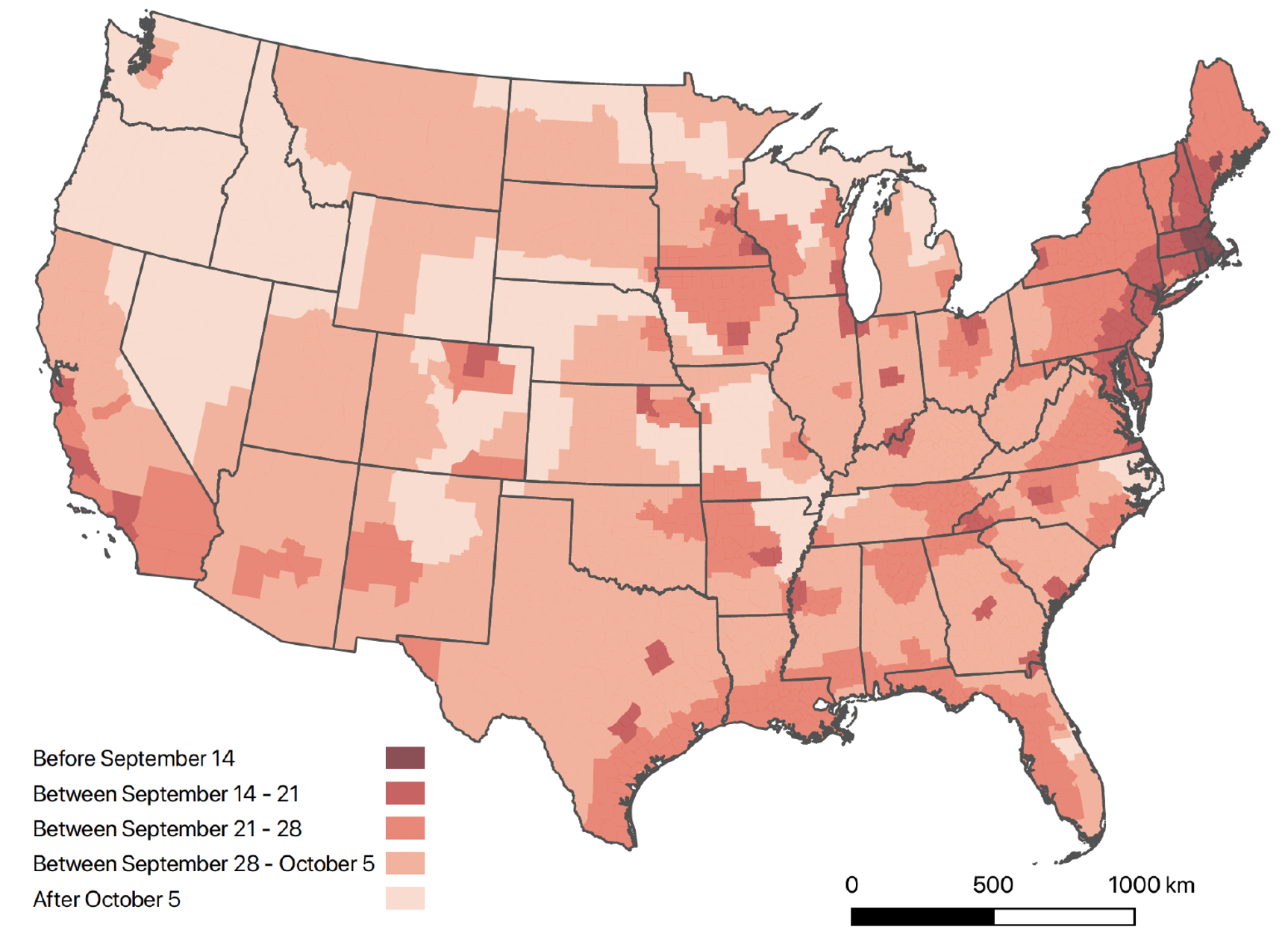
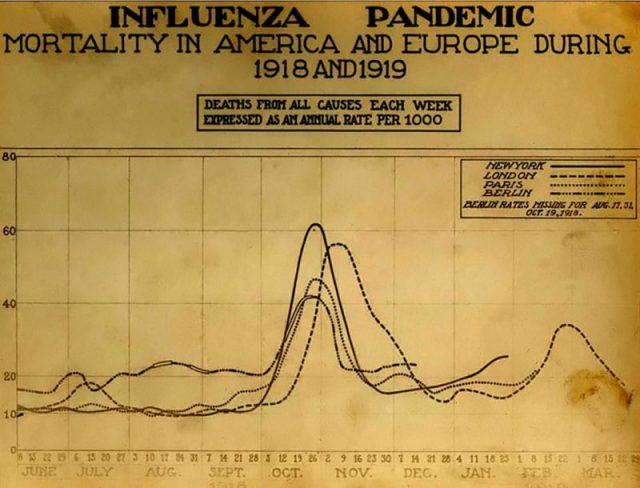









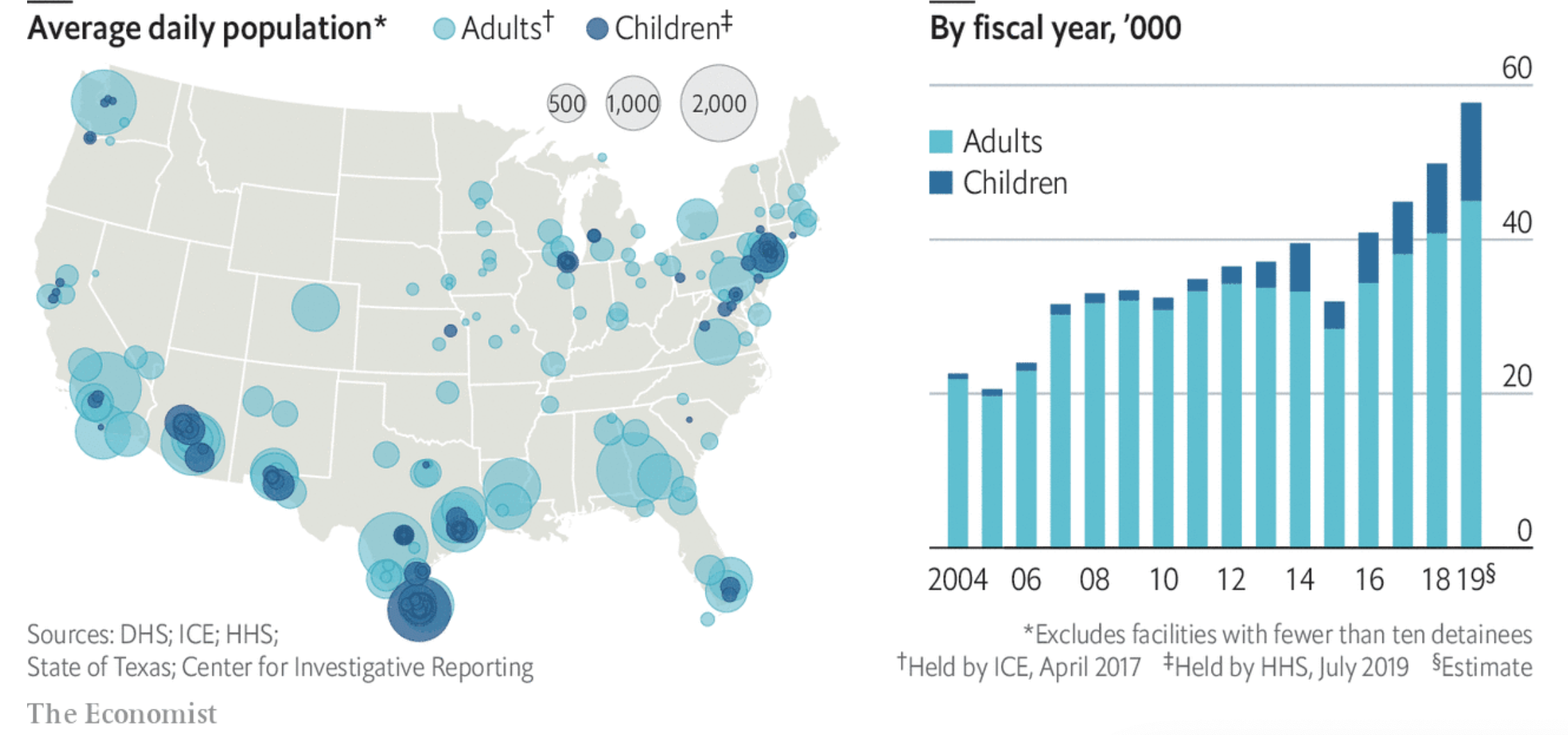






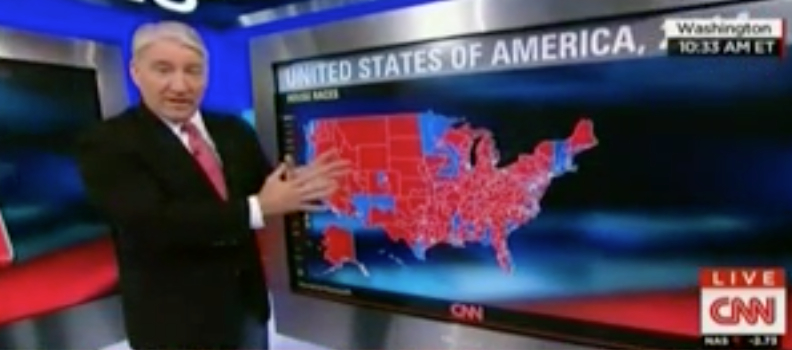


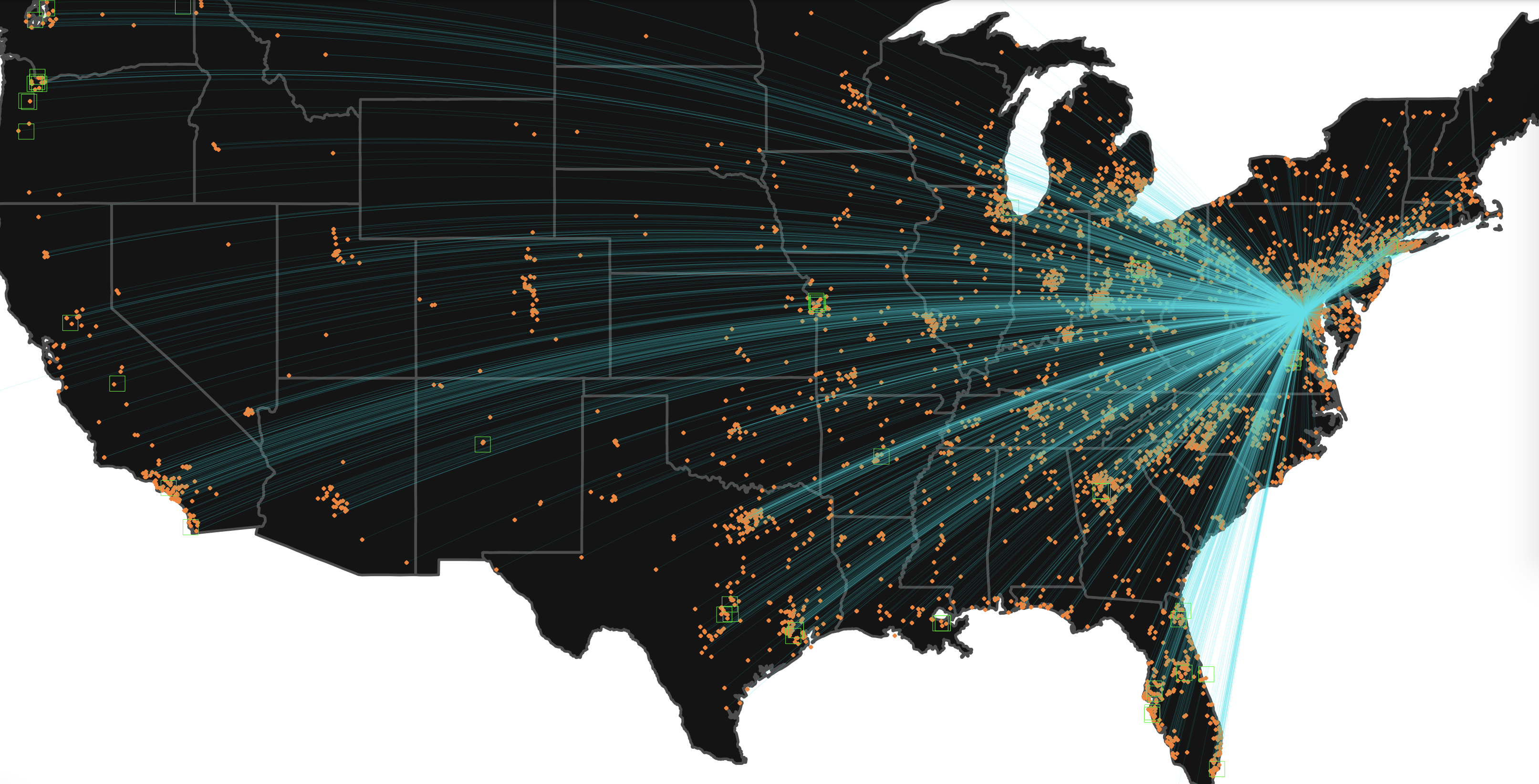






 Musings on Maps