Category Archives: data visualization

Cartographies of Covid-19: Unclear Paths Forward

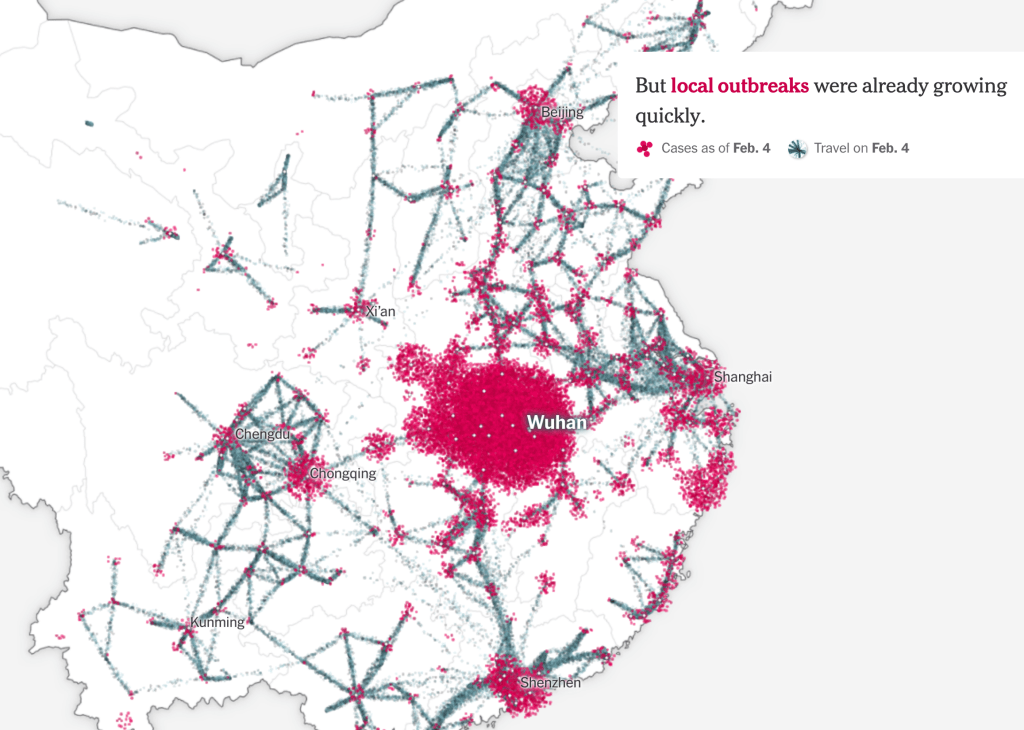
A pandemic is by its nature both local and global by definition–and begins from a local outbreak. But if the only way to gain orientation to a pandemic is by accurate local counts, the problem of balancing–or toggling between–the local and global has become staggeringly pronounced in the case of COVID-19, as if the point-based cartography that we use to track the disease has the better of us, and upper hand, with the absence of accurate local counts. The lack of clear data that came from Wuhan in the days that followed the outbreak of the virus revealed worrisome problems of transparency. The difficulties Chinese government authorities faced in getting bearings on the zoonotic virus, lab-born or not, raised problems of even trying to map its rise, and we tired to look at maps as tea-leaves of future responses, as well as retrospective diagnoses of the point of origin of disease spread–as if maps could explicate our uncertain conditions, and increased vulnerability.

Data visualizations since seem to proliferate in response to uncertainty and an absence of consensus, as we turned to maps as a hope for truth in an age of increased uncertainty: as local officials were loathe to shoulder responsibility, the tally of infected in Hubei Province jumped, astoundingly, forcing the government to recognize the ease of its transmission among humans, was far more virulent than believed. But at this point, looking back in the mirror provides little sense of orientation to the multiplication of dispersed local outbreaks of coronavirus that we are increasingly challenged to map in relation to ourselves. Were the first maps of the New World similar responses to the deep sense of religious and eschatological uncertainty of the early modern period? Whether or not that was the case, we all felt especially early modern now, plague victims of a sort that led us to look back on the mapping and mapping of responses to the spread of pestilence, and hoping that past experience–or our current increased ability of empathy–gave us more meaningful access to the epidemics and pandemics of the past.

The sudden uptick of cases reveals a reticence in tallying the infected out of fears of reprisals for apparent incompetence, an institutional blame-shifting triggering mechanisms of concealment that has led American meat-packing plants to hide numbers of infected workers, and numbers of tests for infection to be far lower than official records suggest: the absence of ability to control the spread of SARS-CoV-2 led us to proliferate maps in hopes to grasp its rapid doubling, uncomfortable at the world they began to show, apprehensive at how to come to terms with the rapidity of local outbreaks of confirmed cases with sufficient granularity, and enough continuities, hoping to track contagion as hopes of containment were beginning to fade in the new aggregates that were increasingly evident.
New York Times

The warning of the virus’ spread was raised by Li Wenliang on December 30 from Wuhan, inter-agency shifting of blame and responsibility in Wuhan– a reflexive institutional blame-shifting by “throwing woks”–abruptly ceased with summons of Shanghai Mayor Ying Yong, he who lured Elon Musk to Shanghai, to restore order: as a new hospital was built, tallies of new cases of coronavirus in Hubei astronomically grew by nine from 1,638 to 14,840, shocking the world–a figure was in keeping with the nearly 1,400 people dead in the country, but suggesting a viral load of unprecedented proportions. Americans apprehensively watched the disease afflicting passengers of cruise liners as if it would arrive ashore, its virulence was in fact already of pandemic proportions: yet American disinformation here took over, as we were told to stick our heads in the sand, ostrich-like, as fears were overblown, and tried to keep calm. And then, the tables were turned, as the United States President described, or suggested, a national policy of intentional undercounts, and limited testing, lest the counts discovered tank his popularity–the stock market value of Trump, International, or, rather, Trump-in-Office, Trump-as-Chief-Executive, whose new season might be canceled due to low ratings. And although the virus began in China, how the United States increasingly came to be the outlier in the numbers of infection confirmed weekly suggested a national story of mismanagement, as the narrative we told ourselves of American exceptionalism before illness seemed to have boomeranged, with the three-day averages of confirmed infections skyrocketing, and setting us apart from the very nations we compare ourselves to, but whose health-care policy we increasingly realize we are distinct from.
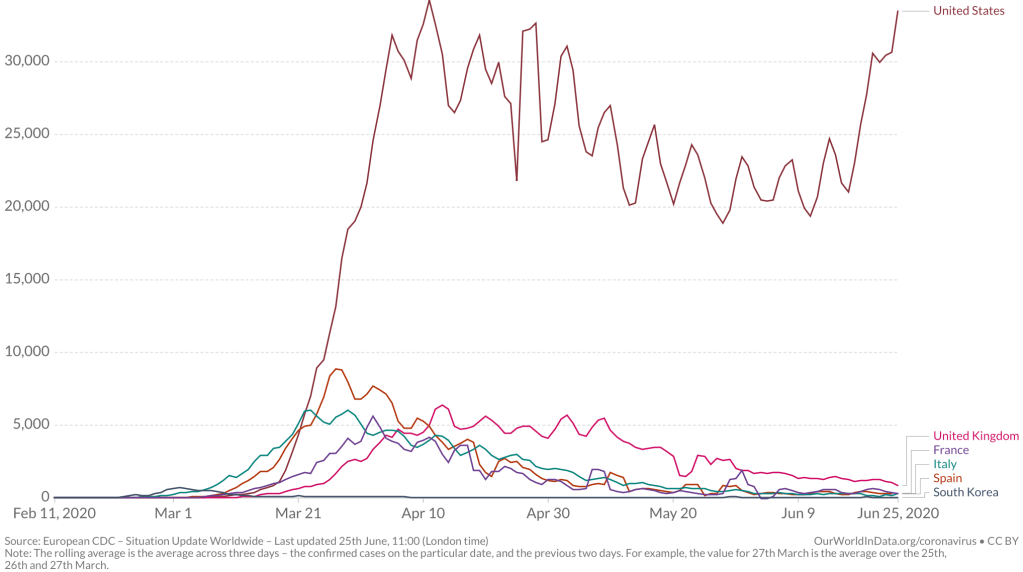
Americans were soothed by deceptive common-sense talk. But the results of a lack of investment in public health are all too evident, if our maps are . Robert Redfield, a virologist who served as the public spokesperson of reassurance who had long sustained false theories about retroviruses causing HIV and AIDS, argued that even if the fourteen confirmed cases of the novel coronavirus were monitored and traced, “the virus more exploded . . beyond public health capacity,” he seemed to forget he had not developed that capacity. Virology is of course Dr. Redfield’s area of expertise, but he won his political post in no small part by being practiced in massaging truth statements for political ends. During AIDS outbreak, the last major plague in the United States, he had advocated unproven drugs billed as HIV vaccines and encouraged quarantine, abstinence, and stripping the medical licenses of HIV-infected medical workers, more than accelerating cures; Redfield took time to blame the Obama administration for implementing clinical tests, to please his patron. Bt he obscured the level of infections that in truth were not known, blinding the nation to a cartography of COVID by not advancing adequate levels of testing, that returned us to the simple equation of the dog days of AIDS, only able to make us yell, yet again, this time with Larry Kramer, stalwart resistor of the silencing of AIDS by the failure to use on-trial medicine–
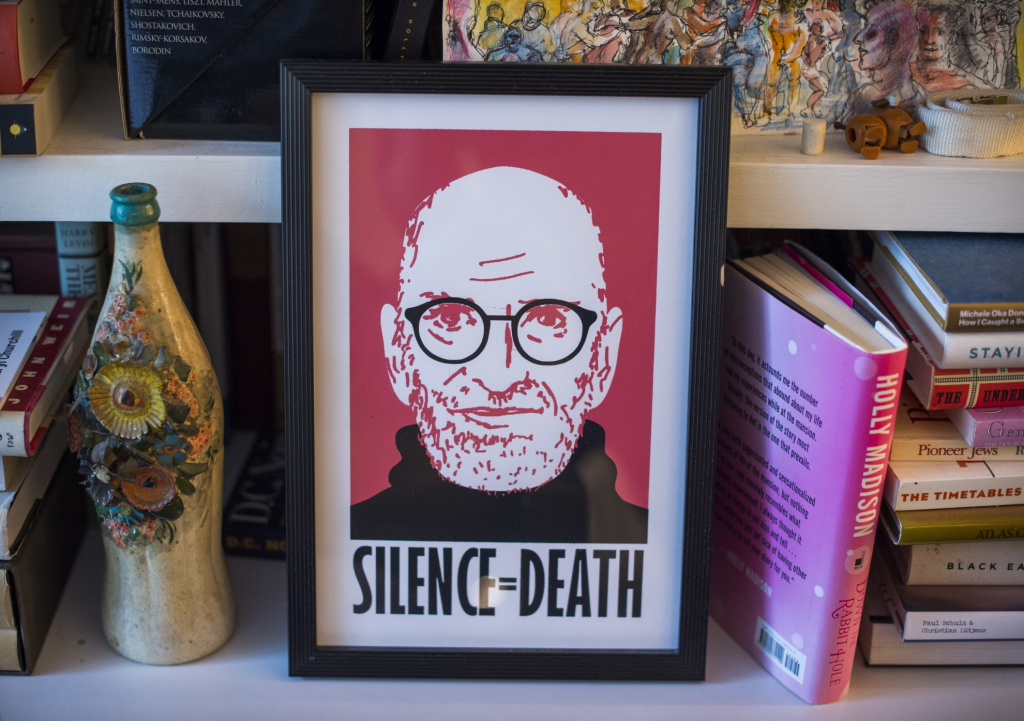
–at the utter deception with which we met the pandemic. Dr. Redfield must have met his commission to radiate calm by assuring Americans in late February. As he assured us only fourteen cases had been diagnosed in the United States, the number meant little, as any virologist should kmow; while hindsight is a benefit that obscures us from the need to life life forwards, we suspect urban hotspots were already laden with infected individuals by March 1, a silent ticking bomb of urban outbreaks already infecting 28,000 as it spread broadly its “hotspots”–New York, Chicago, San Francisco, Seattle, Boston and Chicago–all of massively different density, without tests being able to affirm the scale of its spread.
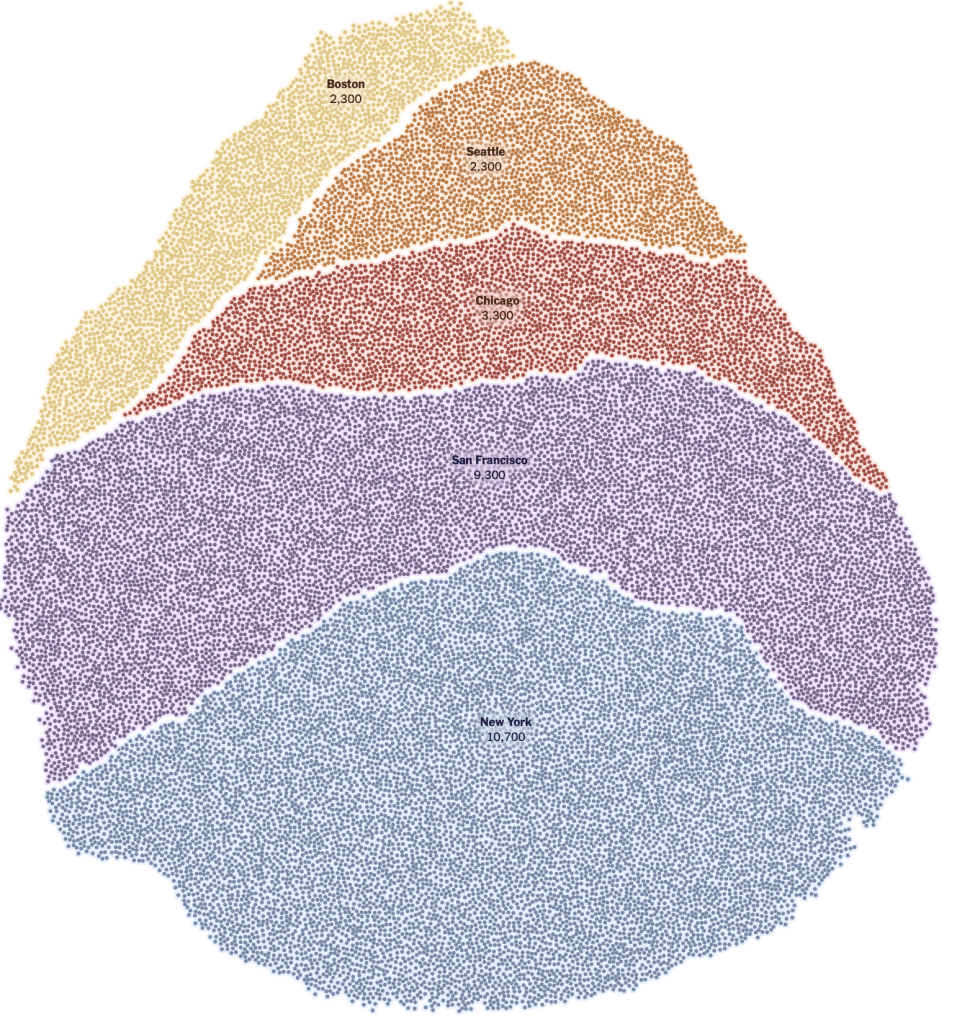
There was no map. And then, all of a sudden, the globalization of coronavirus hit home; any place in the world could be related to any other place, as rates of infection bloomed globally in geographically disjointed hotspots, spatially removed from one another, even as a standard for uniform testing lacked. And there was no sense of an art of dying, as the amazingly rapid contraction and worsening of illnesses left many without a script, and many more silent before a dizzying multiplication of statistics of mortality in the face of COVID-19, several weeks later.

Every other map of COVID-19’s spread seems an attempt to persuade the viewer of its accuracy and totality, in retrospect, even as we have no clear sense of the total figures of infection-or even of the paths infection takes. We are mystified by the geography and spatial dynamics of the virus’ travel, but realize the severe communicability of a virus whose load is stored in the naso-laryngeal passages, and can be communicated by airborne drops. Is distancing the best way we can constrain the geographic spread of infection? Can statistics demonstrate the success of curtailing its spread?
It was a hidden agenda in the maps of news agencies and to register the accurate levels of infection, promising the sorts of transparency that had been clouded in much of January. And while we watch the progress of the pandemic on screens, there is a sense of truth-telling, as a result, of revealing the scope of the virus’ actual spread that compensates for the lack of clarity we once had. But it is also increasingly difficult to orient ourselves to the GPS-enabled scales of its spread, for we still are looking at pretty limited and almost superficial data, in the sense we have trouble plotting it in a narrative context, or find a reaction more than shock. The virus is easy in ways to personify as a threat–it wants us outside; it comes from afar; it pervades public spaces and hospital grounds; it demands vigilant hand-washing and sanitizing–but the very numbest are elusive. While we try to track reported cases, hoping that these limited datasets will provide orientation, we have been lumping numbers of tests that might be apples and oranges, and have not found a consistent manner of testing. Deaths are difficult to attribute, for some, since there are different sites where the virus might settle in our bodies.

Even while not really following the pathways of its transmission, and the microscopic scale of the progress of the pathogen in bodies. And if we rely on or expect data visualizations will present information in readily graspable terms, we rarely come to question the logics that underly them, and the logics are limited given the poor levels of global testing for COVID-19. It is frustrating that our GPS maps, which we seem able to map the world, can map numbers of surrogates for viral spread, but we have yet to find a way to read the numbers in a clear narrative, but are floored by the apparently miasmatic spread of such a highly contagious disease that makes us feel, as historian of science Lorraine Daston put it, that we are in “ground zero of empiricism,” as if we are now all in the seventeenth century, not only in being vulnerable to a disease far less dangerous or deadly than Yersina pestis, but without explanatory and diagnostic tools.

This was, to be sure, a past plague come to life, requiring new garb of masks, face-shields, and protective gear for health workers–
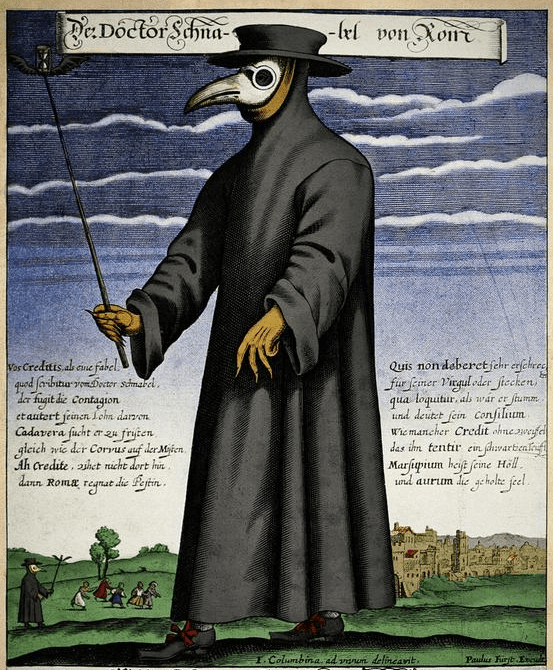
–as the cloaks, leather gloves, staffs and masks that made up early modern protective gear returned to fashion, as if in a time warp, in new form.

We find a leveling between folk remedies and modern medicine, as we live collectively in what she calls a “ground-zero moment of empiricism”–if one in which we are deluged by data, but short in knowing what is data, as we are lacking in explanatory models. This is a bit unfair, as we still can profit from autopsies, and have been able to contain spread by hand-washing–but the images of a single magic bullet, or antiviral cure, are far, far away in time. But there is no longer any familiarity with an art of dying, although we found we encountered death with an unforeseen and unpleasant rapidity: we moved from hopes for awaiting immunity or antivirals to a basic need for some consolation of our mortality. There was no possibility of transcendence in a crisis of mortality of dimensions and scope that seem outside the modern era.

And it is ironic that distancing is the best mode to prevent infection–and many deaths may have been enabled by quicker decisions to adopt practices of distancing that could manage viral spread, Trump seemed not to notice that the very globalization he had resisted, and swung against with all his force to win votes, had facilitated the spread of a viral agent whose arrival was denied even as SARS-CoV-2 had already begun to flood the United States, in ways we only mapped in retrospect, as a global village that by March 1 had already grown satellites of viral loads in South Korea, the Middle East, Iran (Teheran), Europe (Milan; Gotheborg), South East Asia, and Hong Kong, as we anticipated its arrival with no health policy in place and no strategy for containing what was already on our shores. The global crossroads defied any choropleth, but we had only mapped the virus for some time in choropleths, as if believing by doing so we could not only map it by national boundaries to keep the virus at bay.
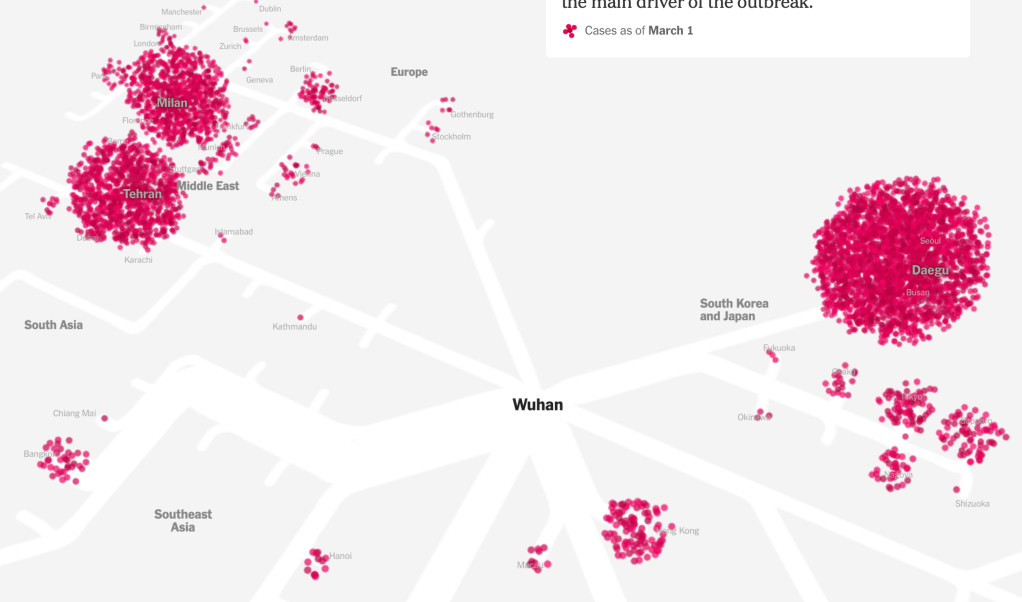
New York Times

But if we lacked a model of infection and communication of COVID-19, we lacked a sense of the geography by which to understand its spread–and to map it–and also, deeply problematically, an inter-agency coordination to assess and respond to the virus’ spread as we sought to contain it: and in the United States, the absence of any coordinating public health agency has left the country in something like free-fall, a cluelessness emblematic by a map cautioning American travelers to take enhanced protections while traveling in Italy or Japan, two major destinations of travel, and avoid all nonessential travel to China, but refrained from ceasing travel plans.
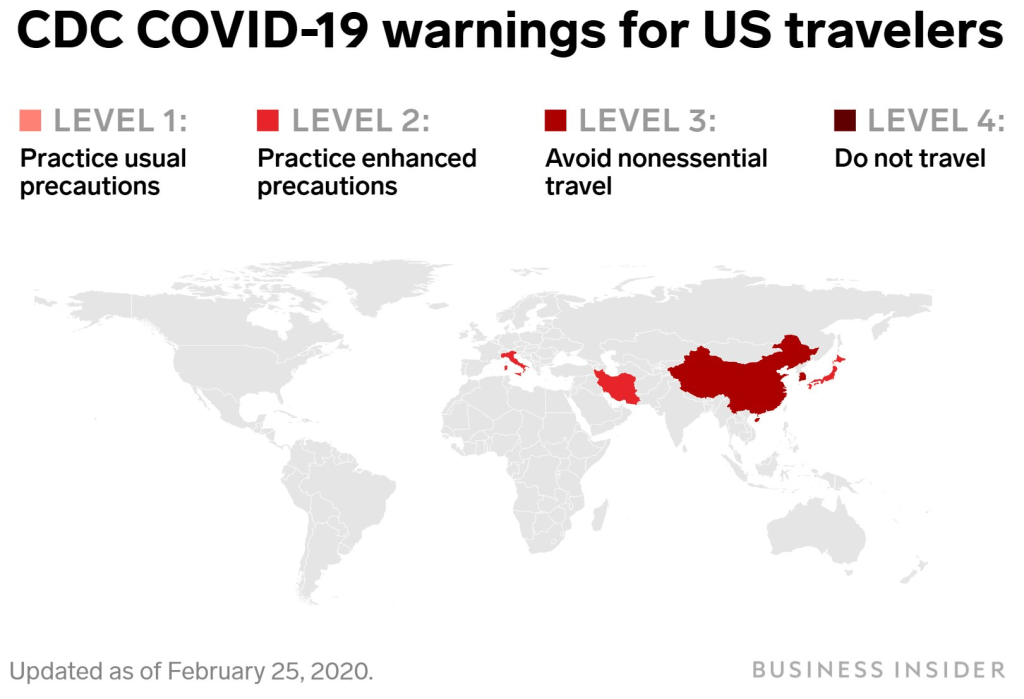
1. The most compelling language of the novel coronavirus is “false positives” and “false negatives,” that seem to betray the unsure nature of standards; the most haunting is the multiple sites COVID-19 can appear in the sites of the body we use to map most disease. While we associate the virus with our respiratory tracts, the virus can do damage to multiple organ systems, as well as create blotchiness of “covid toes” due to burst peripheral blood vessels; it can damage multiple organ systems simultaneously, including the kidneys, heart, lungs, brain, and linger in our intestinal tract where it can flourish and proliferate; the virus can reduce the ability of our blood to form clots, or disable our ability to form clots.  The ACE-2 receptor protein, a launching pad for viral infections, lies in our lungs and respiratory tract but in stomach, intestines, liver, kidneys, and brain. Increased sensitivities among those suffering from high blood pressure, cardiac disease, and diabetes reflect the nosological difficulties of classifying the virus as a cause of death or to grasp it as an illness, let alone to read data about the disease. If the virus lodges in the most delicate structures of the alveoli, which it causes to collapse as it infects their lining, it can take multiple pathways in the body, and as its pathway of infection may be multiple, medical response must be improvised with no playbook for clinical care.

All we know is that our medical staff desperately need protective gear. On top of that, it hardly helps that we are without a clear national policy, and find that the United States government has engaged in far less transparency that one could have ever expected.

We can only say its spread is accelerated dramatically by structures of globalization, and it stands to disrupt them. utterly Even as we map what seem total global knowledge of the disease, analogous to what we have come to expect from Global Positioning System, the multiple holes in our picture of the spread of the disease provide little sense of mastery over the pathways of communication, contraction, and infection we have come to expect from maps. These maps may even be especially disorienting in a world where expertise is often dismissed in the United States–not only by the U.S. President, but out of frustration at the inability to distance, diagnose, track or supervise the disease that is increasingly threatens to get the better hand. Have our visualizations been something of a losing battle, or a war of atrophy we will not win? Or do we even know what sorts of data to look at–indeed, what is information that can help us process a sense of what might be the geography of the contraction or the transmutability of the virus? Is the virus eluding our maps, as we try to make them? These sort of questions of making sense may be the process of science, but they trace, suddenly, a far steepder learning curve than we are used.

A dismissed biomedical researcher who ran efforts to develop a vaccine cautioned that we still lack that the failure a trusted, standard, and centralized plan for testing strategies must play a part in the coordinated plan “to take this nation through this response.” Dr. Bright, who was abruptly removed last month from his position as head of the Biomedical Advanced Research and Development Authority, bemoaned the limited statistics, alas, in large part as fear of providing too many tests–or fanning the flames of insecurity that testing might promote in the general public and in our financial markets, seem to have created the most dangerously deceptive scenario in which the United States seems to be committed to projecting confidence, even if it is the global epicenter of the pandemic.

Have we developed a language to orient ourselves to the scale of emergency in the spread of COVID-19? While we turn to images of natural disasters in describing the “epicenter” of the outbreak in Wuhan, this hardly conjures the species jump and under-the-radar communication of the virus that was not tracked for months before it emerged as a global threat. In tracking COVID-19 globally, or over a broad expanse of nations or states, we often ignored the pathways by which the novel coronavirus is spread in crowded spaces, where the single strand of RNA may hang in droplets that linger in the air, and are looking at the small scale maps to track a microscopic pathogen. But we are increasingly aware the spread of these strands, of the virus SARS-CoV-2, that infect populations along increasingly unequal fault lines that divide our cities, nations, health care systems, and crowding, or access to open space, are all poorly mapped in the choropleths into which we continue to smooth the datasets of infections and hospitalizations. While the problems are posed for national health services in each region, the devastation and danger of overloading public health systems and hospitals outweighs are local manifestations of a global crisis of the likes we have not confronted.

2. And the crowding of such numbers beyond the buffers that began with lead to a visual crowding by which we continue to be overwhelmed–and will have been overwhelmed for some time.
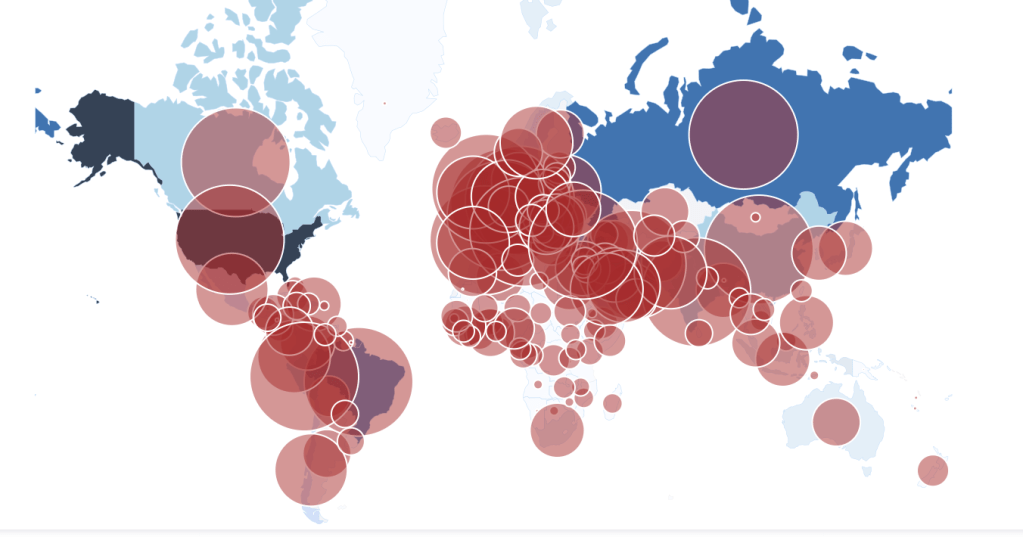
April, COIVID-19Iinfections Globally by Country/Clustrmaps May 12, 20202020

For although the global pandemic will clearly be with us for a long time, spatial narratives might be more likely to emerge in networks and in forms of vulnerability, in ways that might reveal a more pronounced set of narratives for how we can respond to a virus than the deep blues of even the limited and constrained datasets that we have, as we struggle against the blindness we have in containment and mitigation, and the frustration of the lack of anything like a vaccine. (This pandemic is almost a metastasis of the anti-vaxxers: confirmation that a vaccine cannot check a disease, it gives rise to concerns that vaccinations might have left us immunologically more vulnerable to its spread . . .and a sense that the hope of eradicating COVID-19 by the availability of a vaccination in four to five years will be widely resisted by anti-vaxxers and their acolytes, to whom the pandemic has given so much new steam. Yet as the virus interacts with the viral posting of anti-vaxxers resisting social distancing or collective policies of response, the stresses that exist in our society will only be amplified.) And if as late as February 24, only three laboratories in the United States did test for COVID-19–artificially lowering public numbers–even confirmed numbers through March and April were as a result tragically low. Could maps even help to track the disease without a testing apparatus in place?
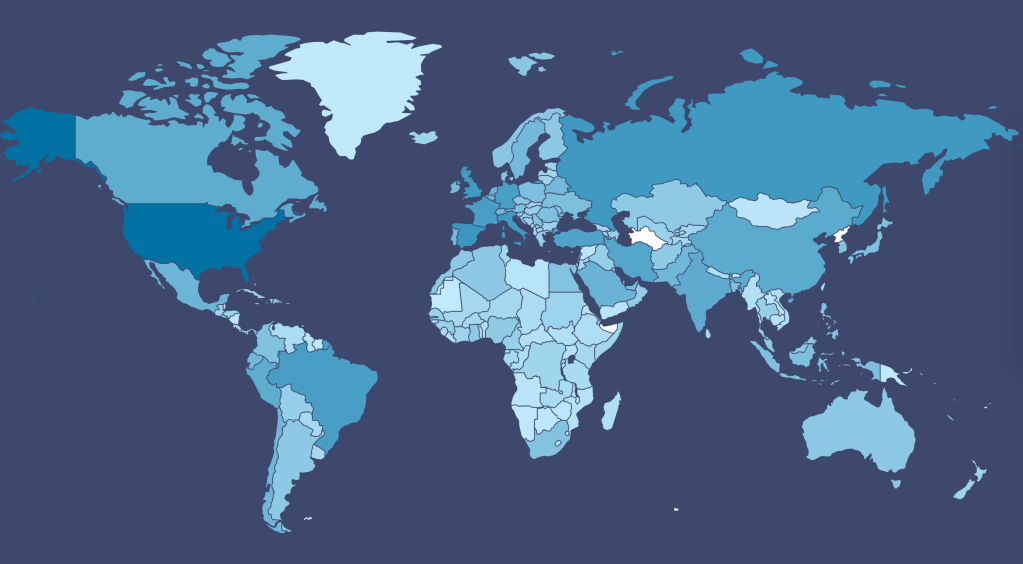
Global Covid Infections/Datascraped by Avi Schiffman, May 11, 2020

The prestige of the data visualization has been a basis for reopening the nation. Yet if less than a tenth of the world’s population has yet to be exposed to the disease–and perhaps only 5% of the American population, in one estimate, if not lower–the virus is bound to be endemic to the global landscape for quite a considerable length of time. At the same time, one must wonder if the many fault lines that have created such peaks and valleys in the virus’ spread, if confirming its highly infectious nature, to be sure, are not removed from us in some degree by the smooth surfaces of the screens on which we watch and monitor, breath bated, with some terror, its spread, unsure of the accuracy or completeness of the data on which they are based but attentive to whatever they reveal. In many ways, these maps have created an even more precarious relation to the screen, and to the hopes that we find some sign of hope within their spread, or hope to grasp the ungraspable nature of COVID-19.

These datamaps suggest a purchase on a disease we don’t understand, and we don’t even have good numbers on contraction. Yet we are discussing “reopening” the United States, while we do not have anything approaching a vaccine, let alone the multiple vaccines that medical authorities desire before resuming social contact at pre-pandemic levels. How to process the data that we have, and how to view the maps not only by hovering, zooming in, or distancing the growing rates of infection, but tracking the virus in spaces, mapping levels of infection against adequacy of testing, mortalities against comorbidities, against with the chronic nature of the virus must be understood, as well as levels of hospitalization levels; and distinctions or mutations of the virus and against age ranges of afflicted–by, in other words, drilling beneath the datasets to make our maps’ smooth surfaces more legible, as horrifying as they are?

Can we use what we have to pose problems about the new nature of this contagion we don’t fully understand, but has been mapped in ways that seek to staunch fears of a decline in the stock market, as much as an emergency of public health, with up to one third of the population at risk of infection? The instinctive reaction of the Trump Health and Human Services to create public-private “community testing sites” for drive-thru or drive-up testing at Walgreens, CVS, Rite Aid, Kroger and other pharmacies seems reflexive for a government wanting to minimize federal overhead, but a far less exact means, and a far less intuitively sensible basis to attract potentially infected individuals to sites of public congregation. The hope of Verily–a subsidiary of Alphabet, whose Project Baseline boasts the slogan, “We’ve Mapped the World, Now Let’s Map Human Health,” in a bizarrely boosterish rhetoric, aggregates medical for medical screening in California–
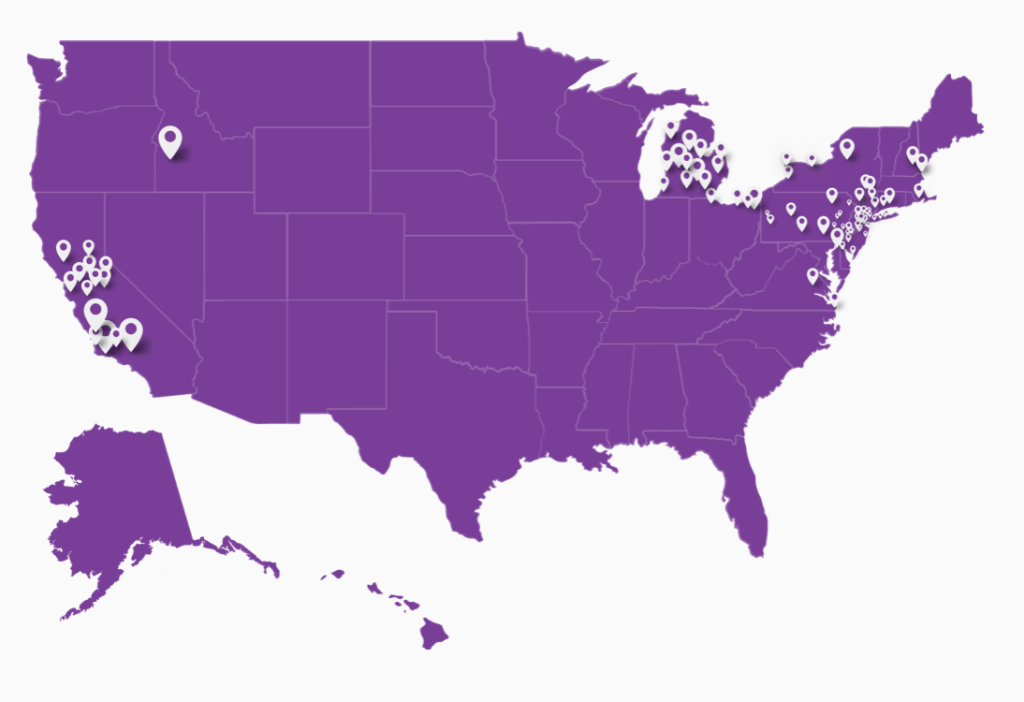
Select States for Project Baseline Testing/Verily

–and select states–was the primary response that Trump had promised of a network of drive-up testing sites that has never materialized, even as it expanded to a hundred sites in thirty states. After Walmart opened two sites, and Walmart 40, the difficult accuracy of creating multiple testing sites was prohibitive, the testing sites that were rolled out with the assistance of private entrepreneurs that Jared Kushner enlisted, that filled the absence of any coherent public health response–perhaps, terrifyingly, in concert with his brother’s health care company, Oscar, which also partnered with CVS and some of the same pharmaceutical services, focussing on drive-thru sites more than sustained medical care, focussing largely on calming retailers who feared the arrival of infected patients on their parking lots, more than on the efficacy of testing, which they didn’t understand. If only 40% of promised test kits were made available, the absence of providing staffers or selling, as in Massachusetts, self-testing kits–and failing to provide many in large cities like New Orleans, as if to keep the final tally of infected artificially low. Even if the Center for Disease Controls had never done clinical tests on hydrochloroquine, whose dangers on humans were not studied, and despite some benefits of the antiviral on cell cultures, none appeared in mice, the drug was promoted widely on social media as late as April, although its mention on Twitter grew, even as the government delayed any roll-out of testing sites.

The demand to calm the nation, a position dangerously close to concealment, delayed action on a wave of infection that President Trump had long sought to deny, claim to be overblown, or call Fake News. The lack of a public testing initiative, and rejection of the tests of other nations, forced the United States to adopt a disorganized go-it-aloneist approach, akin to isolationism, not benefiting from the potential ties to Chinese doctors’ response, or the testing kits that would have been available that the World Health Organization (WHO) had suspected since January, and made test kits for poorer countries that might be replicated in the United States–which chose to make its own tests to ensure the highest quality. When WHO had urged countries “test, test, test” for the coronavirus to contain its spread, the global health organization provided 1.5 million tests to 120 countries who lacked the ability to test by March 16; the United States went without the diagnostic tests developed in Berlin by la Charité, implemented in Germany. If the United States had submitted a test to WHO as well, the German test the health organization adopted was never used or ordered–and by mid-March processed a sixth the specimens as in Italy, with found over six times as many cases, and an eleventh as in South Korea, which found double the cases.
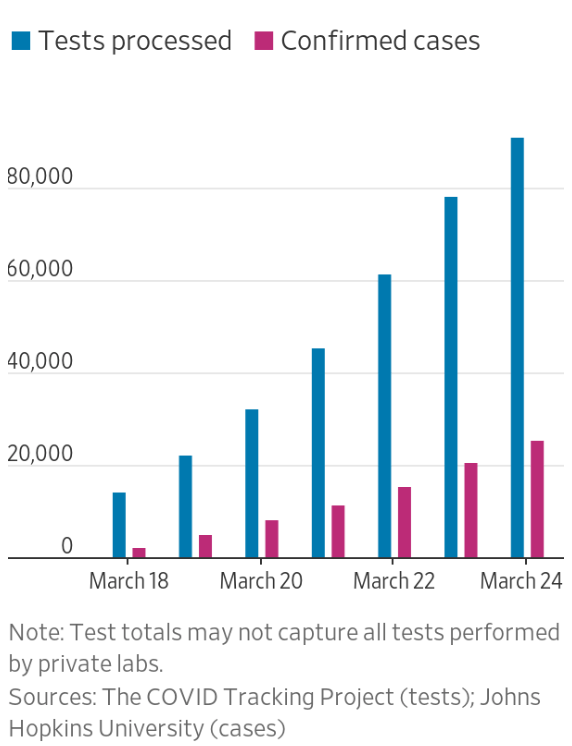
By April, the picture had improved, but not much.
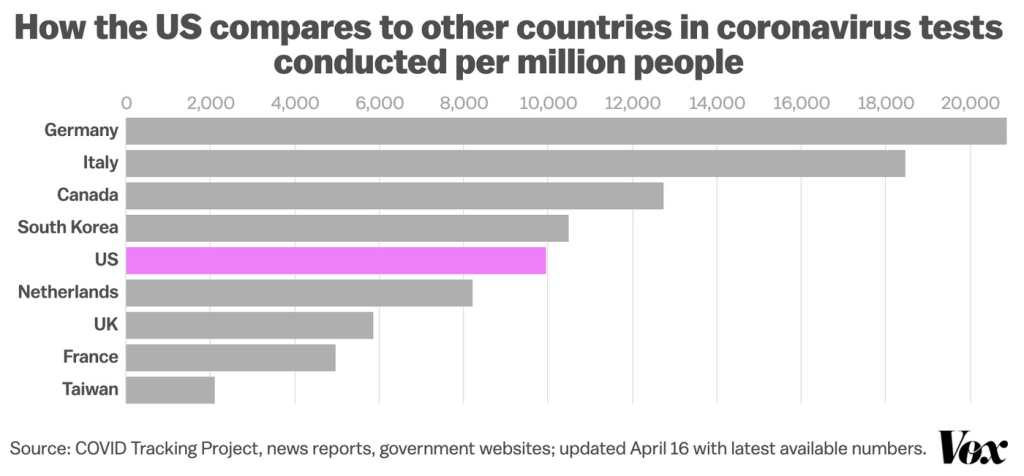
COVID Tracking Project (Data)

And based on later data of the virus that spread to other American cities, the virus that had infected so many in New York seems to have spread to other American metropoles by May, as we were still awaiting broad testing.

Read more

2 Comments

Filed under data visualization, disease maps, infectious diseases, political polarization, public health

Losing Beaches, Losing Places

We have long considered man’s impact on the world, but are only starting to be able to chart the vastness of the scope of anthropogenic change. And wen it comes to the contraction of shores and beaches that has been forecast in current climate scenarios, the oldest of human environments, the shoreline and coast, seems in danger of drastic reduction at a scale we have rarely considered. The shifting littoral landscapse of the world have ben long neglected, if they are turned to each Earth Day for coastal cleanups and have been the site of intense preoccupations as a result of sea-level rise, as we have protected much of our national seashore.

National Seashore (National Park Service)

But the prospect of an accelerated global erosion of coastal landscapes, and the loss of beaches, have only begun to be processed as triggering cascading consequences from disturbing ecological niches and coastal economies to the human relation to the natural world–a new relation to global ecology that we may well lack the vocabulary and structures to map on adequate scale to process, let alone discuss.

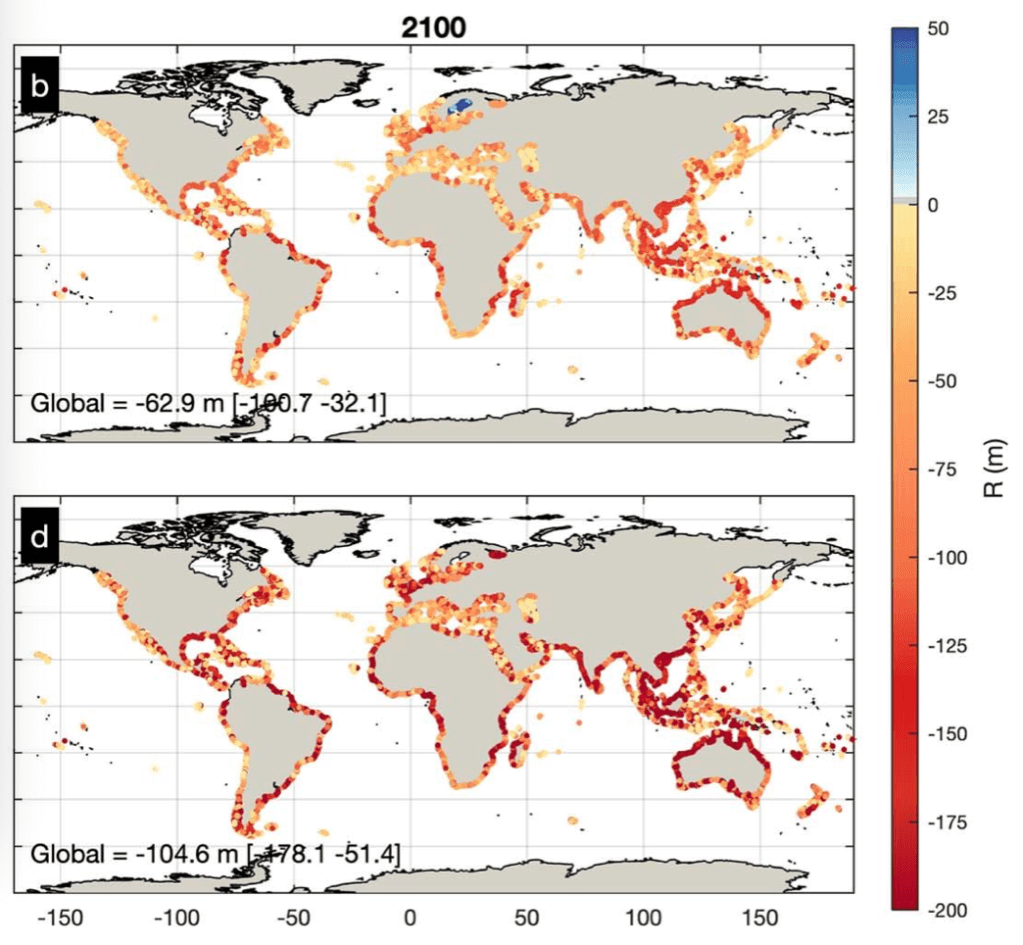
But the mapping of coastal retreat that is projected for the coming century charts the magnitude of the scale of impact of human-created modification of a global environment in NOAA’s Fluid Dynamics Project calls for a broader reckoning of the impact on the global environment that stands to be created by coastal retreat akin to a global pandemic like SARS-CoV-2, and a remapping of the global shorelines that we have a very limited chance to come to terms with in any active context; terms like East and West don’t work in a climate catastrophe that does not differentiate not only nation states but that we lack the narrative categories to come to terms with in terms of economic inequalities, but suggest a crisis of global proportions that contrast with the delicate organization of space on shorelines near our home in their brute redrawing of the increasingly impermanent sandy shore projected for 2100, according to a rather modest climate change scenario.

The discovery of margin of the shoreline in the middle of the twentieth century as a privileged site of intense biodiversity risks obliteration as a particularly fragile ecosystem. Yet the shoreline habitat is now a site of unprecedented vulnerability. (The same stretch of sensitive shoreline habitat was quickly closed to comply with shelter-at-place directive, given the range of urban residents who drove to flood its trails, beaches, and shoreline as a way to find balance, many standing transfixed before the waves in a particularly stressful time, seeking purchase on a moment few could really grasp.)

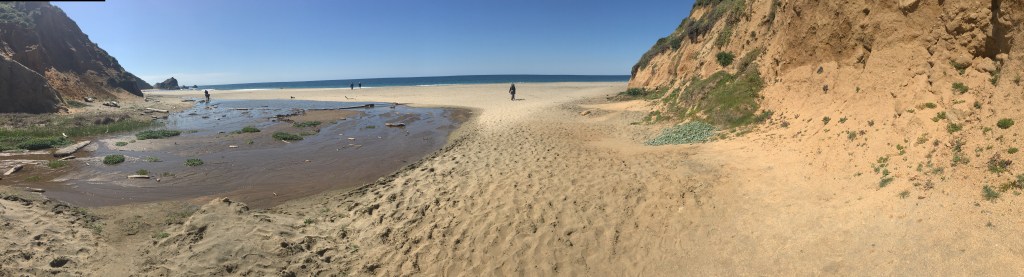
McClures Beach, Inverness CA

The seashore seemed a natural place of reflection. But it was hard to imagine the sensitivity of these littoral lands. While the national seashore at Point Reyes is a unique preserved coastal environment, where eroding cliffs meet sands along broad strips of beach whose low grade offers habitat to coastal birds, grasses, and shellfish, in a meeting point of fresh and salt water, the beauty of the coast seemed a perfect refuge in a time of disorientation.

This blog has long discussed the specter of anthropogenic change, but in the panic of COVID-19, it seemed clear that we lack the mode to talk about the scale, continuities, and complexity at which such world-changing processes will occur. The future loss of shores would be quite difficult to imagine, even if one stares at the remote sensing maps that predict the effects of sea-level rise.. So many had voyaged to the shores as if by instinct during the COVID-19 coronavirus outbreak in 2020, from Long Island to Marin, to the extent of disturbing many coastal residents, who read searching for break from anxiety by acts of coastal distancing as an unwelcome promotion of the danger of importing viral spread.

In England and elsewhere, many departed from the city, in search of a new environment, by traveling to the coasts–where they were greeted, similarly, by protests by those who saw their arrival as a harbinger of infection. Many public beaches, concerned about close contact, have outright closed, as coastal communities do their best to dissuade visitors seeking to escape infection in Hawaii, Moab, Alabama, North Carolina or the Gulf Coast–in ways that cut us off from the shore as a place of reflection and rumination.

If undue media attention may be directed to bemoaning college students on Florida Spring Break, we must remember that Florida’s Governor, Ron DeSantis, ostensibly encharged with securing the state’s well-being and public welfare, stubbornly insisted on keeping beaches open in the state the shore until Easter, to allow “students to party” on Miami Beach, Fort Lauderdale, Clearwater Beach, and other “hotspots” of pleasure into hot spots of viral infection: DeSantis, never one to stop claiming higher ground, hypocritically or not, only turned his wrath on the partiers after facing a lawsuit from the state Attorney General, and even as communities closed beaches, refused to shutter state beaches to limit the spread of the Coronavirus that were a vital parts of the state’s economy–reluctant to close them until local municipalities intervened.

John Raedle/Getty Images

Shifting the blame to foreign travelers–and insisting on self-quarantining visitors from New York state or New Jersey–he sought to keep them open for business, by casting them as more vital than viral. DeSantis refused to accept the national scope of the problem, defending an economy that depended on tourism, elevating the economy over national health–and keeping them open a week after the closure of Disney World, after trying to keep a “six feet distance rule” to “stop large crowds from congregating,” as if the crowding was an issue, more than human proximity and contact–and refusing to take leadership on the issue by “deferring” to local government and causing confusion.

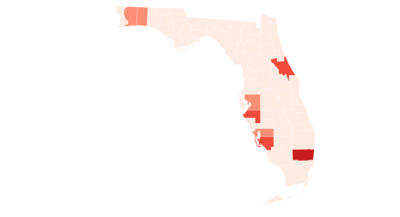
As fhe Florida Governor reflected on the large number of elders in the state population, and their potential hindering of his own chances for re-election, it seems, did he alter his stance entirely, and beg the President to declare a national emergency, as the spread of the virus led to thousands of layoffs, with all non-essential businesses closed in coastal communities, as De Santis issued a state of emergency March 9, 2020.

Initial Florida Sites of Coronavirus Outbreaks of COVID-19 Infections/March 9, 2020

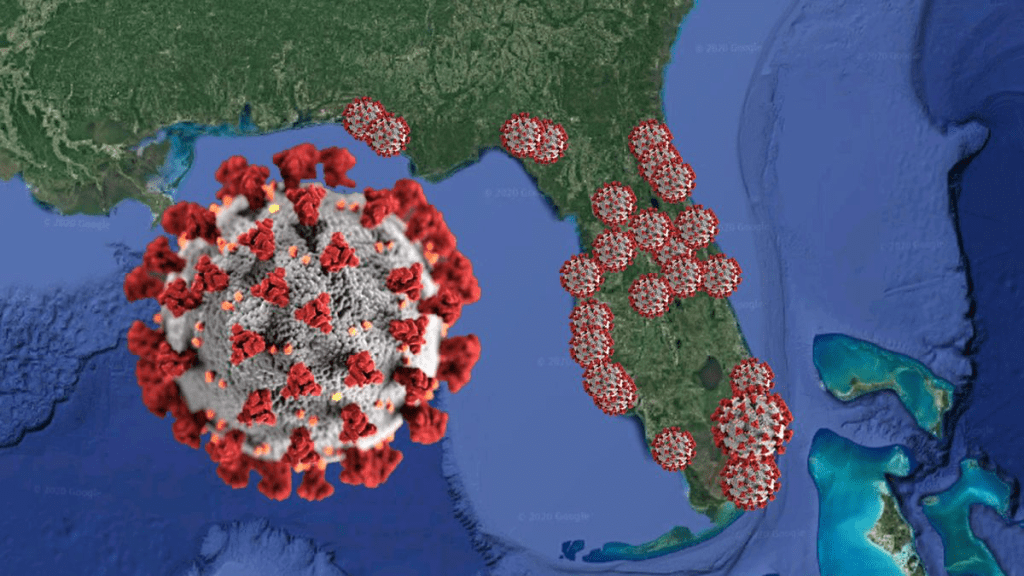
Meanwhile the COVID-19 data timeline by mid-March had spread across Central Florida, with cases of infection clustering on the shores. While the map that sizes the isolated pathogen as its symbol of COVID spread seems freakish, the telling newspaper graphic captures well the problem of coming to terms with the transmission of infections along the beach–superimposing the specter of an overlay of the COVID-19 pathogen as if colonizing or as blossoming along Floridian shores.

Orlando Sentinel

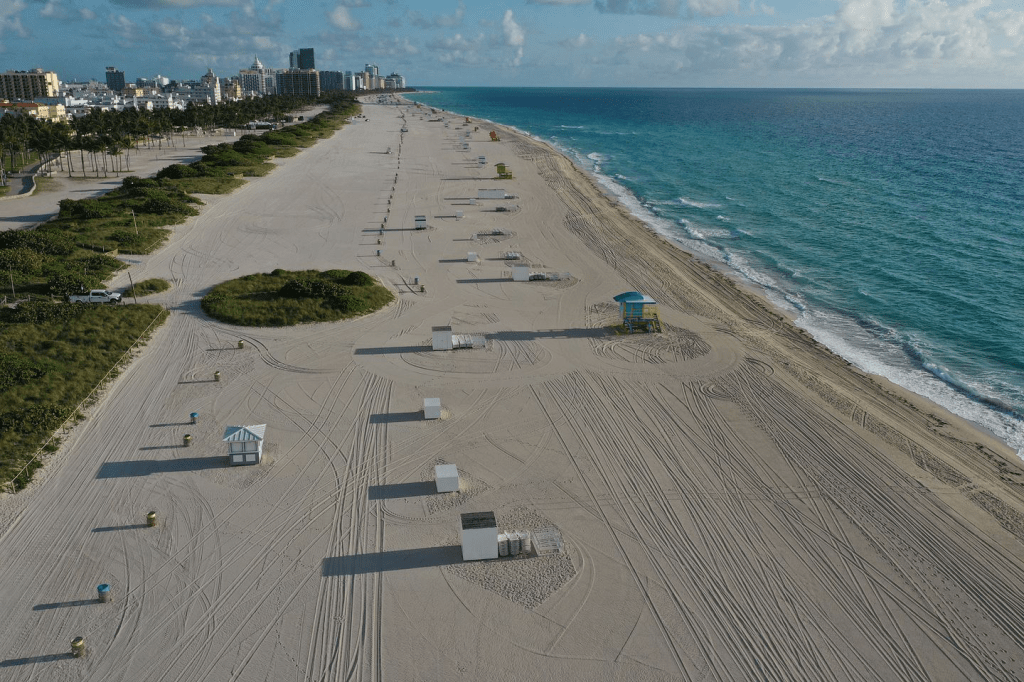
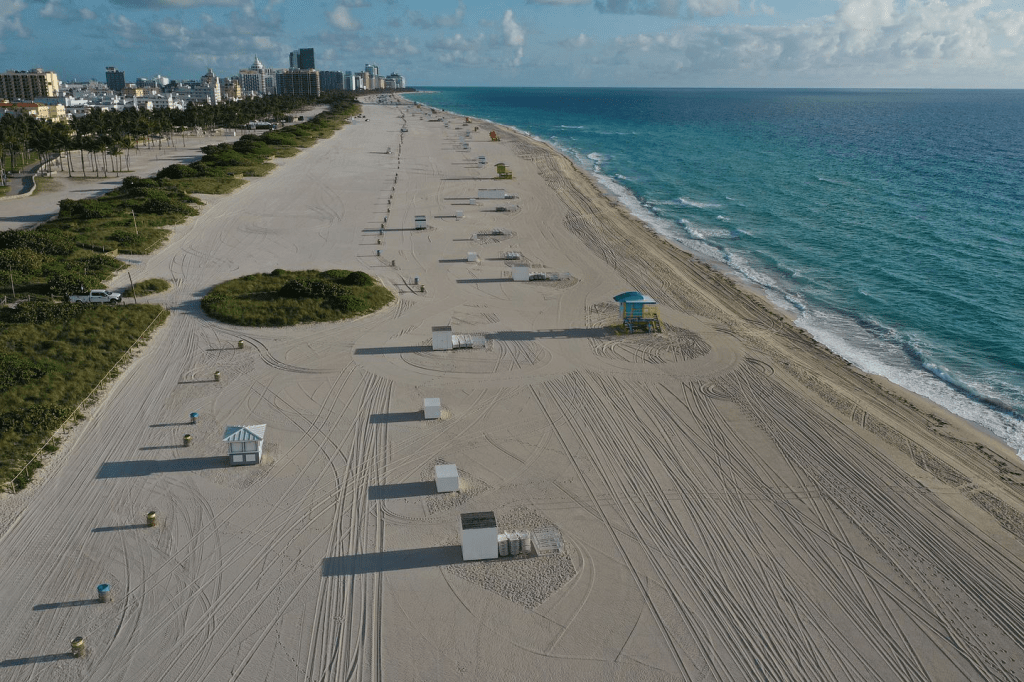
The abandonment of the closed Miami Beach–one of several citie that refused to keep its beaches open, as infection spread, as they knew what was really best for them–seemed to confirm the shore’s status as a natural site of reflection. The scope of projected reconfiguration of future shorelines would effect a deep change in the human relation to the shoreline, as much as the shoreline as a site of shelter and habitat.

Joe Raedle/Getty Images

For environmental geographer Clarence Glacken, the “traces on the Rhodian shore” were signs of civilization and the human modification of the environment that were fundamental to historical processes of change. The reference of the title of his survey of the modification of land through the industrial revolution took its reference point as antiquity–the image of the philosopher taking geometric figures drawn on the shores of Rhodes where he was shipwrecked as evidence of human habitation. The anecdote was prized by Vitruvius as evidence of the ability of geometry to frame the environment, and respond to it; Glacken took the image of the shores as a leitmotif for a magisterial survey of relations to the natural world that we now observe expanded and refracted in the remote sensing that tracks the broad impact of how industrialization has inscribed human relations to the environment far beyond Glacken’s four on the environmental influences on human history and man’s remaking of the environment. And the problem of the continued access to shores, and future of the shores, makes us go back to some of the early work of Glacken to recover its new relevance, if only because of our failure of models to come to terms with such massive anthropogenic change.

Continue reading

Leave a comment

Filed under anthropogenic change, Climate Change, data visualization, remote observation, shoreline change

Get Me Out of Here, Fast: Escape from D.C.?

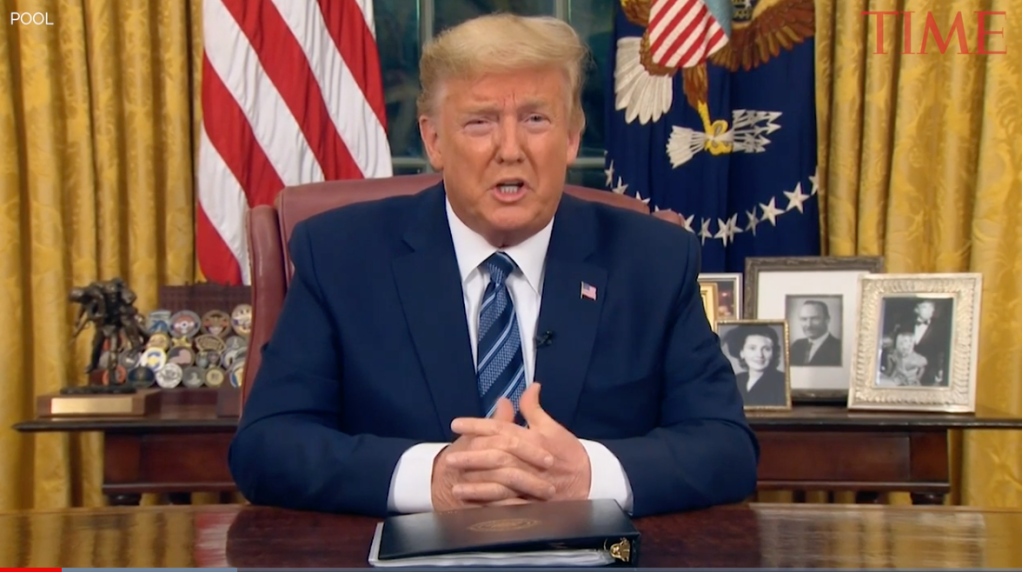
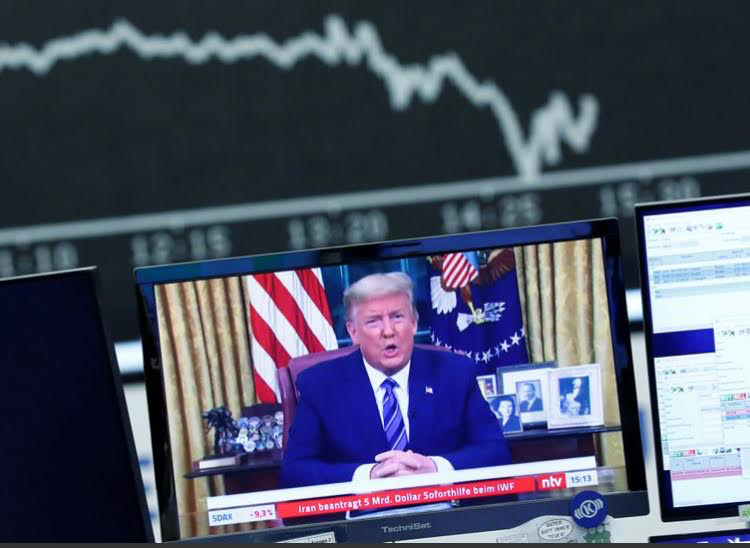
The forced monotone of Donald Trump’s public address to the nation on March 12 was a striking contrast from his most recent State of the Union address. He sought to calm the nation as it faced the pandemic of the novel coronavirus COVID-19 in what was perhaps his most important public address. On the verge of breaking beneath the gravity of circumstances that spun far out of his control, however, rather than show his customary confidence, Trump seemed a President scrambling and in panic mode trying to rehearse stale tropes, but immobilized by events.

President Trump tried to look as presidential as possible, re-inhabiting a role of authority that he had long disdained, as he was forced to address a nation whose well-being he was not in control. The national narrative, as it was begun by WHO’s declaration of a pandemic, was perhaps seen as a narrative which seemed to spin out of his control, below his eyes, as he tried to calm markets by addressing the nation in what he must have imagined to have been as reassuring tones as he could summon. With his hands grasped but thumbs flickering, as if they were a fire under which he sat, as if he were wriggling like a kid strapped in the back seat of a car where he was a passenger to God-knows-where, wrestling with the increasing urgency that his aides demanded he address the outbreak of the virus in the United States that he had long tried to deny. Serial flag-waving continued to fuel President Trump’s attacks on China and the World Health Organization, as if trying to toe the line of adherence to America First policies of nationalism before a global catastrophe, that did not compute. If America First as a doctrine allows little room for empathy, affirming national greatness and the importance of a logic of border closures was all he could offer, and would be predictably lacking reassurance or empathy as he attempted to create a connection at a defining moment of his Presidency, but looked particularly pained.

March 11, 2020

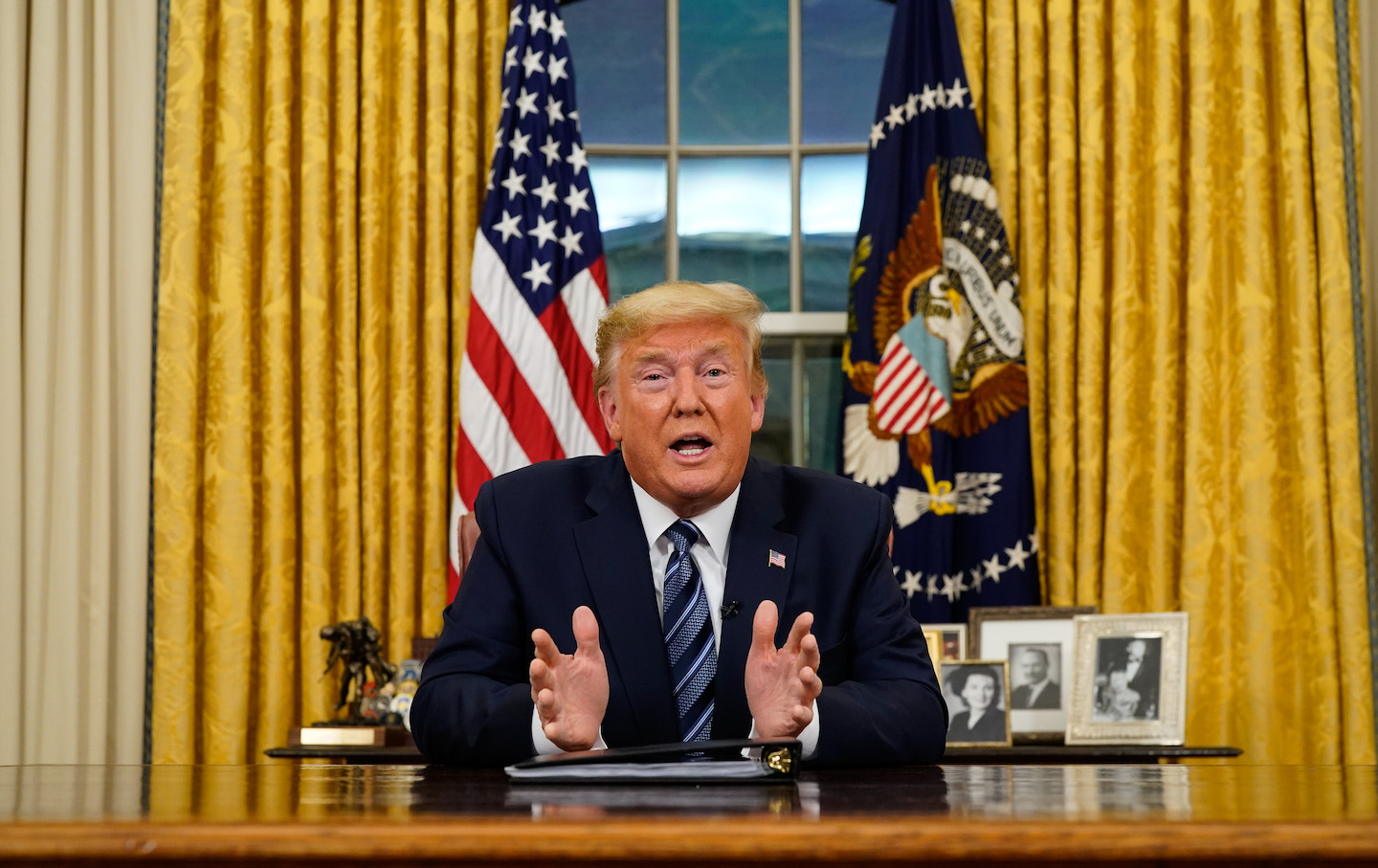
If Trump rarely trusted himself to make hand gestures as he plighted through the speech, thumbs flickering, hands clasped, he every so often seemed distinctly out of synch with his austere surroundings, gold curtains drawn to reveal two flags, barely aware, perhaps, that the eyes of the world were very much on his performance in this new sound studio to which he was not fully accustomed, trying to explain that he had undertaken measures that had made us safe, even if he must have been worrying that the lack of worry he had been projecting and urging in previous weeks had risen across the nation, and his performance was not calming them at all. He was tasked with describing the vulnerability of the nation to the novel coronavirus whose effects he had downplayed repeatedly, but was no longer able to dismiss, and no longer able to concede posed a far greater threat to the American economy than the danger of “illegal” migrants he had so often pointed to as a cause of national decline: the virus that had already crossed our borders repeatedly, since the first cases of COVID-19 were diagnosed in San Jose and Seattle, would potentially bring down his presidency, and he lacked any ability to explain the scale of the effects of the virus that he had effectively helped release by ignoring warning signs.

Oval Office address of Wednesday, March, 11, 2020. Doug Mills / The New York Times)

The link of America to the world defined in his America First candidacy–even made the very identification of a pandemic difficult to process. And he did so in the starkest national backdrop possible, vaunting his closing of borders, suspension of “flights” from China, and ties to Europe–even as he encouraged Americans to return from abroad, and had allowed unmonitored entrance of Europeans and world travelers into New York that would make it the site of the entrance of the disease to the majority of American cities where the viral load arrived, with over 900 people entering America through New York daily for months after China suspended travel from Wuhan on January 23–after China called the outbreak “controllable” on New Year’s Eve. The declaration that echoed the concerns of the World Health Organization may have been buried in global celebrations, even as Trump blamed it for starting a sense of false complacence before undeniably “real” news that he feared would come to define his Presidency.

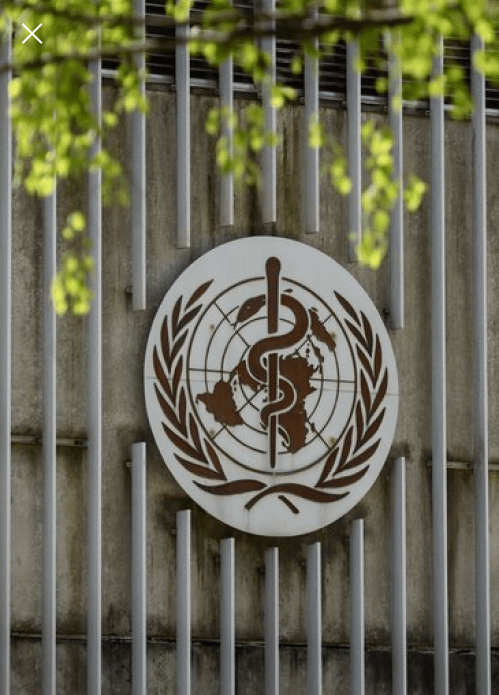
Trump was unable to accept declarations of the World Health Organization had just called the coronavirus outbreak–an outbreak which, we now know, he had in fact been hearing alerts from American intelligence as early as November 17, about the outbreak of cases of the novel coronavirus in Hubei province, rather than January, when initial infections in the United States were reported. As much as Trump found it difficult to admit the vulnerability of the United States to a global pandemic–or to the recommendations issued by WHO–who set the caduceus that symbolized medical ethics authority over the North American continent–at which he bristled at the notion of a global scope of edicts across boundaries, as if a map where national divides were erased as if it compromised national authority for a disease the President has been uncannily persistent in localizing in China, even before an increasing preponderance of evidence of its global circulation and transmission over a series of months.

Fabric Coffrini, AFP

As cascading fears grew in markets across the world, Trump was perhaps forced to realize his new relation to the world, even as the German stock exchanges plummeted as the measures he announced seem either difficult to process, or failing to address the importance of maintaining trade ties–or of taking adequately prudent steps of public health.

Slumping in his seat at the Resolute Desk, perhaps contemplating how no predecessor had ever delivered on air unprepared remarks from the desk, and visibly discomfited in doing so. He must have hoped to make up for his televised performance by sending surrogates scrambling to social media, issuing clarifications for misstatements–as the exemption offered U.S. citizens to return from China, or the exemption of Ireland, as well as England, and an assurance that trade would “in no way be affected” by the ban, as markets had reacted poorly to his performance. While it seemed that Trump was cognitively unable to process the possibility of a crumbling American economy–and a decline of America’s place in a global economy–under his watch, a prospect faced since he had met with airline executives with whom he discussed the effects of stopping flights of foreign nationals from China in a March 4 meeting, offering them a bailout that limited the impact economic effects of heightened travel advisories, is it possible he had no sense of the massive fallout on the national economy?

March 11 Address/Ralph Orlowski/Reuters

As Trump spoke, global markets not only failed to register confidence–but plummeted, as he revealed no clear plans to to call for social distancing to contain the spread of the virus, and revealed that lack of national preparation for confronting an infectious disease that had no vaccine. He may have remembered that he had outright fired a former cabinet member, barely remembered in the rogue’s gallery of administration, Tom Bossert, who had demanded preparedness “against pandemics” and a “comprehensive biodefence strategy” of the sort the previous administration of Pres. Barack Obama had tried to institute, or that a simulation of a pandemic that could devastate the American economy and kill up to half a million revealed in October 2019 “just how underfunded, underprepared and uncoordinated the federal government would be for a life-or-death battle with a virus for which no treatment existed.”

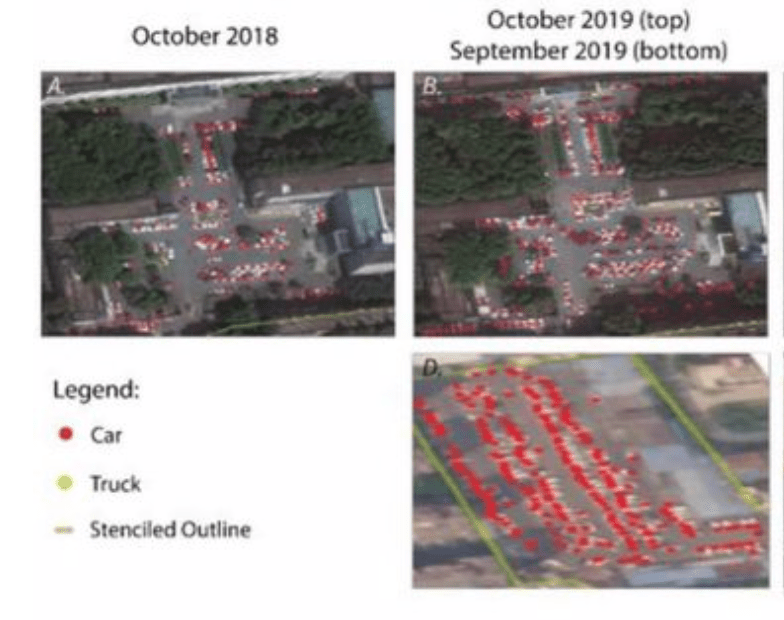
It seems likely he was rather trying to conceal the massive scale of lying to the nation about the effects of an economic downturn unprecedented in scale, but which the increased lines at Wuhan’s Tianyou Hospital the previous November had already indicated had a problem of infectious diseases on their hands that would have a potentially global consequence. Trump tried to spin the consequences as purely local, in an unprecedented wishful thinking whose scale of deception far exceeded the pathological deceits he had long taken to perpetrate on investors, business partners, and even on family members–from hiding his older brother’s treasured trucks that were a Christmas gift and then admonishing him not to cry, or he would destroy them before his eyes. Even as satellite imagery showed a clear rush to hospital emergency rooms in Wuhan in November, as clusters of cars marked in red crowded the emergency rooms that revealed “a steep increase in volume starting in August 2019 and culminating in a peak in December 2019,” when China began epidemiological investigations that led to identifying and sequence of the novel coronavirus by January 12, ten days before the city went on lockdown to contain its spread.

Annotated Satellite Photographs of Wuhan’s Tianyou Hospital in September 2019

While Trump registered no alarm at the arrival of the very pandemic whose global impact American simulations feared would cripple the national economy, he tried to offer spin on having closed borders to the virus, as if it were not already diffused within the country, in a mind over matter sort of exercise that suggested limits purchase on reality, as if he was able to recognize the risk earlier administrations had identified as a national priority.

Continue reading

2 Comments

Filed under borders, Coronavirus, COVID-19, data visualization, national borders

Gobble a Bit Less?

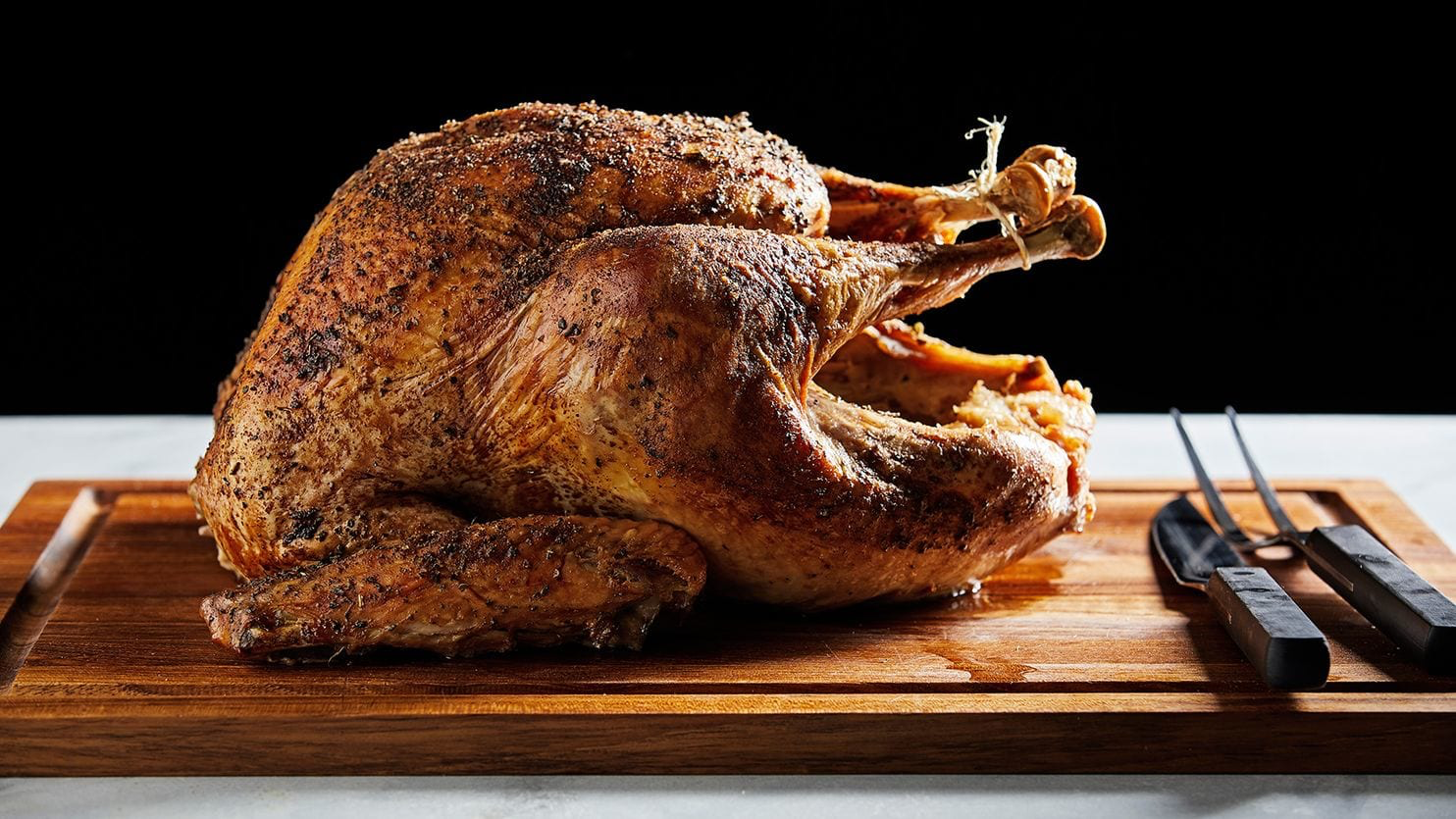
We all map our relation to the world by the tokens of food that we assemble on our dinner plates. But on the carefully prepared meal of Thanksgiving, we face the orchestration of a full harvest plate–sweet potatoes from the earth; turkeys fed over a year from grain; celeriac or Brussels sprouts for something somewhat green–seem a statement of global harmony. The meal is a sign that all is right in the old agrarian world we have long left.

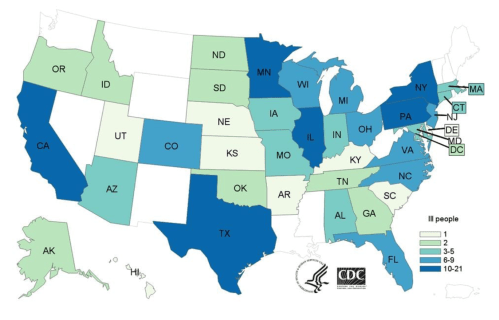
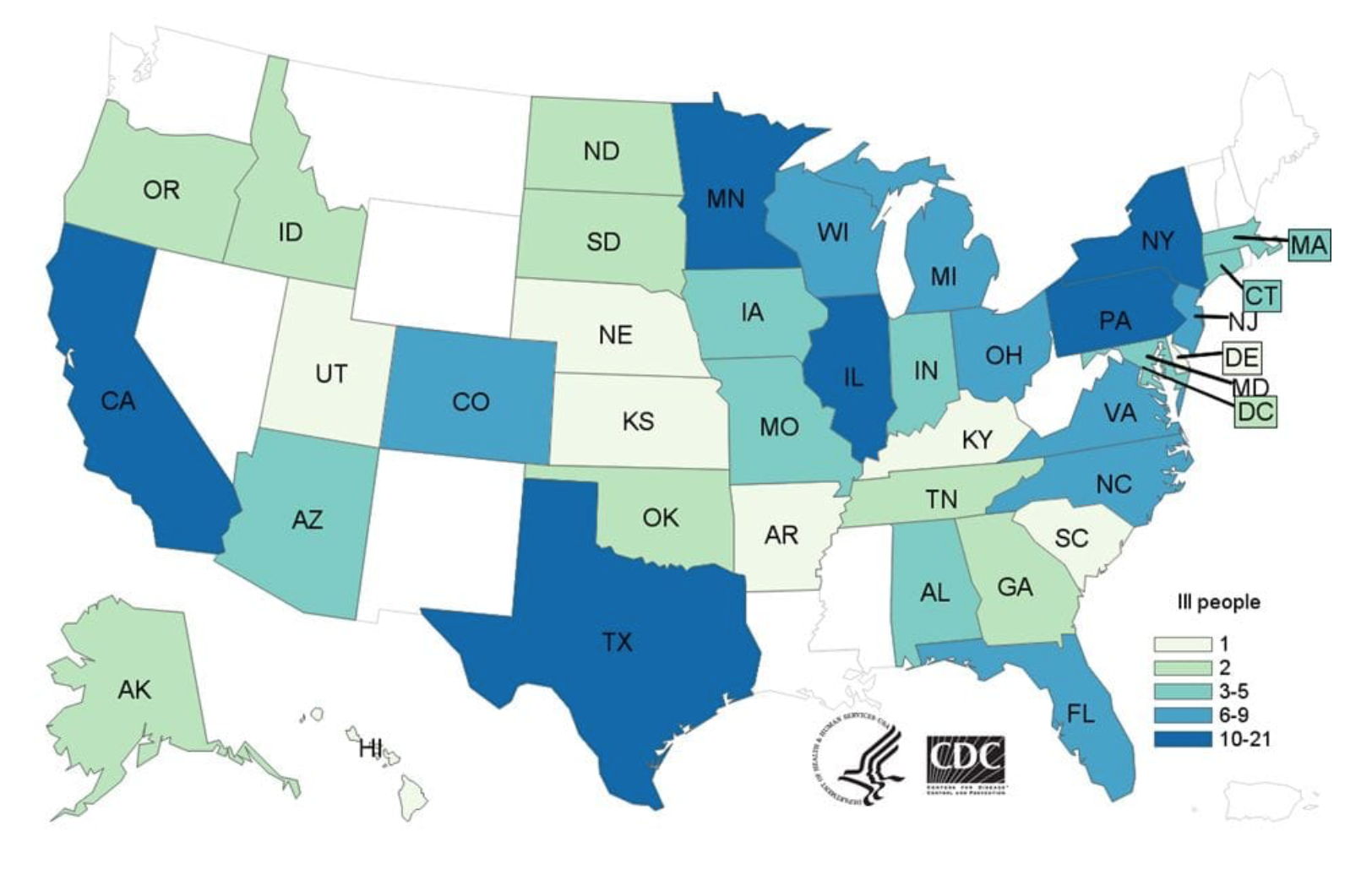
Yet the annual sacrifice of the native bird perpetuates a faded agrarian geography of the nation, is also a false geography: much as the Presidential pardon of the turkey, long promoted by the Poultry and Egg National Board and the National Turkey Federation, who first gave President Truman a bird to pardon, has cast the sacrifice in pointedly national terms–mythically tied to  President Lincoln’s supposed clemency of one turkey in the Civil War era at the request of his son, Tad, in 1863, the year of the Emancipation Proclamation, as if to commute the bird’s sacrifice, is often cast as an event of returning to ethics, and joining the nation. Cemented by the time an enterprising Rhode Island poultry dealer, Horace Vose, boosted his brand by sending several well-fed members of his flock to the White House occupant to promote his stock, the conceit of yearly offerings or pardons served to cement the bounty of a seasonal sacrifice of turkey to national health. It must have been especially striking that outbreak strains of Salmonella have been boldly mapped onto the nation by the Center for Disease Control. The increasingly terrifying visualizations of the spread of fowl-borne infections seem a sad reflection on the nation, transforming what was a native bird into a vector of contagion and disease in over-extended food networks where farms are defined as producers or providers and procedures of laying eggs and raising chicks or slaughtering and butchering meat geographically dispersed on an industrial scale.

The expansion and commodification of a brisk trade in turkey meat goes beyond the holiday season, but the data on breakout cases of food-born Salmonella infections seem to multiply in recent years as turkey consumption grows or is planned to grow each November. And the CDC issued choropleth of recent breakouts invites us to reflect on the changing state of turkey suppliers and distributors, the industrialization of food, and the fate of the bird whose conversion into a product bred for consumption may carry multiple attendant public health risks, concealed by perpetuation of a false geography of Thanksgiving as an occasion of bounty of the harvest, with its image of a season of abundant plenty. Has the continued provision of abundant turkey for Thanksgiving season created a danger of overbreeding, since the icons of the meal in post-World War I America became promoted as an occasion for rendering thanks? How, if so, can we come to reconcile the spread of Salmonella and the nostalgia for consuming a bounteous harvest at an open table duirng the Thanksgiving feast?

December, 2018 National Distribution of Salmonella infections among hospitalized individuals (Center for Disease Control)

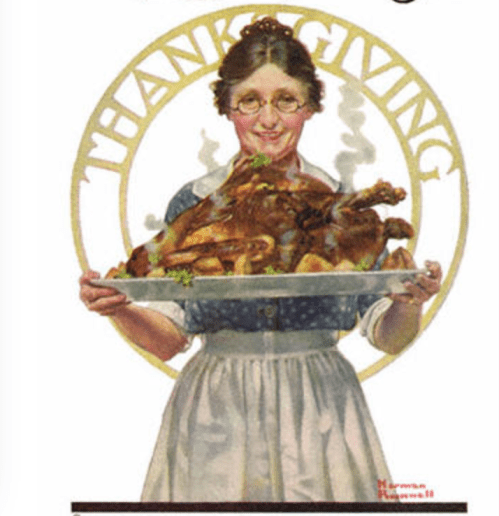
The remove of a fictitious scene of purely domestic provision that seems borne after the national disruption of World War I seems further receded, but is increasingly clung to mark time and visit loved ones.

Norman Rockwell, Thanksgiving (1919)

It is little surprise that the feast day that is so closely tied to the nation–and the alleged return to the agrarian calendar in what Philip Roth rhapsodized as that “neutral, de-religionized ground of Thanksgiving, when everybody gets to eat the same thing,” which was blanched of ethnic associations or even protestations of faith, and provided a sacrament of secularization in America for those who saw it as an event with “nobody sneaking off to eat funny stuff–no kugel, no guilt fish, no bitter herbs, just one colossal turkey for two hundred and fifty million people–one colossal turkey feeds all,” has been displaced by the increased presence in our society of the production of turkeys on industrial scale, and the attendant opportunities for microbial infection that have expanded with the parcellization of the life-cycle of turkeys in response to market demand evident in the splitting of numerous “farms” into hatcheries, growing farms, breeder farms, “growing out” farms, slaughterhouses, meat-preparation and distribution sites, which complicates any perpetuation of a national myth focussing solely on the raw and the cooked, or the wild land cultivation of the bird–with little foresight of the far-reaching consequences of the transformation of the bird into an increasingly industrially-farmed product.

There is a tie between the annual sacrifice of a turkey to national citizenship and well-being, tied to the pleasure of tryptophan-induced containment that goes far beyond consumer satisfaction, but seems to get at a sense of well-being. It is as if the fruits of the harvest are shared every Thanksgiving in a recognition of thanks, easily susceptible to its own new age twist. The tainting of that colossal bird that the emergence of antibiotic-resistant Salmonella strains threaten to overturn is deeply symbolic: for the bird is a symbol of plenty, able by extension to affirm not only economic well-being but satisfaction of the nation as a whole–or afflict the nation as a whole, in a time when the spread of cases of Salmonella infection so often associated with undercooked turkey meat that has increasingly appeared in prepared foods if not already arrived in the sanctum of the Thanksgiving table.

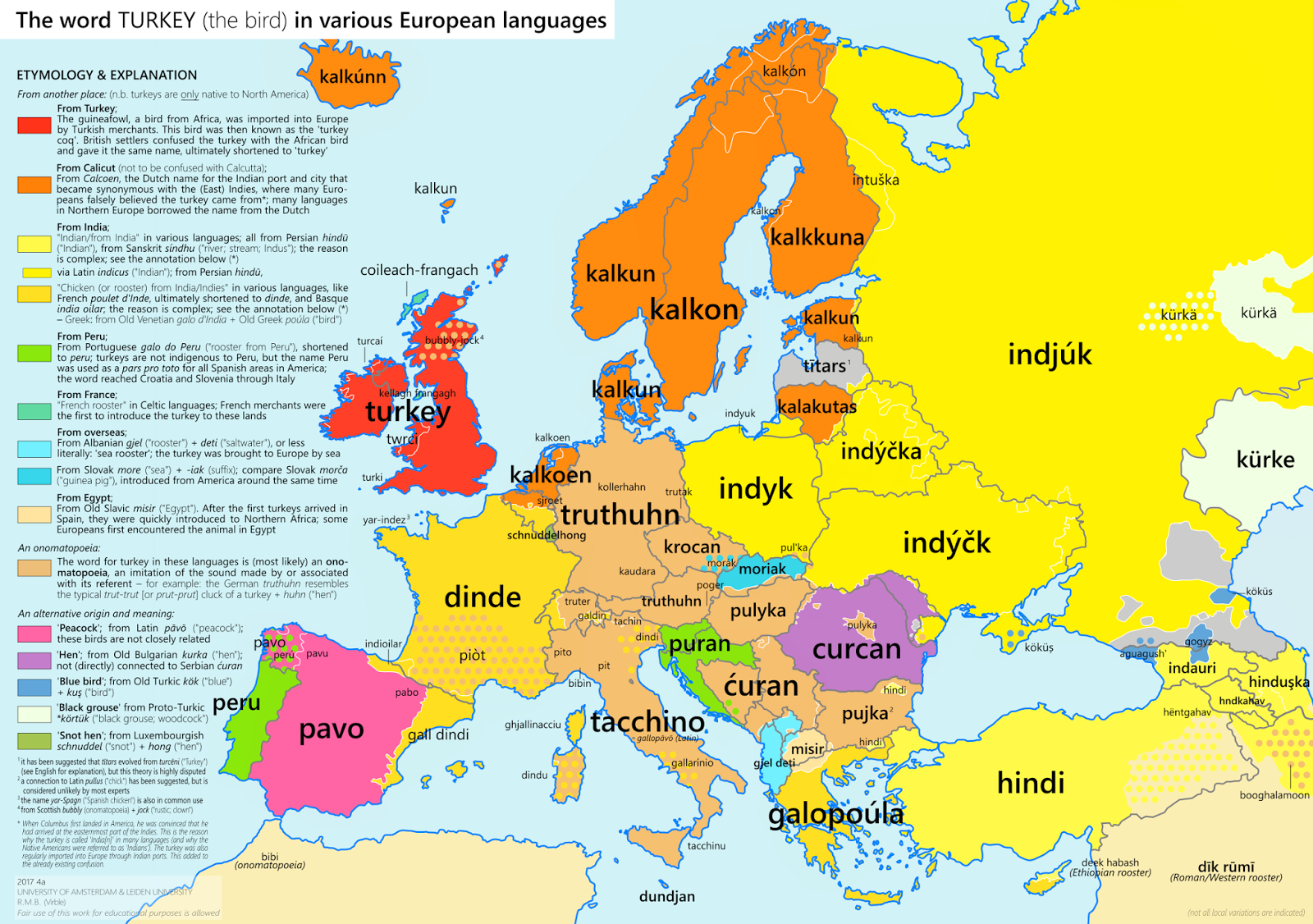
It is bizarre that the New World bird of distinctive appearance was already long labeled as an outsider, as if treated as a bit of a refugee. Although it arrived from the New World with chocolate and coffee, if from North America, the naming of the low-status bird that provides an annual image of bounty was rarely granted insider status, and rarely mapped correctly—but was long labeled a foreigner, in European languages: as English linked it obstinately with a Turkish provenance, confusing it with the African guinea-fowl, Spanish and much of central and Eastern Europe identified it as from India by an unrelated nomenclature, rather than the “indies,” nd Celtic northerners seems to have believed it from France, embedding the poor bird in a lexicon of geographic disorientation and almost compulsively attributing it an unclear origin in ways akin to shrugging shoulders, while all Scandinavia seem to have linked the fowl readily to Calcutta. The Armenian image of “sea rooster” most clearly acknowledges its overseas origins but is as unspecific as possible, although the sea-faring Portuguese show some greater interest in naming the foul with geographic precision in calling it a galo do Peru. The onomatopoeic appellations that spread throughout Mediterranean countries seem striking, but the cartographer May have been over-eager in assimilating the truthuhn to a gobble, given possible linguistic migration from other Saxon lands, and assimilation to a sort of hen.

The mystification of the current bird to a vector of infectious disease is far less interesting to ponder on a purely intellectual plane or as a cultural construction, unless we admit our American readiness to assimilate our foodstuffs to a poorly regulated free market.

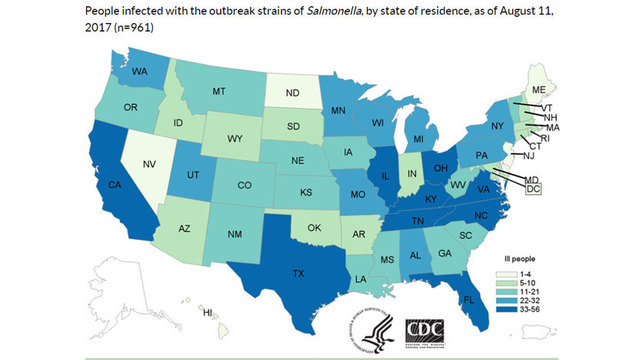
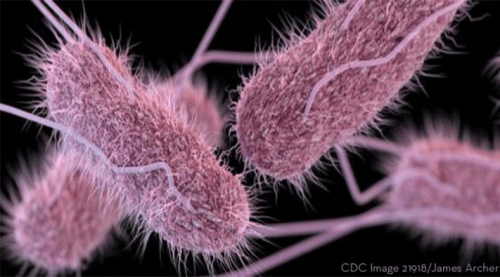
The current mission of the CDC to tracked and report to the nation outbreaks of Salmonella infections has recurred each Thanksgiving in recent years. The set of infographic of reported infections of antibiotic-resistant outbreak strains of Salmonella registers a deep upsetting of the balance of the holiday season, even if its subject is really ground turkey meat. The appearance of such statistical measurements on the eve of the national feast day seem emblematic of the atrophying of our national well-being and an erosion of bounty; it bodes to mar the release tryptophan-induced soporific sensations, upset stomaches and intestinal afflictions, more than boosting serotonin by a healthy carbohydrate binge:  raising the specter of salmonella outbreaks threatens to mar preparations for the “American pastoral par excellence” by ruffling the feathers and increasing fears of most families with images of infectious outbreaks of diarrhea, stomach cramps, and poor sleep.

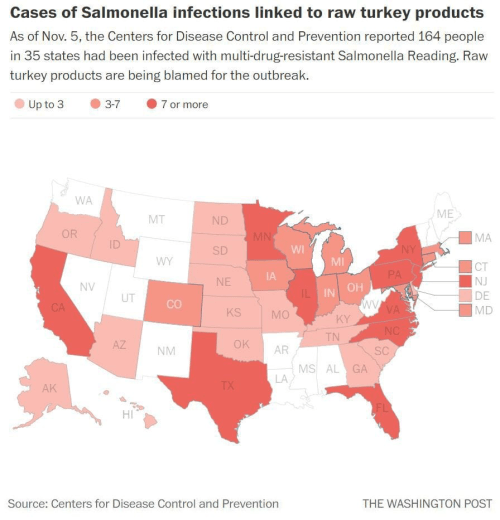
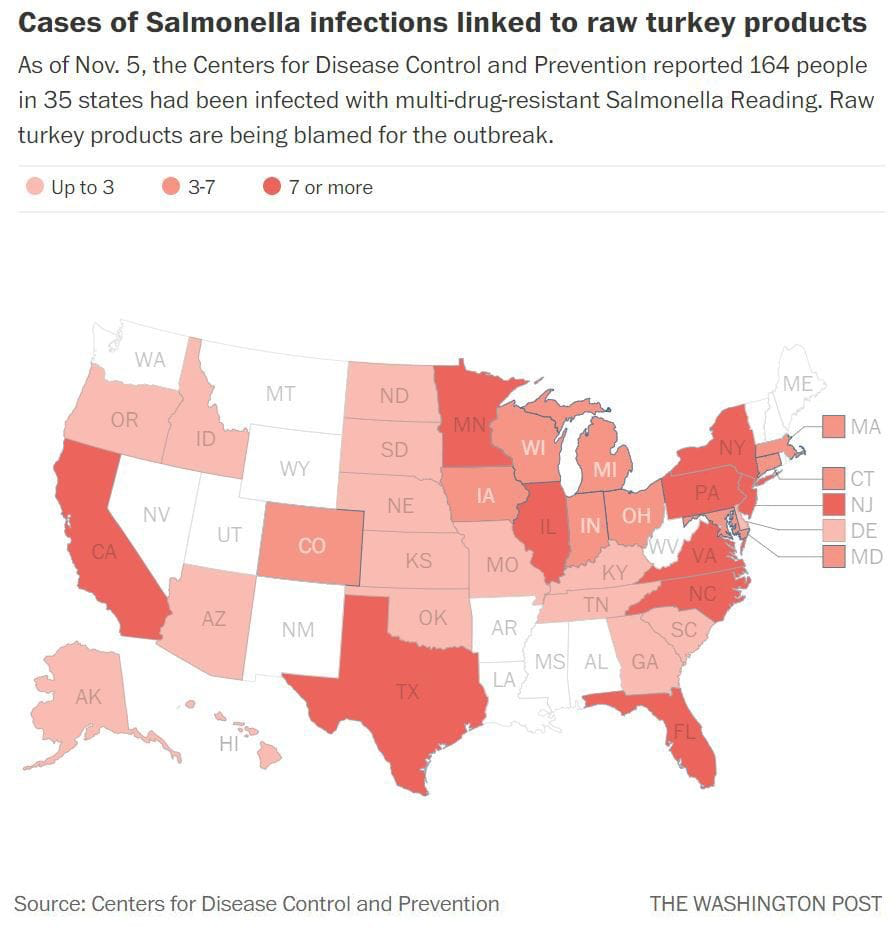
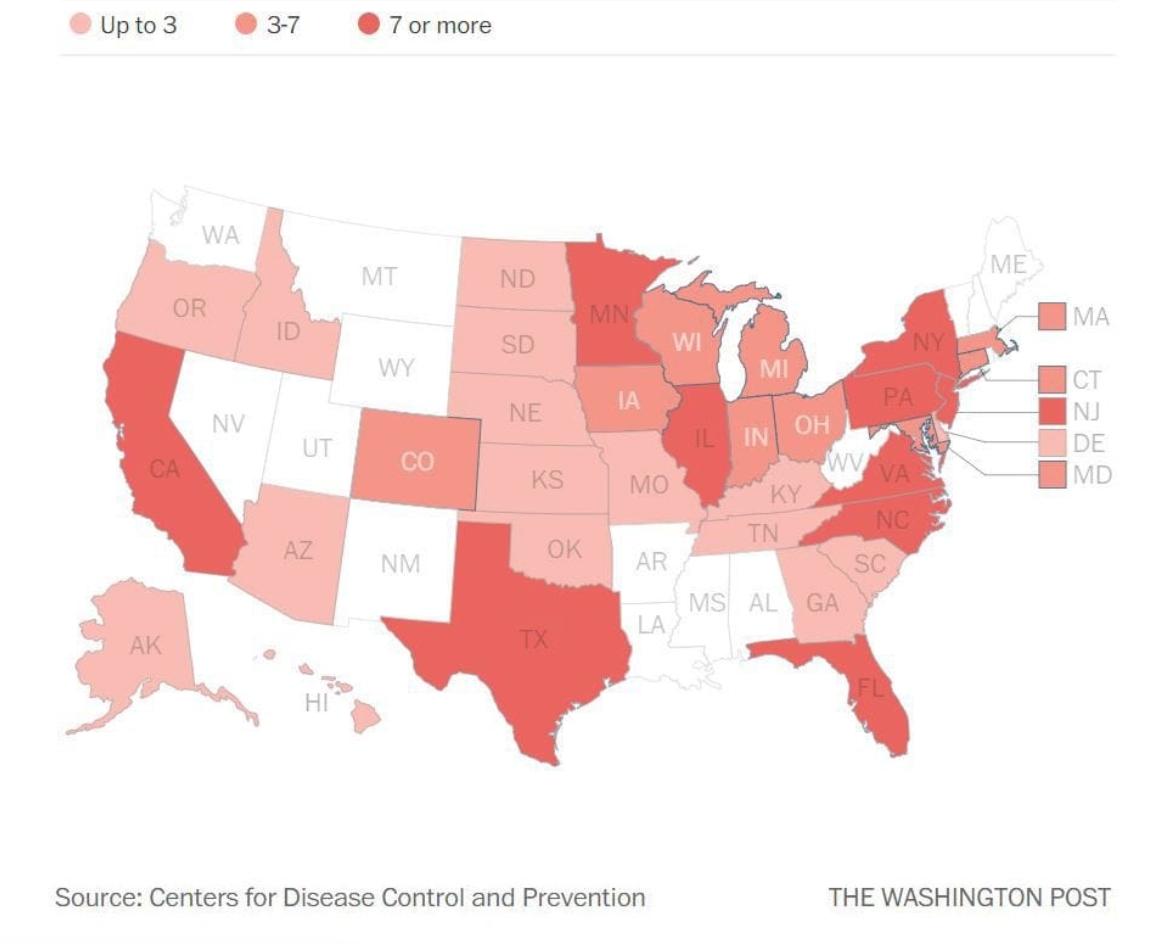
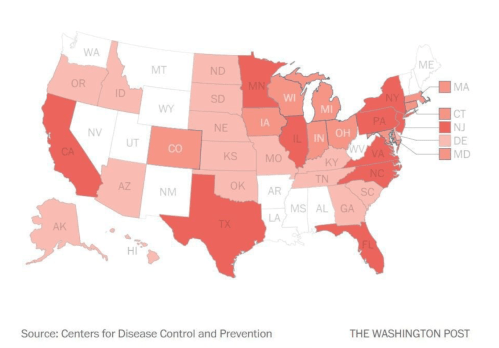
Even if tied quite explicitly to “raw turkey products”–an increasingly popular item in animal food as well as in turkey burgers–the national scale of such infections on the eve of Thanksgiving seem to have demanded being mapped in a cartographic coloring associated with underdone turkey meat. And WaPo seized upon it, just at the start of Thanksgiving plans, to reveal a national chorography whose color ramp suggests undercooked or raw meat, warning its readers of the danger of raw turkey products at a time when the turkey has increasingly become a product–as much as a sign of the finishing of a harvest. The data vis warns us to consume only the well-cooked, although the distribution of reported cases of infection by multi-drug-resistant strains of Salmonella found in raw turkey says little, in fact, about where the consumed turkey derived from or was first shipped: the states of Arkansas, Mississippi, and West Virginia are curiously without reported cases, although each is relatively dense with turkey producers and farms, although such turkey-farming centers as Minnesota and Texas are lit bright pink.

The increased difficulty of confining the spread of salmonella outbreaks among turkeys, and the broad scope of the network of turkey distribution every Thanksgiving casts a frightening pall on the American institution long celebrated as that “neutral, de-religionized ground of Thanksgiving, when everybody gets to eat the same thing,” as Philip Roth once rhapsodically wrote, which saw “nobody sneaking off to eat funny stuff–no kugel, no guilt fish, no bitter herbs, just one colossal turkey for two hundred and fifty million people–one colossal turkey feeds all.”  

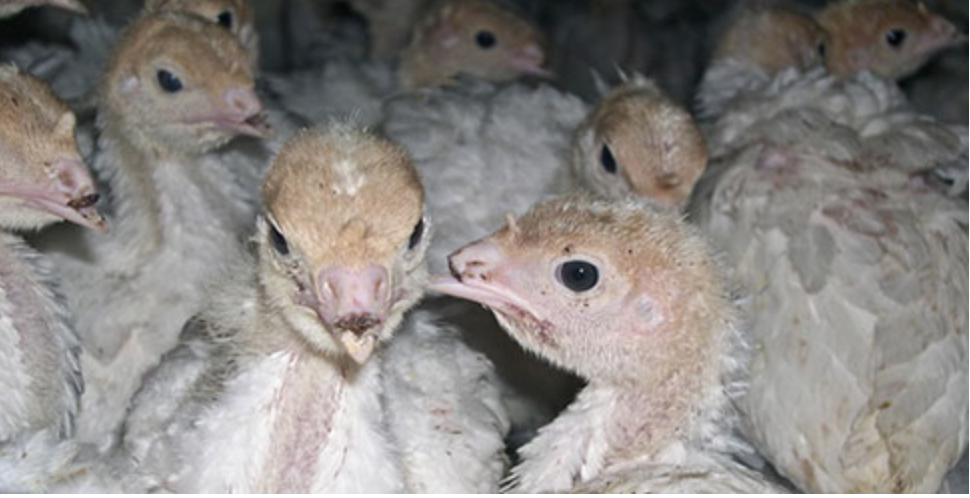
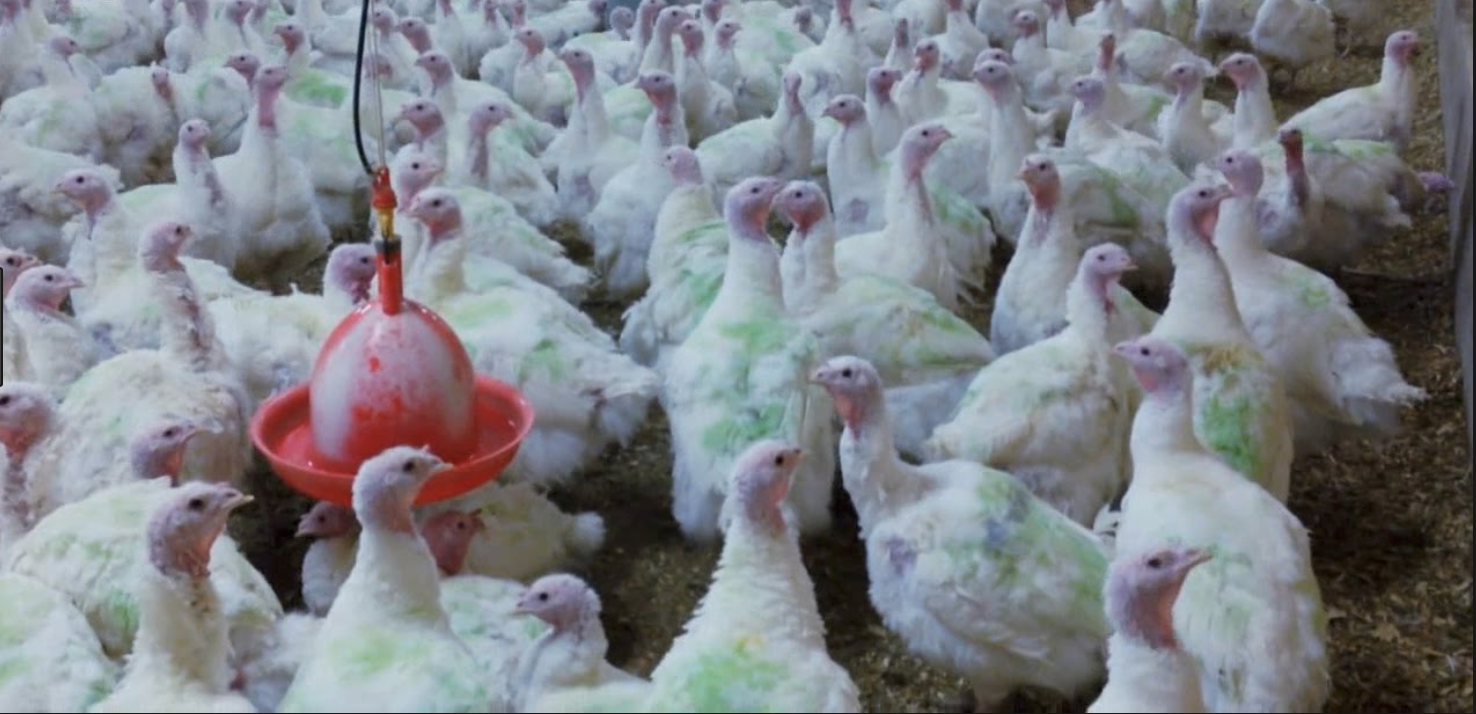
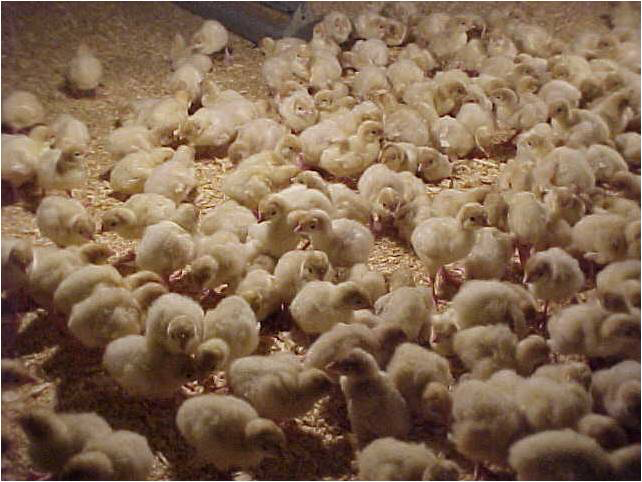
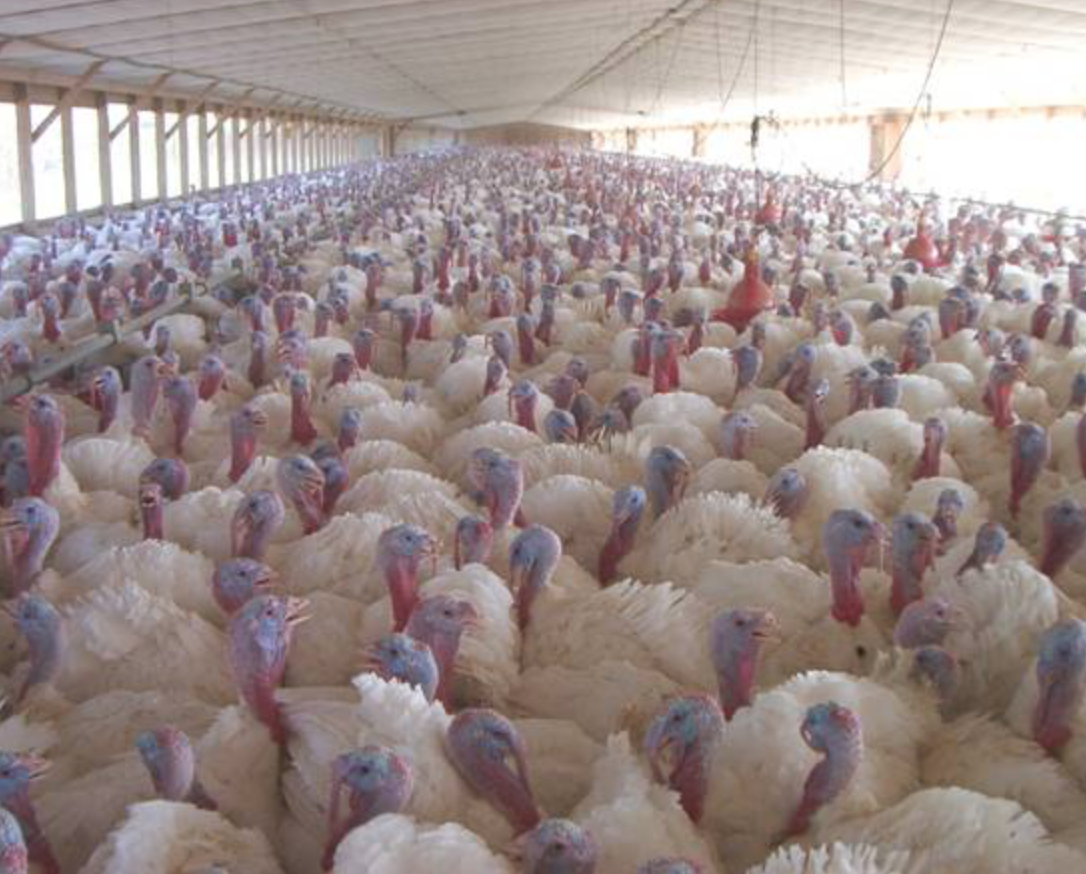
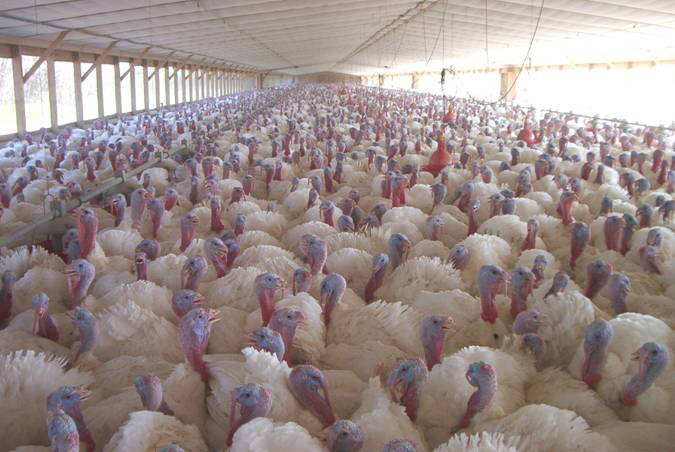
For fears of the infection are no longer stemming from one colossal bird which we all partake, but the emergence among turkeys bred for eating with antibiotics and hormones of a fear that the consumer will be the one making the sacrifice, as specters of diarrhea, cramps, poor sleep, upset stomachs, and vomiting replace the soporific sensation tiredness from binging on tryptophans in ways akin to an accidental (or intentional) overdose of melatonin, with stuffing, sweet potatoes, and more than enough pumpkin pie on the side in a true glucose binge, which may make many feel like they were sacrificing their stomaches and selves, and forget the forty-six million turkeys sacrificed each Thanksgiving, which we still see fit to balance with the Presidential pardon “or commutation” of one turkey’s life. The turkeys, for their part, have lived packed tightly into two and a half to four square foot spaces, breathing dusty air laced with ammonia and whose oversized frames, developed for breeding for markets, beaks and toes removed from an early age, are fed antibiotics in ways that may encourage the growth of antibiotic-resistant bacterial strains, as if by a logic of breeding and producing birds for holiday tables–

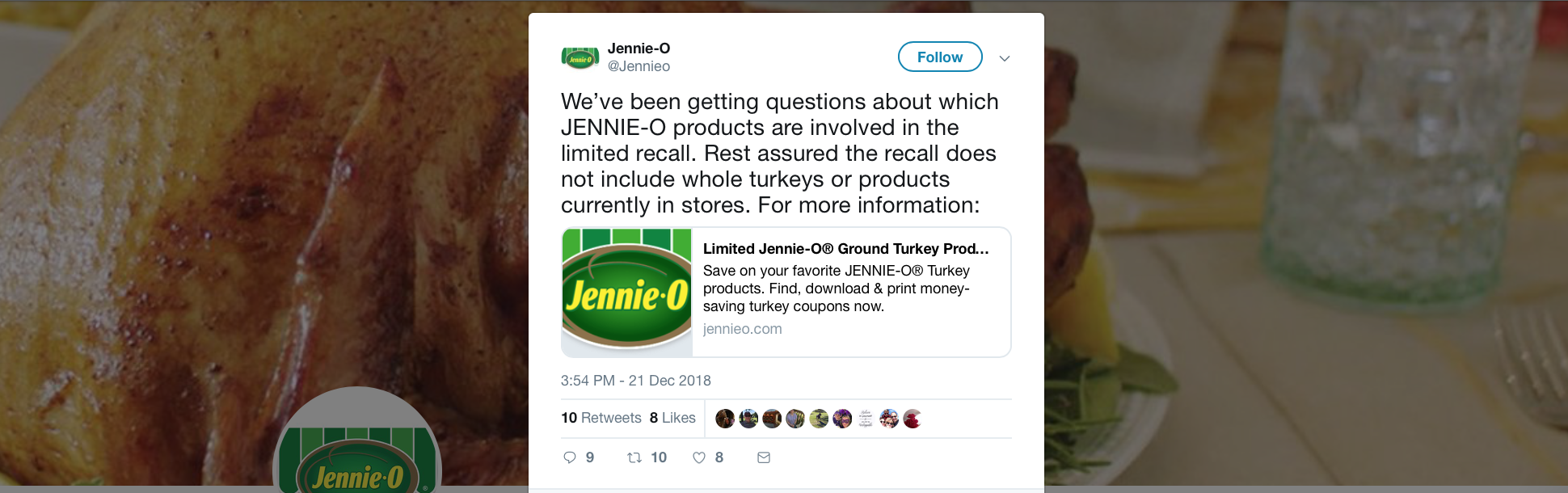
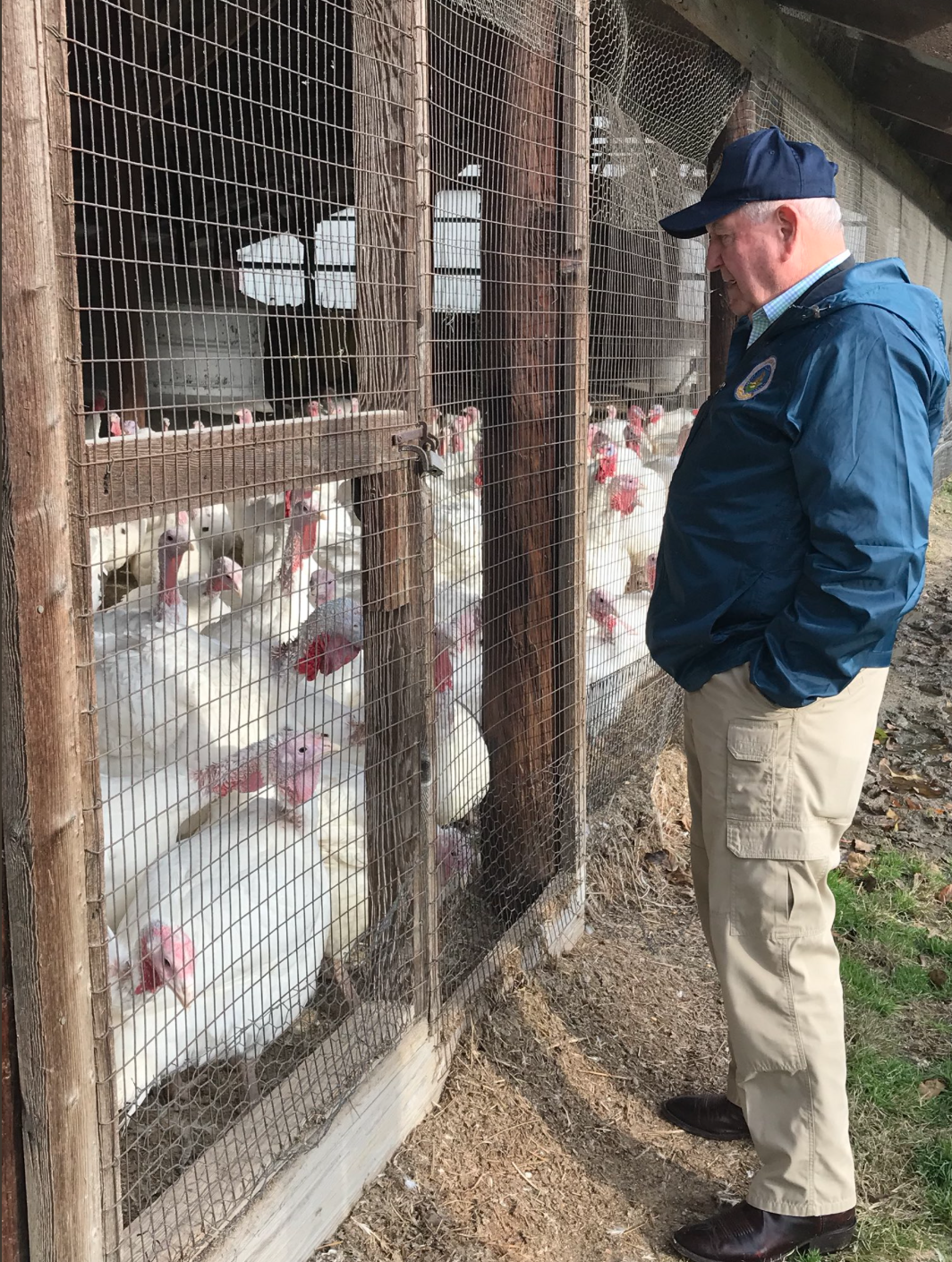
We cling to the false geography of rural harmony in the assembly of imagined agrarian traditions on the Thanksgiving table seems internalized by the marketing of turkey meat by turkey distributors in the social media posts of Jennie-O distributors of turkey. Despite the falsified geography of independent turkey farmers that Secretary of Agriculture Sonny Perdue perpetuates in his visits to family farms on the eve of Thanksgiving, turkey meat has become one of the most processed meats, and the most redefined “product” of the factory farm complex, as its availability for the Thanksgiving season creates a unique schedule of slaughtering, meat-processing, and poultry-distribution has created numerous possible avenues for bacterial infection. The demand for turkeys for Thanksgiving has led to the creation of single strains of birds–a hybrid white larger and faster growing than wild turkeys–far removed from the environment of wild turkeys. In response to markets, a species bred from artificial insemination and designed for eating has emerged, whose reproduction is engineered to ensure fewer males, more productive hatching, and structured the lives of turkeys to accommodate the annual prominence of the Thanksgiving feast.
Indeed, if the expansion of factory farm meat upended any clear relation between the raising of turkey and the bucolic image of the Thanksgiving table, turkey meat has become favored “products” far from animal husbandry. From the arrival of small poults at growing farms where they grow to 24-30 pounds in weight, and are prepared to be shipped to breeder farms, to produce eggs that provide markets with turkey meat, raised separately from males less they be injured while mating, hens are artificially inseminated once a week, and all eggs are collected to be stored off-site in temperature controlled incubators with thousands of eggs, to be delivered to larger farms less than twelve hours after hatching. The truly Taylorist production schedule on which turkeys are farmed at “grow-out” sites to sizes demanded by market tastes before they are transported to processing plants.

Such sad images of factory farming only remind us of the degree to which the finely-tuned operations of turkey production on which the “life” of turkey stock depend. For the birds’ lives are indeed determined by their conversion to carcasses, unsurprisingly, as they lead lives increasingly dependent on a via dolorosa dependent on cutting up at processing plants and arriving as commercial products, if not at dinner tables. Is it any wonder that an alarming number of pathogens have been regularly detected in turkey meat, creating considerable alarm at the discovery of Salmonella infections in prepared turkey meat?

The preparation of the bird that predates the division between the raw and the cooked, placing the “lives” of the birds in relation to the demands for Thanksgiving. Fears of Salmonella infections suggests not only the blurring of the cooking of turkey meat, and the conversion of the raw to the cooked, but the blurring of birds bread in unhealthy conditions for conversion to cooked turkey.

The false geography of the potlatch of the Thanksgiving table has perverted poultry production in the industry of factory farming around profit-margins of poultry providers and public tastes–for specialized cuts, ground meats, whole carcasses, and birds of different weights–as what once was a celebration of harvest has come to organize a complex timetable and cycle of production of raised turkey meat, whose illusory relation to the harvest and the land is perhaps best revealed by the temperature-controlled indoor sex-segregated contexts in which turkeys are raised, and the limited options of motion that most turkeys have in the course of their lives, compared with the huge distances that their carcasses travel cross country, or the shipments from hatcheries to breeder farms to growing farms to slaughterhouses to processing plants to meat distribution plants, in ways that make us wonder what distribution the “health” function of their iPhones might show if their motion was tracked, and how greatly the distance of their travels would contrast with their actual options for mobility in growing pens.

The increased infectious outbreaks that the arrival of bacterial infections of Salmonella in ground turkey meat seem to have threatened to upset the most American of family meals, however, as the fears of contaminated turkey meat have threatened an alternate imaginary of the nation preserved by the long faded image of family units among an infinite number of holiday tables.

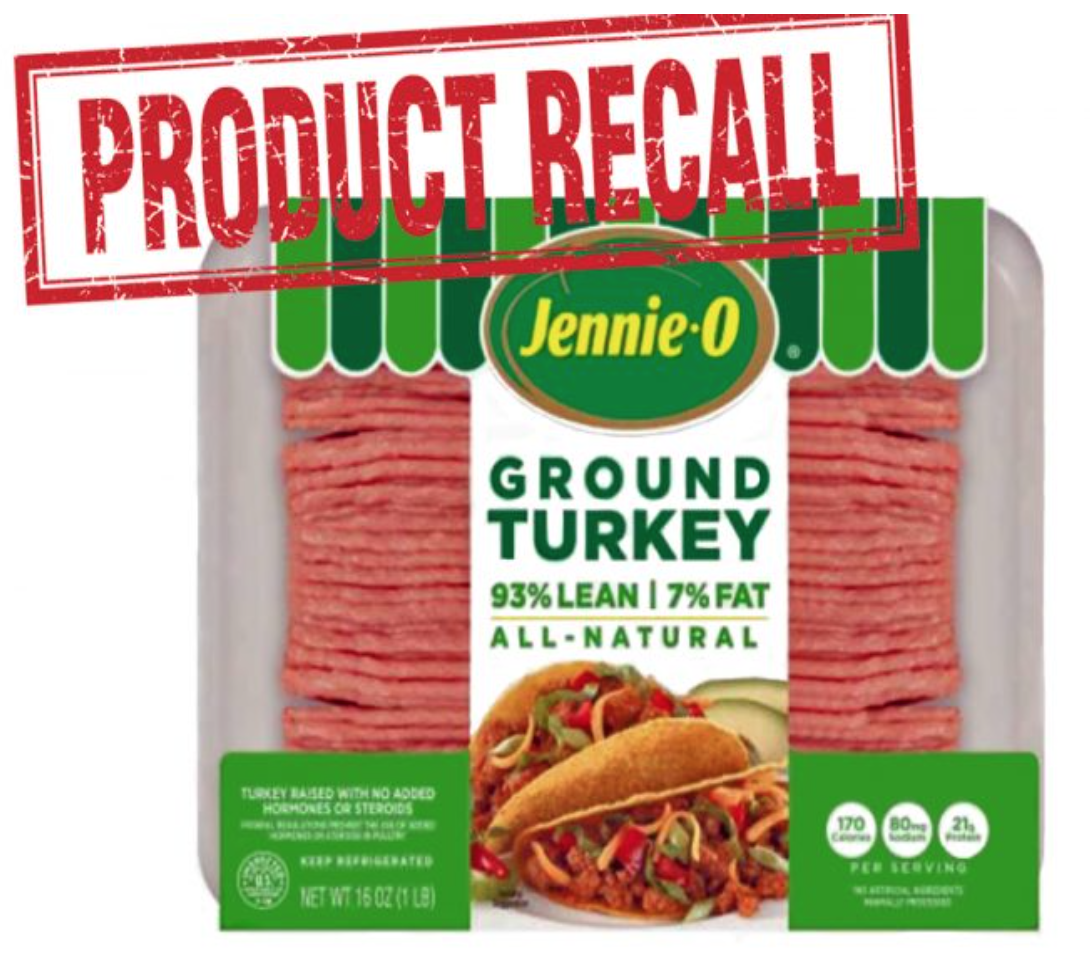
The Thanksgiving plate seems a vestigial reminder of the harmony of the food cycle. While it is enough of a soothing celebration of something with its own complex feng shui to be the background of Jennie-O tweets, the gemütlichkeit of Thanksgiving and myth of the dinner supports a gastronomic reminder of domestic harmony is upset by the increased numbers of infections of turkey in ways that warrant national announcements and concerns from the CDC; each plate on the table is set in perfect order, as an image of the harvest is gathered in a sort of counterpoint on one’s own meal plate. But the harmony of that microcosm was disturbed by seasonal warnings of dangers of infections that this time arrived with increased urgency during the Great Turkey Recall of 2018. Ground turkey continued to be recalled by Jennie-O to the tune of over 164,000 pounds as the salmonella outbreak continued, amidst fears of a government shutdown. And even as fears of troop withdrawals from Syria and Afghanistan raise deep concerns for he nation, the infectious outbreak widened by Christmas, leading producers to assured consumers that the lots of contaminated meat were labeled P-579, to preserve the healthiness of farmed turkey as warnings about Salmonella spread over half the states in the union, and only a small portion of the Salmonella outbreak strains in the nation that had already occurred by 2017, believed to derive from contact with live poultry or uncooked poultry parts in the nation.

Outbreak strains of Salmonella, 2017/Center for Disease Control

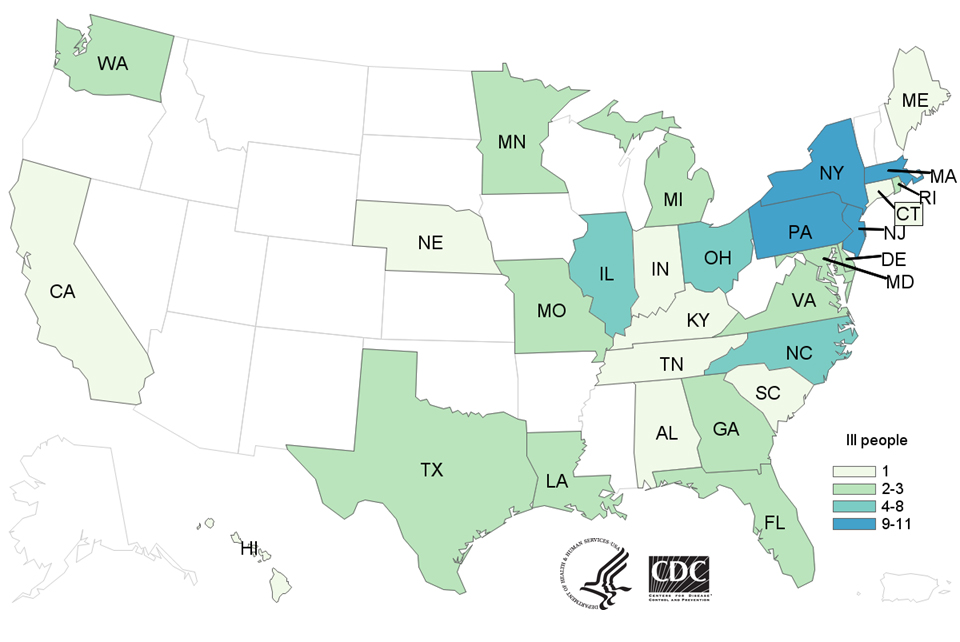
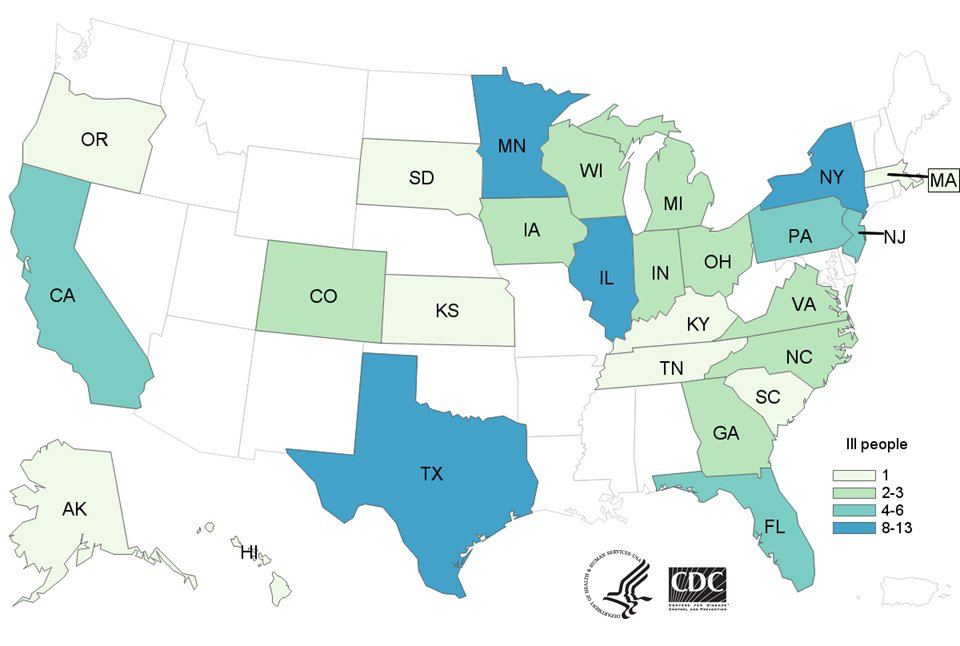
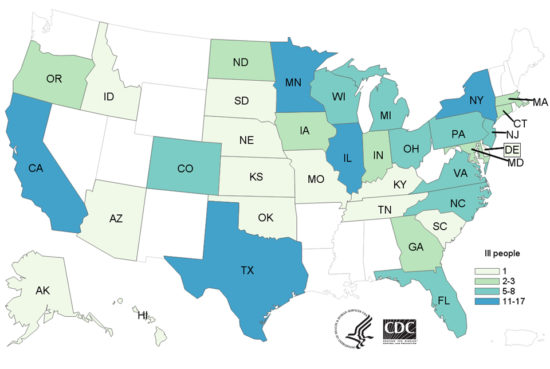
Warnings of the safety of turkey meat are regularly issued by the Centers for Disease Control, or CDC, each Thanksgiving in recent years. The state-by-state parsing of outbreak strains to alert the public for consumption warnings, reveal the broad distribution of infected turkey meat, and their limited clustering suggest the wide range of possible vectors of contamination–

Salmonella infantis breakout, October 2018

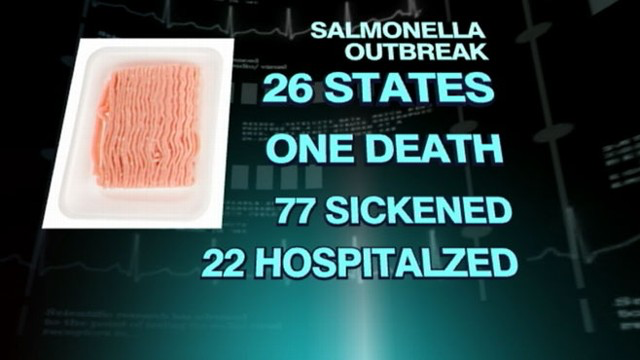
–and if the spread of infections from turkey meat from November 2017 had been tracked across twenty-six states given the dangers of handling or consuming poultry and in the dangers of the butchery, preparation and distribution turkey-meat, as much as its preparation in kitchens across America.

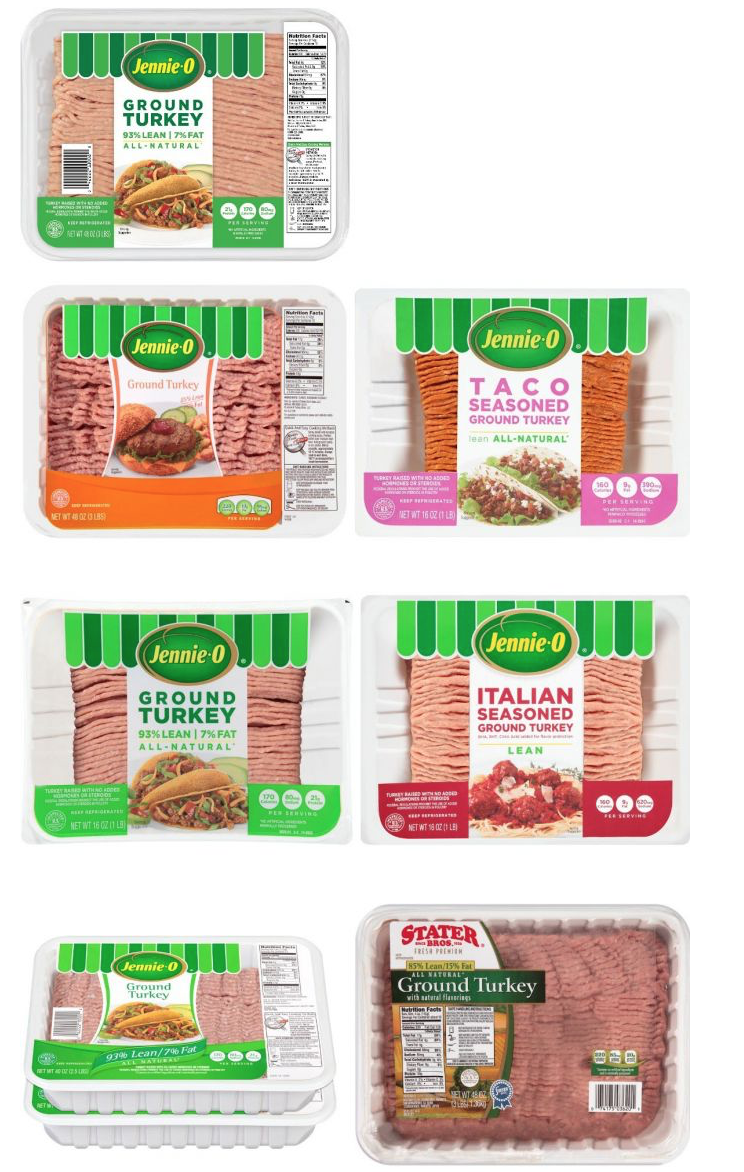
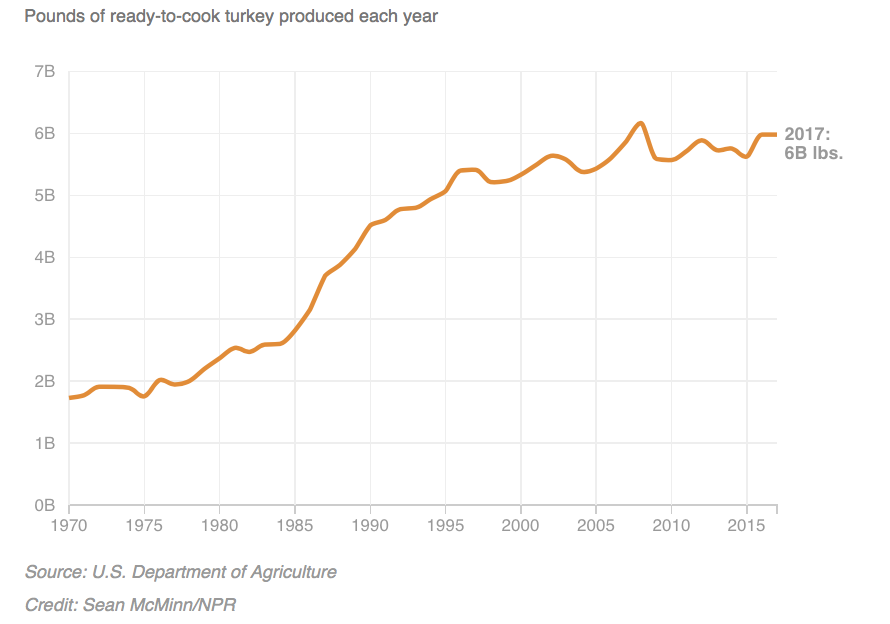
The persistence of the numbers of hospitalizations and infections that were traced to turkey meat suggests less of a clear map of the spread of infected meat–if it documents the incidence of reported cases of Salmonella–than the remove of turkey from local agrarian geography. In an era when the vast majority of poultry is farmed, and the seasonal consumption of turkey meat drives turkey production in ways that put increasing pressures on the production of a large number of turkeys in a small temporal window sufficient to accommodate the arrival of some fifty million birds in time for Thanksgiving, the existing network of slaughtering, refrigeration, and shipment of turkey meat may not allow for adequate meat safety. The annual production cycle of batches of designated fresh and frozen poultry designed to arrive in time for the holiday season has created multiple stresses on turkey meat’s distribution, and indeed on the handling of turkey parts, as well as the multiple way of packaging, seasoning, and flavoring turkey meats to meet consumer demand, as Philllip Clauer has noted in his helpful description of the “modern turkey industry,” as the packaging of turkey products in ways designed to meet a large choice for consumers, both by processing turkeys for individual parts–

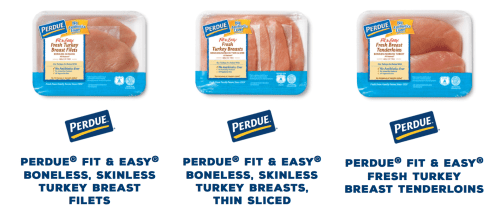
–and offering seasoned varieties of ground turkey, which greatly expand the number of individuals handling turkey meat, by seasoning, marinating, and flavoring what is sold as a “healthy” choice of “all-natural” lean meat for consumers.

The initial warnings of Salmonella poisoning of “all-natural” turkey meat gave alarming immediacy on the eve of Thanksgiving, when turkeys would be arriving in refrigerators nationwide, on their way to ovens, kitchen counters, sinks, and eventually reach their destination on household tables. As infections spread to thirty-five states, the constellation of states which saw over seven infections–New Jersey, Pennsylvania, Florida, Illinois, Minnesota, North Carolina, Virginia, Texas and California–provided testimony to the threat of actual infection of the nation, that spread from turkey processing plants often located at a distance from factor farms where most farmed turkeys are raised in crowded conditions.

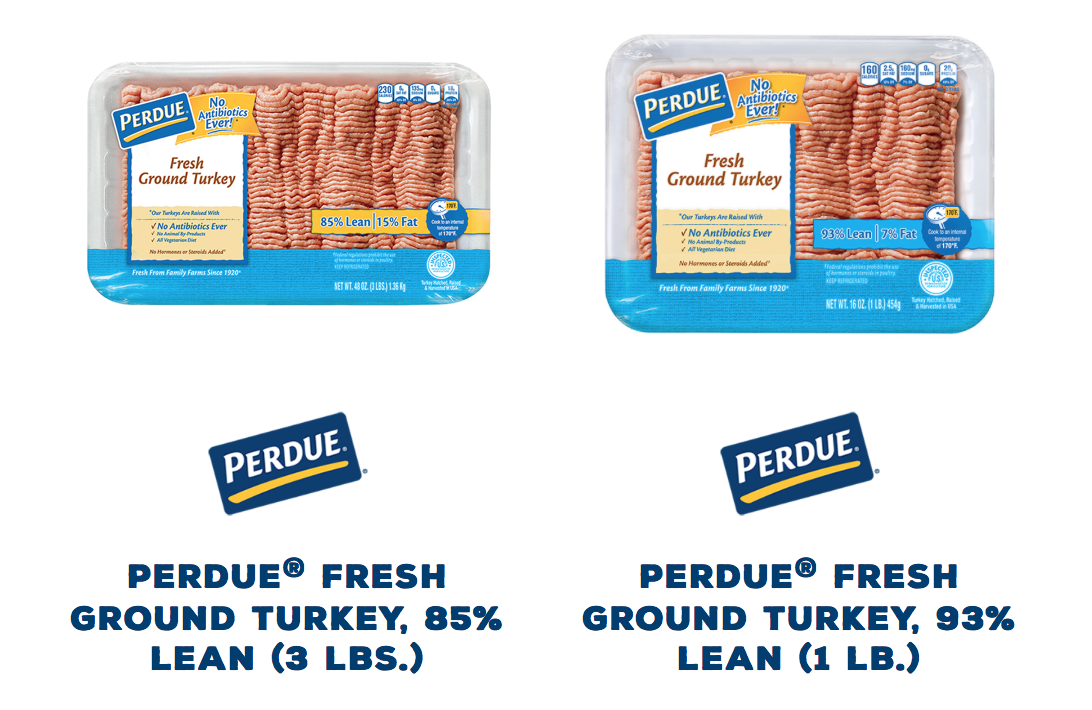
The national feedback loops let processing plants calibrate the demand for whole turkey for each Thanksgiving Day and through Christmas.   But it has raised alarms that the arrival of turkey meat is less safe than usual. Even as producers assured the public on social media that the outbreak strain was limited to ground turkey, and not whole animals–“Rest assured the recall does not include whole turkeys or products currently in stores”–as if this would inspire calm in the poultry markets, graphics of expanding numbers hospitalized across the nation has raised continued fears–only partly restrained by assurances that Jennie-O distributed with promotional coupons, and assurances about eating turkey “when properly cooked”–and that contaminated ground turkey had been labeled lot “P579” produced in Minnesota in the week October 21-2.

While such warnings narrowed the source of the contamination that had by now spread nation-wide, the extent of the national distribution of ground meats from specific sites confirmed the industrial scale of the production and distribution of turkey meat.

The CDC is right to exercise a degree of vigilance over reported cases of Salmonella infections and their strains, and WaPo was right to publicize just how many states have been struck by multiple  reported cases of contaminated bacteria-bearing turkey meat–even if the mapping of a “spread of infection” is hardly able to be deciphered even by the best epidemiologist’s sleuthing, and suggested subliminal cautions about consuming any sort of undercooked meat, one possible clear culprit.

Mapped across multiple states, and derived from antibiotic resistant strains of the foodborne virus, the product recall of ground turkey was so disturbing to receive in mid-November offered a reminder of dangerous disequilibria in our food production and distribution complex among some of the largest distributors of factory farmed turkey meat on  which the nation has come to rely for creating the appearance of culinary harmony.

Although we carefully compartmentalize away from the recipes or preparation of the annual feast, a division between the live animal and its carcass, the origins of disease are increasingly tracked with one hundred and sixty four taken sick. The possibility of a bacterial infection being “widespread in the turkey industry” created fears of a broad outbreak–reprising the terrifying antibiotic-resistant outbreak of Salmonella of 2011 in both turkey and beef, which were also focussed on Salmonella Hadar in Jenny-O turkeys–a subsidiary of Hormel–and Salmonella Heidelberg in Cargill Meats.

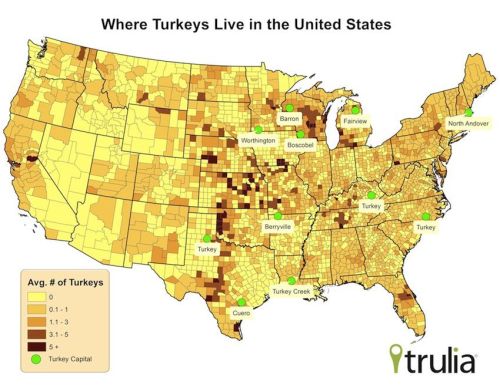
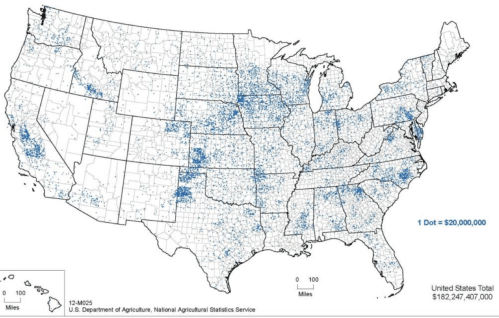
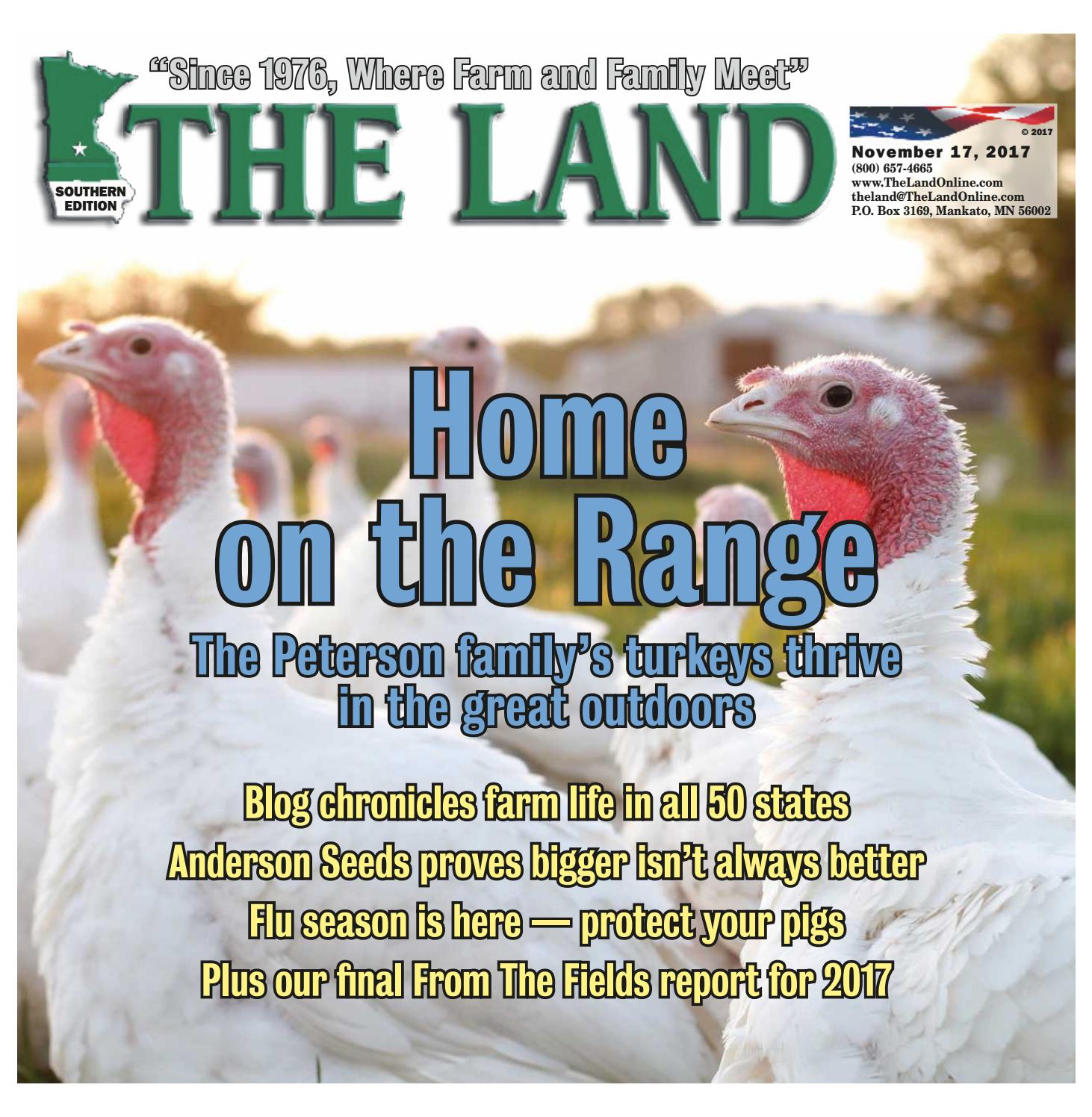
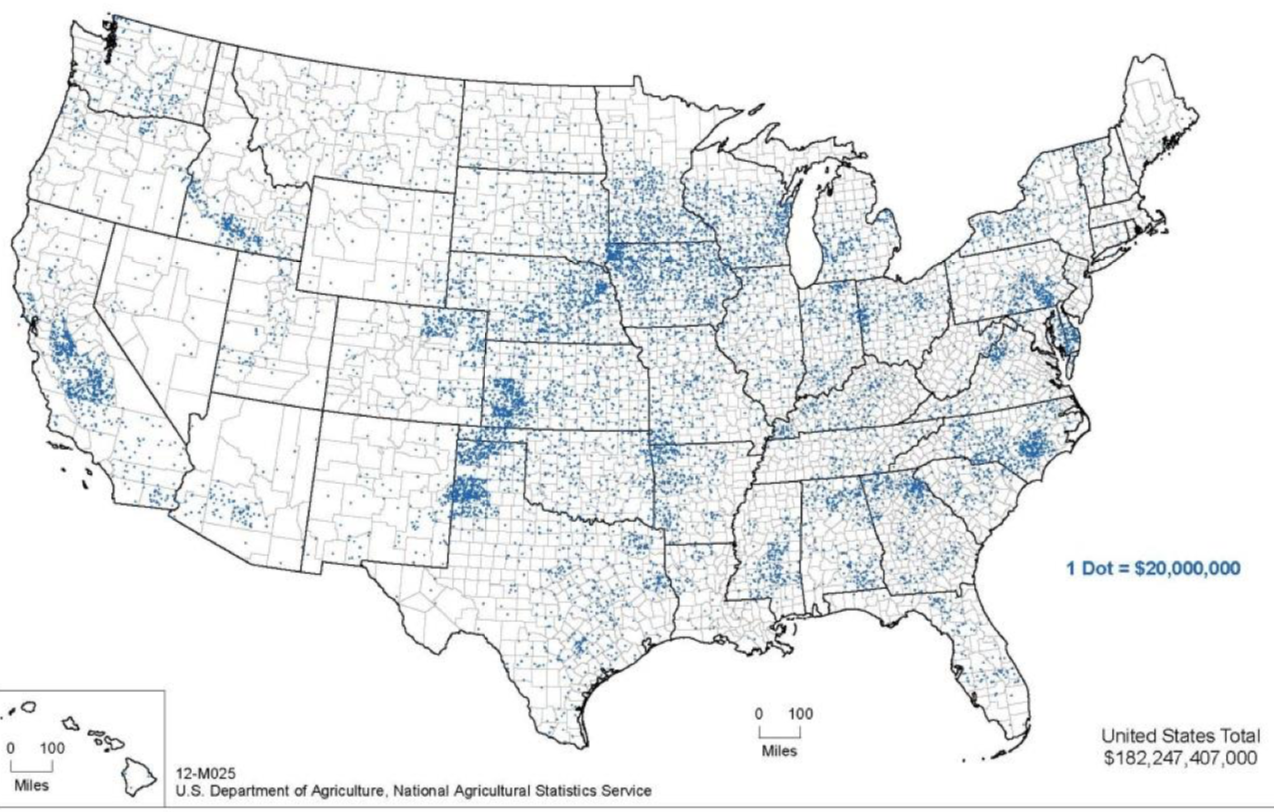
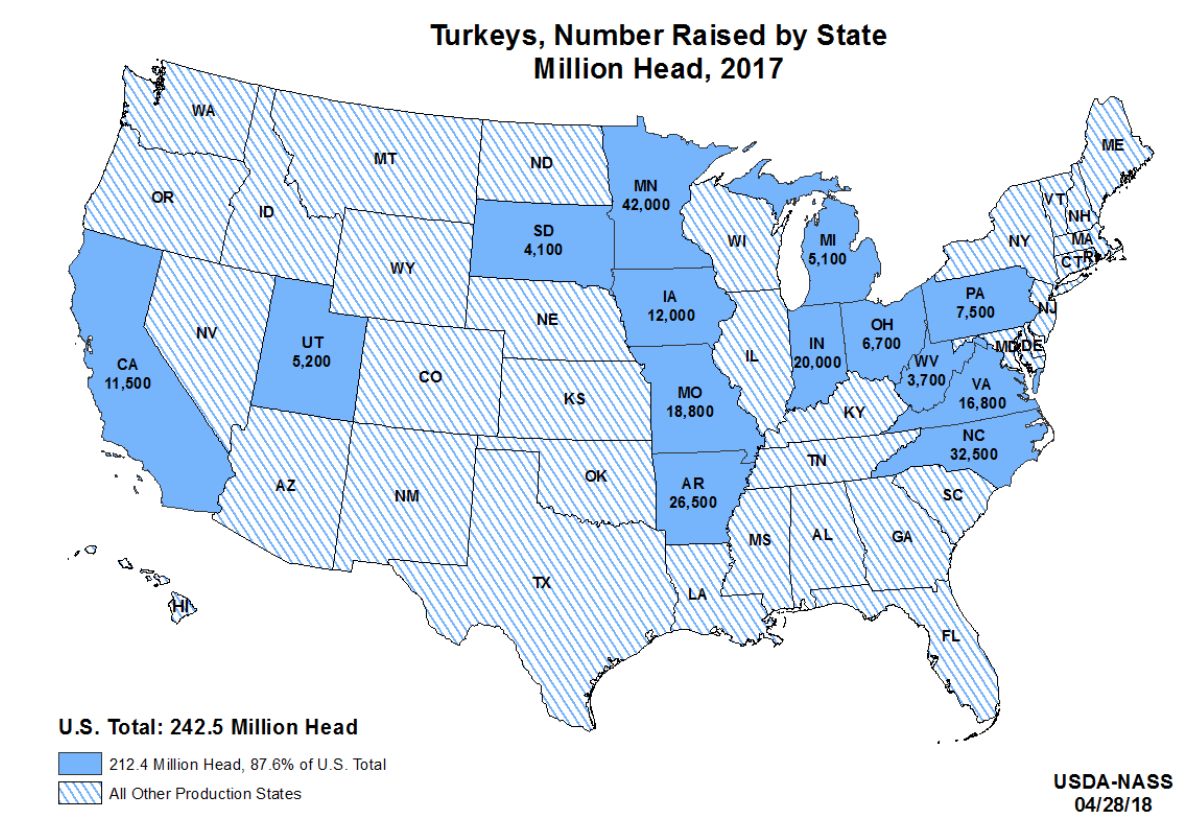
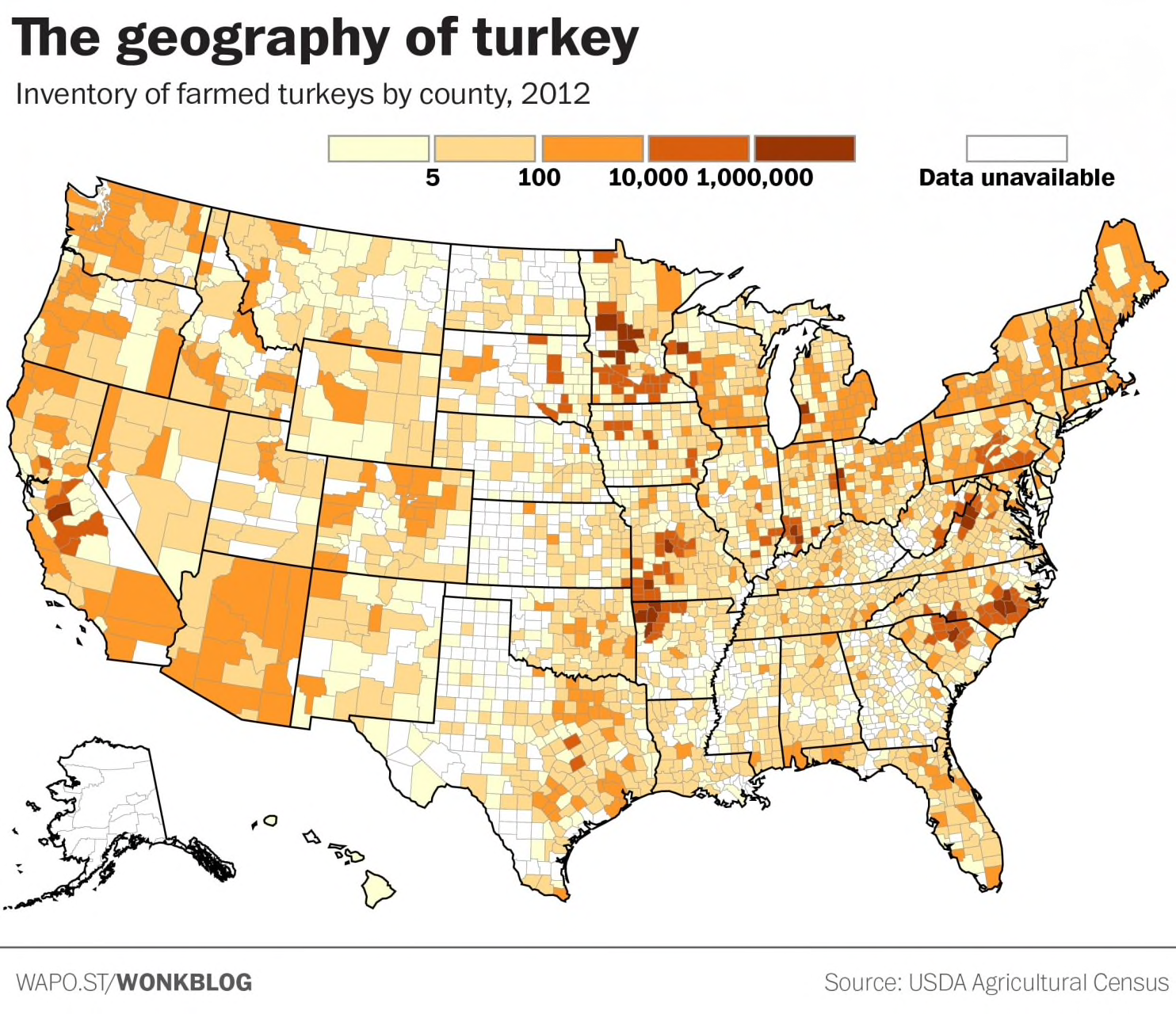
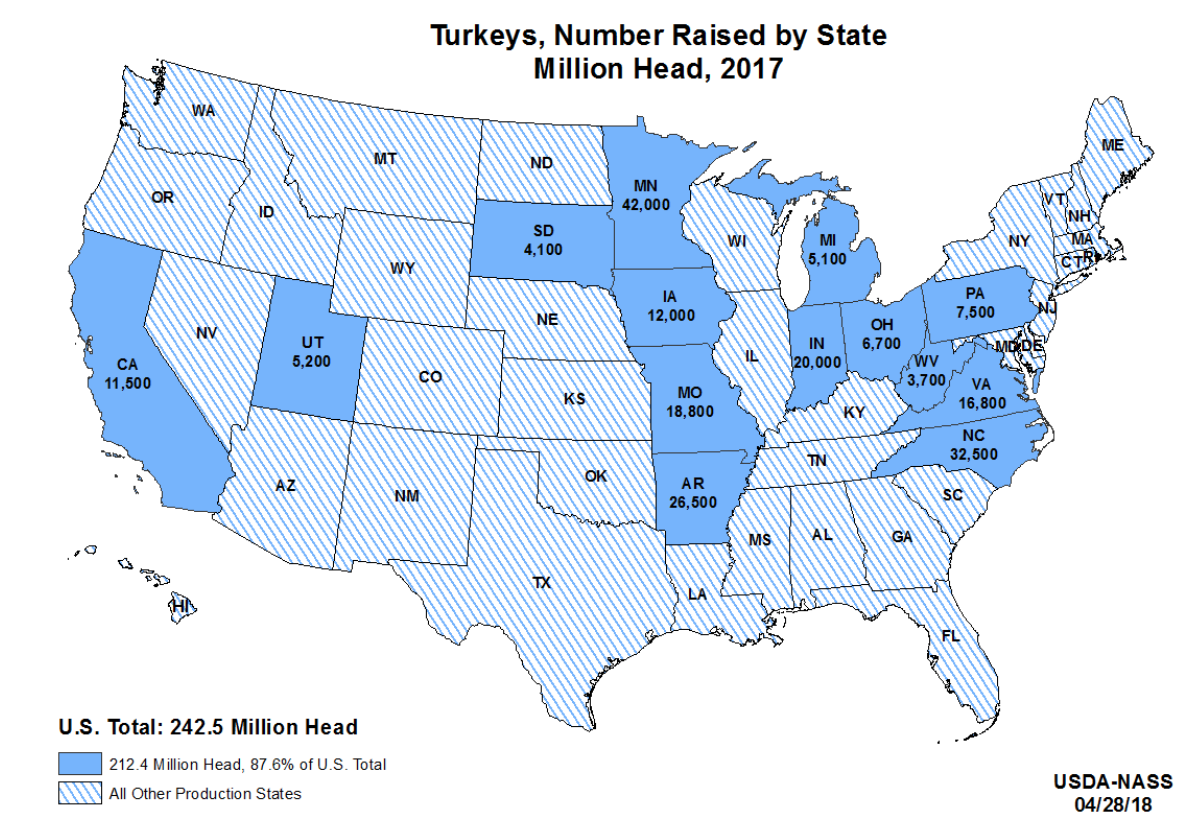
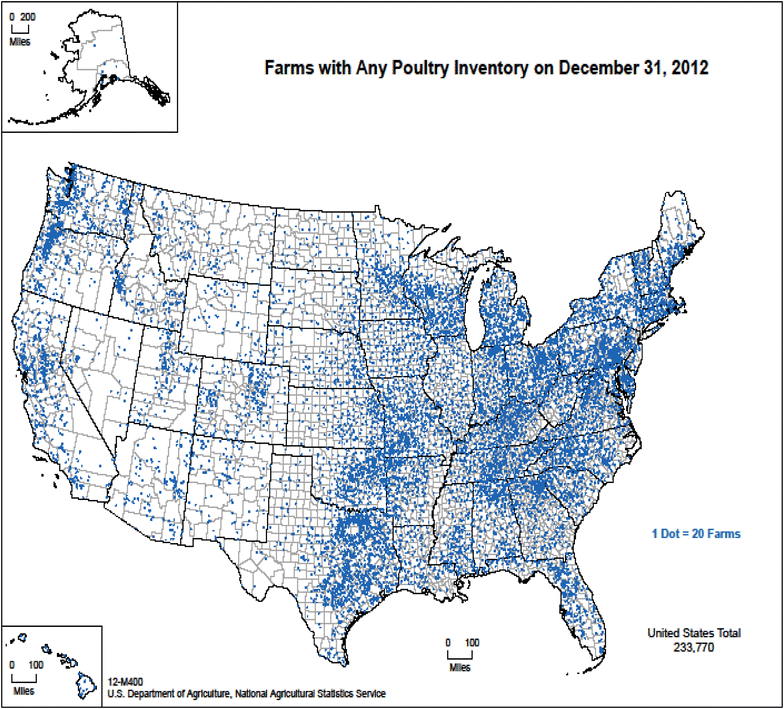
Indeed, the image of Thanksgiving celebrating fruits of the harvest is upended in the current  industrial scale production  of turkey in our nation:  the industry around Thanksgiving orients the hatching and raising in large indoor cages of millions of birds for November arrival in supermarkets and shops stands at such remove from the seasonal harvest and old agrarian calendar to make us realize the tensions between the current landscape of factory farms with the image of the provision of wealth focussed on the bird arriving well-cooked at one’s holiday table–as the specter of birds infected with antibiotic resistant bacteria at some or several points in the process of farming or producing birds designed for our dining room tables. If the production of turkeys in America–densely concentrated in parts of Minnesota, Iowa, Arkansas, Omaha and Texas, in more extreme geographic concentration than other varieties of poultry, when assessed by value–
Distribution of turkey farming and poultry farming across the United States of America
Comparative distribution of poultry and turkey farming by value
(2007)/https:/USDS Animal Health Demographics, 2010

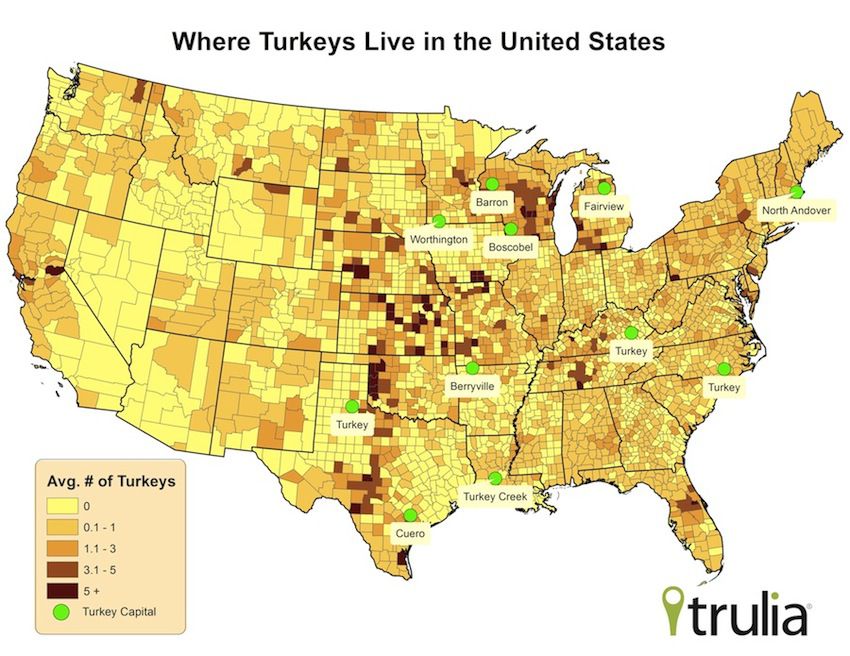
–in ways that contrast sharply with the actual broad distribution of wild turkey across regions of the United States–

–or the actual broad number of local farms where poultry is raised.

The concentration of the farmed turkeys that arrive at Thanksgiving tables, and in American markets, arrive from a far more restricted area. The result of this concentration poses possibilities of introducing infections, within the distribution of turkey meat. Although the agrarian illusion of Thanksgiving as a bucolic, authentic, and rural event is removed from large cities and sites of urban pollution and grit, the clusterings of mega-farms in fact stands as something like the crooked spine of a nation.  
The striking density of such farms suggests the degree to which turkey farmers are increasingly bent by the market tyrants from Butterball, Hormel, Cargill, who determine the interface between the national demand for turkeys and the condition and welfare of their supply.  The calculus of Turkey production pivots, unsurprisingly, on Thanksgiving, where the demand for the birds seasonally peaks. Such concentration of poultry production reflects its reliance on the production of readily available grain, and especially soybeans, that constitute the bulk of turkey feed.
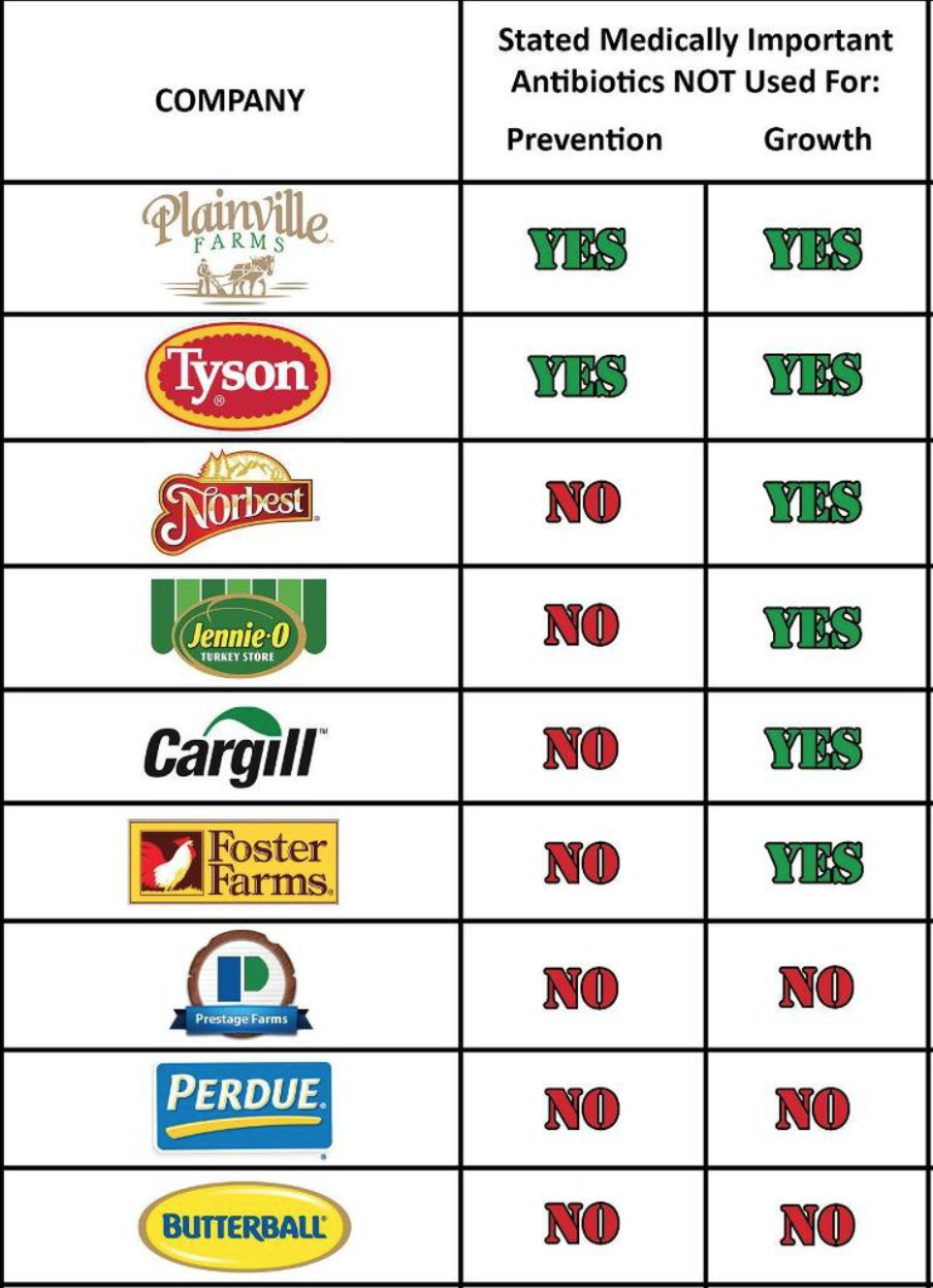
 With three of the folks who were taken ill with Salmonella working or tied to someone who worked in facilities that either farm or process birds for eating, or raising turkey meat–raising questions about the exposure of those who work on farms to antibiotic-resistant bacteria–or from raw turkey that was intended as pet food.  The outbreaks of bacteria resistant to multiple antibiotics, from ampicillin to tetracyclines to streptomycin, may be tied to prophylactic antibiotics adopted in industrial-scale factory farms.  Despite the proposal to introduce an outright ban on using tetracycline at sub therapeutic levels, the failure to adopt such restrictions has created the situation where three quarters of all antibiotics used in the United States are used on livestock:  back in the late 1980s, the rates of administering antibiotics to humans and animals had been roughly equal.  And the introduction of a diet of antibiotics in an expansive industry of turkey production.

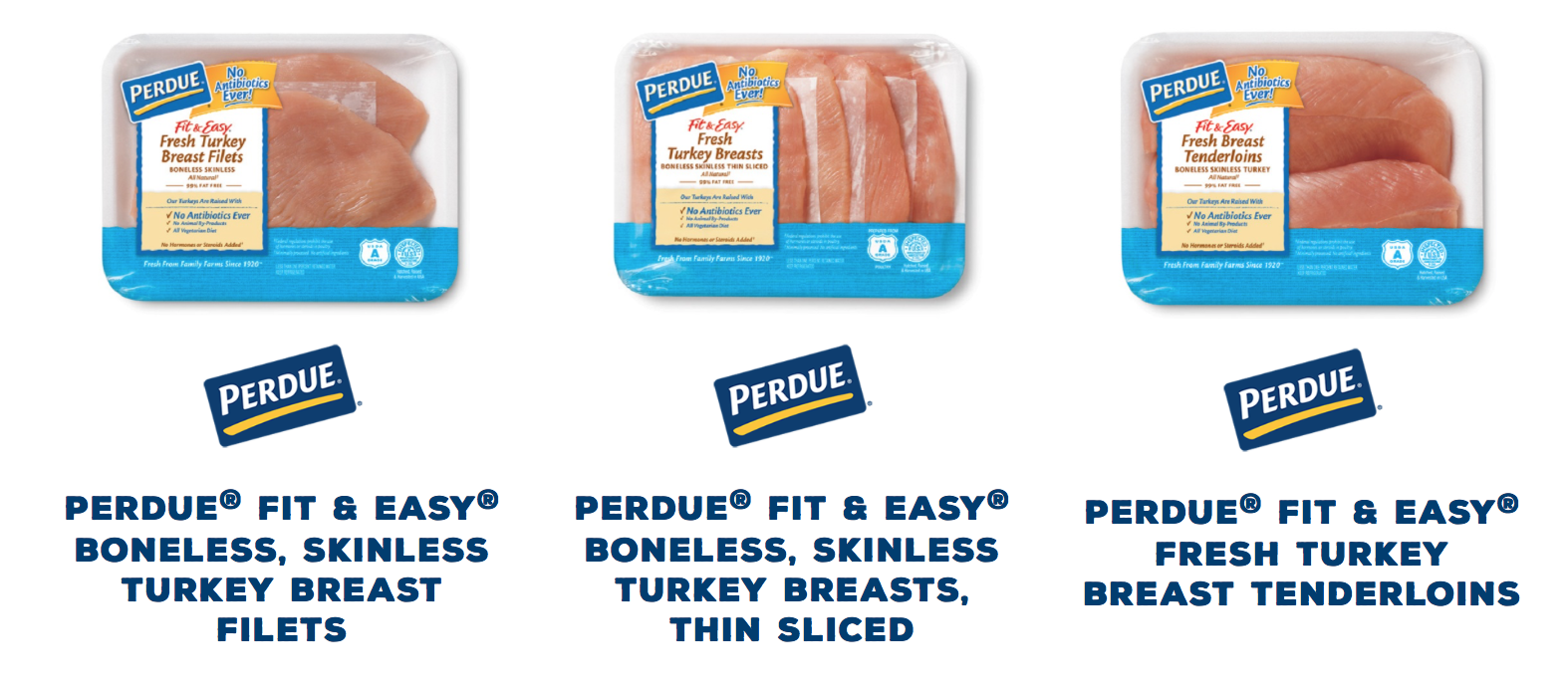
The mis-use of antibiotics to increase the size of raised birds–a danger to which turkeys are particularly vulnerable, as they are prized and valued for their size and the rapidity of growing birds to a large size–even if the FDA discourages using antibiotics to promote growth, the absence of any regulatory enforcement as to what amounts constitute proper prevention has opened a large loophole in American farming:  Norbest, Jennie-O, Cargill and Foster Farms prohibit using antibiotics for promoting growth, but not for disease prevention, creating a broad opening top the use of antibiotics, as Food Animal Concerns Trust (FACT) found in 2015, when it survived the feed additives that major United States producers of turkeys–including Cartill, Tyson, Jennie-O, and Perdue–and the beta agonist Ractopamine, which has been banned in the European Union, but remains legal in the United States. 

The production of turkeys in this agrarian-industrial complex runs like clockwork.   Fertilized turkey eggs are incubated for a month before hatching, resting to grow for three to four months in farms, and are shipped to a slaughterhouse or processing plants for predation for markets in time for Thanksgiving celebrations, as if inexorably attracted by the annual calendar of consumption generates a production schedule that is something of a dialectic, exerting undue pressures of production on factory farms to produce turkeys of increased size (who wants small birds?  few did until recently) who are best produced through extra antibiotics, in a sort of “dosing” of the sacrificial bird before its ritual sacrifice.  Rather than sacrificed for the harvest in a natural way, farms have perfected a strategy to produce sufficient birds of needed size that constitutes a production schedule mirroring the harvest, but introducing a few mechanical tweaks hinging upon transport, distribution, and demand:  of the turkeys hatched each spring, slaughtered birds are refrigerated to temperatures below 40 degrees Farenheit, but above 26 degrees, in time to arrive in something like the fresh frozen state by late October or early November for the preparation of the Thanksgiving table.

The prominence of Thanksgiving in the lives of the farmed turkeys as the  fulcrum along which raising birds turns is not oriented to the farm, or the seasons, in other words, but the elastic market that determines how fifty million birds can be supplied to those wanting to repeat the national ritual of Thanksgiving feasts.  If technology was recognized as the subject of the contemporary historical tragedy in the technicians of production, the mechanics and techniques of turkey raising may post part of the problem.  For the production schedule offers multiple opportunities for bacterial infection that must make them particularly sensitive to carrying food-borne disease.  The slaughtered fowl shipped out to retailers respond to the levels of demand marketers find, allowing them to shift some carcasses designated for lunch meats, individual breasts and legs sold in packages, or ground turkey back into the processing of whole birds, suggesting the actual fluidity between ground turkey meat and the birds arriving at Thanksgiving table.

 The extent of these fears were readily tapped by recent maps of the feared outbreaks of Salmonella infections from tainted supplies of turkey, transmitted in undercooked meats, that seems poised to threaten to frustrate the harmony of the social potlatch of harvest foods, as warnings of the danger of infectious disease have spread, with Thanksgiving only weeks away, across thirty-five states–in a reprisal of fears the previous year of the first reports of cases of a bacterial strain distinguished by its resistantancn to antibiotics.  The discovery and identification of the strain of antibiotic-resistant Salmonella Reading prompted fears for a Thanksgiving outbreak of infections, which rather than mapped with the level of detail that would reflect the detection of the outbreak  in sampled raw turkey products from some twenty-two individual slaughterhouses and seven meat-processing plants, were described only in a state-by-state distribution of total reported infections rather than the actual vectors of infectious disease:   the Washington Post designed the below infographic to alert its readers to the worries of a spread of tainted turkey meat, coloring states with the greater number of reported infections as if in more underdone shades of meat, but their removal form any sense of the sits of distributors or slaughterhouses concealed rather than clarified.

Washington Post, “Salmonella contamination in turkey is widespread and unidentified as Thanksgiving approaches” November 16, 2018

The color ramp on this infographic derived from public records released by the CDC.  If its immediate message was to remind viewers of the dangers of serving underdone turkey meat,   the deep understory may have been a lack of full transparency how the government agency hid the identities of the turkey suppliers identified and suspected of slaughtering, distributing, and selling the compromised meat.  The watchdog Center for Science in the Public Interest (CSPI) has noted in the past the danger of agencies protecting the suppliers with considerable vested interests in keeping the turkey-industrial complex that carries millions of birds to American holiday tables on time for this national feast.  The fears of such a relinquishing of responsibilities of good government  is perhaps not surprising in the current pro-business atmosphere of Trump’s Washington, with Georgia chicken family magnate Sonny Perdue the nation’s thirty-first secretary of the USDA; Purdue somewhat generically retweeted the public cautionary food safety warning to handling bird carcasses,but without mention of the outbreak–inspiring the quick response that the “best” defense was in fact to “only eat veg” over the holiday feast.  

And if “talking turkey”as an expression of speaking frankly has been argued to have originated in the open spirit of the holiday–if also possible in “talking cold turkey” as a way of discussing actual facts may have arisen within the context of the holiday–less about contact with native Americans than the recreation of bonhomie and openness at the holiday table–the alternatives of pleasant conversation and frank discussion both stand at odds with the current concealment of an actually accurate map of food safety.  For the distribution of toxic turkeys and their origin in the supply chain or in factory farms seems concealed for know of left unclear in maps that register the arrival –evident in recent identification of sources of tainted meat suppliers as Tolleson, the source of many of the contaminated turkeys, to beef products sold and distributed by sources tentatively identified for the public as including Kroger, Laura’s Lean and JBS Tolleson generic.  The uncertain landscape of bacteria in fresh, processed, and frozen meat raises fears of food-born diseases as something like a self-made dirty bomb.  

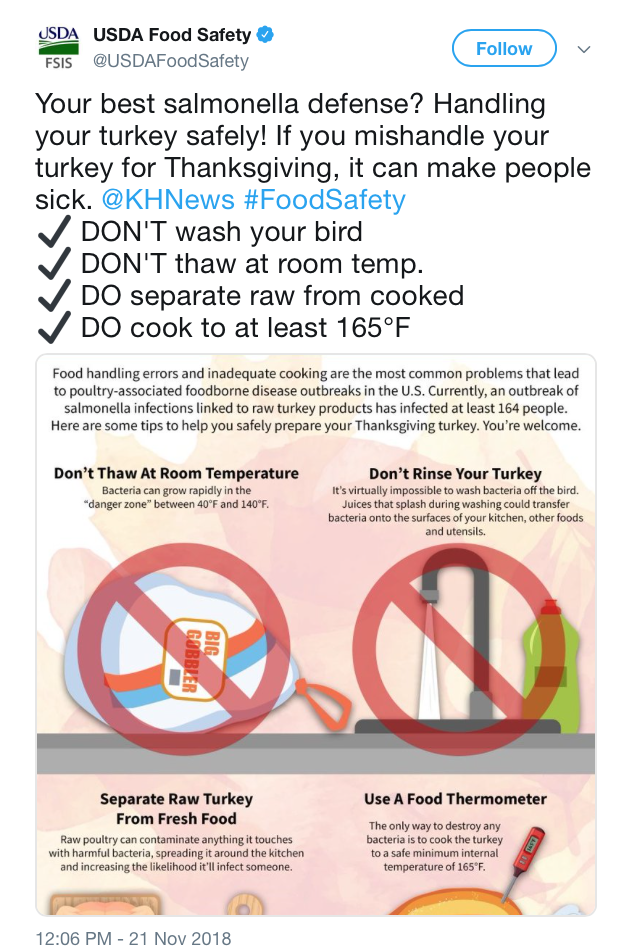
From the perspective of the USDA,”food safety” is described less in terms of the conditions in which birds are raised for sale, than to the kitchen practices of preparing and cooking the bird, a  familiar ritual of cleaning and defrosting the meat, as a set of four”best practices” of delivering the safest bird to the holiday table–

–rather than addressing the questions of how such a strain was introduced, or the steps that should be taken in bagging, buying, and storing potentially infected turkey or chicken carcasses, as if to shift the onus to the consumer and the preparer of the holiday meal, rather than the question of how the breakout diseases correlated to the increasing dependence of turkey distribution on factory farms and large meat-processing plants.

Tracing down the origins of the bacterial presence of different Salmonella strains seems to have been far from the minds of the officials who issued assurances confined to food preparation, in hopes to assuage public fears, and dampen suspicions that infections were endemic to the turkey-industrial complex.  USDA Secretary Sonny Purdue–scion of a firm of Turkey suppliers–and not exactly a disinterested source, but more of a representative of the industrial farming of poultry meat that presents itself as “fit & easy’ and “fresh”–and “changing the way we treat chickens” and with a commmitment to animal care–

Perude may have been profesionally distracted on social media, to be sure, between attention to tampering down alarms of the damage caused by Hurricane Michael across the Florida panhandle and the Camp Fire and Woolsey Fire in California, which unleashed  alarms about forestry, agriculture, and water infrastructure.  But the deceptive moves to pin the epidemic of wildfires on inadequate or lacking “forest management”–rather than climate change seem to be mirrored in his direction of public attention to the cultivation of best practices of poultry preparation to the exclusion of any acknowledgement of the widespread discovery of antibiotic-resistant bacteria within the very sorts of turkey meat that his family business has long prepared.  Even if he tweeted on November 22 to followers to enjoin them to be conscious that “if you are preparing a meal, please remember we have American farmers to thank for the bounty,” erasing the industrial-scale structures of poultry farming –even as Perdue presided over the deregulation of the poultry industry, undoing powers that earlier administrations gave to small farmers who raise antibiotic-free fowl or work on contract for meat industry players–Butterball, Jennie-O, Cargill, and Farbest Foods–to bring charges against them for abusive distributive practices, introduced under the Obama administration to provide better guarantees to control meat production, in hopes to “control frivolous litigation,” that would and prevent agribusiness meat processing companies from setting terms to family farms–continuing the USDA’s existing regulations for meat packers and stockyards would only serve, poultry lobbyists argue, to “open the floodgates to frivolous and costly litigation,” but leaves distributors and agribusiness to dictate the terms of turkey sales, production, and livestock conditions.

But the alarms about the quality of the birds raised by our nation’s largest suppliers of turkeys should not be lost in the instability of the spread of fires in high-population areas and increased damages from natural disasters.  Perhaps the only acknowledgement of the fears of contaminated poultry bearing antibiotic-resistant bacteria were present in the public promise that Purdue would share oversight of culturing food livestock and poultry cell-lines with the FDA, prospectively producing a new regime of food safety for the future.  The infographic from WaPo couldn’t not respond, in the meantime, to growing suspicions that the birds that would soon lie on our tables derived from tainted meat, and that the holiday stood to increase our vulnerability across the nation to uncomfortable intestinal disquiet. However, it makes sense to ask whether the deregulation of farm conditions and livestock conditions would not act–as President Barack Obama predicted of Citizens United decision allowing the deregulation of funding of political campaigns stood to “open the floodgates for special interests—including foreign corporations—to spend without limit in our elections,” by removing any restrictions for livestock raising.

It remained striking that among Perdue’s extensive visits to family farms, @SecretarySonny was notably silent about the concerns for the spread of infected meat within the Turkey-industrial complex of United States farms and poultry distributors.  Perdue preferred to tweet out openly promotional images of Secretary Sonny visiting favorite small-scale suppliers of Thanksgiving birds to his followers, a farm producing but 30,000 birds a year–unlike the factory farms from which most of the fifty million birds arrive at American Thanksgiving tables–within other promotional images of the Secretary visiting family farms that seem to be carefully curated to suggest his ties to the family farm, and to a bucolic image of where our healthiest turkeys are bred–overlooking the dominance of four firms– Butterball, Jennie-O, Cargill, and Farbest Foods–in the distribution and slaughtering of turkeys, and the dominance that larger firms will continue to have over family farms, driven by the demand to produce larger birds more quickly to fill a growing market for turkey meat.

USDA @SecretarySonny’s tweet about his November 12, 2018 visit to Lee Farms in East Windsor NJ

If Perdue’s tours of family farms and promotion of American farmers on twitter suggests an agrarian paradise dedicated to prosperous family-based animal husbandry, the active social media feed provokes a picture of wholesome husbandry far from the range that occupies such a prominent place in the American imaginary that is regularly reactivated every Thanksgiving, sharply dissonant with the American farmscape, or the distribution networks that dominate how farmed turkey meat arrives at our tables, as the Secretary of Agriculture does his part in sustaining the illusion of a rich agrarian landscape blended harmoniously with a farmscape where the bounty of the land still exist in a “great outdoors” rather than in a market for processed meat–promoting the idea that Minnosota, the capital of farmed-raised turkeys, raises those turkeys outdoors, rather than in large, indoor hangars.


–or in the pre-packaged sales of farm-raised turkey meat.

Perdue Factory Farmed Turkey Parts

The current distribution of infections from antibiotic-resistant strains of Salmonella in turkey meat run against the bucolic vision of the harvest holiday, and suggest the danger of dependence on a constellation of factory farms and large farms serving distributors of cut, ground, and whole birds.  The discovery of vectors of infectious disease haven’t been traced within the food supply cycle with any fine grace, but suggest the national level of disquietude and unease at the possibility of a breakout virus in the birds soon to arrive at our tables.  

The data viz seems designed to trigger unease at breaches between the categories of holiday tables and the factory farms that are so often sequestered in discrete categories, and indeed upset the vision of a smooth circulation of turkeys from farm to table.  By breaching the domestic and the large-scale distribution of meat in the nation, categories usually kept neatly separate, fears of communicating bacterial infections through undercooked turkey meat seemed materialized in the data visualization authoritatively provided by the CDC, whose newly tweaked palette revealed the dangers of the divide.  For despite the clustering of an immense amount of wealth in poultry products in areas where canola grains, a staple in bred turkey diets, are cheap, able to convert low-cost grains to valued poultry products–often removed from their most common sites of slaughter for the bulk of the American market.

Total American Poultry Market (2012)
($182,247,407,000; dot=$20 Million value of poultry)

The divide between the clustering of distribution centers for American poultry markets seemed removed from the ones which arrived in our refrigerators to be basted in ovens, in annual idylls of domesticity.  The creation of a USGS Breeding Bird Survey suggests the increased density of such “turkey capitals” that are in three cases named “Turkey,” as if they are the modern remnants of old factory towns, where talking turkey presumably means serious business and a way of life.

Ralph McLaughlin, “Turkey Capitals of America” (2014)

The concentration of that the wealth of poultry overlaps with the current states where bred turkeys remain concentrated in quite disproportionate ways, let alone disturbingly unclean living conditions, and where they lay in waiting en route to slaughterhouses before arriving at distribution networks, including two Wisconsin towns that announce themselves as the “turkey capital” of their state; the belt of turkey heads across the middle of the nation–or from Minnesota to Iowa to Missouri to Arkansas–

The dramatic geographical concentration of inventories of turkey farms in the United States six years ago already raised questions about the health consequences of such intense overcrowding of poultry farms–even if we don’t seem to measure the concentration of farmed turkey that have grown increasingly concentrated, placing literally millions and millions of farm-bred birds, many raised for the Thanksgiving table, in dense concentrations at factory farms with little sense of the growing worries of public health that such concentrations might cause or provoke, as the demand for the bird long limited to holiday feasting has grown as a “healthy” option and an alternative choice for fresh pet food.  

While that may not seem to have much to do with the turkeys that arrive, fully cooked, at our tables–

–in releasing an elegant infographic of the nation divided by the coloration rof shades of cooked poultry, so unlike the red-blue divides of political preferences or a  classic five-color map, the Washington Post seems to cast findings of Center for Disease Control that only added to our ongoing worries of preparing the holiday centerpiece with Thanksgiving but a week away. The meat of the holiday meal that once stood as our civic religion has become a monitory map, as it were, warning the country of the danger of holiday meats tainted by Salmonella infection, and the disruption of any sense of gemutlichkeit or worry-free feasting, reminding us of a potential epidemic across the nation that are liable to be released by roasting the turkey at a low temperature, or underdone meat.  The way that the public service announcement of the group monitoring the safe national production of poultry factory farms offers an image of a nation not on holiday, but with need for constant vigilance, using maps–the new register for expressing alerts for greater vigilance–to be directly and immediately expressed.
The new sense of suspicion that our birds derived from tainted meat pervades the image of the spread of antibiotic-resistant strains of Salmonella in poultry and ground turkey meat, and seems the latest image of disquietude and unease in America. The map may indeed make us hunger for the future promise of laboratory-bred avian meat, and a retreat from the store-bought bird for those who cannot trust its origin–even if the solution to all worries is to cook it through, the perennial problem of cooking through the bird no doubt lead the CDC to test turkey meat as a possible vector of bacterial infections each Thanksgiving in recent years.  The dramatic geographical concentration of inventories of turkey farms in the United States six years ago already raised questions about the health consequences of such intense overcrowding of poultry farms–even if we don’t seem to measure the concentration of farmed turkey that have grown increasingly concentrated, placing literally millions and millions of farm-bred birds, many raised for the Thanksgiving table, in dense concentrations at factory farms with little sense of the growing worries of public health that such concentrations might cause or provoke, as the demand for the bird long limited to holiday feasting has grown as a “healthy” option and a somewhat alternative choice for premium pet food.


Even with less division into discreet counties, a more current distribution of heads of turkey by state–although the “state” is far less meaningful a division–offers a sense of the huge concentration of millions of heads of turkey in specific sites, often near where abundant grain feed exists.
USDA
Despite a recent decline, turkey “production” has grown energetically in the United States, and culminate each year in a veritable potlatch that casts the stuffed bird as an icon of agricultural abundance and bounty of the harvest season.  Even though we didn’t prepare a roast bird this Thanksgiving, the mass-production of turkeys for a holiday where the bird seems the symbol of healthy levels of carbohydrate consumption seems to have rather steadily risen  in recent years–even if ponds of turkey “produced” per year need not be the best metric of turkeys–as we hover about six billion pounds of turkey designed for cooking, with over forty million birds being raised in Minnesota, over thirty million in North Carolina, and almost that many in Arkansas, as we are “producing” over two hundred and forty birds.


The crowding of farms in such quite select areas–so that tens of millions of birds are raised for Thanksgiving in several select states–raises questions about the health of such crowded factory farms after the multi-state spread of a drug-resistant Salmonella strain in turkey this Thanksgiving.  The announcement raised fears of upsetting the seasonal celebration of national gratitude and harmony, leading the CDC alert of a contaminated lot of ground poultry to migrate quickly into the appetite for data visualizations that increasingly have become a way to seek a rudder or gain purchase on the nation’s state of well-being, that suggests a symbolic intersection between a desire for advice on preparing roast turkey and public health alerts.
turkey_wide-8827cde4a0740ae895463ef87828183c9cfec374.jpg

And even if we forwent eating turkey this Thanksgiving for reasons of taste and expedience, as well as a smaller table, the topical findings of an antibiotic resistant Salmonella strain set off broad alarms about food preparation.

For the detection of multi-drug resistant Salmonella strains in a “multi-state outbreak” tied to raw turkey raises specters of a national infection, and raises some very current questions about the anthropology of meat.  As if Salmonella were threatening the nation by crossing the borders of our Thanksgiving tables, rather than born in the fabric of our factory, the tallying of cases of poisoning and hospitalization couldn’t help but be read as cautionary of a public health disaster, warning us to fully cook our traditional Thanksgiving meats to contain the danger of contracting diarrhea, abdominal cramps and fever, through severe and possibly fatal foodborne bacterial infections.  The map’s color ramp adopts a normal Color Brewer ramp, using it to render the range of reported cases of Salmonella infections by a shade of increased undercooking of turkey meat, in a barely subliminal message–

–designed to recall the shades of uncooked meat that offer the clearest subliminal message of the vectors of infection, all of a sudden giving it an immediate narrative of local poisoning–even if the “map” is far from geographically or epidemiologically specific in its state-by-state breakdown of the “breakout” of the disease–and seems a teaser to imagine the potential future epidemic of the consumption of a spate of undercooked holiday turkey.

We’ll be cooking far fewer than the two hundred and fifty million turkeys raised in a year.  And if free-range birds are popular, increasing numbers of turkeys are also clustered in smaller spaces and in far fewer states in overcrowded factory farms makes the infographic showing recent cases of Salmonella tied to the consumption of turkey meat disconcerting on the eve of Thanksgiving, and almost a reflection on the state of the nation’s food safety.  

The color spectrum of underdone meat triggers perennial fears haunting America’s day of thanks, alerts all viewers to the dangers of under-cooking the bird or failing to wash hands, under the surface lies the conditions in which living turkeys are kept while raised for a holiday repast, among ammonia-laced air, in crowded conditions, and with poultry litter rarely kept clean or pristine.  Even if the outbreak was in turkey products, such perennial concerns about the transmission of bacteria in the cleaning, stuffing and cooking of the holiday bird are all condensed in that infographic, and its ramp to correspond rather creepily to the guidelines for preparing turkey flesh as the vector for future outbreaks after Thanksgiving meals, even if the large bulk of reported cases seem to have derived from ground turkey meat.

Continue reading

Leave a comment

Filed under data visualization, factory farms, infographics, salmonella, thanksgiving

The Built World

Walking the streets in my now apparently abandoned neighborhood for an errand after a few weeks of sheltering in place in Oakland, I had the eery experience of navigating and inhabiting empty city. While I knew the pavement, I almost felt no longer familiar with the streets that afternoon. There was the sense that no one knew the state of affairs about reopening, and many were just puzzled about how to proceed: as a few young kids skateboarded up Shattuck Avenue, profiting from the lack of cars, some odd improvised bicyclists were on the sidewalk. The absence of interaction was a weird pause indeed, giving an eery sense of the timelessness of space, as if the time/space fabric by which I had long seen the neighborhood was suddenly out of whack. While no visible destruction had happened or occurred, the disembodied nature of the inhabited world was drained, even as it was filled with sunlight and birds, giving me the eery sense I had had when I looked at the machine-read maps of building footprints, “Every Building in the United States,” whose section situating Bay Area buildings hung on our refrigerator wall, like a scary map of the archeological ruins of a future Baedecker Guide to the ruins of San Francsico.

Had the designers of te interactive webmap of machine-readable imagery Microsoft had assembled intended the eery effect of describing the inhabited world as a ghostly ruin of lived life? The relegation to place-names to a very secondary status in the image of the overbuilt landscape seems to lie on the edges of the black blocks of built space that is was the basis for the AI map distilled from aerial photographs, and parsed as black and white data. If its form seems oddly ghostly, the reduction of the monochrome paper map reveals shades of grey that fade into rare open spaces, where one’s visual attention seems at first drawn, before one returns, with hopes for some sense of recognition, to the built spaces that one knows, and the congestion of black that marks urban agglomerations. The black boxes of settlement reveals the crowding of our coasts, the density of much urban housing and indeed of the area of the East Bay where I live, but is also an eerily image of an inhabited landscape selectively organized to omit any sign of living presence–either of “wilderness” or habitat, but anthropocentrically maps the anthropogenic world as if for posterity. For is not the black boxes of building footprints something like a record of the anthropogenic imprint on the world, by now extended across the globe. The building footprint map derived from AI is a rewriting of the ancient notion of the ecumene–the “habitable” more than “inhabited world”–or οἰκουμένη, which sought to encapsulate the inhabited regions as the ones that entered human comprehension: is it a removal of the humanist object of the map, now mediated through machine learning?

If the ancient geographers discussed the οἰκουμένη as the “habitable world” from the frozen north to the scalding sub-equatorial lands that seemed to “balance” the inhabited regions, as if what merited human attention and contemplation was that region that permitted settlement: the turn to a record of imperial administration in the Roman Empire–and of religious unity in a ‘civilized’ world–introduced the governmentality of the control over the inhabited world, that by the Renaissance had become an enticing image of national incorporation and political ties, that became intellectually articulated in the post-Cold War as a global ecumene of imperial cultural dominance and integration incarnated in European inheritance of political institutions, science, technology, and economic forms as a world system: the association of a global integration whose exponent in historical texts was perhaps William McNeill’s Rise of the West (1963) had withered away by the time of the data-driven map of inhabitation, as we have become increasingly aware of mapping the human impact on the world–an image in which the building footprint map might be placed.

It is hard to discuss intentions in a map that was organized by AI, but the ledger size newsprint that covered almost a full side of the refrigerator, hanging on magnets, assembled a flyover of the ruins of a future world, a snapshot of each and every building in the area. The result is a poor excuse for a “wall-map” of the region of Northern California. It seems more of a memento mori of the prosperity Silicon Valley once enjoyed from a future world, registering the intense economic growth that fueled the housing bubble along the San Francisco Bay, in an unintentional snapshot of the explosion of paved space and housing across the coastal margins of what was once one of the more “edgy” areas of the United States: entertaining the imagined future might have created the perverse pleasure of hanging it in my kitchen, long before COVID-19 struck, a celebratory if slightly morose record of the world in which we once lived.

But the sidewalks were empty and sun intense; storefronts often boarded up. The streets were no longer places for salutation or recognition, even if I greeted a familiar mailman on my way home: as if no time for social niceties remained I walked down the sidewalks and into empty streets, rarely negotiating margins of safety, or distancing with a few folks on foot, noticing with a cringe the large number of homeless who stood out against the stark streets, closed storefronts, and empty stores.

They were, as it were, always there. I had been cutting myself off from the surroundings, as I never thought I would. As I had been sheltering, thoughts going global as I was following updates about the pandemic, this was a stone’s through from my home, so many had none. Looking down Adeline Street, at the still tents of homeless encampments that may have multiplied, I felt new distance gaping between us, as the very streets I had walked down regularly seemed to have been forgotten while sheltering indoors, the stores now empty, their windows recently boarded, few driving in the streets where one might walk without danger. The eery absence of population was a scene from The Last Man, momentarily interrupted by an isolated airplane, the first seen in days, flew overhead: I felt like I was on a filmset, more than where I lived, a tracing of life past.

If we were sheltering, what was place, anyways?, I wondered with the footprint map in mind. Empty streets looked like nothing more than an apocalyptic reimagining of the neighborhood, drained of inhabitants, save the apparently increasing cluster of homeless tents, looking far more embattled, and more survivalist than ever. If the building footprint map was restricted to spaces where people lived and work, the ghostly anthropogenic substrate seemed to have an eery counterpart in the homeless encampments near my house. The survivalism was evident in the homeless settlement that had in recent years overflowed, expanding to fill in the island of trees where how Steve Gillman’s 2011 public sculpture marked the interurban divide. The public sculpture elegantly if snidely punned on the allegedly dismissive pity saying ascribed to an icon of modernity about her native home–“There’s no There there“–as an entertainment for motorists, or BART passengers, as much as a public art for pedestrian passersby–by broadcasting a literary reference in greenery.

The two words marked the Oakland-Berkeley border by two words, now rusted fifteen years later, as relics of an earlier epoch themselves: the homeless encampment blurred both sides of the dividing line between the cities which had long since melded indistinguishably in the increasingly gentrifying area where I had lived for twenty-odd years.

The erasure of a sense of “here” that was promoted by the public sculpture seemed erased in the AI map, that reduced space to built houses, even as the homeless were the only residents in sight as I walked around the tensely empty neighborhood. I’d long appreciated, if a bit begrudgingly, how the Gateway_Project defined the edge of Berkeley CA took Gertrude Stein’s saying and liberalized it in hight-foot tall powder-coated steel letters, where the BART tracks go underground, intended as “a literary and whimsical welcoming to Berkeley,” where they supposedly read not only Stein’s poetry, but where so many poets had lived–and was a “here” worth commemorating by sculptured letters, a new Fons et origo of the Beat Generation, perhaps, or a dynasty of mid-twentieth century poets–Kenneth Rexroth; Czeslaw Milosz; Allen Ginsberg; Gary Snyder; Frank Whalen; Thom Gunn; Robert Hass–by 2002 recognized as a literary patrimony. Designed primarily for passing motorists, as if few could be imagined to walk nearby, the site built to commemorate a “sense of place” had become a cluster of encampments, as if that was the only place that existed at a time when all remained shuttered indoors–if in 2010, just ten years ago, one letter was covered, by a group of Oakland knitters, to transform it to “HERE/HERE,” peacefully protesting the work as barely concealing an agenda of gentrification.

Jill Posener, on Jill Rants and Raves/June 1, 2010

The collective of knitters who had covered the “T” as if to object to the tired trope with which Oakland was long saddled was the result of a. relatively calm tussle, cast as a border war against gentrification. But the global pandemic had subsumed any distinction of “here” and “there” in a new global: the AI map seemed to be indeed a snapshot of the scale of habitation before the pandemic, a ghostly picture of an earlier time.

As I walked through it, at least, the same North Oakland neighborhood was suddenly, if maybe temporary, rendered ghostly: the built landscape that I was inhabiting was the same world, with fewer inhabitants, and less secure attachment to palce–as if the artificial interruption of indoors life shifted my relation to built space, made it harder to navigate, and shifted the security of place, and indeed removed any sense of recognizability from the built landscape, almost to ask what the civilization was that led to the building of all this paved space.

The unmooring from physical presence was like being dropped, I imagined in a flight of fantasy, to that Microsoft map, so akin as a snapshot to the sort of map of archeological ruins future generations might trace as guidelines of orientation to a lost past, when what was the greatest “here” of antiquity–the city of Rome–was etched by nineteenth century archeologists and antiquarians by the physical plant of what once stood on the site of the ancient Roman forum, only perceptible to the eyes of tourists if they had trained themselves on the map to imagine the ghost-like presence of architectural monuments that had once affirmed the place of Rome at the center of the world at a far earlier time.

Where was here, now, on the AI map? Was the tie I was drawing between the map and the uninhabited neighborhood only the depressive meanderings of a middle-aged crisis? Or was it a global one? West Berkeley and North Oakland had been certainly rendered quite a different place, quite suddenly, and not a comfortable one–still inhabited by ghosts. Stripped of my points of reference or familiarity with my neighborhood, a few dispossessed in the sidewalks, of what wasn’t a nice area of town, I was reminded rather urgently of ongoing part of urban life no longer framed by sounds of traffic, public transport, open businesses and pedestrian sounds, that continued while I was indoors. The degree zero of urban life reminded me of the empty landscape of building footprints that, in a detailed satellite overview that recalled nothing more than the outline of an archeological dig of ancient city, as if drained of motion, and filled with apprehension, in a damn eery way. Was this a pause or a new landscape?

I had only recently been navigating the 2018 building footprint map, “Every Building in the United States,” and aout a year ago, hung the section of the houses of the Bay Area onto our refrigerator wall. The creation of Microsoft that was removed as one might imagine from the ancient notion of an “inhabited world,” comprised of building outlines, a distanced description of the world a declination of mapping human settlements, mediated through what seemed the iconography of an archeological map of a removed time, rather than the actual lay of the land–or, better yet, it seemed to exist in two planes more than ever, and both as a historical record of a snapshot of built space across America, and of actuality. The interactive website of the machine-readable result of aerial imagery that invites one to zoom closely not on landscapes, but a black and white rendering of built space, recalled nothing more than a flyover of the ruins of a future world.

The aerial snapshot of each and every building in its current position had a sci-fi aspect of a record of space drained of nature, biodiversity, non-anthropogenic environments, and life–distilling selectively the extent of built spaces across an otherwise quiet and otherwise uninhabited world: as if the perfect document of the anthropocene, this was the built landscape, removed from and detached from a natural world. This was the built landscape of the region, divorced from the lay of the land, as if a perfection of the GPS contents of street view, without any street traffic or greenspace at all. The stark interactive map of 2018 seemed to be newly present to the space I was negotiating in my mind, even more stripped to its bare bones and evacuate of inhabitants.

The vertiginously uninhabited interactive map peered at onscreen allowed one to look at the nation and soon to whatever spot on the map, suddenly panning and focussing into crisp detail, but lacking all sign of inhabitants, save the names on each street or place. The sense of exploring a neighborhood I once knew may have been an accelerated arrival in late middle age. But the spatially empty landscape of building footprints encountered I opened in 2018, “Map of Every Building in the United States,”was filled with a sense of dread and of testing my own geographical knowledge, scanning to familiar neighborhoods and structure, and matching abilities to recognize the flattened forms against the material structures with which they correlate.  There is no sense of the amount of chemical waste and diesel pollutants in the nation’s largest port, Long Beach, pictured in the header to this post, where pollution has caused ongoing health problem for residents.  

Continue reading

2 Comments

Filed under Bay Area, data visualization, interactive maps, satellite surveillance, virtual space